"被硬控了"的枫香染、"松弛感"的风筝:年轻人的流行语为什么接得住老手艺
韵和鸣 · 韵和鸣公众号 · 2026/10/31 12:00:00 · 11 阅读
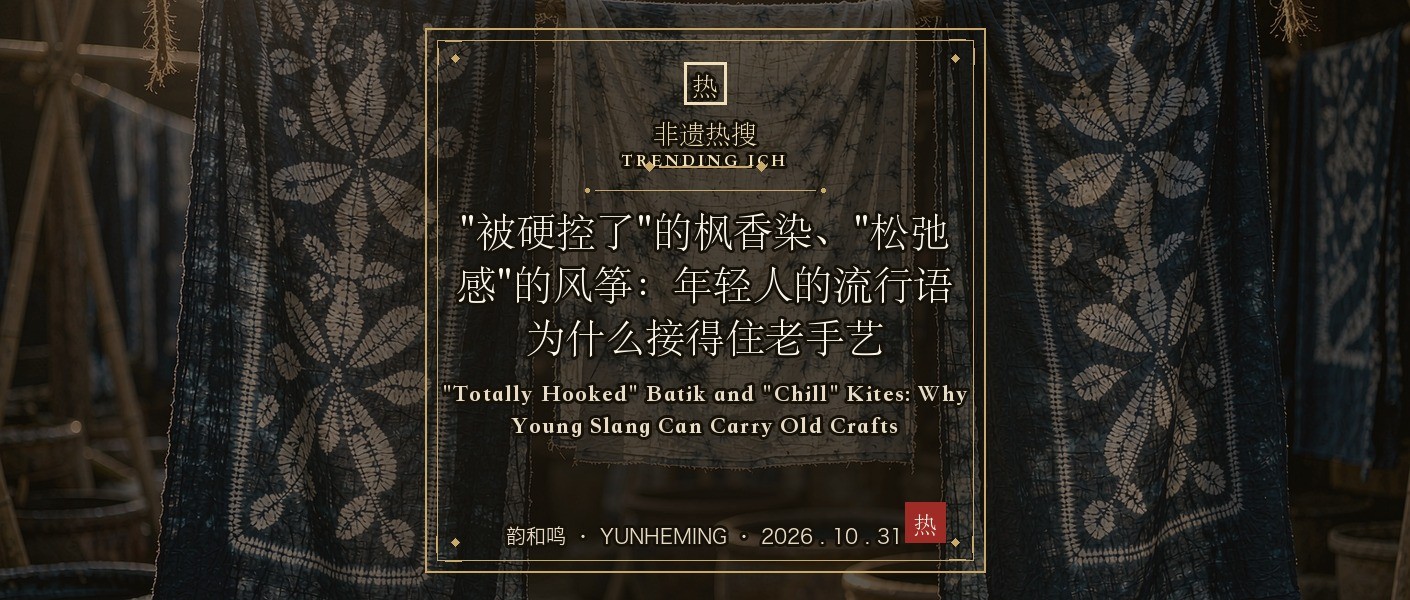
据光明网 2026 年 10 月 27 日《从"被看见"到"被对话",一份非遗出海的时代答卷》一文,10 月 21 日 2026 微博焕新非遗盛典在济南举行。文章里有一段描述很值得琢磨:年轻人流行的表达被老手艺接住了、转化了、重新点亮——"被硬控了"的枫香染、"松弛感"的潍坊风筝、"夯爆了"的济南皮影。手艺没变,说话的方式先变了。这看似是表达层面的热闹,底下其实是一次关系的改写。据光明网报道,20
▍一、热闹不在台上,在评论区
这场盛典本身并不缺看点。据上述报道,它在国家级非遗鼓子秧歌《开染》中启幕,当晚揭晓八项年度荣誉;"年度非遗传播项目"由山东文旅、济南文旅、新疆文旅报送的十二个项目摘得,"年度非遗匠心传播栏目"授予学习强国、人民日报、新华社、央视新闻等媒体的多个栏目。
真正有意思的地方在别处。往年非遗传播是单向的:我们告诉你这是什么、有多少年历史、值多少钱。而现在,"被硬控了""松弛感""夯爆了"这些词是观众自己套上去的,一句评论就把一门手艺拉进了当下的语境。同上报道提到,鼓子秧歌里的"狗熊哆嗦毛"在社交平台引发模仿,一门传统民间技艺由此意外出圈。
手艺一句没改,改的是谁在替它说话。
一块靛蓝底色的蜡染布搭在木架上,白纹在侧光里浮出来,晾布绳上还挂着两块未完成的布
▍二、三层台阶:看见、参与、对话
同一报道还引述了中国非物质文化遗产保护协会会长王晓峰的说法:新渠道不是站在非遗旁边看热闹的旁观者,而是在把这门手艺往前推。至于热度要落在哪里,他给的标准更实在——沉下来才算数,一时的关注要变成手艺自己往下传的那股力气。
把这句话拆开,能看见三层台阶。头一层是"被看见":手艺第一次以短视频等形式进入公共视野,这一步已经走了好几年。第二层是"被参与":观众不满足于看,开始模仿一个动作、学一句唱腔、去现场摸一把材料。第三层才是"被对话"——手艺的说法和圈外人的说法同时有效,两种知识开始互相翻译。
差别在于权重的转移。前两层里,手艺是被描述的对象;到了第三层,手艺的说法和圈外人的说法同时有效,两种知识开始互相翻译。这正是"创造性转化"在技术层面最朴素的样子。
▍三、流行语接得住,不等于接得稳
说句泼冷水的话:接得住是一次性的能力,接得稳才是体系的能力。至少有三道坎横在这中间。
头一道是沉淀。一个热词的有效期比一门手艺的学徒期短太多。厂商的流行语今天说"硬控",明天就换了词;可是枫香染的徒弟要学上手得好几年。热度的节奏和手艺的节奏不同步,这是结构性矛盾,不是谁的问题。
第二道是承接。报道里提到这套做法是"热点加社交"的组合——分散的兴趣被汇聚成公共话题。问题在于,流量涌来的时候,工坊有没有产能、有没有库存、能不能讲清定价依据。如果游客下单要等半年而没人事先说明,热情就会变成投诉。
第三道是翻译。这里说的翻译不只是语言。一件器物到了另一个文化语境里,它的用途、寓意、摆放的位置都要重新解释,否则就只能当纪念品被买走。这也是为什么同样是非遗出海,有人做成生意,有人只做了一次展览。
以上三层均据光明网 2026 年 10 月 27 日报道所作的梳理,涉及的评价部分为本文观点,非报道原文。
工作台上一叠折好的靛蓝布边上放着蜡刀与一小碗熔蜡,旁边是未点染的白布
▍四、做传播的人,该把手放在哪里
如果这门手艺要走向更远的地方,"翻译"这件事就得有人长期做,而不是等到有了热点再做一遍。
具体一点说:把匠人的工序拍下来,把手艺的来处写清楚,把器物为什么是这个价钱讲明白,再用对方听得懂的话重说一遍。这几件事枯燥、慢、见效迟,可比蹭一个热词扎实得多。
收了你会发现一个规律:能让一门手艺真正走出去的,往往不是最热闹的那条视频,而是最讲得清楚的那一段话。
▍问答
问 | 年轻人用网络流行语形容非遗,是好事吗
答 | 是机会,但不是结果。术语被年轻人接住,说明手艺已经进入当下的语境,这是一次难得的破圈;但术语的寿命远短于一门手艺的学徒期,能不能沉淀下来,要看工坊的产能、讲解与定价跟不跟得上。热闹是入口,讲的是手艺本身能不能接得住。
问 | 非遗"出海"最难的是语言翻译吗
答 | 语言只是表层。更难的是用途、寓意与日常位置的重新解释:这件东西在原来的生活里怎么用、摆在哪儿、代表什么意思,都要按对方的生活常识再说一遍。讲不清这些,器物就只会被当成纪念品买走。
问 | 除了替匠人卖东西,韵和鸣还做哪些事
答 | 拍片子、写清楚、翻译成能用上的话。帮老师把产品与工序拍下来,把手艺的来处和做法整理成文字;线上做多语言直播、配多国语言翻译,让听不懂中文的人也能明白这门手艺在讲什么。师傅安心做活,剩下这些交给韵和鸣。
▍说在最后
一门手艺最需要的不是被夸一次,是被反复提起。被夸一次是热闹,被反复提起才是生活。
有哪一门手艺,是你因为在网上偶然看到才第一次知道的?它后来有没有真的走进你的生活?留言说说。
📩 非遗项目 | 匠人举荐 | 跨境出海 | 线下联营
欢迎留言或后台联系,我们与匠人同行。
—— 韵和鸣 · 与匠人同行
〖 热 〗
相关搜索 | RELATED SEARCHES
非遗 为什么 突然 火了 · 枫香染 是什么 非遗 · 非遗 出海 难点 在哪 · 微博 焕新 非遗 盛典 · 年轻人 为什么 喜欢 非遗 · 非遗 热搜 手艺 破圈
English
The Noise Is Not on the Stage but in the Comments
The festival itself is not short of highlights. According to the report, it opened with the national-level heritage item Guzi Yangge in its Opening the Dye sequence, and eight annual honours were announced that evening. Twelve projects took the annual heritage communication award, and several media columns received the annual craftsmanship communication award.
What truly matters is elsewhere. Heritage communication used to run in one direction: we tell you what this is, how many centuries it has, what it is worth. Now "totally hooked," "chill," "blowing up" are words audiences put on it themselves, and one comment pulls a craft into the present context. The same report notes that a move in Guzi Yangge sparked imitation online, and a traditional folk skill went unexpectedly viral because of it.
Not one word of the craft has changed. What has changed is who speaks for it.
A length of indigo batik hangs over a wooden frame, white patterns surfacing in side light, with two unfinished cloths still drying on the line
Three Steps: Seen, Joined, Conversed With
The same report quotes Wang Xiaofeng, president of the China Intangible Cultural Heritage Protection Association: new channels do not stand beside heritage watching the fun, they push the craft along. As for where heat should land, his standard is plainer: it only counts if it settles, and passing attention must become the strength by which a craft passes itself on.
Pulling that sentence apart reveals three steps. The first is being seen: a craft enters public view through short video and other forms, and that step has been walked for several years. The second is being joined: audiences no longer settle for watching, they imitate a movement, learn a line of singing, go on site to touch the material. Only the third is being conversed with: both sides exchange what they feel, and the maker answers something not yet finished.
The difference lies in where the weight sits. In the first two steps the craft is the object being described; in the third, what the craft says and what the outsider says both count, and two kinds of knowledge begin to translate each other. That is the plainest shape of creative transformation at a technical level.
Catching Slang Is Not the Same as Holding It
A cold word: catching is a one-off ability, holding is a systemic one. At least three hurdles stand in between.
The first is settling. A slang term lasts far shorter than an apprenticeship. The internet says "hooked" today and something else tomorrow, while an apprentice in Fengxiang batik needs years to get his hands. The tempo of heat and the tempo of craft do not sync; that is a structural mismatch, nobody's fault.
The second is capacity to take delivery. The report describes the approach as a combination of hot topics and social connection, gathering scattered interest into public conversation. The problem is whether the workshop has capacity, stock and a defensible explanation of price when the traffic arrives. If an order takes half a year and nobody said so first, enthusiasm turns into complaint.
The third is translation, and not only across languages. When an object enters another cultural context, its use, its meaning and where it belongs must all be explained again, or it gets bought as a souvenir. That is why, with the same heritage going abroad, some build a business while others manage only one exhibition.
The three points above are drawn from Guangming Online's report of 27 October 2026; the assessment is this article's own view rather than the wording of the report.
On a workbench a stack of folded indigo cloth rests beside a wax knife and a small bowl of melted wax, with unpatterned white cloth waiting
Where Should Those Who Communicate Put Their Hands
If a craft is to travel further, translating has to be done steadily by someone rather than once a topic trends.
Concretely: film the maker's steps, write down where the craft comes from, explain why the object costs what it does, then say it again in words the other side understands. These tasks are dull, slow and late in paying off, but far more solid than riding a slang wave.
A pattern emerges in the end: what carries a craft outward is often not the loudest video but the clearest paragraph.
Young people describing heritage in internet slang: is it good?
It is an opportunity, not an outcome. Slang landing on a craft means the craft has entered present-day language, which is rare access; but slang has a far shorter life than an apprenticeship, and whether it settles depends on whether capacity, explanation and pricing keep up. Excitement is the entrance; what matters is whether the craft itself can hold it.
Is language the hardest part of taking heritage abroad?
Language is only the surface. Harder is explaining use, meaning and everyday place again: how the object was used at home, where it stood, what it stood for, all restated in terms of the other side's common sense. Without that, the object is bought as a souvenir and nothing more.
Beyond selling things for the makers, what else does YUNHEMING do?
Filming, writing things down, and translating them into usable words. Products and processes are filmed for the masters, and where the craft comes from is set out in writing; multilingual livestreams with translation let people who read no Chinese grasp what the craft is saying. The maker keeps his hands in the work and the rest comes to YUNHEMING.
What a craft needs most is not praise once but mention again and again. Praise once is noise; being mentioned again and again is life.
Is there a craft you first learned about by chance online? Did it afterwards enter your actual life? Leave a comment and tell us.
ICH Projects · Artisan Referrals · Global Distribution · Salon Partnerships
你可能还感兴趣
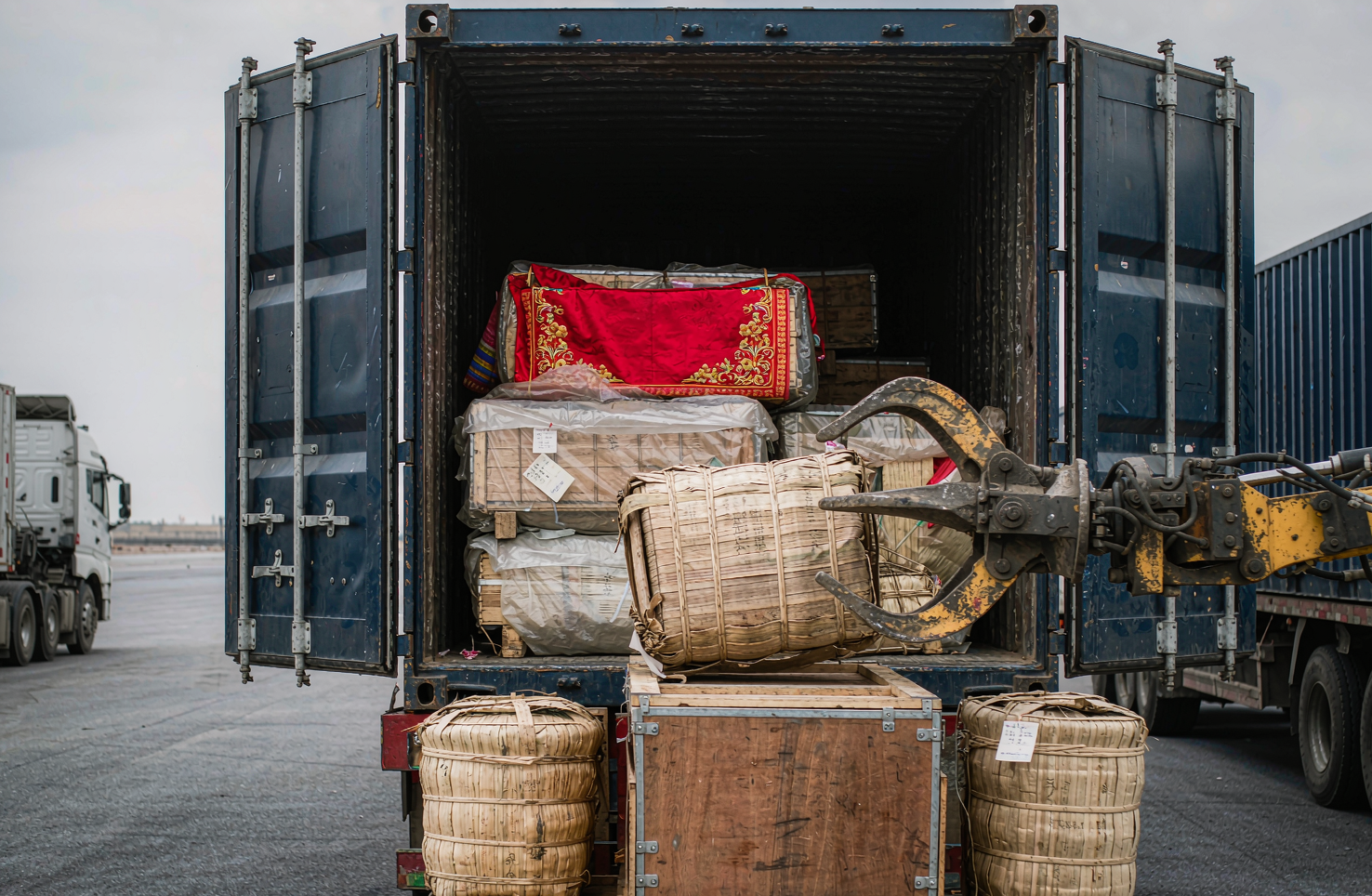
中欧班列上的非遗:慢一点,但走得远
非遗器物出海要在空运、海运与中欧班列之间权衡速度、成本和稳定性。对高工时、易碎、怕潮的手作而言,包装、防护、海外仓及发货报关等环节的安排,比单纯求快更能守住器物与资金。
韵和鸣 · 2026/10/8 · 60 阅读
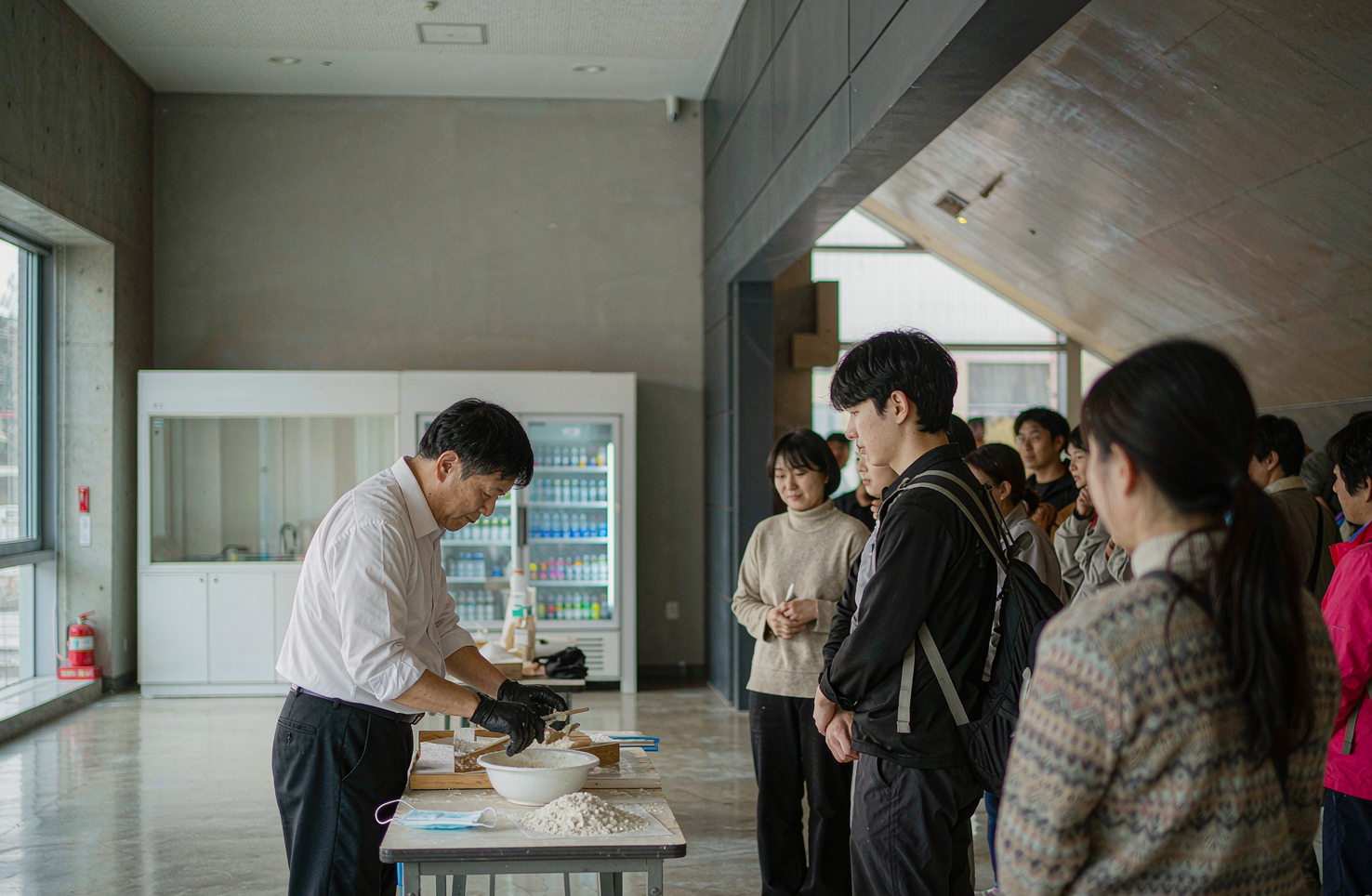
韩国的非遗保护:从"文化财"到活态传承
看世界怎么保护非遗,韩国常被提到,也常被简单化。它有一套自己的名词——"文化财""无形文化财""保有者"。关键在于,这套名词背后不只是一份名单,而是一整套"怎么把手艺交下去"的制度。
韵和鸣 · 2026/10/9 · 54 阅读

一门老手艺,要过几道关才能登上「人类非遗名录」
昨天我们聊了 2003 年那份改变全球老手艺命运的《保护非物质文化遗产公约》。今天接着往下问:公约建立了名录,那一门手艺要经历什么,才能把自己的名字写上去?
韵和鸣 · 2026/10/3 · 50 阅读

穆拉诺与博山:隔着七千公里的两座炉火之城
穆拉诺因作坊迁聚形成玻璃产业,博山则依托当地矿石与供料、匠人传统发展琉璃。文章比较两地产业聚集和原产地表达的路径,说明传承既需要师傅与学徒的密度,也需要把制作地点、来源和标准讲清楚。
韵和鸣 · 2026/10/12 · 49 阅读

"非遗"这个词,各国怎么叫、怎么理解
中文非遗、日本无形文化财及法国工艺大师等称呼,对应不同的认定单位与保护重心。比较这些体系,关键不在逐字互译,而在看名录、个人与社区分别承担什么角色,以及传承如何发生。
韵和鸣 · 2026/10/24 · 48 阅读

一件平遥漆器,如何走到海外客人家中
一件平遥漆器出海,要先讲清材质、工艺与来路,再经过合规、报关、物流、海外仓和末端配送。文章结合已有政策与跨境电商安排,说明多语种说明和养护提示同样重要:物流负责抵达,清楚的信息负责建立信任。
韵和鸣 · 2026/10/5 · 46 阅读