回收回来的旧漆器,后来去了哪里
韵和鸣 · 韵和鸣公众号 · 2026/10/30 12:00:00 · 6 阅读
"支持回收"这四个字写在服务里容易,做起来是一整套流程。一件漆器从寄回来,到被重新安置,中间要过几道关,也并非每件都能回到原来的样子。这篇把这段路如实讲一遍。回收这件事的本质,不是售后服务的一项,而是对器物价值的一次重新确认。所谓"修护",指的是器物在使用之后回到匠人手上,通过补灰、髹涂、打磨、推光等工序恢复其完整性的过程;它与出厂前的返工不同,面对的不是"做错了",而是"用过了"。
▍一、头一道关:判断
器物回到手上,头一件事不是动手,是看。看三样:胎体还稳不稳,漆层到什么程度,损伤是表面还是结构性的。漆膜失光、边角磕出白痕、合页松脱,这三类都可以处理;胎体变形、木胎糟朽、大面积脱漆露出底灰,修回来的代价往往超过器物本身。
判断这一步不能省,也不该含糊。把能修的说成能修,把修不回来的如实告知,是这件事里最基础的一分诚实。
▍二、第二道关:修
能修的器物走的还是老工序:补灰找平,髹涂补齐漆层,打磨,最后推光。推光这一道最费手,也最见功夫——一只用了多年的盒子能否恢复光泽,全看这一步有没有做到位。
配件另算。合页、锁扣、内衬这些属于易损件,能换就换,换不了就按原样重做。这里有个原则:换新件可以,但不能把新件做成"看起来很老"的样子去充原物。
▍三、第三道关:去处
修好的器物有三条去路。愿意继续用的,回到主人手里;主人不再需要的,进会客厅做陈列或教学样本——一件带着使用痕迹的旧漆器,比全新的更方便讲工序;再往下,是拆料留用,把还能用的五金与木件收起来,留给下一次修配。
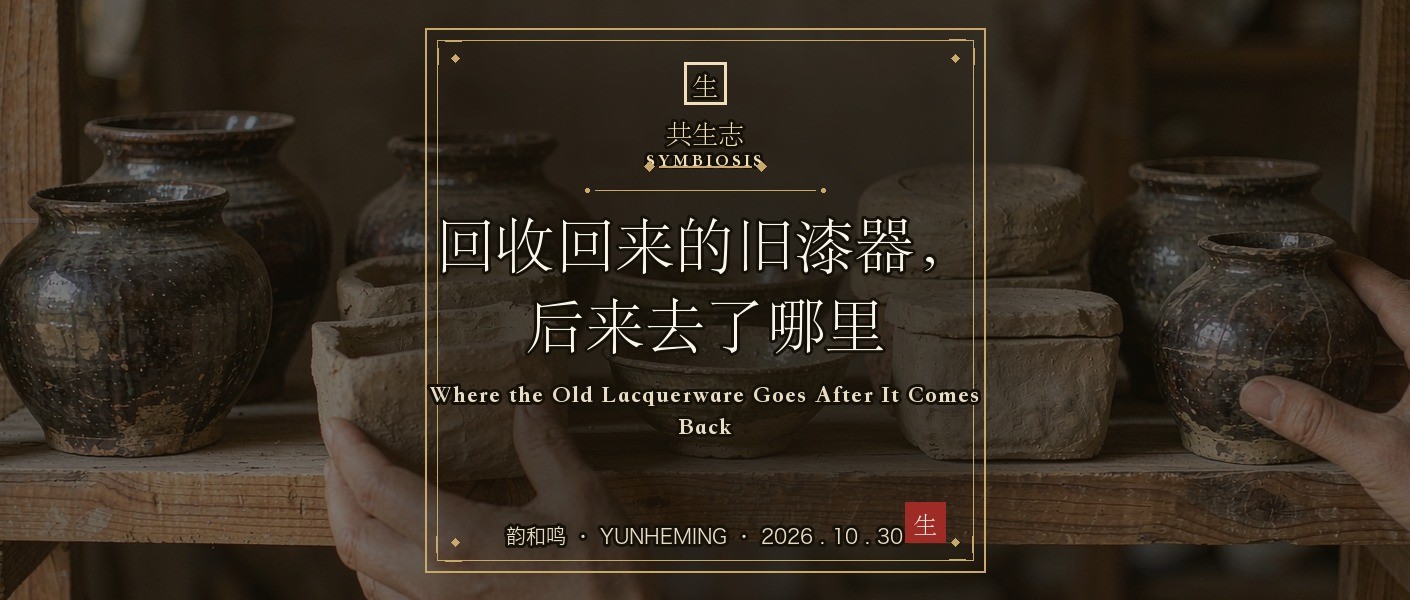
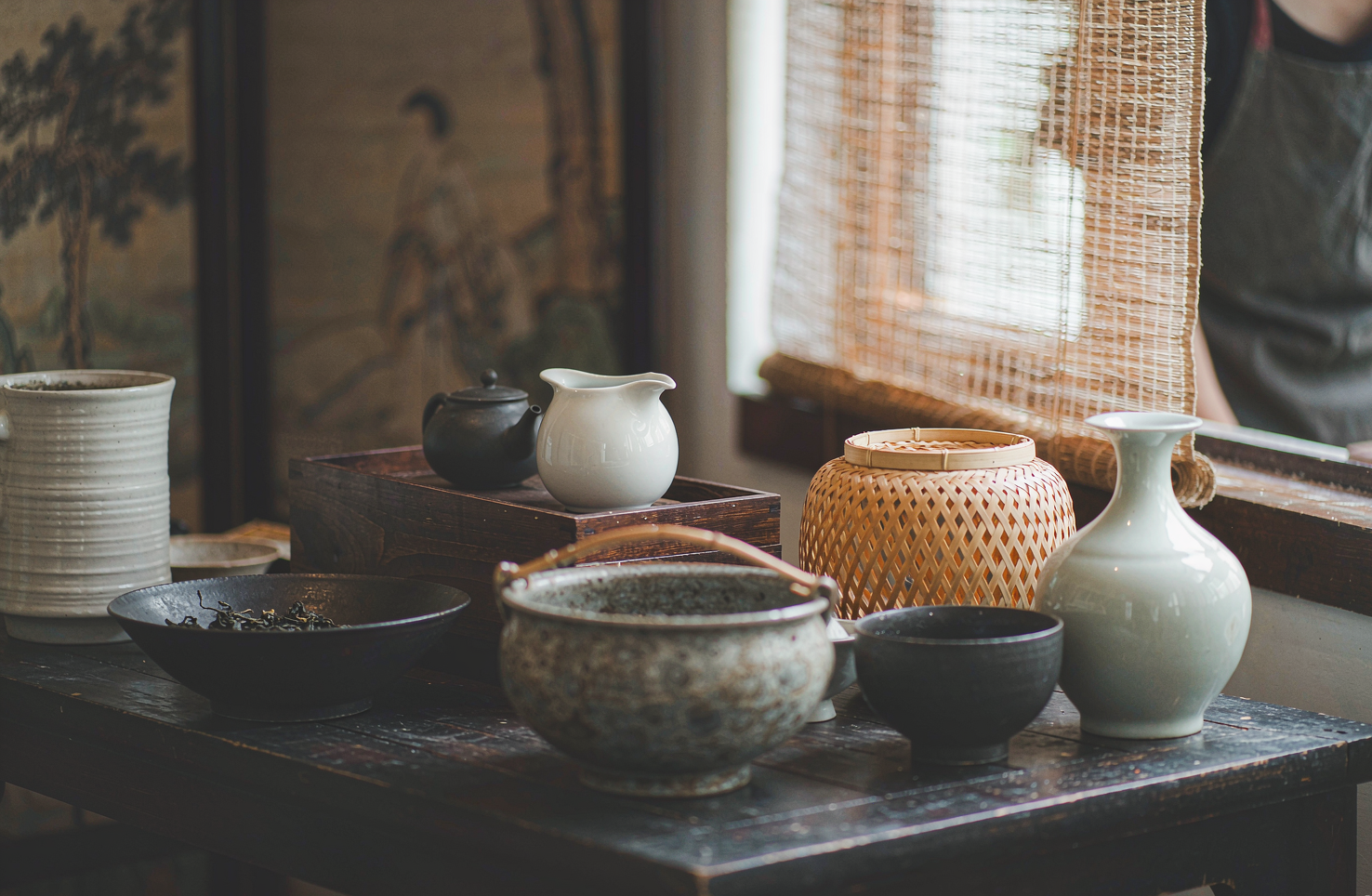
木架上一层旧漆器与几只素胎盒挨着摆放,侧光勾出器物的轮廓
修不了的器物也不是废料。它们会被留作对照样本:哪一种开裂是温差造成的,哪一类失光是长期日晒的结果。这些"坏样子"对讲清楚使用边界很有用。
《平遥推光漆器髹饰技艺保护条例》(晋中市人民代表大会常务委员会,2023 年)第十四条要求,县人民政府文化和旅游主管部门应当建立平遥推光漆器髹饰技艺档案和数据库,并向社会公开。器物回流之后,正是这类公开档案让修复有据可依。
▍四、回收真正的难处
难的不在修,在前面的两步:物流与意愿。易碎器物经不起随意打包,往返一趟的风险与成本都不低;而主人那一头,多数人不知道旧器物还能回来,也不知道该寄给谁。
所以回收这件事真正的门槛,不是技术,是信息。让人知道这条路存在,比把路修好更需要先做。
▍问答
问 | 旧的非遗器物回收回去有什么用
答 | 三样用处:能修的修好后继续使用或进入陈列与教学;修不了的留作对照样本,用来讲清使用边界;再往下是拆料留用,五金与木件留给下一次修配。手工器物不该是一次性消费品,回收是让它们继续流转的办法。
问 | 回收来的漆器都能修好吗
答 | 不能,要先判断。漆膜失光、边角磕碰、合页松脱这三类通常可以处理;胎体变形、木胎糟朽、大面积脱漆露出底灰的,修复代价往往超过器物本身。能修与修不回来都应如实告知,不能含糊。
问 | 买过的器物想退回来或者修一修,韵和鸣接吗
答 | 接。器物支持回收,用旧了、磕碰了都可以先来问一句。品牌对这件事的态度很直接:真正的非遗器物不该只被消费一次,敢把它收回来,是因为对自己经手的东西有底。具体怎么寄、走哪道流程,在公众号后台说一声即可。
▍说在最后
一件器物更妥当的结局,不是被供起来,是被用下去、修下去,最后还能有个去处。
📩 非遗项目 | 匠人举荐 | 跨境出海 | 线下联营
欢迎留言或后台联系,我们与匠人同行。
—— 韵和鸣 · 与匠人同行
〖 生 〗
English
When an object comes back, the first thing is not to act but to look. Three things: whether the body is still sound, how far the lacquer layers have gone, and whether the damage is surface or structural. Loss of gloss, white marks knocked into the edges, loose hinges, these can all be handled; a warped body, rotted wood core, or large areas of lacquer come away exposing the ash ground, and the cost of repair often exceeds the object itself.
This assessment cannot be skipped and should not be vague. Saying what can be repaired can be repaired and stating plainly what cannot is the most basic honesty in the whole business.
Objects that can be repaired follow the same old steps: filling and levelling with ash, recoating to build the lacquer back up, sanding, and finally hand-polishing. Polishing costs the most labour and shows the most skill: whether a box used for years recovers its sheen depends entirely on whether this step is done properly.
Fittings are a separate matter. Hinges, clasps and linings are wear parts: replace them if possible, remake them to the original pattern if not. One principle applies here: new fittings are acceptable, but dressing new parts to look old and passing them off as original is not.
A repaired object has three routes. If the owner still wants it, it goes home; if not, it enters the Salon for display or as a teaching sample, since an old lacquer piece bearing the marks of use makes the steps easier to explain than a new one. Beyond that, it is dismantled for parts, with usable hardware and timber kept back for the next repair.
On a wooden shelf, old lacquer pieces sit beside several unlacquered bodies, a handwritten label stuck on the top row
Article fourteen of the Regulations of Pingyao on Protecting the Polished Lacquerware Decoration Technique (Jinzhong Municipal People's Congress Standing Committee, 2023) requires the county culture and tourism department to establish an archive and database for the technique and to open them to the public. Once objects flow back, it is such public records that give repair something to go on.
Objects that cannot be repaired are not waste either. They are kept as reference samples: this kind of cracking comes from temperature swings, that kind of dulling from long exposure to sun. These "bad examples" are useful for explaining the boundaries of use.
The difficulty is not the repair but the two steps before it: logistics and willingness. Fragile objects do not survive careless packing, and the risk and cost of a round trip are not small; on the owner's side, most people do not know an old object can come back, or to whom they should send it.
So the real threshold for take-back is not technique but information. Letting people know the road exists has to come before building it well.
What use is there in taking old heritage objects back?
Three uses: what can be repaired is repaired and goes back into use, or into display and teaching; what cannot be repaired is kept as a reference sample for explaining the limits of use; beyond that, parts are salvaged, hardware and timber held for the next repair. Handmade objects should not be single-use goods; take-back is how they keep circulating.
Can all lacquerware taken back be repaired?
No, it must be assessed first. Loss of gloss, knocked edges and loose hinges can usually be handled; a warped body, rotted core or large areas of lacquer lost to the ash ground usually cost more to repair than the object is worth. Both what can and what cannot be repaired should be stated plainly.
If someone wants to return or repair an object bought earlier, does YUNHEMING take it?
Yes. Objects can be returned, and if one has aged or been knocked you can simply ask. The brand's attitude is direct: genuine heritage objects should not be consumed only once, and the willingness to take them back comes from confidence in what has passed through its hands. As for how to send it and which procedure applies, a message on the account is enough.
The best ending for an object is not to be enshrined but to be used on, repaired, and in the end still to have somewhere to go.
ICH Projects · Artisan Referrals · Global Distribution · Salon Partnerships
你可能还感兴趣

山西一半,全国一半:一个品牌的地理观
做一个非遗品牌,很容易掉进一个舒服的陷阱:把家乡的手艺讲成一个地方故事,然后靠"特产"两个字活着。这条路不难走,但也走不远。
韵和鸣 · 2026/10/8 · 41 阅读
一件手作品的价格,是怎么算出来的
手作价格不仅包含材料与工时,还要覆盖失败报废、等待占用和后续修复。判断价格是否合理,可追问各项成本对应什么、匠人获得什么、核心工序是否保留,以及售后由谁承担。
韵和鸣 · 2026/10/24 · 40 阅读
六大非遗矩阵,是怎么被凑到一起的
韵和鸣将漆、竹、绣、银、锦、瓷划为六条手作品类线,共同准入标准是来源清楚、核心工序明确和手工真作。文章说明跨品类并非简单凑齐货架,而是用同一套选品、内容、渠道与出海协作连接不同匠人。
韵和鸣 · 2026/10/10 · 39 阅读
严选的标准,说到底是三条线
韵和鸣所说的严选,落在手艺来路、真实手作痕迹和长期使用价值上。文章解释为什么一定要去工坊看材料与工序,如何区分手作差异和故意做糙,也说明宁可少选、不在来源与品质上含糊的取舍。
韵和鸣 · 2026/10/4 · 39 阅读
为什么叫"韵和鸣":三个字里的三重境界
韵和鸣三个字分别指向单项手艺的节奏、多门手艺的相处与中国非遗对外表达。文章用漆、竹、绣、银、锦、瓷的特点解释名称,并把出海落在讲清工艺与来路上,而不只是把器物运到远处。
韵和鸣 · 2026/10/2 · 37 阅读
抢救一门濒危手艺,难在哪四件事
非遗名录里有一类项目,等不起慢工——传承人年事已高,徒弟寥寥,说法是"人走艺绝"。抢救性保护喊了很多年,落到实处难在哪?拆开看是四件事,一件比一件不光鲜。说到底,抢救的不只是档案,是一门手艺重新回到生活的机会。
韵和鸣 · 2026/10/14 · 24 阅读