游客喜欢的非遗,还是非遗本来的样子吗
韵和鸣 · 韵和鸣公众号 · 2026/10/30 12:00:00 · 3 阅读
体验式非遗火了之后,一个老问题被重新摆上台面:当一门手艺开始为游客调整自己的样子——尺寸变小、工序变短、颜色变艳——我们看到的还是它本来的面目吗?两边都有道理,本文不下判词。
▍一、问题从哪来
所谓"本来面目",指的是一门手艺在材料、核心工序与原有用途上保持一致的状态;改了外围的器型与配色,通常不算改了面目,换了材料与关键工序才算。
手艺从来不是为游客存在的。窗花贴在自家窗上,漆盒是嫁妆,酱菜是过冬的口粮。可一旦它被摆进景区、做成体验课,评价它的人就换了一批:这群人看的是好不好玩、能不能带走、拍照好不好看。评价标准换了,手艺会不会跟着换?
联合国教科文组织《保护非物质文化遗产公约》(2003 年)把"保护"界定为确保非物质文化遗产生命力的各项措施,包括确认、立档、研究、保存、保护、宣传、弘扬、传承与振兴。
▍二、一方:改动是活下去的代价
持这一立场的人会说,手艺从来都在变。器物跟着生活方式走:从前装粮的缸,今天可以当花器;从前过节才穿的绣衣,今天可以做胸针。若坚持原样不动,手艺就只剩展柜这一条路,而展柜里的东西是不需要学徒的。
他们还有一条更硬的理由:收入。游客带来的是现金流,现金流决定有没有年轻人愿意留下来学。能让人买走一件小东西,比让一百个人称赞一句"真美"更有用。
▍三、另一方:改到认不出,就失去了被保护的理由
另一边的担心集中在"改到什么程度"。他们认为,一门手艺之所以值得保护,恰恰因为它不能被替代:材料是真材料,工序是真工序,手艺人的判断是真的判断。若为了好卖把核心工序省掉、把材料换成更便宜的,剩下的只是一个图案。
他们还有一个观察:游客的喜欢是流动的。今天流行"丑萌",明天可能流行极简。手艺若跟着流行走,就会被流行一次次改写,最后连自己原本长什么样都说不清。
▍四、收束:把两件事分开记账
也许可以这样看:改的是外围,守的是核心。尺寸、配色、用途这些可以跟着今天的生活走;用什么材料、走哪几道关键工序,这些不能让。至于这条线该画在哪里,恐怕每一门手艺的答案都不一样。
▍问答
问 | 非遗为了适应市场改掉一部分,还算不算非遗
答 | 要看改的是哪一部分。材料、核心工序与原有用途这三项被替换,项目的辨识度就会下降;器型、尺寸、配色随生活方式调整,则属常见。判断的落点是"还能不能追溯到原来那门技艺本身"。
问 | 机器已经能做得很像了,韵和鸣在选品时怎么对待机械化这件事
答 | 分环节看,不笼统排斥。核心工序必须手工完成,这一条不让;辅助环节是否借助机械,则如实告诉读者。判断的落点是"谁做的、做了多久、能不能溯源",而不是"看起来像不像手工"。
▍说在最后
你站哪一边?如果一门手艺为了活下去,必须改掉一道工序,你接受改哪一道?留言说说你的理由。
📩 非遗项目 | 匠人举荐 | 跨境出海 | 线下联营
欢迎留言或后台联系,我们与匠人同行。
—— 韵和鸣 · 与匠人同行
〖 辩 〗
English
The question of "how it was" rests on whether a craft keeps its materials, core steps and original use; changing outward form and colour usually does not change it, while changing materials and key steps does.
Craft never existed for tourists. Paper-cuts went on one's own windows, a lacquer box was part of a dowry, pickles were food for getting through winter. Once it is placed in a scenic area and turned into an experience session, a different set of people judges it, and they ask whether it is fun, whether it can be carried home, whether it photographs well. When the standard changes, does the craft change with it?
The UNESCO Convention for the Safeguarding of the Intangible Cultural Heritage (2003) defines safeguarding as measures aimed at ensuring the viability of the intangible cultural heritage, including identification, documentation, research, preservation, protection, promotion, enhancement and transmission.
One Side: Adjustment Is the Price of Staying Alive
Those on this side say craft has always changed. Objects follow the way people live: a jar that once held grain can hold flowers today; an embroidered jacket once worn only at festivals can become a brooch. Insist on leaving everything as it was and the craft has only the display case left, and nothing in a display case needs apprentices.
They also have a harder argument: income. Visitors bring cash flow, and cash flow decides whether young people are willing to stay and learn. Getting someone to buy a small object is more useful than a hundred people saying how beautiful it is.
The Other Side: Changed Past Recognition, It Loses Its Claim to Protection
The worry on the other side concentrates on how far the change goes. They hold that a craft deserves protection precisely because it cannot be substituted: the materials are real, the steps are real, the maker's judgement is real. If, in order to sell better, the core steps are dropped and the materials swapped for cheaper ones, what remains is only a pattern.
They also observe that tourist liking is fluid. Today "ugly-cute" is in fashion, tomorrow minimalism may be. If a craft follows fashion, it will be rewritten by fashion again and again, until it can no longer say what it originally looked like.
In Closing: Keep the Two Accounts Separate
Perhaps it can be seen this way: what changes is the periphery, what is kept is the core. Size, colour and use may follow life today; which material is used and which key steps are followed cannot be conceded. Where exactly that line is drawn probably has a different answer for every craft.
If heritage drops part of itself to suit the market, does it still count as heritage?
It depends which part is changed. If materials, core steps and original use are replaced, the item's recognisability falls; if form, size and colour follow the way people live, that is common. The test is whether it can still be traced to the original skill itself.
Machines can already imitate convincingly; how does YUNHEMING treat mechanisation when selecting?
It looks at each stage rather than rejecting mechanisation outright. The core steps must be done by hand and that is not negotiable; whether machinery assists in auxiliary stages is stated plainly to the reader. The test is who made it, how long it took and whether it can be traced, not whether it looks handmade.
Which side are you on? If a craft, in order to survive, had to give up one step, which one would you accept? Leave a comment with your reasoning.
ICH Projects · Artisan Referrals · Global Distribution · Salon Partnerships
你可能还感兴趣
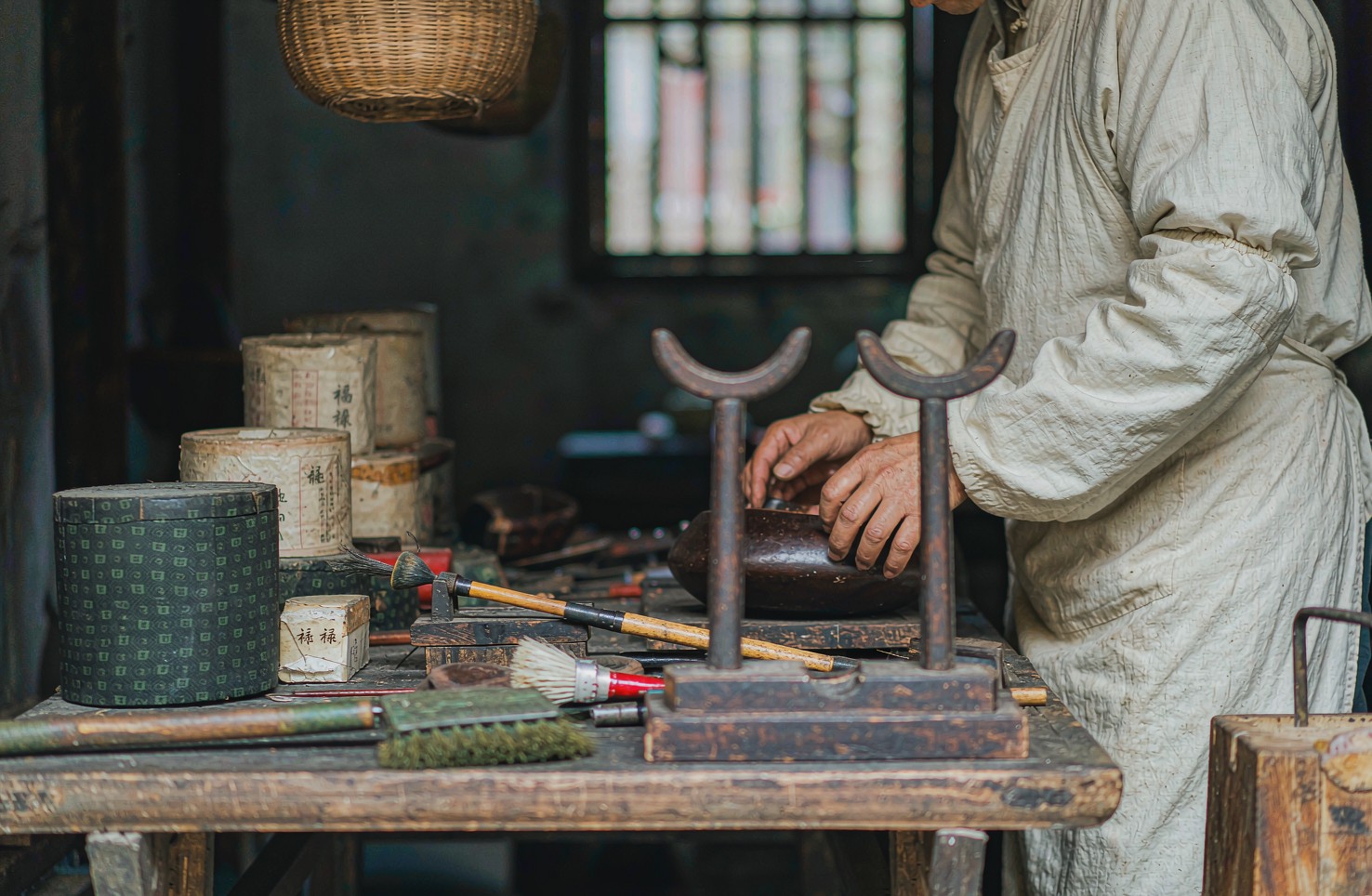
AI 生成的"非遗纹样",算不算抄袭
喂一批图给模型,几秒钟就能出一张"苗绣风"的纹样。有人觉得这是把传统纹样重新用起来,有人认为这是把别人一辈子的手艺免费拿走了。问题不好回答,说到底,真正难定的不是"像不像",而是数据从哪来、收益到哪去。今天我们不做判断,只把两边的理由摆出来。
韵和鸣 · 2026/10/24 · 56 阅读
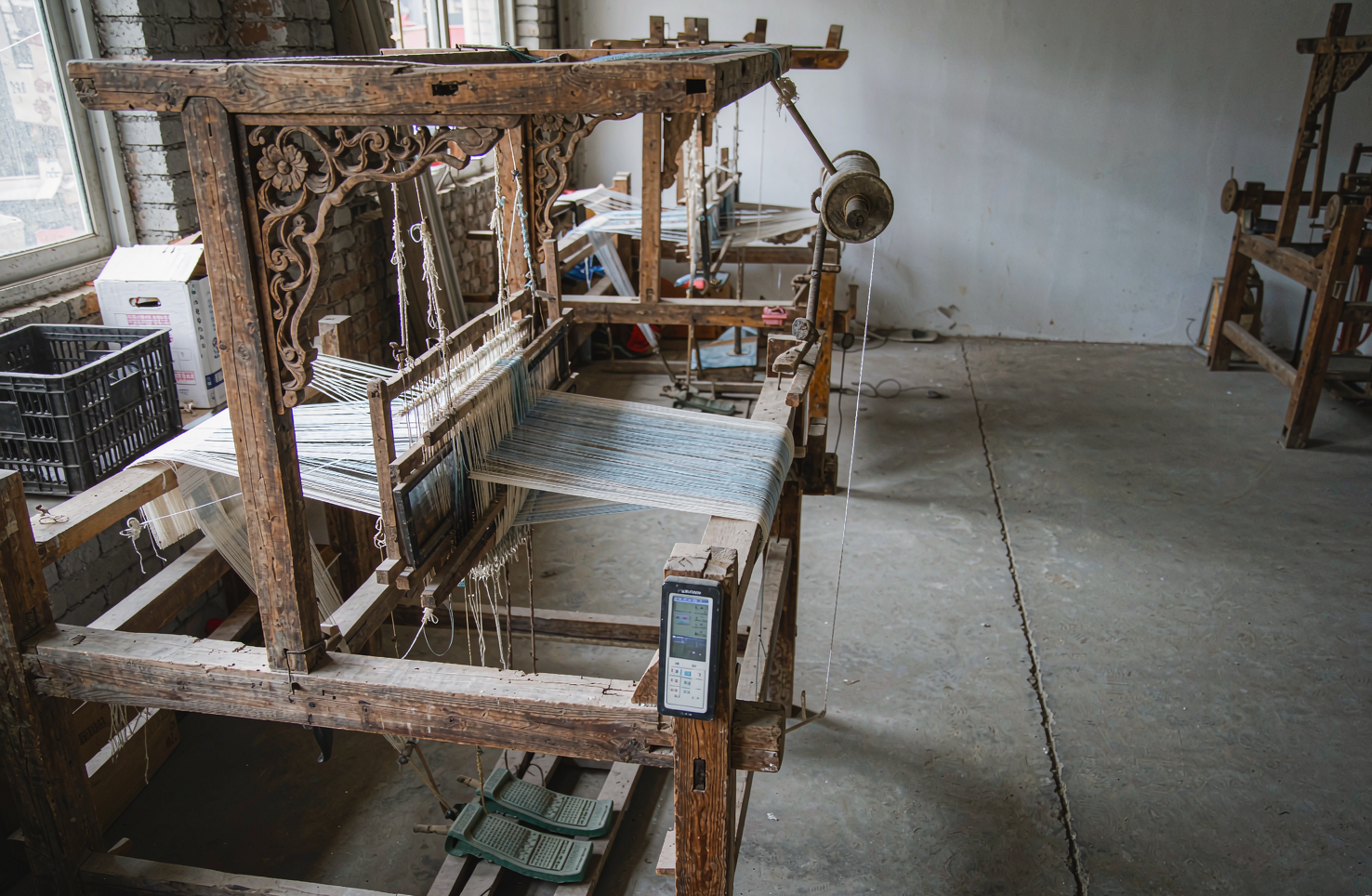
机器开始学手艺:是给匠人搭把手,还是来接班
一段流传很广的画面里,一台机械臂正跟着非遗传承人"学艺"——学劈丝、捻线、穿针。看的人分成两拨:一拨说技术帮上了忙,一拨说来抢饭碗了。同一件事读出两种意思,关键在于用什么尺度去量。
韵和鸣 · 2026/10/9 · 55 阅读
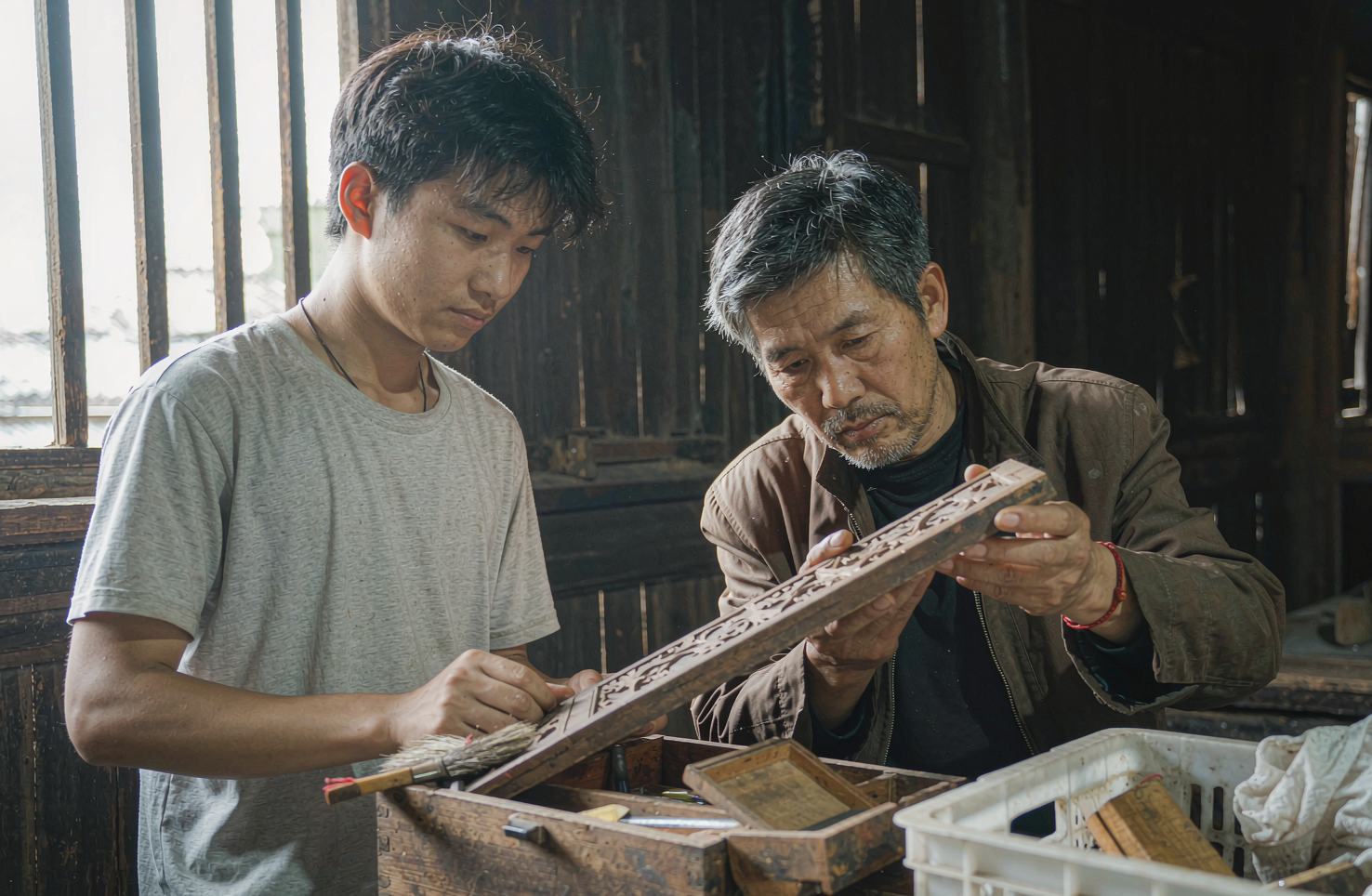
年轻人不愿学老手艺,该怪年轻人,还是怪这门手艺?
非遗传承里被讨论得最多的一句话是"后继乏人"。这句话往下追一层,就分成两条路:一条通向年轻人,说他们耐不住、看不上;一条通向他们面对的那门手艺,说它没能给出一条能活下去的路。这两条路,最近又吵起来了。
韵和鸣 · 2026/10/8 · 53 阅读
非遗创新只剩跨界联名和文创,是真突破还是路径依赖?
长假刚过,一场区域性非遗活动发布的"创新案例"名单在网上引来讨论:入选案例的路数出奇一致——不是和游戏影视做跨界,就是把老手艺搬进沉浸式演出,再就是开发一轮文创。有人叫好,也有人摇头:年年喊创新,怎么总围着老三样转?是突破,还是路径依赖?两边的话都摆出来。
韵和鸣 · 2026/10/13 · 43 阅读
大牌用非遗元素做联名:致敬,还是搬运?
非遗联名的争议不只在设计好不好看,更在是否说明技艺来处、尊重原意、让匠人或工坊署名并受益。文章呈现传播与订单机会、符号搬用风险两种观点,并提供判断合作是否真诚的具体观察点。
韵和鸣 · 2026/10/10 · 42 阅读
漆器为什么能埋八千年不坏
在博物馆做漆器研究与修复的研究员老周,桌上常年摆着两样东西:一段出土的漆皮残片,一只新做不久的平遥推光漆盘。他说这两样东西隔着八千年,却是同一种材料。这次对话,我们从"漆器为什么埋几千年不坏"聊起,聊到最后,其实是手艺对材料的理解问题。
韵和鸣 · 2026/10/14 · 64 阅读