一场小型鉴赏会上,客人最常问的三个问题
韵和鸣 · 韵和鸣公众号 · 2026/10/29 12:00:00 · 3 阅读

会客厅办过不少场小型鉴赏会。器物摆上桌,讲解讲完,真正有意思的部分才开始——客人把东西拿在手里之后,问出来的问题往往比讲解里准备的多。三个问题出现得最频繁,每次的答案也都不太一样。本质在于,人只有摸到实物,才会问出真正关心的事。
▍头一问:这是手工的吗
这个问题几乎每场都有。直接答"是"没有意义,客人要的不是结论,是方法。
联合国教科文组织《保护非物质文化遗产公约》(2003 年通过)把非物质文化遗产界定为"被各社区、群体,有时是个人,视为其文化遗产组成部分的各种社会实践、观念表述、表现形式、知识、技能以及相关的工具、实物、手工艺品和文化场所"。按这个界定,一件器物要谈"非遗",先要能说清它属于哪一门技艺。
我们的答法是让人自己看:看痕迹,手工件之间有细微差异,同一款的两件摆在一起,纹路的走向与收口不会完全重合;看背面与底足,这两处最省不掉手工;再上手掂,重量分布与重心位置,机器压出来的和手做出来的常常不同。
长桌上并排放着两只同款的器物,客人俯身对比它们的口沿与底部
▍第二问:样子差不多,价为什么差这么多
这一问常常跟在头一问后面。我们一般不急着解释价格,先把两件东西的成本拆开。
我们会把两件翻过来给客人看底。手工那件的时间大部分花在等上面——阴干要等、入窑要等,某一道废了,前几天一起作废,这些等不掉的日子没人替你付。机制那件的钱压在模具和设备上,做一万件就摊薄一次。两种算法不在同一本账上,价格也就没法横着比。
还有一层客人容易忽略:能不能溯源。一件东西讲得清是谁做的、在哪做的、怎么做的,它的价格里包含了这份交代;讲不清的,价格自然低一档。
▍第三问:买回去怎么养,坏了怎么办
这一问最实在,也最该早问。我们答两条:一是通用原则,先弄清材料怕什么——怕水的别擦,怕温差的别激,怕光的别晒;二是服务,器物出了问题可以找回来修,品牌支持回收。
敢回收,是因为知道它当初是怎么做出来的。这句话在鉴赏会上说过很多次,每次都能让客人安静一会儿。
▍问答
问 | 想上手看器物,会客厅可以直接去吗
答 | 可以。会客厅是可以坐下来看器物、聊手艺的空间,陈列原则是山西一半、全国一半,不按柜台的方式摆货。近期的体验与鉴赏安排,在公众号后台留言就能问到。
问 | 一场鉴赏会一般怎么安排
答 | 三段:先看器物,讲解会按品类与工序讲,不按价格讲;再上手,摸重量、看收口、比两件同款的差异;最后答疑,养护、修复与定制的问题集中答。人少一点更好,问题才问得出来。
问 | 韵和鸣的线下空间和其他店有什么不一样
答 | 它不是卖场,是客厅。设这个空间的初衷是让人坐下来慢慢看器物、聊手艺,也让匠人与读者有见面的地方。看中了可以带走,没看中也可以再来——空间本身不设销售压力。
▍说在最后
讲解讲一百句,不如让人把东西拿在手里三分钟。
如果给你三分钟上手,你头一个会看哪里?留言说说。
📩 非遗项目 | 匠人举荐 | 跨境出海 | 线下联营
欢迎留言或后台联系,我们与匠人同行。
—— 韵和鸣 · 与匠人同行
〖 厅 〗
English
The First Question: Is This Handmade?
This question comes up almost every time. Answering "yes" means nothing; what the guest wants is not a conclusion but a method.
The UNESCO Convention for the Safeguarding of the Intangible Cultural Heritage, adopted in 2003, defines intangible cultural heritage as the practices, representations, expressions, knowledge and skills, together with the instruments, objects, artefacts and cultural spaces associated therewith, that communities, groups and, in some cases, individuals recognize as part of their cultural heritage. Under that definition, an object can only be called heritage once it can be placed within a named craft.
Our way is to let people look for themselves: look for traces, since handmade pieces differ slightly, and two of the same design placed side by side will not match exactly in the direction of pattern or the closing; look at the reverse and the foot, where handwork is hardest to skip; and weigh it in the hand, since the distribution of weight and the position of balance often differ between pressed and hand-made work.
Two pieces of the same design placed side by side on a long table, a guest leaning over to compare rim and foot
The Second: They Look Similar, So Why the Price Gap?
This one usually follows the first. Rather than explain the price at once, we take the cost of the two pieces apart.
We turn both pieces over and show the underside. In the handmade one most of the time goes into waiting: the drying must be waited out, the kiln must be waited out, and if one stage fails the days before it fail with it, days no one else pays for. In the machine-made one the money sits in moulds and equipment, thinned once across ten thousand units. The two accountings do not sit on the same ledger, so the prices cannot be compared side by side.
There is a further layer guests tend to miss: whether it can be traced. An object that can account for who made it, where and how carries that account in its price; one that cannot naturally sits a tier lower.
The Third: How Do I Care for It, and What If It Breaks?
This is the most practical question and the one best asked early. We answer on two lines: a general principle, which is to know what the material fears, since what fears water should not be wiped, what fears temperature change should not be shocked, and what fears light should not be sunlit; and service, since an object that goes wrong can come back for repair, and the brand supports take-back.
We can take it back because we know how it was made in the first place. That line has been said at many sessions, and each time it quietens the room for a moment.
Can one simply go to the Salon to handle the pieces?
Yes. The Salon is a space to sit down, look at objects and talk about craft, displayed on a principle of half Shanxi and half the rest of China rather than as counter retail. Current viewing and experience arrangements can be asked about by leaving a message on the account.
How is a viewing session usually arranged?
Three parts: looking first, with the introduction organised by category and process rather than by price; then handling, feeling the weight, examining the closing and comparing two pieces of the same design; and finally questions, on care, repair and commissioning. Smaller groups work better, since that is when questions surface.
How does YUNHEMING's offline space differ from other shops?
It is not a shop floor but a living room. The space was set up so people can sit, look slowly and talk about craft, and so makers and readers have somewhere to meet. Take something home if it suits you; come back if nothing does. The space carries no pressure to sell.
A hundred sentences of explanation matter less than three minutes with the object in hand.
Given three minutes with a piece in your hands, where would you look first? Leave a comment.
ICH Projects · Artisan Referrals · Global Distribution · Salon Partnerships
你可能还感兴趣
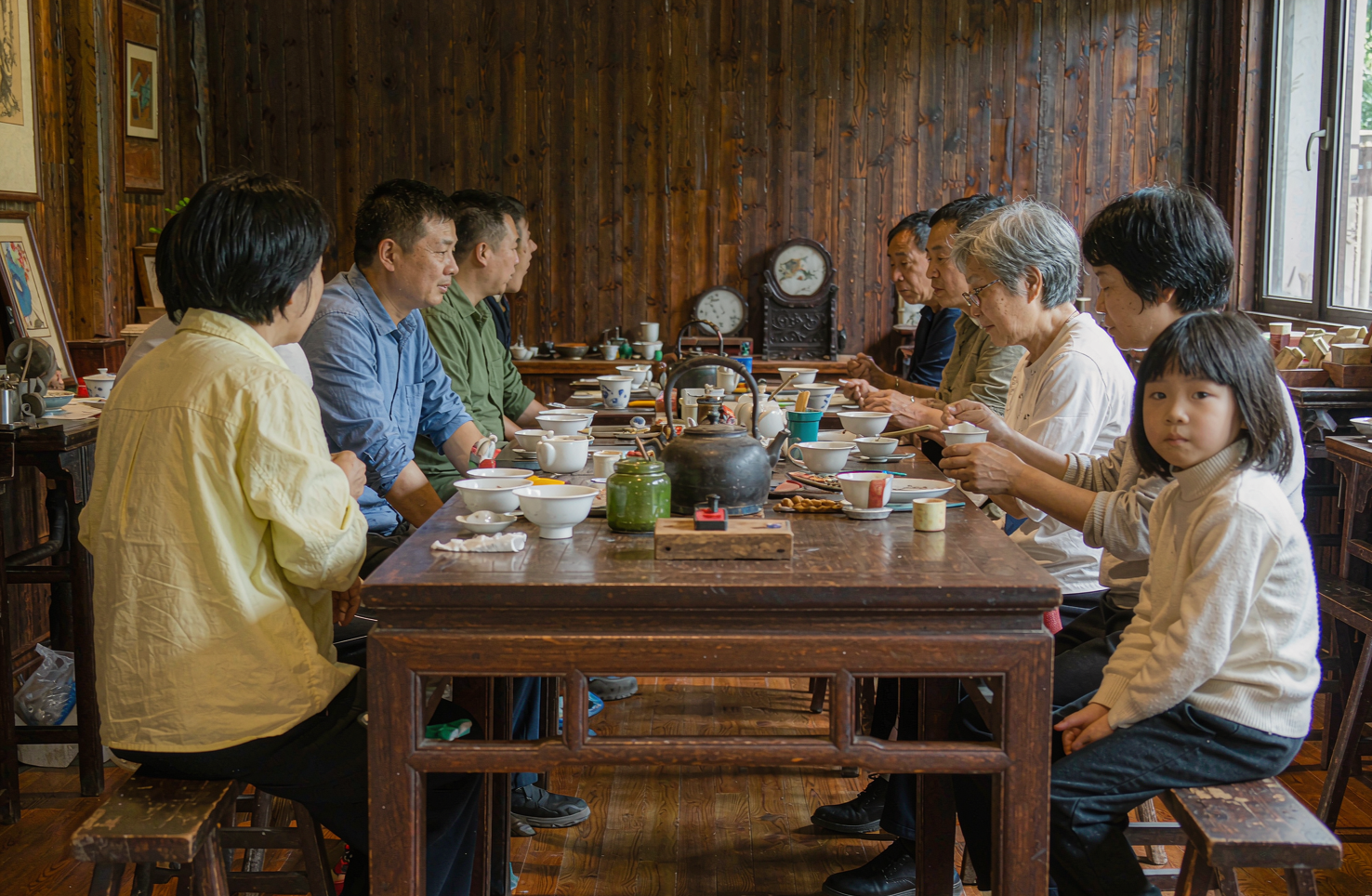
把"慢"做成一种体验:一间非遗会客厅的想法
我们习惯按功能给空间分类:吃饭的、购物的、办公的。但有一种很难归类——它在城市的闹处,不催你走,也不急着让你买单。关键在于,当"慢"被认真设计出来,它本身就可以是一种产品。
韵和鸣 · 2026/10/9 · 54 阅读
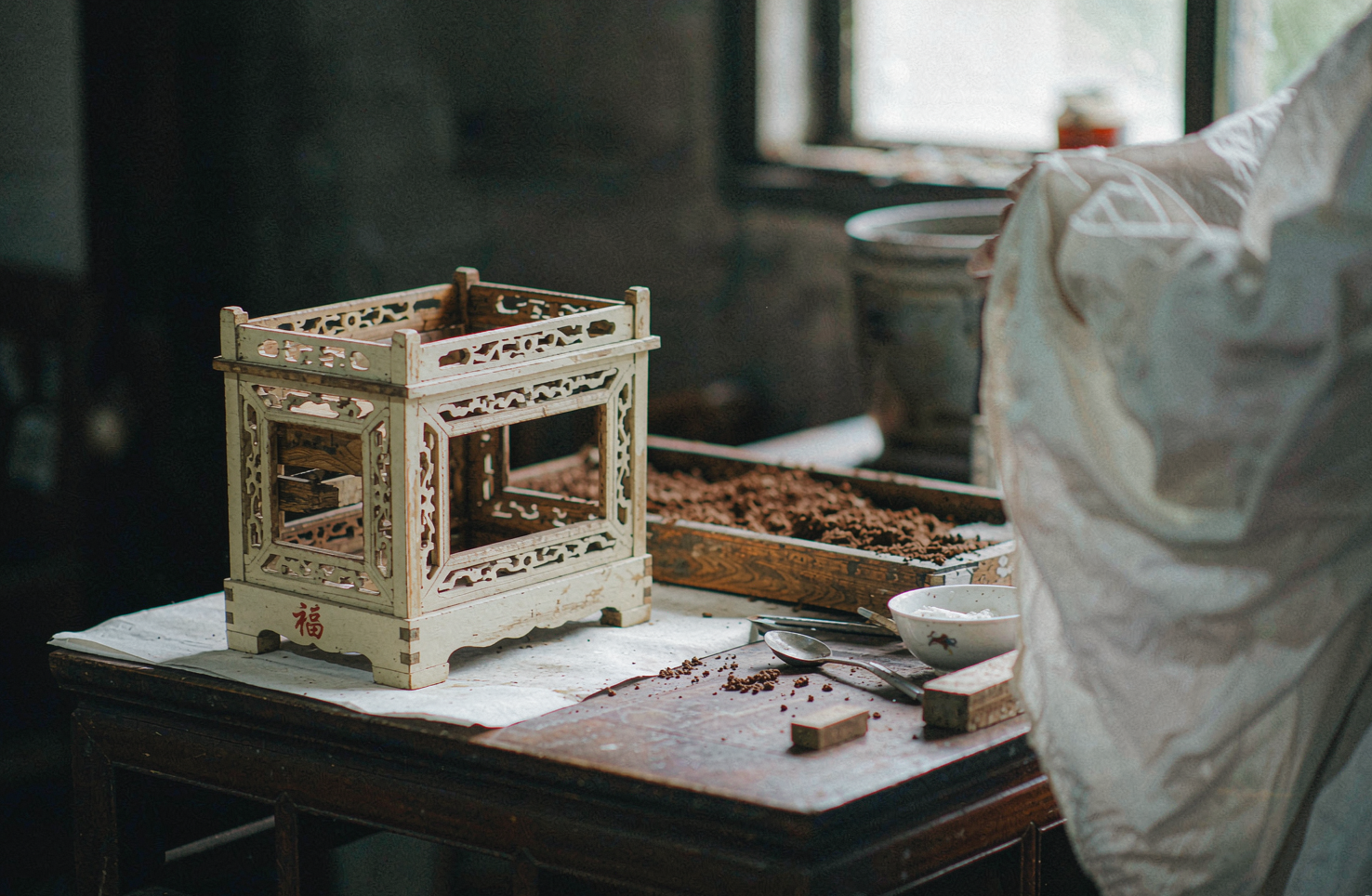
为什么非遗要「可看、可品、可体验、可购买」
“可看、可品、可体验、可购买”对应非遗空间中理解器物的四个层次:先看来源,再在茶饮和使用场景中亲近,随后通过手作理解工序,最后自主决定是否购买。重点不是催促成交,而是降低陌生手艺的接触门槛。
韵和鸣 · 2026/10/13 · 45 阅读
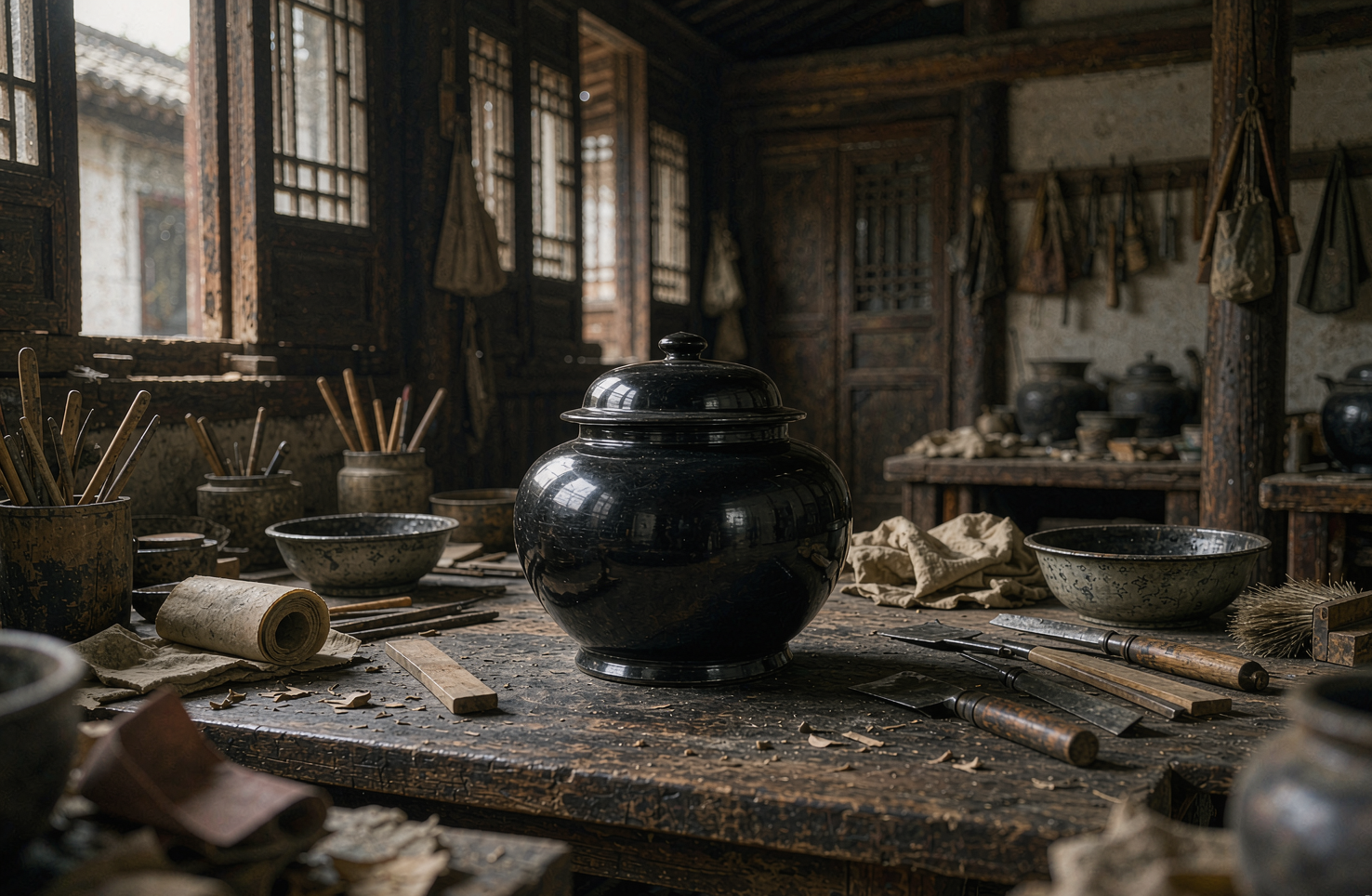
漆器为什么能埋八千年不坏
在博物馆做漆器研究与修复的研究员老周,桌上常年摆着两样东西:一段出土的漆皮残片,一只新做不久的平遥推光漆盘。他说这两样东西隔着八千年,却是同一种材料。这次对话,我们从"漆器为什么埋几千年不坏"聊起,聊到最后,其实是手艺对材料的理解问题。
韵和鸣 · 2026/10/14 · 64 阅读
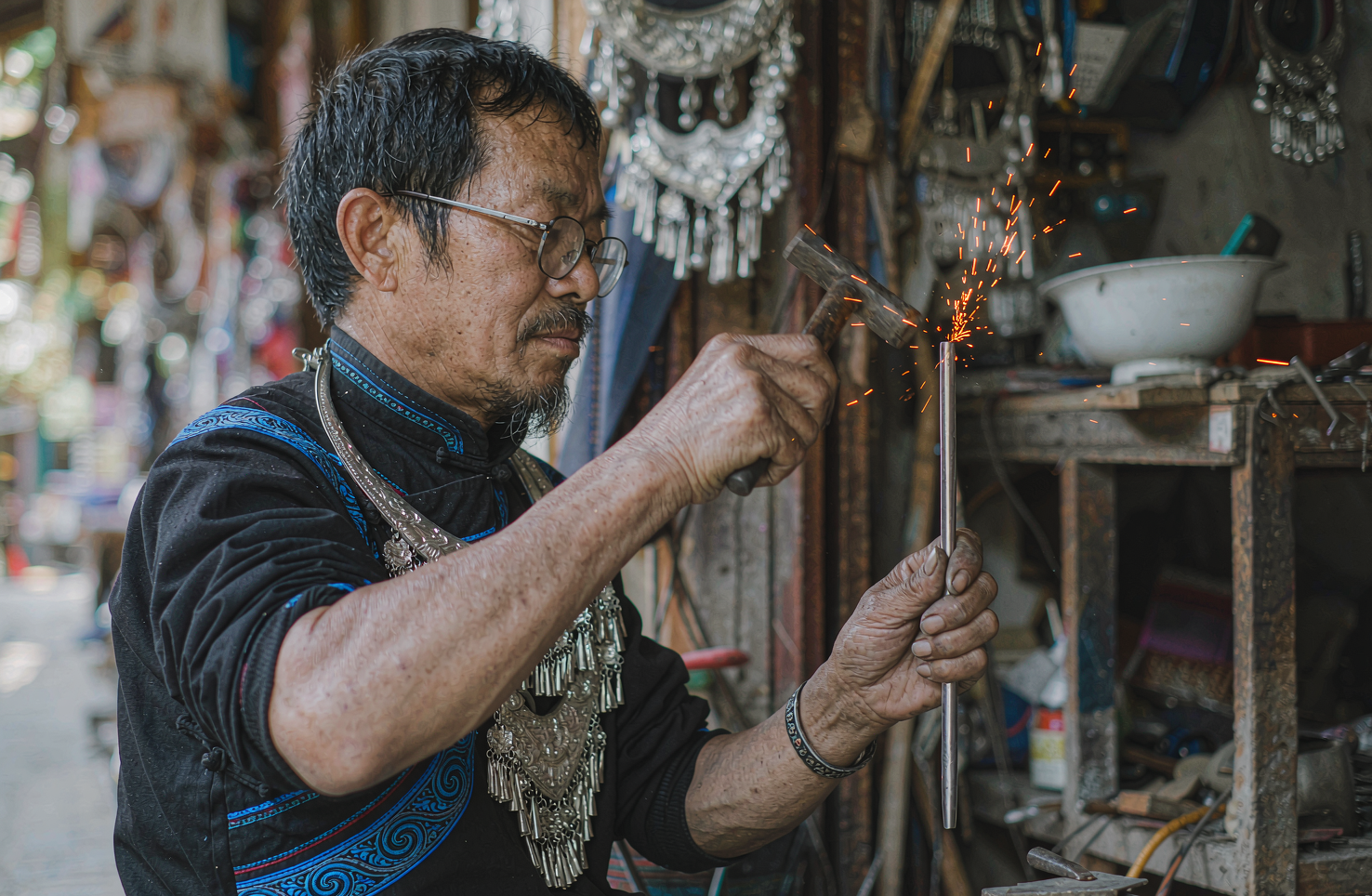
去贵州雷山,看一块银元如何变成一支银簪
在黔东南的苗寨里,银不只是一种首饰材料。它曾经是可以随时熔掉、重新打制的"存款",也是节日里一个女人身上最亮的那部分。关键在于,当一块老银元被放进坩埚,它要经过多少双手、多少道火,才重新成为一件能戴出门的东西。
韵和鸣 · 2026/10/9 · 60 阅读
AI 生成的"非遗纹样",算不算抄袭
喂一批图给模型,几秒钟就能出一张"苗绣风"的纹样。有人觉得这是把传统纹样重新用起来,有人认为这是把别人一辈子的手艺免费拿走了。问题不好回答,说到底,真正难定的不是"像不像",而是数据从哪来、收益到哪去。今天我们不做判断,只把两边的理由摆出来。
韵和鸣 · 2026/10/24 · 56 阅读
机器开始学手艺:是给匠人搭把手,还是来接班
一段流传很广的画面里,一台机械臂正跟着非遗传承人"学艺"——学劈丝、捻线、穿针。看的人分成两拨:一拨说技术帮上了忙,一拨说来抢饭碗了。同一件事读出两种意思,关键在于用什么尺度去量。
韵和鸣 · 2026/10/9 · 55 阅读