非遗出海的"合规"清单:标签、材质与认证
韵和鸣 · 韵和鸣公众号 · 2026/10/29 12:00:00 · 3 阅读
第 140 届广交会第二期上,不少参展企业把非遗技艺与东方美学融进轻工新品,中国轻工工艺品进出口商会副会长张杰提到,采购商的关注点正从基础功能转向设计质感、品牌调性与文化故事(据央广网 2026-10-27 报道)。故事讲好了,还有一层更枯燥的功夫:纸面上的合规。本质在于,器物过关靠的是文件与标签,这一层做不细,前面讲的故事都落不到位。
▍头一道:标签与说明
标签要回答四个问题:这是什么材质、产自哪里、怎么养护、有什么使用禁忌。四件事里最容易被省掉的是最后一件。
漆器不进洗碗机、竹木怕长期泡水、绣品忌暴晒——这些在国内靠口头交代就够了,到了海外,没人会替你口头交代。写上去,是保护器物,也是保护品牌。
▍第二道:材质申报
所谓"材质申报",指的是出口时向海关申报商品所使用的主要材料及其构成比例,以便归入相应税则号列。据世界海关组织公开资料,各国海关普遍以《商品名称及编码协调制度》(HS)作为进出口商品分类与征税的共同依据;同一件器物,主材判为竹、木还是漆,落到的税号与税率并不相同。
天然材质是手作的优点,也是清关时最需要说清的部分。竹、木、藤属于植物材料;丝绸、羊绒、羽毛来自动物;生漆属于天然树脂。不同市场对这几类的要求并不一致,有的要求产地证明与处理说明,有的对动植物来源另有规定。
打包台上摊着几张多语种的说明卡片,旁边是叠好的缓冲纸与一只待封的纸箱
可操作的做法只有一条:把材质拆到最小单位写清楚。写"天然竹材"不如写"竹(剖丝编织)",写"大漆"不如写"天然生漆(植物树脂)"。越具体,被问的概率越低。
▍第三道:检测与认证
需要检测什么,取决于器物怎么用。接触食品的器物要做过食品接触材料的检测;可能被儿童接触的,要看目标市场对重金属与锐边的要求;带涂层的,涂层本身也常被单独要求提供数据。
有一处常被误解:某个市场的合格标识不是全球通行证。它只说明这件产品满足了该市场的特定要求,换个市场往往要重新做。具体要求以目的国官方口径为准,不确定时先问再发。
▍文件也是内容的一部分
我们做跨境这一行,慢慢形成一个看法:说明文件不是附属物,它是器物在海外的头一份自我介绍。材质、工序、匠人署名、养护方式,四样写全,等于替一件器物把来路交代清楚。
讲得清的东西,卖起来才不费劲。这一层功夫做扎实,前面讲的文化故事才有人接得住。
▍问答
问 | 非遗手作出海需要哪些基本文件
答 | 通常四类:商业发票与装箱单、材质与工艺说明、产地证明(视市场要求)、养护与安全提示。用于销售的器物还应准备品牌与匠人署名的说明卡。具体清单以目的国海关与进口方要求为准。
问 | 天然材质的手作在清关时为什么常被问
答 | 因为天然材料涉及植物检疫、动植物来源与处理工艺的监管,不同市场规则不一。应对办法是把材质拆细写清——具体到材料名称与处理方式,并附上养护说明。写得越具体,被追问的概率越低。
问 | 韵和鸣做非遗出海,靠的是哪两样
答 | 一条已经跑通的跨境链条,一支能把内容讲出去的团队。产品出口欧美、日韩、新加坡等市场,流程节点清楚,器物才送得稳;另一条腿是多语言直播与多国语言翻译,先让人看懂这门手艺,再谈喜欢与否。货到得了,故事也要到得了。
▍说在最后
故事决定人想不想要,标签决定货能不能到。两件事都得有人做。
你在海外寄过或收过手作吗?卡在哪一步?留言说说。
📩 非遗项目 | 匠人举荐 | 跨境出海 | 线下联营
欢迎留言或后台联系,我们与匠人同行。
—— 韵和鸣 · 与匠人同行
〖 海 〗
相关搜索 | RELATED SEARCHES
非遗 出海 需要 哪些 认证 · 手工艺品 出口 标签 要求 · 非遗 器物 材质 申报 · 出口 检测 认证 清单 · 非遗 手作 跨境 合规 · 韵和鸣 出海
English
A label has to answer four questions: what material it is, where it comes from, how it is cared for, and what it should not be used for. Of the four, the last is the one most often left out.
That lacquerware should not go in a dishwasher, that bamboo and wood dislike prolonged soaking, that embroidery should avoid direct sun: at home a word is enough; abroad nobody passes on the word. Writing it down protects the object and the brand alike.
Declaring materials means stating to customs, at the point of export, the principal materials used and their proportions, so that the goods fall under the correct tariff heading. According to public material from the World Customs Organization, customs administrations generally use the Harmonized Commodity Description and Coding System as the shared basis for classifying goods and levying duties; the same object read as bamboo, as wood or as lacquer does not land on the same heading or the same rate.
Natural materials are the virtue of handwork and the part most needing explanation at customs. Bamboo, wood and rattan are plant materials; silk, cashmere and feathers are animal-derived; raw lacquer is a natural resin. Markets differ in their requirements: some ask for proof of origin and treatment, others impose separate rules on animal and plant sources.
Several multilingual instruction cards spread on a packing table, folded cushioning paper and a box waiting to be sealed beside them
There is only one workable approach: break the material down to its smallest unit and state it. "Natural bamboo" is weaker than "bamboo, split and woven"; "lacquer" is weaker than "natural raw lacquer, a plant resin." The more specific, the fewer the questions.
What needs testing depends on how the object is used. Anything touching food needs testing as a food-contact material; anything a child may handle is subject to the destination market's rules on heavy metals and sharp edges; and where a coating is present, the coating itself is often asked for separately.
One thing is often misunderstood: a mark of conformity in one market is not a global pass. It says only that the product meets that market's specific requirements; a different market usually means doing it again. The destination country's official position governs, and when unsure, ask before shipping.
Working in cross-border trade, we have come to a view: documentation is not an accessory. It is the object's first self-introduction abroad. Material, process, the maker's name and the way to care for it: state all four and the provenance has been accounted for.
Things explained clearly sell with less effort. Do this layer solidly and the cultural story told earlier will have someone to receive it.
What basic documents does exporting heritage handwork require?
Usually four kinds: commercial invoice and packing list; a statement of material and process; proof of origin where the market requires it; and care and safety notes. Objects intended for sale should also carry a card naming the brand and the maker. The destination country's customs and importer requirements govern the exact list.
Why are handmade pieces of natural material often questioned at customs?
Because natural materials fall under plant quarantine and rules on animal and plant provenance and treatment, which differ by market. The way to handle it is to state materials in detail, naming the material and how it was treated, and attaching care instructions. The more specific the statement, the fewer the follow-up questions.
What two things does YUNHEMING rely on to take heritage crafts abroad?
A cross-border chain that already runs, and a team able to tell the story. Products reach markets in Europe, America, Japan, Korea and Singapore; with the process nodes clear, objects arrive safely. The other leg is multilingual livestreams and translation into several languages, so that people understand the craft before deciding whether they like it. The goods must arrive, and so must the story.
The story decides whether people want it; the label decides whether it arrives. Both need someone to do them.
Have you shipped or received handwork abroad? Where did it get stuck? Leave a comment.
ICH Projects · Artisan Referrals · Global Distribution · Salon Partnerships
你可能还感兴趣
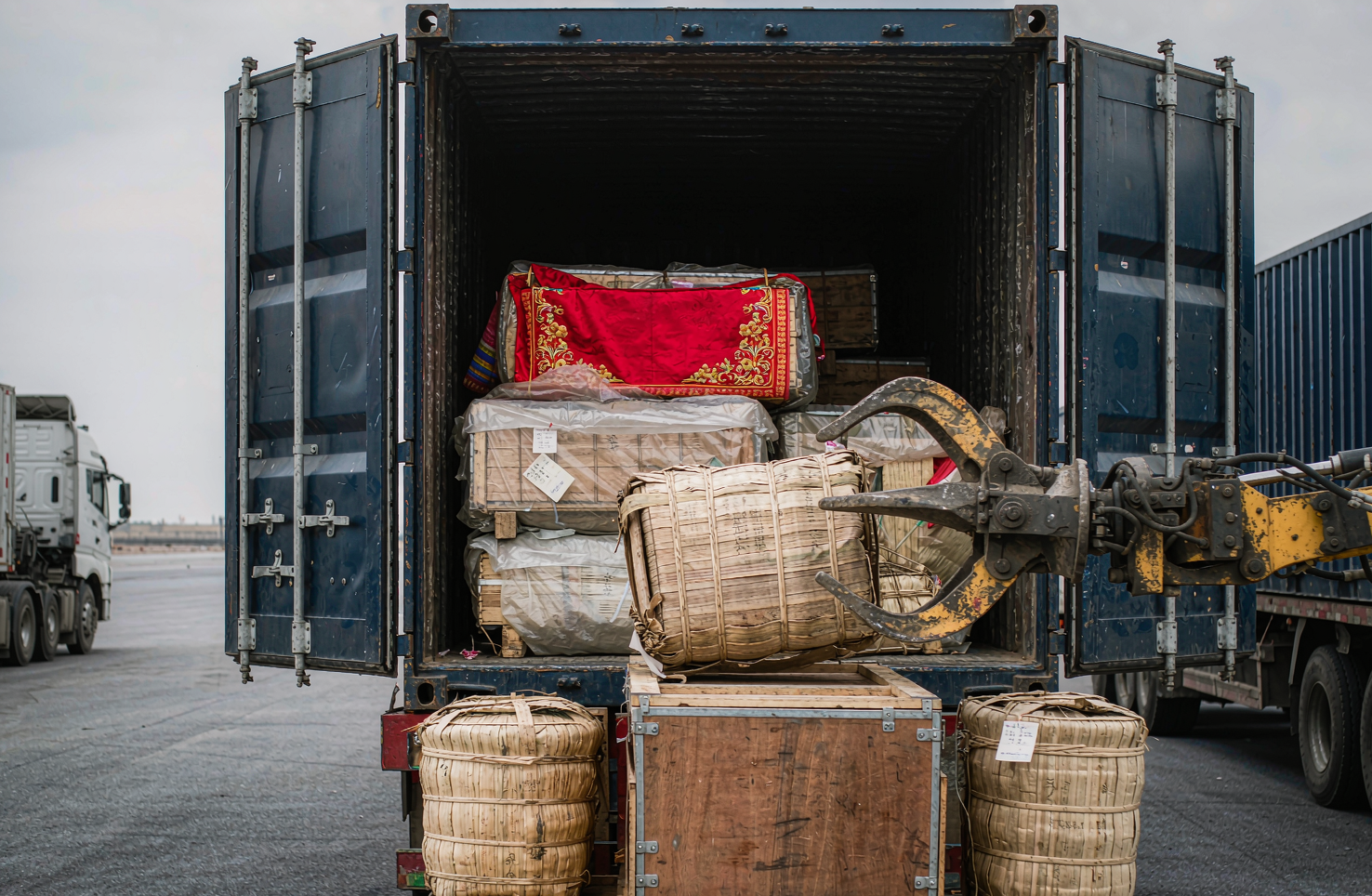
中欧班列上的非遗:慢一点,但走得远
非遗器物出海要在空运、海运与中欧班列之间权衡速度、成本和稳定性。对高工时、易碎、怕潮的手作而言,包装、防护、海外仓及发货报关等环节的安排,比单纯求快更能守住器物与资金。
韵和鸣 · 2026/10/8 · 60 阅读

一件平遥漆器,如何走到海外客人家中
一件平遥漆器出海,要先讲清材质、工艺与来路,再经过合规、报关、物流、海外仓和末端配送。文章结合已有政策与跨境电商安排,说明多语种说明和养护提示同样重要:物流负责抵达,清楚的信息负责建立信任。
韵和鸣 · 2026/10/5 · 47 阅读
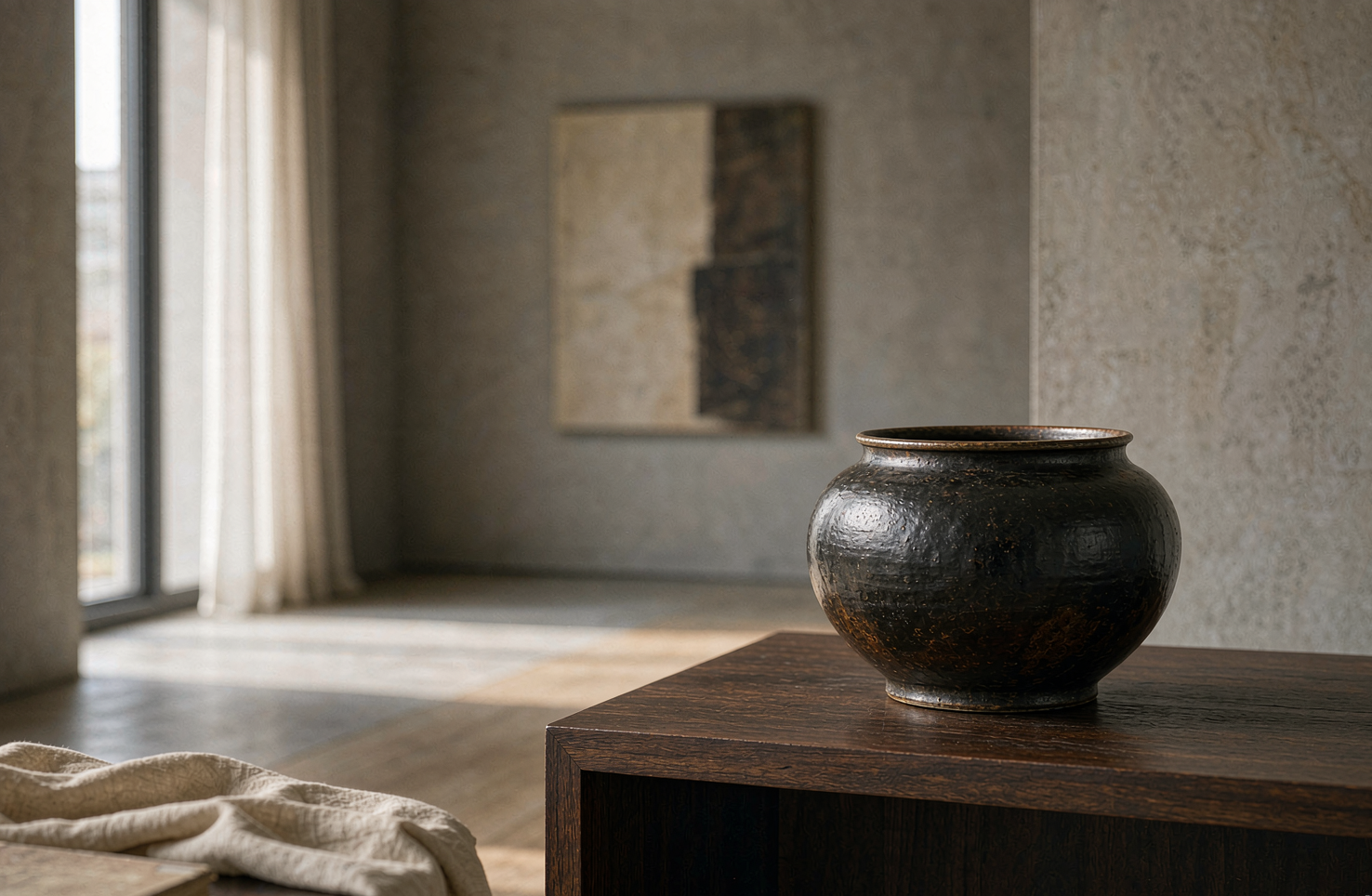
非遗出海,先过的不是海关是文化关
跨境的手续、物流、退税率,都有章可循;真正难的是一道没有章可循的关——文化关。一件器物漂洋过海,如果讲不清自己是什么、谁做的、怎么用,它就只是一件"东方风格的工艺品"。过没过文化关,决定了它卖的是货,还是手艺。
韵和鸣 · 2026/10/14 · 42 阅读

一份非遗产品的多语种说明书,该写什么
器物到达海外买家手里的那一刻,介绍才刚开始。中文语境里许多不必解释的事——这是什么、谁做的、怕什么——换成另一种语言,都要从头说一遍。说明书不是翻译稿,它是产品的第二次介绍。
韵和鸣 · 2026/10/20 · 40 阅读
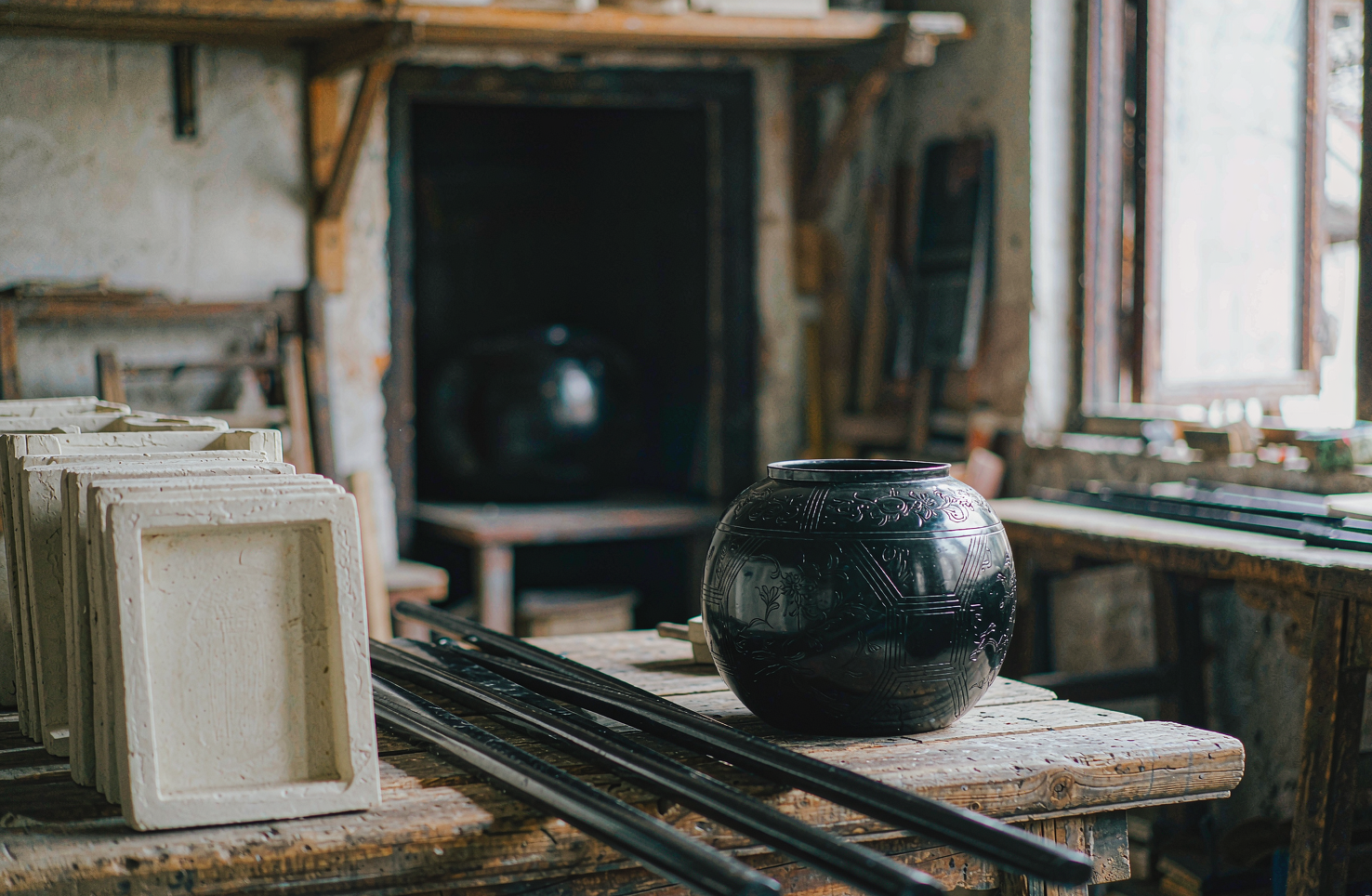
北欧人为什么喜欢极简的东方漆器
做出海这些年,有个现象耐人寻味:描金绘彩的器物,国内客人爱得直接;反倒是几色素面的漆器,常常被北欧客人先买走。说到底,不是他们看不懂繁复,而是"少"这件事,两边想到一块儿去了。
韵和鸣 · 2026/10/11 · 33 阅读
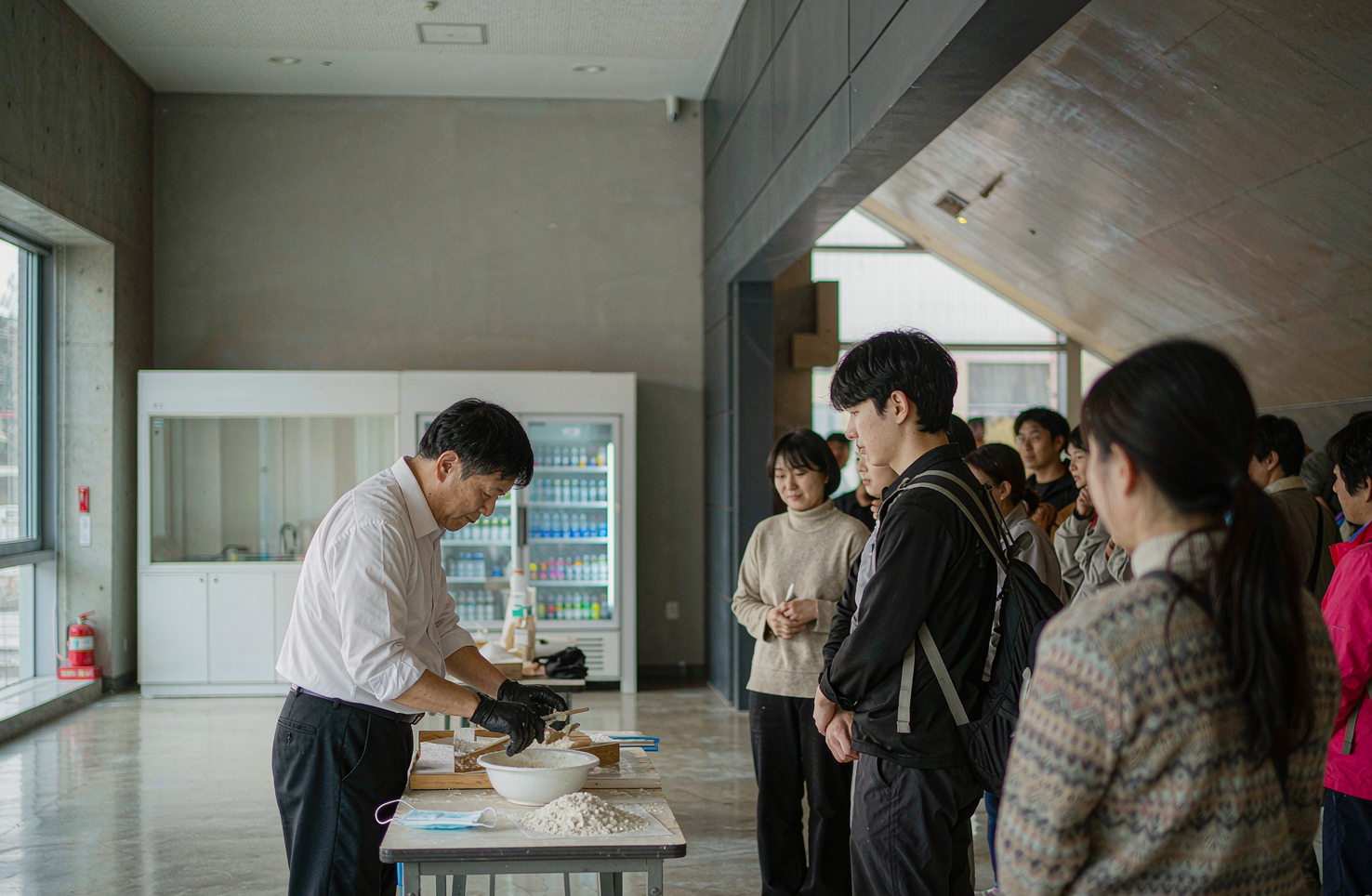
韩国的非遗保护:从"文化财"到活态传承
看世界怎么保护非遗,韩国常被提到,也常被简单化。它有一套自己的名词——"文化财""无形文化财""保有者"。关键在于,这套名词背后不只是一份名单,而是一整套"怎么把手艺交下去"的制度。
韵和鸣 · 2026/10/9 · 54 阅读