校企联动:怎么带出一批"懂非遗的年轻人"
韵和鸣 · 韵和鸣公众号 · 2026/10/28 12:00:00 · 3 阅读
这几年,进校园、进课堂的非遗活动越来越多。孩子看过一次演示、学生做过一次体验,都算好事。但一个更实际的判断标准在后面:这些接触里,有多少人最终愿意把手艺当成一份工作。今天聊一聊,从体验到入行之间,缺的到底是什么。本质在于,中间那段路没有人替年轻人铺。
▍一、体验课解决的是"知道",不是"会做"
一堂体验课通常在一两个小时里完成:看一遍演示,动手做一小段,带走一件半成品。这类活动的价值在于破除距离感,让年轻人知道这门手艺存在,也知道它不是摆在玻璃柜里的东西。
它解决不了的是能力。任何一门手艺从入门到能独立完成一件成品,都要以年为单位计算。体验课与入行之间,隔着一整套训练:基本功、材料认知、工具使用、失败的处理。这段路没有人替你走。
▍二、校企联动要补的是中间那段
真正有用的联动,设计重点应当放在中间段:让学习者在较长周期里持续接触同一门技艺,而不是一次性参观。可以做的事有三类。
所谓"校企联动",指的是学校与仍在生产的非遗工坊建立长期合作,把一门手艺拆成可教学模块、与学期安排对接的做法。文化和旅游部印发的《非物质文化遗产保护传承"十五五"规划》提出,要增强传承能力、优化非遗传承人才培育体系(据央视网科教 2026-10-09 报道)。
一是课程化。 把一门手艺拆成可教学的模块,与学校的学期安排对接,让学生在一学期里反复练习同一组基本功。单次活动做不到这件事。
二是真实任务。 让学生参与一件能被使用的产品中的某个环节,而不是只做练习件。做出来的东西有人用,学习才有反馈。
三是见到职业路径。 这是最关键的一条。年轻人决定要不要入行,看的不是兴趣,是这个行业里有没有能养活自己的位置。
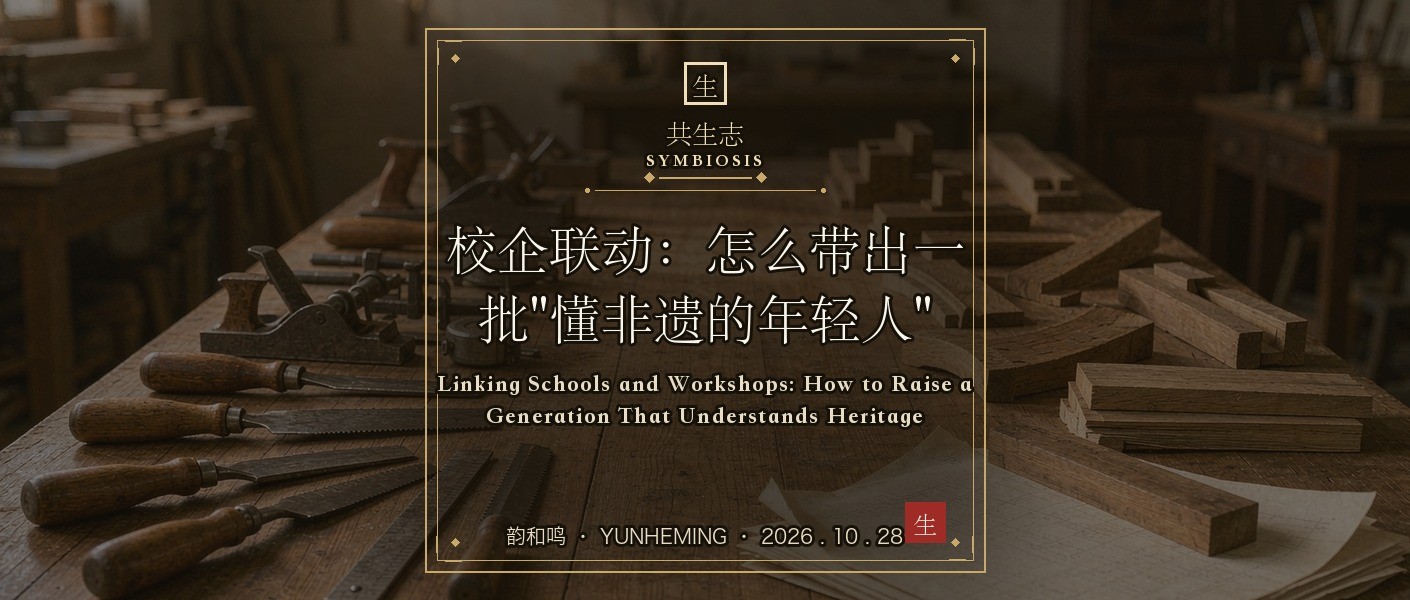
长桌旁并排放着几套工具与半成品,桌角压着一沓图纸
▍三、我们能做的那一部分
作为"非遗经纪人",我们在这件事上的位置很明确:不替代学校教学,也不替代师傅带徒,而是把两头接起来,并让第三头——市场——出现在年轻人看得见的地方。
以山西平遥的推光漆器髹饰技艺来说,学徒要练的头一件事不是髹涂,而是认漆与等干,这段枯燥期最需要有人陪着过。具体来说,我们帮匠人把工序、材料与工具整理成可教学的内容,帮学校找到真正还在做活的工坊,再把做出来能用的器物带进渠道与出海的链路。年轻人看到一件东西被卖到海外、被认真使用,对这门手艺的判断会和只看演示时完全不同。
▍问答
问 | 非遗体验课有用吗,值不值得带孩子去
答 | 有用,但要清楚它解决什么。体验课的价值是破除距离感,让孩子知道手艺存在、知道它是可以上手的。它教不会一门技艺,这也不是它的目的。想让孩子真正接触,可以再找有长期课程或研学安排的工坊,把一次好奇接成一段学习。
问 | 学一门非遗手艺能养活自己吗
答 | 能,但前提是把三笔账算清:入行要练多久、练成后一年的产出有多少、这些产出按什么价格卖出去。第三笔最容易被忽略——手艺是能做出东西,市场是决定这些东西值多少。两件事都成立,收入才谈得上稳定。
问 | 韵和鸣在人才培养上具体做什么
答 | 做连接与赋能两件事。连接是把学校的课程需求与仍在生产的工坊对上,让学生接触的是真在做活的地方;赋能是帮匠人把工序整理成可教学的内容,并把手艺译成多国语言、拍成视频,让年轻人看到这门活有观众、有市场。匠人专心带徒,其余的事由品牌分担。
▍说在最后
让年轻人靠近手艺不难,难的是让他们看见,这门手艺里有自己的位置。
你在学哪门手艺,或者想学哪一门?留言告诉我们。
📩 非遗项目 | 匠人举荐 | 跨境出海 | 线下联营
欢迎留言或后台联系,我们与匠人同行。
—— 韵和鸣 · 与匠人同行
〖 生 〗
English
Taster Sessions Solve Knowing, Not Being Able
A taster session usually runs one or two hours: watch a demonstration, attempt a short segment, take away a half-finished piece. Its value lies in breaking down distance, letting young people know the craft exists and that it is not something kept behind glass.
What it cannot deliver is ability. In any craft, the journey from beginning to completing a piece unaided is measured in years. Between a taster and a career lies an entire training regime: fundamentals, material knowledge, tool use, handling failure. No one walks that stretch for you.
What School-Enterprise Links Must Supply Is the Middle
A link that works should be designed around the middle: letting learners stay in contact with one craft over a longer cycle rather than visiting once. Three kinds of thing can be done.
School-workshop linkage means a school and a workshop still in production cooperate over the long term, breaking a craft into teachable modules aligned with the academic term. The 15th Five-Year Plan for heritage protection and transmission issued by the Ministry of Culture and Tourism calls for strengthening transmission capacity and improving the training system for bearers (reported by CCTV.com, 9 October 2026).
Curriculum. Break a craft into teachable modules aligned with the school term, so students practise the same set of fundamentals repeatedly across a semester. A one-off activity cannot do this.
Real tasks. Have students take part in one stage of a product that will actually be used, rather than only making practice pieces. When what they make is used, learning has feedback.
A visible career path. This is the decisive one. What decides whether a young person enters a trade is not interest but whether the field holds a position that can support them.
Several sets of tools and half-finished pieces laid side by side along a long table, a stack of drawings weighted at one corner
As a heritage agent, our position here is clear: we do not replace school teaching, and we do not replace a master training an apprentice. We join the two ends and bring the third, the market, to where young people can see it.
Concretely, that means helping makers organise processes, materials and tools into teachable content, helping schools find workshops that are still genuinely producing, and then bringing the usable objects into sales channels and export routes. When young people see an object sold abroad and used seriously, their judgement of the craft differs entirely from what it was after a demonstration.
Are heritage taster sessions useful, and worth taking children to?
Yes, but be clear about what it solves. A taster removes distance: the child learns that the craft exists and that it can be handled. It will not teach the skill, and that is not its purpose. For real contact, look for workshops with longer courses or study programmes, and turn one moment of curiosity into a stretch of learning.
Can you make a living from a heritage craft?
Yes, provided three sums are clear: how long training takes, how much a year's output amounts to once trained, and at what price that output sells. The third is most often overlooked — craft determines what can be made, and the market determines what it is worth. Only when both hold is income stable.
What does YUNHEMING actually do about training people?
Two things: connecting and enabling. Connecting means matching a school's curricular needs with workshops still in production, so students encounter places genuinely at work. Enabling means helping makers organise their processes into teachable content, and translating the craft into other languages and filming it, so young people see the work has an audience and a market. The master concentrates on apprentices; the brand carries the rest.
Getting young people close to a craft is not hard. Letting them see that the craft has a place for them is.
Which craft are you learning, or hoping to learn? Tell us below.
ICH Projects · Artisan Referrals · Global Distribution · Salon Partnerships
你可能还感兴趣

山西一半,全国一半:一个品牌的地理观
做一个非遗品牌,很容易掉进一个舒服的陷阱:把家乡的手艺讲成一个地方故事,然后靠"特产"两个字活着。这条路不难走,但也走不远。
韵和鸣 · 2026/10/8 · 41 阅读

一件手作品的价格,是怎么算出来的
手作价格不仅包含材料与工时,还要覆盖失败报废、等待占用和后续修复。判断价格是否合理,可追问各项成本对应什么、匠人获得什么、核心工序是否保留,以及售后由谁承担。
韵和鸣 · 2026/10/24 · 40 阅读

六大非遗矩阵,是怎么被凑到一起的
韵和鸣将漆、竹、绣、银、锦、瓷划为六条手作品类线,共同准入标准是来源清楚、核心工序明确和手工真作。文章说明跨品类并非简单凑齐货架,而是用同一套选品、内容、渠道与出海协作连接不同匠人。
韵和鸣 · 2026/10/10 · 39 阅读

严选的标准,说到底是三条线
韵和鸣所说的严选,落在手艺来路、真实手作痕迹和长期使用价值上。文章解释为什么一定要去工坊看材料与工序,如何区分手作差异和故意做糙,也说明宁可少选、不在来源与品质上含糊的取舍。
韵和鸣 · 2026/10/4 · 39 阅读

为什么叫"韵和鸣":三个字里的三重境界
韵和鸣三个字分别指向单项手艺的节奏、多门手艺的相处与中国非遗对外表达。文章用漆、竹、绣、银、锦、瓷的特点解释名称,并把出海落在讲清工艺与来路上,而不只是把器物运到远处。
韵和鸣 · 2026/10/2 · 37 阅读

抢救一门濒危手艺,难在哪四件事
非遗名录里有一类项目,等不起慢工——传承人年事已高,徒弟寥寥,说法是"人走艺绝"。抢救性保护喊了很多年,落到实处难在哪?拆开看是四件事,一件比一件不光鲜。说到底,抢救的不只是档案,是一门手艺重新回到生活的机会。
韵和鸣 · 2026/10/14 · 24 阅读