"传统工艺手工认证"要试点:一张证能解决什么问题
韵和鸣 · 韵和鸣公众号 · 2026/10/28 12:00:00 · 3 阅读
近期一份国家层面的文件里,出现了一个此前少见的提法。文化和旅游部印发的《非物质文化遗产保护传承"十五五"规划》在部署重点任务时提出,要推动传统工艺高质量传承发展,开展传统工艺手工认证试点工作(据央视网科教 2026-10-09 报道)。这份文件同时明确了六个方面的重点任务,并提出到 2030 年初步形成非遗系统性保护新格局。本文只做梳理,不做推测。本质在于,制度往这个方向走,说明"是不是手工"这件
▍一、先分清两份文件
近期名称相近的规划有两份,容易被混着引用。一份是文化和旅游部印发的《非物质文化遗产保护传承"十五五"规划》,讲的是非遗这一个领域;另一份是此前印发、面向整个文化遗产领域的五年规划,覆盖范围更宽。本文说的"手工认证试点",出自前一份,即文化和旅游部的这份规划。
▍二、"手工认证"这四个字新在哪
我国此前的非遗制度,主要回答的是"什么算非遗"和"谁是传承人"。四级名录体系确定了项目,代表性传承人认定确定了人。这套体系经过多年运行,边界已经比较清楚。
所谓"手工认证",指的是对一件具体产品是否以手工方式完成作出确认的制度安排。它要回答的是第三个问题:一件具体的产品,是不是按手工方式做出来的。这个问题过去没有统一的制度依托,市场上主要靠商家自述。规划把"试点工作"写进去,意味着国家打算在这个环节上做一次制度尝试。
《非物质文化遗产保护传承"十五五"规划》(文化和旅游部印发)明确了六个方面重点任务:巩固保护基础,完善非遗项目保护体系;增强传承能力,优化非遗传承人才培育体系;服务国家重大战略,融入文化遗产大保护格局;激活发展潜力,搭建非遗融入现代生活新场景;深化科技赋能,提升数智化保护水平;增强传播效能,提高非遗传播力影响力。(据央视网科教 2026-10-09 报道)
▍三、市场那一头,规模已经不小
制度之所以往这个方向走,与市场体量有关。据中国非物质文化遗产网的规划解读文章,2025 年我国非遗相关市场规模突破 1.1 万亿元,增速超过 20%(中国非物质文化遗产网,2026-10)。规模上去之后,一个老问题会变得更尖锐:买家花手工的钱,买到的可能不是手工的东西。
工坊长案上排列的半成品与工具,窗外透进来的光落在木面上
▍四、试点还没到的地方
需要说清楚的是,规划里写的是"试点"。试点的意思是先在有限范围内跑一遍,看规则能不能立住。公开信息里,认证的标准由谁制定、覆盖哪些品类、结果与名录和传承人认定如何衔接,都还没有看到细则。
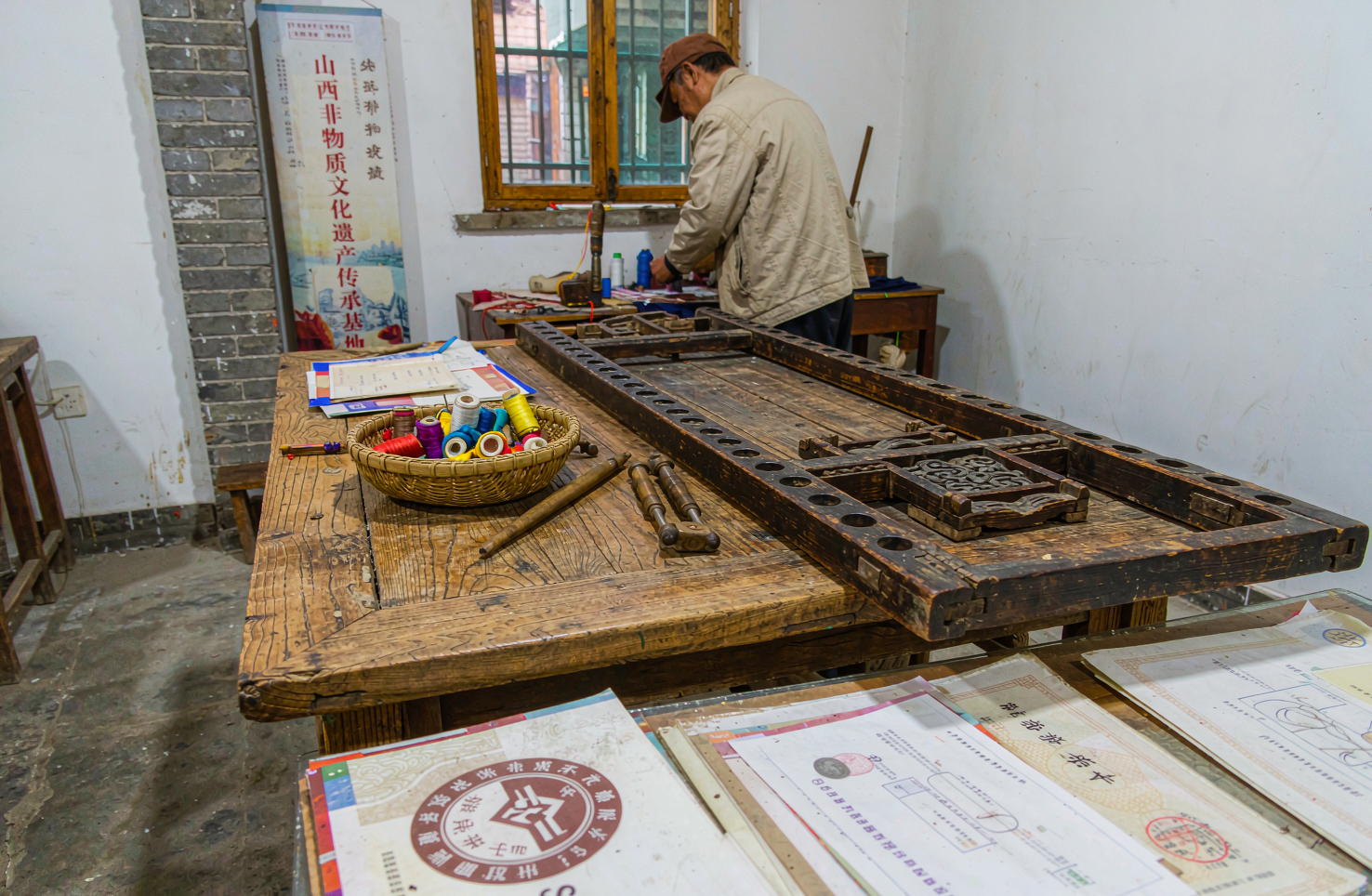
对做手艺的人来说,这段时间里能做的事其实没变:把工序守住,把材料说清,把一件东西的来历讲明白。以山西平遥的推光漆器髹饰技艺为例,髹涂、阴干、推光每一道都落在手上,这类技艺正是认证最容易核对的对象。制度是后来才到的东西,它要确认的,恰恰是匠人本来就在做的那些事。
以上仅为个人梳理,具体以官方原文为准。
▍问答
问 | 《非物质文化遗产保护传承"十五五"规划》是哪一级文件
答 | 由文化和旅游部印发,属于部门层面的五年规划,针对非物质文化遗产保护传承这一个领域。它与面向整个文化遗产领域的另一份五年规划不是同一份文件,引用时需要写清全称与发文机关。
问 | "手工认证"和"非遗名录"是一回事吗
答 | 不是。名录认定的是技艺项目,回答"这门手艺算不算非遗";认证针对的是具体产品,回答"这件东西是不是手工做的"。前者管的是项目与传承人,后者管的是市场上的商品,两者层级与对象都不一样。
问 | 手工认证试点什么时候落地、覆盖哪些品类
答 | 目前公开信息里没有细则。规划中的表述是"开展试点工作",具体标准、覆盖范围与推进节奏都还没有看到明确的公开文件。建议以文化和旅游部及中国非物质文化遗产网后续发布的官方信息为准,在此之前不作推算。
No detail exists in public information yet. The plan says pilot work is to be launched; specific standards, coverage and timing have not appeared in any clear public document. Follow the Ministry of Culture and Tourism and the China Intangible Cultural Heritage Network for later official releases, and avoid推算 before then.
问 | 韵和鸣判断一件东西是不是真手工,靠的是什么
答 | 靠来源,不靠名头。三条标准钉死:只选真正的非遗手工品,只与传承人本人合作,核心工序必须手工完成。每件器物都与非遗老师联名,匠人的名字与手艺是作品的一部分。能讲清是谁做的、在哪做的、怎么做的,才进得了严选。
▍说在最后
制度的价值,在于把本来就该说清楚的事,变成必须说清楚的事。
政策口径以官方原文为准,有想问的政策问题,留言告诉我们。
📩 非遗项目 | 匠人举荐 | 跨境出海 | 线下联营
欢迎留言或后台联系,我们与匠人同行。
—— 韵和鸣 · 与匠人同行
〖 国 〗
相关搜索 | RELATED SEARCHES
传统工艺 手工认证 试点 · 非物质文化遗产 十五五 规划 · 文旅部 非遗 政策 2026 · 怎么 判断 是不是 手工
English
Two similarly named plans have appeared recently and are easily conflated. One is the 15th Five-Year Plan for the Protection and Transmission of Intangible Cultural Heritage issued by the Ministry of Culture and Tourism, covering the heritage field alone; the other, issued earlier, addresses cultural heritage as a whole and spans a wider remit. The pilot on certifying hand-made crafts referenced here comes from the former, the ministry's plan.
What Is New About Certifying Hand-Made Work
China's existing heritage system has mainly answered two questions: what counts as heritage, and who counts as a bearer. The four-tier list system settles the project; the recognition of representative bearers settles the person. After years of operation, those boundaries are fairly clear.
Certifying hand-made work asks a third question: whether a specific object was actually made by hand. Until now there has been no unified institutional handle on this, and the market has largely relied on sellers' own claims. Writing pilot work into the plan signals that the state intends to make an institutional attempt at this link.
The plan sets out six key task areas: consolidating the basis of protection and improving the project system; strengthening transmission capacity and improving training of bearers; serving major national strategies and joining the wider pattern of cultural heritage protection; unlocking development potential and building new settings for heritage in modern life; deepening the use of technology and raising the level of digital protection; and strengthening communication so that heritage reaches further (reported by CCTV.com, 9 October 2026).
On the Market Side, the Scale Is Already Considerable
The direction of policy has to do with market size. According to an interpretive article on the China Intangible Cultural Heritage Network, China's heritage-related market exceeded 1.1 trillion yuan in 2025, growing at over 20 per cent (China ICH Network, October 2026). With scale comes a sharpened version of an old problem: a buyer paying handmade prices may receive something that was not handmade.
Semi-finished pieces and tools laid out along a long workshop bench, daylight from a window falling across the wood
It should be said plainly that the plan says pilot. A pilot means running it first within a limited scope to see whether the rules hold. In publicly available information there is no detail yet on who will set the standards, which categories will be covered, or how results will connect with the lists and the recognition of bearers.
For those making things by hand, what can be done in the meantime has not changed: keep the process, state the material, and account for where an object came from. The institution arrives later, and what it will confirm is precisely what makers are already doing.
The above is a personal reading; the official text is the authority.
Which level of document is this 15th Five-Year Plan?
It is issued by the Ministry of Culture and Tourism: a ministry-level five-year plan addressing the protection and transmission of intangible cultural heritage alone. It is not the same document as the five-year plan covering cultural heritage as a whole, so citations should give the full title and the issuing body.
Are hand-made certification and the heritage lists the same thing?
No. The lists recognise craft projects, answering whether a skill counts as heritage; certification targets specific objects, answering whether this thing was made by hand. The former governs projects and bearers, the latter governs goods on the market. Level and object both differ.
When will the pilot land, and which categories will it cover?
What does YUNHEMING rely on to judge whether something is genuinely handmade?
It relies on origin, not on labels. Three standards are fixed: only genuine handmade heritage works, only working with the bearers themselves, and core processes completed by hand. Every piece is co-signed with the master, whose name and skill form part of the work. Only what can account for who made it, where and how enters the selection.
The value of an institution is turning what ought to be stated clearly into what must be stated clearly.
Policy wording follows the official text; send us any policy questions below.
ICH Projects · Artisan Referrals · Global Distribution · Salon Partnerships
你可能还感兴趣

一个机构首次亮相,非遗被放进了一张更大的网
9 月 29 日,中共中央办公厅、国务院办公厅印发《文化遗产保护传承"十五五"规划》。文件共十二个部分、33 条,其中有一个机构名是全新的——读懂它,也就读懂了非遗往后几年要待的位置。
韵和鸣 · 2026/10/7 · 41 阅读
非遗"十五五"规划:四件事,指向一个方向
2026 年 9 月,文化和旅游部印发《非物质文化遗产保护传承"十五五"规划》。文件不长,但有几处提法,值得做手艺的人多读两遍。
韵和鸣 · 2026/10/4 · 41 阅读

首份文化遗产"十五五"规划里,非遗占了哪几行
中共中央办公厅、国务院办公厅近日印发《文化遗产保护传承"十五五"规划》。据新华社 2026 年 10 月 20 日报道,国务院新闻办公室当日举行发布会介绍这份规划,并明确这是我国首次在文化遗产保护领域编制的五年规划。对做手艺的人来说,值得关心的不是排场,而是那几条具体到工序、到传承人、到市场的表述。以下仅为个人梳理;说到底,它把非遗从一项单独的文化工作收进了治理框架。
韵和鸣 · 2026/10/24 · 40 阅读
从 700 万到 1219 万:山西给非遗的钱,多在了哪
山西省级非遗保护专项资金从年度预算到传承人补助均有明确安排,资金还与展销、线路和品牌计划配合。文章厘清投入方向及其边界:经费能支持保护与传习,却不能单独保证手艺留住学徒、进入生活。
韵和鸣 · 2026/10/8 · 74 阅读

一门手艺的背后,政策怎么把人接住
前面几期,我们把国家、省、市三级的新文件挨个捋了一遍。这一轮收个口:不解读新文件,只看一条贯穿四级政策的暗线——人。名录、工坊、产业,说到底都要有人去做;而这一轮政策最值得记下的变化,是把"支持传承人"从一句原则,拆成了看得见的台阶。
韵和鸣 · 2026/10/14 · 58 阅读

一座县城,为什么要为一门手艺专门立法
晋中为平遥推光漆器髹饰技艺制定专门的地方性法规,把技艺保护、市场规范与资源支持写入制度。文章结合专业镇、产业园、传习所和人才培养,说明立法如何托住产业,也指出法规不能替代匠人的手上功夫。
韵和鸣 · 2026/10/2 · 57 阅读