探访漆器修复室:修补,有时比新做更难
韵和鸣 · 韵和鸣公众号 · 2026/10/27 12:00:00 · 3 阅读
新做一件漆器是从一张白纸开始,修一件漆器是从别人的历史开始。这件事的本质,是与另一个人的手合作——你不是替他重来,而是替他往下走。我们在一处漆器修复室待了大半天,看着一件用了二十来年的漆盒被拆开、判断、配色、补灰。这间修复室在山西平遥,送来的多半是本地传下来的旧漆器:平遥推光漆器髹饰技艺于 2006 年列入国家级非物质文化遗产名录(据中国非物质文化遗产网)。做修复的老师说得实在:新做讲究招式完整,
▍一、头一件事不是动手,是判断
修补的顺序是反过来的,很多人以为进门就上漆,实际头一件是"看"。看胎有没有裂、木胎有没有受潮变形,看灰层有没有空鼓,看漆膜还活着没有。
我们在修复室里学到的定义是这样的:所谓修复,不是把一件器物变回它出厂的样子,而是让它在其本来还能服役的那段时间里,继续被正常使用。
这一步耗的时间常常比后面所有工序加起来还多。看明白了,接下来几十道工序才有落点;看不明白就动手,往往毁在第二层——灰没空的地方被撬开,原本完好的漆膜被磨薄。
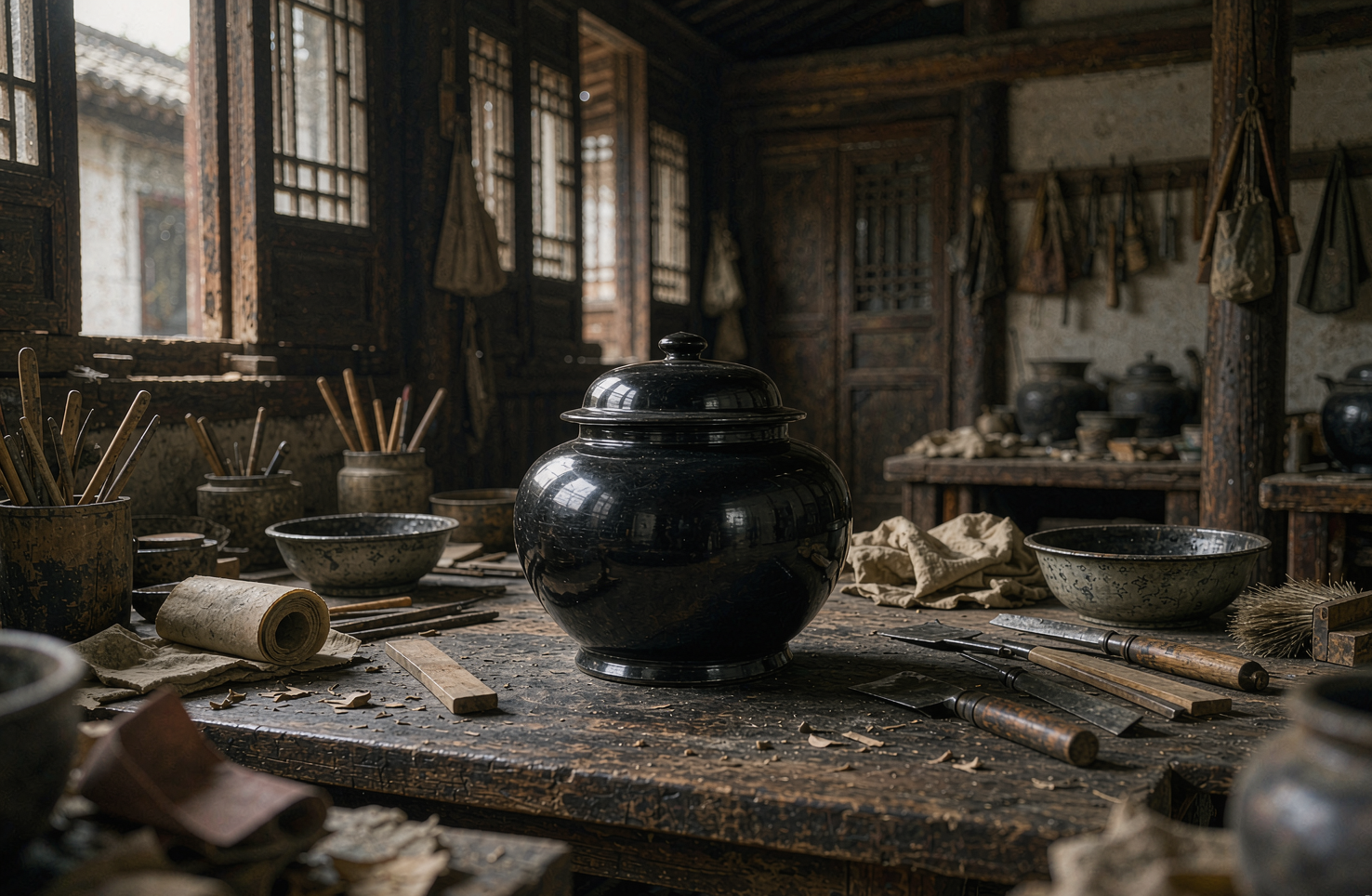
修复台上摊开的漆盒部件、砂纸与几把细头工具
▍二、难点在配色,不在手上
真正难倒人的一环是调色。大漆的颜色会随年月变化:刚髹上去的漆偏亮偏生,用上十几年,颜色会往里沉,表层泛出那种温润的哑光。如果直接按配方调一罐漆补上去,补过的地方会比周围亮一截,像补丁。
所以老师傅调色时会刻意"退"一点,往旧的方向留余地,再一层一层薄薄地罩上去,每罩一层放回去阴干一次,等它自己变色。这个过程没法赶。
阴干是漆器的老规矩。每一遍漆都必须在合适的温湿度里让它慢慢固化,急了会起皱,慢了工期就拖长。这是这门手艺里最难换算的部分:时间既是成本,也是质量本身。
▍三、补完之后,要不要假装看不出来
这里有分歧。一种做法是"做全",把补痕完全藏起来,看上去和没坏过一样;另一种做法是"留痕",让修补的边界在细看时可辨。
倾向后一种的理由很朴素:留痕是对下一任修复者和后来使用者的诚实。谁补过、什么时候补过、用的是什么料,留在明处,下一次再有损伤的时候,接手的人就知道这块面积底下的结构是什么样。藏得太漂亮,反而把线索埋掉了。
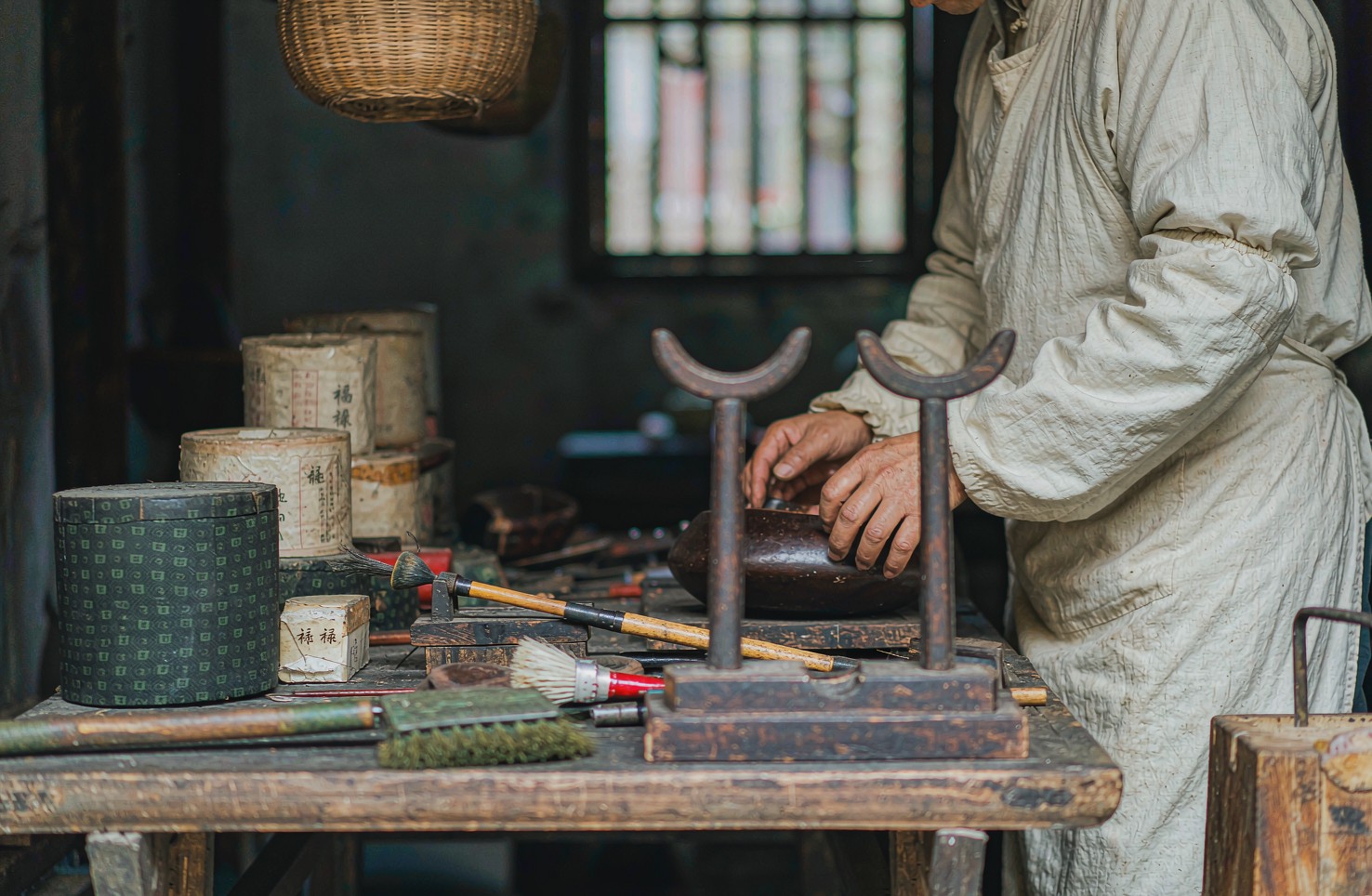
手掌在漆面上反复推擦,布垫与漆盘放在一旁
▍四、修,是一门手艺的开端部分
站在旁观者的位置看,修复其实是整件事里最见功力的部分。做新的东西,你掌握全部变量;修东西,你面对的是别人留下的现实——他的手感、他的用料、他那天的温湿度,以及此后二十年的使用痕迹,都要被尊重。
这也是为什么愿意修的师傅越来越少。它耗的时间不比做一件新的少,收的钱通常更低,还要承担"修完不如预期"的评价。可一间行业如果只剩会做新东西的人,那些已经在各家各户过日子的老器物,就真的无处可去了。
▍问答
问 | 漆器磕掉一小块漆,能自己在家补吗
答 | 不建议。家用补漆笔或者普通清漆跟大漆不是一回事,颜色、附着力和收缩率都对不上,补上去容易翘边,还会给后续专业修复添麻烦。稳妥的做法是先把掉下来的碎块留着,不要清理断面,尽快送修。
问 | 修复一件漆器大概要多久
答 | 看损伤面积和结构情况,通常需要按周来算,不是按天来算。原因在于补灰与髹涂之后每一层都要阴干、打磨,再髹下一层;叠到满意为止,中间没有可以省掉的环节。具体工期建议让修复方看实物后给出。
问 | 修复过的漆器,价值是不是就没了
答 | 取决于怎么修。用原工艺、原材料、由懂行的人修,通常是保住了继续使用的能力;反过来,用现代涂料大面积覆盖、把旧痕磨掉重做,会把原来的工艺信息一并抹掉。判断的关键是"修的是损伤,还是整个返工"。
问 | 韵和鸣支持回收,那也提供修复服务吗
答 | 我们对产品和服务都有保障:器物出手前有严选把关,出手后有服务兜底,使用、保养、修护的问题都可以来找。支持回收是因为我们相信真正的非遗器物不该被当成一次性消费品——敢修、敢回收,是因为对卖出去的东西有信心。
▍说在最后
一件东西用坏了就扔,是很近的事;把它修好接着用,是很老的事。修复的价值从来不在"看不出来",而在"还能继续用下去"。下次遇到磕坏的老物件,先别急着判它死刑。
你家里有没有修过、现在还在用的老物件?留言说说它的来历。
📩 非遗项目 | 匠人举荐 | 跨境出海 | 线下联营
欢迎留言或后台联系,我们与匠人同行。
—— 韵和鸣 · 与匠人同行
〖 寻 〗
相关搜索 | RELATED SEARCHES
漆器 划伤 怎么 修 · 平遥 推光漆器 修复 · 大漆 漆膜 阴干 工序 · 老 漆器 送修 注意 什么
English
The First Move Is Not the Hand but the Judgement
The order is not what most imagine. People expect lacquer to go on the moment you walk in; in fact the first step is looking. Is the body cracked, has the wood taken damp and warped, has the ground layer lifted hollow, is the lacquer film still alive.
The definition we learned in that room runs like this: restoration is not returning an object to the condition it left the workshop in, but allowing it to go on being used normally for whatever remains of its serviceable life.
This stage often takes longer than every step that follows put together. Once you see clearly, the dozens of operations ahead have somewhere to land; start before you see, and the damage shows up in the second layer, with sound ground prised away and intact film sanded thin.
Parts of a lacquer box laid out on a repair bench with sandpaper and a few fine tools
The Hard Part Is the Colour, Not the Hands
What defeats people is colour matching. Raw lacquer shifts with the years: freshly applied, it is bright and raw; after a decade or more the colour sinks inward and the surface takes on a warm matte sheen. Mix a batch straight to the recipe and patch it on, and the repair will sit a shade brighter than everything around it, like a piece of cloth sewn onto a sleeve.
So an experienced repairer deliberately holds back, leaving room for the colour to age down, then applies coat after thin coat, returning the piece to the drying room between each, waiting for the colour to shift on its own. There is no hurrying this.
Drying is the old rule of lacquer. Every coat must cure slowly at the right temperature and humidity: rush it and the film wrinkles; slow it and the schedule stretches. This is the part hardest to convert into numbers, for here time is both the cost and the quality.
Once Mended, Should We Pretend We Cannot See It
Here opinions divide. One approach is to make it whole, hiding every trace so it looks untouched. The other is to leave the repair visible to a careful eye.
The case for the second is plain enough: leaving a trace is honesty towards the next repairer and towards whoever uses it after. Who mended it, when, and with what materials — keep that visible and whoever takes over next knows what lies beneath that patch. Hide it too beautifully and you bury the evidence.
A palm working back and forth across a lacquered surface, cloth pad and lacquer dish set to one side
Mending Is Where a Craft Begins to Be Tested
From the sidelines, mending is where mastery shows most. Making something new, you control every variable. Repairing, you face reality left by someone else: his touch, his materials, the weather in his drying room that day, and the marks of twenty years of use afterwards, all of which deserve respect.
Which is why fewer masters take repairs on. It costs no less time than making something new, earns less money, and carries the risk of being judged disappointing afterwards. Yet if a trade is left with only people who make new, then old objects already living in ordinary homes have nowhere left to go.
A small chip has come off a lacquer piece — can I fix it at home?
Not advised. Household touch-up pens and ordinary varnish are not the same as raw lacquer: colour, adhesion and shrinkage all differ, so a patch tends to lift at the edges and then complicates professional work later. The best immediate response is to keep the broken fragment, leave the exposed edge alone, and take the piece in for repair soon.
Roughly how long does restoring a lacquer object take?
Depending on the damaged area and the structure, expect weeks rather than days. Each layer of filler and lacquer must dry and be sanded before the next goes on, repeated until the surface is right, with no step to skip. Ask whoever does the repair to quote after seeing the object itself.
Does restoring a lacquer piece destroy its value?
It depends how. To repair with the original process and materials, handled by someone who knows, is usually to preserve its continuing usefulness; to cover it in modern coatings and grind away old traces destroys the craft information it carried. The test is whether what was treated was the damage or the whole object.
YUNHEMING supports take-back — does it also repair pieces?
Both product and service are covered: pieces are vetted before they leave us and backed afterwards, so questions of use, care and repair can always come back to us. We support take-back because we do not believe genuine heritage objects should be treated as disposable; being willing to mend and to take back is simply confidence in what we sold.
Throwing something away when it breaks is a recent habit; mending it and carrying on is an old one. The worth of repair was never in looking unseen but in remaining usable. Next time an old piece takes a knock, do not sentence it to death too quickly.
ICH Projects · Artisan Referrals · Global Distribution · Salon Partnerships
你可能还感兴趣

去贵州雷山,看一块银元如何变成一支银簪
在黔东南的苗寨里,银不只是一种首饰材料。它曾经是可以随时熔掉、重新打制的"存款",也是节日里一个女人身上最亮的那部分。关键在于,当一块老银元被放进坩埚,它要经过多少双手、多少道火,才重新成为一件能戴出门的东西。
韵和鸣 · 2026/10/9 · 60 阅读
漆器为什么能埋八千年不坏
在博物馆做漆器研究与修复的研究员老周,桌上常年摆着两样东西:一段出土的漆皮残片,一只新做不久的平遥推光漆盘。他说这两样东西隔着八千年,却是同一种材料。这次对话,我们从"漆器为什么埋几千年不坏"聊起,聊到最后,其实是手艺对材料的理解问题。
韵和鸣 · 2026/10/14 · 64 阅读
AI 生成的"非遗纹样",算不算抄袭
喂一批图给模型,几秒钟就能出一张"苗绣风"的纹样。有人觉得这是把传统纹样重新用起来,有人认为这是把别人一辈子的手艺免费拿走了。问题不好回答,说到底,真正难定的不是"像不像",而是数据从哪来、收益到哪去。今天我们不做判断,只把两边的理由摆出来。
韵和鸣 · 2026/10/24 · 56 阅读
机器开始学手艺:是给匠人搭把手,还是来接班
一段流传很广的画面里,一台机械臂正跟着非遗传承人"学艺"——学劈丝、捻线、穿针。看的人分成两拨:一拨说技术帮上了忙,一拨说来抢饭碗了。同一件事读出两种意思,关键在于用什么尺度去量。
韵和鸣 · 2026/10/9 · 55 阅读
把"慢"做成一种体验:一间非遗会客厅的想法
我们习惯按功能给空间分类:吃饭的、购物的、办公的。但有一种很难归类——它在城市的闹处,不催你走,也不急着让你买单。关键在于,当"慢"被认真设计出来,它本身就可以是一种产品。
韵和鸣 · 2026/10/9 · 54 阅读
年轻人不愿学老手艺,该怪年轻人,还是怪这门手艺?
非遗传承里被讨论得最多的一句话是"后继乏人"。这句话往下追一层,就分成两条路:一条通向年轻人,说他们耐不住、看不上;一条通向他们面对的那门手艺,说它没能给出一条能活下去的路。这两条路,最近又吵起来了。
韵和鸣 · 2026/10/8 · 53 阅读