申遗热过去之后,评上名号就是终点吗
韵和鸣 · 韵和鸣公众号 · 2026/10/27 12:00:00 · 3 阅读
名号到底是一份已经兑现的荣誉,还是一份刚刚开始的责任?这些年"申遗"常被当成一门手艺的高光时刻。可在 2026 年 10 月 20 日国新办新闻发布会上介绍,"十五五"时期将完善非遗代表性项目名录的动态调整机制,健全代表性传承人名录并完善评估与退出机制(据央广网报道)。头衔从此有了"有进有出"的可能。
▍一方:名号本身就是资源,不能轻看
先说清楚名词:所谓非遗代表性传承人,指的是经主管部门认定并公布、承担该项目传承责任的人。名录制度做的一件实质的事,是给散在县域里的手艺一个能被看见、被检索的位置。比如山西平遥的推光漆器髹饰技艺,2006 年列入国家级非物质文化遗产名录(据中国非物质文化遗产网),此后资金、传习场所、研修培训才有了落点。
据 2026 年 10 月 20 日国新办新闻发布会介绍,“十五五”时期将健全非遗代表性传承人名录,完善评估和退出机制(据央广网报道)。
▍另一方:进了就不出的名号,会慢慢失真
但另一侧的担忧同样具体。名号一旦成了只进不出的荣誉,就会长出两件事:一是有人把精力放在"评上",而不是"做下去";二是市场上开始出现拿名号当抬价话术的用法——至于那件东西是不是这位老师亲手做的,外人查不到。
正因为这样,评估与退出机制的出现值得欢迎。它把"传承人"从一个静态荣誉,重新定义为要持续交付的事:带不带徒,做不做传承活动。
木质展签与登记卡从左至右依次排开,纸面留白处未写字
▍收束:名号是起点,不是终点
两种说法都有道理,我们不判对错,只留一个可验证的办法:那位老师三五年后还在不在做,有没有带出徒弟,一件东西能不能讲清出自谁手、走了哪些工序。名号回答的是"他是谁",这三件事回答的是"他还在不在做"。
站队时刻:你觉得一个传承人的名号,该终身有效,还是该定期复核?
▍问答
问 | 非遗代表性传承人的头衔,为什么会有退出机制
答 | 因为它要考核的是"还在不在做"。据上述发布会介绍,"十五五"时期将健全代表性传承人名录、完善评估与退出机制。目的不是把谁请下台,而是让头衔答得出真实的传承状况。
问 | 普通人怎么查一个"非遗传承人"头衔是不是真的
答 | 三条路:到中国非物质文化遗产网(ihchina.cn)查名录与批次,到文旅部门官网查公示;再看对方能不能报出项目名称、级别与申报地。只有头衔却答不上这三项的,谨慎。
问 | 韵和鸣和非遗传承人合作,是怎么署名的
答 | 不是贴牌,每件都落两个名字。器物出厂时同时署上韵和鸣与做它的那位老师,署名的意思是承认东西出自谁的手。理由很简单:品牌的长相由匠人的手决定,匠人有尊严、有收入,才有好东西不断做出来。
▍说在最后
名录制度的每一次收紧,最后落到的是一个很具体的结果:愿意认真做的人被认出来,靠名号吃饭的空间被挤小。
传承人头衔该不该终身有效?把你的理由留在评论区。
📩 非遗项目 | 匠人举荐 | 跨境出海 | 线下联营
欢迎留言或后台联系,我们与匠人同行。
—— 韵和鸣 · 与匠人同行
〖 辩 〗
English
First the term: a representative heritage bearer is a person recognised and published by the authorities as carrying responsibility for transmitting that item. The listing system gives skills scattered across county towns a place to be seen and searched. Pingyao polished lacquerware in Shanxi, listed at national level in 2006, is one such case; only then could funding, training spaces and study programmes find a landing place.
According to the State Council Information Office briefing of 20 October 2026, reported by China National Radio, the coming five years will bring fuller registers of representative bearers and better evaluation and exit mechanisms.
The Other Side: A Title You Cannot Lose Slowly Loses Meaning
Yet the worry on the other side is equally concrete. Once a title becomes an honour you can only gain, never lose, two things grow: some people put their energy into being listed rather than carrying on, and the market begins using titles as a way to justify prices, with no way for outsiders to check whether the object truly came from that master's hands.
For that reason an evaluation and exit mechanism deserves a welcome. It turns a bearer from a static honour into something delivered continuously: are students trained, are transmission activities held.
Wooden display labels and registration cards laid out in a row, the blank paper unwritten
Both accounts have merit and we adjudge neither. One verifiable test remains: is the master still working three or five years on, has he trained apprentices, can an object be traced to named hands and specific steps. The title answers who he is; these three answer whether he still works.
Time to pick a side: should a bearer's title last for life, or be reviewed at intervals?
Why is there an exit mechanism for representative heritage bearers?
Because what is assessed is whether the work continues. According to the briefing, the coming five years bring fuller registers and better evaluation and exit mechanisms. The aim is not to remove anyone but to let a title reflect what is actually transmitted.
How can ordinary buyers check whether a heritage bearer title is genuine?
Three routes: the China Intangible Cultural Heritage website for lists and batches; the culture and tourism ministry or provincial sites for registers; then see whether they can name the project, its level and locality. Be cautious with a title that cannot answer those three.
How does YUNHEMING credit the heritage masters it works with?
Not white-labelling: every piece carries two names. It goes out signed by YUNHEMING and by the master who made it, the signature acknowledging whose hands produced it. The reason is simple — the brand's face is shaped by the makers' hands, and only with dignity and income for them does good work keep arriving.
Every tightening of the listing system lands on one concrete outcome: those who work seriously are recognised, and the room to live off a title shrinks.
ICH Projects · Artisan Referrals · Global Distribution · Salon Partnerships
你可能还感兴趣
AI 生成的"非遗纹样",算不算抄袭
喂一批图给模型,几秒钟就能出一张"苗绣风"的纹样。有人觉得这是把传统纹样重新用起来,有人认为这是把别人一辈子的手艺免费拿走了。问题不好回答,说到底,真正难定的不是"像不像",而是数据从哪来、收益到哪去。今天我们不做判断,只把两边的理由摆出来。
韵和鸣 · 2026/10/24 · 56 阅读
机器开始学手艺:是给匠人搭把手,还是来接班
一段流传很广的画面里,一台机械臂正跟着非遗传承人"学艺"——学劈丝、捻线、穿针。看的人分成两拨:一拨说技术帮上了忙,一拨说来抢饭碗了。同一件事读出两种意思,关键在于用什么尺度去量。
韵和鸣 · 2026/10/9 · 55 阅读
年轻人不愿学老手艺,该怪年轻人,还是怪这门手艺?
非遗传承里被讨论得最多的一句话是"后继乏人"。这句话往下追一层,就分成两条路:一条通向年轻人,说他们耐不住、看不上;一条通向他们面对的那门手艺,说它没能给出一条能活下去的路。这两条路,最近又吵起来了。
韵和鸣 · 2026/10/8 · 53 阅读

非遗创新只剩跨界联名和文创,是真突破还是路径依赖?
长假刚过,一场区域性非遗活动发布的"创新案例"名单在网上引来讨论:入选案例的路数出奇一致——不是和游戏影视做跨界,就是把老手艺搬进沉浸式演出,再就是开发一轮文创。有人叫好,也有人摇头:年年喊创新,怎么总围着老三样转?是突破,还是路径依赖?两边的话都摆出来。
韵和鸣 · 2026/10/13 · 43 阅读

大牌用非遗元素做联名:致敬,还是搬运?
非遗联名的争议不只在设计好不好看,更在是否说明技艺来处、尊重原意、让匠人或工坊署名并受益。文章呈现传播与订单机会、符号搬用风险两种观点,并提供判断合作是否真诚的具体观察点。
韵和鸣 · 2026/10/10 · 42 阅读
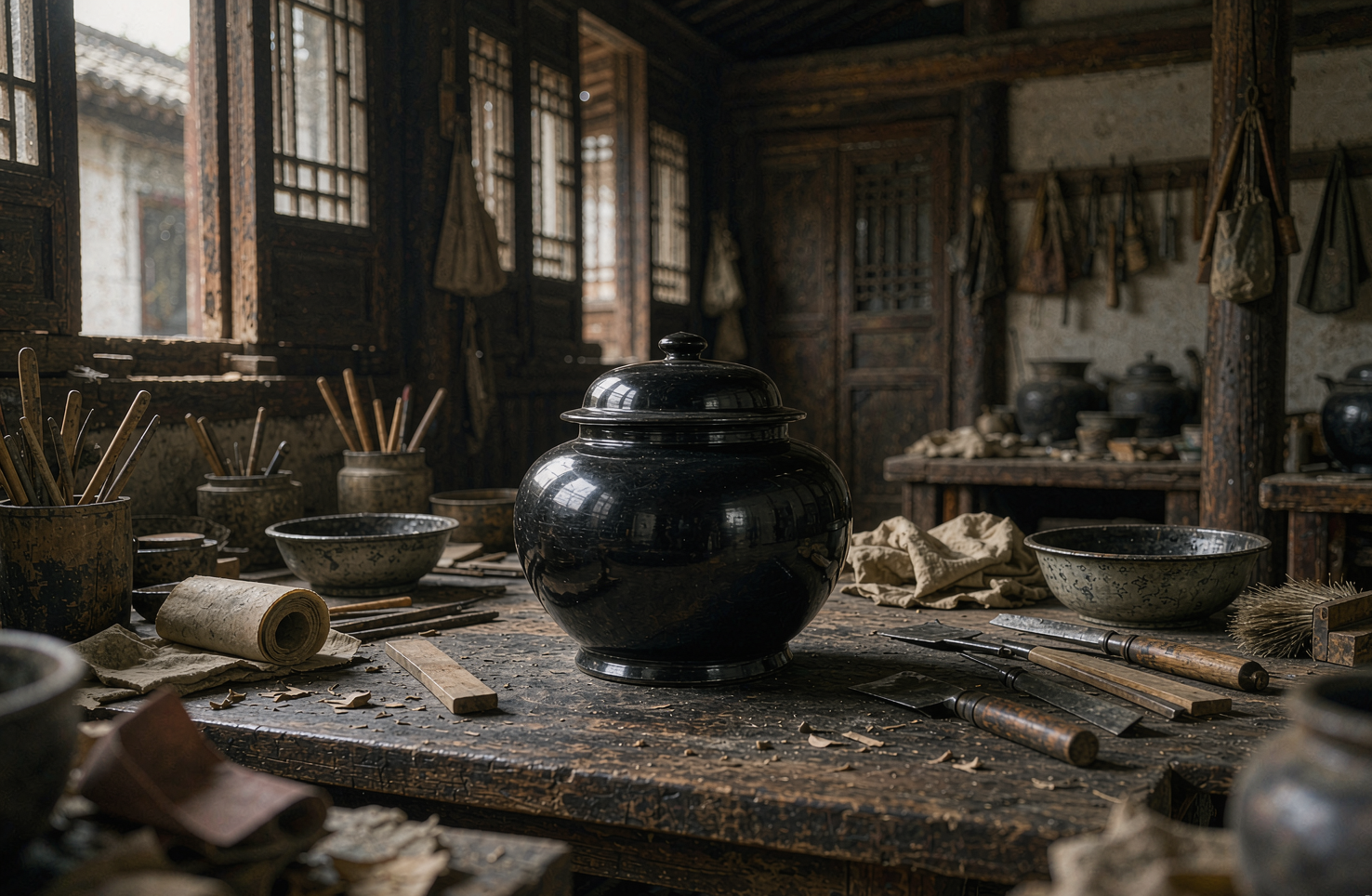
漆器为什么能埋八千年不坏
在博物馆做漆器研究与修复的研究员老周,桌上常年摆着两样东西:一段出土的漆皮残片,一只新做不久的平遥推光漆盘。他说这两样东西隔着八千年,却是同一种材料。这次对话,我们从"漆器为什么埋几千年不坏"聊起,聊到最后,其实是手艺对材料的理解问题。
韵和鸣 · 2026/10/14 · 64 阅读