把一位老师介绍给世界,这件事我们分四步做
韵和鸣 · 韵和鸣公众号 · 2026/10/26 12:00:00 · 4 阅读
经常有人问:家里有门老手艺,怎么才能被更多人知道?我们的答案不太浪漫,一共四步,每一步都不快。所谓"非遗经纪人",指的是替匠人把内容、渠道与出海这些事扛下来的角色,让手艺人只管做手艺。慢的原因很简单——介绍出去容易,介绍错了就再也纠正不回来。
▍一、先看手艺,不看名气
头一步是看东西。是不是真正的非遗手工品,工序能不能守得住手工完成,材料有没有被省掉——这三条是硬门槛,跟有没有头衔、有没有曝光无关。以山西平遥的推光漆器来说,木胎、大漆髹涂、阴干、推光一路做下来,哪一道被省掉都看得出来;这门起家技艺在 2006 年进入国家级名录,名录由文化和旅游部公布。
寻访里我们见过两种情况:名气很大,作品却交给工场代工;也见过完全无人知晓、手上功夫极扎实的老师。前一种不动,后一种才找。
▍二、把来路问到底
第二步是问清来路:手艺的根在哪、师承如何、材料从哪来、每道工序在做什么。问得细不是不信任,是因为日后要一遍遍讲给陌生人听,讲错一次就是失信。
品牌有一条朴素的标准:每一件器物都要能说清是谁做的、在哪做的、怎么做的。说不清的,不进入严选。
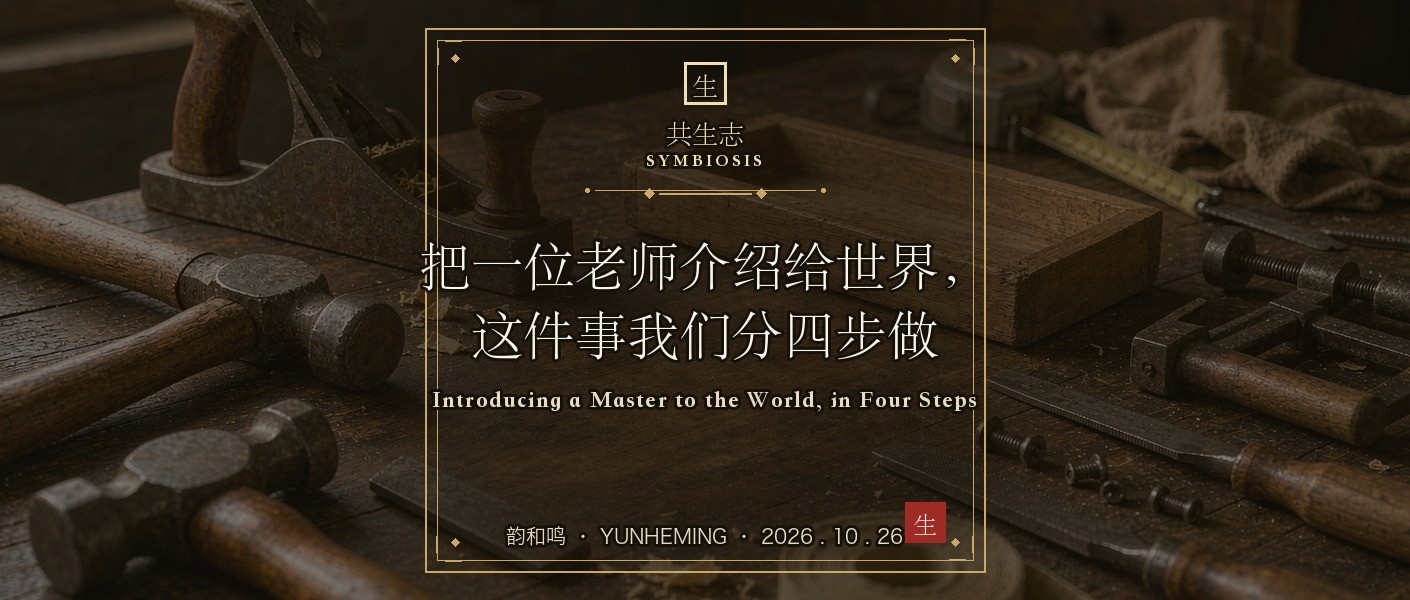
工坊木板上挂着的成套工具,木柄已被手磨得发亮
▍三、先让人被看见
第三步是做内容。走进工坊,把工序一段一段拍下来、写下来;匠人说的话,尽量原样留着,不替他润色成广告语。
这一步常被误解成营销。它更接近记录:老师为什么在这里收力、为什么这刀不能改、为什么这活儿要等天气——写出来,读者才知道看的是手艺,不是商品。
▍四、把手艺带出去
最后一步才是渠道与出海。器物走向更远的地方,靠的是三件事同时到位:讲得清楚、送得到位、署得明白。
署名这件事我们格外较真。器物都与非遗老师联名,不是贴牌——匠人的名字与手艺写在明处。我们认一个朴素的道理:匠人过得好,品牌才会好。
▍问答
问 | 想举荐一位匠人,需要准备什么
答 | 三样东西:手艺的来路(根在哪、师承如何)、工序的完整过程(每道在做什么)、作品的实物照片。头衔与获奖不是必需的,能不能把工序讲清楚才是。举荐渠道见文末商务入口,我们会逐一核实。
问 | 为什么韵和鸣做举荐这件事做得这么慢
答 | 因为每一步都要落到实地。看手艺要上门,问来路要见面,做内容要进工坊,出海前还要把说明与署名一条条对齐。跳过任何一步,后面都要付出更大的代价——介绍错了,是纠正不回来的。
问 | 韵和鸣帮匠人做的这些事,收费吗
答 | 品牌的定位是"非遗经纪人",以公益的角度帮匠人做事:做内容、做访谈、做翻译、对接渠道与出海的机会,让手艺人专心做手艺。能不能合作,要看这门手艺是不是真正的非遗手工、工序是不是守得住手工完成。具体合作方式可以后台沟通。
▍说在最后
一门手艺被人知道,靠的是一次介绍;被人记住,靠的是很多次准确的转述。我们做的事,就是让这些转述不那么容易走样。
你身边有没有一位该被更多人知道的老师?留言告诉我们,我们去看。
📩 非遗项目 | 匠人举荐 | 跨境出海 | 线下联营
欢迎留言或后台联系,我们与匠人同行。
—— 韵和鸣 · 与匠人同行
〖 生 〗
English
First Look at the Craft, Not the Reputation
The first step is to look at the work. Whether it is a genuine handmade heritage piece, whether its process holds to hand finishing, whether materials have been skimped: three hard thresholds, unrelated to titles or publicity. With Pingyao polished lacquerware from Shanxi, every stage from wooden body through raw-lacquer coating, drying and hand-polishing shows if it has been cut; this founding craft entered the national list in 2006, a list published by the Ministry of Culture and Tourism.
On the road we have seen both: a large reputation with the work contracted out to a workshop, and a wholly unknown master whose hand is utterly solid. We leave the first alone and look for the second.
The second step is provenance: where the craft is rooted, who taught whom, where materials come from, what each stage does. The detail is not distrust; these things will be told again and again to strangers, and one wrong telling is a lost trust.
The brand keeps one plain standard: every object must be able to say who made it, where, and how. What cannot say so does not enter the curation.
A set of tools hung on the workshop's wooden board, the handles worn bright by hands
The third step is content. We go into the workshop and film and write down the process stage by stage, keeping the maker's own words as they are rather than polishing them into slogans.
This step is often mistaken for marketing. It is closer to documentation: why a master eases off here, why this cut cannot be undone, why the work waits on the weather. Written down, a reader sees craft rather than merchandise.
Only the last step is channels and overseas reach. Taking an object further depends on three things arriving together: a clear account, safe delivery and honest attribution.
We are particular about attribution. Every piece is co-signed with the heritage master rather than merely labelled, with the maker's name and craft stated openly. The reasoning we hold to is plain: when the maker does well, the brand does well.
What do you need to recommend a maker?
Three things: the provenance of the craft, where it is rooted and who taught it; the complete process, what each stage does; and photographs of actual work. Titles and prizes are not required; being able to describe the process is. The channel is listed at the end of the article, and we verify each case.
Why does YUNHEMING move so slowly on recommendations?
Because every step has to happen on the ground. Looking at the craft means visiting; asking provenance means meeting; making content means entering the workshop; and before export, notes and attribution must be aligned line by line. Skipping any step costs more later, since a wrong introduction cannot be corrected.
Does YUNHEMING charge makers for this work?
The brand positions itself as a heritage agent, helping makers out of a public-interest intent: content, interviews, translation, channels and overseas opportunities, so that the maker can concentrate on the work. Whether a collaboration happens depends on whether the craft is genuinely handmade heritage and whether its process holds to hand finishing. Details can be discussed through the account.
A craft becomes known through one introduction and remembered through many accurate retellings. What we do is make those retellings less likely to drift.
ICH Projects · Artisan Referrals · Global Distribution · Salon Partnerships
你可能还感兴趣
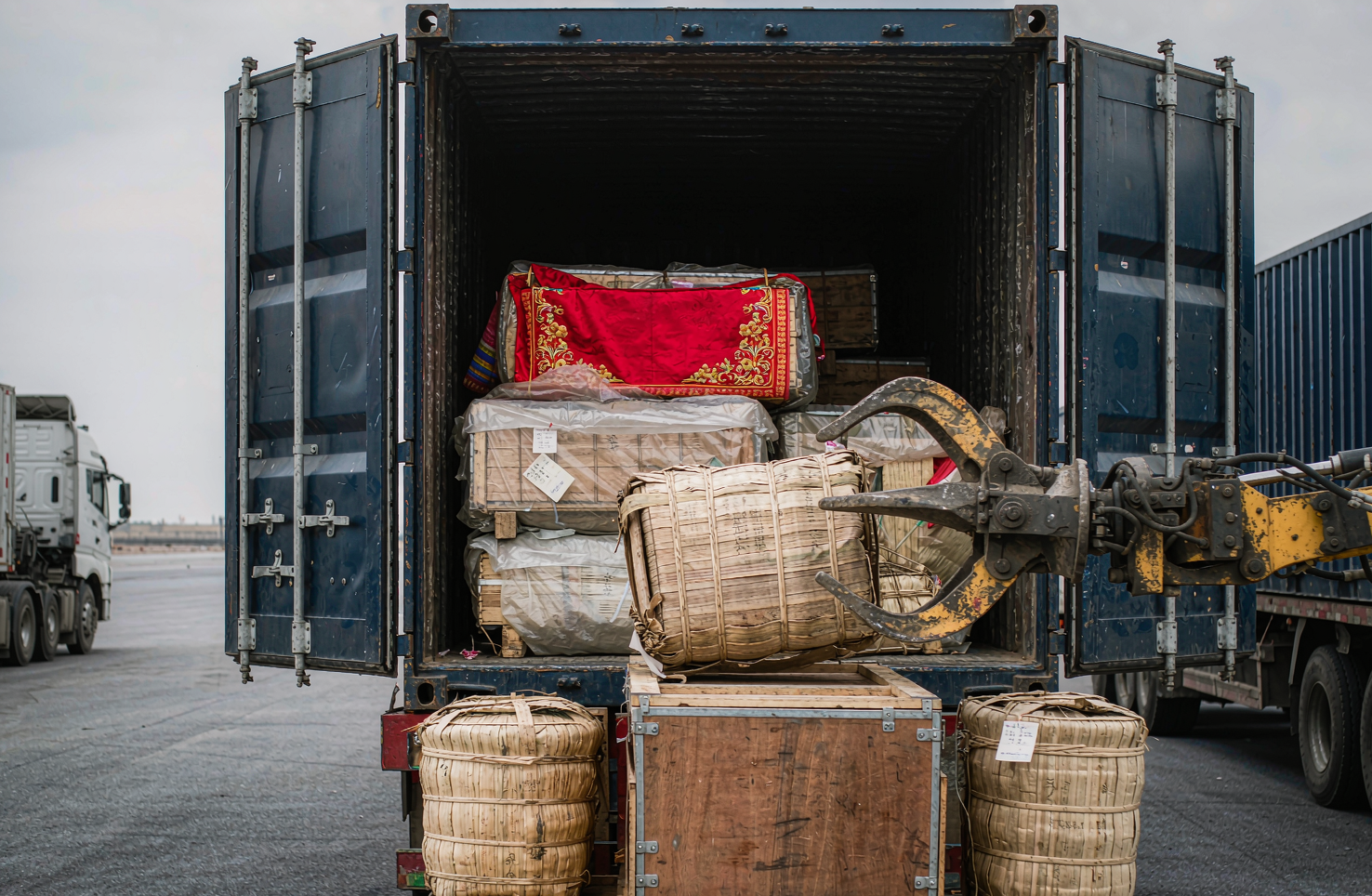
中欧班列上的非遗:慢一点,但走得远
非遗器物出海要在空运、海运与中欧班列之间权衡速度、成本和稳定性。对高工时、易碎、怕潮的手作而言,包装、防护、海外仓及发货报关等环节的安排,比单纯求快更能守住器物与资金。
韵和鸣 · 2026/10/8 · 60 阅读
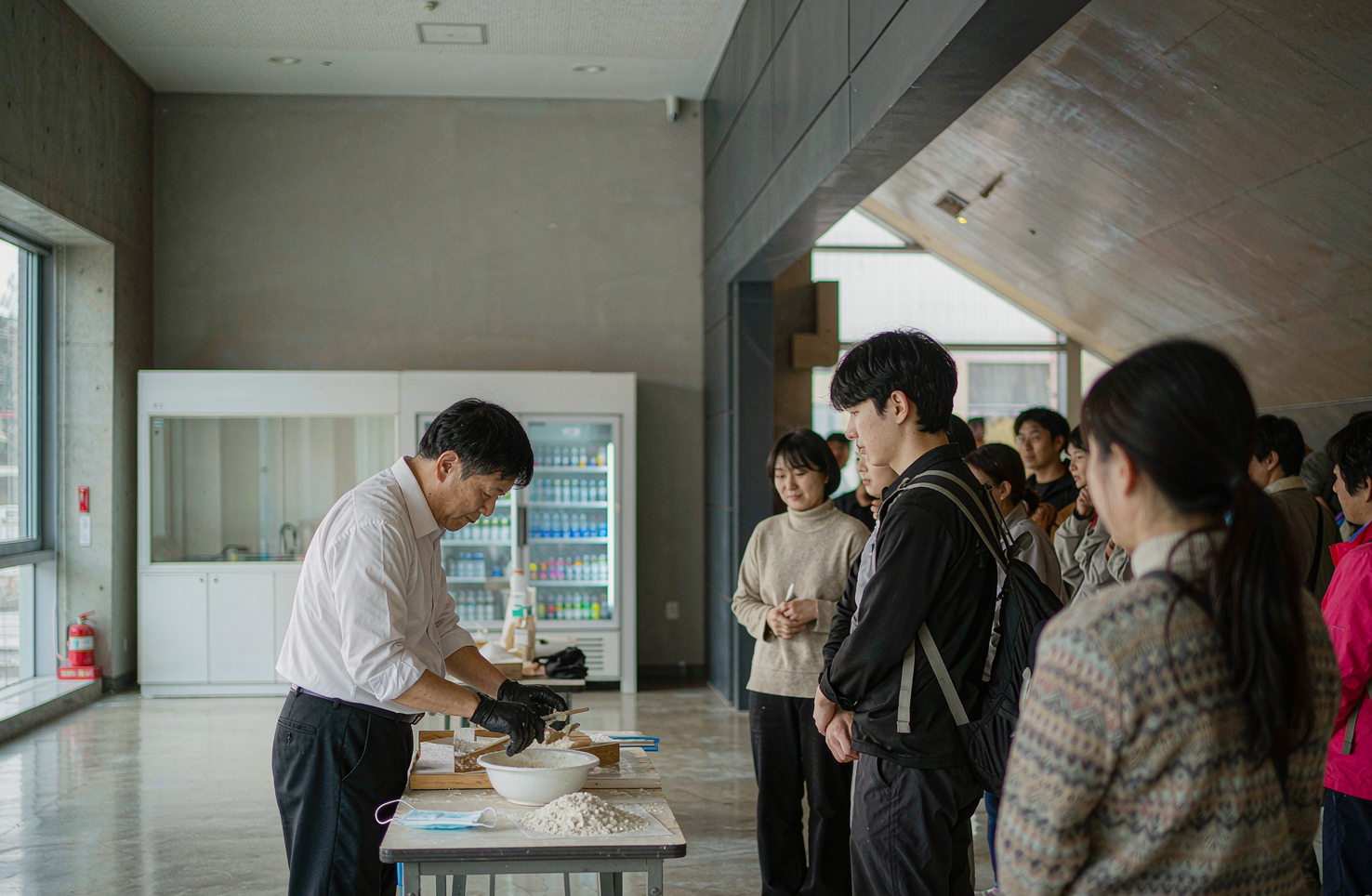
韩国的非遗保护:从"文化财"到活态传承
看世界怎么保护非遗,韩国常被提到,也常被简单化。它有一套自己的名词——"文化财""无形文化财""保有者"。关键在于,这套名词背后不只是一份名单,而是一整套"怎么把手艺交下去"的制度。
韵和鸣 · 2026/10/9 · 54 阅读

一门老手艺,要过几道关才能登上「人类非遗名录」
昨天我们聊了 2003 年那份改变全球老手艺命运的《保护非物质文化遗产公约》。今天接着往下问:公约建立了名录,那一门手艺要经历什么,才能把自己的名字写上去?
韵和鸣 · 2026/10/3 · 50 阅读

穆拉诺与博山:隔着七千公里的两座炉火之城
穆拉诺因作坊迁聚形成玻璃产业,博山则依托当地矿石与供料、匠人传统发展琉璃。文章比较两地产业聚集和原产地表达的路径,说明传承既需要师傅与学徒的密度,也需要把制作地点、来源和标准讲清楚。
韵和鸣 · 2026/10/12 · 49 阅读

"非遗"这个词,各国怎么叫、怎么理解
中文非遗、日本无形文化财及法国工艺大师等称呼,对应不同的认定单位与保护重心。比较这些体系,关键不在逐字互译,而在看名录、个人与社区分别承担什么角色,以及传承如何发生。
韵和鸣 · 2026/10/24 · 48 阅读
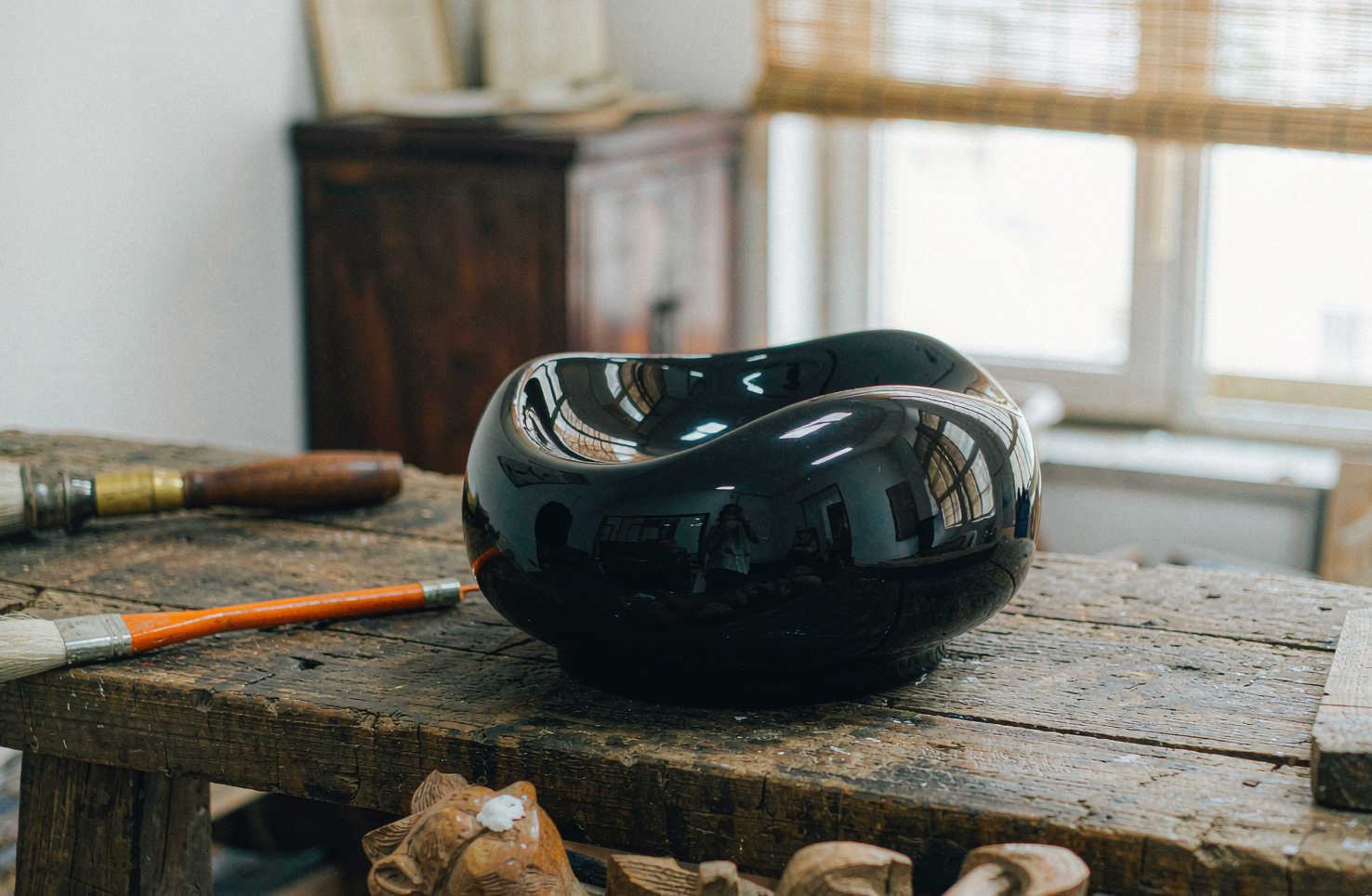
一件平遥漆器,如何走到海外客人家中
一件平遥漆器出海,要先讲清材质、工艺与来路,再经过合规、报关、物流、海外仓和末端配送。文章结合已有政策与跨境电商安排,说明多语种说明和养护提示同样重要:物流负责抵达,清楚的信息负责建立信任。
韵和鸣 · 2026/10/5 · 47 阅读