欧美、日韩、东南亚:三个市场看中国手作的眼光差在哪
韵和鸣 · 韵和鸣公众号 · 2026/10/26 12:00:00 · 3 阅读
同一件中国手作,摆在法兰克福、东京和新加坡的货架上,被问的问题完全不同。差别不在价格,在他们各自带着怎样的经验来看一件器物。所谓出海,本质上是把一门手艺放进别人的经验里被重新理解;理解这三套眼光,比改包装重要得多。
▍一、欧美:先问故事,再问用途
欧美客人打开一件东方手作,头一个问题通常不是"多少钱",而是"谁做的"。器物对他们是一段可追溯的经历:出自哪位匠人、在哪块土地、经过几道工序。
这跟当地的手工艺消费习惯有关:从陶艺工作室到独立木工,买家习惯知道作者是谁。所以最有效的不是形容词,是具体信息:产地到县、工序到步、匠人到姓名。
据山西省人民政府 2026 年 10 月 18 日通稿,山西现有国家级非遗代表性项目 182 项、代表性传承人 198 人;把这么厚的家底讲给海外市场听,靠的是一件一件把来路说清。
尺寸与用途也要说清:放在家里哪、能不能进洗碗机、能不能装热的东西。这些琐碎疑问常决定成交。
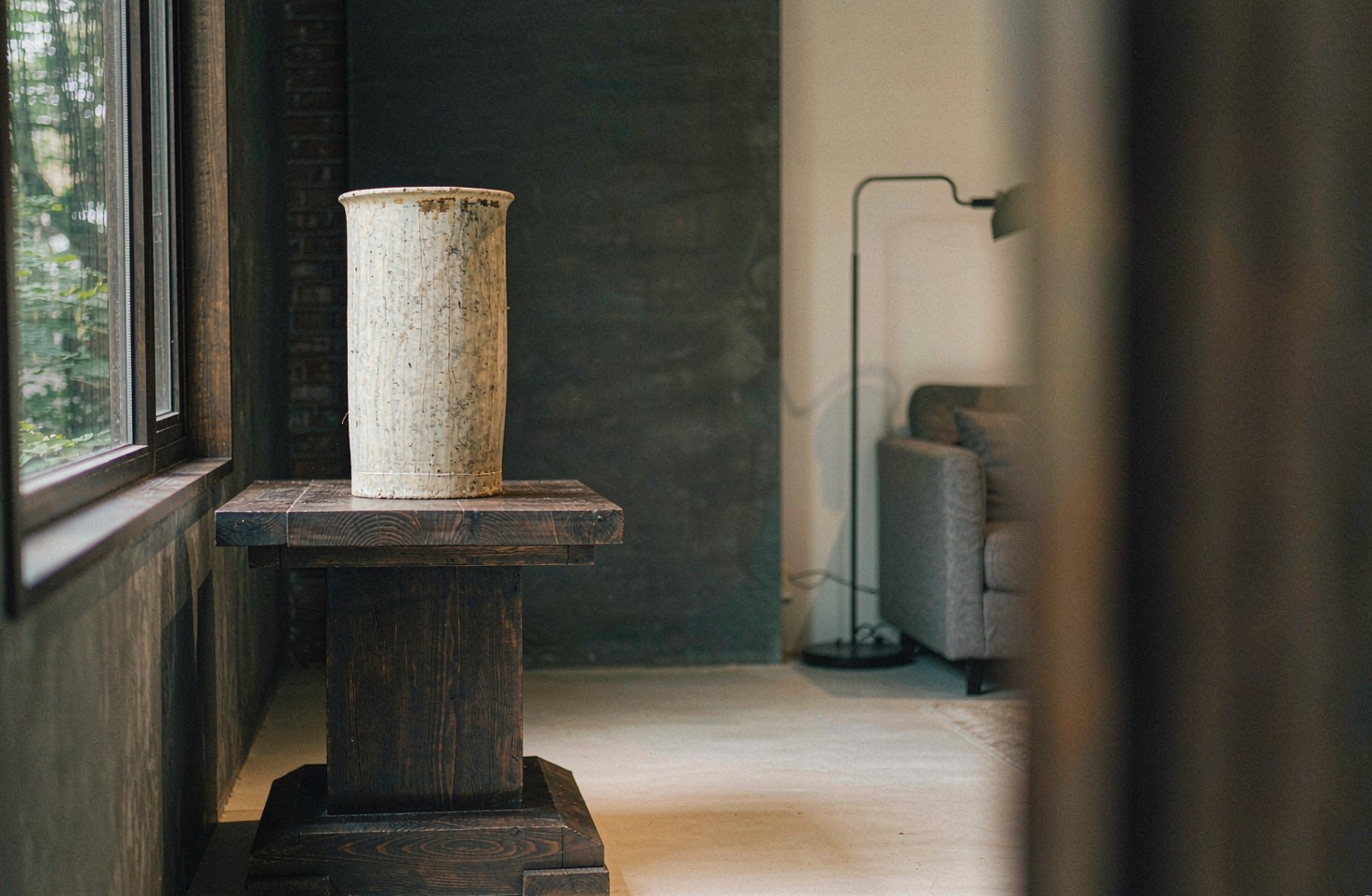
展架上的东方手作器物与说明卡并置,暖光落在釉面与木纹上
▍二、日韩:看器型、看收口,也看你怎么对它
日韩市场的眼光更细。买家有成熟的认知框架,会直接看器型比例、口沿收口、底足处理、釉面匀净——这些地方骗不了人。
包装与呈现的分量在这个市场格外重。怎么包、说明怎么写、售后怎么办,都被视为手艺的一部分。做得糙,等于说你自己不重视。
▍三、东南亚:要颜色、要寓意、要节日
东南亚的逻辑又不一样。这里华人文化基础深厚,吉祥纹样不需要翻译;买一件东西,往往为了新年、开业、婚庆、乔迁这样的场合。
色彩与体量在这里更有话语权。相比极简的灰白,纹样饱满的器物更容易被一眼选中;礼盒比单件重要,因为多数人买来是送人的。
▍四、三种眼光,一条底线
三个市场看的重点不同,有一条共通:都要"能被核实的信息"。产地、工序、匠人署名,这三样在任何地方都是硬通货。
所以出海的功课不在翻译,在于把每件器物的来路整理成经得起追问的说明。同一件东西讲三种话可以,讲三种事实不行——口径必须全网一致。
▍问答
问 | 中国非遗手作出口到国外,主要走哪些市场
答 | 主要是欧美、日韩与东南亚三块。欧美看重作者与故事,日韩看器型、收口与包装,东南亚更看重颜色、寓意与节庆场景。同一件器物可以讲三种话,事实口径只能有一套。
问 | 面向海外,非遗器物要不要为了迎合改设计
答 | 可以改表达,不建议改做法。换尺寸、换配色、换礼盒形式都在表达层面,可以讨论;动到材料与工序,手艺就换了物种,出海也就没了意义。海外买家想买的,恰恰是别处做不出来的那部分。
问 | 韵和鸣做起非遗出海,靠的是什么底子
答 | 两样东西。一是跨境供应链的底子,选品、内容、履约在同一条链上跑完;二是多语言的内容能力,线上配多语言直播与翻译,让手艺的来路先于器物抵达。目前出货以欧美、日韩、新加坡等市场为主。
▍说在最后
出海的难处从来不是把东西运出去,是让一个没见过这门手艺的人,愿意为它腾出家里的一格位置。
你买过最满意的一件外国手作是什么?它靠什么说服了你?
📩 非遗项目 | 匠人举荐 | 跨境出海 | 线下联营
欢迎留言或后台联系,我们与匠人同行。
—— 韵和鸣 · 与匠人同行
〖 海 〗
相关搜索 | RELATED SEARCHES
非遗 手作 出口 哪些 国家 · 中国 手工艺 海外 市场 偏好 · 非遗 出海 怎么 做 · 东方 手作 海外 买家 看 什么
English
Europe and America: Story First, Use Second
When a European or American customer opens a piece of Eastern handwork, the first question is usually not the price but who made it. The object is a traceable passage: which maker, on which land, through how many stages.
This follows a local habit of buying craft, from pottery studios to independent woodworkers, where knowing the maker is normal. What works is not adjectives but specifics: the county, the steps, the name.
According to the Shanxi Provincial People's Government communique of 18 October 2026, Shanxi currently counts 182 national-level representative heritage items and 198 representative bearers; conveying a catalogue this rich to overseas markets depends on stating the provenance of each piece.
Size and use must be stated too: where in the house, whether machine-washable, whether it takes hot contents. Such small questions often decide the sale.
Eastern handwork on a display shelf beside its caption cards, warm light falling on glaze and wood grain
Japan and Korea: Form, Finish, and How You Treat It
The Japanese and Korean eye is finer. Buyers there have a mature framework and look straight at proportion, rim finish, foot treatment and glaze evenness, none of which can be faked.
Packaging and presentation carry unusual weight here. How it is wrapped, how notes read, how aftercare is handled all count as part of the craft. Roughness says you do not value your own object.
Southeast Asia: Colour, Meaning, Festival
Southeast Asia runs on another logic. Chinese cultural roots run deep here, so auspicious patterns need no translation, and a purchase is often tied to new year, an opening, a wedding or a move.
Colour and scale speak louder here. Against minimal greys and whites, pieces with full patterns are picked at a glance, and the gift box matters more than the single object, since most buyers are buying to give.
The three markets weigh different things, yet one line is shared: all need information that can be checked. Origin, process and the maker's signature are hard currency everywhere.
The homework of going overseas is therefore not translation but arranging each object's provenance into notes that survive questioning. One thing may be told three ways, but not with three different facts.
Which markets do Chinese heritage handworks mainly go to?
The main destinations are Europe and America, Japan and Korea, and Southeast Asia. The West weighs maker and story, Japan and Korea form, finish and packaging, Southeast Asia colour, meaning and occasion. One object may be told three ways, but the factual account must be single.
Should heritage objects be redesigned to suit overseas taste?
Expression may change, method should not. Size, colour and gift packaging belong to expression and can be discussed; changing materials and process turns the craft into something else and defeats the point. What overseas buyers want is precisely the part that cannot be made elsewhere.
What does YUNHEMING rely on to take heritage crafts overseas?
Two things. First, a cross-border supply chain, so selection, content and fulfilment run along one line. Second, multilingual content, with livestreams and translation, so that a craft's provenance arrives before the object. Shipments at present go mainly to Europe, the Americas, Japan, Korea and Singapore.
The difficulty of going overseas was never shipping the object out, but persuading someone who has never met this craft to spare a shelf at home for it.
ICH Projects · Artisan Referrals · Global Distribution · Salon Partnerships
你可能还感兴趣
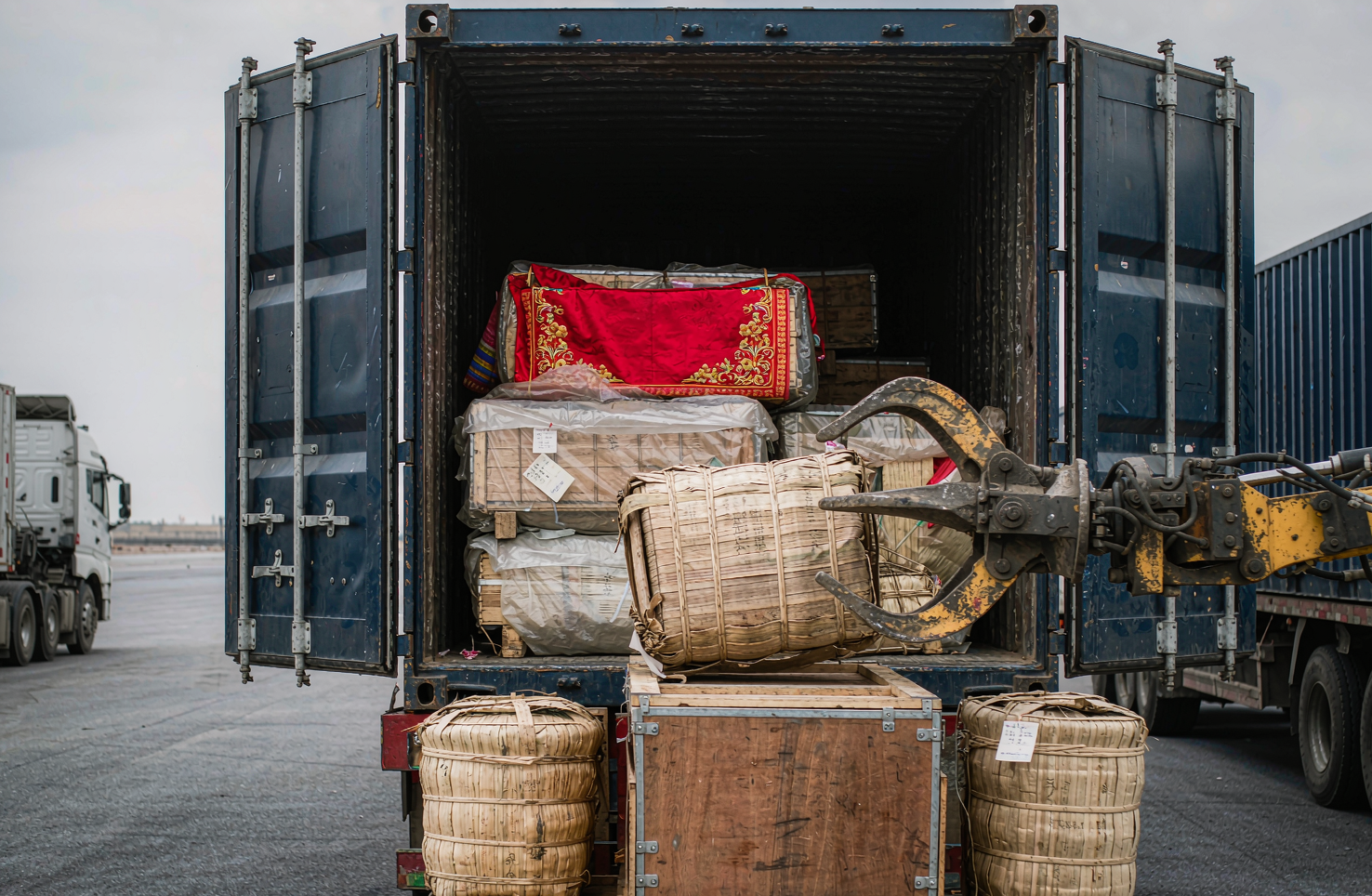
中欧班列上的非遗:慢一点,但走得远
非遗器物出海要在空运、海运与中欧班列之间权衡速度、成本和稳定性。对高工时、易碎、怕潮的手作而言,包装、防护、海外仓及发货报关等环节的安排,比单纯求快更能守住器物与资金。
韵和鸣 · 2026/10/8 · 60 阅读
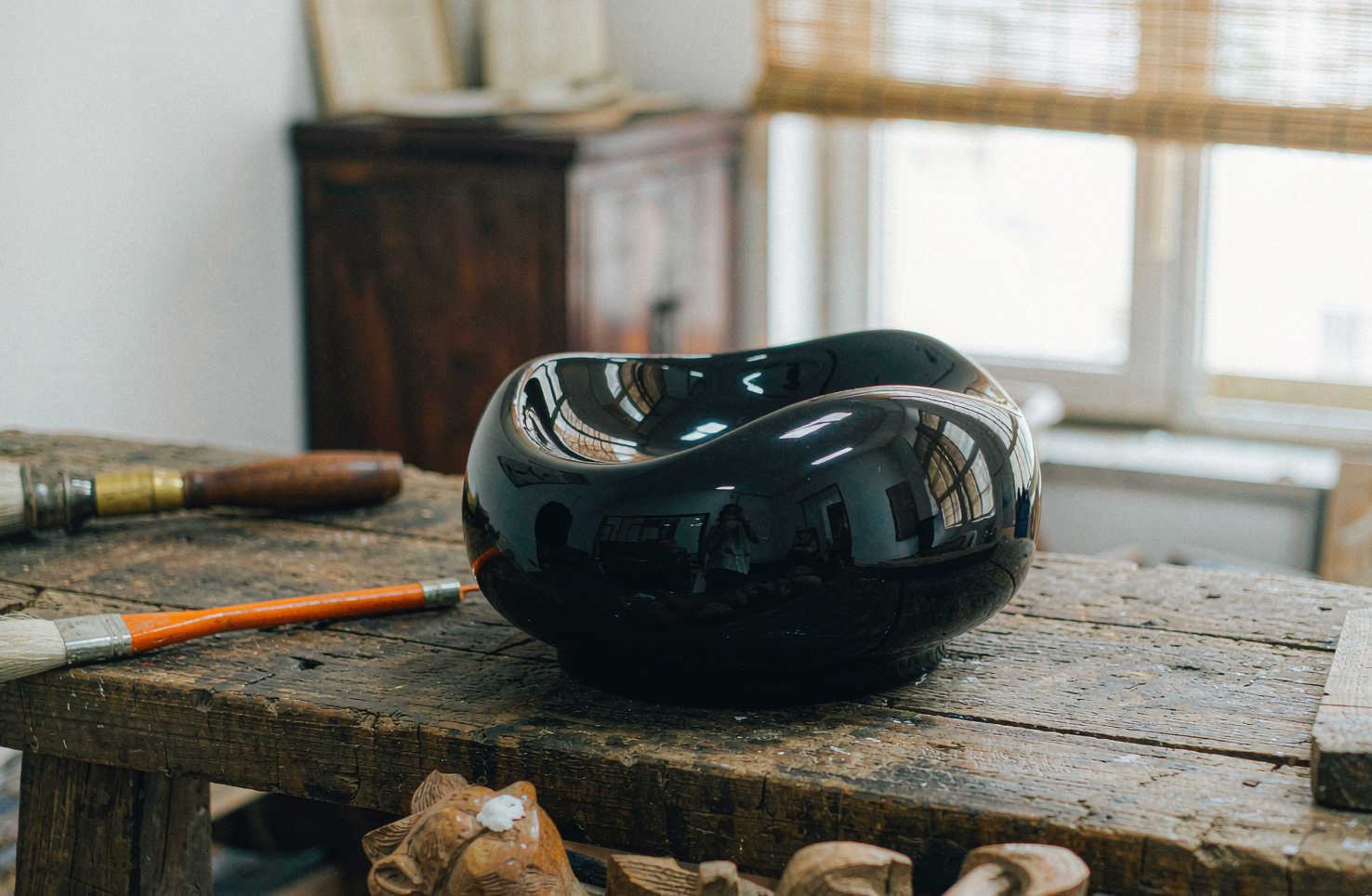
一件平遥漆器,如何走到海外客人家中
一件平遥漆器出海,要先讲清材质、工艺与来路,再经过合规、报关、物流、海外仓和末端配送。文章结合已有政策与跨境电商安排,说明多语种说明和养护提示同样重要:物流负责抵达,清楚的信息负责建立信任。
韵和鸣 · 2026/10/5 · 47 阅读
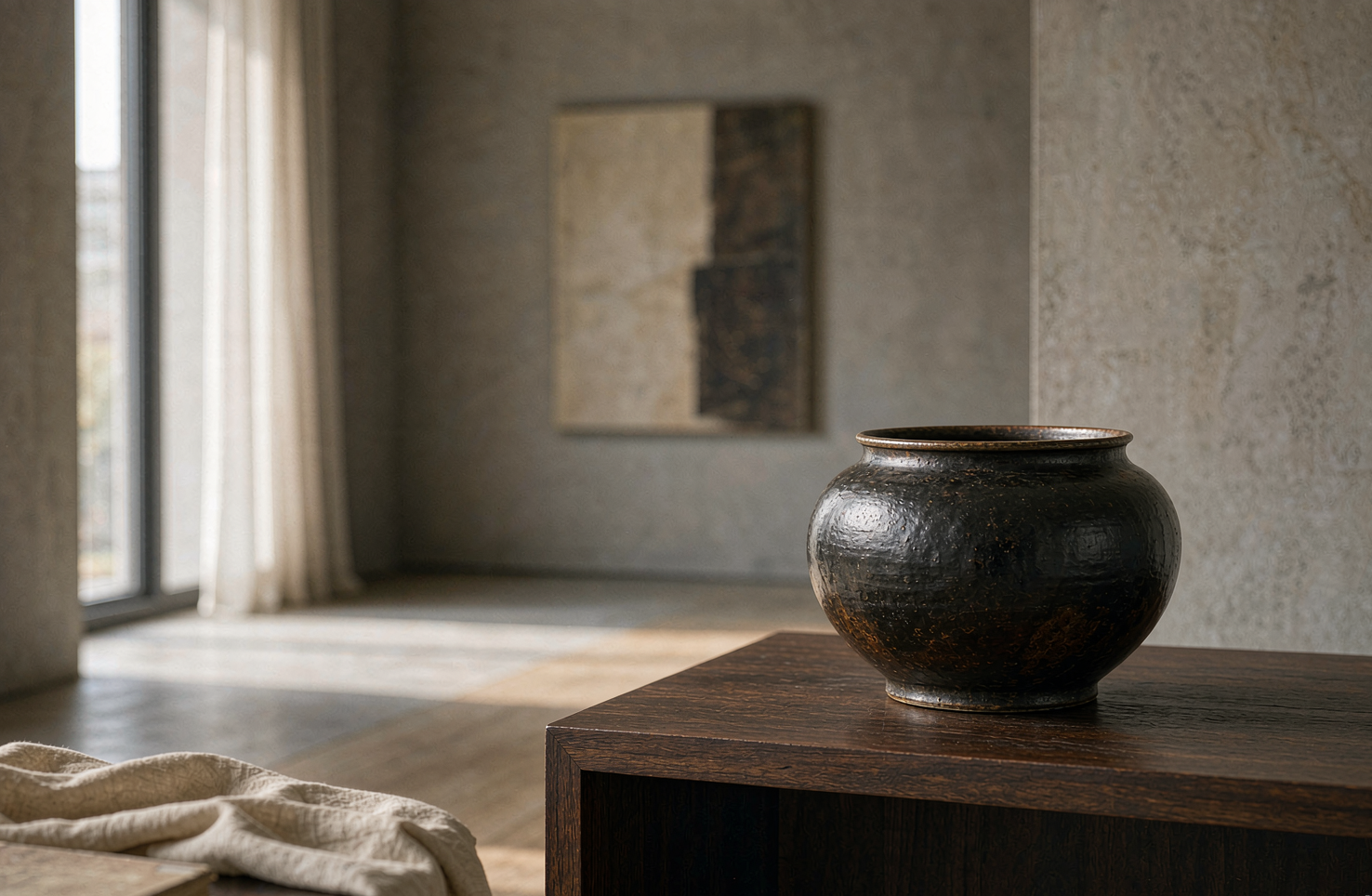
非遗出海,先过的不是海关是文化关
跨境的手续、物流、退税率,都有章可循;真正难的是一道没有章可循的关——文化关。一件器物漂洋过海,如果讲不清自己是什么、谁做的、怎么用,它就只是一件"东方风格的工艺品"。过没过文化关,决定了它卖的是货,还是手艺。
韵和鸣 · 2026/10/14 · 42 阅读
一份非遗产品的多语种说明书,该写什么
器物到达海外买家手里的那一刻,介绍才刚开始。中文语境里许多不必解释的事——这是什么、谁做的、怕什么——换成另一种语言,都要从头说一遍。说明书不是翻译稿,它是产品的第二次介绍。
韵和鸣 · 2026/10/20 · 40 阅读
北欧人为什么喜欢极简的东方漆器
做出海这些年,有个现象耐人寻味:描金绘彩的器物,国内客人爱得直接;反倒是几色素面的漆器,常常被北欧客人先买走。说到底,不是他们看不懂繁复,而是"少"这件事,两边想到一块儿去了。
韵和鸣 · 2026/10/11 · 33 阅读
韩国的非遗保护:从"文化财"到活态传承
看世界怎么保护非遗,韩国常被提到,也常被简单化。它有一套自己的名词——"文化财""无形文化财""保有者"。关键在于,这套名词背后不只是一份名单,而是一整套"怎么把手艺交下去"的制度。
韵和鸣 · 2026/10/9 · 54 阅读