一件漆器能陪你多久,取决于这三件小事
韵和鸣 · 韵和鸣公众号 · 2026/10/26 12:00:00 · 3 阅读
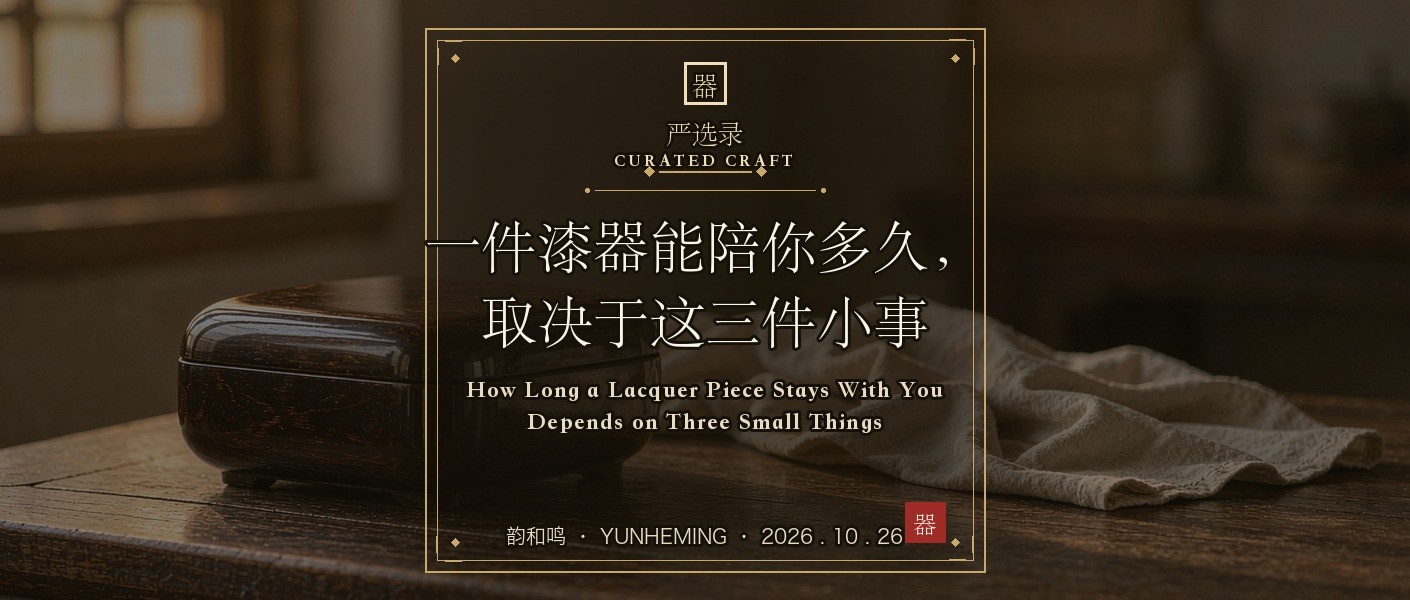
漆器是少有的"越用越好"的器物,前提是别让它受三种伤:暴晒、过干、磕碰。养护的本质,是替一件还在缓慢变化的东西维持一个稳定的环境。养护不难,难的是知道它为什么会受伤——大漆固化之后仍然是一种有生命的涂层,会呼吸,也会老化。搞懂这一点,剩下的都是常识。
▍一、头一件:别让它长时间晒
漆器怕光,尤其是直射的阳光。紫外线的长期作用会让漆膜表面的光泽变闷,颜色也会慢慢走偏——深色漆还好,浅色与描金的部分最明显。
以山西平遥的推光漆器为例,木胎、髹涂、阴干、推光一路做下来,漆膜对环境的敏感是刻在工艺里的。摆放的位置其实很好选:避开西晒的窗台,避开射灯正下方,避开暖气片上方。日常在室内散射光下使用,问题不大;真正伤漆的是"长期不动地待在一个光源下"。
木案上的漆器靠窗摆放,光线从侧面斜切过器身
所谓大漆,是指从漆树上割取的天然树脂,需在特定的温湿条件下完成固化;固化之后仍会随环境缓慢变化,这是它的性质,不是质量问题。平遥推光漆器髹饰技艺于 2006 年列入国家级非物质文化遗产名录(据文化和旅游部公布的国家级非物质文化遗产代表性项目名录)。
▍二、第二件:别让它太干
漆器成器的过程靠的是湿度,用器的过程同样要看湿度。北方冬季供暖、南方长时间开空调,都会把室内相对湿度压得很低;漆膜在过干的环境里失水,风险是发细纹。
不需要加湿器这类大动作。几个小习惯就够:室内放一盆水,器物旁边不要正对出风口,长期不用的漆器尽量放在带门的柜子里而不是开放式隔板上。湿度稳定的环境,比湿度高的环境更重要。
反过来,长期潮湿也要防。南方回南天、梅雨季,漆器最怕的是"闷"——水汽进得去出不来。柜子里放一包干燥剂,比事后擦要省事得多。
▍三、第三件:别让它硬碰硬
漆膜硬而脆,抗划不抗撞。它扛得住日常擦拭,扛不住与瓷器、金属一起堆放时的磕碰。收到漆器以后,头一件事应该是给它安排一个不挨着别的东西的位置。
清洁只用柔软的干布或微湿的棉布,不用洗洁精、不用酒精、不用任何带研磨成分的清洁剂。漆面沾了油污,先用温水软化,再轻轻擦;擦不掉就停下来,不要加力。
软布沿着器物弧面轻拭,漆面在柔光下显出温润的光
▍四、什么时候该找人修,不要自己动手
有一条界线值得记牢:表面浮尘、指纹、轻微油污,自己处理;出现划痕、发白、起皱、局部脱层,交给做漆的人。
原因很实在。漆器的修护用的是同类的漆与同样的工序,补上去的那一层要重新阴干、重新推光;用胶、用清漆、用指甲油去"补",等于把小问题封在里面,下次再修就难了。
这也是为什么我们一直把售后当作严选的一部分:敢承诺修护,是因为对卖出去的东西有信心。器物买回去,服务才刚开始——能用很多年的东西,才配叫严选。
▍问答
问 | 漆器可以装热水、盛食物吗
答 | 要看器物的用途与工艺说明,不能一概而论。天然大漆固化后性质稳定,但高温仍会加速漆膜老化;盛放热食、热饮并非漆器的强项。日常更适合的用法是盛干物、作茶席承托与陈设。具体以该件器物的说明为准。
问 | 漆器表面发白、起雾是怎么回事
答 | 多数是水汽闷在漆膜里。环境骤变、温差大、长期高湿都可能让它出现;轻微的情况放在通风、湿度稳定的地方静置一段时间,会慢慢退去。若长期不退或伴随起皱、脱层,就该送回做漆的人处理,不要自行打磨或上蜡遮盖。
问 | 漆器长期不用,怎么存放才对
答 | 三句话:避光、恒温湿、单独放。先用软布擦净并彻底晾干,用软纸或无纺布包裹,放进带门的柜子,避开窗边与出风口;柜内放一包干燥剂,每隔一两个月开柜通风一次。不要叠放,也不要与金属、瓷器挤在一起。
问 | 韵和鸣卖出去的漆器,后续使用和修护找谁
答 | 找我们。器物出手前有严选把关,出手后有服务兜底:使用、保养、修护的问题都可以来找,而且不止漆器——竹编怎么防潮、银饰发黑怎么办、织锦怎么打理,品牌把这类使用、保养、选品的学问做成了系统的内容。手工器物值得被长久使用。
▍说在最后
养护听上去是在照顾一件东西,实际上是在延长一段关系。器物用得越久,它身上留下的就越像你的日子。
你手上有没有一件用了很多年的老物件?它是怎么被你留下来的?
📩 非遗项目 | 匠人举荐 | 跨境出海 | 线下联营
欢迎留言或后台联系,我们与匠人同行。
—— 韵和鸣 · 与匠人同行
〖 器 〗
相关搜索 | RELATED SEARCHES
漆器 怎么 保养 · 平遥推光漆器 能 用 多久 · 漆器 怕 晒 吗 · 漆器 表面 发白 怎么办 · 漆器 存放 注意 什么
English
First Thing: Keep It Out of Prolonged Sun
Lacquerware fears light, direct sunlight above all. Long exposure to ultraviolet dulls the sheen of the film and slowly shifts the colour, which is most visible in pale grounds and gold tracing, though dark lacquer fares better.
Take Pingyao polished lacquerware in Shanxi: from wooden body through coating, drying and hand-polishing, the film's sensitivity to its surroundings is built into the process. Choosing a spot is easy: away from a west-facing sill, away from directly under a spotlight, away from above a radiator. Everyday use in diffuse indoor light is fine; what truly damages lacquer is staying still under one light source for years.
Lacquerware set on a wooden table near a window, light falling obliquely across the body
By raw lacquer we mean the natural resin tapped from the lacquer tree, which cures only under specific conditions of warmth and moisture; even after curing it goes on changing slowly with its surroundings, which is its nature rather than a defect. The Pingyao polished lacquer decoration technique was inscribed on the national intangible cultural heritage list in 2006, according to the list published by the Ministry of Culture and Tourism.
Humidity governs both how lacquerware is made and how it is kept. Winter heating in the north and long hours of air conditioning in the south both push relative humidity down, and a film that loses moisture in too dry an air risks fine crazing.
No humidifier is needed. A few habits suffice: a bowl of water in the room, no object placed facing an air outlet, and pieces in long-term storage kept in a closed cabinet rather than on an open shelf. Stable humidity matters more than high humidity.
The reverse matters too: prolonged damp should be guarded against. In the humid seasons of the south what lacquer fears most is being sealed in, moisture getting in and not out. A sachet of desiccant in the cabinet saves far more trouble than wiping afterwards.
The lacquer film is hard but brittle, resisting scratches better than impacts. It survives routine wiping but not being stacked against porcelain or metal. The first thing to do with a new lacquer piece is to give it a spot where nothing else touches it.
Clean only with a soft dry cloth or a barely damp cotton one, with no detergent, no alcohol and nothing abrasive. For grease, soften it with warm water first and wipe gently; if it will not come off, stop rather than press harder.
A soft cloth moving along the curve of a vessel, the lacquer showing a warm glow in gentle light
When to Send It for Repair Instead of Trying Yourself
One boundary is worth memorising: surface dust, fingerprints and light grease you handle yourself; scratches, blooming, wrinkling or local delamination go back to a lacquer worker.
The reason is practical. Lacquer is repaired with the same material and the same stages, and the added layer must be dried and polished again; patching with glue, varnish or nail polish seals a small problem inside and makes the next repair far harder.
That is also why we treat aftercare as part of curation: promising repair is possible only because we have confidence in what goes out. Service begins the moment the object is taken home, for only something that can be used for many years deserves to be called curated.
Can lacquerware hold hot water or food?
It depends on the object's intended use and its process notes, and cannot be answered in general. Cured natural lacquer is stable, yet heat still accelerates ageing of the film, so hot food and hot drinks are not its strength. It suits dry goods, tea-table use and display better, and the notes for each piece govern.
Why does a lacquer surface go white or misty?
Usually moisture trapped in the film. Sudden changes, wide temperature swings or long damp spells can cause it; mild cases fade if the piece rests in a stable, ventilated spot. If it persists or comes with wrinkling or lifting, send it back to a lacquer worker rather than sanding it or waxing over it.
How should lacquerware be stored when not in use?
Three lines: away from light, steady humidity, stored alone. Wipe it clean and let it dry fully, wrap it in soft paper or non-woven cloth, place it in a closed cabinet away from windows and vents, add a sachet of desiccant, and air the cabinet every month or two. Never stack pieces or pack them against metal and porcelain.
Who do you turn to for use advice and repair on lacquerware bought from YUNHEMING?
Come to us. Selection guards the object before it leaves and service backs it afterwards, so questions of use, care and repair all have somewhere to go, and not only for lacquer: how to keep bamboo weaving dry, what to do when silver darkens, how to look after woven silk, all of it is covered in a systematic body of guidance. Handmade objects deserve long use.
Care sounds like looking after an object, but it is really extending a relationship. The longer a piece is used, the more what it carries begins to resemble your own days.
ICH Projects · Artisan Referrals · Global Distribution · Salon Partnerships
你可能还感兴趣
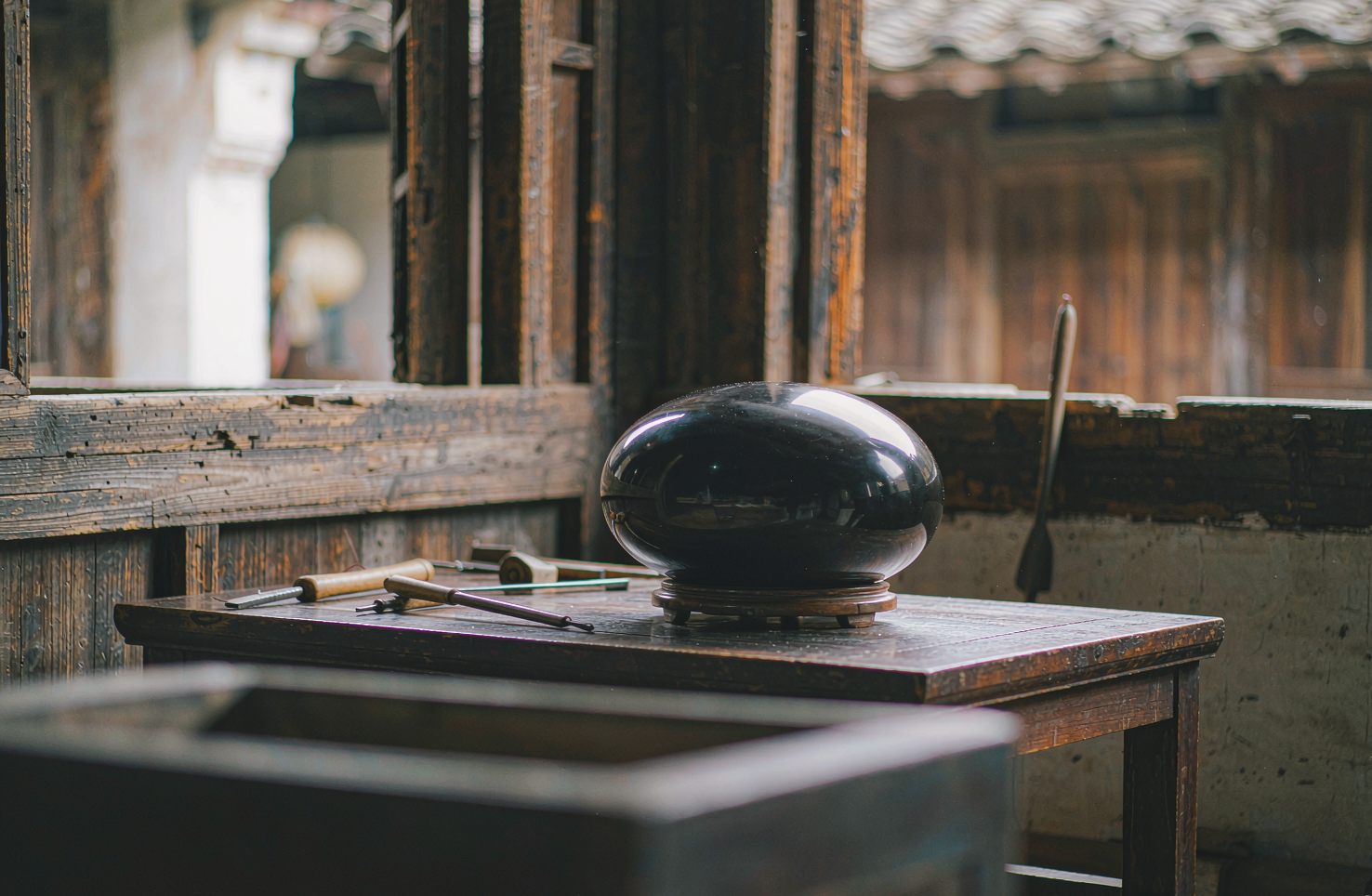
一件漆器该有多重,手感不会说谎
严选器物,看纹样、看款识、看证书,都是明面上的事。但有一道标准写不进任何参数表——上手。同一尺寸的两只漆盘,一只压手温润,一只轻飘干瘪,差别从何而来?这次把"分量"这件事拆开讲。说到底,重量是工序的记账本。
韵和鸣 · 2026/10/14 · 52 阅读
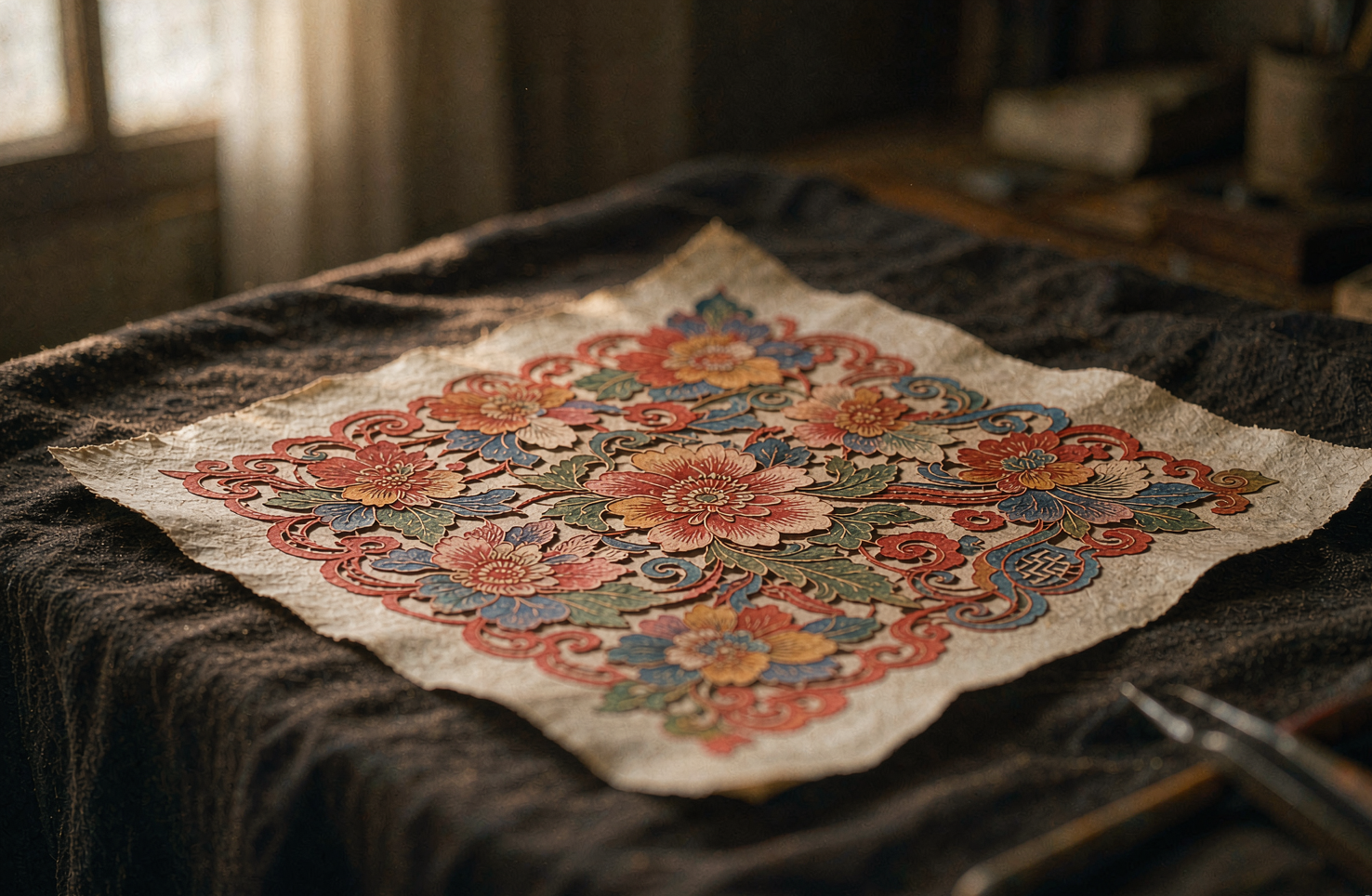
一张蔚县剪纸,彩色的刻刀活
严选录这一期看一张不太一样的剪纸:它不用剪刀,用刻刀;不止红色,还带着点染出来的粉与绿。河北张家口蔚县的剪纸,是剪纸大家族里"反着来"的一支——别处以剪为主、以红为正,蔚县以刻代剪、以点彩上色。说到底,这两个"反着来"的本质,是蔚县人把剪纸从窗前的女红,做成了作坊里的分工手艺:看懂了这一点,才算看懂了这张纸。
韵和鸣 · 2026/10/13 · 48 阅读
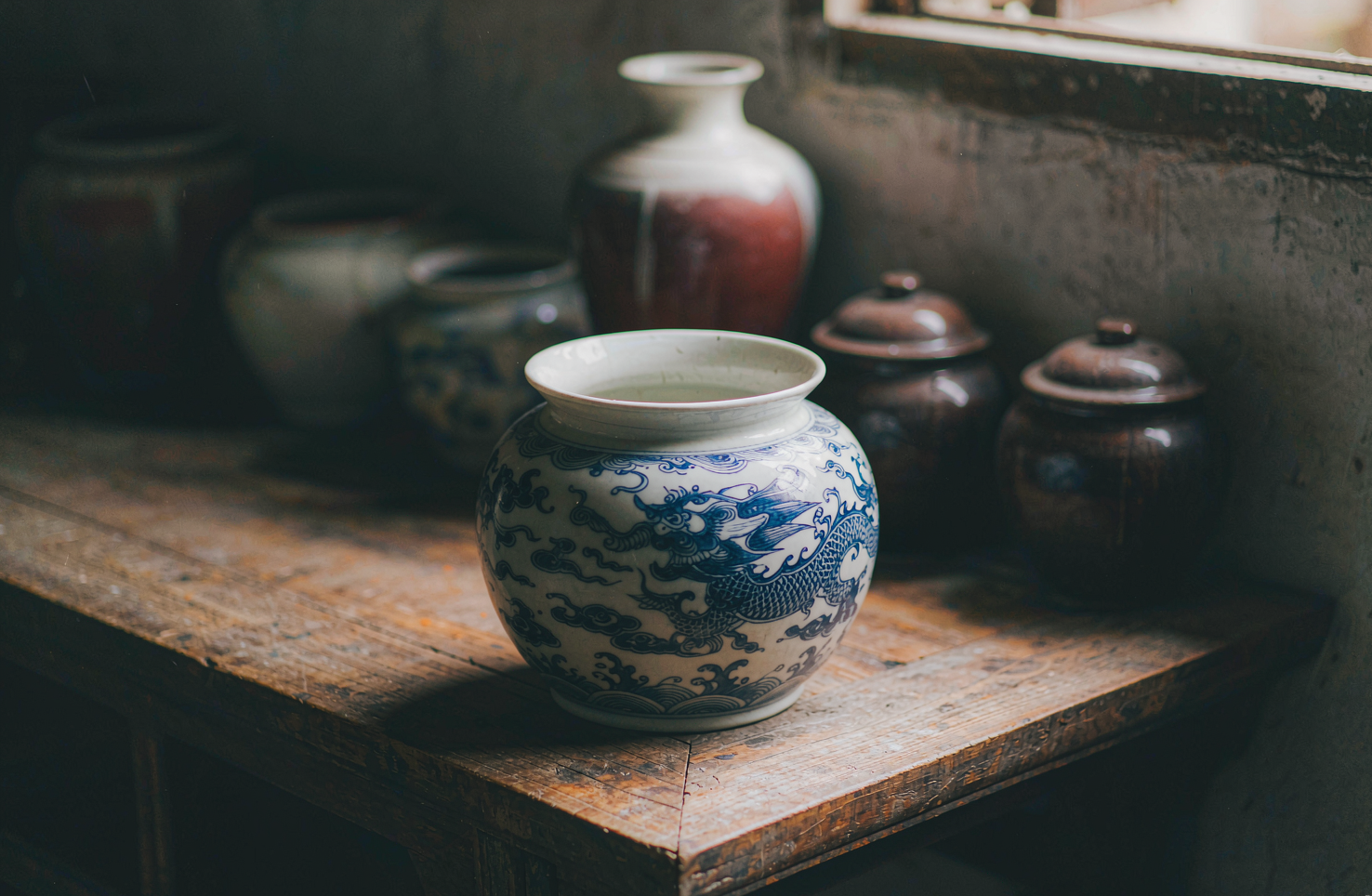
一盏博山琉璃:颜色是炉火给的,不是颜料调的
博山琉璃的颜色由矿石、着色配方和炉温共同形成,鸡油黄等色料并非烧成后涂在表面。文章介绍挑料、吹制、塑型、灯工和内画,说明流纹、气泡与壁厚如何反映手工过程,并提供观察颜色、过渡和口沿的选器方法。
韵和鸣 · 2026/10/12 · 46 阅读
平金开黑:金与黑,为什么这么耐看
平金开黑以黑漆为底、金线为饰,关键在于黑底的推光质量、金线的稳定和留白的分寸。文章介绍相关工具与工序,并从线条、光泽、使用和来源等方面说明如何观察描金漆器,避免只用金的多少判断价值。
韵和鸣 · 2026/10/10 · 45 阅读
一枚漆书签:小物件为什么反而更考验手艺
漆书签体量小,却同时暴露胎体稳定、漆层附着、边缘打磨与日常耐用度。挑选时先看薄厚与侧面,再摸边缘和转角,比只看纹样更能判断小件工序是否扎实,也值得问清售后修复。
韵和鸣 · 2026/10/24 · 43 阅读
竹编漆艺茶席:两种非遗,如何在同一张桌上共生
一张茶席上,常常同时摆着竹编的垫、漆艺的托。它们来自两门毫不相干的手艺,却在同一片茶汤边安静相处。共生这件事,比"混搭"难得多。
韵和鸣 · 2026/10/2 · 42 阅读