一位不接商单的漆艺师:我为什么把节奏慢下来
韵和鸣 · 韵和鸣公众号 · 2026/10/26 12:00:00 · 3 阅读
在平遥,做漆的人不少,肯把活儿往外推的不多。我们遇到过这样一位漆艺师:有商单找上门,他先看交期,交期压得太紧就回绝。理由很简单,大漆不等人——平遥推光漆器髹饰技艺于 2006 年列入国家级非物质文化遗产名录(据文化和旅游部公布的国家级非物质文化遗产代表性项目名录),这门手艺从头到尾都压在一个"等"字上。
▍一、漆为什么不能催
平遥推光漆器髹饰技艺的门槛,压在一件很多人不知道的事上:大漆的干燥靠的是温度和湿度,不是时间到了就自然干。阴干房里的每一夜都有讲究,太干漆膜不固化,太湿则发黏起皱。
大漆是一种从漆树上割取的天然树脂,需要在特定的温湿条件下完成固化;"百里千刀一斤漆"这句老话,说的是原料得来不易,也说的是这道材料从头到尾都急不得。
一遍髹涂之后要等,磨平之后再髹,再等。层数越多,器物的底色越沉稳,也越经得起年月。这道工序没有捷径,只有等待。
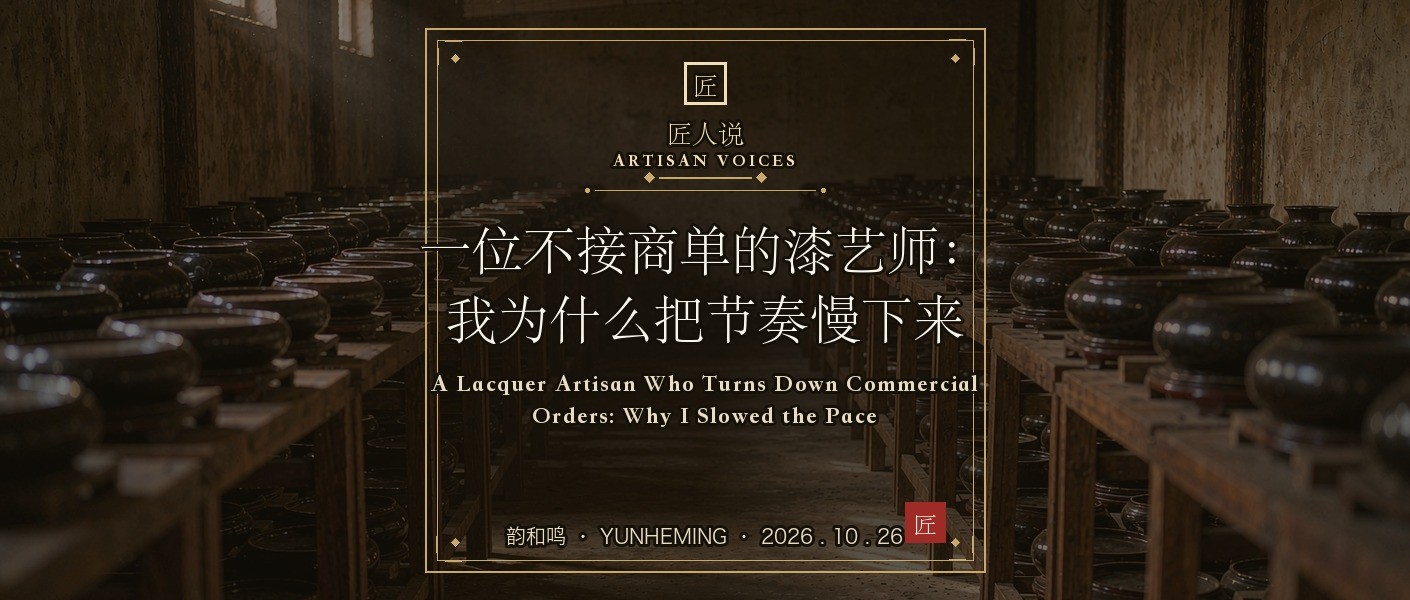
阴干房里成排待干的漆胎,架面反射着窗口透进来的散射光
▍二、推光:手掌和时间的合谋
漆器最后那道推光,是最容易被误解的一道工序。所谓推光,即成器前最后一道以手掌蘸细灰与油反复推磨、把漆面推到发亮的工序。它不用机器抛,用的是手掌。掌心蘸上细灰与油,在漆面上一下一下地推,靠摩擦生出的微热把漆面推到发亮。
为什么不用机器?因为机器给的是均匀的光,手给的是有厚度的光。手工推出来的亮,是从漆层深处透出来的,看久了会觉得那层光在动。机器抛出来的亮浮在表面,一眼就看到底。
这位漆艺师说过一句话:推光不是在把漆推亮,是在把漆里的杂质一点点推出来。慢,是为了让该走的都走掉。
▍三、回绝的那些单子
他回绝过的单子,大多不是因为钱,是因为交期和改法。
一类是时间压得太死:三十天的交期,要的是三个月才能成的东西。接了,就意味着阴干要缩短、遍数要减、推光要少磨两遍。做出来看着还在,用上两三年就见分晓。
另一类是改法:把纹样换成更"上镜"的样式,把器型改得更薄更省料。他不是不接受设计,只是不接受拿工序换效率的设计。改的是表达可以谈,动到做法,手艺就换了物种。
掌心在漆面上反复推磨,边缘处泛出温润的反光
▍四、慢下来之后,日子怎么过
慢是有代价的。接得少,收入就薄;不做批量,就享受不到规模带来的成本下降。这些问题他都不否认。
他的算法不一样:与其一年出两百件、三年后被退回来的越来越多,不如一年出六十件、每一件都用得住。器物会替人说话,用得越久,说出去的话越硬。
这也是我们一直把"联名"和"贴牌"分得格外清楚的原因。匠人的名字与手艺,本身就是作品的一部分;让他们敢慢、慢得起,比让他们多接两单更有价值。
▍问答
问 | 平遥推光漆器为什么要阴干而不是烘干
答 | 因为大漆的固化靠的是温湿条件下的自然反应,不是脱水。高温快干会让表层先结膜、内层还没反应,日后容易起皱、开裂甚至脱层。阴干慢,是为了让整层漆膜一起固化,这也是漆器能用很多年的原因。
问 | 推光漆器的"推光"到底是在做什么
答 | 用掌心蘸细灰与油,在漆面上反复推磨,靠摩擦的微热把漆面推到发亮。它不是打磨掉一层,而是把漆层压实、把杂质逼出来,让光从漆层深处透出来。手工推的光有厚度,机器抛的光浮在表面。
问 | 怎么判断一件漆器是不是真的手工推光
答 | 看三处:一看光,手工推的亮在不同角度下会有深浅变化,机器抛的光处处一致;二看边角转折,手掌能照顾到的弧度与机器能压到的弧度不同;三看底面,手工件底面常有推磨留下的方向性痕迹。过分均匀、毫无变化的,多半出自机器。
问 | 韵和鸣怎么让匠人敢慢、慢得起
答 | 靠两条:不压交期、按工序定价。品牌定位是"非遗经纪人":以公益之心帮匠人解决内容、渠道与出海的事,让手艺人专心做手艺。器物都与非遗老师联名,不是贴牌,匠人的名字与手艺写在明处。非遗老师更好,韵和鸣才会更好。
▍说在最后
一门手艺慢下来,往往不是因为不会快,是因为知道快了会失去什么。我们跑得再勤,也只是替这些"慢"争取一点被理解的空间。
你愿意为一件"慢出来"的器物多等一段时间吗?评论区说说。
📩 非遗项目 | 匠人举荐 | 跨境出海 | 线下联营
欢迎留言或后台联系,我们与匠人同行。
—— 韵和鸣 · 与匠人同行
〖 匠 〗
English
The threshold of the Pingyao polished lacquer decoration technique rests on something many do not know: raw lacquer dries by temperature and humidity, not simply by the passing of time. Each night in the drying room matters, since too dry and the film will not cure, too damp and it turns tacky and wrinkles.
Raw lacquer is a natural resin tapped from the lacquer tree and cures only under specific conditions of warmth and moisture; the old saying that a hundred li and a thousand knife-cuts yield one jin of lacquer speaks of how hard the material is to obtain, and of how little it can be rushed from start to finish.
After each coat one waits, then grinds, coats and waits again. The more layers, the deeper and steadier the ground of the object and the better it wears through the years. There is no shortcut here, only waiting.
Rows of lacquered bodies waiting in the drying room, the racks catching diffused light from the window
Hand-Polishing: A Conspiracy of Palm and Time
The final hand-polishing is the stage most often misunderstood. By hand-polishing we mean the last stage before completion, in which the palm, carrying fine ash and a little oil, works the surface repeatedly until it glows. No machine is used, only the palm. With fine ash and a little oil, the palm pushes across the lacquer stroke by stroke, and the slight heat of friction brings the surface to a glow.
Why not a machine? Because a machine gives an even shine while the hand gives one with depth. The brightness worked out by hand comes from deep inside the lacquer layers, and looking longer you feel the light moving; machine polish sits on the surface and is read in a glance.
As this artisan put it, polishing is not making the lacquer bright but pushing the impurities out of it, bit by bit. Slowness lets everything that should leave, leave.
Most of the orders he refused were not about money but about deadlines and alterations.
One kind is crushed for time: a thirty-day deadline for work that needs three months. Accepting it means shorter drying, fewer coats, two fewer rounds of polishing. The result still looks right but shows its difference after two or three years of use.
The other kind alters the method: replacing a pattern with something more photogenic, thinning the form to save material. He is not against design, only against buying efficiency at the cost of process. Expression can be discussed, but once the method changes, the craft becomes something else.
A palm working back and forth across a lacquered surface, a warm reflection appearing along the edge
After Slowing Down, How Does the Year Go?
Slowness has a price. Taking fewer orders means thinner income, and refusing volume means missing the cost savings of scale. He denies none of this.
His arithmetic runs differently: rather than two hundred pieces a year with more and more coming back after three years, sixty pieces a year each of which lasts. Objects speak for their maker, and the longer they last the firmer what they say.
That is also why we keep co-signing strictly apart from mere labelling. A maker's name and craft are part of the work itself, and enabling them to dare to work slowly, and afford to, matters more than pushing two more orders their way.
Why is Pingyao lacquerware air-dried rather than oven-dried?
Because raw lacquer cures through a natural reaction under specific warmth and moisture, not through losing water. Fast high-temperature drying skins the surface while the inner layers have not reacted, leading to wrinkling, cracking or delamination later. Air-drying is slow so that the whole film cures together, which is why lacquerware lasts for years.
What exactly does hand-polishing do in polished lacquerware?
With fine ash and oil on the palm, one works the surface repeatedly so the slight heat of friction brings out a glow. It does not grind a layer away but compacts the film and forces impurities out, letting light come from deep within. Hand-polished light has depth; machine polish floats on top.
How can you tell whether a lacquer piece was truly hand-polished?
Look at three things: the light, since hand-polished brightness shifts with the angle while machine polish is uniform everywhere; the turns at the edges, since a palm reaches curves a machine pad cannot; and the underside, which on hand-worked pieces often carries directional traces of polishing. Anything perfectly even and unvarying usually came off a machine.
How does YUNHEMING help makers dare to work slowly and afford it?
By not pressing deadlines and by pricing according to process. The brand positions itself as a heritage agent: with a public-interest intent it handles content, channels and overseas reach for makers so that they can concentrate on the work. Every piece is co-signed with the master rather than merely labelled, with the maker's name and craft stated openly. When the heritage master does better, YUNHEMING does better.
A craft slows down not because it cannot go faster but because it knows what speed would cost. However often we travel, all we do is win a little room of understanding for that slowness.
ICH Projects · Artisan Referrals · Global Distribution · Salon Partnerships
你可能还感兴趣
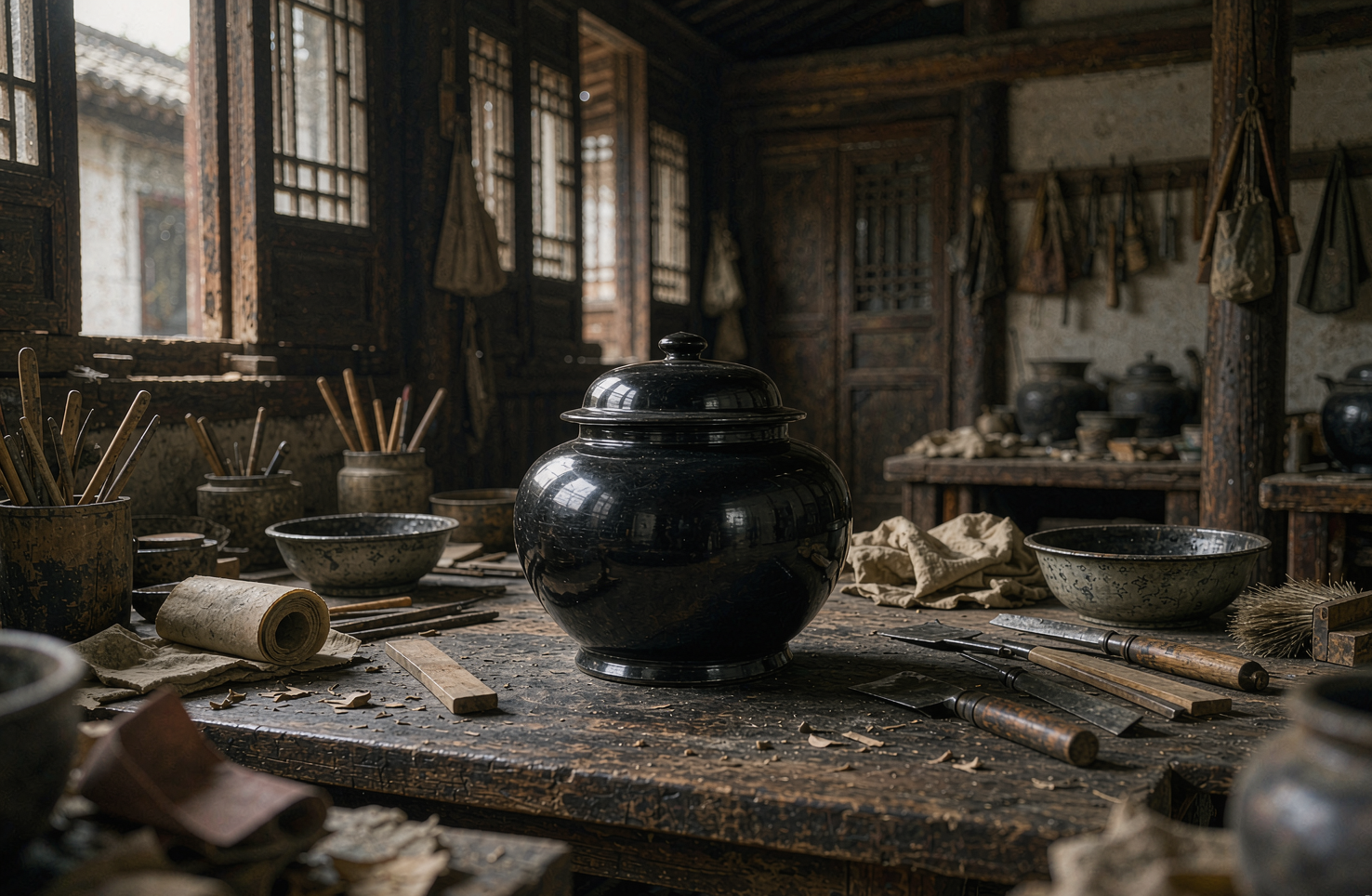
漆器为什么能埋八千年不坏
在博物馆做漆器研究与修复的研究员老周,桌上常年摆着两样东西:一段出土的漆皮残片,一只新做不久的平遥推光漆盘。他说这两样东西隔着八千年,却是同一种材料。这次对话,我们从"漆器为什么埋几千年不坏"聊起,聊到最后,其实是手艺对材料的理解问题。
韵和鸣 · 2026/10/14 · 64 阅读
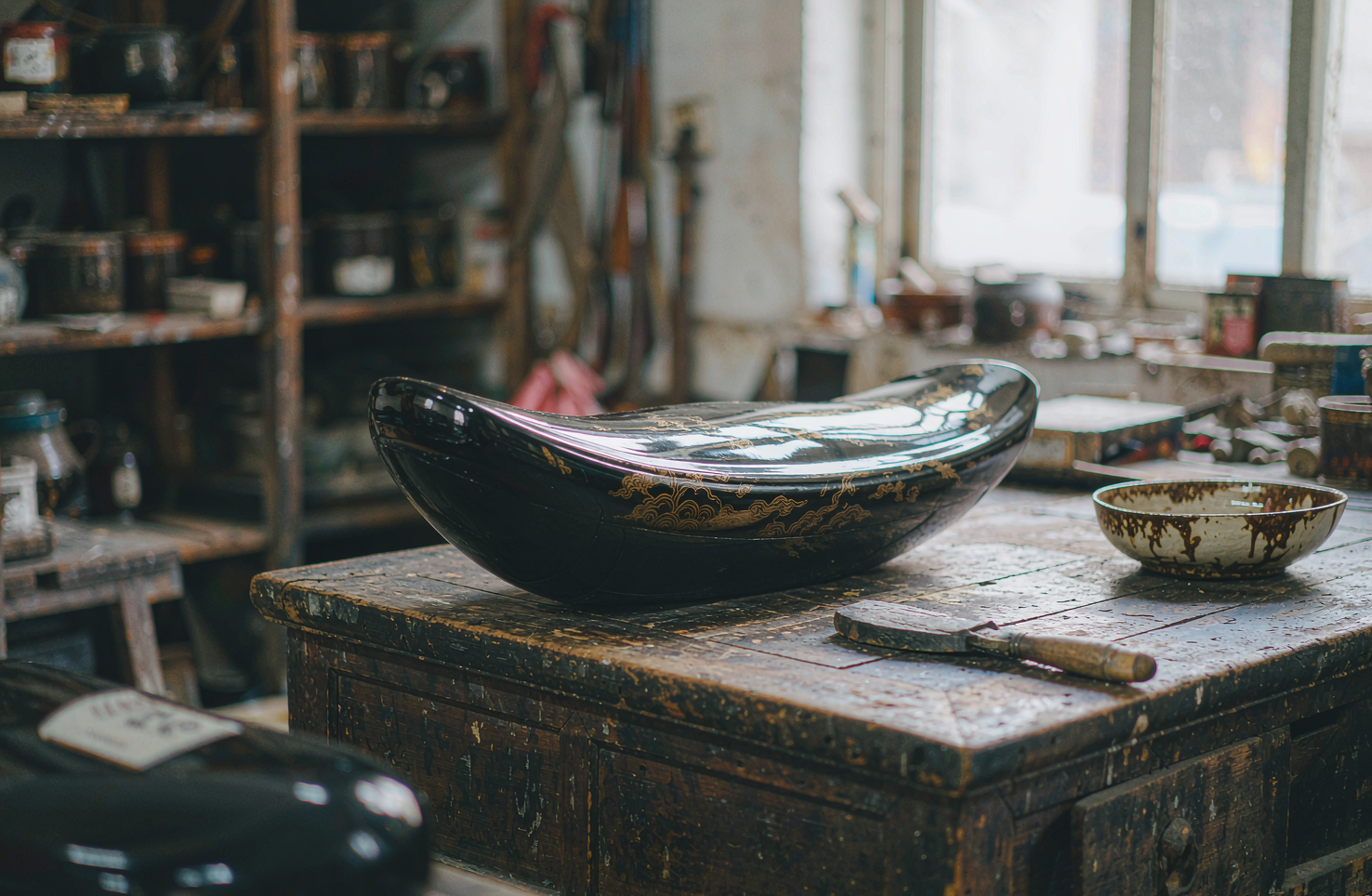
十六岁学艺,他如今想让漆器走进年轻人的家
在平遥,学漆艺的人正在换代。老匠人把五十年的功夫交给徒弟,年轻教师把漆带进课堂。一门千年手艺要传下去,卡住的往往不是技法。
韵和鸣 · 2026/10/2 · 48 阅读
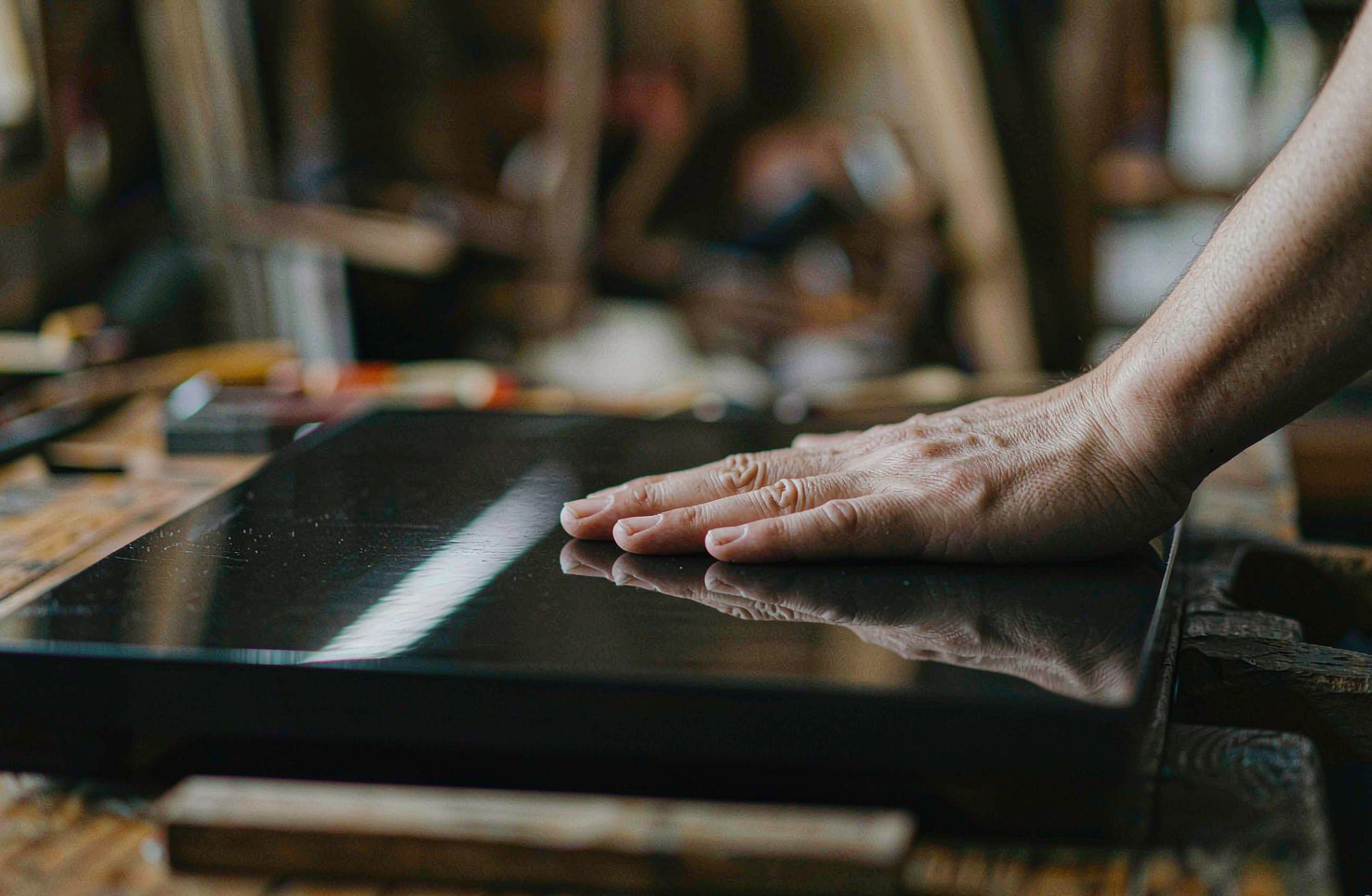
推光:一只手与时间的合谋
推光以大漆和此前多道髹磨工序为底,最后靠手掌的温度、力度与节奏推出温润光泽。文章同时写到师徒之间反复示范和重做,说明这道功夫既无法催快,也不能只靠口头讲解完成传递。
韵和鸣 · 2026/10/2 · 43 阅读
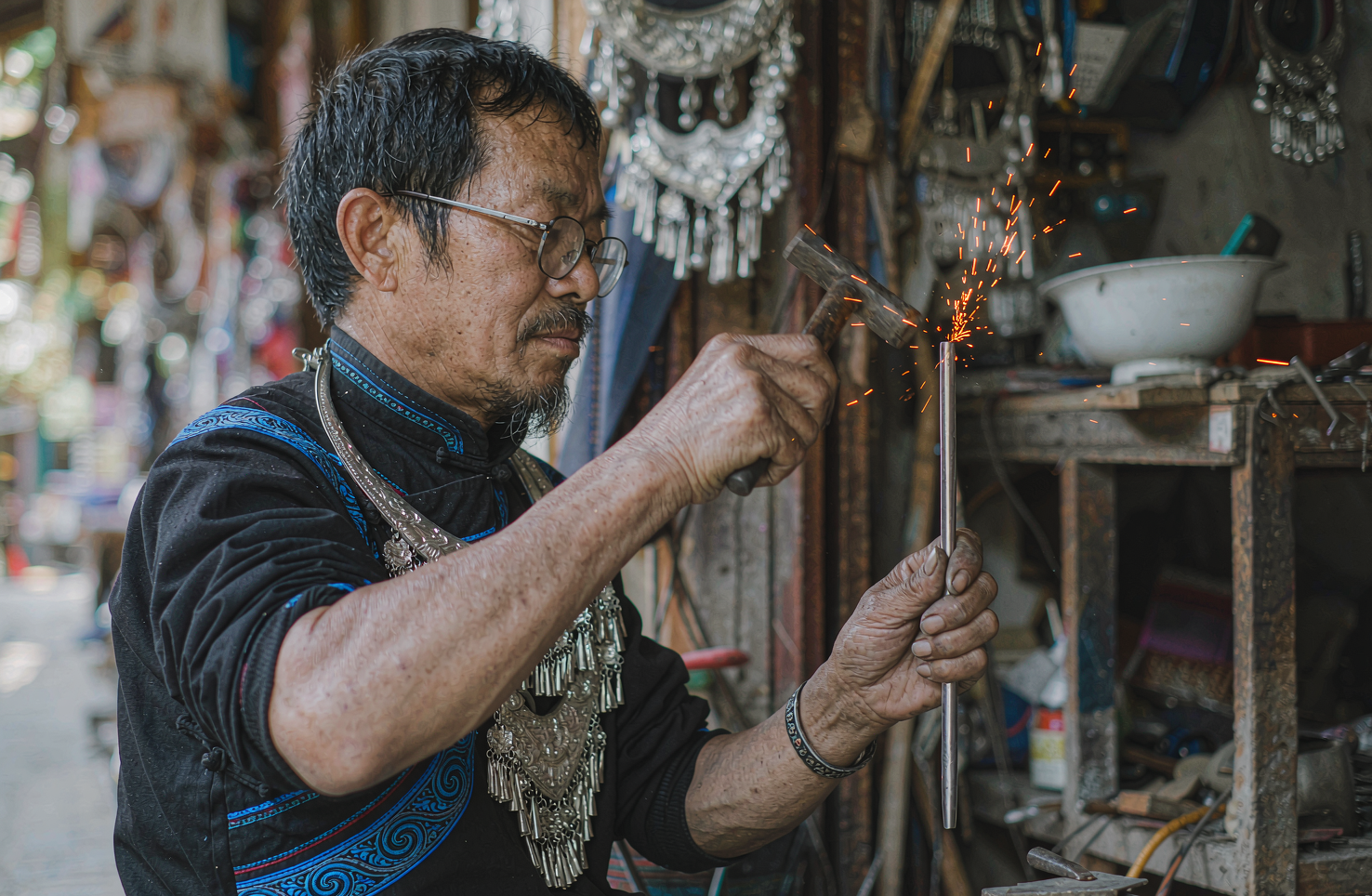
去贵州雷山,看一块银元如何变成一支银簪
在黔东南的苗寨里,银不只是一种首饰材料。它曾经是可以随时熔掉、重新打制的"存款",也是节日里一个女人身上最亮的那部分。关键在于,当一块老银元被放进坩埚,它要经过多少双手、多少道火,才重新成为一件能戴出门的东西。
韵和鸣 · 2026/10/9 · 60 阅读
AI 生成的"非遗纹样",算不算抄袭
喂一批图给模型,几秒钟就能出一张"苗绣风"的纹样。有人觉得这是把传统纹样重新用起来,有人认为这是把别人一辈子的手艺免费拿走了。问题不好回答,说到底,真正难定的不是"像不像",而是数据从哪来、收益到哪去。今天我们不做判断,只把两边的理由摆出来。
韵和鸣 · 2026/10/24 · 56 阅读
机器开始学手艺:是给匠人搭把手,还是来接班
一段流传很广的画面里,一台机械臂正跟着非遗传承人"学艺"——学劈丝、捻线、穿针。看的人分成两拨:一拨说技术帮上了忙,一拨说来抢饭碗了。同一件事读出两种意思,关键在于用什么尺度去量。
韵和鸣 · 2026/10/9 · 55 阅读