千度炉火离都市人有多远:会客厅里的一堂琉璃体验课
韵和鸣 · 韵和鸣公众号 · 2026/10/25 12:00:00 · 3 阅读
会客厅办体验课,最常被问的是"能不能自己烧一件"。我们的答案一直是:能做的做到位,做不到的干脆说清楚。琉璃这门手艺,离都市人最远的不是技术,是那炉火和它后面的一整套耐心。体验课的本质,不是把工坊搬进城,而是把理解带出来。
▍一、为什么是琉璃
先把名字定住:所谓琉璃,指的是以石英等矿物原料配入助熔剂、经高温熔制再冷却成形的传统工艺制品,多以铅釉着色,长期用在建筑构件与陈设上。它和日用玻璃的差别,主要在原料体系与手工痕迹。
中国非物质文化遗产网在琉璃烧制技艺的项目资料中,把铅釉与低温二次烧列为该技艺的工艺关键词,成品多用于古建构件与陈设。
选琉璃做体验课,有两个理由。一是它够直观:料块进炉、软化、成形、冷却,一个小时里能看见物质状态的变化,这是纸、竹、绣都给不了的现场感。
会客厅长桌上摆着几件琉璃小器,窗光穿过器身落在桌面上
二是它离山西很近。山西是琉璃的重要产地,古建屋脊上的那些脊饰、吻兽,很多就出自本地窑口;介休、太原一带的琉璃烧制技艺,一直在本地传承。在会客厅讲它,讲的其实是窗外这片土地上的旧事。
▍二、课堂上分到的,和分不到的
能带大家做的,是后半段:看料、看色、灯工成形小件、看退火,最后自己打磨收口。手上有温度,眼里有变化,这一段够真实。
做不到的是前面那一段。真正的熔炉需要场地、燃料与安全条件,炉温上千度,不是一间城市客厅能容下的。我们不会为了"完整体验"去搭一个缩水的炉子。
▍三、距离本身,就是内容
有意思的是,讲清楚"做不到"之后,参与者反而更认真。因为他们知道了:一件琉璃器软化的时间只有很短一截,错过就得回炉;成形之后不能急着冷却,退火慢一点,炸裂的概率就低一点。
这些话在展签上写一百遍,不如让人亲手错过一次。体验课真正的产出,不是那只小件,是下一次在庙宇屋脊上抬头时,会多停一眼。
▍四、会客厅想做的那种"近"
我们不打算把工坊搬进城市。会客厅想做的近,是让人与器物处在同一个空间里:能上手、能提问、能听见匠人自己怎么说。距离留着,敬意也在。
▍问答
问 | 琉璃和玻璃到底有什么区别
答 | 日常语境里,传统琉璃多指以石英、助熔剂等配料经高温熔制、常用于建筑构件与陈设的低温或中温釉料制品,讲究配色与造型;现代玻璃更强调透光、均匀与工业一致性。两者原料体系与工艺路数不同,成品的观感差别主要在气泡、色彩层次与手工痕迹上。
问 | 体验课上做的东西能带走吗
答 | 可以,但要等它退火完成。琉璃成形后不能马上带走,需要在可控条件下缓慢降温,否则内应力没释放,路上或到家后可能开裂。所以通常的做法是当场做好、冷却检查后交付,或者安排寄送。
问 | 想去现场看器物,韵和鸣有能坐下来的地方吗
答 | 有,叫「非遗会客厅」。它不按柜台卖场的方式摆货,展陈按山西与外省各占一半来安排,人可以坐下来慢慢看、慢慢问;它不是卖场,更像一间客厅。近期的体验安排,后台留言就能问到。
▍说在最后
把炉火留在窑口,把理解带进城。这中间的取舍,就是会客厅这门课的全部内容。
如果会客厅开课,你最想上手的是哪一门手艺?评论区点一个。
📩 非遗项目 | 匠人举荐 | 跨境出海 | 线下联营
欢迎留言或后台联系,我们与匠人同行。
—— 韵和鸣 · 与匠人同行
〖 厅 〗
English
Fix the term first: liuli refers to traditional ware made from mineral raw materials such as quartz with fluxes added, melted at high temperature and cooled into form, usually coloured with lead glaze and long used for architectural fittings and display. It differs from everyday glass mainly in its materials and in the traces of the hand.
In its project material on glass firing, the China Intangible Cultural Heritage Network lists lead glaze and low-temperature double firing among the technique's key processes, with the products mostly used for architectural fittings and display.
Two reasons led us to glass. It is direct: the batch goes in, softens, takes form and cools, and within an hour you can watch matter change state, a immediacy that paper, bamboo and embroidery cannot give.
Several small glass pieces on the Salon's long table, window light passing through them onto the surface
The second reason is its closeness to Shanxi. Shanxi is a significant home of glassmaking; the ridge ornaments and roof beasts on old buildings came largely from local kilns, and the firing craft around Jiexiu and Taiyuan has continued there. To talk about it in the Salon is to talk about the ground outside the window.
What we can lead is the later half: examining the batch and the colour, forming a small piece at the lamp, watching it anneal, and finally grinding and finishing it oneself. There is heat in the hand and change before the eye, and that part is real enough.
What we cannot do is the earlier stage. A proper furnace needs space, fuel and safety, with temperatures well above a thousand degrees, which no city living room can hold. We will not build a scaled-down kiln for the sake of a complete experience.
Interestingly, once the impossibility is stated, participants take it more seriously, because they now know that a piece of glass has only a brief window in which it is workable and must return to the kiln if missed, and that after forming it must not be cooled in haste, since slower annealing lowers the chance of cracking.
Written a hundred times on a label, these things mean less than missing the window once by hand. What a workshop really produces is not the small object but an extra moment of looking up at a roof ridge next time.
We have no plan to move a workshop into the city. The nearness the Salon wants is to place people and objects in the same room: able to handle, to ask and to hear what the maker says. Keep the distance and the respect stays too.
What really distinguishes glass from other glassware?
In everyday usage, traditional liuli usually refers to pieces made from quartz with fluxes, fired at high temperature and used for architectural fittings and display, valued for colour and form, while modern glass emphasises transparency, uniformity and industrial consistency. The two differ in materials and method, and the visible difference lies in bubbles, layering of colour and traces of the hand.
Can you take home what you make in a workshop?
Yes, but only after annealing. A piece cannot leave immediately after forming; it must cool slowly under controlled conditions, since unreleased stress may crack it on the way home. The usual practice is to finish it on the spot, check it after cooling and hand it over, or arrange delivery.
Is there somewhere at YUNHEMING to sit down with the objects?
Yes, it is called the Intangible Heritage Salon. It is not laid out like a shop counter, and its displays are arranged half from Shanxi and half from other provinces, so one can sit and look and ask at leisure; it is less a store than a living room. Recent workshop schedules can be had by leaving a message here.
Leave the fire at the kiln and carry the understanding into the city. The choice between the two is the whole of this class.
ICH Projects · Artisan Referrals · Global Distribution · Salon Partnerships
你可能还感兴趣
把"慢"做成一种体验:一间非遗会客厅的想法
我们习惯按功能给空间分类:吃饭的、购物的、办公的。但有一种很难归类——它在城市的闹处,不催你走,也不急着让你买单。关键在于,当"慢"被认真设计出来,它本身就可以是一种产品。
韵和鸣 · 2026/10/9 · 54 阅读
为什么非遗要「可看、可品、可体验、可购买」
“可看、可品、可体验、可购买”对应非遗空间中理解器物的四个层次:先看来源,再在茶饮和使用场景中亲近,随后通过手作理解工序,最后自主决定是否购买。重点不是催促成交,而是降低陌生手艺的接触门槛。
韵和鸣 · 2026/10/13 · 45 阅读
漆器为什么能埋八千年不坏
在博物馆做漆器研究与修复的研究员老周,桌上常年摆着两样东西:一段出土的漆皮残片,一只新做不久的平遥推光漆盘。他说这两样东西隔着八千年,却是同一种材料。这次对话,我们从"漆器为什么埋几千年不坏"聊起,聊到最后,其实是手艺对材料的理解问题。
韵和鸣 · 2026/10/14 · 64 阅读
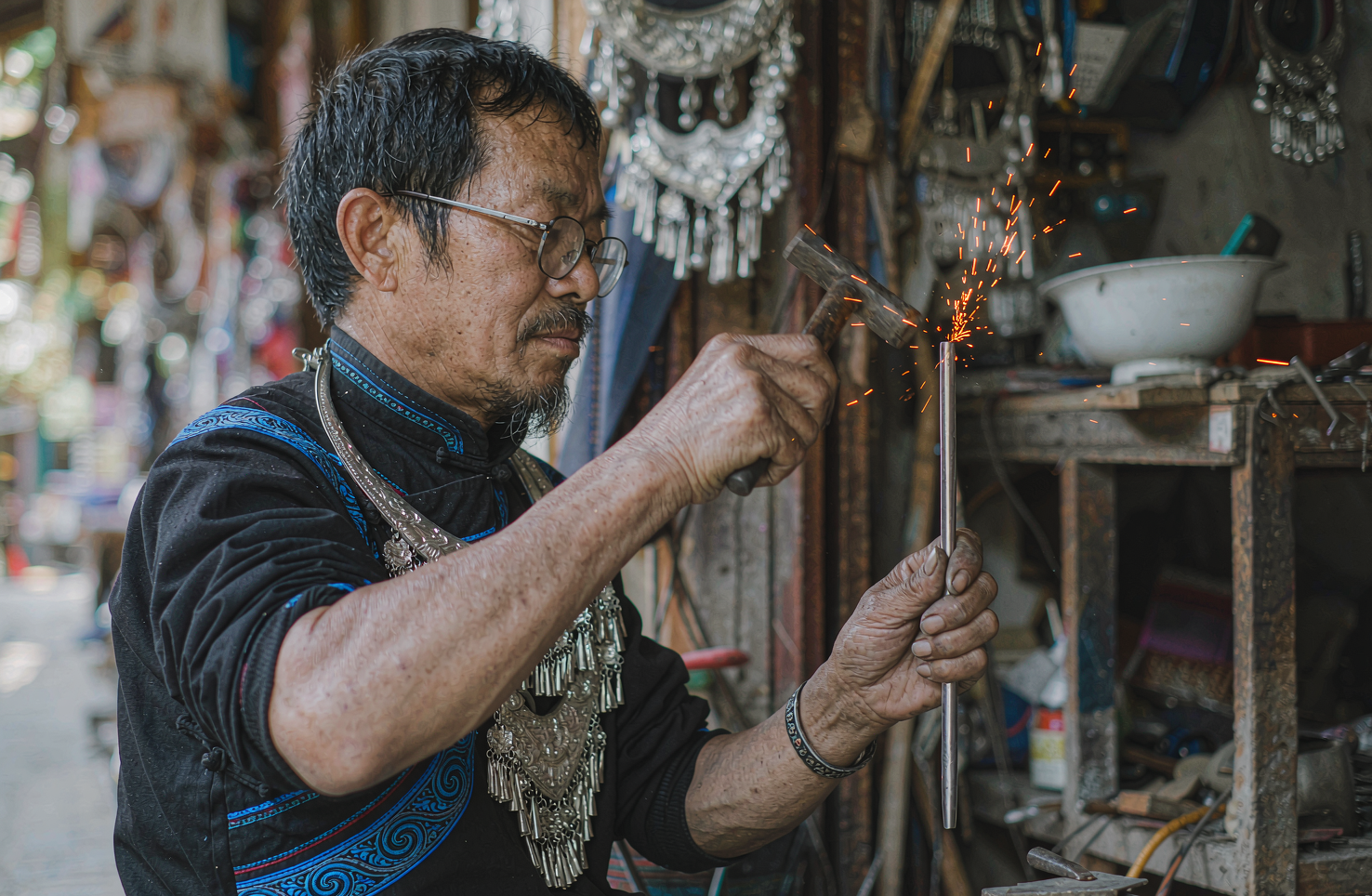
去贵州雷山,看一块银元如何变成一支银簪
在黔东南的苗寨里,银不只是一种首饰材料。它曾经是可以随时熔掉、重新打制的"存款",也是节日里一个女人身上最亮的那部分。关键在于,当一块老银元被放进坩埚,它要经过多少双手、多少道火,才重新成为一件能戴出门的东西。
韵和鸣 · 2026/10/9 · 60 阅读
AI 生成的"非遗纹样",算不算抄袭
喂一批图给模型,几秒钟就能出一张"苗绣风"的纹样。有人觉得这是把传统纹样重新用起来,有人认为这是把别人一辈子的手艺免费拿走了。问题不好回答,说到底,真正难定的不是"像不像",而是数据从哪来、收益到哪去。今天我们不做判断,只把两边的理由摆出来。
韵和鸣 · 2026/10/24 · 56 阅读
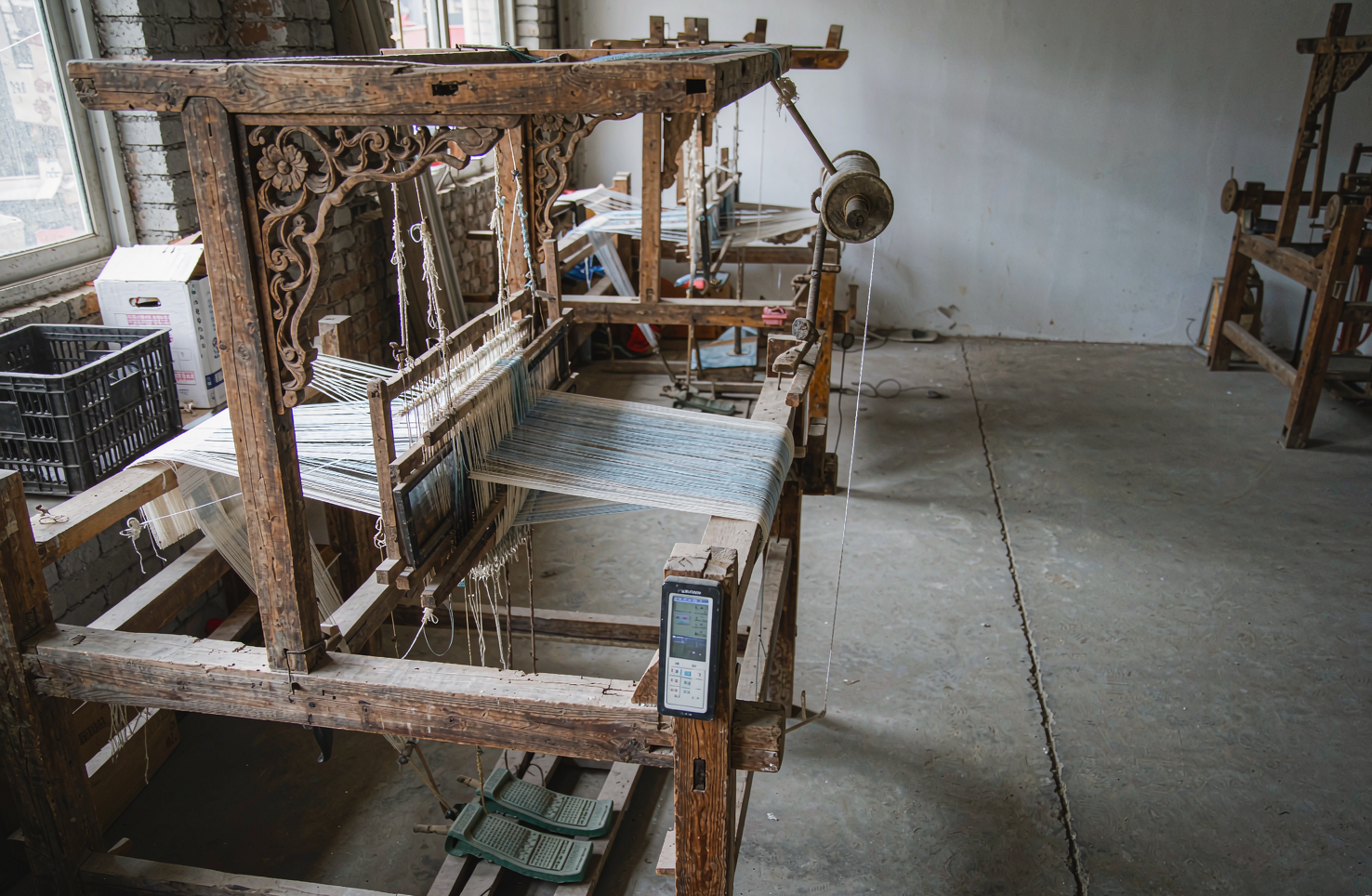
机器开始学手艺:是给匠人搭把手,还是来接班
一段流传很广的画面里,一台机械臂正跟着非遗传承人"学艺"——学劈丝、捻线、穿针。看的人分成两拨:一拨说技术帮上了忙,一拨说来抢饭碗了。同一件事读出两种意思,关键在于用什么尺度去量。
韵和鸣 · 2026/10/9 · 55 阅读