匠人靠手艺赚钱,会不会把匠心赚没了
韵和鸣 · 韵和鸣公众号 · 2026/10/20 12:00:00 · 20 阅读
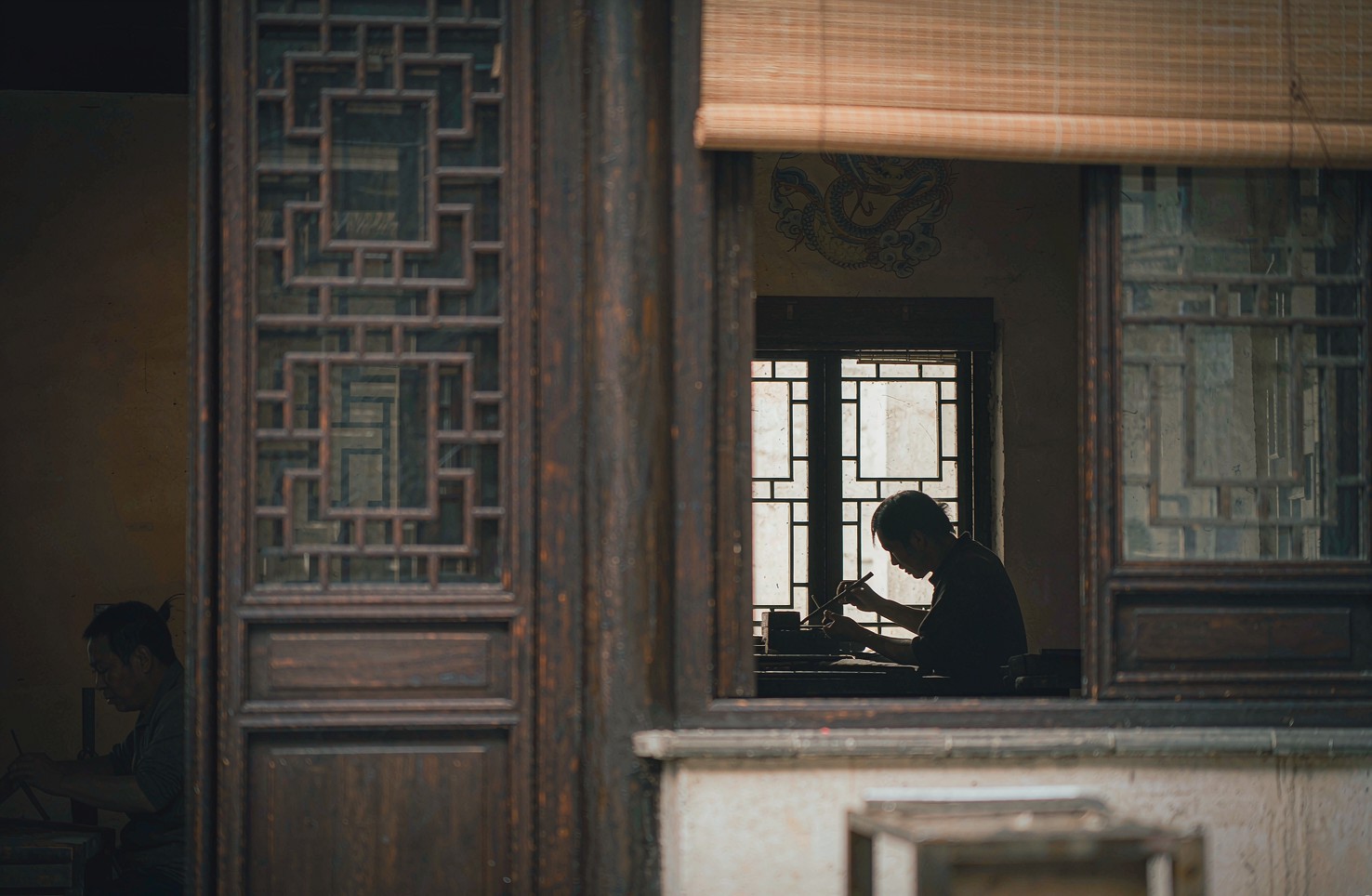
10 月中旬,消费日报刊文谈一个老话题:要让「守艺人」真正成为「受益人」。文章说,手艺人数十年练出来的本事换得体面的回报,本就天经地义。这话听着没毛病,可放到市场里,另一半问题就冒出来了:钱一旦成了主角,手艺会不会跟着变形。
▍一边是生计,一边是分寸
据消费日报 2026 年 10 月 16 日刊发的评论,社会对工美大师常有一种刻板印象,把他们的创作简单等同于「商业创收」;文章认为,脱离经济支撑的传承难以长久,手艺价值变现是传承得以延续的前提。
▍一方:手艺有价,是本分
支持的一方算的是时间的账。一门手艺从入门到能独立出活,往往要以年计;做出一件像样的器物,又常常要以月计。若这些投入换不回体面的收入,年轻人不会进来,中年人撑不住,传承就成了空话。
这一方还有一个更实际的理由:收入稳了,匠人才买得起好工具,才腾得出时间带徒,才敢回绝压价的单子。钱不是目的,是手艺能做下去的条件。
▍另一方:一旦只认钱,手艺会先妥协
担心的一方看的不是收入,是顺序。手艺的许多讲究,恰恰是不划算的——多一道阴干,多一次手工推光,多留一层可以磨掉的余地,这些都不会直接变成售价。
一旦订单压过来,砍掉的往往就是这些环节。材料可以换便宜的,工序可以并掉两道,纹样可以交给机器起稿。成品看着差不多,懂行的人一上手就知道差在哪。风险在于这些妥协不可逆:手艺一旦习惯了快,就很难再慢回去。
▍值得再想想的,是第三条路
作为一个常年跑工坊的观察者,我们看到的答案往往在中间:问题不是「该不该赚钱」,而是「钱从哪一步进来」。若收入来自把工序讲清楚、把匠人的名字留在作品上,钱越多,手艺越稳;若收入来自压缩工序、模糊来源,钱越多,手艺越薄。
这两种做法短期看着差不多,三五年后就分出了高下。你怎么看:匠人该不该把手艺卖出高价?评论区站个队。
▍问答
问 | 非遗手作卖得贵,钱主要花在了哪里?
答 | 主要花在三处:工时、材料与失败率。手工器物的进度常以天甚至月计,一位匠人同一时间能推进的件数有限;天然材料(如大漆、矿物颜料、真丝)本身成本就高于替代品;而手工制作存在失败率,废掉的那几件,成本要摊在成品上。机器量产则摊薄了这三处。
问 | 匠人接了商业订单,还算不算非遗传承?
答 | 看工序是否守得住。接单本身不影响性质,非遗本就活在生活里,靠它谋生是常态。真正的分界在于:手工完成的核心工序有没有被替换,材料与做法有没有为赶工降级,来源能不能讲清楚。守得住这三条,商业订单反而是传承的支撑。
问 | 韵和鸣有自己的匠人访谈吗?
答 | 有。「匠人说」和「寻访记」就是它长期在做的事:走进工坊,把匠人的手艺、坚守与难处如实记下来。这些内容不是广告,而是它理解非遗的方式——先懂人,再谈器物。
📩 非遗项目 | 匠人举荐 | 跨境出海 | 线下联营
欢迎留言或后台联系,我们与匠人同行。
—— 韵和鸣 · 与匠人同行
〖 辩 〗
English
On One Side a Living, on the Other a Sense of Proportion
According to a commentary published by Consumption Daily on October 16, 2026, society often stereotypes master craftspeople by equating their work with commercial gain; the article argues that transmission without economic support cannot last, and that realizing the value of a craft is a precondition for its continuation.
One Side: A Craft Has a Price, and That Is Proper
Those in favor count the account in time. From entry to working independently, a craft is often measured in years; making a presentable piece is often measured in months. If that investment cannot be exchanged for a decent income, young people will not enter, those in midlife cannot hold on, and transmission becomes an empty phrase.
This side has a more practical reason as well: with steady income a maker can afford better tools, can spare time to take apprentices, and can refuse orders that push the price down. Money here is not the goal; it is the condition that lets the craft go on.
The Other Side: Once Only Money Counts, the Craft Compromises First
The worried side looks not at income but at order. Much of what makes a craft exacting is precisely what does not pay: an extra drying period, an extra round of hand-polishing, an extra layer left so it can be ground away again, none of which turns directly into a price tag.
When orders pile up, it is those steps that get cut. Materials get cheaper, two steps are merged, patterns are drafted by machine. The finished piece looks about the same, and anyone who knows the work can feel the difference the moment they pick it up. The real risk is that such compromises run one way: once a craft gets used to speed, it rarely learns to slow down again.
What Deserves More Thought Is a Third Way
As observers who spend our time in workshops, we usually find the answer somewhere in between: the question is not whether a maker should earn, but at which step money enters. When income comes from explaining the process and keeping the maker's name on the work, more money means a steadier craft; when it comes from compressing steps and blurring provenance, more money means a thinner one.
The two approaches look similar in the short term and separate clearly after three or five years. What do you think: should a maker sell the craft at a high price? Take a side in the comments.
Where does the money actually go when a heritage piece is expensive?
Mainly three places: hours, materials, and failure rate. Handmade objects move in days or even months, and one maker can advance only a limited number of pieces at a time; natural materials such as raw lacquer, mineral pigments and real silk cost more than substitutes; and handwork carries a failure rate, so the wasted pieces spread their cost across the finished ones. Machine production thins all three.
If a maker takes commercial orders, does the work still count as heritage transmission?
It depends on whether the process holds. Taking orders does not change the nature of the work; heritage crafts have always lived in daily life, and earning a living from them is normal. The real dividing line is whether the core handmade steps have been replaced, whether materials and methods were downgraded to meet a deadline, and whether the provenance of the piece can be stated. If those three hold, commercial orders become a support for transmission instead.
Does YUNHEMING run its own interviews with makers?
Yes. "Makers Speak" and "Field Notes" are what it has done for a long time: go into the workshop and record the craft, the persistence and the difficulties as they are. These are not advertisements but the way it understands heritage: know the person first, then speak of the object.
ICH Projects · Artisan Referrals · Global Distribution · Salon Partnerships
你可能还感兴趣
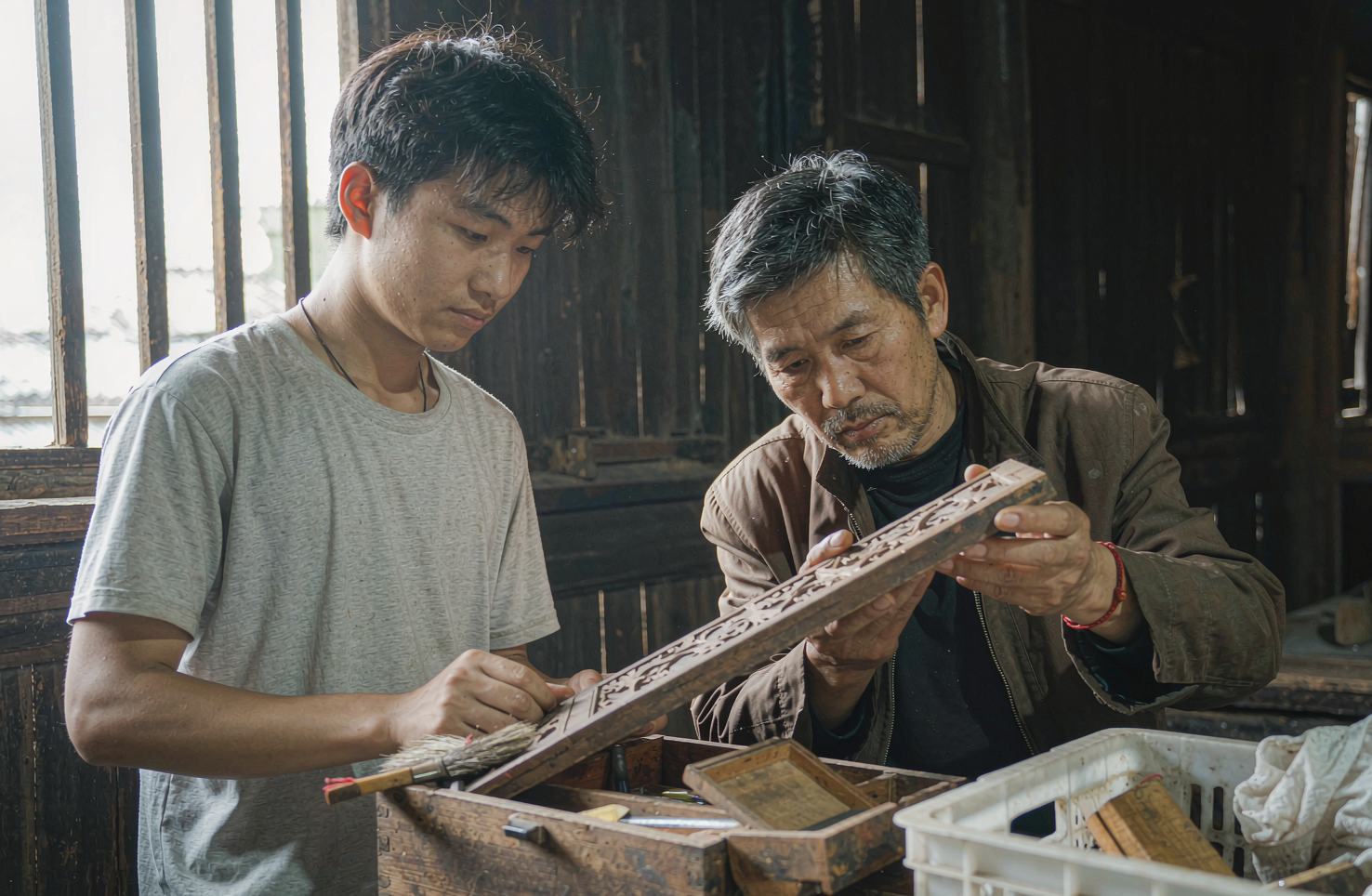
年轻人不愿学老手艺,该怪年轻人,还是怪这门手艺?
非遗传承里被讨论得最多的一句话是"后继乏人"。这句话往下追一层,就分成两条路:一条通向年轻人,说他们耐不住、看不上;一条通向他们面对的那门手艺,说它没能给出一条能活下去的路。这两条路,最近又吵起来了。
韵和鸣 · 2026/10/8 · 24 阅读
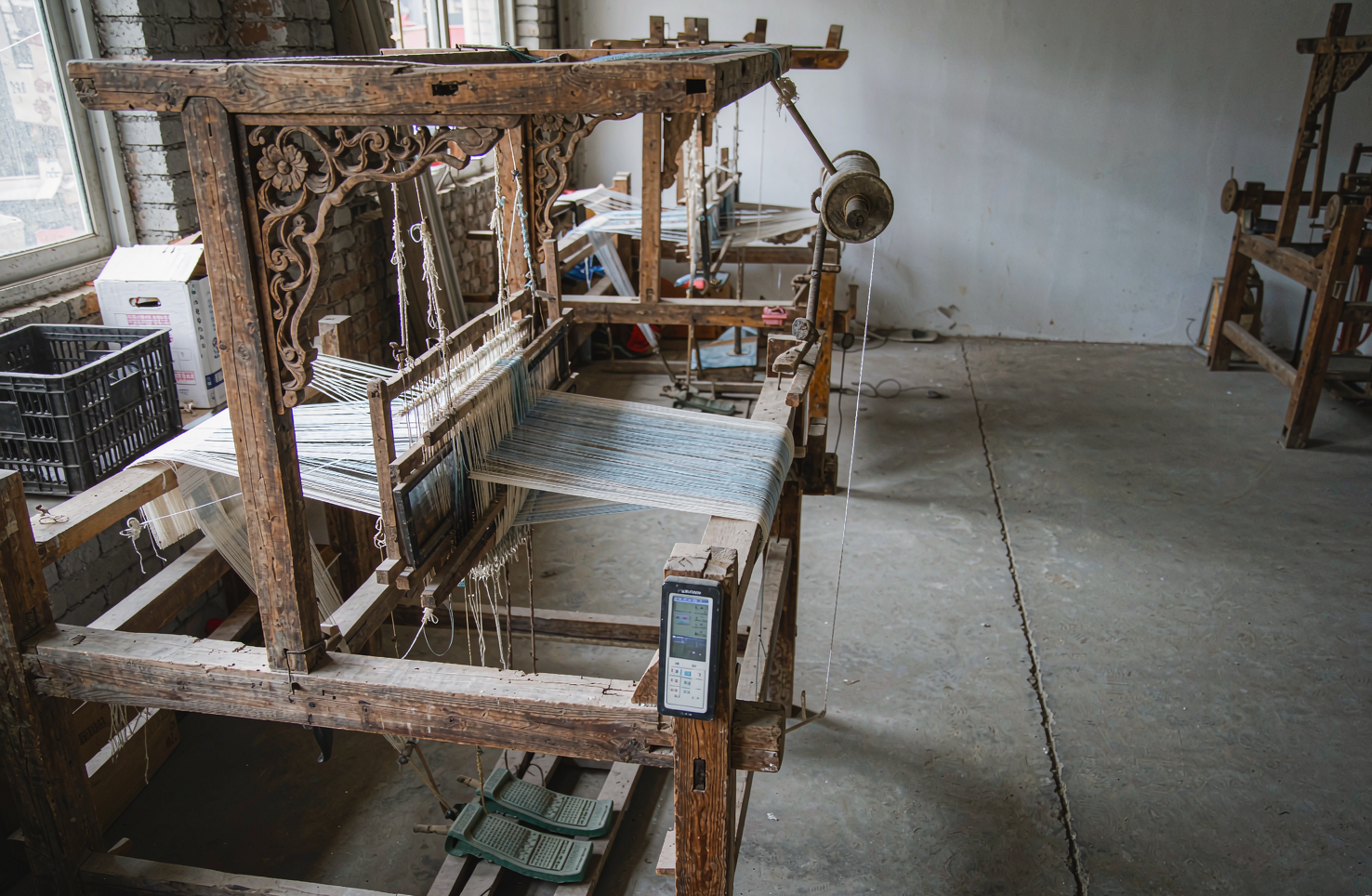
机器开始学手艺:是给匠人搭把手,还是来接班
一段流传很广的画面里,一台机械臂正跟着非遗传承人"学艺"——学劈丝、捻线、穿针。看的人分成两拨:一拨说技术帮上了忙,一拨说来抢饭碗了。同一件事读出两种意思,关键在于用什么尺度去量。
韵和鸣 · 2026/10/9 · 23 阅读
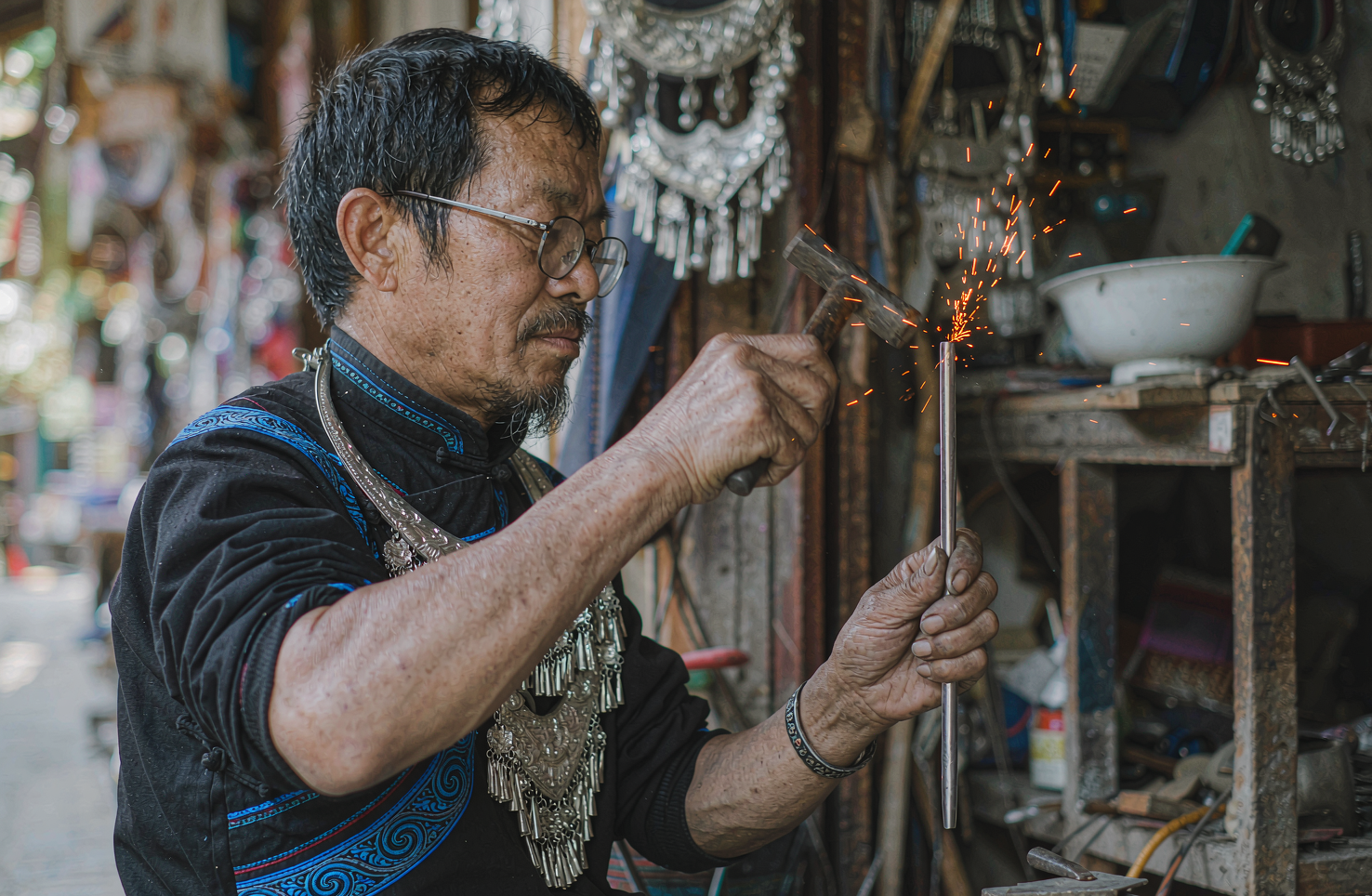
去贵州雷山,看一块银元如何变成一支银簪
在黔东南的苗寨里,银不只是一种首饰材料。它曾经是可以随时熔掉、重新打制的"存款",也是节日里一个女人身上最亮的那部分。关键在于,当一块老银元被放进坩埚,它要经过多少双手、多少道火,才重新成为一件能戴出门的东西。
韵和鸣 · 2026/10/9 · 42 阅读
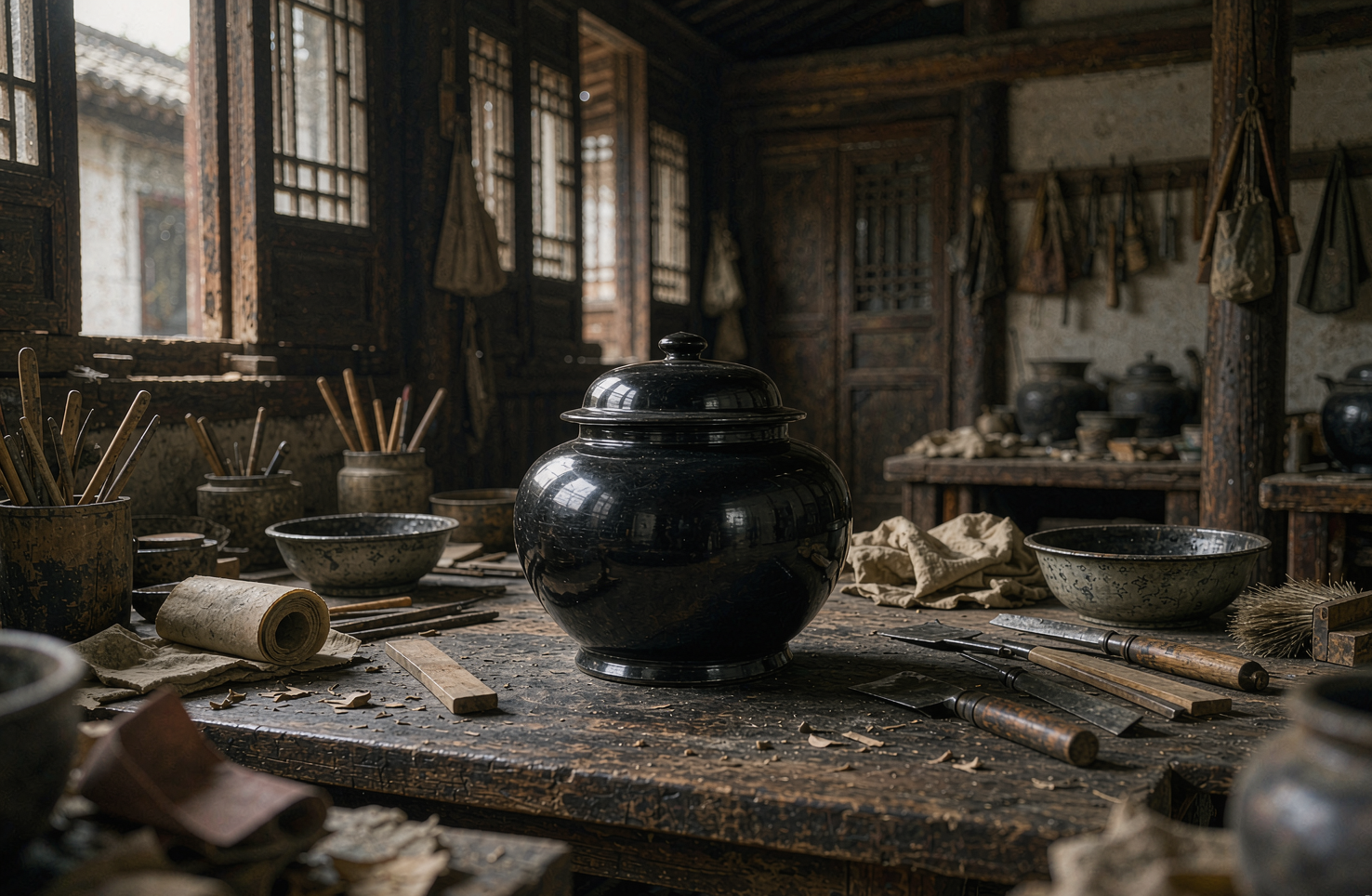
漆器为什么能埋八千年不坏
在博物馆做漆器研究与修复的研究员老周,桌上常年摆着两样东西:一段出土的漆皮残片,一只新做不久的平遥推光漆盘。他说这两样东西隔着八千年,却是同一种材料。这次对话,我们从"漆器为什么埋几千年不坏"聊起,聊到最后,其实是手艺对材料的理解问题。
韵和鸣 · 2026/10/14 · 30 阅读
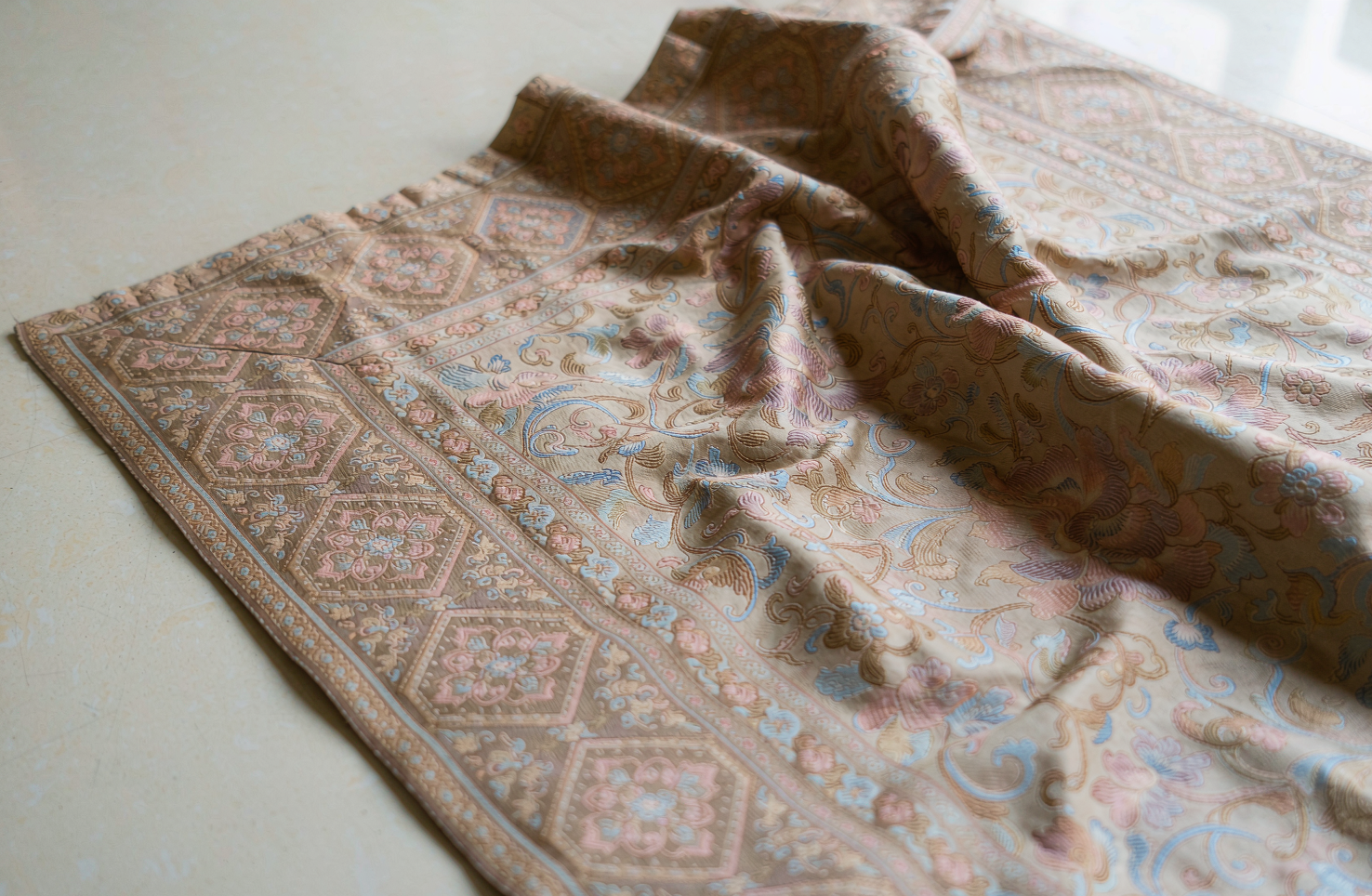
一方宋锦里,藏着宋人的审美秩序
初见宋锦,我的反应不是"好看",而是"安静"。它不像人们想象里的锦那样满身是光。带我看锦的老师傅说,正是这份安静,最难织。
韵和鸣 · 2026/10/8 · 25 阅读
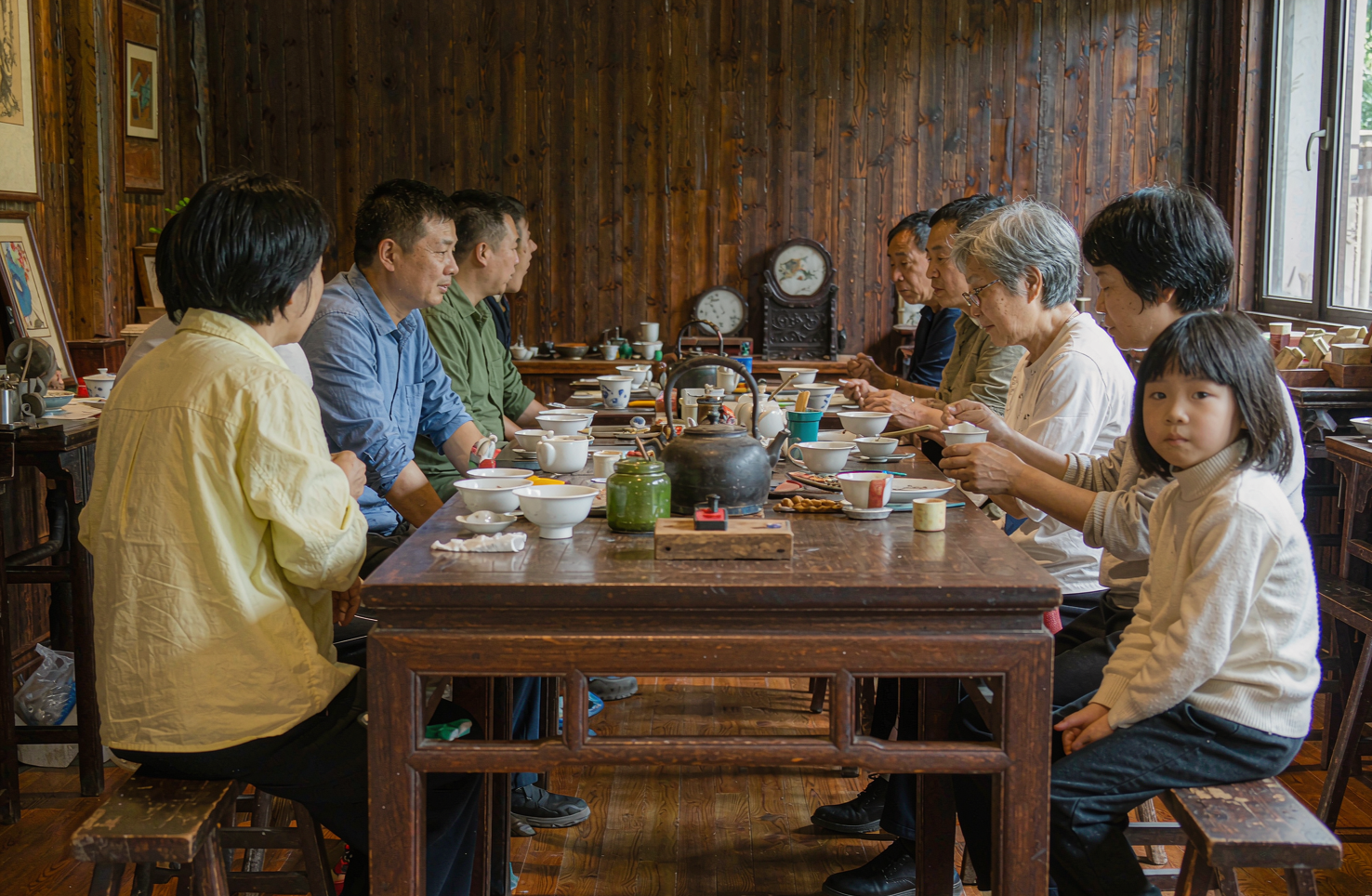
把"慢"做成一种体验:一间非遗会客厅的想法
我们习惯按功能给空间分类:吃饭的、购物的、办公的。但有一种很难归类——它在城市的闹处,不催你走,也不急着让你买单。关键在于,当"慢"被认真设计出来,它本身就可以是一种产品。
韵和鸣 · 2026/10/9 · 24 阅读