蛋雕怎么收、器物怎么摆、手作怕什么
韵和鸣 · 韵和鸣公众号 · 2026/10/23 12:00:00 · 6 阅读
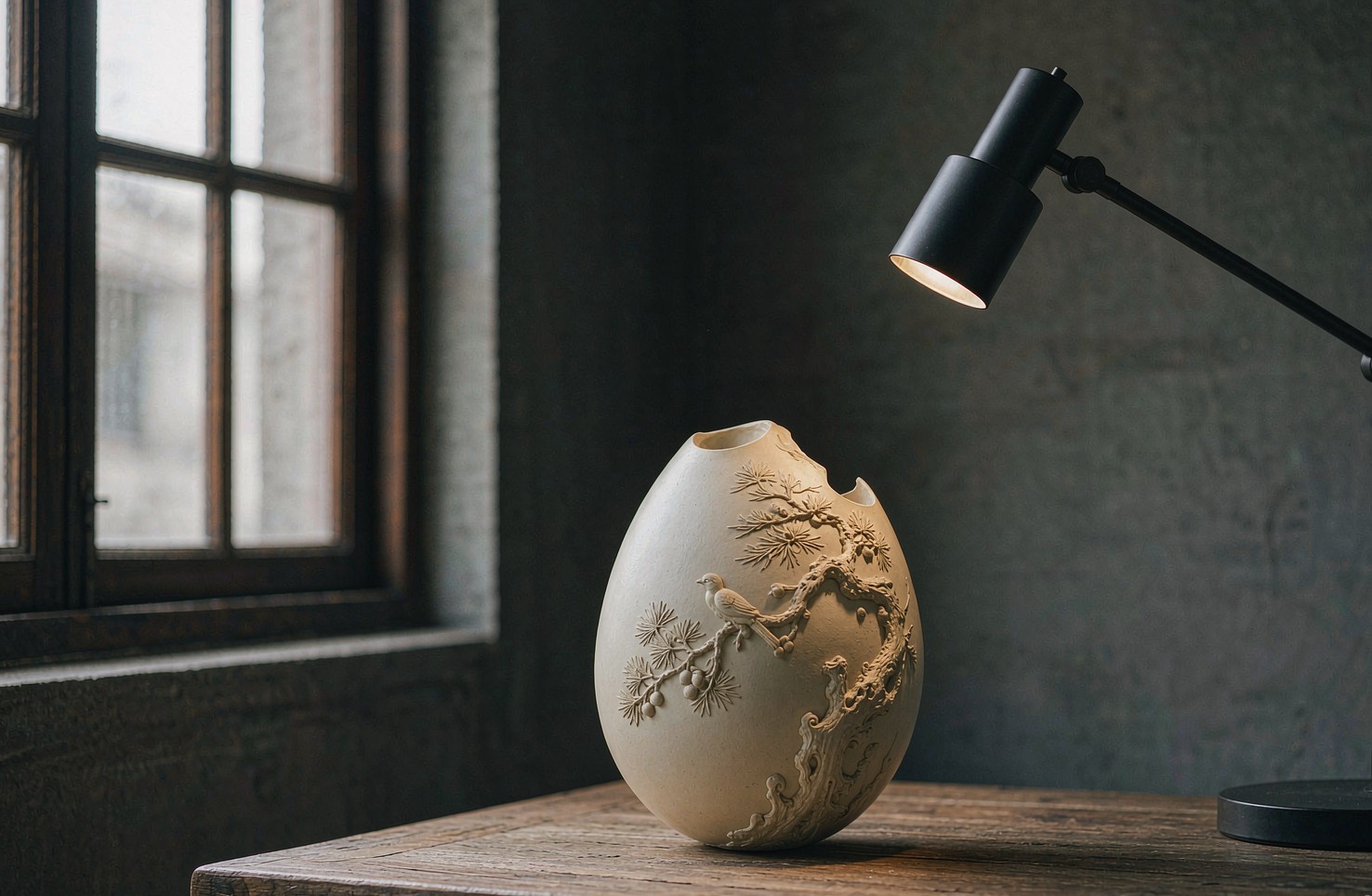
后台这周攒了四个问题:蛋雕薄得像纸怎么收才不碎、给新家添一件非遗器物怎么挑才不突兀、手作买回去有没有通用的养护原则,还有一个被反复问到的——一件非遗手作卖得贵,钱到底花在哪。一条一条答。所谓蛋雕,指的是在禽类蛋壳上进行雕刻的传统手工技艺,各地项目的名录级别不同,本号写前未逐一核实的,一律只称"传统手工技艺"。所谓通用养护原则,指的是先看材料怕什么,再决定怎么擦、怎么放。
▍问答
问 | 蛋雕薄得像纸,日常怎么收才不容易碎
答 | 关键是"少动、固定、隔震"。放在带软垫的匣盒里,底部用海绵或绒布托住,避免手持搬运,取放托底座不捏壳身。展示要选避光、避风吹的位置,远离空调出风口与门边震动;长途搬运建议留在原盒,四周填软质缓冲,不要与硬物同箱。
问 | 想给新家或办公室添一件非遗器物,怎么挑才不突兀
答 | 先看空间和光线,再看器物。光线弱、陈设素的空间配暖色的小件,比如漆盒或陶器;光线足、线条现代的办公室配几何感强的竹编或黑釉器物。尺寸宁小勿大,能挪动才好相处;避开需要避光防潮的品类放在窗边。最后一条:选你敢天天用的,摆着不动的东西容易积灰,也容易忘记。
问 | 非遗手作买回去怕养坏,有没有通用的养护原则
答 | 有,而且不复杂:先弄清材料怕什么。怕水的别擦,用软毛刷干刷;怕温差的别激,别从暖气房直接端到冷处;怕光的别晒,尤其窗边与射灯下。金属怕化学溶剂,竹木怕长期潮湿,织绣怕勾挂与暴晒。拿不准时用干软布轻拂,不动手好过动手。
问 | 一件非遗手作卖得贵,钱花在哪几处
答 | 主要在材料、工时与报废率三处。材料上,天然大漆、矿物颜料、真丝的成本本就高;工时上,髹涂、阴干、推光这类工序以天计,一幅绣品以月计;报废率上,做坏的那一件由匠人自己承担,不会摊进看不见的地方。除此之外还有署名——买的是一件有作者的作品。
问 | 韵和鸣会教这些手作怎么用、怎么养吗
答 | 会,覆盖的也不只漆器。使用、保养、选品这三件,我们一直在写:漆器怎么养、竹编怎么防潮、银饰发黑怎么办、织锦怎么打理,漆竹绣银锦瓷都在其中。器物请回家,陪伴才开始。
▍说在最后
这五个问题的答案汇成一句话:先弄清它是用什么做的、谁做的、怕什么,再决定放哪儿、怎么用。多数的养坏了,都出在还没人告诉它怕什么的那一个月。
有想知道的,留言告诉我们,下期接着答。
📩 非遗项目 | 匠人举荐 | 跨境出海 | 线下联营
欢迎留言或后台联系,我们与匠人同行。
—— 韵和鸣 · 与匠人同行
〖 答 〗
相关搜索 | RELATED SEARCHES
蛋雕 怎么 保存 不碎 · 非遗器物 怎么摆在 新家 · 非遗手作 养护 原则 · 非遗手作 为什么 贵 · 手工 器物 清洁 方法 · 韵和鸣 严选
English
Eggshell carving is thin as paper: how should it be stored so it does not break?
Three words: touch it little, fix it in place, damp vibration. Keep it in a padded case with sponge or felt beneath, never carry it in the hand, and lift it by the base rather than the shell. Display it away from light and draughts, clear of air-conditioning outlets and doors that slam. For long journeys leave it in its box with soft packing around it, and never pack it alongside anything hard.
What should I choose for a new home or office so it does not look out of place?
Read the room and its light before the object. A dim, plainly furnished room suits a warm-toned small piece, a lacquer box or a piece of pottery; a bright office with modern lines suits bamboo weaving or black-glazed ware with a strong geometry. Err small, since anything that can be moved is easier to live with, and keep pieces that fear light and damp away from windows. Last point: choose something you dare use daily, since pieces left untouched gather dust and are soon forgotten.
Is there a general rule for caring for heritage handwork?
There is, and it is not complicated: find out what the material fears. If it fears water, do not wipe it, brush it dry with a soft brush; if it fears temperature change, do not shock it, never carry it straight from a heated room into the cold; if it fears light, keep it out of sun, particularly from windows and spotlights. Metal fears solvents, bamboo and wood prolonged damp, embroidery snagging and direct sun. When unsure, dust lightly with a dry soft cloth: doing nothing beats doing something.
Where does the money go when a heritage piece is expensive?
Mainly material, hours and the rate of failure. Material: natural lacquer, mineral pigment and real silk are costly to begin with. Hours: lacquering, drying in the damp room and hand-polishing are counted in days, an embroidery in months. Failure: the ruined piece is carried by the maker and not quietly folded into something invisible. Beyond that there is the name: you are buying a work with an author.
Does Yunheming teach you how to use and care for these handmade pieces?
Yes, and the coverage runs wider than lacquer. Using it, caring for it and choosing it are things we keep writing about: how to keep lacquer, how to keep bamboo from damp, what to do when silver darkens, how to look after brocade, with lacquer, bamboo, embroidery, silver, brocade and porcelain all included. A piece comes home, and the company you keep with it begins.
The five answers come down to one sentence: establish what it is made of, who made it and what it fears, then decide where it goes and how you use it. Most accidents in the first month happen because nobody has yet told the object what it is afraid of.
If there is something you want to know, leave a message and we will answer it next time.
ICH Projects · Artisan Referrals · Global Distribution · Salon Partnerships
你可能还感兴趣
大漆会不会过敏?买漆器前先弄清这几件事
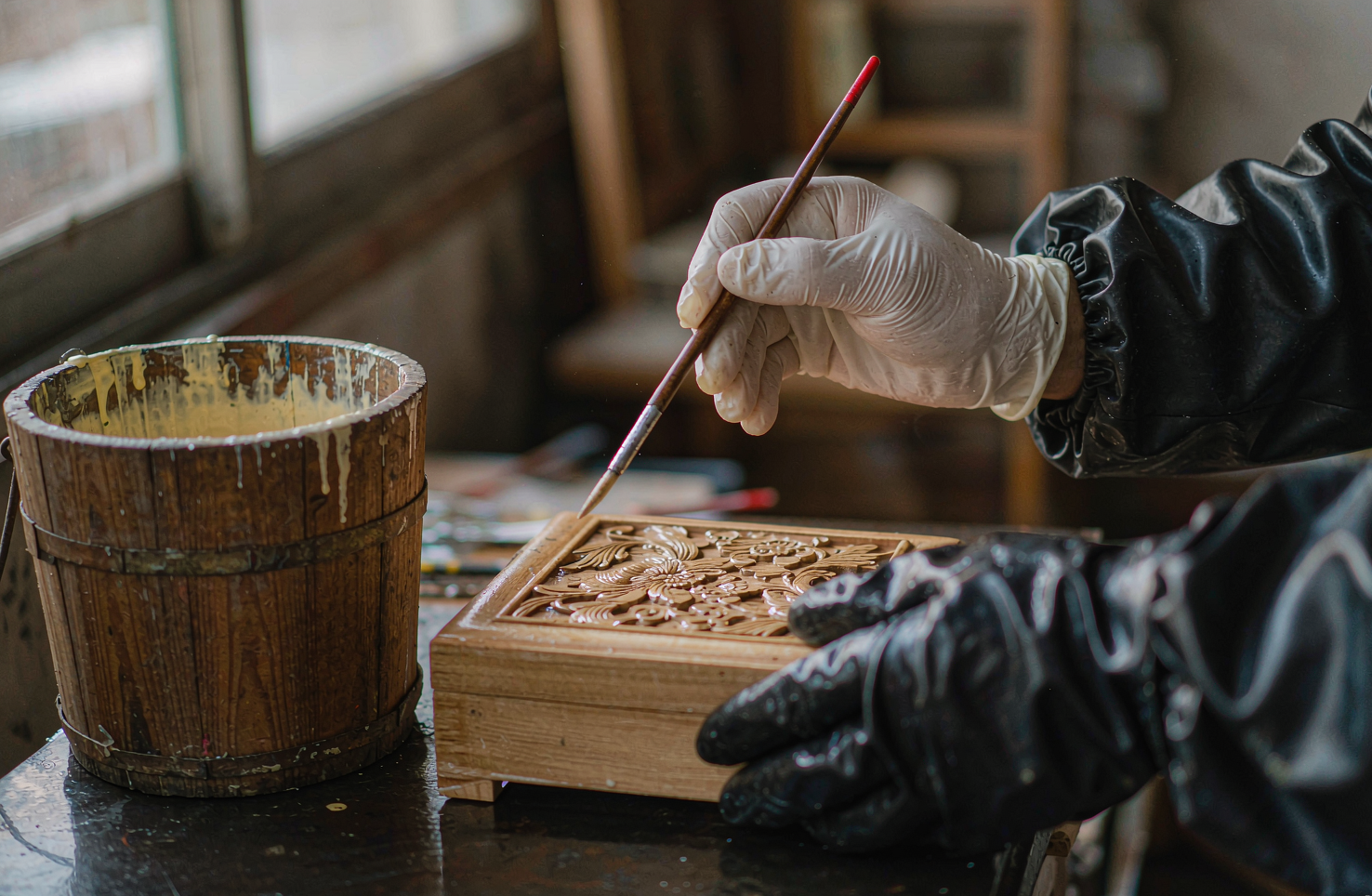
后台收到的问题里,有几个几乎每周都会出现:大漆会不会"咬人"、一件手工漆器要做多久、这东西送人合不合适。它们看着零散,其实都指向同一件事:关键在于,买之前先弄懂它。今天把这几问答清楚。
韵和鸣 · 2026/10/9 · 18 阅读
大漆和化学漆怎么分?挑漆器前先答这四问
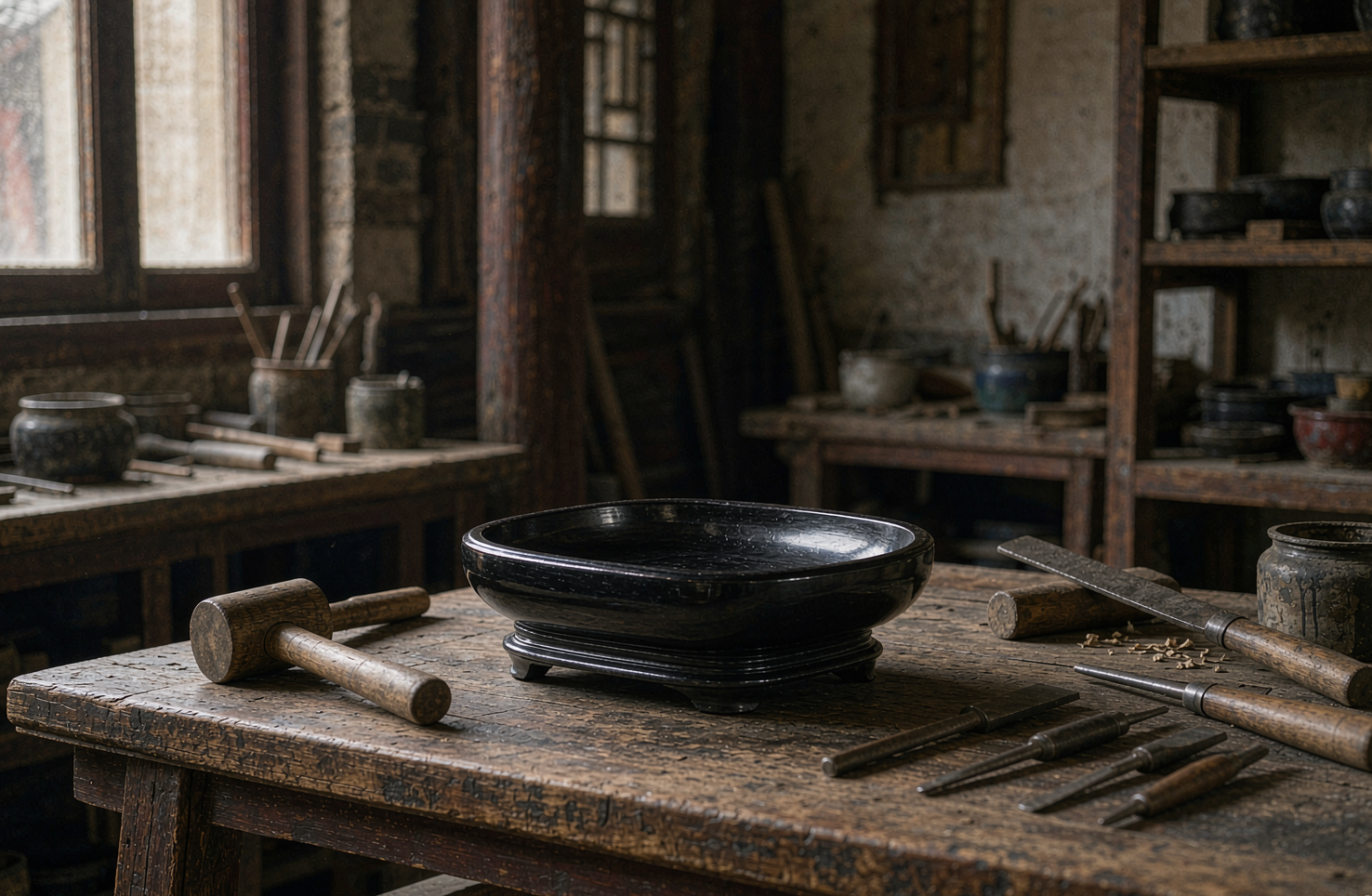
假期过后,后台关于漆器的提问多了起来:从平遥带回来的盒子,怎么知道是不是大漆?想送礼,选什么不踩坑?这一期答疑录,挑四个被问得最多的问题,一次答清。挑漆器的常识说到底就一条:先弄清材质与来路,再看价钱——闻、看、掂、敲,四步都是为这条服务的。
韵和鸣 · 2026/10/12 · 14 阅读
漆器买回家之前,先弄清这几件事
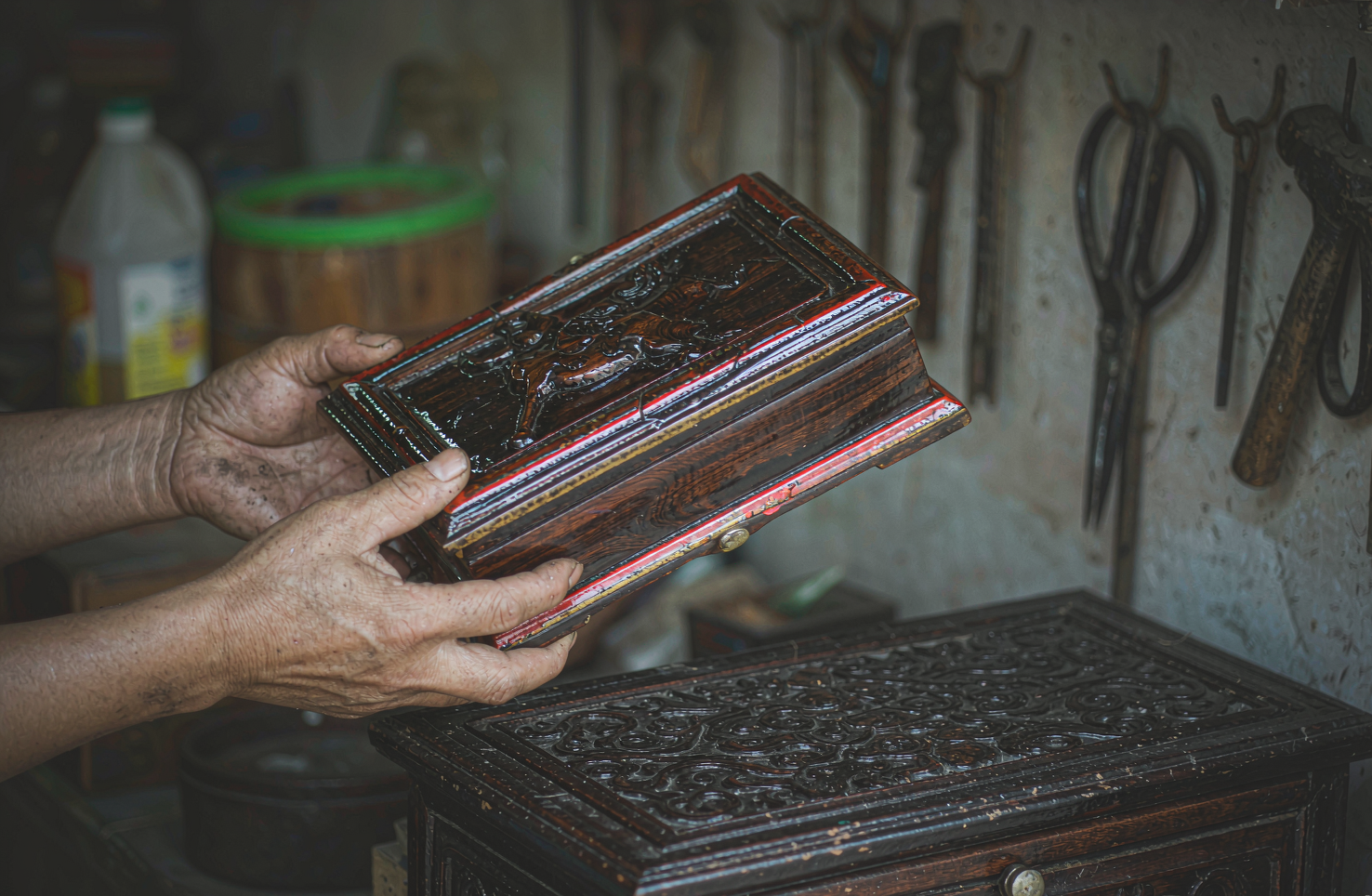
先说来处:平遥推光漆器髹饰技艺出自山西省晋中市平遥县,2006 年列入国家级非物质文化遗产名录。接下来是被问得最多的几件事——怎么看出是不是手工的、为什么价格差这么多、买回去怎么养。这些问题看起来分散,其实指向同一件事,关键在于先弄懂它,再决定要不要拥有它。
韵和鸣 · 2026/10/8 · 14 阅读
手工的还是机器的,三件器物教你辨
买非遗手作,头一道坎是辨真假,第二道坎是用得久。这一期答疑录就答这两件事:博山琉璃和普通玻璃摆件怎么分、手工银器和机器银器差在哪、买回去的手作脏了到底能不能擦。说到底,会辨才会买,会养才配得上手艺。
韵和鸣 · 2026/10/14 · 12 阅读
苗族银饰锻制技艺:三十多道工序,做一身能走路的银
在贵州黔东南的一些村寨,姑娘出嫁或过节的盛装上,银的分量可以用秤称。这些银不光是装饰,还记着一个支系的来历。今天我们给它做一张完整的名片:叫什么、从哪来、怎么做。说到底,一身银的重量里,称得出一个家族的准备。
韵和鸣 · 2026/10/24 · 29 阅读
一件漆器该有多重,手感不会说谎
严选器物,看纹样、看款识、看证书,都是明面上的事。但有一道标准写不进任何参数表——上手。同一尺寸的两只漆盘,一只压手温润,一只轻飘干瘪,差别从何而来?这次把"分量"这件事拆开讲。说到底,重量是工序的记账本。
韵和鸣 · 2026/10/14 · 24 阅读