一条短视频讲完29道工序,是讲明白了还是讲偏了
韵和鸣 · 韵和鸣公众号 · 2026/10/23 12:00:00 · 4 阅读
一条讲御窑金砖的短视频火了,评论区跑偏了:不少人把文物拍卖价当成了非遗产品的市场价,也有人看完二十九道工序觉得"这么费人工,早该淘汰了"。据江南时报 2026 年 10 月 20 日一篇评论,这类误读在非遗类视频下并不少见。问题来了:短视频把非遗讲明白了,还是讲偏了。所谓非遗,指的是各族人民世代相传、被视为其文化遗产组成部分的各种传统文化表现形式。它靠人在实践中传递,而不是靠物件静置保存。这条定义
▍一方立场:先被看见,才谈得上被理解
支持者的理由很朴素。一门手艺如果连名字都没人听过,谈传承是空的。短视频把镜头架进工坊,让几百万头一次看见有人在揉泥、在劈丝、在推光——这个"看见"本身就是稀缺品。
更实际的是订单。不少工坊主理人反馈,视频走红后来问价的人明显多了。对手艺人来说,被误解一次比被彻底忽略伤害小得多:误读能在下一条视频里补,被遗忘补不回来。
▍另一方立场:篇幅压掉了因果,剩下的只有奇观
反对者担心的不是流量,是失真。三分钟的结构天然偏爱反差:越贵越好、越慢越好、越费工越好。于是"二十九道工序"被剪成一组快切,"一块砖八十万元"被当成钩子放在开头。因果被拿掉了,只剩下奇观。
后果可以预期。观众记住了价格和工序数量,却不知道为什么必须这么多道。当一门手艺只剩"贵"和"慢"两个标签,它离被消费主义收编就不远了。
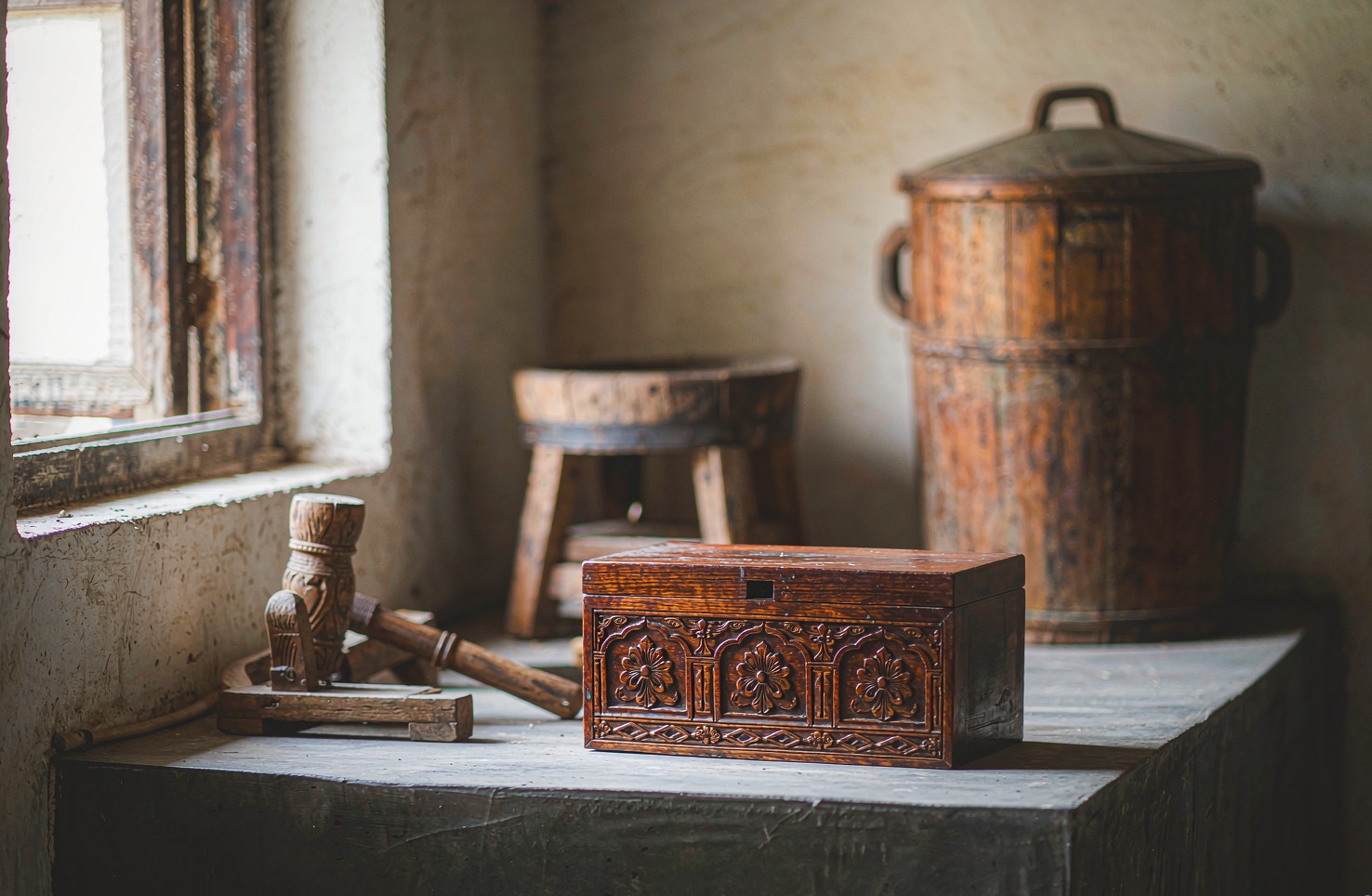
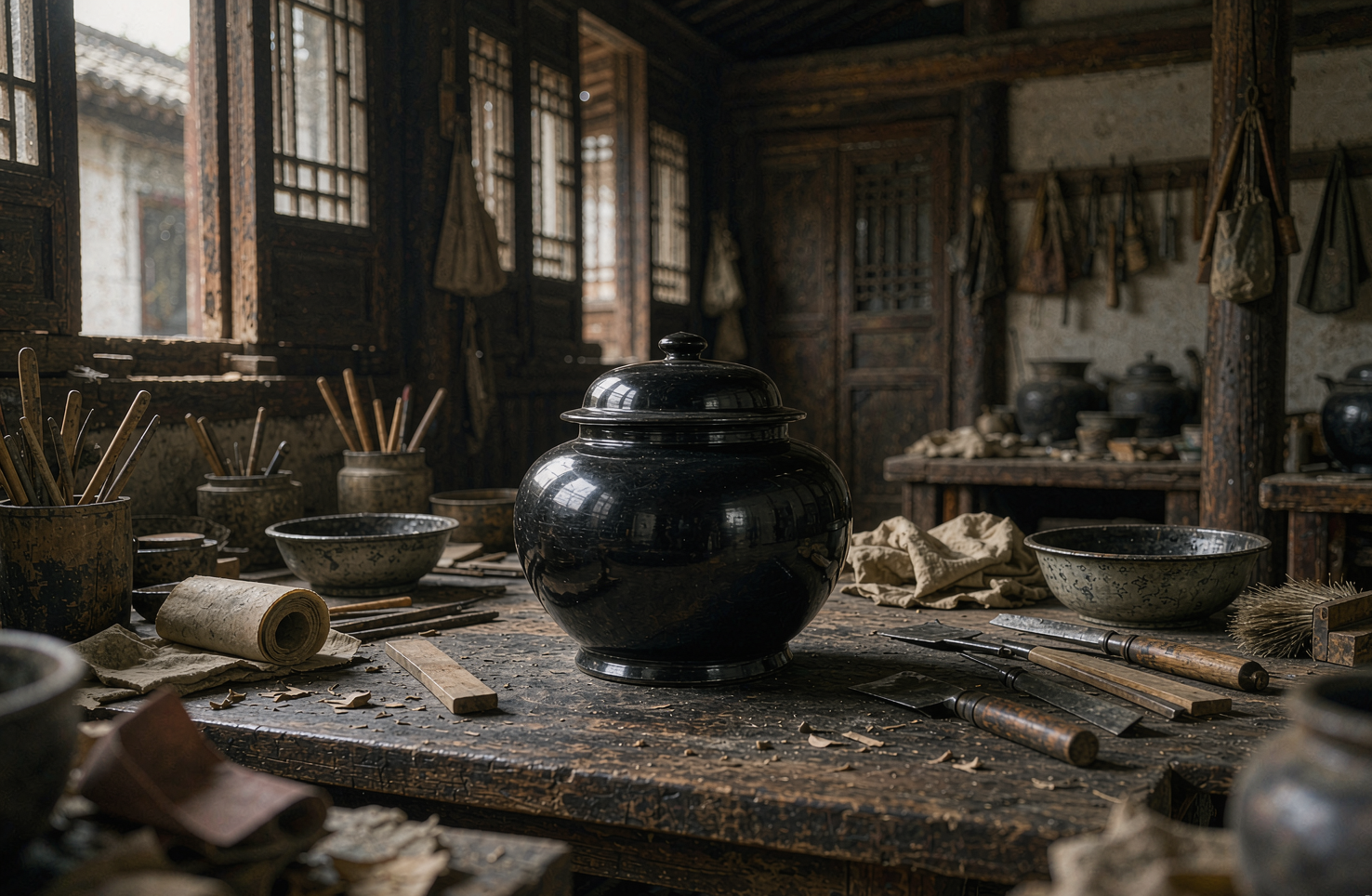
工作台上的工具与半成品,镜头常常只对准最出片的那一格
▍收束:把判断权留给读者
两方说的是同一件事的两头:短视频擅长让人产生兴趣,不擅长让人建立理解。该补位的或许是那些不擅长剪辑却掌握全部细节的人——让传承人把工序一道道拍出来,配专业解说,平台顺手推一把。这条路笨,但走得通。
▍问答
问 | 短视频里的非遗价格是真的吗,为什么那么贵
答 | 要分开看:视频里出现的天价,多数是文物拍卖或馆藏复刻的成交价,不是普通手作的市场价。手工器物贵在三处:材料、工时与报废率。判断一件东西值不值,先问它过了几道工序、谁做的、做坏了谁承担,再看价格。
问 | 想真正了解一门非遗,看短视频够吗
答 | 不够,短视频适合入门与找方向。想深入,三条路更实在:看传承人本人的长片或直播,能听全工序;读专业出版与名录资料,能核对级别与产地;到工坊或博物馆现场,能看到失败与返工。三者叠加,才谈得上了解。
问 | 韵和鸣帮匠人拍视频,会为了流量剪掉工序吗
答 | 不会。我们给老师拍产品、拍视频,目的就是把手艺的过程记录下来,剪掉工序等于把这门手艺最值钱的部分删了。内容里会写清是谁做的、在哪做的、怎么做成的,再用多语言直播与翻译讲给国内外的读者听。匠人专心做手艺,被看见这件事我们来做。
📩 非遗项目 | 匠人举荐 | 跨境出海 | 线下联营
欢迎留言或后台联系,我们与匠人同行。
—— 韵和鸣 · 与匠人同行
〖 辩 〗
English
The argument for it is plain. If nobody has even heard a craft's name, talking about transmission is empty. Short videos put a camera inside the workshop and let several million people see for the first time that someone is wedging clay, splitting silk, polishing lacquer. That act of seeing is itself scarce.
More practically, there are orders. Many workshop owners report a clear rise in enquiries after a video spreads. For a maker, being misunderstood once is far less damaging than being ignored altogether: a misreading can be corrected in the next video, while being forgotten cannot be retrieved.
The Other Side: Compression Cuts the Causality and Leaves Spectacle
Those against are not worried about traffic but about distortion. The three-minute structure favours contrast by nature: the more expensive the better, the slower the better, the more labour the better. So twenty-nine stages become a sequence of quick cuts, and a high price is hung at the front as a hook. With the causality removed, spectacle is what remains.
The consequence is predictable. Viewers remember the price and the number of stages, without knowing why so many are necessary, why slowness is required, or why the price is neither extortion nor charity. Once a craft is reduced to two labels, expensive and slow, it is not far from being absorbed by consumerism.
Tools and half-finished work on a bench; the camera usually frames only the most photogenic corner
Both sides are describing two ends of one thing: short video is good at producing interest and poor at building understanding. What should fill the gap is perhaps those least skilled at editing and most in possession of the detail: let the bearers film the stages one by one, with proper commentary, and let platforms carry it. It is a clumsy route, but it works.
Are the prices shown in heritage videos real, and why are they so high?
Keep the two apart. The extreme prices that appear in videos are usually auction results for antiques or museum replicas, not market prices for ordinary handwork. Handmade objects cost at three points: material, hours and the rate of failure. To judge value, ask how many stages it passed, who made it and who absorbs a ruined piece, then look at the price.
Is watching short video enough to really understand a heritage craft?
No; short video suits a first step and finding a direction. To go deeper, three routes are more solid: long-form video or livestreams by the bearer, where the full sequence is explained; published and catalogue sources, where level and origin can be checked; and visiting a workshop or museum, where failure and reworking are visible. Understanding begins where the three overlap.
When YUNHEMING films makers, does it cut stages for the sake of views?
It does not. When we film a maker and their work, the point is to record the process; cutting stages would delete the most valuable part of the craft. The content states who made it, where and how, then carries it to readers at home and abroad through multilingual livestreams and translation. The maker concentrates on the work; being seen is our part.
ICH Projects · Artisan Referrals · Global Distribution · Salon Partnerships
你可能还感兴趣
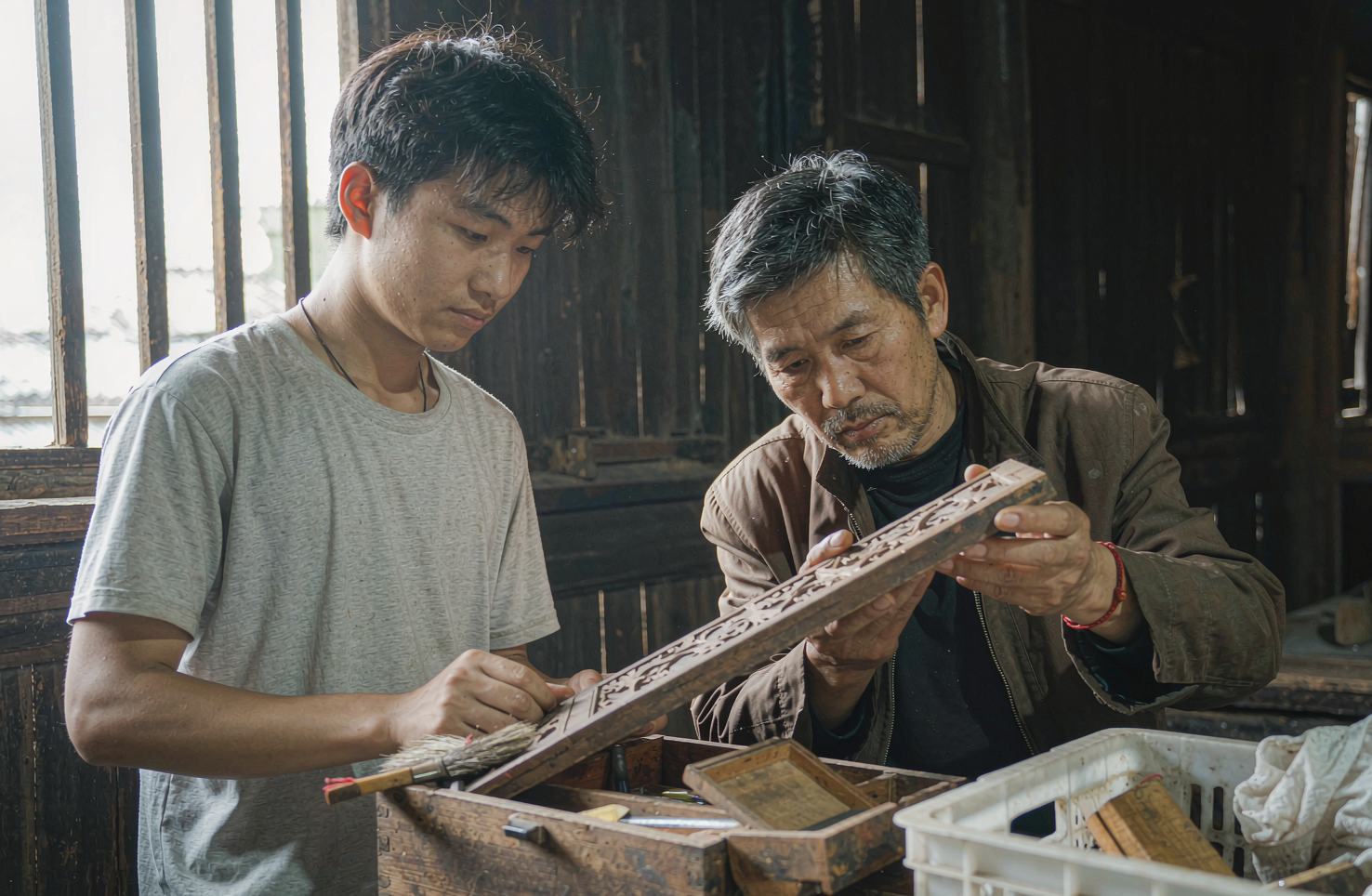
年轻人不愿学老手艺,该怪年轻人,还是怪这门手艺?
非遗传承里被讨论得最多的一句话是"后继乏人"。这句话往下追一层,就分成两条路:一条通向年轻人,说他们耐不住、看不上;一条通向他们面对的那门手艺,说它没能给出一条能活下去的路。这两条路,最近又吵起来了。
韵和鸣 · 2026/10/8 · 24 阅读
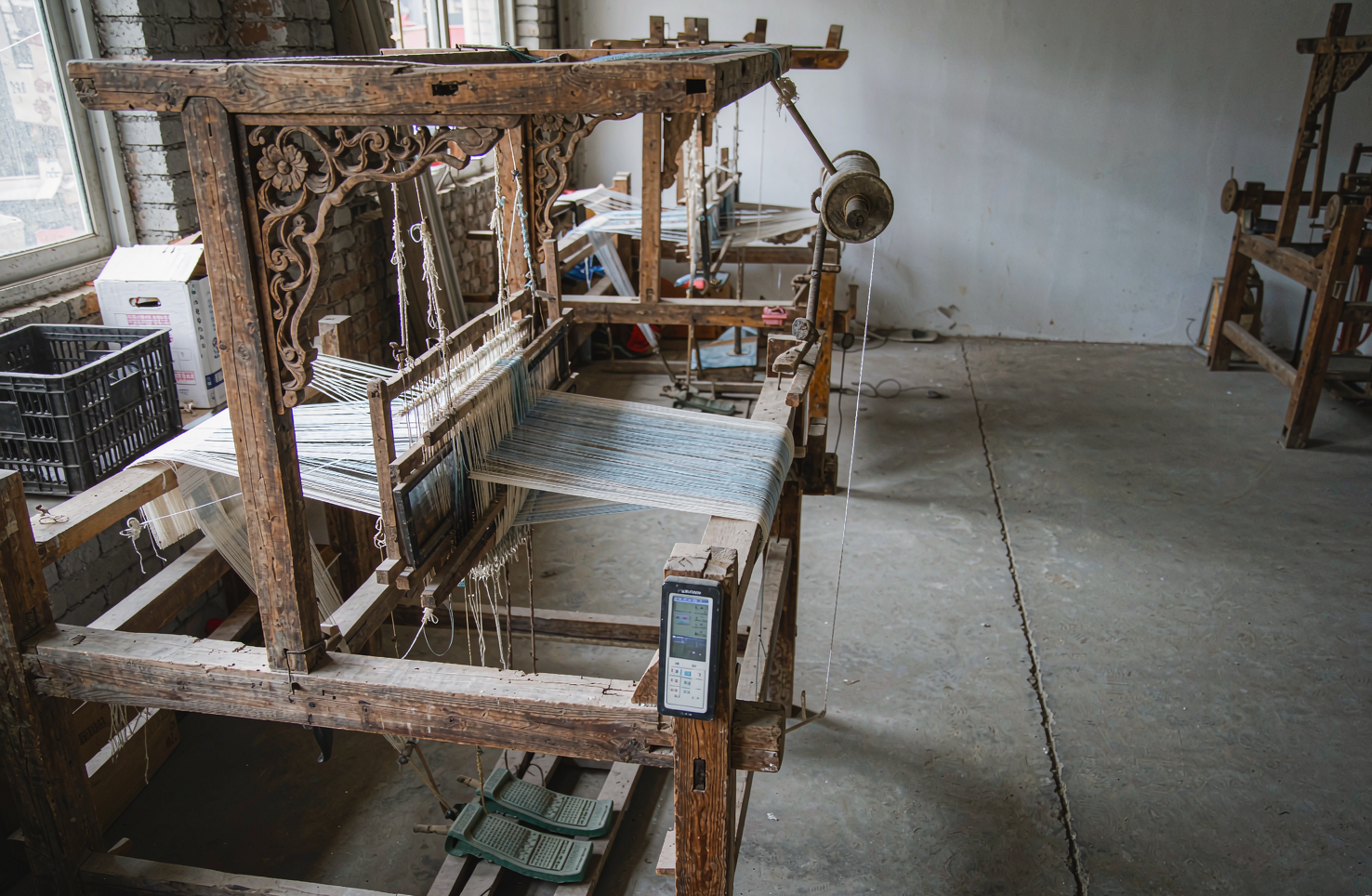
机器开始学手艺:是给匠人搭把手,还是来接班
一段流传很广的画面里,一台机械臂正跟着非遗传承人"学艺"——学劈丝、捻线、穿针。看的人分成两拨:一拨说技术帮上了忙,一拨说来抢饭碗了。同一件事读出两种意思,关键在于用什么尺度去量。
韵和鸣 · 2026/10/9 · 23 阅读
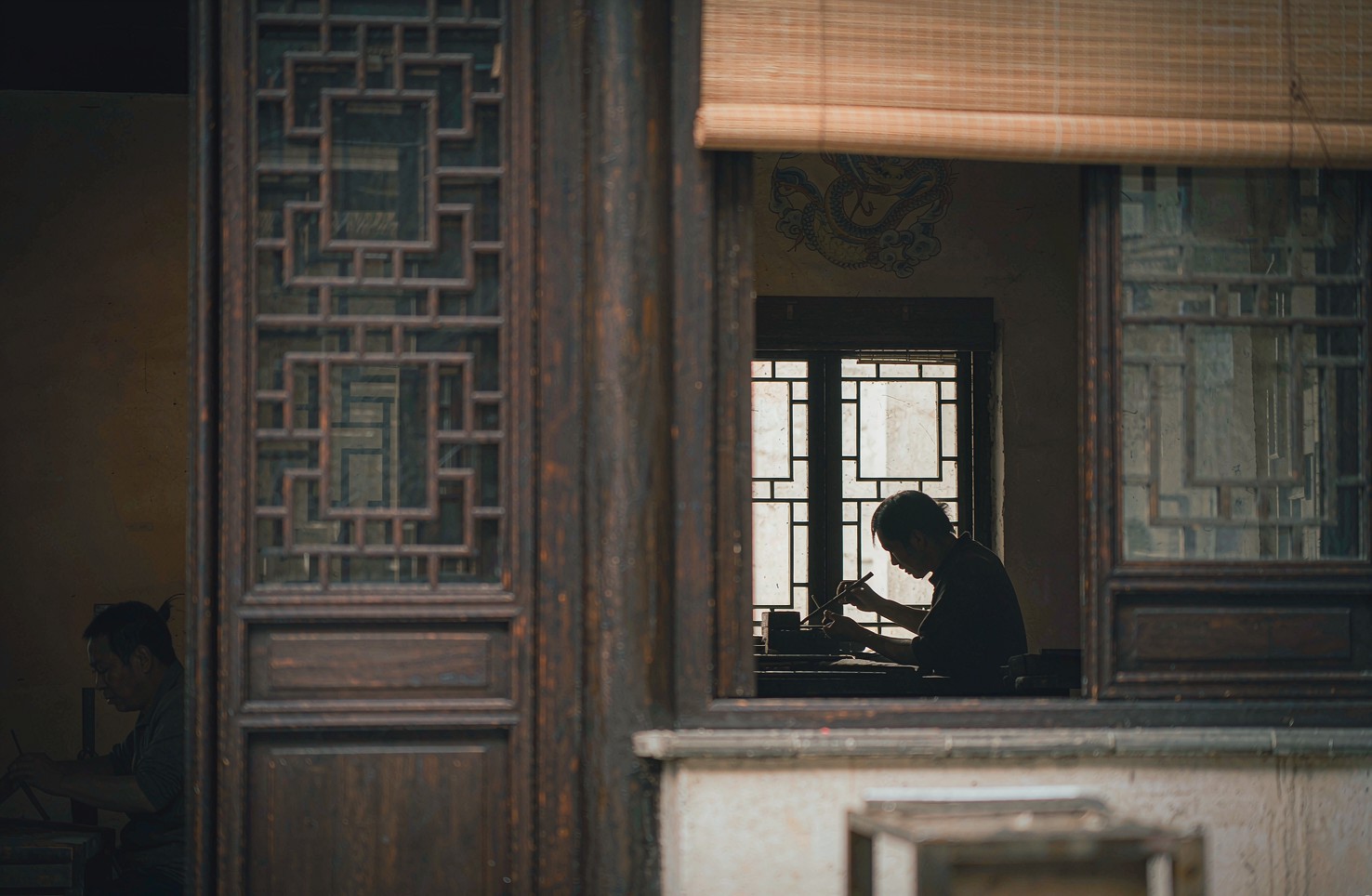
匠人靠手艺赚钱,会不会把匠心赚没了
10 月中旬,消费日报刊文谈一个老话题:要让「守艺人」真正成为「受益人」。文章说,手艺人数十年练出来的本事换得体面的回报,本就天经地义。这话听着没毛病,可放到市场里,另一半问题就冒出来了:钱一旦成了主角,手艺会不会跟着变形。
韵和鸣 · 2026/10/20 · 19 阅读

去贵州雷山,看一块银元如何变成一支银簪
在黔东南的苗寨里,银不只是一种首饰材料。它曾经是可以随时熔掉、重新打制的"存款",也是节日里一个女人身上最亮的那部分。关键在于,当一块老银元被放进坩埚,它要经过多少双手、多少道火,才重新成为一件能戴出门的东西。
韵和鸣 · 2026/10/9 · 42 阅读
漆器为什么能埋八千年不坏
在博物馆做漆器研究与修复的研究员老周,桌上常年摆着两样东西:一段出土的漆皮残片,一只新做不久的平遥推光漆盘。他说这两样东西隔着八千年,却是同一种材料。这次对话,我们从"漆器为什么埋几千年不坏"聊起,聊到最后,其实是手艺对材料的理解问题。
韵和鸣 · 2026/10/14 · 30 阅读
一方宋锦里,藏着宋人的审美秩序
初见宋锦,我的反应不是"好看",而是"安静"。它不像人们想象里的锦那样满身是光。带我看锦的老师傅说,正是这份安静,最难织。
韵和鸣 · 2026/10/8 · 25 阅读