把旅途上成兴趣班:一门手艺成了年轻人的新景点
韵和鸣 · 韵和鸣公众号 · 2026/10/23 12:00:00 · 4 阅读

今年国庆假期,一种叫"技能度假"的玩法冲进年轻人的行程单:不赶景点,改学手艺。据鲁网转载大众新闻 2026 年 10 月 21 日报道,假期技能度假相关订单量同比增长 217%,00 后占比超过六成。数字看着热闹,真正值得追问的是另一件事——这波人涌进工坊之后,手艺这一侧接得住吗。
▍一、三百块的课,卖的不是手艺
先看清这桩买卖。一个游客花几百块,换来两三个小时的专注、一件自己做的东西、九张可以发的照片。手艺只是载体。据同一篇报道援引《2026 小红书兴趣游趋势报告》,手作、访古、户外等"体验型"旅游搜索环比增长 48%,增速是"打卡型"搜索的 1.6 倍以上。
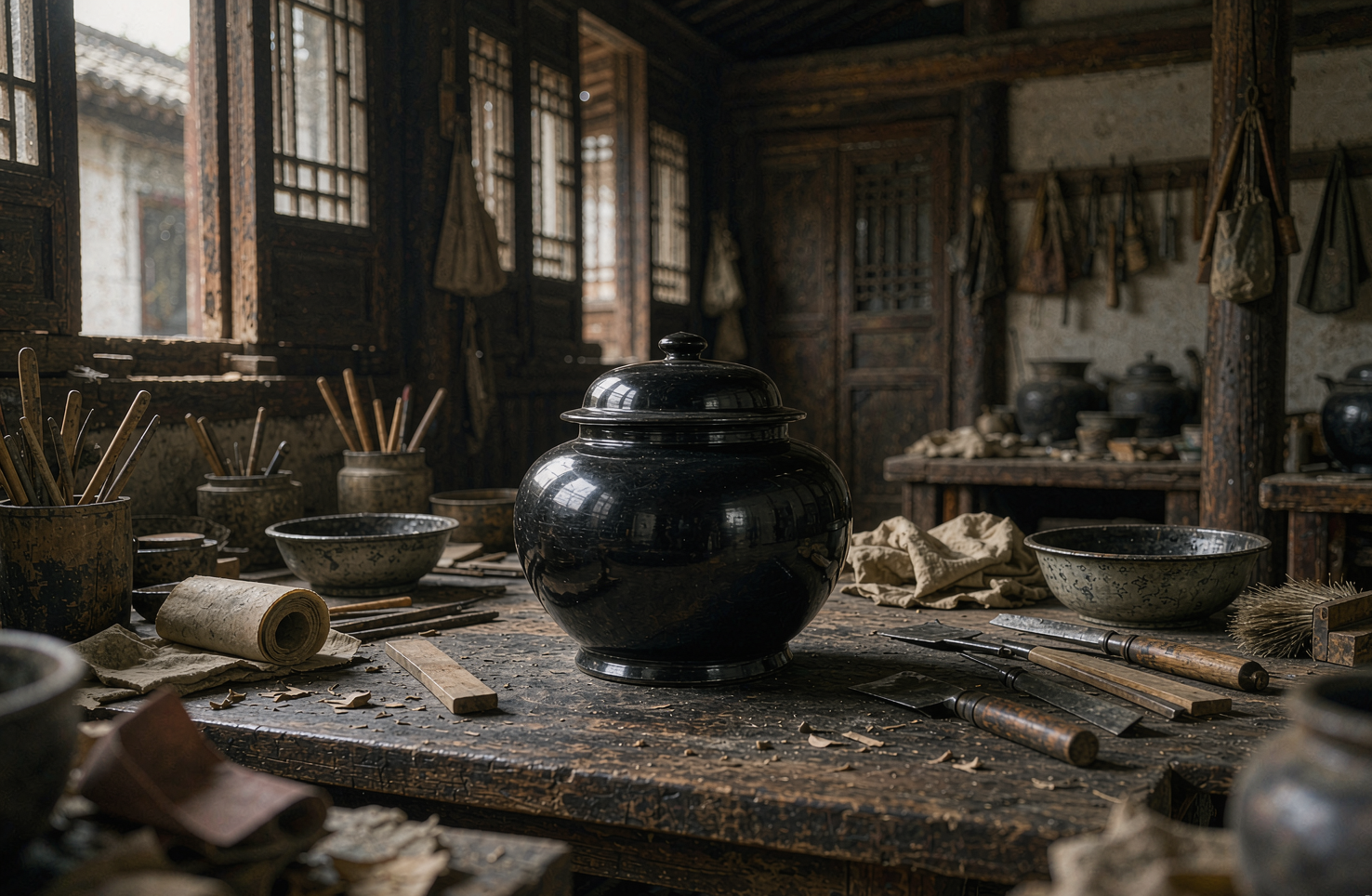
手作工坊长桌上的竹篾与刻刀,一场三小时的体验课从这里开始
这没什么不好。问题在于,很多人在那一刻买到的"专注",和一门手艺真正的门槛,中间隔着很远的距离。捏一个杯子,泥是师傅揉好的,拉坯机是师傅调好的,你只需要把手放上去。真正的难处在于揉泥要去气泡、拉坯要懂收缩率、釉料要算窑温——这些从两三个小时里学不到。
▍二、从体验到带走,中间隔着三道坎
头一道坎叫"我以为我会了"。体验课的设计目标是让你做出成品,所以它必然把难的环节替你做掉。这个善意的简化,带来一个副作用:学员容易把手艺想简单了,然后给出一个很低的价格预期。
第二道坎叫"谁来教"。会做和会教是两件事。报道里提到安徽歙县一家百年老墨厂,靠开放非遗体验,今年前九个月接待了 15 万游客,带动 480 万元文创销量(数据来源同上)。这个数字说明需求是真的,也顺带暴露了另一件事:能站上讲台的传承人,比能做好器物的传承人少得多。
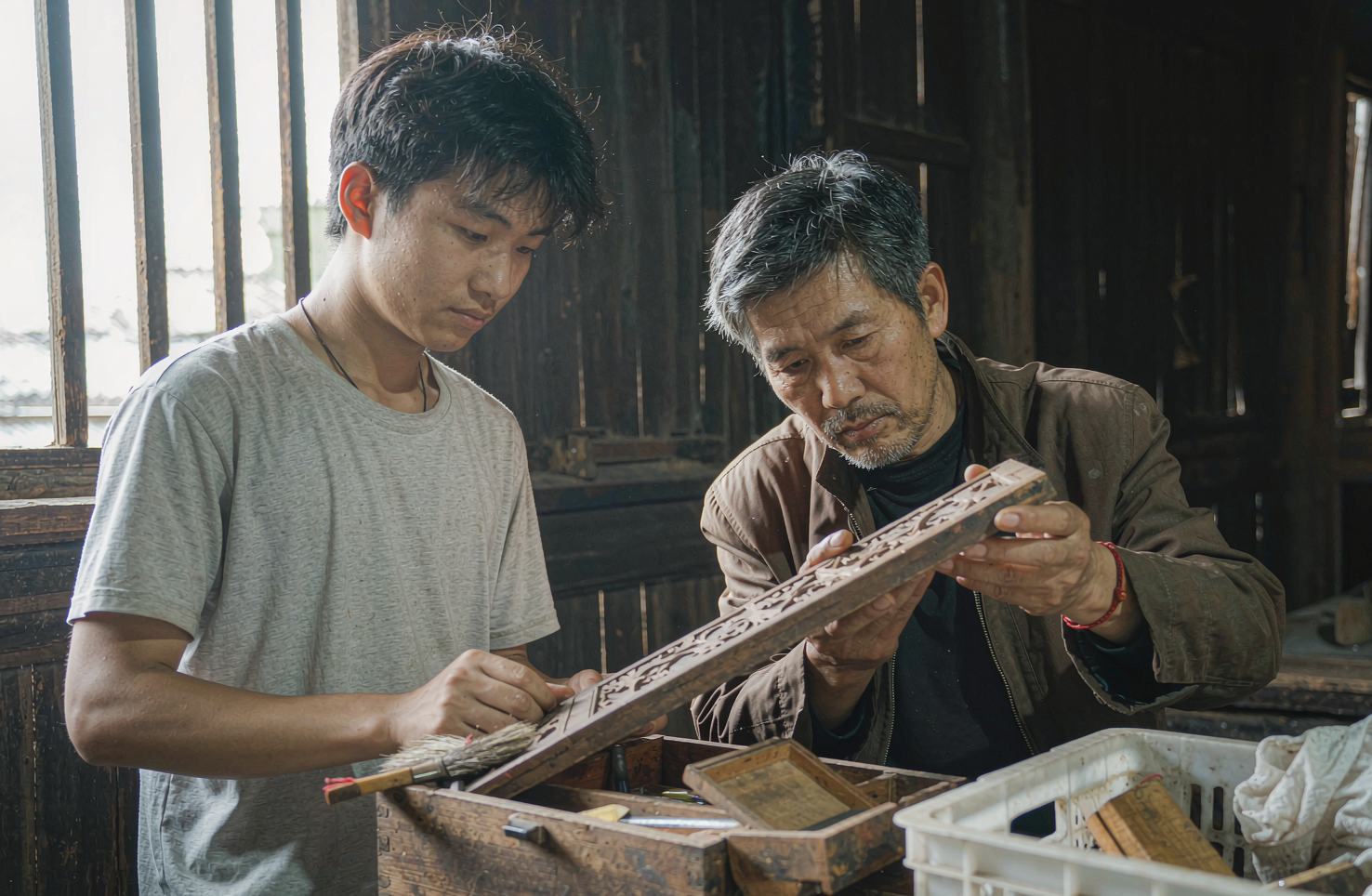
老师傅在案前示范一道工序,学徒的手悬在上方不敢落下
第三道坎是转化率。体验课的学员里,有多少人会在半年后回来报一个长期班?有多少人会买一件真正的手工器物?行业里很少有人公开这个数字,因为多数工坊自己也说不清。热闹过后留下的,往往是一抽屉没上釉的半成品。
▍三、对工坊来说,这是机会,也是一场考试
据国务院新闻办公室 2026 年 10 月 20 日新闻发布会介绍,"十五五"时期将深入实施非遗工坊提质增效计划,培养工坊带头人,推动刺绣、扎染、木雕、竹编等项目从"指尖技艺"转化为"指尖经济"。
政策讲的是"提质增效",落到一间具体的工坊,就是三件很琐碎的事:课程要分层,体验课和长期课不能用同一套教案;师资要有人,不能每场都是老师本人上;产品要有梯度,几百块的体验品和几千块的真作,得让客人看懂差别在哪。
做好了,客流会变成学徒和买主。做不好,工坊就变成一个收费的手作咖啡馆——热闹归热闹,手艺一寸没往前走。
▍四、我们看到的那一面
韵和鸣常年往各地的工坊跑,这两年最明显的变化是:周末的工坊比工作日热闹,而热闹主要集中在体验区,真正的生产区还是那几个人。年轻团队在寻访时养成了一个习惯——不问卖了多少,先问一句"这件的学徒是谁做的"。答案往往比销售数据更能说明一门手艺的处境。
所以我们不太愿意把这股热潮直接称作"非遗复兴"。它更像一次大规模的自我介绍——几百万人头一回把手指放到泥上、放到丝上、放到漆上。自我介绍之后会不会有第二回,取决于接下来那一下:有没有人认真告诉他们,这门手艺难在哪。
▍问答
问 | 非遗手作体验课值得上吗?能学到真东西吗
答 | 值得上,但要带着正确的预期。两三个小时的体验课,目标是让你完成一件成品,所以揉泥、调釉、备料这些门槛通常已被师傅代做。想真正入门,得报分阶段的长期班:先打基本功,再碰完整工序。判断一门课靠不靠谱,看它敢不敢让你做砸——只能成功的课,多半是走过场。
问 | 景区里的非遗体验课和工坊里的有什么不一样
答 | 主要差在谁来教、教什么。景区店多为标准化课程,材料预处理到位,重在完成感与出片;工坊里的课更靠近真实生产,能看见备料、失败与返工,也更容易接触到传承人本人。想了解手艺本身,优先选工坊;只是想轻松玩一次,景区店也无可厚非。
问 | 体验课做出来的东西,和真正的非遗手作差在哪
答 | 差在工序的完整度与材料的处理深度。体验品通常为方便上手而简化环节、替换材料,成品能用但不耐久;真正的手作要过完整工序,大漆要一遍遍髹、阴干、推光,工期以周计。区别不在好不好看,在那件东西经不经得起用十年。
问 | 韵和鸣会不会自己开手作体验课?
答 | 线下「非遗会客厅」会做小规模的体验与匠人见面活动,但定位不是开课——它更像一个让人坐下来慢慢看器物、聊手艺的地方,陈列原则是山西一半、全国一半。我们更想做的是另一件事:把匠人的手艺与名字讲清楚,让有兴趣的人知道该去哪里、跟谁学。
▍说在最后
技能度假这件事,对非遗是好事。它把一大批从不进工坊的人带到了工作台前。接下来的分岔在于:是一次性消费,还是一段关系的开始。你去过哪间工坊、学过哪门手艺?评论区说说,我们去找。
📩 非遗项目 | 匠人举荐 | 跨境出海 | 线下联营
欢迎留言或后台联系,我们与匠人同行。
—— 韵和鸣 · 与匠人同行
〖 热 〗
相关搜索 | RELATED SEARCHES
非遗手作体验课 值得上吗 · 技能度假 是什么 · 景德镇 陶艺 体验 · 非遗工坊 参观 · 手工体验课 和 非遗 的区别 · 韵和鸣 会客厅
English
A Three-Hundred-Yuan Lesson That Sells Something Other Than Skill
Look first at what is actually being sold. A visitor spends a few hundred yuan and gets two or three hours of concentration, an object made by their own hands, and nine photographs worth posting. The craft is the vehicle. The same report cites the 2026 Xiaohongshu Interest Travel Trend Report, noting that searches for hands-on, heritage and outdoor travel grew 48 per cent against the previous period, more than 1.6 times the growth of check-in style searches.
Bamboo strips and cutting knives on a long workbench, where a three-hour session begins
None of this is bad. The difficulty is that the concentration bought in that moment sits a long way from the real threshold of a craft. When you pinch a cup, the clay has been wedged by the master and the wheel centred by the master; you only have to put your hands on it. The hard part is elsewhere: wedging to drive out air bubbles, throwing with the shrinkage rate in mind, calculating glaze against kiln temperature. Two or three hours will not teach any of it.
Between Trying and Taking Home, Three Hurdles
The first hurdle is thinking you have learned it. A taster session is designed so that you finish with an object, which means the hard stages are necessarily done for you. This kindly simplification has a side effect: students come away with too simple an idea of the craft, and then a very low expectation of what it should cost.
The second hurdle is who teaches. Making and teaching are different competencies. The report mentions a century-old ink factory in Shexian, Anhui, which opened heritage experience sessions and received 150,000 visitors in the first nine months of this year, driving 4.8 million yuan in cultural product sales, from the same source. The figure proves the demand is real and exposes something else: bearers who can stand at a lectern are far fewer than bearers who can make the object.
A master demonstrating a stage at the bench, the apprentice's hands hovering above
The third hurdle is conversion. Of the people who take a taster, how many return within six months for a longer course, and how many buy one genuine handmade piece? The trade rarely publishes that figure, because most workshops could not say themselves. What is left after the noise is often a drawer of unglazed half-finished work.
For the Workshop, an Opportunity and an Examination
According to a press conference held by the State Council Information Office on 20 October 2026, the fifteenth five-year period will see a deepening of the programme to raise the quality and effectiveness of heritage workshops, training workshop leaders and pushing crafts such as embroidery, tie-dye, wood carving and bamboo weaving from skill at the fingertips to economy at the fingertips.
The policy language is about quality and effectiveness, and in one particular workshop it comes down to three unglamorous tasks: courses must be tiered, since a taster and a long course cannot share a syllabus; teaching must have people behind it, because the master cannot lead every session; and products must be graded, so that a visitor understands the difference between a few hundred yuan of experience and a few thousand yuan of real work.
Done well, footfall turns into apprentices and buyers. Done badly, the workshop becomes a craft café that charges for the table: lively enough, with the craft itself not advanced by an inch.
YUNHEMING spends its year travelling between workshops, and the clearest change of the last two years is this: weekends are busier than weekdays, the noise gathers in the experience area, and the production area still holds the same few people. The young team formed a habit on these visits: not asking how much sold, but asking first who among the apprentices made this piece. The answer often says more about a craft's condition than any sales figure.
Which is why we hesitate to call this a revival of heritage. It resembles more a mass introduction: several million people placing their fingers on clay, on silk, on lacquer for the first time. Whether a second meeting follows depends on the next move, on whether someone tells them honestly where the difficulty lies.
Are heritage craft taster sessions worth it, and do you learn anything real?
Worth taking, with the right expectation. A two- or three-hour session aims to get you a finished object, so the thresholds of wedging clay, mixing glaze and preparing material are usually already handled by the master. To actually begin, enrol in a staged course: basics first, then the complete sequence. To judge a class, see whether it lets you fail; a class in which nothing can go wrong is most likely a formality.
How do heritage sessions at scenic spots differ from those in a workshop?
The difference is who teaches and what is taught. Scenic-area outlets run standardised sessions with material fully pre-processed, weighted towards a sense of completion and photographs; workshops sit closer to real production, where you see preparation, failure and reworking, and are likelier to meet the bearer. For the craft itself, choose the workshop; for a pleasant afternoon, the scenic shop is fair enough.
How does a piece made in a taster differ from genuine heritage handwork?
The gap lies in how complete the sequence is and how deeply the material is worked. Taster pieces simplify stages and substitute materials for ease of handling: usable, but not durable. Genuine handwork passes through the whole sequence, lacquer applied, dried in the damp room and hand-polished coat after coat, with a lead time counted in weeks. The difference is not appearance but whether the thing survives ten years of use.
Does YUNHEMING run its own craft sessions?
The Salon runs small experience sessions and meetings with makers, but teaching is not its purpose; it is a place to sit down and look at objects and talk about craft, stocked half from Shanxi and half from the rest of China. What we would rather do is something else: make the maker's craft and name clear, so that anyone interested knows where to go and with whom to learn.
The skillcation is good for living heritage. It brings to the bench a great many people who never set foot in a workshop. What follows diverges: a one-off purchase, or the start of a relationship. Which workshop have you been to, and which craft did you try? Tell us below and we will go and look.
ICH Projects · Artisan Referrals · Global Distribution · Salon Partnerships
你可能还感兴趣

从易拉罐凤冠到 0.2 毫米银丝,一位成都姑娘的五年
五年前,她用 18 个易拉罐做了一顶京剧凤冠,视频在网上被几百万人看见。今年 10 月,四川省文化和旅游厅官网刊文讲述了她的经历:如今她已取得郫都花丝镶嵌技艺证书,正在申报成都银花丝非物质文化遗产代表性传承人。从那顶凤冠到这行字,中间隔着一根直径 0.2 毫米的银丝,和一个「不好看,重做」的下午。
韵和鸣 · 2026/10/20 · 17 阅读
去贵州雷山,看一块银元如何变成一支银簪
在黔东南的苗寨里,银不只是一种首饰材料。它曾经是可以随时熔掉、重新打制的"存款",也是节日里一个女人身上最亮的那部分。关键在于,当一块老银元被放进坩埚,它要经过多少双手、多少道火,才重新成为一件能戴出门的东西。
韵和鸣 · 2026/10/9 · 42 阅读
漆器为什么能埋八千年不坏
在博物馆做漆器研究与修复的研究员老周,桌上常年摆着两样东西:一段出土的漆皮残片,一只新做不久的平遥推光漆盘。他说这两样东西隔着八千年,却是同一种材料。这次对话,我们从"漆器为什么埋几千年不坏"聊起,聊到最后,其实是手艺对材料的理解问题。
韵和鸣 · 2026/10/14 · 30 阅读
一方宋锦里,藏着宋人的审美秩序
初见宋锦,我的反应不是"好看",而是"安静"。它不像人们想象里的锦那样满身是光。带我看锦的老师傅说,正是这份安静,最难织。
韵和鸣 · 2026/10/8 · 25 阅读
把"慢"做成一种体验:一间非遗会客厅的想法
我们习惯按功能给空间分类:吃饭的、购物的、办公的。但有一种很难归类——它在城市的闹处,不催你走,也不急着让你买单。关键在于,当"慢"被认真设计出来,它本身就可以是一种产品。
韵和鸣 · 2026/10/9 · 24 阅读
年轻人不愿学老手艺,该怪年轻人,还是怪这门手艺?
非遗传承里被讨论得最多的一句话是"后继乏人"。这句话往下追一层,就分成两条路:一条通向年轻人,说他们耐不住、看不上;一条通向他们面对的那门手艺,说它没能给出一条能活下去的路。这两条路,最近又吵起来了。
韵和鸣 · 2026/10/8 · 24 阅读