博山琉璃七百年:从颜神镇炉火到今天
韵和鸣 · 韵和鸣公众号 · 2026/10/22 12:00:00 · 5 阅读
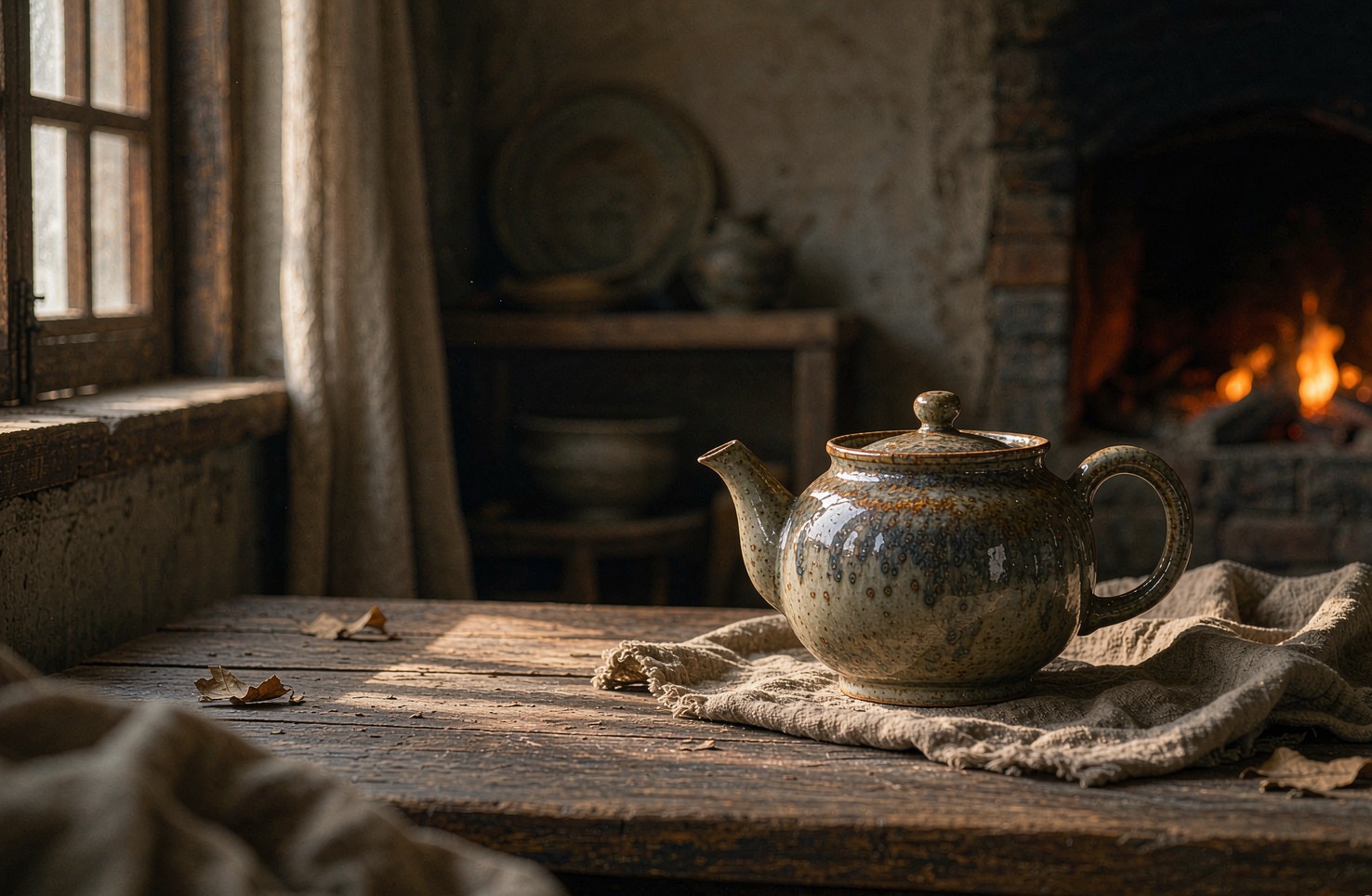
山东淄博博山,古称颜神镇。这里出产一种东西:把石英、纯碱与着色金属氧化物配在一起,上千度炉火里熔化,趁热吹、拉、捏、压,凉下来就成了流转的颜色。它叫琉璃。一座镇子靠一炉火烧了几百年,本身就是件值得记的事。
▍颜神镇为什么会长出琉璃
博山琉璃烧制技艺于 2014 年被列入国家级非物质文化遗产名录,产地在山东省淄博市博山区。所谓琉璃烧制,指的是以石英等为主要原料、配入金属氧化物着色,经高温熔化后热成型并退火的整套技艺。
一门手艺长在哪里不是偶然。博山有煤,有坩土与耐火材料,也有石英石:煤提供持续的高温,耐火材料让炉子长期烧下去,石英是琉璃的骨。据公开资料,当地琉璃业自元末明初已具规模,明清时炉户聚集形成行业。
博山琉璃的料器小件,颜色来自炉火而非表面涂层
▍颜色是烧出来的,不是涂上去的
琉璃与玻璃最常被混淆的一点,是以为颜色来自表面。其实差别在做法:琉璃的色在配料里,金属氧化物在熔制时就融进整块料,切开仍是这个色;表面涂层或喷色的做法,磨掉一层就露底。
博山琉璃里被反复提起的一类名贵色料叫"鸡油黄",色如凝固的鸡油,温润而不刺眼。这类色料的配方与炉温控制向来是各家炉户的看家本事。同一炉料,温度差几十度、保温时间差一截,出来的颜色就不是一回事——这也是它难以量产的原因。
▍炉火之外的那条路
热成型之外,博山还长出一条支线:在透明料器内壁作画的内画。它与琉璃烧制同源不同路,常被放在一起讲。
七百年下来,博山琉璃教给后来人的东西很朴素:材料决定门槛,火候决定成色,而把手艺留在本地的,是一整条从原料、炉户到销售的链。链子断了,炉火再旺也只剩一堆砂子。
▍问答
问 | 博山琉璃和普通玻璃是一回事吗?
答 | 不是。博山琉璃烧制技艺于 2014 年列入国家级非物质文化遗产名录,以石英等为原料、配金属氧化物着色,高温熔化后热成型并退火,讲究配料与火候的手工判断;普通玻璃多为标准化配方的工业熔制与模具成型。外观上琉璃常见更饱和的色与热成型的痕迹,玻璃更均匀通透。
问 | 博山琉璃怎么保养?
答 | 三件事。一避温差,琉璃怕骤冷骤热,不要从冷处直接进热水,也不要放冰箱冷冻室附近;二避磕碰与硬物刮擦,料器虽硬但脆,边角最易崩;三避强光长时间直射,部分色料久晒会变淡。清灰用软毛刷或微湿软布,之后立即擦干,不用洗洁精与超声波清洗。
问 | 韵和鸣只做山西的手艺吗?
答 | 不限山西。起家的根在山西平遥推光漆器这门国家级非遗,但收的器物与服务的匠人覆盖全国——会客厅的陈列原则就是山西一半、全国一半。产地在哪不是标准,是不是真正的非遗手工品、是不是传承人亲手做的,才是。
📩 非遗项目 | 匠人举荐 | 跨境出海 | 线下联营
欢迎留言或后台联系,我们与匠人同行。
—— 韵和鸣 · 与匠人同行
〖 史 〗
相关搜索 | RELATED SEARCHES
博山 琉璃 烧制技艺 · 博山 琉璃 和 玻璃 区别 · 鸡油黄 琉璃 是什么 · 淄博 博山 非遗 名录 · 琉璃 摆件 怎么保养
English
The Boshan glaze firing technique was inscribed on the national intangible cultural heritage list in 2014; it comes from Boshan District, Zibo, Shandong. Firing glaze means using quartz and similar materials as the main charge, adding metal oxides for colour, melting at high temperature, forming while hot, and annealing the result.
Where a craft takes root is never accidental. Boshan had coal, refractory clay and quartz: coal gave sustained high temperature, refractory material let a furnace run for long stretches, and quartz is the body of glaze. According to public sources, the local trade had reached scale by the late Yuan and early Ming, and by the Ming and Qing furnace households had gathered into an industry.
Small Boshan glaze pieces; the colour comes from the furnace, not a surface coating
The most common confusion between glaze and glass is the belief that the colour sits on the surface. The difference is in the method: in glaze the colour is in the batch, the metal oxide dissolving into the whole mass during melting, so a cut face shows the same hue. A coated or sprayed piece reveals itself as soon as a layer is ground away.
Among Boshan colours one is repeatedly singled out, chicken-fat yellow: the hue of congealed chicken fat, warm rather than glaring. Recipes for such colours and control of the furnace have always been what each workshop guards. The same batch, at a furnace a few tens of degrees off or held a different length of time, comes out a different colour, which is also why it resists mass production.
Beyond hot-forming, Boshan also grew a second branch: painting on the inner wall of a clear vessel, known as inner painting. It shares an origin with glaze firing while following a different path, and the two are often discussed together.
Seven centuries on, what Boshan glaze teaches is plain: the material sets the bar, the fire sets the colour, and what keeps a craft in one place is a whole chain running from raw material through furnace households to sales. Break the chain and even a roaring furnace leaves nothing but sand.
Is Boshan glaze the same thing as ordinary glass?
No. The Boshan glaze firing technique was inscribed on the national list in 2014; it uses quartz and similar materials with metal oxides for colour, melted at high temperature, hot-formed and annealed, relying on hand judgment of batch and fire. Ordinary glass follows standardised industrial formulas, melted and moulded. Visually, glaze tends to show more saturated colour and traces of hot-forming, while glass is more uniformly clear.
How should Boshan glaze be cared for?
Three things. Avoid temperature shock: never move it straight from cold into hot water, and keep it away from freezer vents. Avoid knocks and scratching by hard objects, since this material is hard but brittle and its edges chip most readily. Avoid long exposure to direct strong light, as some colourants fade. Dust with a soft brush or a barely damp cloth and dry at once; no detergent, no ultrasonic cleaning.
Does YUNHEMING work only with crafts from Shanxi?
Not limited to Shanxi. The root is Pingyao polished lacquerware, a national-level craft from Shanxi, but the objects taken in and the makers served span the country; the salon's principle of display is half Shanxi, half the rest of China. Origin is not the criterion. Whether something is genuine heritage handwork, and whether a bearer made it by hand, is.
ICH Projects · Artisan Referrals · Global Distribution · Salon Partnerships
你可能还感兴趣
苗族银饰锻制技艺:三十多道工序,做一身能走路的银
在贵州黔东南的一些村寨,姑娘出嫁或过节的盛装上,银的分量可以用秤称。这些银不光是装饰,还记着一个支系的来历。今天我们给它做一张完整的名片:叫什么、从哪来、怎么做。说到底,一身银的重量里,称得出一个家族的准备。
韵和鸣 · 2026/10/24 · 29 阅读
一件漆器该有多重,手感不会说谎
严选器物,看纹样、看款识、看证书,都是明面上的事。但有一道标准写不进任何参数表——上手。同一尺寸的两只漆盘,一只压手温润,一只轻飘干瘪,差别从何而来?这次把"分量"这件事拆开讲。说到底,重量是工序的记账本。
韵和鸣 · 2026/10/14 · 25 阅读
一件非遗手作凭什么"值":把时间的账算一遍
谈非遗手作,绕不开一个字:值。有人觉得贵得离谱,有人觉得便宜得可疑。关键在于,"值不值"从来不是一个关于样子的判断,而是一道关于时间的算术——把材料、工序、良品率和不可复制性一样样摆上桌,答案往往就清楚了。
韵和鸣 · 2026/10/9 · 21 阅读
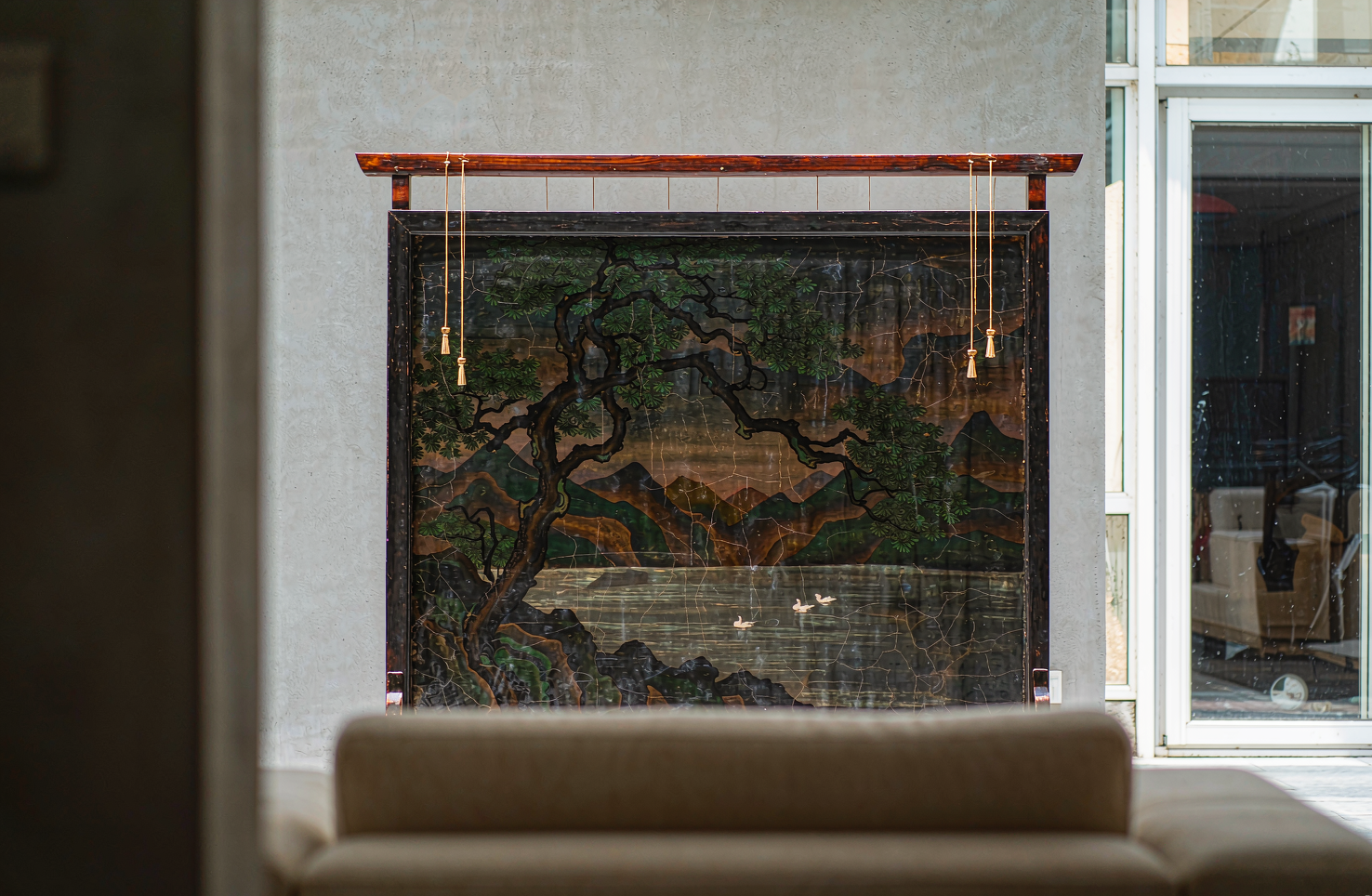
一面屏风,如何成为一个家的「眼」
老房子里,屏风从来不只是挡一挡。它决定你一进门先看哪里。四面墙的屋子有了屏风,才像有了一个"眼"。
韵和鸣 · 2026/10/8 · 21 阅读
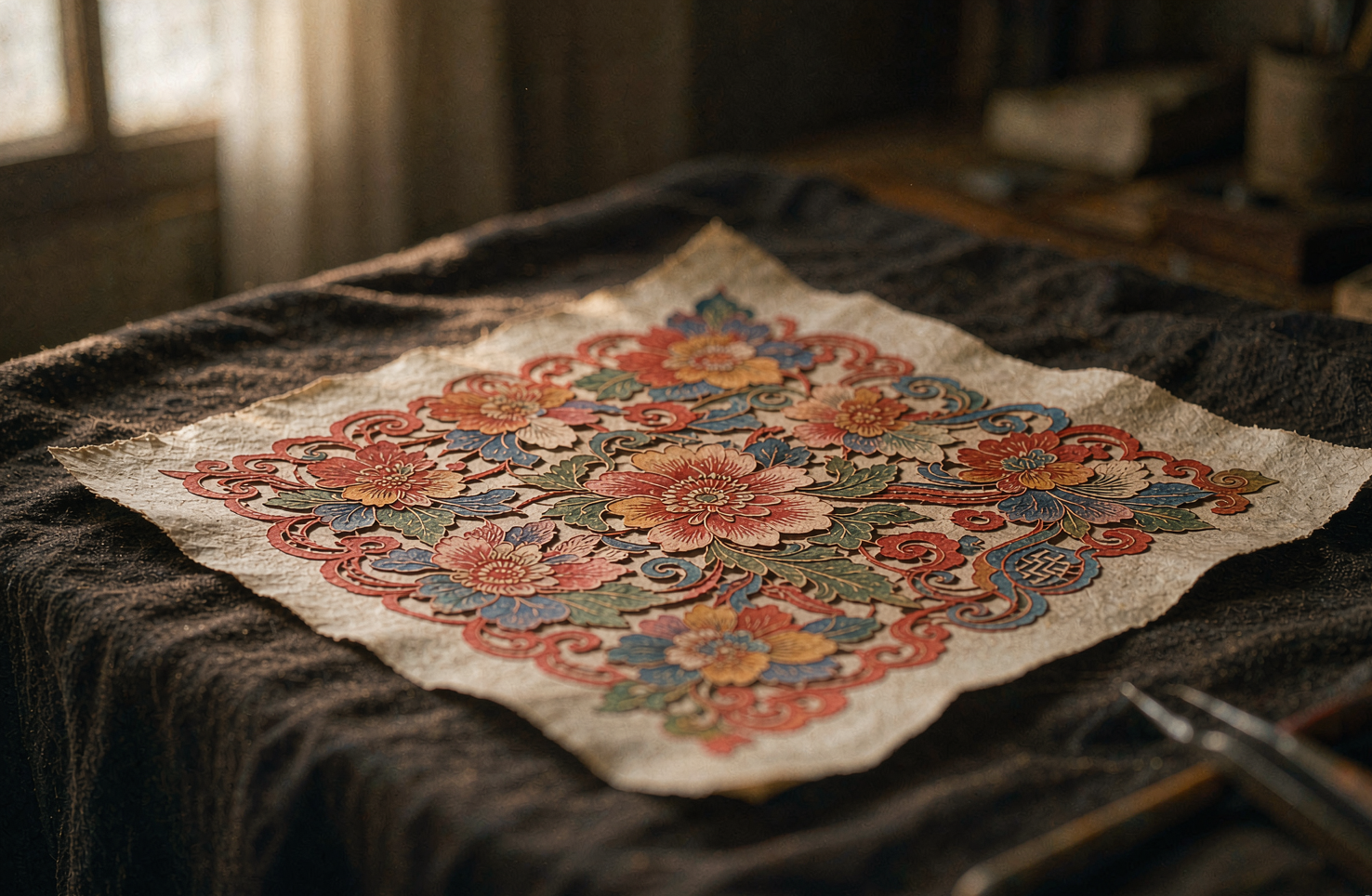
一张蔚县剪纸,彩色的刻刀活
严选录这一期看一张不太一样的剪纸:它不用剪刀,用刻刀;不止红色,还带着点染出来的粉与绿。河北张家口蔚县的剪纸,是剪纸大家族里"反着来"的一支——别处以剪为主、以红为正,蔚县以刻代剪、以点彩上色。说到底,这两个"反着来"的本质,是蔚县人把剪纸从窗前的女红,做成了作坊里的分工手艺:看懂了这一点,才算看懂了这张纸。
韵和鸣 · 2026/10/13 · 19 阅读
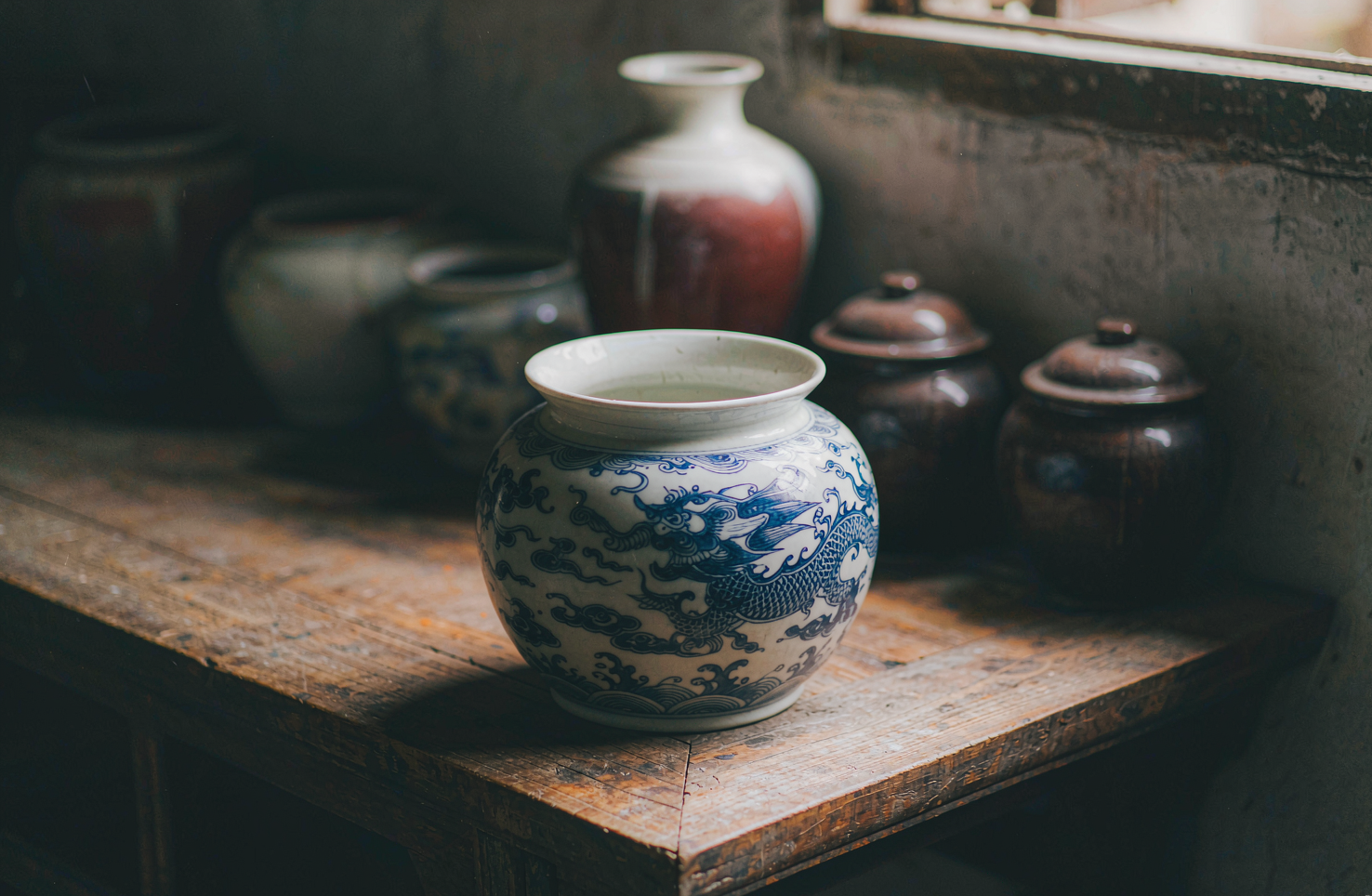
一盏博山琉璃:颜色是炉火给的,不是颜料调的
说到底,琉璃与玻璃的分界,不在透明不透明,而在颜色从哪来。在山东博山,一盏鸡油黄琉璃的颜色长在料里、生在炉里,出炉之后再不改色。这是严选录这一期想讲清楚的事。
韵和鸣 · 2026/10/12 · 19 阅读