非遗联名满天飞,署名到底该给谁
韵和鸣 · 韵和鸣公众号 · 2026/10/22 12:00:00 · 4 阅读
2026 秋冬的服装与家纺趋势里,"非遗工艺现代转化"被反复提起:传统织造与刺绣被设计师重新编码,品牌与工坊的联名从慈善叙事转向价值共创,也有报道提到跨文化合作引发了关于署名的讨论。热闹之下有个问题一直悬着——一件联名作品卖出去,名字该怎么写。说到底,署名是分配问题,不是礼貌问题。所谓联名,指的是品牌与匠人共同署名的作品;所谓贴牌,指的是品牌向工厂下单、只挂自己商标的做法。两者的分界,在于匠人的名
▍一方立场:署名是分配的凭证,必须落到人
这一方的理由很硬。所谓联名,指的是品牌与匠人共同署名的作品;署名不是客套,是收益分配与责任归属的凭证。名字写在包装上,消费者才知道是谁做的,下次才会找同一个人;名字不写,这门手艺就成了一块没有作者的面料,谁都能用,用完了和匠人没关系。
非遗的核心本来就是"人"。技艺靠人传,口碑靠人立,价格靠人撑。把人从作品上抹掉,等于把这门手艺最值钱的部分拿走了。近年国际上关于手工艺纹样使用的争议,落点几乎都在这一条:不是不让你用,是用的时候要说清是谁的。
▍另一方立场:署名要成本,过度强调会拖慢产业化
另一方的顾虑也很实在。一个工坊往往十几个人分工,从备料、织造到后整理各管一段,署名写谁?写带头人,其余人的功劳怎么算;写全部,包装放不下,消费者也记不住。
还有更现实的问题:署名带来溢价,也带来责任。人名一写上去,产能、交期、质量都得由这个人背书,小工坊未必扛得住;而批量订单恰恰是许多工坊活下去的来源。有人因此主张,把报酬谈清楚比把名字印上去更实际——到账的钱不会说谎。
▍收束:把判断权留给读者
两种说法并不冲突,冲突的是顺序——先谈钱还是先谈名。非遗手艺要活,离不开订单;要活得体面,离不开名字。真正难的是两者都要,还得在合同里写明白。
▍问答
问 | 联名作品上,署名应该怎么写?
答 | 至少三层:匠人姓名、项目名称与完成方式。只写品牌名,手艺就没有作者;只写"某某工艺"不写人,也说不清是谁做的。包装、说明卡与线上页面尽量一致,买家查得到,才算真的署了名。
问 | 品牌用了非遗纹样,算不算文化挪用?
答 | 关键看三件事:有没有说明出处,有没有获得许可,收益有没有回到来源社区。纹样往往世代相传、属于一个群体,说清来源并让对方受益,是用;只取样子不提名号也不分利,才接近挪用。
问 | 韵和鸣做联名时,匠人的名字怎么署?
答 | 直接写在作品上。器物与老师共同署名,匠人的名字与手艺同属作品;品牌负责严选、内容、渠道与出海,不把这个名字拿走。这不是客气,是前提——老师的手艺值钱,品牌才值钱。
📩 非遗项目 | 匠人举荐 | 跨境出海 | 线下联营
欢迎留言或后台联系,我们与匠人同行。
—— 韵和鸣 · 与匠人同行
〖 辩 〗
English
One Side: Credit Is Proof of Distribution, and It Must Land on a Person
Those who hold this view have a hard reason. A co-signed piece is, by definition, one on which brand and maker both appear; the credit is not courtesy but proof of how revenue is shared and who carries responsibility. Put the name on the package and the buyer knows who made it, and next time will look for that same person. Leave the name off and the craft becomes a length of fabric with no author, available to anyone, and once used, no longer connected to the maker.
More than that, the core of intangible heritage is the person. The craft passes through people, reputation rests on people, price is held up by people. Erase the person from the object and you have taken the most valuable part of the craft. Recent international disputes over the use of indigenous and craft patterns land almost entirely on this point: the objection is not that you used it, it is that you did not say whose it was.
The Other Side: Credit Carries Cost, and Over-Emphasis Slows an Industry
The other side's worry is equally concrete. A workshop often has a dozen people dividing the work, from preparing material to weaving to finishing, each responsible for one stretch. Whose name goes on? Name the lead and what of the rest; name everyone and the package cannot hold it and the buyer will not remember it.
There is a more practical problem too. A name brings a premium, and it also brings liability and cost. Once a person's name is on it, capacity, delivery dates and quality are all guaranteed by that person, and a small workshop may not carry that weight; yet bulk orders are exactly what keeps many workshops alive. Some therefore argue that settling payment matters more than printing a name: money that arrives does not lie, while a name is sometimes only comfort.
The two positions do not entirely contradict each other; what contradicts is the order: money first or name first. For a heritage craft to survive it needs orders; to survive with dignity it needs a name. The difficulty is wanting both, and having to write both into a contract.
How should the credit on a collaborative piece be written?
At least three layers: the maker's name, the name of the craft, and how the piece was made. A brand name alone leaves the craft without an author; naming the technique without the person still does not say who did the work. Packaging, the information card and the online listing should agree, since a credit the buyer cannot verify is not really a credit.
When a brand uses a heritage pattern, does that count as cultural appropriation?
Three things decide it: whether the source is stated, whether permission was obtained, and whether any benefit returns to the community of origin. Patterns are usually passed down for generations and belong to a group; name the source and share the benefit and it is use. Take the look without the name or the share and it approaches appropriation. That is close to consensus in international craft collaboration.
How is the maker credited when YUNHEMING co-signs a piece?
On the work itself. Each piece carries the maker's name alongside the brand, and the name and the craft belong to the piece together; the brand handles selection, content, channels and export, and does not take that name away. This is courtesy less than precondition: the master's craft is what gives the brand its value.
ICH Projects · Artisan Referrals · Global Distribution · Salon Partnerships
你可能还感兴趣
年轻人不愿学老手艺,该怪年轻人,还是怪这门手艺?
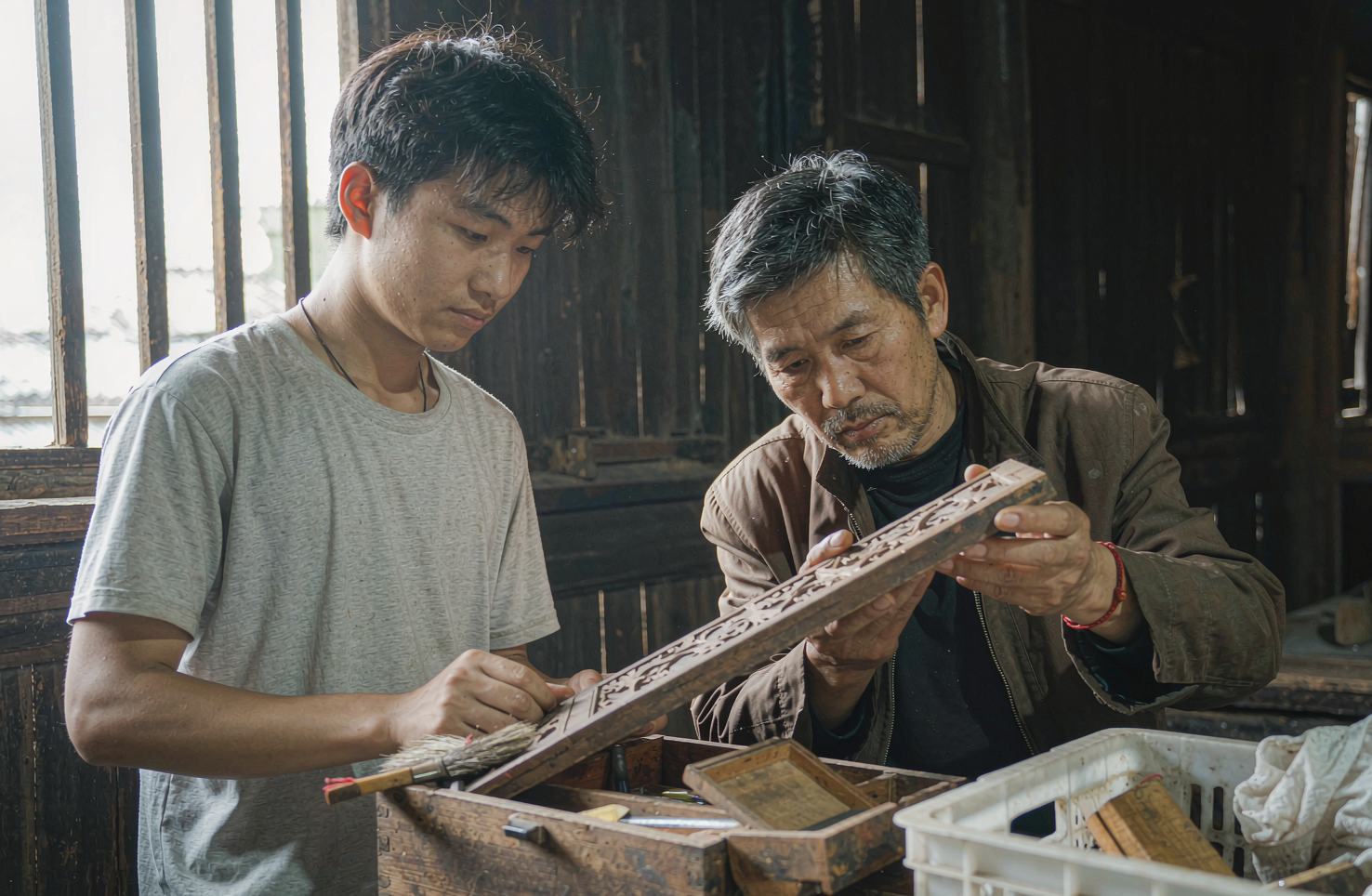
非遗传承里被讨论得最多的一句话是"后继乏人"。这句话往下追一层,就分成两条路:一条通向年轻人,说他们耐不住、看不上;一条通向他们面对的那门手艺,说它没能给出一条能活下去的路。这两条路,最近又吵起来了。
韵和鸣 · 2026/10/8 · 23 阅读
机器开始学手艺:是给匠人搭把手,还是来接班
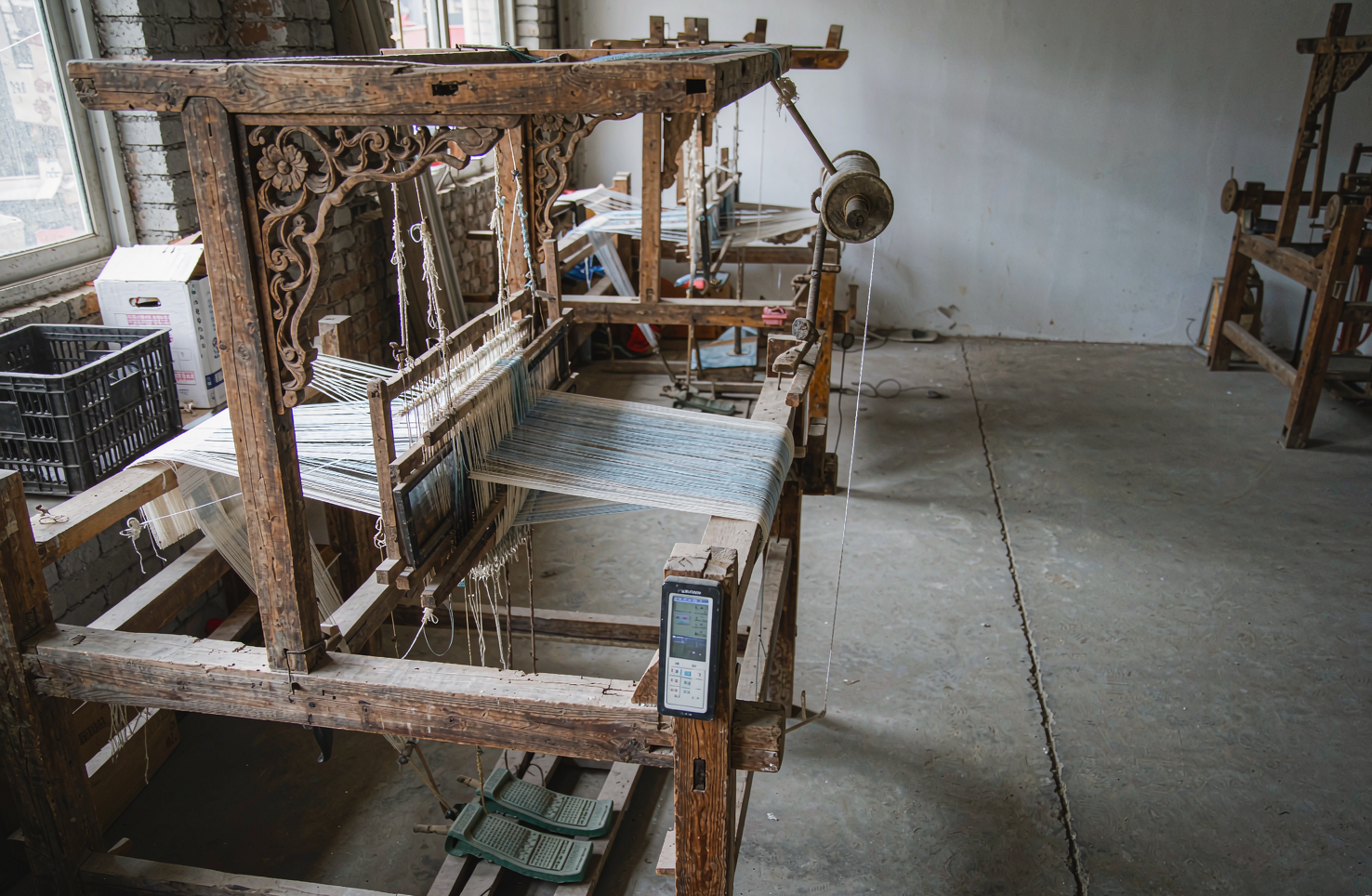
一段流传很广的画面里,一台机械臂正跟着非遗传承人"学艺"——学劈丝、捻线、穿针。看的人分成两拨:一拨说技术帮上了忙,一拨说来抢饭碗了。同一件事读出两种意思,关键在于用什么尺度去量。
韵和鸣 · 2026/10/9 · 22 阅读
匠人靠手艺赚钱,会不会把匠心赚没了
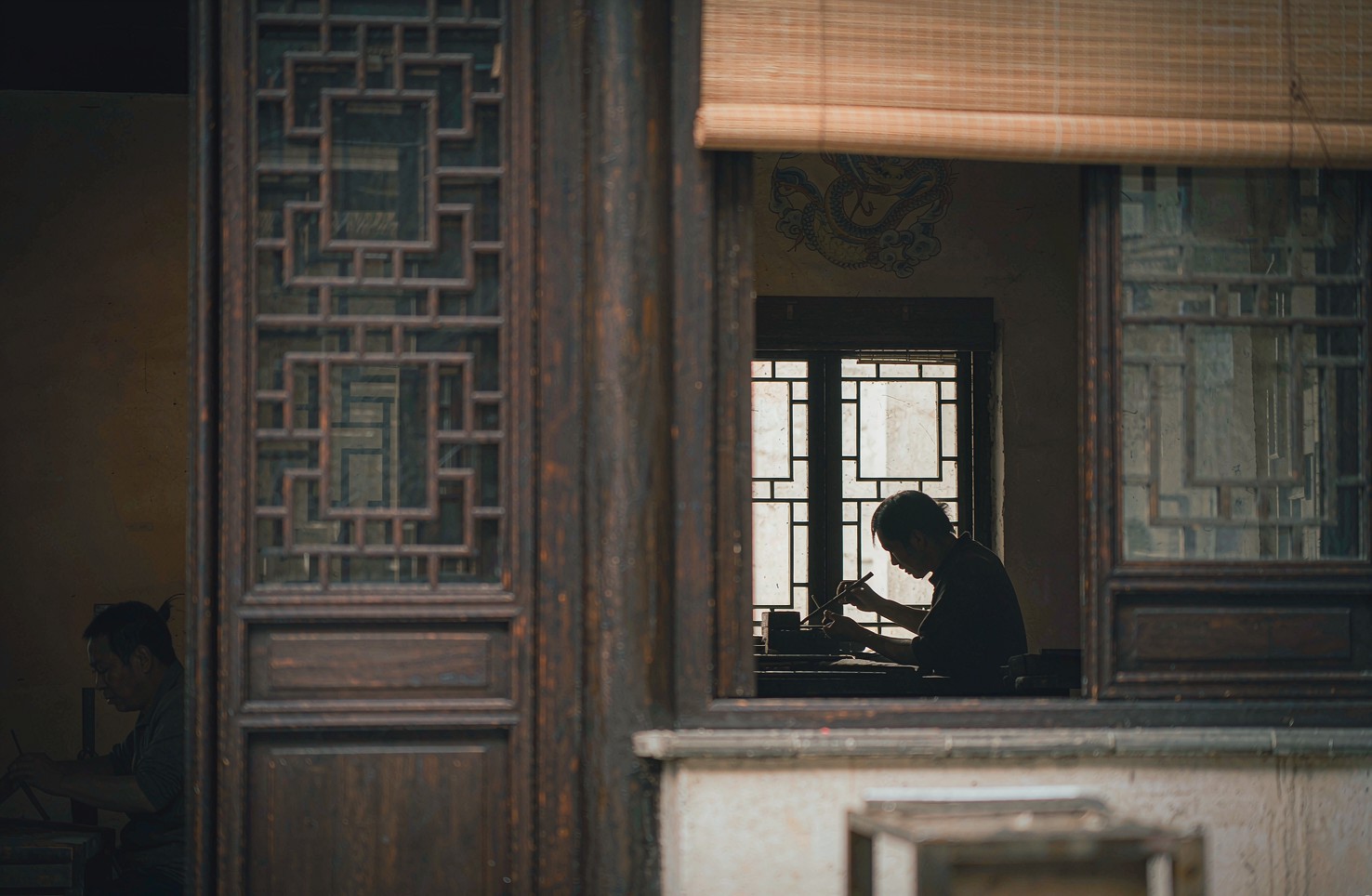
10 月中旬,消费日报刊文谈一个老话题:要让「守艺人」真正成为「受益人」。文章说,手艺人数十年练出来的本事换得体面的回报,本就天经地义。这话听着没毛病,可放到市场里,另一半问题就冒出来了:钱一旦成了主角,手艺会不会跟着变形。
韵和鸣 · 2026/10/20 · 19 阅读
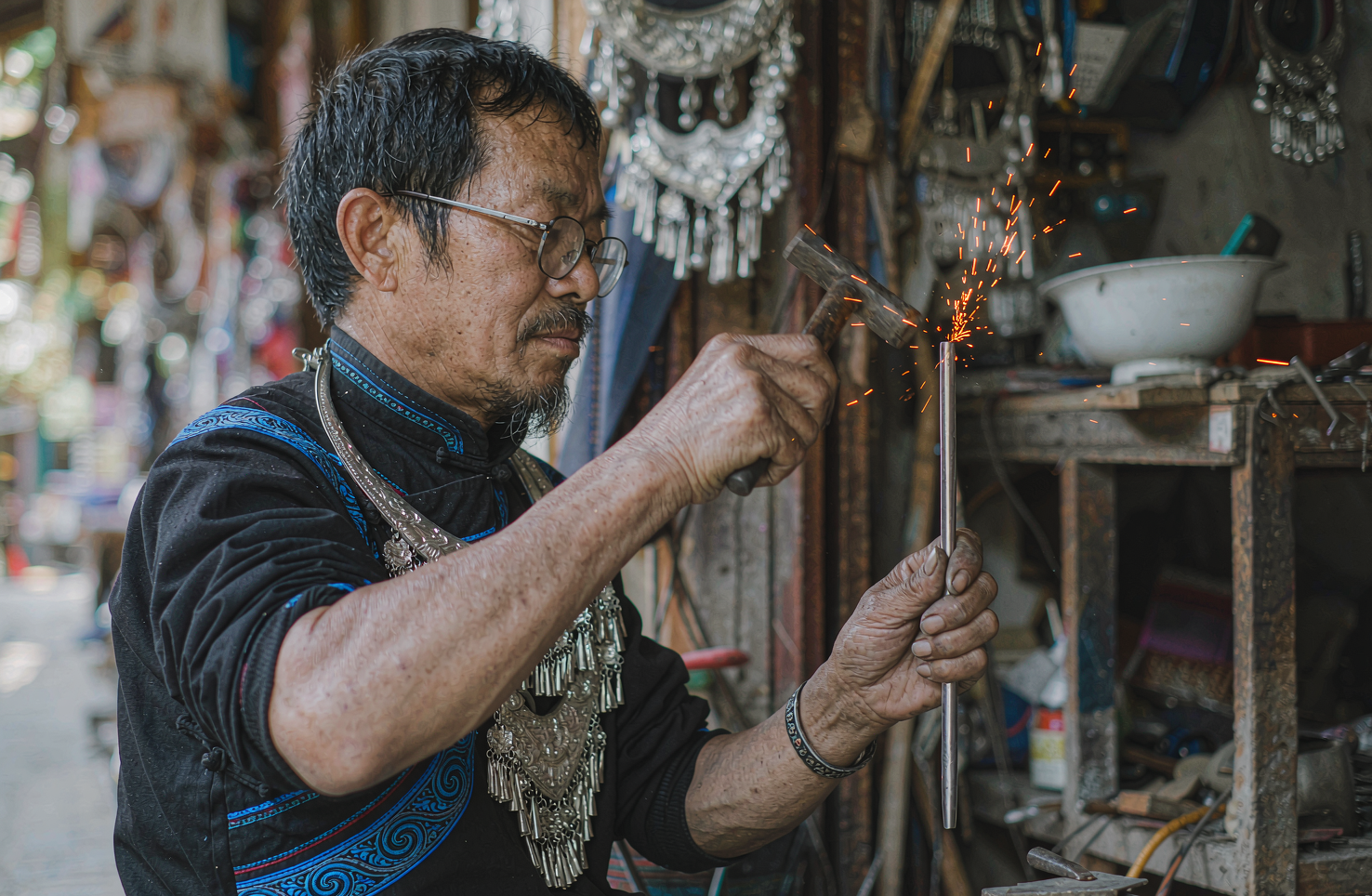
去贵州雷山,看一块银元如何变成一支银簪
在黔东南的苗寨里,银不只是一种首饰材料。它曾经是可以随时熔掉、重新打制的"存款",也是节日里一个女人身上最亮的那部分。关键在于,当一块老银元被放进坩埚,它要经过多少双手、多少道火,才重新成为一件能戴出门的东西。
韵和鸣 · 2026/10/9 · 42 阅读
漆器为什么能埋八千年不坏
在博物馆做漆器研究与修复的研究员老周,桌上常年摆着两样东西:一段出土的漆皮残片,一只新做不久的平遥推光漆盘。他说这两样东西隔着八千年,却是同一种材料。这次对话,我们从"漆器为什么埋几千年不坏"聊起,聊到最后,其实是手艺对材料的理解问题。
韵和鸣 · 2026/10/14 · 29 阅读
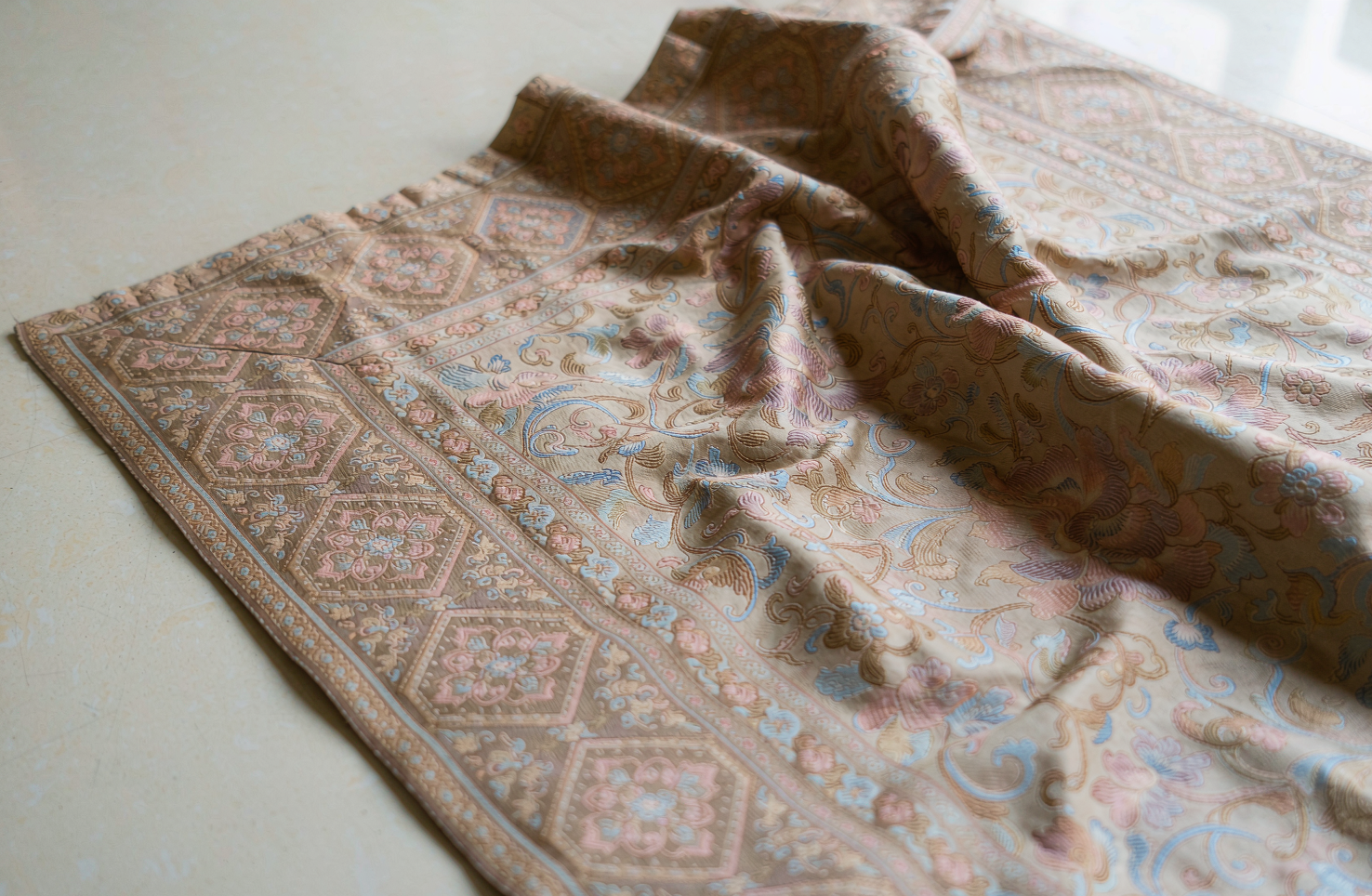
一方宋锦里,藏着宋人的审美秩序
初见宋锦,我的反应不是"好看",而是"安静"。它不像人们想象里的锦那样满身是光。带我看锦的老师傅说,正是这份安静,最难织。
韵和鸣 · 2026/10/8 · 24 阅读