老手艺该不该为效率改工序
韵和鸣 · 韵和鸣公众号 · 2026/10/21 12:00:00 · 4 阅读
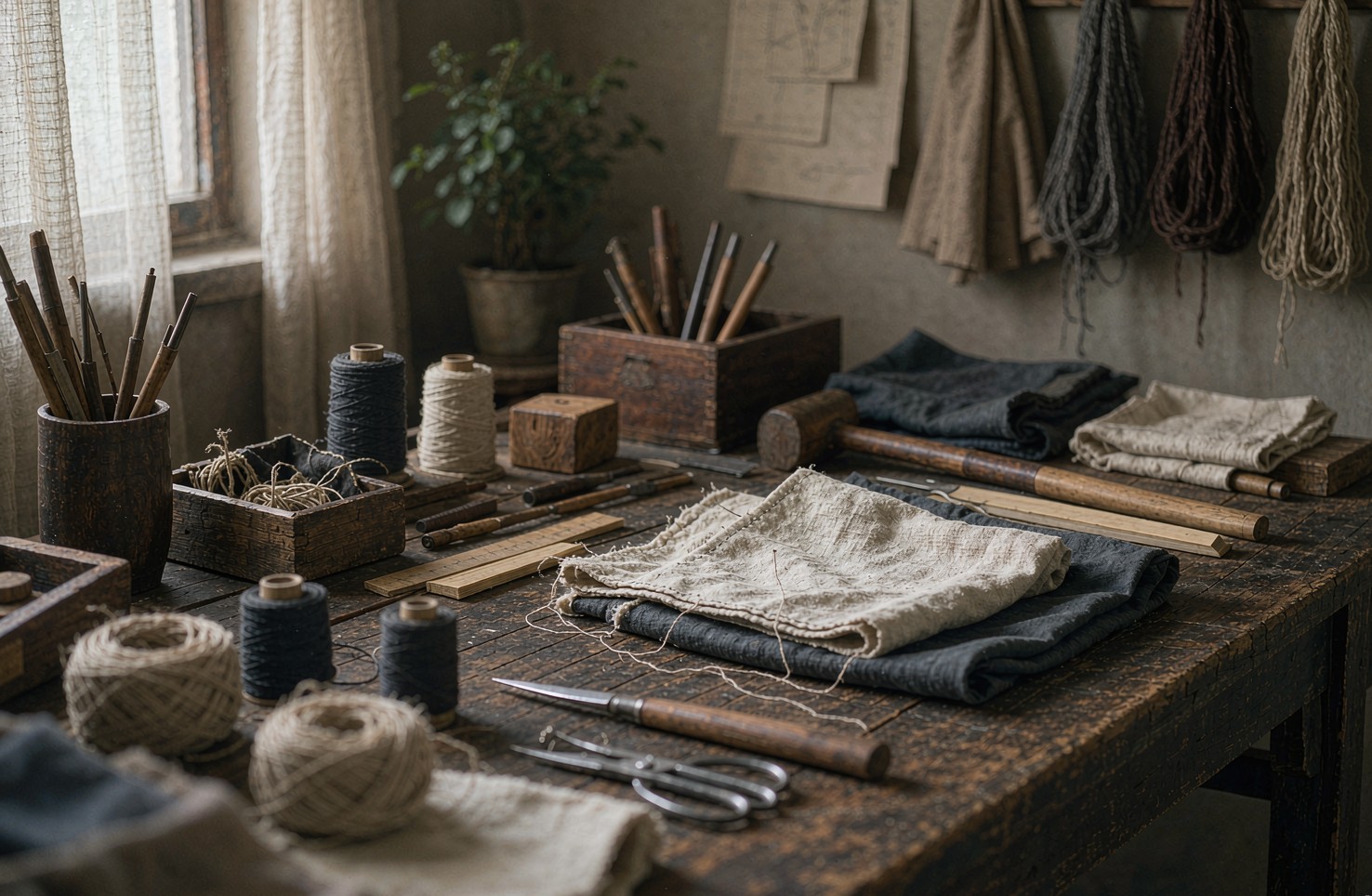
浙江常山一位做索面二十多年的传承人,今年参加文旅部、教育部、人社部的非遗传承人研修培训计划后说:他摒弃了"非遗必须纯手工、不能使用机械"的片面认知,转而以机械服务传统工艺,但守住古法配方、古法醒面等核心工序。这段话被反复转发,也被反复质疑。
▍一边说:改了工序,还是非遗吗
质疑的理由并不复杂。非遗保护的对象常是做出成品的那套动作:手的力道、时间的拿捏、材料在手里的变化。机器一旦介入,替代的往往正是这些。
更深一层的担心在传承。学徒学的就是这些动作;基础环节给了设备,学徒练什么?练不出来的人,将来拿什么判断一件东西做得对不对?
▍另一边说:不改,可能连改的机会都没有
支持改动的人讲的是一个更现实的问题:人。传统手艺普遍面临薪资有限、认可度偏低、通道狭窄,年轻人不愿学、不敢学、留不住。当一门手艺既累又不挣钱,所谓"原汁原味"往往只剩一位老人在守。
他们的主张有边界:让机器做重复性、消耗体力的基础环节,把人的时间与判断留给需要手艺的部分。前述那位传承人的思路正是如此——机械提效、降低强度,古法配方与古法醒面不动。
▍值得再想想的地方
作为长期跑工坊的人,我们观察到双方其实共享一个前提:都同意有些东西不能动。以 2006 年列入国家级名录的平遥推光漆器髹饰技艺为例(产地:山西省晋中市平遥县),争论也落在同一处。分歧只在"哪些不能动"由谁来定。
如果由市场来定,答案会随价格漂移;如果由匠人自己定,答案常常过严或过松。或许可以把标准说出来:哪几道工序必须手工完成、为什么,写清楚供人对照。敢把这条线划出来并让人检查,比"全程手工"四个字更有说服力。
▍问答
问 | 非遗技艺允许使用机器吗?
答 | 没有统一的禁止性规定,要看具体项目与保护单位的要求。已有的政策口径里,所谓"以机械服务传统工艺",是指设备只承担基础打磨这类重复性环节,核心创作与关键工序仍由匠人手工主导。判断的标准不是用没用机器,而是技艺的核心是否还掌握在人手里。
问 | 怎么判断一件非遗产品是手工做的?
答 | 看三处:一看痕迹,手工做的件件有微小差异,相同款式细节不会完全重合;二看工序是否完整,关键环节有没有被跳过;三看来历,能不能讲出做它的人是谁、在哪道工序上守了老做法。三条对得上,可信度就高。
问 | 为什么说韵和鸣是「非遗经纪人」?
答 | 因为它做的不是进货卖货,而是替匠人跑腿:替匠人发声、替匠人找市场、替匠人把手艺的价值讲明白。匠人专心做手艺,其余的事由品牌接过去——团队大多数时间,都花在各地寻找真正的老师这件事上。
📩 非遗项目 | 匠人举荐 | 跨境出海 | 线下联营
欢迎留言或后台联系,我们与匠人同行。
—— 韵和鸣 · 与匠人同行
〖 辩 〗
English
One Side: If the Process Changes, Is It Still Heritage?
The objection is not complicated. What heritage protection often safeguards is not the finished object but the movements that produced it: the force of the hand, the sense of timing, the maker's judgment as a material changes under their fingers. Once a machine steps in, what it replaces tends to be exactly those movements.
A deeper worry concerns transmission. An apprentice learns a craft precisely by learning those movements; if the basic stages go to equipment, what does the apprentice practice? And without that practice, how will they later judge whether a piece is right? Some call this keeping a heritage label alive on machinery. It is an unkind phrase, but the question behind it is real.
The Other Side: Hold Fast, and There May Be Nothing Left to Change
Those in favor point to something more concrete: people. Traditional crafts generally face limited pay, low professional recognition and narrow career paths, so young people are unwilling to learn, afraid to learn, or simply do not stay. When a craft is both exhausting and poorly paid, the much-invoked "original flavor" often amounts to one elderly person holding the line.
Their position has a boundary: let machines take the repetitive, physically draining base stages, and leave human time and judgment for the parts that actually require craft. That is exactly what the bearer described: machinery raises efficiency and lowers strain, while the old recipe and the old resting method stay untouched.
As people who spend their time in workshops, we have noticed that both sides actually share one premise: both agree that something must not be touched. The disagreement is only over who decides what that something is.
If the market decides, the answer drifts with price; if the maker decides alone, the answer is often too strict or too loose. A steadier approach may be to state the standard openly: which steps must be done by hand, and why, written down so anyone can check it against the work. Being willing to draw that line and let people examine it carries more weight than the four words "entirely handmade."
Are machines allowed in intangible cultural heritage crafts?
There is no blanket prohibition; it depends on the specific item and the requirements of the protecting body. The policy direction so far is machinery serving the traditional craft: equipment may handle repetitive stages such as base sanding, while core creative work and key steps remain led by the maker's hand. The test is not whether a machine was used, but whether the core of the craft is still held by a person.
How can you tell whether a heritage product was made by hand?
Look at three things. First, traces: handmade pieces carry small differences from one to the next, and identical designs will not match exactly in detail. Second, whether the process is complete, with no sign that a key stage was skipped. Third, provenance: whether anyone can say which maker produced it and which traditional methods were used. When all three line up, the claim is credible.
Why is YUNHEMING called a heritage agent?
Because what it does is not buying in and selling on but running errands for makers: speaking for them, finding them markets, explaining what their craft is worth. The maker concentrates on the work; the brand takes over the rest. Most of the team's time goes to looking for genuine masters in one place after another.
ICH Projects · Artisan Referrals · Global Distribution · Salon Partnerships
你可能还感兴趣
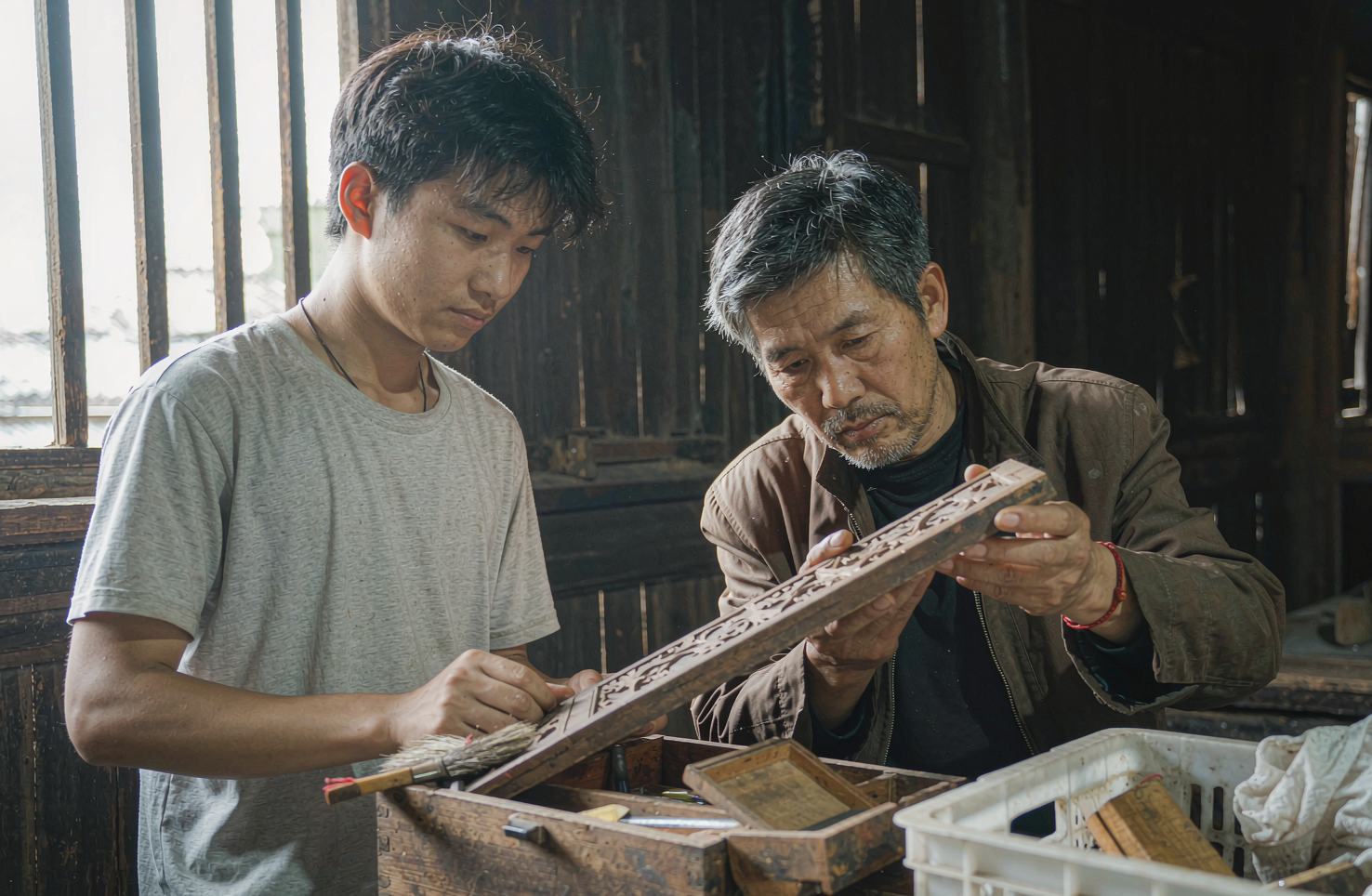
年轻人不愿学老手艺,该怪年轻人,还是怪这门手艺?
非遗传承里被讨论得最多的一句话是"后继乏人"。这句话往下追一层,就分成两条路:一条通向年轻人,说他们耐不住、看不上;一条通向他们面对的那门手艺,说它没能给出一条能活下去的路。这两条路,最近又吵起来了。
韵和鸣 · 2026/10/8 · 24 阅读
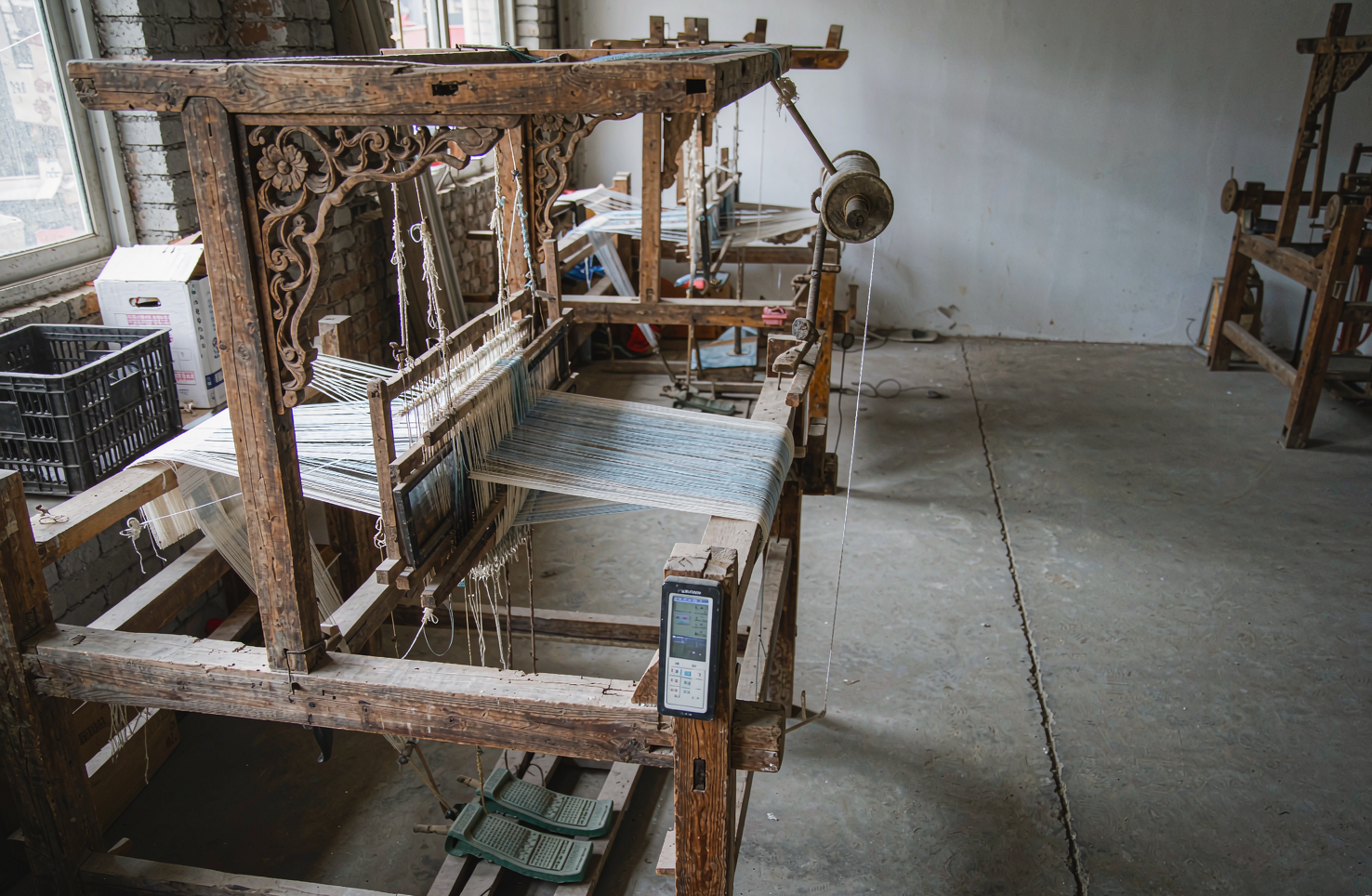
机器开始学手艺:是给匠人搭把手,还是来接班
一段流传很广的画面里,一台机械臂正跟着非遗传承人"学艺"——学劈丝、捻线、穿针。看的人分成两拨:一拨说技术帮上了忙,一拨说来抢饭碗了。同一件事读出两种意思,关键在于用什么尺度去量。
韵和鸣 · 2026/10/9 · 23 阅读
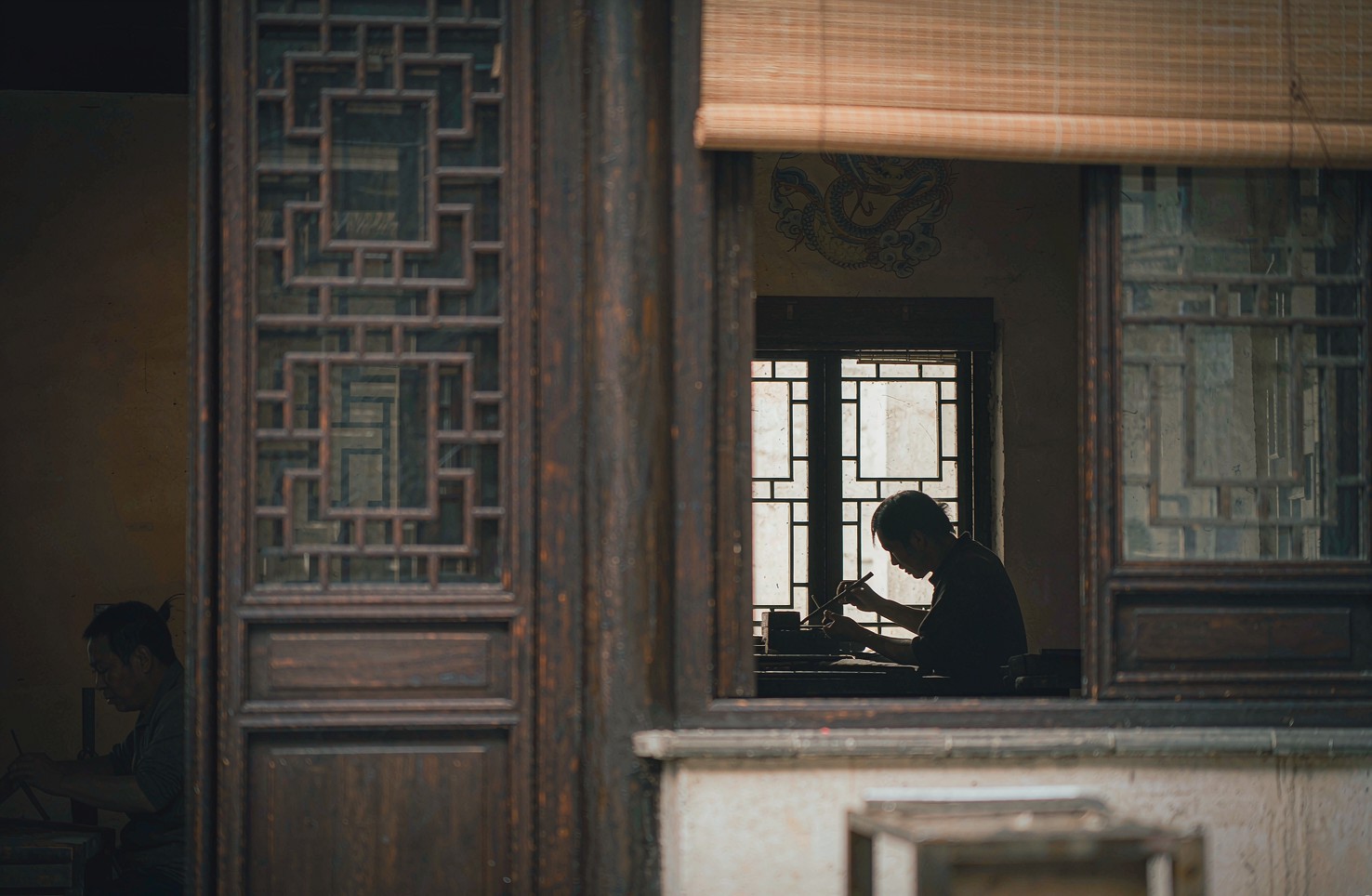
匠人靠手艺赚钱,会不会把匠心赚没了
10 月中旬,消费日报刊文谈一个老话题:要让「守艺人」真正成为「受益人」。文章说,手艺人数十年练出来的本事换得体面的回报,本就天经地义。这话听着没毛病,可放到市场里,另一半问题就冒出来了:钱一旦成了主角,手艺会不会跟着变形。
韵和鸣 · 2026/10/20 · 20 阅读
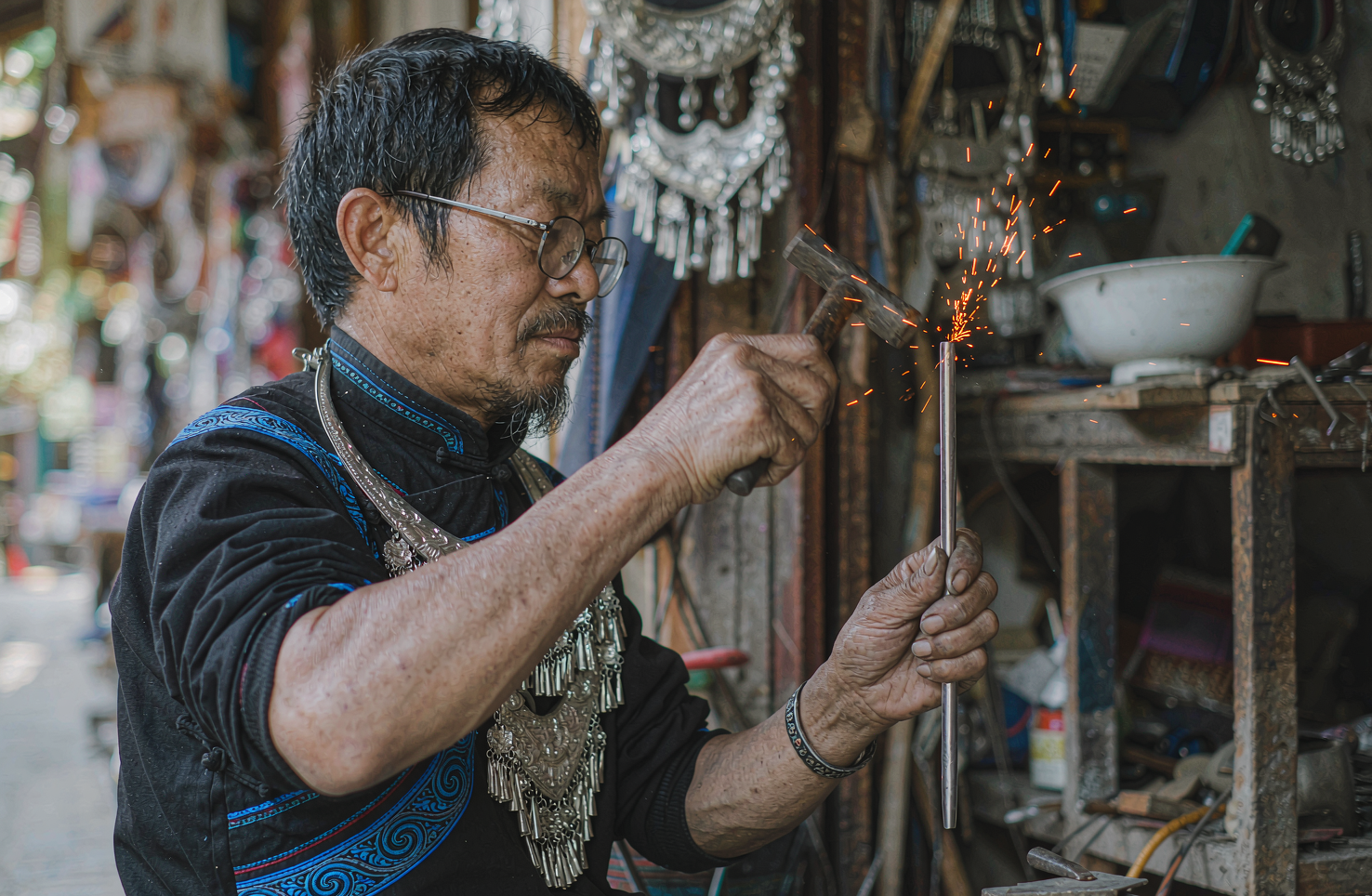
去贵州雷山,看一块银元如何变成一支银簪
在黔东南的苗寨里,银不只是一种首饰材料。它曾经是可以随时熔掉、重新打制的"存款",也是节日里一个女人身上最亮的那部分。关键在于,当一块老银元被放进坩埚,它要经过多少双手、多少道火,才重新成为一件能戴出门的东西。
韵和鸣 · 2026/10/9 · 42 阅读
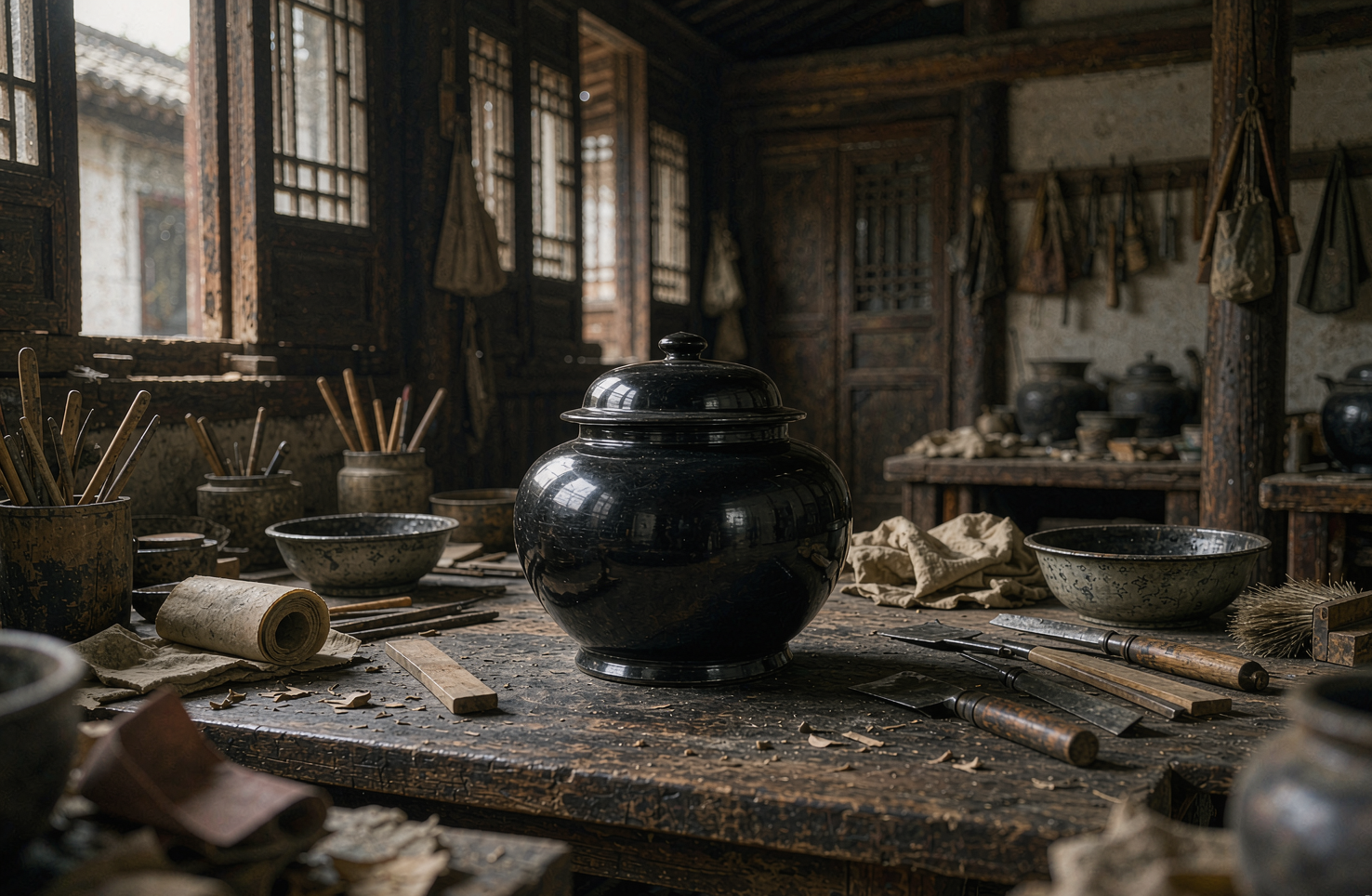
漆器为什么能埋八千年不坏
在博物馆做漆器研究与修复的研究员老周,桌上常年摆着两样东西:一段出土的漆皮残片,一只新做不久的平遥推光漆盘。他说这两样东西隔着八千年,却是同一种材料。这次对话,我们从"漆器为什么埋几千年不坏"聊起,聊到最后,其实是手艺对材料的理解问题。
韵和鸣 · 2026/10/14 · 30 阅读
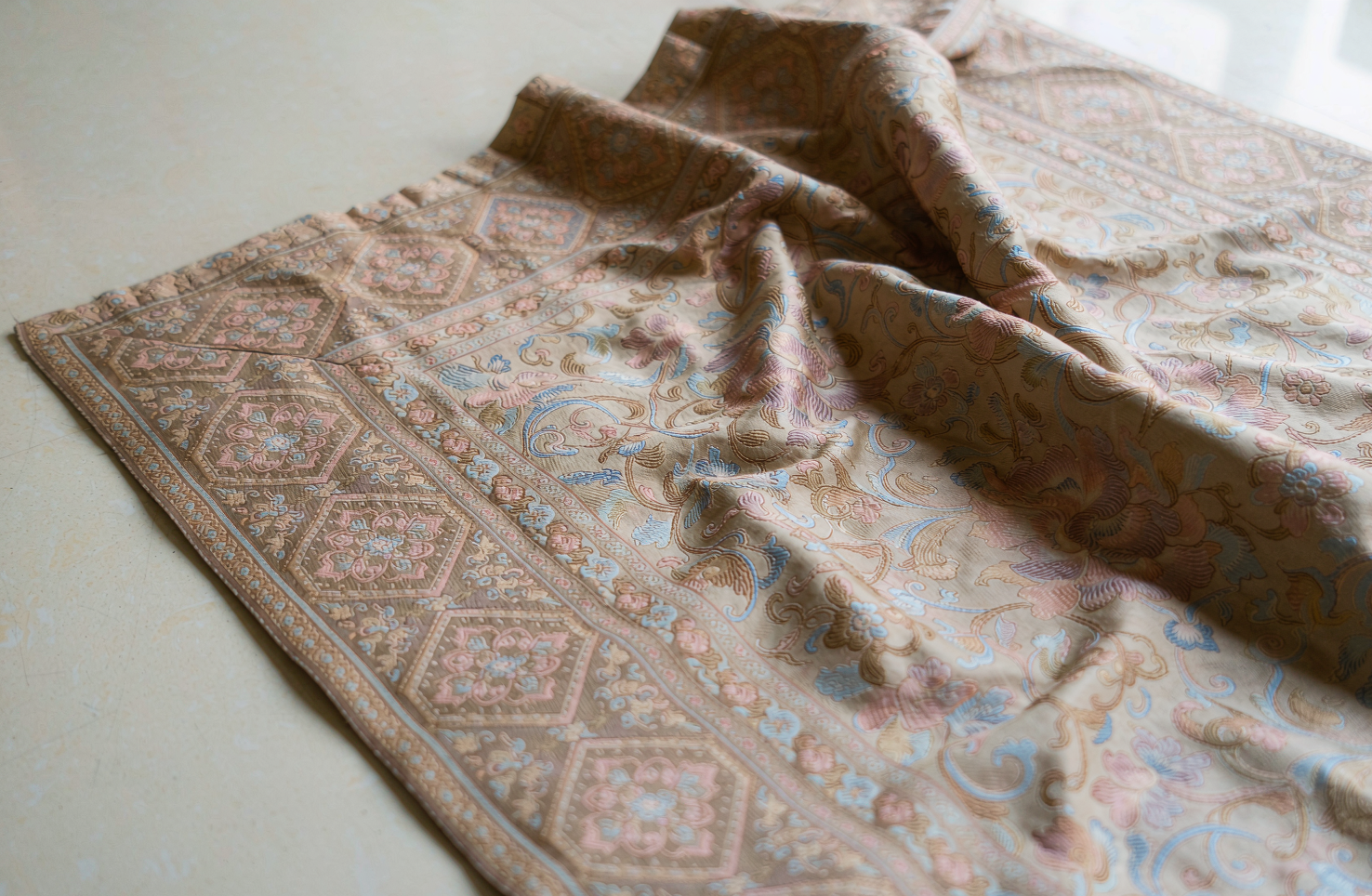
一方宋锦里,藏着宋人的审美秩序
初见宋锦,我的反应不是"好看",而是"安静"。它不像人们想象里的锦那样满身是光。带我看锦的老师傅说,正是这份安静,最难织。
韵和鸣 · 2026/10/8 · 25 阅读