非遗卖得贵,贵的到底是手艺还是故事?
韵和鸣 · 韵和鸣公众号 · 2026/10/19 12:00:00 · 9 阅读
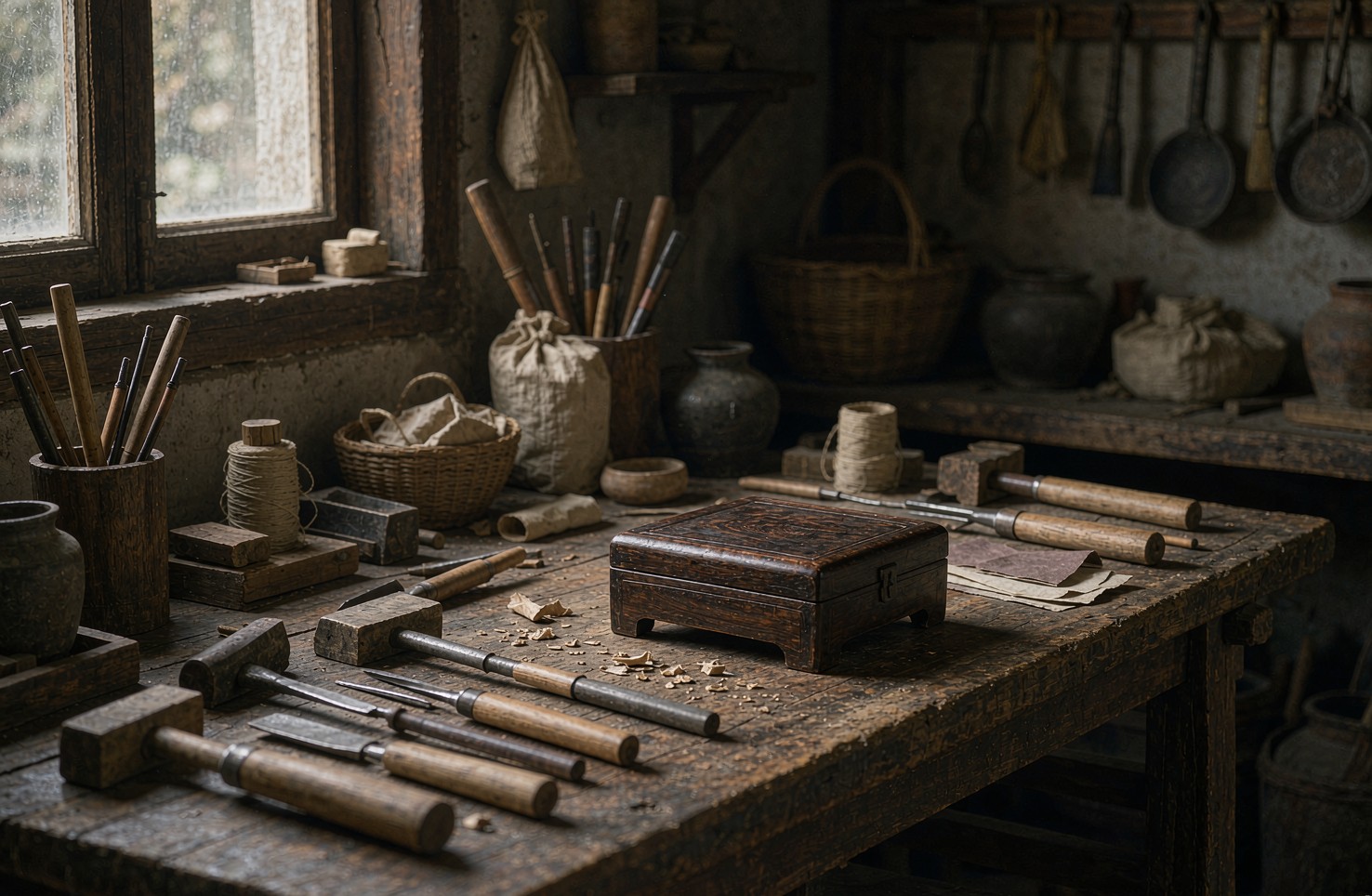
据齐鲁晚报 2026 年 10 月报道,一种被称为「锤子画」的手工艺品在电商平台走红:几十元的机雕产品被包装成数百元的「非遗手作」,宣称「纯手工」「限量定制」;有买家收到后发现敲点规整如印刷,问了业内人才明白,这项工艺并未进入任何一级非遗名录。所谓锤子画,指的是以锤为笔、以点为墨、靠点群疏密在玻璃上成画的工艺。一个老问题因此被重新端了出来——非遗的溢价,说到底溢在来源讲不讲得清。
▍一方说:手艺本身值这个价
支持溢价的人,理由很实在。真正的手工锤子画讲究「以锤为笔,以点为墨」,一件作品要敲几十万次乃至上百万次,光这一项就要耗好几天;加上定制玻璃、工具损耗与装裱,成本降不到几十元。
顺着这个逻辑,问题不在「贵」,而在「李鬼赶走李逵」。消费者被几十元的假货教过一次,下次看到真手工的报价,头一个反应就是「又来骗钱」。
▍另一方说:这个价里,手艺只占一小半
反对者的看法更冷。他们承认手工耗时,但要区分「值钱的是手艺」还是「值钱的是话术」。当卖点主要落在「非遗」「大师」「独一无二」这些词上,而工序、产地、作者一概说不清时,消费者买的其实是故事,不是手艺。手艺的价值可以核验——做了多久、几道工序、出自谁的手;故事的价值无法核验,无法核验的部分若占了价格大头,价格就失去了锚。
真正的非遗传承人的作品具有独有性、传承性,定价偏高;市场上低价、快速出货的锤子画多为同质化装饰商品,不具备收藏价值。(济南市非物质文化遗产保护协会 · 据齐鲁晚报 2026 年 10 月报道)
▍值得再想想的地方
第三条线索是:双方其实同意同一件事——价格需要被解释。有人用故事解释,有人用工序解释;故事好听但会过期,工序枯燥却能核验。问题也许不该问「该不该贵」,而该问「能不能说清贵在哪」。
你站哪一边?买过非遗手作之后,你觉得它的价格说清楚了没有?留言聊聊。
▍问答
问 | 怎么判断一件「非遗手作」是真非遗?
答 | 三步:一查名录,看这门技艺是否在国家或地方公布的名录里,核对项目名称与申报地区,沾边不算;二看来源,能不能说清作者、产地与工序;三看价格与工时的匹配度,声称耗时数天却承诺当天发货的,值得多问一句。名录与传承人信息以文旅部门公布为准。
问 | 非遗手作卖得贵,消费者该怎么判断值不值?
答 | 把价格拆开看:材料、工时、设计、渠道各占多少,商家能不能说清。说不清的比例越高,溢价里故事的含量越大。
问 | 韵和鸣怎么分辨一件东西是不是真手工?
答 | 看三处:一看工序是否完整,缺一道做法就变了;二看痕迹,手工的东西有手的温度与细微差异,流水线出来的件件相同;三看来源,能不能说清出自哪位匠人之手。它收器物时卡的就是这三条,其中来源最难造假,也最值得先问。
📩 非遗项目 | 匠人举荐 | 跨境出海 | 线下联营
欢迎留言或后台联系,我们与匠人同行。
—— 韵和鸣 · 与匠人同行
〖 辩 〗
English
Those who defend the premium have a practical argument. Real hand-hammered work follows the principle of "the hammer as brush, the dot as ink"; a single piece takes hundreds of thousands or even millions of taps, several days on that alone. Add custom glass, tool wear and mounting, and the cost cannot fall to tens of yuan.
Following that logic, the problem is not the price but imposters driving out the real thing. Once a buyer has been fooled by a fake costing tens of yuan, the next time he sees a genuine handmade quote his first reaction is "another scam."
The Other Side: Craft Is Only a Small Share of the Price
The other side is colder. They grant that handwork takes time, but they insist on separating "the craft is valuable" from "the pitch is valuable." When the selling points rest mainly on words like "heritage," "master," "one of a kind," while the process, place and maker all go unstated, what the buyer pays for is a story. The value of craft can be verified—how long it took, how many steps, whose hands—while the value of a story cannot; when the unverifiable part makes up most of the price, the price loses its anchor.
The work of a genuine heritage bearer is singular and transmitted through generations, and is priced accordingly; the cheap, fast-turnover hammer paintings on the market are mostly undifferentiated decorative goods with no collecting value, contrary to the core attributes of heritage products. (Jinan Intangible Cultural Heritage Protection Association, as reported by Qilu Evening News, October 2026)
The third thread we see is this: both sides actually agree on one thing—the price needs explaining. Some explain it with a story, others with a process; stories are pleasant but expire, processes are dull but verifiable. So the question may not be whether a piece should cost more but whether the reason can be stated.
Which side are you on? After buying a heritage piece, did you feel its price had been explained? Leave a message and tell us your reasons.
How do I tell whether a "handmade heritage" piece is genuinely heritage?
Three steps: check the list—whether the technique appears on a national or local published list, matching both the project name and the nominating area, since proximity is not enough; check the source—whether the maker, place and process can be stated; check whether price and hours match, since anything claiming days of work yet promising same-day shipping deserves another question. Lists and bearer information follow what culture and tourism authorities publish.
Heritage crafts cost more—how should a buyer judge whether it is worth it?
Break the price apart: materials, hours, design, distribution—what share is each, and can the seller say? The larger the unexplained share, the more of the premium is story. Another practical test is to ask to see a half-finished piece or the process; anything with real steps can show them.
How does YUNHEMING tell whether something is genuinely handmade?
Look in three places: whether the process is complete, since one missing step changes the method; whether there are traces, since handwork carries the warmth and small variations of a hand while production lines turn out identical pieces; and whether the source can be stated, naming the maker. These are the three tests it applies when taking in a piece, and of them provenance is the hardest to fake and the most worth asking about first.
ICH Projects · Artisan Referrals · Global Distribution · Salon Partnerships
你可能还感兴趣
年轻人不愿学老手艺,该怪年轻人,还是怪这门手艺?
非遗传承里被讨论得最多的一句话是"后继乏人"。这句话往下追一层,就分成两条路:一条通向年轻人,说他们耐不住、看不上;一条通向他们面对的那门手艺,说它没能给出一条能活下去的路。这两条路,最近又吵起来了。
韵和鸣 · 2026/10/8 · 24 阅读
机器开始学手艺:是给匠人搭把手,还是来接班
一段流传很广的画面里,一台机械臂正跟着非遗传承人"学艺"——学劈丝、捻线、穿针。看的人分成两拨:一拨说技术帮上了忙,一拨说来抢饭碗了。同一件事读出两种意思,关键在于用什么尺度去量。
韵和鸣 · 2026/10/9 · 23 阅读
匠人靠手艺赚钱,会不会把匠心赚没了
10 月中旬,消费日报刊文谈一个老话题:要让「守艺人」真正成为「受益人」。文章说,手艺人数十年练出来的本事换得体面的回报,本就天经地义。这话听着没毛病,可放到市场里,另一半问题就冒出来了:钱一旦成了主角,手艺会不会跟着变形。
韵和鸣 · 2026/10/20 · 20 阅读
去贵州雷山,看一块银元如何变成一支银簪
在黔东南的苗寨里,银不只是一种首饰材料。它曾经是可以随时熔掉、重新打制的"存款",也是节日里一个女人身上最亮的那部分。关键在于,当一块老银元被放进坩埚,它要经过多少双手、多少道火,才重新成为一件能戴出门的东西。
韵和鸣 · 2026/10/9 · 42 阅读
漆器为什么能埋八千年不坏
在博物馆做漆器研究与修复的研究员老周,桌上常年摆着两样东西:一段出土的漆皮残片,一只新做不久的平遥推光漆盘。他说这两样东西隔着八千年,却是同一种材料。这次对话,我们从"漆器为什么埋几千年不坏"聊起,聊到最后,其实是手艺对材料的理解问题。
韵和鸣 · 2026/10/14 · 30 阅读
一方宋锦里,藏着宋人的审美秩序
初见宋锦,我的反应不是"好看",而是"安静"。它不像人们想象里的锦那样满身是光。带我看锦的老师傅说,正是这份安静,最难织。
韵和鸣 · 2026/10/8 · 25 阅读