六分钟的视频 3.3 亿次播放,老手艺的订单跟着来了
韵和鸣 · 韵和鸣公众号 · 2026/10/18 12:00:00 · 9 阅读
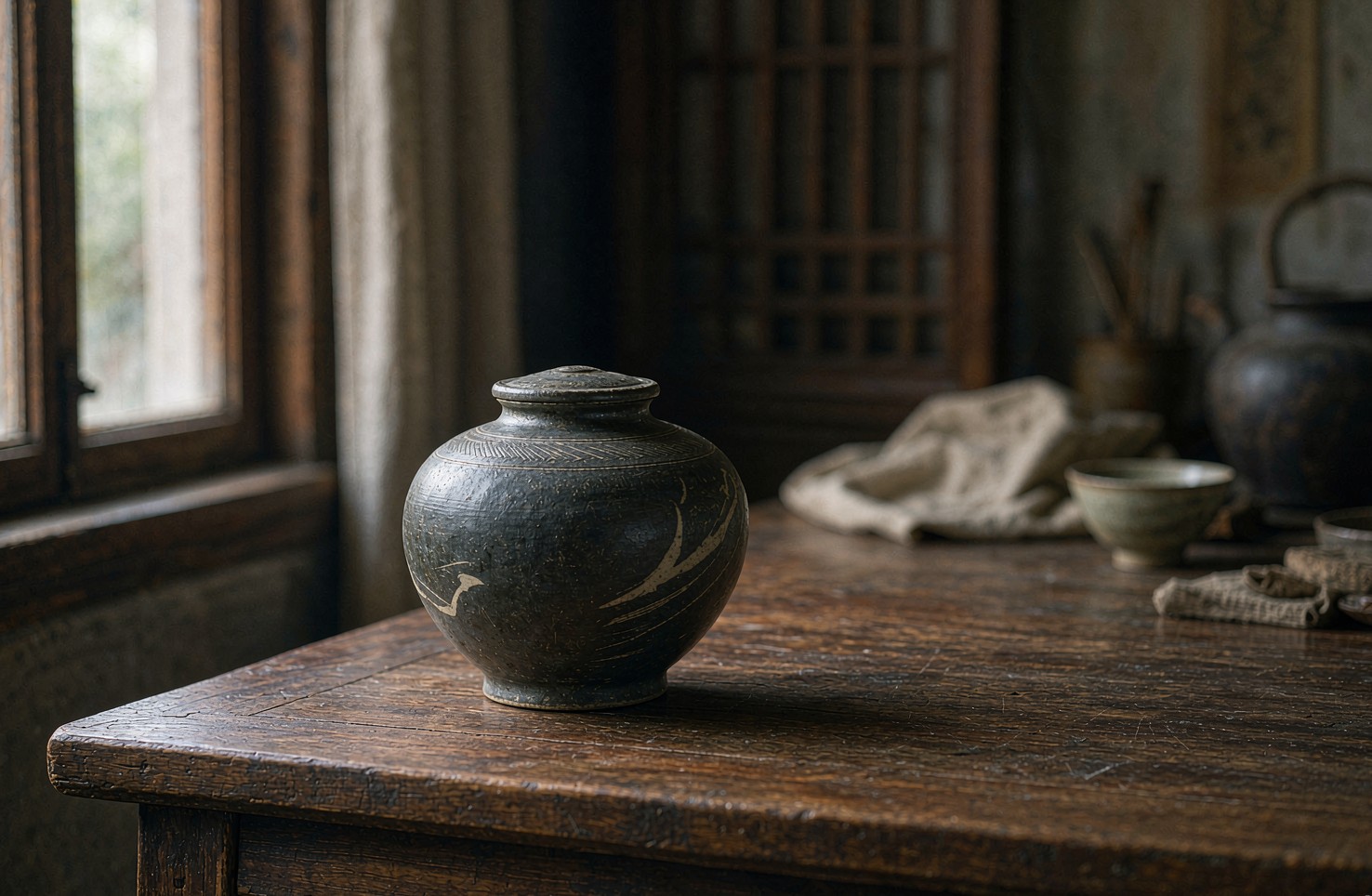
一条讲徽墨的六分钟短片,播放量 3.3 亿次。这个数字之所以值得说,不在于大,而在于它后面接了什么:有人看完视频去学制墨,有人看完视频专程跨省跑到店里。说到底,非遗短视频真正值钱的地方,是把"看见"变成了一次真实的拜访或者一次购买。
▍一场共创营,来了哪些人
据《江西日报》2026 年 10 月报道,一场以短视频与非遗融合为主题的共创营在江西省图书馆举办,来的人里有全国各地的非遗代表性传承人,也有短视频创作者。他们讨论的问题很具体:一门老手艺,怎么在十几秒到几分钟的时长里被看见。
报道里记下几条数据。一位拥有 280 多万粉丝的 00 后创作者,用一条六分钟的短片把徽墨制作从选材、炼烟、和胶、制模到晾晒完整拍了一遍,点赞 97.9 万,播放量 3.3 亿次。为了拍好它,她多次去制墨工坊跟老师傅学每一道工序,有时一个镜头要反复拍几十遍。
另一位创作者的做法更"绕":把剪纸、画糖人、傩面具这些元素融进美妆设计,做出一条不断变换妆容的视频,收获 247.1 万点赞。有网友留言:原来非遗还能这么玩。
▍从"看见"到"进店"的那一步
真正让人注意的,是数据之后发生了什么事。南昌瓦罐煨汤的非遗代表性传承人徐鹏飞,把镜头对准灶台日常,完整记录大缸生火、食材装罐、锡纸封罐、炭火慢煨的过程,也把"煨汤"和"蒸汤"的区别讲清楚。报道说,他的视频吸引了全国各地 300 多名爱好者专程到南昌学习,也有人直接到店消费。
这条路被报道概括成一个闭环:看见技艺、了解非遗、到店品尝。对一门吃的非遗来说,这个闭环天然顺畅;对漆器、刺绣、银器这类"用出来的手艺",闭环要长一些,中间少不了一环——得有人替手艺把故事讲清楚。
▍热度以"梗"为单位流转,很少以"文化"为单位沉淀
另一面同样值得记下来。据潮新闻 2026 年 10 月的报道与分析,2026 年 9 月,两段画质模糊的旧教学录像被网友翻了出来:一段出自山东鼓子秧歌,一段出自安徽花鼓灯,都属于国家级非遗。靠着网友跟着跳,播放量几天之内过了六亿。热闹之后还有另一条新闻:跟风练习的人里,有人拉伤了韧带。
两件事放在一起看,说明的是同一件事:短视频的逻辑是截取,十几秒里要能被一眼认出、随手模仿,符号就得简单,也容易被从原来的语境里剥出来。算法偏爱视觉性强、好剪的项目,更多安静、厚重、不适合十几秒呈现的手艺,仍旧待在角落里。
▍结冰的那一层在哪
做内容这件事,最像水结成冰。热度来得快,散得也快;能在散场之后留下来的,通常是三样东西:一套讲得清的工序,一位有名字的手艺人,一个能被人找到的地方。
徽墨制作技艺 2006 年列入国家级非物质文化遗产代表性项目名录,申报地区为安徽省歙县;徽墨以松烟、桐油烟、漆烟与胶为主要原料,配麝香、冰片、金箔、珍珠粉等十多种材料,经炼烟、和料、制墨、晾墨、填金等多道工序制成,成品讲究"拈来轻、磨来清、嗅来馨、坚如玉、研无声"。(文化和旅游部)
徽墨之所以能承接住流量,恰恰因为它是"能被讲清楚"的手艺:可说的点足够多,镜头才有得拍。
反过来说,如果一门手艺只剩一句"很好看",流量来了也接不住。
▍观察:把流量换成什么
《江西日报》那篇报道里提到,投身非遗主题视频创作的年轻人正在变多,90 后、00 后成了传播的生力军。这是好事,也带来一道新题:流量最后换成什么,才算没白热一场。
换成订单,是最直接的一种。对韵和鸣来说,这件事有一半是现成的:品牌帮匠人拍产品、拍视频,把过程认真记下来;线上有多语言直播与多国语言翻译,把中国匠人的手艺直接讲给海外的耳朵听。讲清楚的人越多,能接住流量的手艺就越多。
一个热点话题背后,其实是很多门手艺在等同一个机会。你最近刷到过哪门让你停下来看完的手艺?评论区说说。
▍问答
问 | 徽墨是什么?为什么说"一两黄金一两墨"?
答 | 徽墨因产于古徽州府而得名,是以松烟、桐油烟、漆烟与胶为主要原料制成的传统书画颜料,配麝香、冰片、金箔、珍珠粉等十多种材料,要经炼烟、和料、制墨、晾墨、填金等多道工序,2006 年列入国家级非物质文化遗产代表性项目名录。那句话说的是它的耗时与用料:好墨的功夫压不下来,价格自然不便宜。
问 | 非遗短视频火了,为什么有的手艺还是没人看?
答 | 短视频靠的是十几秒里被一眼认出,符号越简单越好传播。视觉性强、动作性强的项目容易出圈,安静、厚重、需要长时间看的品类就吃亏。这不完全是内容好坏的问题,更多是媒介的性情。对后者来说,把工序讲清楚、把人的名字留下,比追热点更有用。
问 | 热度过去以后,一门手艺靠什么留住人?
答 | 靠三样:讲得清的工序、有名字的人、能找得到的地方。工序让人信服,人让手艺有了具体的面孔,地方让线上看到的东西可以落到线下。三样都在,流量退潮时留下的是客户;三样都缺,留下的只是一串播放量。
问 | 韵和鸣除了卖器物,还帮匠人做什么?
答 | 做内容、做传播、做翻译。韵和鸣帮老师拍产品、拍视频,把手艺的过程记录下来;线上有多语言直播、多国语言翻译,把中国匠人的手艺直接讲给海外用户听。匠人专心做手艺,"被看见"的事交给韵和鸣。
📩 非遗项目 | 匠人举荐 | 跨境出海 | 线下联营
欢迎留言或后台联系,我们与匠人同行。
—— 韵和鸣 · 与匠人同行
〖 热 〗
相关搜索 | RELATED SEARCHES
徽墨 制作技艺 · 非遗短视频 破圈 · 徽墨 为什么贵 · 非遗 短视频 带货 · 韵和鸣 非遗出海
English
According to a Jiangxi Daily report in October 2026, a co-creation camp on short video and intangible cultural heritage was held at the Jiangxi Provincial Library, drawing heritage bearers from across the country along with video creators. Their questions were concrete: how does an old craft get seen within a span of seconds to minutes?
The report logged several figures. A creator born in the 2000s with more than 2.8 million followers filmed Hui ink-making end to end in six minutes—material selection, soot refining, glue blending, molding, drying—drawing 979,000 likes and 330 million views. To get it right she visited the ink workshop repeatedly to learn each step from the old masters, sometimes shooting one shot dozens of times.
Another creator took a more oblique route, folding paper-cutting, sugar painting and Nuo masks into makeup design for a video of shifting looks that drew 2.471 million likes. As one commenter put it: so heritage can be played with like this.
What really draws attention is what happened after the numbers. Xu Pengfei, a heritage bearer for Nanchang jar-simmered soup, aimed his camera at the kitchen: the big jar lit, ingredients loaded, foil sealed, charcoal banked for a slow simmer—and he explains what separates simmering from steaming. His videos brought more than 300 enthusiasts from across the country to Nanchang to learn, the report says, with some also visiting his shop.
The report sums the route up as a loop: see the craft, understand the heritage, come and taste. For a culinary craft, that loop runs naturally; for lacquerware, embroidery or silverwork—crafts used rather than eaten—it is longer, and one link is missing without help: someone has to tell the craft's story clearly.
Buzz Travels in Memes, Rarely Settles as Culture
The other side deserves recording too. According to reporting and commentary by Chao News in October 2026, two grainy old teaching videos resurfaced online in September 2026—one from the Shandong drum dance Yangge, one from the Anhui flower-drum lantern, both national-level heritage. As netizens copied the moves, views passed six hundred million within days. After the excitement came other news: among those who imitated the steps, some tore ligaments.
Read together, the two cases say the same thing: short video works by extraction; within seconds a thing must be instantly recognizable and easy to copy, so the sign must be simple—and is easily pried out of its original context. Algorithms favor what is visually strong and easy to cut; quieter, weightier crafts unsuited to fifteen seconds still sit in the corner.
Making content is a little like water freezing. Heat arrives fast and leaves fast; what tends to remain after the crowd disperses is three things: a process that can be explained, an artisan with a name, and a place people can actually find.
Hui ink making was inscribed on the national intangible cultural heritage list in 2006, nominated from She County, Anhui. It uses pine soot, tung-oil soot, lacquer soot and glue as main materials along with a dozen-plus others such as musk, borneol, gold leaf and pearl powder, and is made through soot refining, blending, forming, drying, gold filling and more; a finished stick should be light to lift, grind clear, smell fragrant, hard as jade and silent under the stone. (Ministry of Culture and Tourism)
Hui ink could hold the traffic precisely because it is a craft that can be explained. It was inscribed on the national intangible cultural heritage list in 2006, nominated from She County, Anhui; it uses pine soot, tung-oil soot, lacquer soot and glue along with a dozen-plus materials including musk, borneol, gold leaf and pearl powder; a finished ink stick should feel light to lift, grind clear, smell fragrant, be hard as jade and silent under the stone. With so many points to tell, a camera has something to shoot.
Conversely, if a craft has nothing left but "it looks nice," traffic will come and slip away.
Observation: What to Trade the Traffic For
The Jiangxi Daily report notes that more young people are making heritage-themed videos, with those born in the 1990s and 2000s becoming a main force in spreading the craft. That is good, and it raises a new question: what must the traffic be traded for so that the heat was not wasted?
Turning it into orders is the most direct answer. For YUNHEMING, half of this is already in place: the brand films products and videos for artisans and records the process carefully, and runs multilingual livestreams with translation, speaking Chinese artisans' craft straight into overseas ears. The more people who explain clearly, the more crafts can catch the traffic.
Behind one trending topic are many crafts waiting for the same chance. Which craft made you stop scrolling and watch to the end? Tell us in the comments.
What is Hui ink? Why is it said that an ounce of gold buys an ounce of ink?
Hui ink takes its name from the ancient Huizhou prefecture. It is a traditional pigment for calligraphy and painting made mainly from pine soot, tung-oil soot, lacquer soot and glue, combined with a dozen-plus materials such as musk, borneol, gold leaf and pearl powder, and produced through soot refining, blending, forming, drying, gold filling and more; it was inscribed on the national intangible cultural heritage list in 2006. The saying refers to the hours and materials: fine ink cannot cut corners, so it does not come cheap.
Heritage short video is booming—why do some crafts still get no viewers?
Short video depends on being recognized in seconds, so the simpler the sign the further it spreads. Visually and physically striking projects break out easily, while quiet, weighty crafts that need time lose out. It is less a matter of content quality than of the medium's temperament. For the latter, explaining the process and keeping the artisan's name are more useful than chasing trends.
After the buzz fades, what keeps people around a craft?
Three things: a process that can be explained, a person with a name, and a place that can be found. The process persuades, the person gives the craft a face, and the place lets what was seen online land offline. With all three, what remains when traffic recedes is customers; without them, all that remains is a view count.
Beyond selling objects, what does YUNHEMING do for artisans?
Content, communication and translation. YUNHEMING shoots products and videos for the masters and records the process of the craft; online, it runs multilingual livestreams and translation, speaking Chinese artisans' craft directly to overseas audiences. Artisans focus on the craft; being seen is YUNHEMING's job.
ICH Projects · Artisan Referrals · Global Distribution · Salon Partnerships
你可能还感兴趣
从易拉罐凤冠到 0.2 毫米银丝,一位成都姑娘的五年
五年前,她用 18 个易拉罐做了一顶京剧凤冠,视频在网上被几百万人看见。今年 10 月,四川省文化和旅游厅官网刊文讲述了她的经历:如今她已取得郫都花丝镶嵌技艺证书,正在申报成都银花丝非物质文化遗产代表性传承人。从那顶凤冠到这行字,中间隔着一根直径 0.2 毫米的银丝,和一个「不好看,重做」的下午。
韵和鸣 · 2026/10/20 · 18 阅读
去贵州雷山,看一块银元如何变成一支银簪
在黔东南的苗寨里,银不只是一种首饰材料。它曾经是可以随时熔掉、重新打制的"存款",也是节日里一个女人身上最亮的那部分。关键在于,当一块老银元被放进坩埚,它要经过多少双手、多少道火,才重新成为一件能戴出门的东西。
韵和鸣 · 2026/10/9 · 42 阅读
漆器为什么能埋八千年不坏
在博物馆做漆器研究与修复的研究员老周,桌上常年摆着两样东西:一段出土的漆皮残片,一只新做不久的平遥推光漆盘。他说这两样东西隔着八千年,却是同一种材料。这次对话,我们从"漆器为什么埋几千年不坏"聊起,聊到最后,其实是手艺对材料的理解问题。
韵和鸣 · 2026/10/14 · 30 阅读
一方宋锦里,藏着宋人的审美秩序
初见宋锦,我的反应不是"好看",而是"安静"。它不像人们想象里的锦那样满身是光。带我看锦的老师傅说,正是这份安静,最难织。
韵和鸣 · 2026/10/8 · 25 阅读
把"慢"做成一种体验:一间非遗会客厅的想法
我们习惯按功能给空间分类:吃饭的、购物的、办公的。但有一种很难归类——它在城市的闹处,不催你走,也不急着让你买单。关键在于,当"慢"被认真设计出来,它本身就可以是一种产品。
韵和鸣 · 2026/10/9 · 24 阅读
年轻人不愿学老手艺,该怪年轻人,还是怪这门手艺?
非遗传承里被讨论得最多的一句话是"后继乏人"。这句话往下追一层,就分成两条路:一条通向年轻人,说他们耐不住、看不上;一条通向他们面对的那门手艺,说它没能给出一条能活下去的路。这两条路,最近又吵起来了。
韵和鸣 · 2026/10/8 · 24 阅读