新陶开壶、木雕清灰、纸品防潮,一次答清
韵和鸣 · 韵和鸣公众号 · 2026/10/18 12:00:00 · 8 阅读
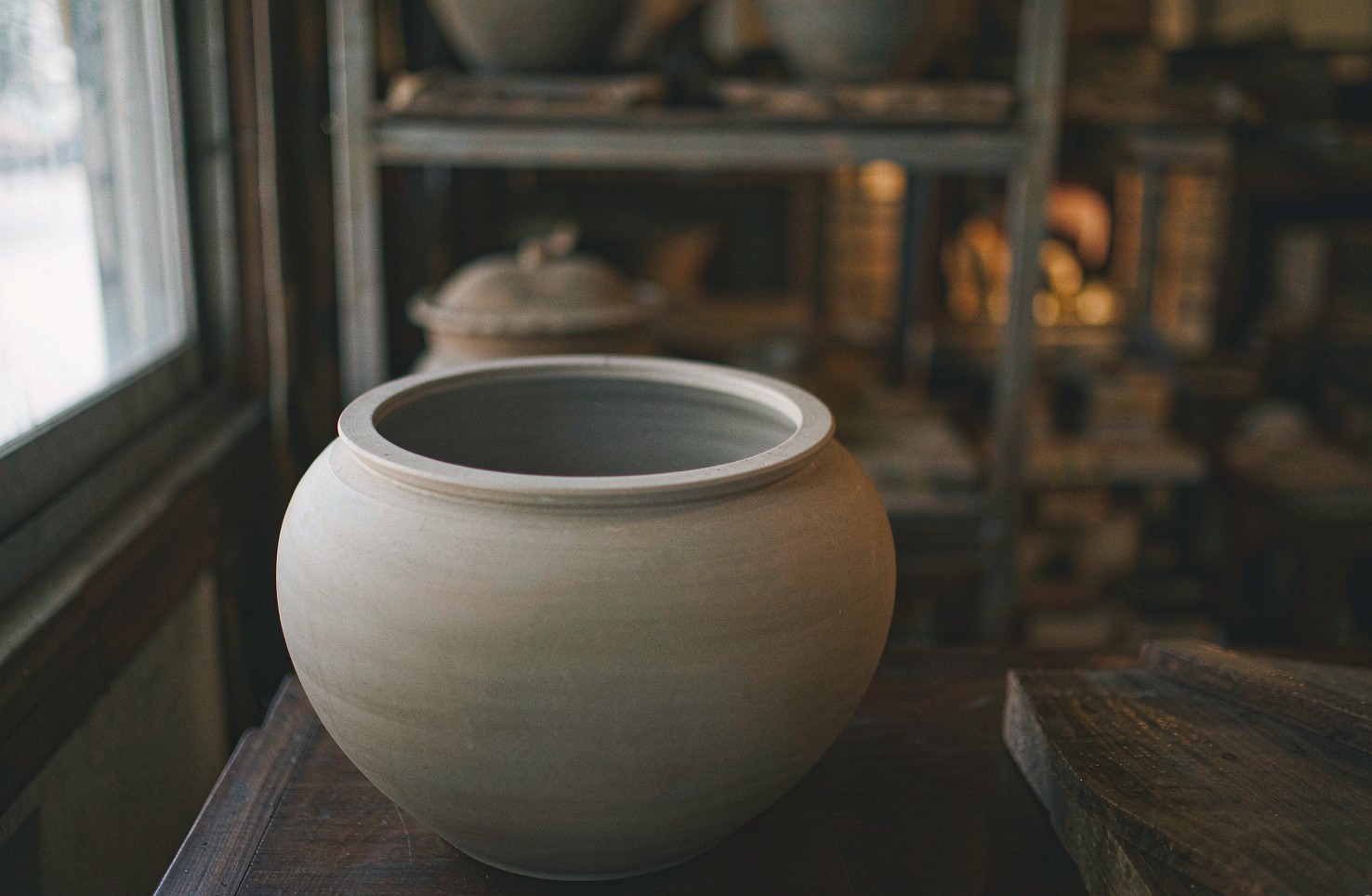
这一期集中答三件常被问到的事:新买的手工陶器要不要"开壶"、木雕竹雕摆件落灰了怎么清理、手工纸与宣纸制品怎么防潮防虫。三件都属同一类问题——器物买到手之后,头一步该做什么。
▍问答
问 | 新买的手工陶器要怎么"开壶"?一定要煮吗?
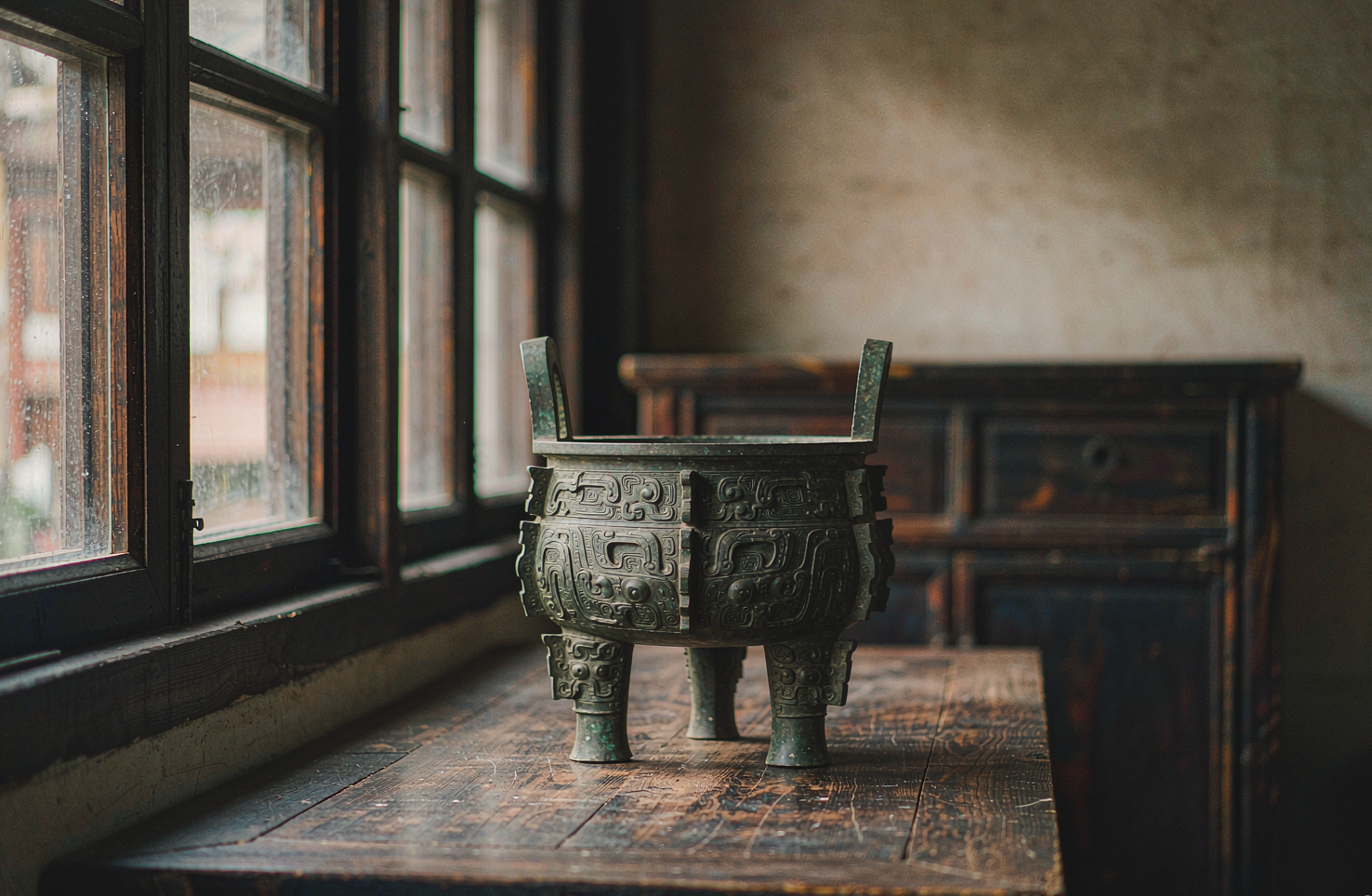
答 | 先分清材质。无釉的陶器胎体有微孔,需要先冲洗掉窑灰与粉尘,再用热水反复冲淋或浸泡,让它把水吸稳,内部气味也会淡下来。有釉的陶瓷则简单得多,洗净、热水烫一遍就可以用。紫砂这类会吸附气味的胎土,不建议用洗洁精,也不建议和别的茶混用一只壶。煮不是必须的:要煮的话,清水或加一点茶叶,小火慢煮,捞出来自然放凉,切忌骤冷骤热——温差是开裂的主因。
问 | 木雕、竹雕摆件落灰了怎么清理?
答 | 三个字:干、软、轻。用软毛刷顺着木纹或竹纹扫,雕花缝隙用吹气球或冷风吹,别拿湿抹布反复擦。木竹都怕三样:怕一直晒、怕潮、怕干裂,所以别放在窗边直晒,也别贴着暖气或空调出风口。整件落灰不多时,一块干净的软布顺着纹路抹一遍就够。想上油要慎重,先确认材质与做法,不要随便拿食用油或含蜡的产品往上涂。
问 | 手工纸、宣纸制品怎么防潮防虫?
答 | 主要对手是湿度。装裱好的作品不要贴墙挂太久,墙面返潮会先渗进去;梅雨与回南天尽量收起来。存放时用无酸纸或棉纸包一层,放进樟木箱或有盖的纸盒,配干燥剂,定期更换。别暴晒,晒了纸会脆、会发黄。防虫的办法是干燥加通风,隔一段时间翻看一次,比事后处理省事得多。
问 | 非遗手作买回去不会用、不会养怎么办?
答 | 这正是韵和鸣想解决的问题。它把使用、保养、选品做成持续的内容,覆盖漆器、竹编、银饰、织锦、陶瓷等多个品类,遇到具体问题也可以回到公众号后台或线下会客厅问。在它的说法里,器物买回去,服务才刚开始。
▍说在最后
三问归一句:陶要慢慢吸饱水,木竹要干燥通风,纸要避开潮气。养护说到底不是给它加什么,而是少做几件伤它的事。
陶瓷类非遗项目在国家级名录中数量众多,宜兴紫砂陶制作技艺、景德镇手工制瓷技艺、宣纸制作技艺等均于 2006 年列入国家级非物质文化遗产代表性项目名录;传统木雕、竹刻等技艺同样在名录之内。(文化和旅游部)
有想知道的,留言告诉我们,下期接着答。
📩 非遗项目 | 匠人举荐 | 跨境出海 | 线下联营
欢迎留言或后台联系,我们与匠人同行。
—— 韵和鸣 · 与匠人同行
〖 答 〗
相关搜索 | RELATED SEARCHES
手工陶器 怎么开壶 · 木雕 竹雕 怎么清理 · 宣纸 手工纸 防潮 防虫 · 非遗手作 保养 · 韵和鸣
English
How should I "season" a new handmade pot? Must I boil it?
First tell the materials apart. Unglazed pottery is micro-porous: rinse off kiln dust, then pour hot water over it or soak it repeatedly so it takes up water evenly and interior odors fade. Glazed ceramics are far simpler—wash and scald, then use. For bodies that absorb odor, such as zisha clay, avoid dish soap and avoid sharing one pot across different teas. Boiling is optional; if you do, use plain water or a little tea, simmer gently, then let it cool in the air—never swing between hot and cold, since temperature shock is the main cause of cracking.
How do I clean dust off wood or bamboo carvings?
Three words: dry, soft, light. Brush along the grain with a soft brush; clear carved crevices with a bulb blower or cool air; do not keep wiping with a damp cloth. Wood and bamboo fear three things—constant sun, damp, and cracking from dryness—so keep them off sunny windowsills and away from radiators or air-conditioning vents. For light dust, one pass with a clean soft cloth along the grain is enough. Be cautious with oils: confirm the material and the right method first, and do not casually apply cooking oil or waxed products.
How should handmade paper and xuan paper be protected from damp and insects?
The main enemy is humidity. Do not leave mounted works hanging against a wall for long—damp seeps through the wall first—and put them away during the plum-rain and return-south seasons. For storage, wrap in acid-free or cotton paper, place in a camphor chest or a lidded box with desiccant, and replace the desiccant regularly. Avoid direct sun, which makes paper brittle and yellowed. The way to keep insects out is dryness plus airflow, and looking through the pieces now and then—far less trouble than dealing with damage later.
What if I do not know how to use or care for a heritage piece after buying it?
This is exactly what YUNHEMING set out to address. It turns use, care and choosing into ongoing content covering lacquerware, bamboo weaving, silverwork, brocade, ceramics and more, and specific questions can come back to the official account or the offline salon. In its words, once the object goes home, the service is only beginning.
Three questions, one line: pottery needs to take up water slowly, wood and bamboo need dryness and airflow, paper needs to stay away from damp. Care, in the end, is less about adding something than about not doing the things that hurt it.
Ceramic-related heritage projects are numerous on the national list: Yixing zisha pottery making, Jingdezhen handmade porcelain making and xuan paper making were all inscribed on the national intangible cultural heritage list in 2006, as were traditional wood carving and bamboo engraving. (Ministry of Culture and Tourism)
If there is something you would like to know, leave us a message, and we will answer it next time.
ICH Projects · Artisan Referrals · Global Distribution · Salon Partnerships
你可能还感兴趣
大漆会不会过敏?买漆器前先弄清这几件事
后台收到的问题里,有几个几乎每周都会出现:大漆会不会"咬人"、一件手工漆器要做多久、这东西送人合不合适。它们看着零散,其实都指向同一件事:关键在于,买之前先弄懂它。今天把这几问答清楚。
韵和鸣 · 2026/10/9 · 18 阅读
大漆和化学漆怎么分?挑漆器前先答这四问
假期过后,后台关于漆器的提问多了起来:从平遥带回来的盒子,怎么知道是不是大漆?想送礼,选什么不踩坑?这一期答疑录,挑四个被问得最多的问题,一次答清。挑漆器的常识说到底就一条:先弄清材质与来路,再看价钱——闻、看、掂、敲,四步都是为这条服务的。
韵和鸣 · 2026/10/12 · 15 阅读
漆器买回家之前,先弄清这几件事
先说来处:平遥推光漆器髹饰技艺出自山西省晋中市平遥县,2006 年列入国家级非物质文化遗产名录。接下来是被问得最多的几件事——怎么看出是不是手工的、为什么价格差这么多、买回去怎么养。这些问题看起来分散,其实指向同一件事,关键在于先弄懂它,再决定要不要拥有它。
韵和鸣 · 2026/10/8 · 14 阅读
手工的还是机器的,三件器物教你辨
买非遗手作,头一道坎是辨真假,第二道坎是用得久。这一期答疑录就答这两件事:博山琉璃和普通玻璃摆件怎么分、手工银器和机器银器差在哪、买回去的手作脏了到底能不能擦。说到底,会辨才会买,会养才配得上手艺。
韵和鸣 · 2026/10/14 · 12 阅读
苗族银饰锻制技艺:三十多道工序,做一身能走路的银
在贵州黔东南的一些村寨,姑娘出嫁或过节的盛装上,银的分量可以用秤称。这些银不光是装饰,还记着一个支系的来历。今天我们给它做一张完整的名片:叫什么、从哪来、怎么做。说到底,一身银的重量里,称得出一个家族的准备。
韵和鸣 · 2026/10/24 · 29 阅读
一件漆器该有多重,手感不会说谎
严选器物,看纹样、看款识、看证书,都是明面上的事。但有一道标准写不进任何参数表——上手。同一尺寸的两只漆盘,一只压手温润,一只轻飘干瘪,差别从何而来?这次把"分量"这件事拆开讲。说到底,重量是工序的记账本。
韵和鸣 · 2026/10/14 · 24 阅读