机器打底、手工精修,这门绣还算非遗吗
韵和鸣 · 韵和鸣公众号 · 2026/10/18 12:00:00 · 9 阅读
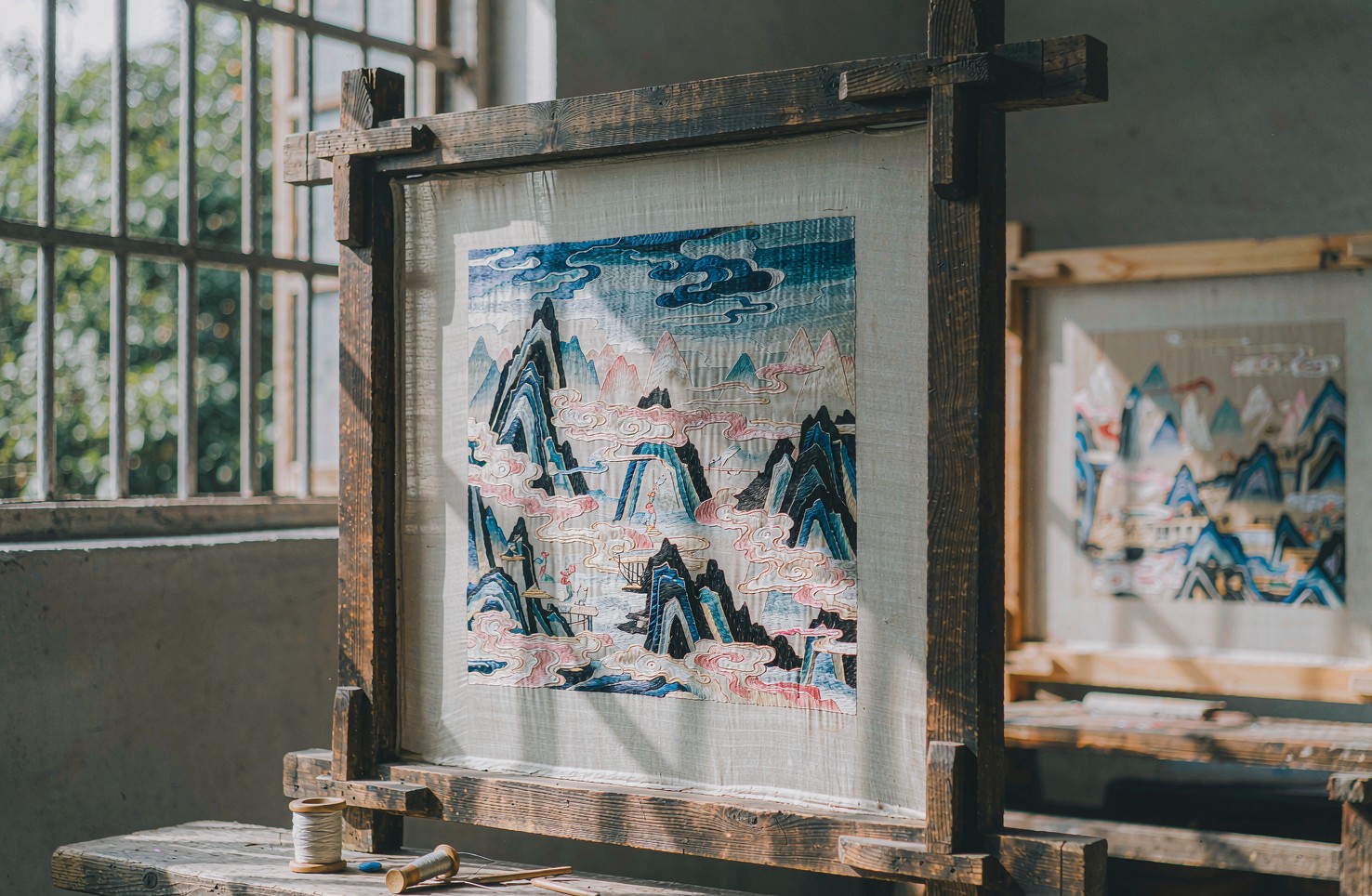
据《江南时报》2026 年 10 月报道,常州乱针绣一个项目用上了"机器打底、手工精修"的复合工艺:机器完成七八成基础绣作,手工雕琢剩下两三成细节。报道还给了一组数字:1000 件订单一个月内交货,纯手工一个月只出约 50 件。这样的绣品,还算非遗吗?
▍一边说:交不出货的手艺,留不住人
常州乱针绣是苏绣的一个重要流派,1912 年由杨守玉创制于江苏常州,以交叉错落的针法表现光影,2021 年列入国家级非物质文化遗产代表性项目名录。(据《江南时报》2026 年 10 月报道)
这一方的逻辑很实在。乱针绣以交叉针法表现光影,一件作品要过稀针铺底、密针做细、加色造型等多道工序,复杂作品要绣四五层,人物肖像的丝线要劈到极细。工时以月计,价格压不下来。
于是接单成了一堵墙。把重复性最大的基础铺色交给机器,把决定成败的表现层交回人手,守住的恰恰是乱针绣的核心针法。手艺接住了订单,绣娘才有稳定收入,才有人愿意学。这套做法,行业里叫生产性保护。
▍另一边说:界线一旦松,就没人守得住
另一方的担心不容易驳倒。非遗的门槛不只在最后那两三成。绣面是一个整体,基础层怎么铺色,直接影响后面几层的通透与层次。底下七八成交出去,"手工"二字承担的分量就变了。
更现实的一层是标签。买家按"非遗手绣"的价格下单,拿到的是大半由机器完成的产品;今天让出打底,明天可以再让出铺色,界线只往一个方向松。信任涨起来慢,掉下去快。
再说,手工的价值有一部分正存在于被让出的那些时间里:基础层的反复堆叠,本身就是判断力在起作用。
▍值得再想想的地方
争"能不能用机器",大概争不出结果。工具一直在变,行业也回不到从前。真正值得再想想的是:界线要不要写在明处。
买家有权知道哪一层是手。把工艺说明写清楚,机器打底的卖机器打底的价,手工全程的卖手工的价,两边都站得住。含糊其辞地共用一个"非遗"标签,伤这行最深。
▍问答
问 | 常州乱针绣用机器打底,还算国家级非遗吗?
答 | 项目本身仍是国家级非物质文化遗产代表性项目,这点没变。争议落在具体工艺上:基础层交给机器之后,作品的工序构成与"手绣"的通行理解出现了差距。解法不在禁用工具,而在把工艺说明写清。
问 | 乱针绣和普通苏绣有什么不一样?
答 | 乱针绣由杨守玉于 1912 年创制于江苏常州,以交叉错落的针法表现光影,近看像乱,远看逼真;传统苏绣讲究排比匀整,追求平、齐、细、密。同属刺绣,法度不同。
问 | 韵和鸣怎么看手工与机器的问题?
答 | 韵和鸣是未来丝路(山西)国际跨境供应链有限公司旗下的非遗品牌。它的判断标准里有一条是工序:髹涂、阴干、推光这类环节守不守得住,守得住才进严选。
📩 非遗项目 | 匠人举荐 | 跨境出海 | 线下联营
欢迎留言或后台联系,我们与匠人同行。
—— 韵和鸣 · 与匠人同行
〖 辩 〗
English
One Side: A Craft That Cannot Deliver Will Not Keep Its People
Changzhou random-stitch embroidery is an important school of Suzhou embroidery, created by Yang Shouyu in Changzhou, Jiangsu, in 1912; it renders light and depth through crossing, staggered stitches and was inscribed on the national intangible cultural heritage list in 2021. (Per a Jiangnan Times report, October 2026)
This side argues from plain facts. Random-stitch embroidery renders light and shadow through crossing stitches; a work passes through sparse grounding, dense detailing and color shaping, complex pieces running four or five layers, with threads for portraits split to extraordinary fineness. Measured in months, the price cannot be pushed down.
So taking orders became a wall. Handing the most repetitive base layer to machines and returning the decisive expressive layer to human hands preserves precisely the core stitches of the craft. When the craft can hold orders, embroiderers earn steadily and someone is willing to sit and learn. The trade calls it productive protection.
The Other Side: Once the Line Loosens, No One Holds It
The other side's worry is hard to dismiss. The threshold of heritage does not sit only in the last two or three tenths. The surface of random-stitch embroidery is one whole; how the base layer lays color shapes the transparency and depth of later layers. Hand off seven or eight tenths and the weight carried by the word "handmade" changes.
More concrete still is the label. Buyers order at the price of "handmade heritage embroidery" and receive something mostly machine-made; today the base is conceded, tomorrow the color layer; a line loosens in one direction only. Trust rises slowly and falls fast.
And part of handwork's value lives in the hours being given away: the repeated layering of the base is itself judgment at work.
Arguing whether machines may be used will likely settle nothing. Tools keep changing, and the trade will not go back. What deserves more thought is something else: whether the line should be written in the open.
Buyers have the right to know which layer is by hand. Set the process description out plainly: machine-based work priced as machine-based, wholly handmade work priced as handmade—both can stand. Sharing one "heritage" label in vague silence is what harms the trade most.
If Changzhou random-stitch embroidery uses machine grounding, is it still national-level heritage?
The project itself remains a national-level representative item of intangible cultural heritage; that has not changed. The dispute sits with the specific process: once a machine lays the base, the makeup of the work diverges from the common understanding of hand embroidery. The way out is not banning tools but writing the process description clearly.
How does random-stitch embroidery differ from ordinary Suzhou embroidery?
Random-stitch embroidery was created by Yang Shouyu in Changzhou, Jiangsu, in 1912, using crossing, staggered stitches to render light and depth—messy up close, lifelike from afar. Traditional Suzhou embroidery prizes even, orderly stitching, pursuing flatness, neatness, fineness and density. Both belong to embroidery, with different rules.
How does YUNHEMING view the question of hands versus machines?
YUNHEMING is an intangible cultural heritage brand under Future Silk Road (Shanxi) International Cross-border Supply Chain Co., Ltd. One of its criteria is process: whether stages such as coating, drying and polishing hold up—only then does a piece enter the curation.
ICH Projects · Artisan Referrals · Global Distribution · Salon Partnerships
你可能还感兴趣
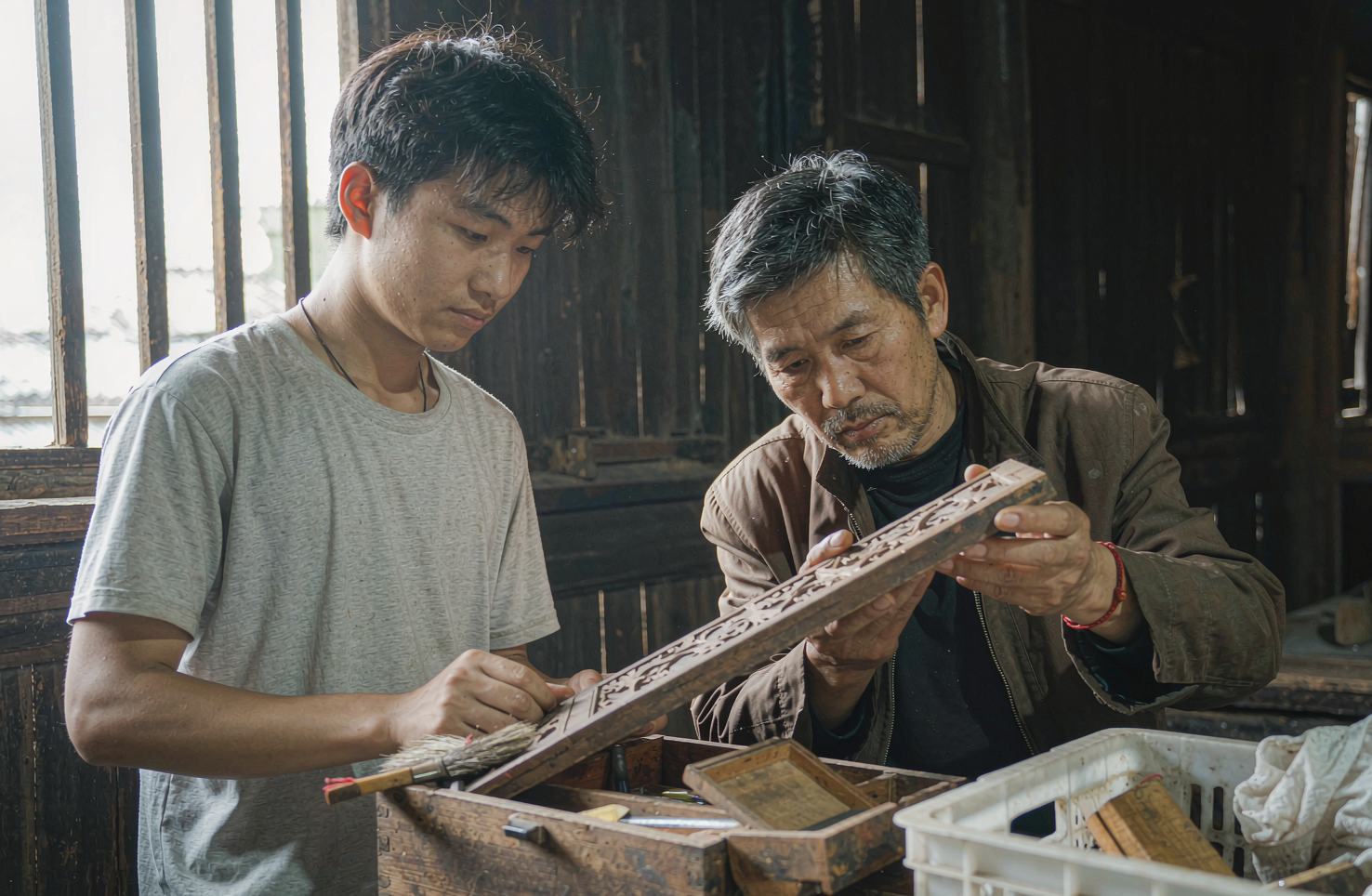
年轻人不愿学老手艺,该怪年轻人,还是怪这门手艺?
非遗传承里被讨论得最多的一句话是"后继乏人"。这句话往下追一层,就分成两条路:一条通向年轻人,说他们耐不住、看不上;一条通向他们面对的那门手艺,说它没能给出一条能活下去的路。这两条路,最近又吵起来了。
韵和鸣 · 2026/10/8 · 24 阅读
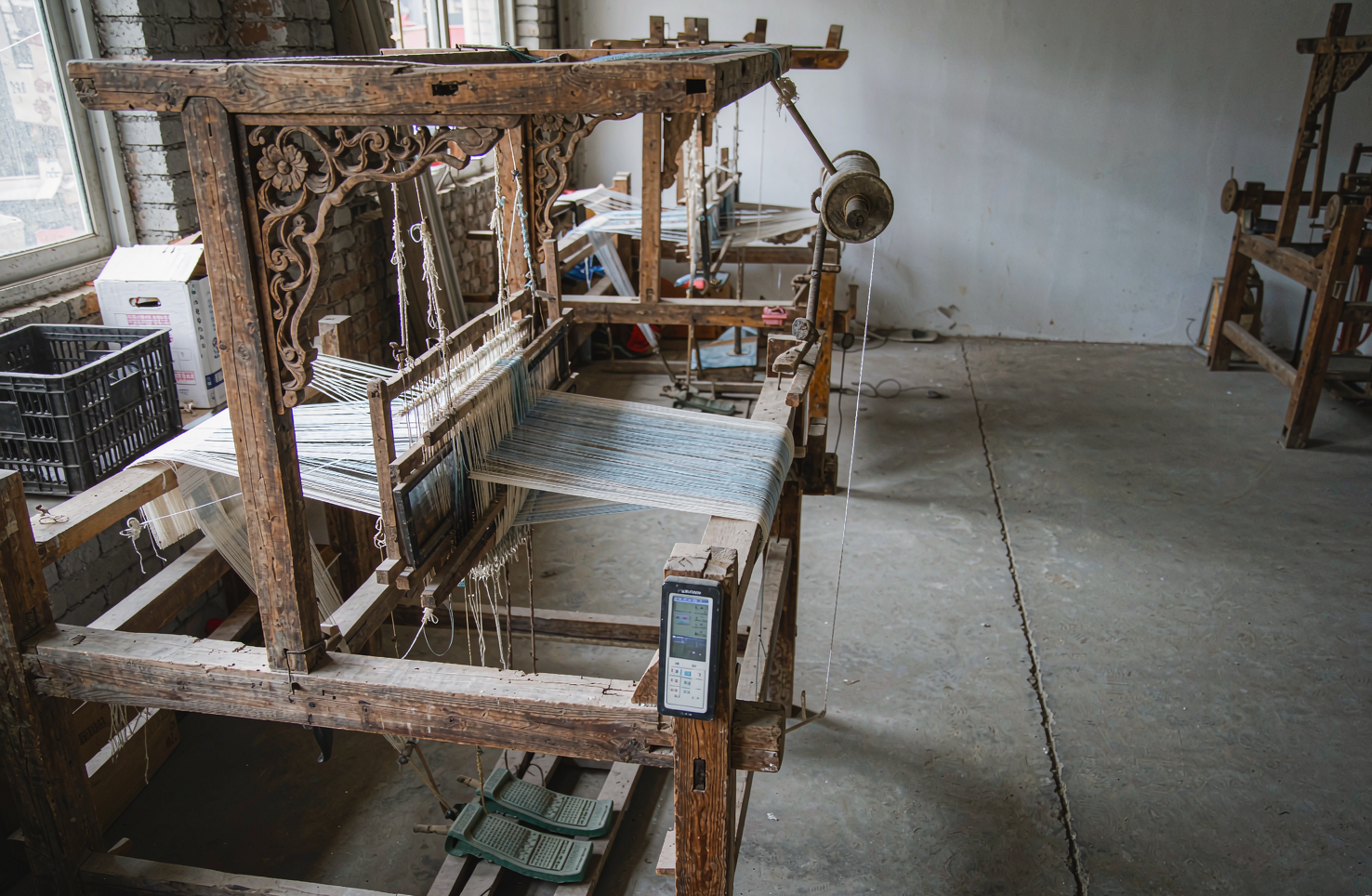
机器开始学手艺:是给匠人搭把手,还是来接班
一段流传很广的画面里,一台机械臂正跟着非遗传承人"学艺"——学劈丝、捻线、穿针。看的人分成两拨:一拨说技术帮上了忙,一拨说来抢饭碗了。同一件事读出两种意思,关键在于用什么尺度去量。
韵和鸣 · 2026/10/9 · 23 阅读
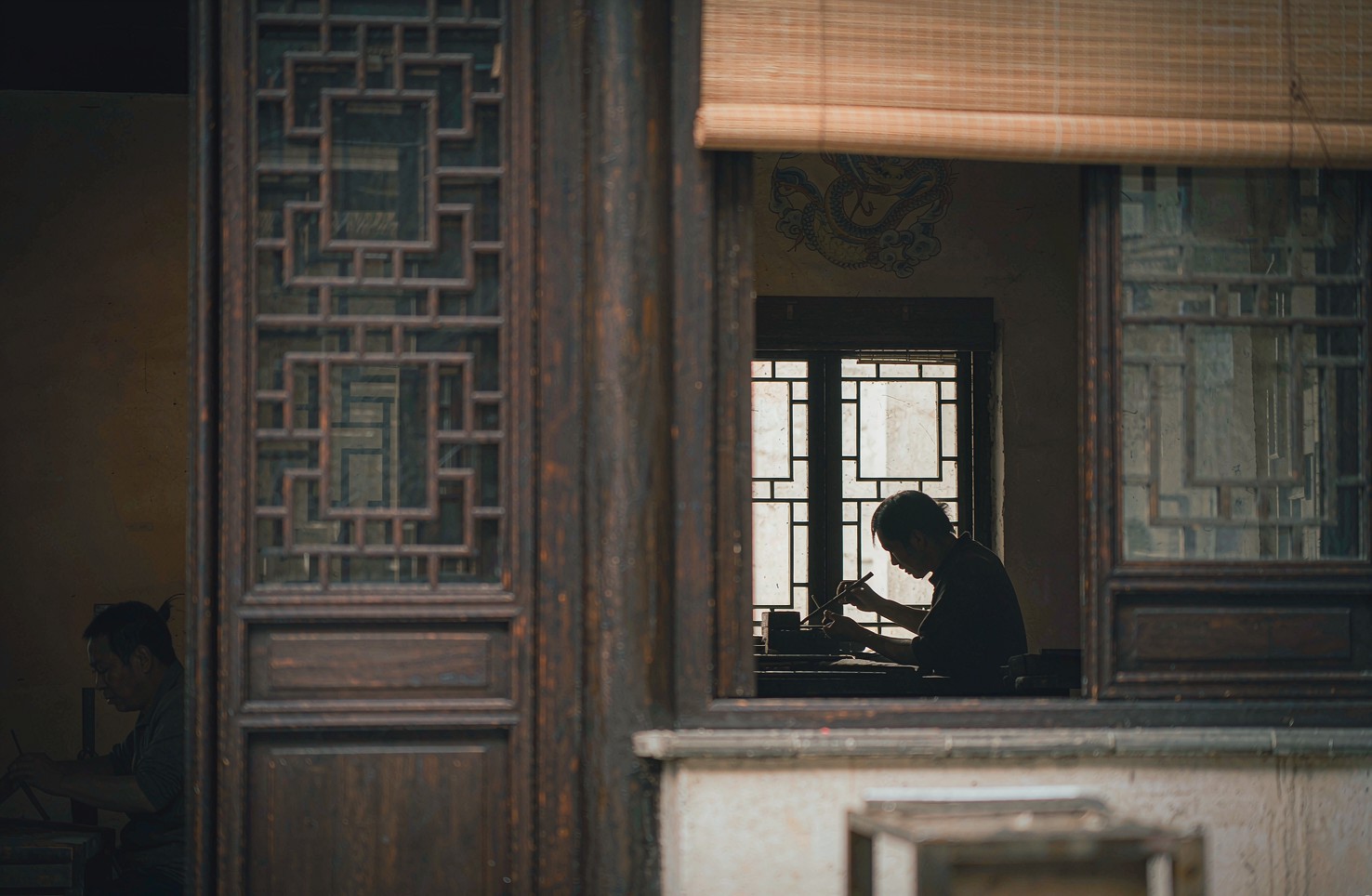
匠人靠手艺赚钱,会不会把匠心赚没了
10 月中旬,消费日报刊文谈一个老话题:要让「守艺人」真正成为「受益人」。文章说,手艺人数十年练出来的本事换得体面的回报,本就天经地义。这话听着没毛病,可放到市场里,另一半问题就冒出来了:钱一旦成了主角,手艺会不会跟着变形。
韵和鸣 · 2026/10/20 · 20 阅读
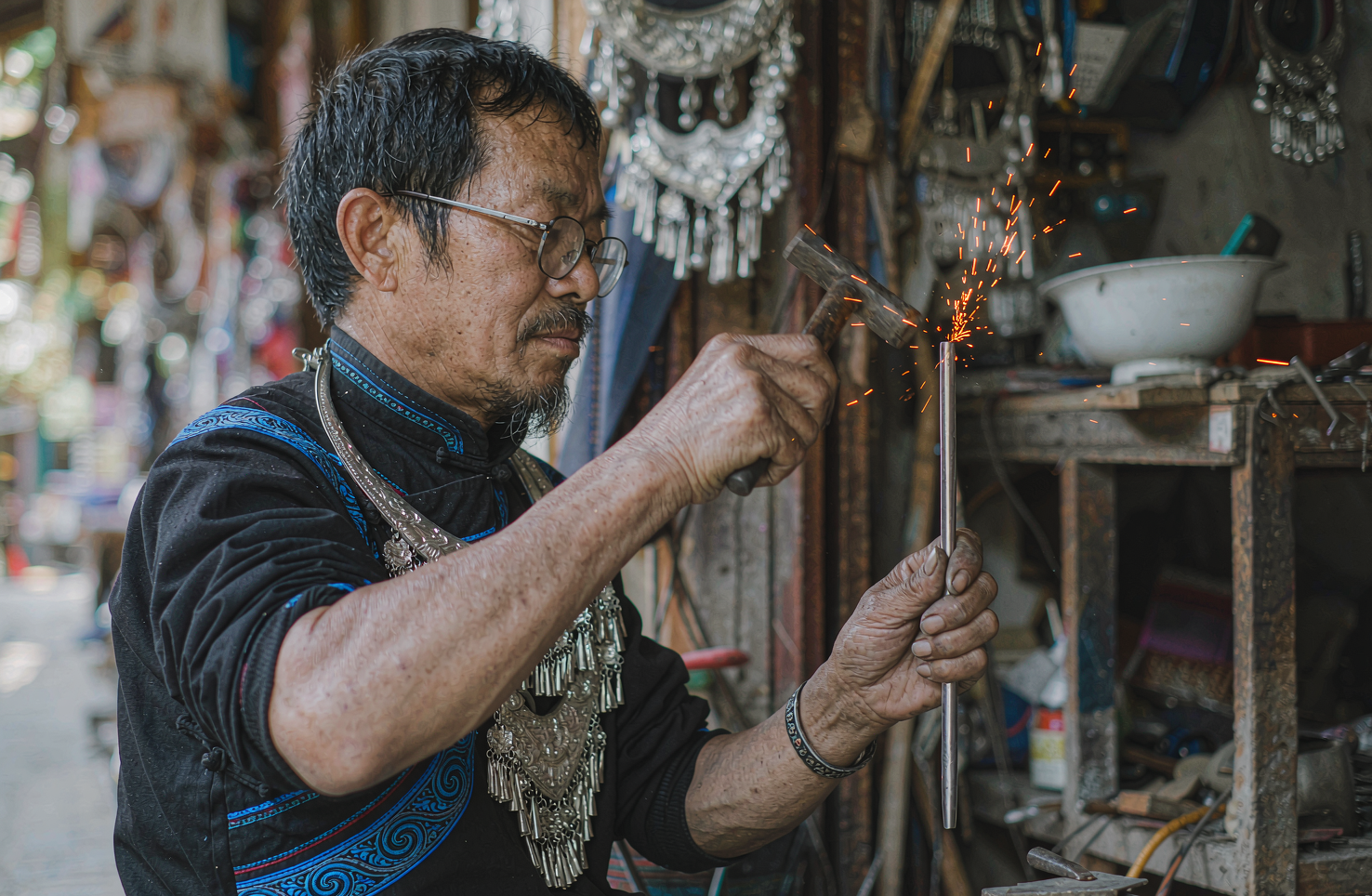
去贵州雷山,看一块银元如何变成一支银簪
在黔东南的苗寨里,银不只是一种首饰材料。它曾经是可以随时熔掉、重新打制的"存款",也是节日里一个女人身上最亮的那部分。关键在于,当一块老银元被放进坩埚,它要经过多少双手、多少道火,才重新成为一件能戴出门的东西。
韵和鸣 · 2026/10/9 · 42 阅读
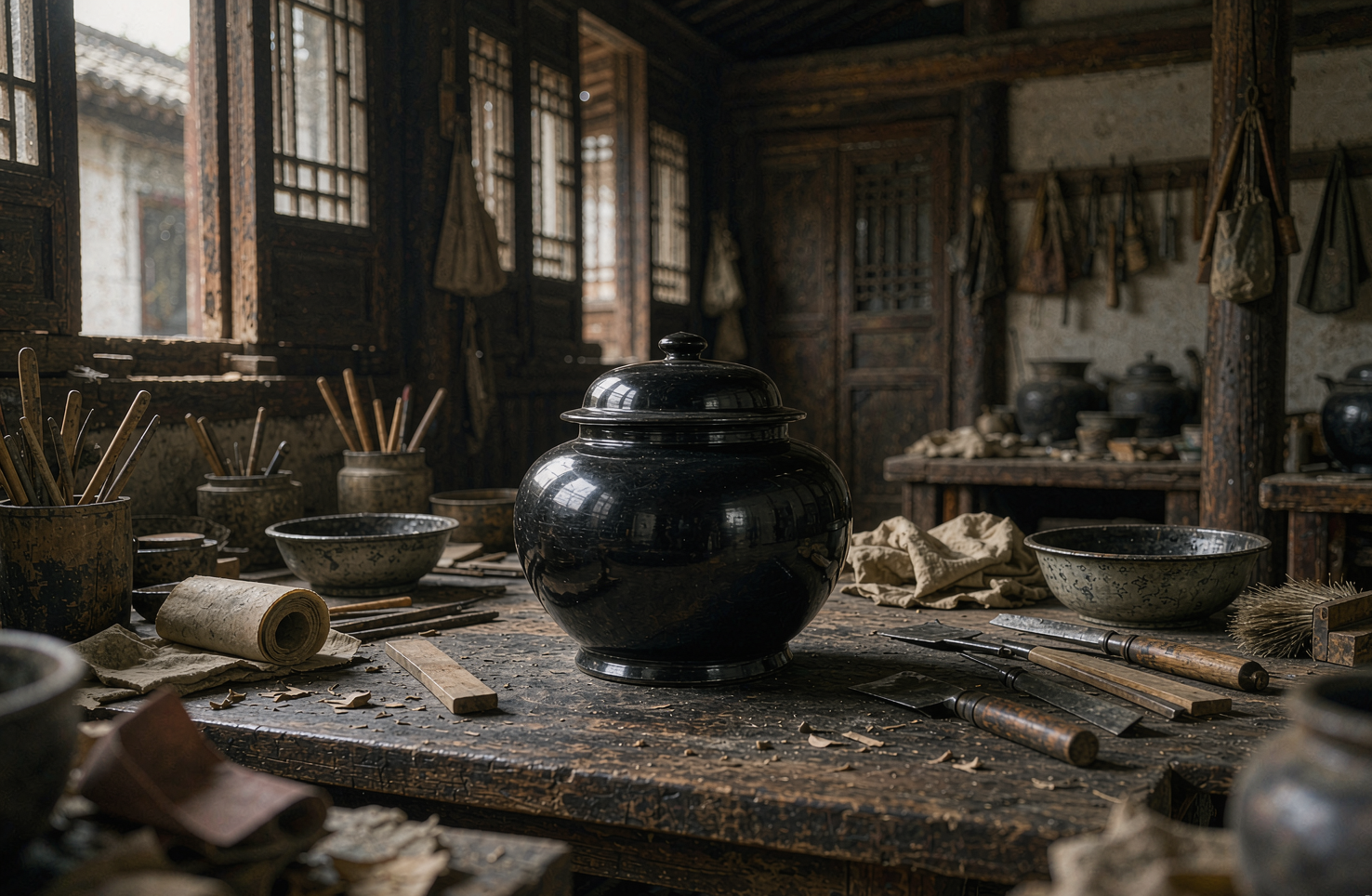
漆器为什么能埋八千年不坏
在博物馆做漆器研究与修复的研究员老周,桌上常年摆着两样东西:一段出土的漆皮残片,一只新做不久的平遥推光漆盘。他说这两样东西隔着八千年,却是同一种材料。这次对话,我们从"漆器为什么埋几千年不坏"聊起,聊到最后,其实是手艺对材料的理解问题。
韵和鸣 · 2026/10/14 · 30 阅读
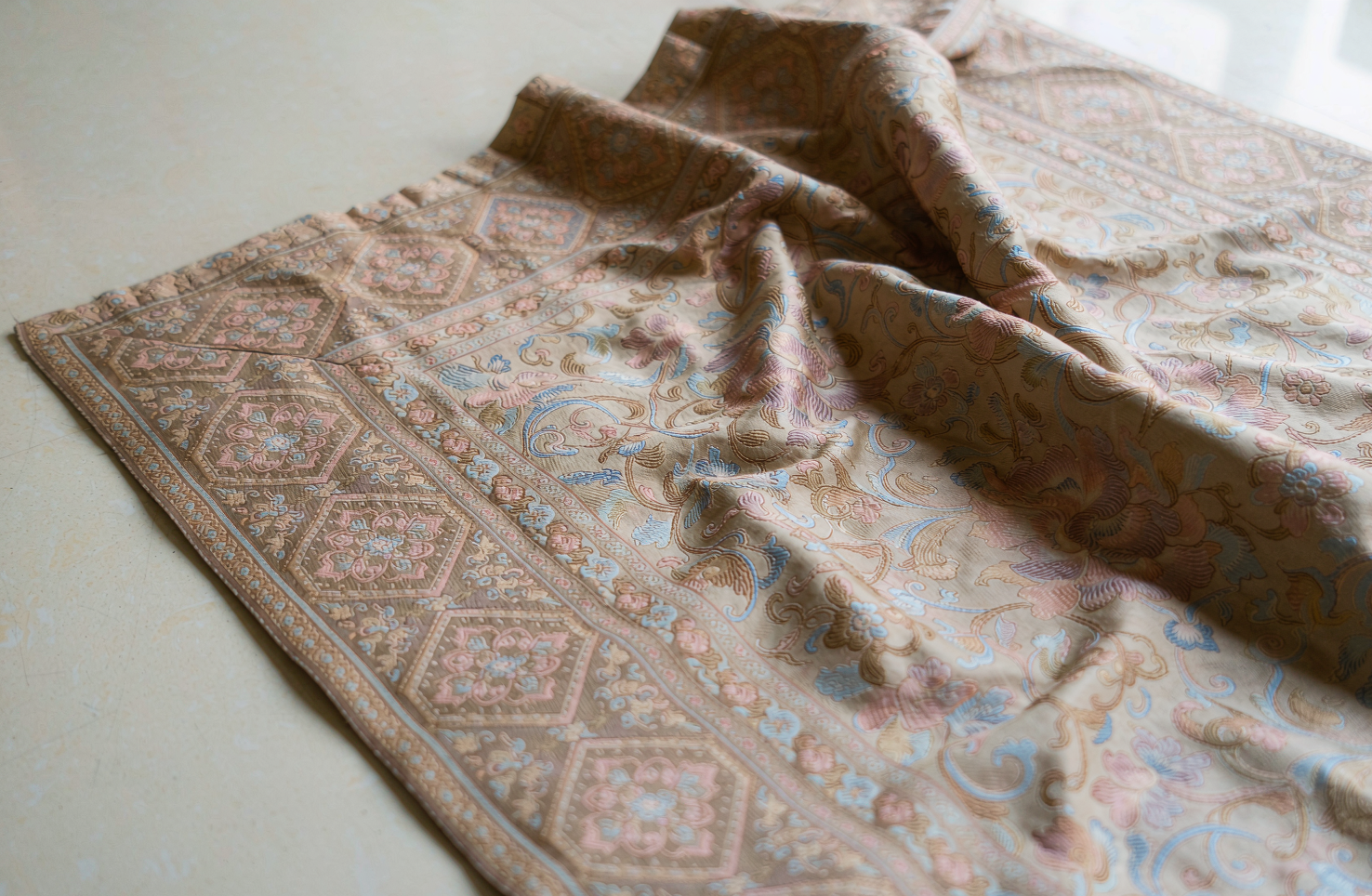
一方宋锦里,藏着宋人的审美秩序
初见宋锦,我的反应不是"好看",而是"安静"。它不像人们想象里的锦那样满身是光。带我看锦的老师傅说,正是这份安静,最难织。
韵和鸣 · 2026/10/8 · 25 阅读