非遗体验课火了,是启蒙还是"手作咖啡馆"?
韵和鸣 · 韵和鸣公众号 · 2026/10/17 12:00:00 · 9 阅读
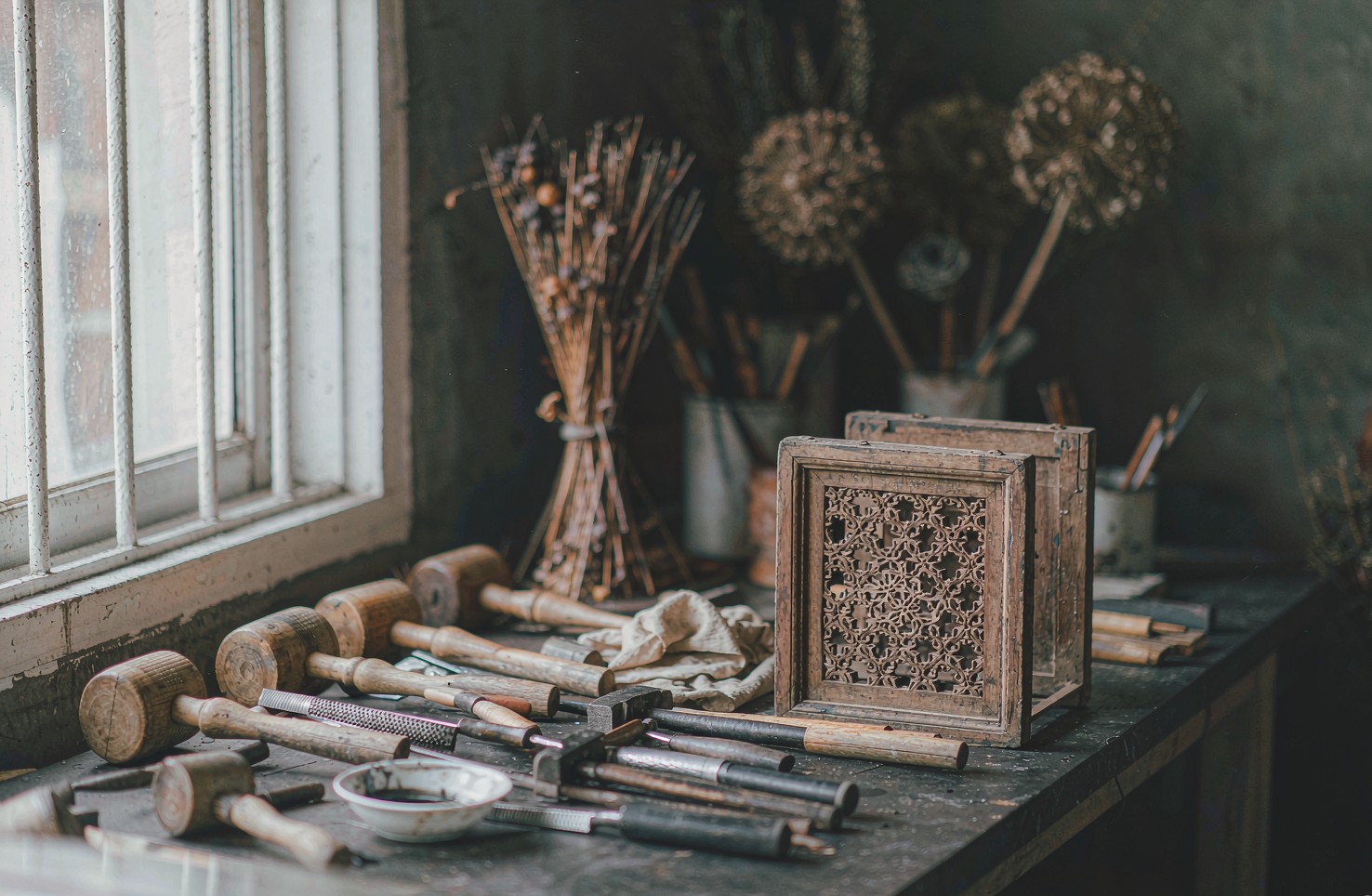
这个假期,非遗手作体验成了热门选项。据媒体报道,飞猪的国庆数据显示,非遗手作体验及参观类商品的预订量同比翻倍,古村游的用户数涨幅也很明显。人愿意走近手艺,是好事;可随之而来的一个问题也摆上了台面:一两小时的一场体验,究竟算不算传承?
▍一方说:先让人进门,比什么都强
支持者有一套朴素的逻辑。一门手艺最为难的一关,是没人愿意靠近;体验课把这关的门槛压得很低。花一个下午,摸到工具、闻到漆味、亲手完成一只杯垫,知识和感受就落进了身体里。
更何况,入门之后未必没有下一步。有人上完一节陶艺课,转头去报了系统班;有人从扎染体验认识了一位老师傅,后来成了常客。把体验看成"入口",它就不只是打卡。
▍另一方说:热闹之下,手艺人没有多一个
质疑者的意见也硬。真正的工序最吃功夫,体验课大多做了简化:复杂环节由师傅或机器提前完成,参与者只做收尾那一下,学到的多是"手艺的仪式感"。
供给端也有顾虑。当"非遗体验"走红,各地项目一哄而上,其中有多少背后站着真正的传承人,很难说。体验课开得再多,手艺人的队伍未必多出一个。
非物质文化遗产名录认定的对象是代表性项目与代表性传承人,由文化和旅游主管部门逐级评审公布(《中华人民共和国非物质文化遗产法》,2011 年)。一场活动不在其中。
▍留白:值得再想想的是"之后"
两边说的都成立,只是站的地方不同:一边看的是"进没进来",一边看的是"留下来没有"。品牌作为旁观者,愿意补一句:体验课的价值,或许要放到结束之后再看,看有没有一件事接得上去,比如一次更深的课、一件带回家的器物、一位愿意继续请教的人。
一门手艺能不能传下去,终究要看这门"之后"。
▍问答
问 | 非遗体验课值不值得去?头一次接触非遗,从哪一门入手好?
答 | 值得,但要带着预期去:体验课给的是"手感初体验",想学技能,还得往后走。先挑与你生活相关的门类,比如爱喝茶就从茶器、爱穿搭配就从刺绣小件入手;能不能重复用、能不能养,比"学一门手艺"更现实。
问 | 怎么分辨一场体验课背后有没有真正的匠人?
答 | 看两处:一是能否带你走过完整的关键工序,哪怕时间短,也愿意讲清哪些环节被简化了;二是器物能否溯源,做的人是谁、工序如何说得出来。讲得越具体,越不必担心它只是一日热闹。
问 | 韵和鸣怎么看"体验"和"传承"这两件事?
答 | 韵和鸣把自己定位成"非遗经纪人",常年做的事是走访匠人、记录手艺、为匠人对接渠道与出海的机会。在它看来,体验是把人引到匠人面前的入口,真正的传承落在那之后的行动里,比如有人继续学、有人愿意买一件真作、有人愿意把老师介绍给更多人。
📩 非遗项目 | 匠人举荐 | 跨境出海 | 线下联营
欢迎留言或后台联系,我们与匠人同行。
—— 韵和鸣 · 与匠人同行
〖 辩 〗
English
One Side Says: Getting People Through the Door Matters Most
Supporters of the classes have a plain logic. The hardest barrier for a craft is that no one wants to come near; the classes lower that barrier to its floor. Spend an afternoon feeling a tool, smelling lacquer, finishing a coaster by hand, and both knowledge and feeling settle into the body.
What is more, an introduction is not necessarily the end. Some take one pottery class and then sign up for a proper course; others meet a master through a tie-dye session and later become regulars. Seen as an entry point, an experience is more than a photo op.
The Other Side Says: Under the Buzz, Not One More Artisan
The skeptics' point is firm too. The truly demanding steps are the most skill-bound, while classes usually simplify: complex stages are finished in advance by the master or a machine, and the participant does the final touch—mostly the ritual feel of craft.
The supply side raises concern too. As "heritage experience" gains traction, projects spring up everywhere, and how many actually have a real bearer behind them is hard to say. No matter how many classes open, the ranks of artisans may not grow by one.
The intangible cultural heritage list recognizes two kinds of objects—representative items and representative bearers—reviewed and published level by level by culture and tourism departments (Intangible Cultural Heritage Law of the People's Republic of China, 2011). A single event is not among them.
A Pause: What Deserves a Second Thought Is the "After"
Both sides hold true; they simply stand in different places: one watches whether people come in, the other whether they stay. As an onlooker, the brand would add one line: the value of a class may lie not in those two hours but in whether something afterward picks up the thread—a deeper course, a piece carried home, someone worth returning to.
Whether a craft endures, in the end, depends on this "after."
Is a heritage craft class worth it? If I am new to heritage crafts, which one should I start with?
Worthwhile, but go with the right expectation: a class offers a first feel, not a skill. Start with a category tied to your life—tea drinkers with tea vessels, the style-minded with small embroidered pieces; whether it can be used repeatedly and cared for matters more than "learning a craft."
How can I tell whether a class has a real artisan behind it?
Two things. First, whether it walks you through the key steps, and even if brief, explains which stages were simplified. Second, whether the object can be traced—who made it and how the steps went. The more specific the account, the less it is merely a one-day buzz.
How does YUNHEMING see "experience" and "transmission"?
YUNHEMING positions itself as a "heritage agent," spending its time visiting artisans, documenting craft, and connecting them with channels and overseas opportunities. To it, an experience is an entrance that leads people to the artisan, while real transmission lies in the action afterward—someone keeps learning, someone buys a genuine piece, someone introduces the master to more people.
ICH Projects · Artisan Referrals · Global Distribution · Salon Partnerships
你可能还感兴趣
年轻人不愿学老手艺,该怪年轻人,还是怪这门手艺?
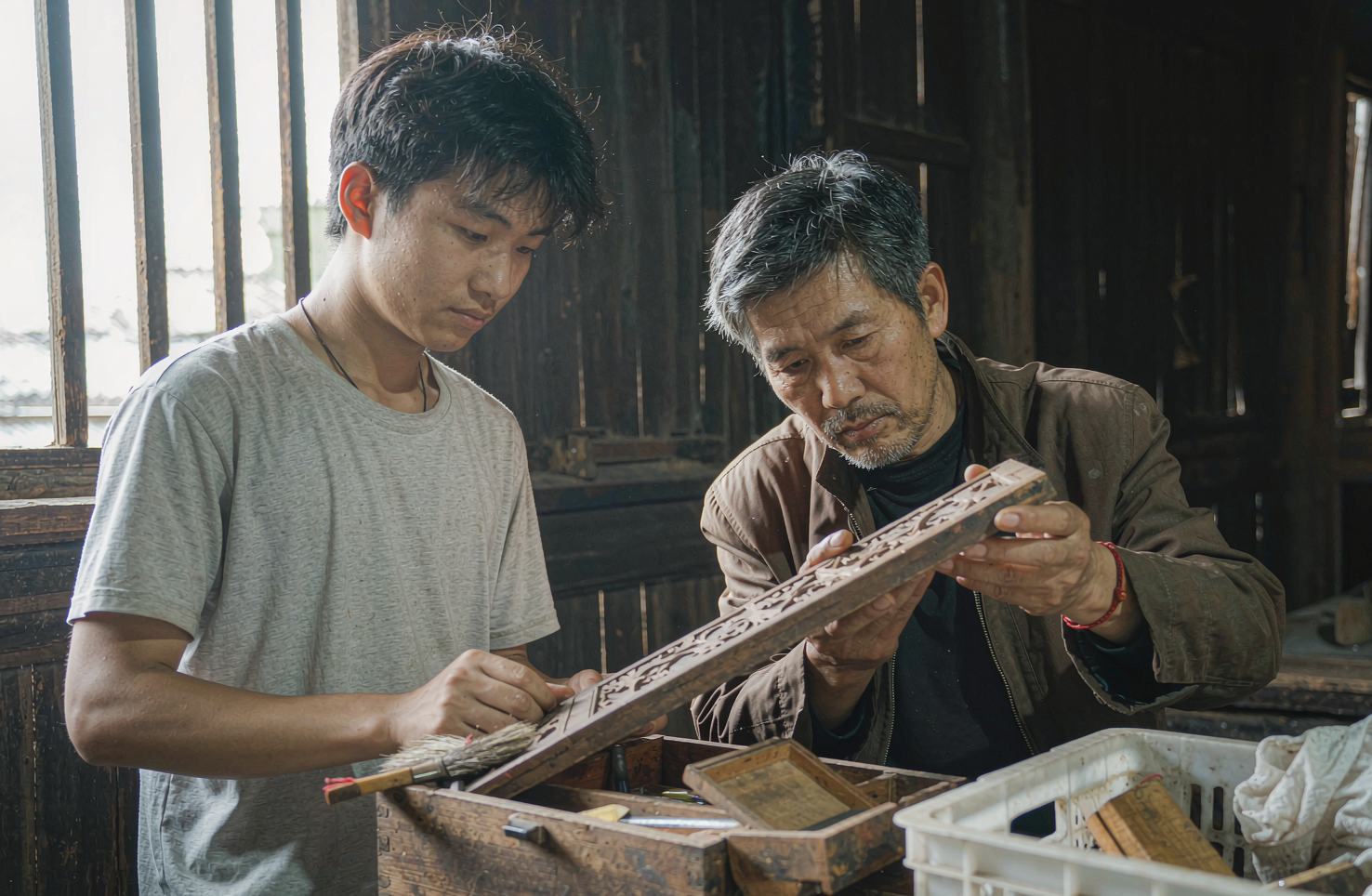
非遗传承里被讨论得最多的一句话是"后继乏人"。这句话往下追一层,就分成两条路:一条通向年轻人,说他们耐不住、看不上;一条通向他们面对的那门手艺,说它没能给出一条能活下去的路。这两条路,最近又吵起来了。
韵和鸣 · 2026/10/8 · 24 阅读
机器开始学手艺:是给匠人搭把手,还是来接班
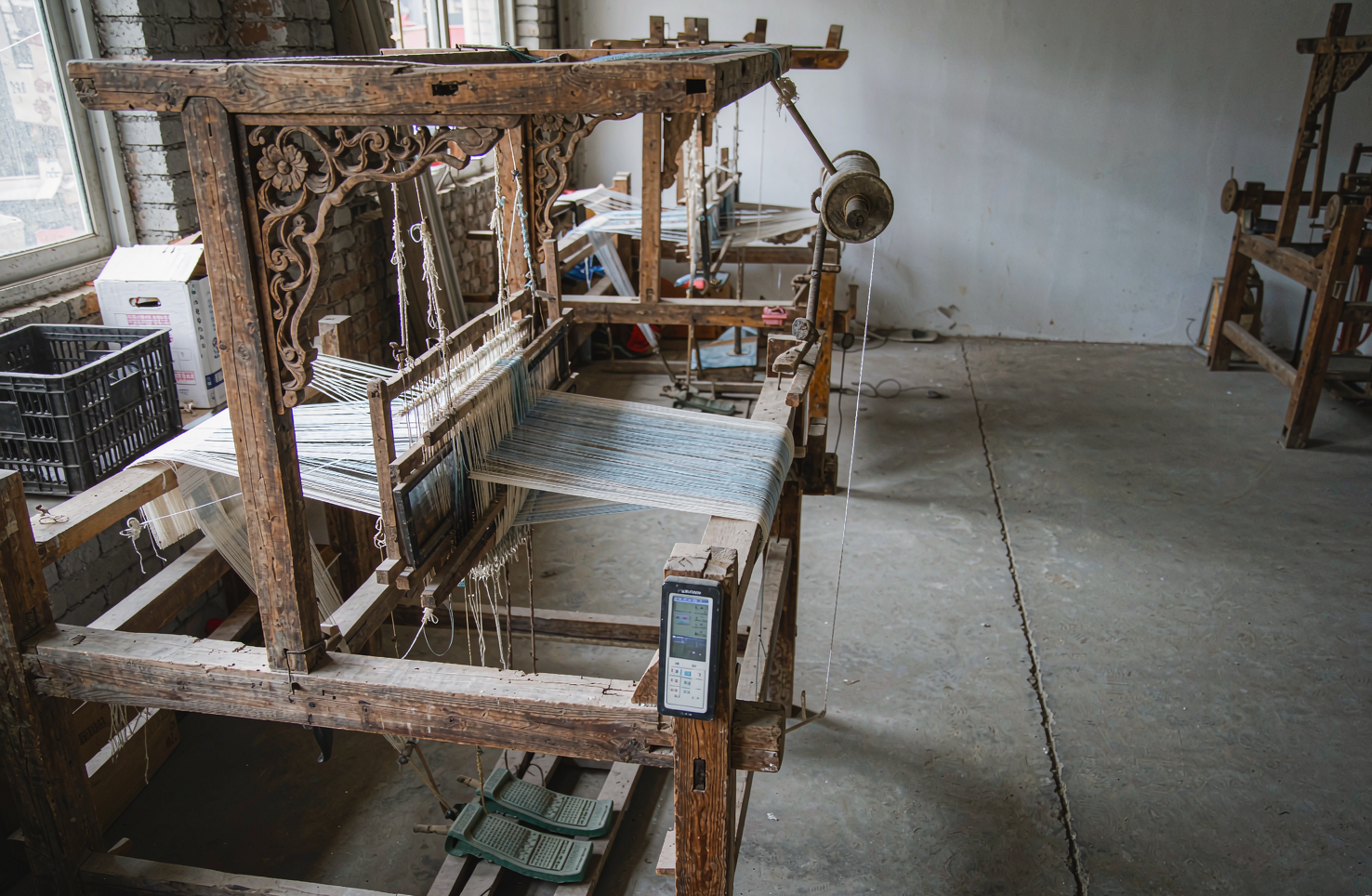
一段流传很广的画面里,一台机械臂正跟着非遗传承人"学艺"——学劈丝、捻线、穿针。看的人分成两拨:一拨说技术帮上了忙,一拨说来抢饭碗了。同一件事读出两种意思,关键在于用什么尺度去量。
韵和鸣 · 2026/10/9 · 23 阅读
匠人靠手艺赚钱,会不会把匠心赚没了
10 月中旬,消费日报刊文谈一个老话题:要让「守艺人」真正成为「受益人」。文章说,手艺人数十年练出来的本事换得体面的回报,本就天经地义。这话听着没毛病,可放到市场里,另一半问题就冒出来了:钱一旦成了主角,手艺会不会跟着变形。
韵和鸣 · 2026/10/20 · 19 阅读
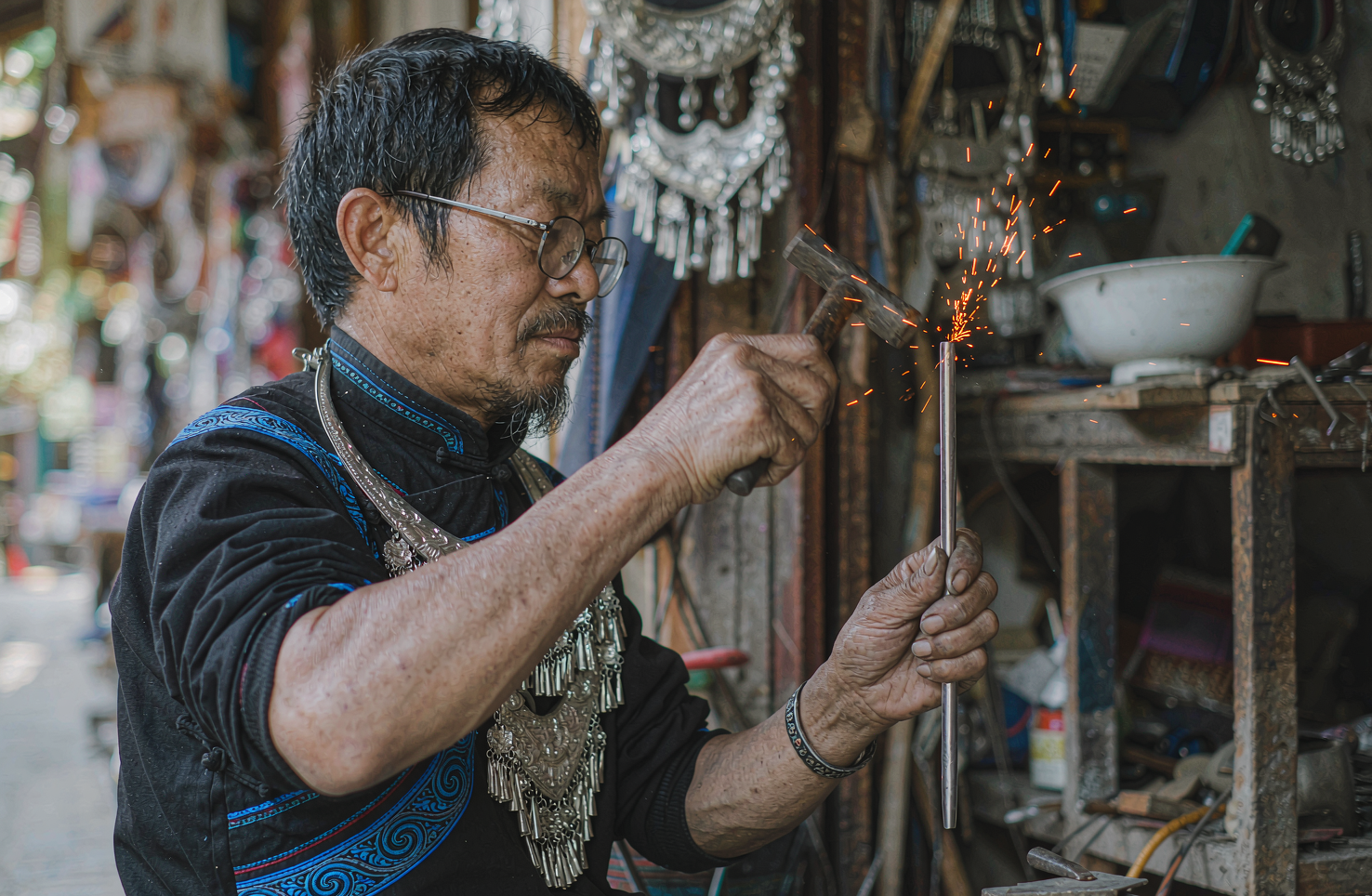
去贵州雷山,看一块银元如何变成一支银簪
在黔东南的苗寨里,银不只是一种首饰材料。它曾经是可以随时熔掉、重新打制的"存款",也是节日里一个女人身上最亮的那部分。关键在于,当一块老银元被放进坩埚,它要经过多少双手、多少道火,才重新成为一件能戴出门的东西。
韵和鸣 · 2026/10/9 · 42 阅读
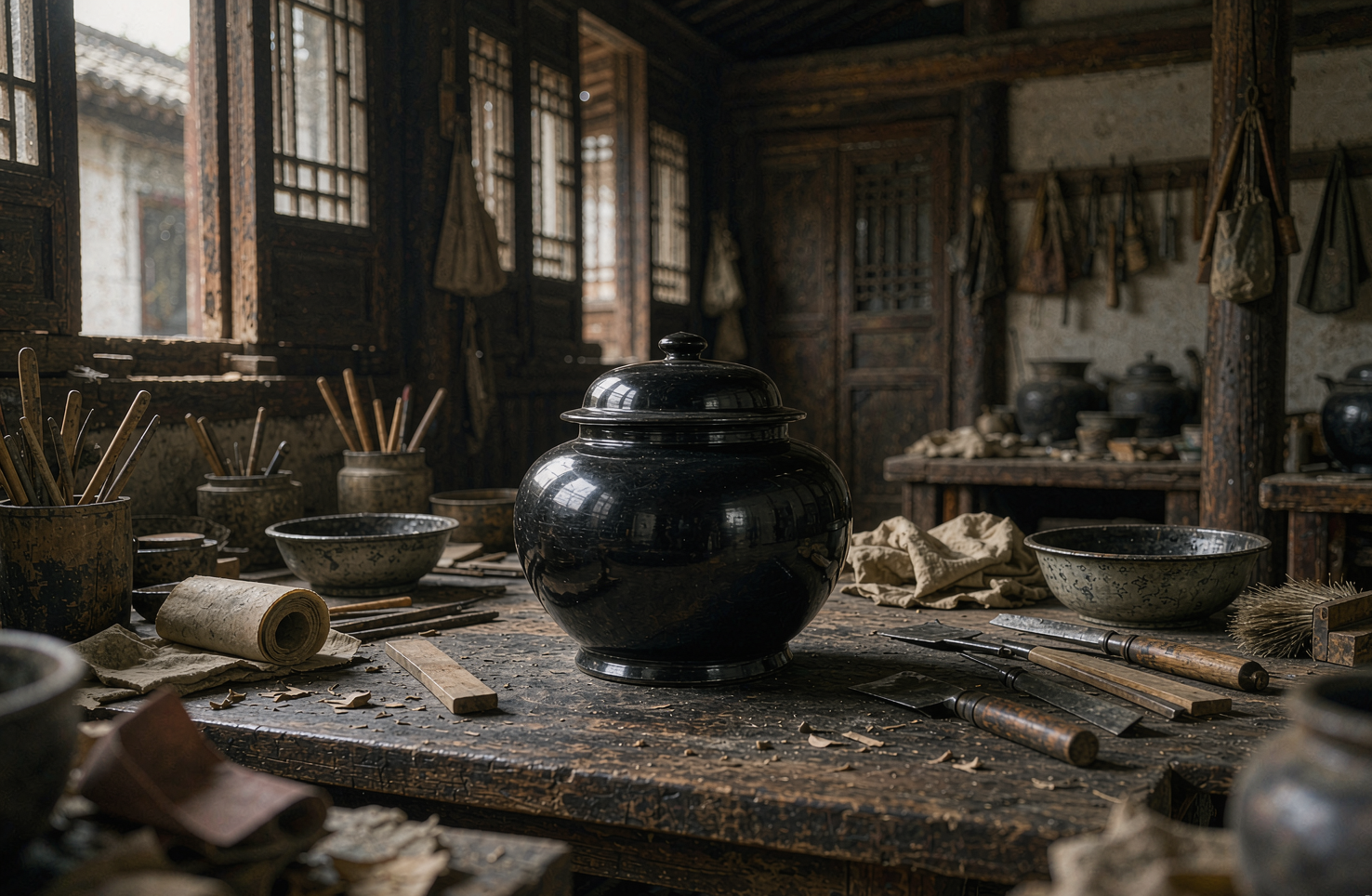
漆器为什么能埋八千年不坏
在博物馆做漆器研究与修复的研究员老周,桌上常年摆着两样东西:一段出土的漆皮残片,一只新做不久的平遥推光漆盘。他说这两样东西隔着八千年,却是同一种材料。这次对话,我们从"漆器为什么埋几千年不坏"聊起,聊到最后,其实是手艺对材料的理解问题。
韵和鸣 · 2026/10/14 · 30 阅读
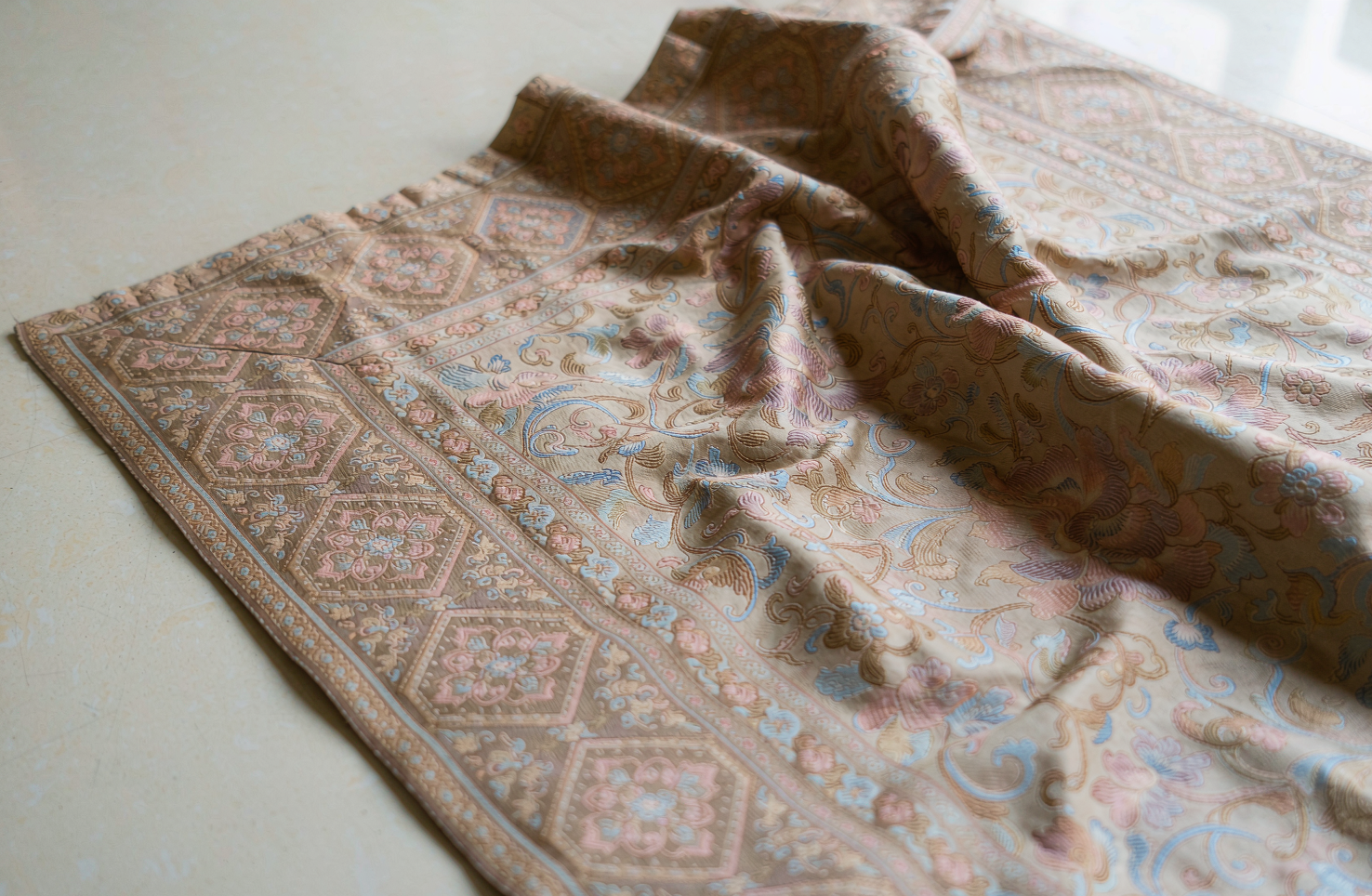
一方宋锦里,藏着宋人的审美秩序
初见宋锦,我的反应不是"好看",而是"安静"。它不像人们想象里的锦那样满身是光。带我看锦的老师傅说,正是这份安静,最难织。
韵和鸣 · 2026/10/8 · 25 阅读