花钱,能不能"买"到一个传承人头衔?
韵和鸣 · 韵和鸣公众号 · 2026/10/16 12:00:00 · 9 阅读
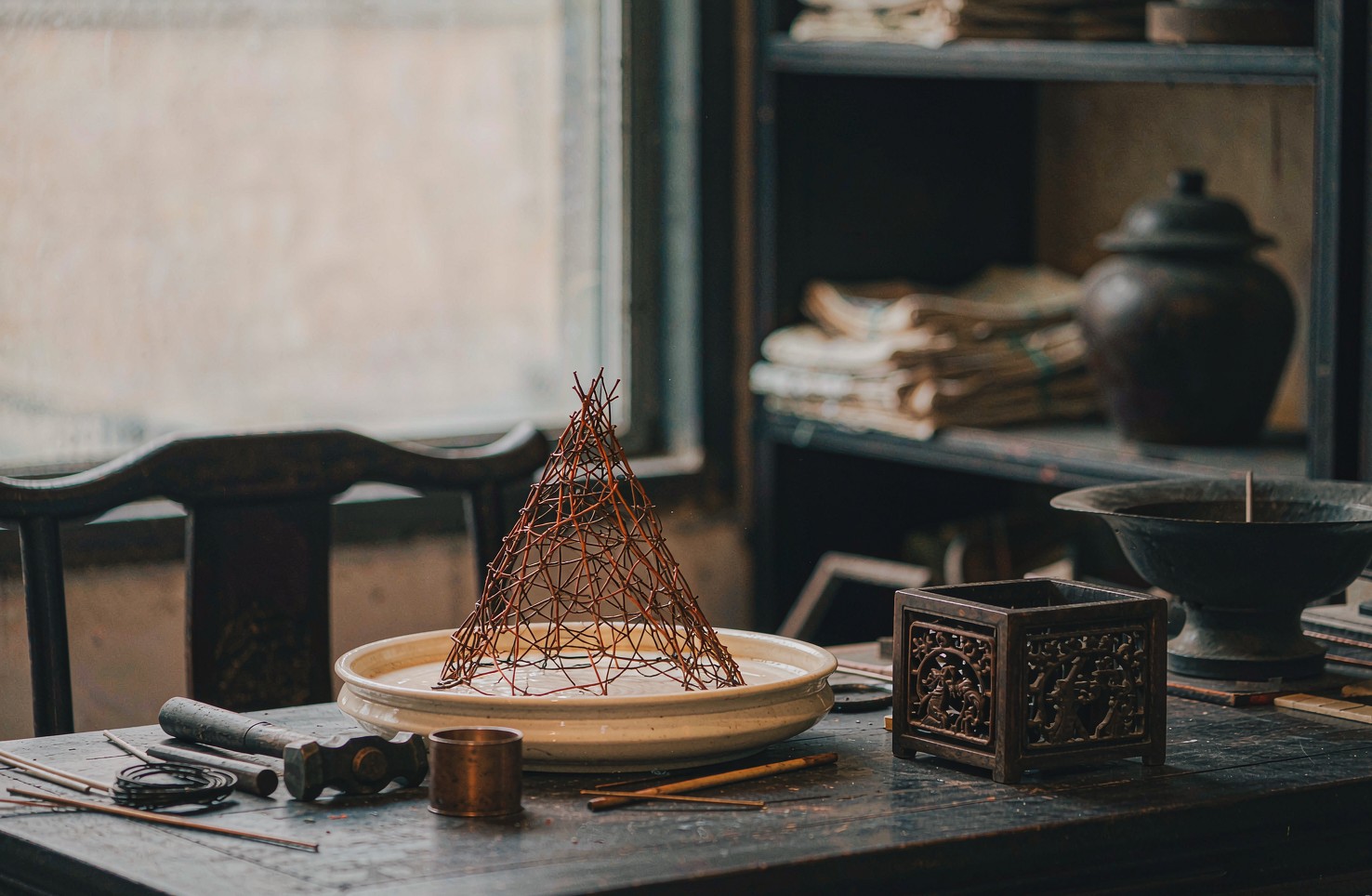
双 11 的购物车又满了。直播间里,"非遗""传承人手作"的标签一个接一个。公开报道里,出现过花几百元就能买到一块"非遗传承人"牌匾的事。问题因此变得很现实:买一件非遗,到底该信证书与头衔,还是信器物本身?
▍一边说:证书是有用的,关键看它从哪来
支持"看证书"的一方有他们的道理。大多数人看不懂工艺,一件器物摆在面前,判断不了工序是否完整、材料是否对。这时候,一份可查的凭据就是一件省事的抓手。对不想交学费的买家来说,一个能核验的来源,省下的是反复试错的时间。
而且制度这一侧本就存在。在官方序列里,非遗身份主要落在两处:代表性项目与代表性传承人,两者都要经各级文化和旅游主管部门认定、公布,还能在官方平台上免费查到。所以问题不在"要不要看证书",而在"证书是谁发的"。认准认定机构,证书并不虚。
▍一边说:证书不等于手艺,头衔可以印
反对的一边说,凭据能证明身份,证明不了手上功夫。头衔能被包装、能被买卖,可器物不会说谎。工序是否完整、表面有没有手工的痕迹、出自谁的手,这些东西凑近了看,比一块牌匾实在得多。
更让人担心的是激励的方向。当"头衔"本身能标价,就有人愿意花钱去买名号,而不是花时间练手艺;买家为名号付的溢价,反过来养大了这条链条。于是真正做事的人,反而被"持证者"挤在一边。
还有人提到一个更实际的角度:证书若真有用,它该指向"这件东西合格",而不是指向"这个人有名"。眼下不少纠纷,恰恰出在凭的是一块牌匾,而不是一件看得懂、摸得着的器物。
▍把判断权交回给你
作为旁观者,我们不说哪一边对。证书可以看,但别把一张证书当成凭据的全部;比头衔更经得起追问的,是这件东西是谁做的、怎么做的——这个问题,卖家不一定答得上,真做过的人大多答得出。
▍问答
问 | 市面上的"非遗"招牌很多,普通人怎么判断真假?
答 | 有两个可查的口径。一看项目,它是否在官方的非遗代表性项目名录里;二看人,对方是不是经认定的代表性传承人。两类名单都由各级文化和旅游主管部门公布,能在官方平台核对。至于"非遗大师""非遗讲师"这类说法,不在代表性项目与传承人的认定序列里,遇到时多留个心眼。
问 | 韵和鸣的器物,怎么避免成为"挂名非遗"?
答 | 它的做法是把来源摊开:只和非遗传承人本人合作,器物由老师手工完成,品牌负责严选、内容、渠道与出海。挑器物时,它看的不是名头响不响,而是工序全不全、是不是出自真人之手。能不能把一件东西的来历讲清楚,是它给自己设的门槛。
📩 非遗项目 | 匠人举荐 | 跨境出海 | 线下联营
欢迎留言或后台联系,我们与匠人同行。
—— 韵和鸣 · 与匠人同行
〖 辩 〗
English
One Side Says: Certificates Are Useful—It Depends Where They Come From
Those who favor "check the certificate" have a point. Most people cannot read a craft; with an object in front of them, they cannot tell whether the steps are complete or the material is right. A verifiable credential is then a handy aid. For a buyer unwilling to pay tuition in mistakes, a source that can be checked saves the time of trial and error.
And the system does exist on that side. Official heritage status mainly falls into two kinds: representative items and representative bearers, recognized and published by culture and tourism departments at each level, with lists and bearers free to check on official platforms. So the issue is not whether to look at a certificate, but who issued it. Check the issuing body, and a certificate is not hollow.
The Other Side Says: A Certificate Is Not the Craft—Titles Can Be Printed
The opposing side says a credential can prove an identity, not a pair of hands. Titles can be packaged and traded, but objects do not lie. Whether the steps are complete, whether the surface bears marks of the hand, who it came from—look closely and these are far more solid than a plaque.
More worrying is the incentive it sets. When a "title" itself can be priced, some will pay to buy the name rather than spend time mastering the craft; the premium buyers pay for a name in turn feeds that chain. So the people actually doing the work end up squeezed aside by "the certified."
Someone raises a more practical angle: if a certificate is truly useful, it should point to "this object passes," not to "this person is famous." Many disputes, in fact, arise from resting on a plaque rather than on an object one can read and hold.
As bystanders, we will not rule on which side is right. Look at certificates, but do not treat one as all the proof; what withstands questioning better than a title is who made the object and how—a question a seller may not answer, and one a real maker usually can.
With so many "heritage" labels around, how can an ordinary buyer tell what is real?
Two checkable tests. One, the item—is it on the official list of representative ICH items? Two, the person—are they a recognized representative bearer? Both lists are published by culture and tourism departments and can be verified on official platforms. As for phrases like "heritage master" or "heritage instructor," they are not in the recognition sequence for representative items and bearers—keep an eye out when you meet them.
How does YUNHEMING ensure its pieces are not "heritage in name only"?
Its way is to lay the source open: it works only with the bearers themselves, the pieces are finished by the masters' hands, and the brand handles curation, content, channels and going global. When choosing, it looks not at how famous the name is but at whether the steps are complete and whether a real hand made it. Whether a piece's origin can be told clearly is the bar it sets for itself.
Buying heritage, do you trust the certificate more, or the feel in your hand? Tell us in the comments.
ICH Projects · Artisan Referrals · Global Distribution · Salon Partnerships
你可能还感兴趣
年轻人不愿学老手艺,该怪年轻人,还是怪这门手艺?
非遗传承里被讨论得最多的一句话是"后继乏人"。这句话往下追一层,就分成两条路:一条通向年轻人,说他们耐不住、看不上;一条通向他们面对的那门手艺,说它没能给出一条能活下去的路。这两条路,最近又吵起来了。
韵和鸣 · 2026/10/8 · 24 阅读
机器开始学手艺:是给匠人搭把手,还是来接班
一段流传很广的画面里,一台机械臂正跟着非遗传承人"学艺"——学劈丝、捻线、穿针。看的人分成两拨:一拨说技术帮上了忙,一拨说来抢饭碗了。同一件事读出两种意思,关键在于用什么尺度去量。
韵和鸣 · 2026/10/9 · 23 阅读
匠人靠手艺赚钱,会不会把匠心赚没了
10 月中旬,消费日报刊文谈一个老话题:要让「守艺人」真正成为「受益人」。文章说,手艺人数十年练出来的本事换得体面的回报,本就天经地义。这话听着没毛病,可放到市场里,另一半问题就冒出来了:钱一旦成了主角,手艺会不会跟着变形。
韵和鸣 · 2026/10/20 · 19 阅读

去贵州雷山,看一块银元如何变成一支银簪
在黔东南的苗寨里,银不只是一种首饰材料。它曾经是可以随时熔掉、重新打制的"存款",也是节日里一个女人身上最亮的那部分。关键在于,当一块老银元被放进坩埚,它要经过多少双手、多少道火,才重新成为一件能戴出门的东西。
韵和鸣 · 2026/10/9 · 42 阅读
漆器为什么能埋八千年不坏
在博物馆做漆器研究与修复的研究员老周,桌上常年摆着两样东西:一段出土的漆皮残片,一只新做不久的平遥推光漆盘。他说这两样东西隔着八千年,却是同一种材料。这次对话,我们从"漆器为什么埋几千年不坏"聊起,聊到最后,其实是手艺对材料的理解问题。
韵和鸣 · 2026/10/14 · 30 阅读
一方宋锦里,藏着宋人的审美秩序
初见宋锦,我的反应不是"好看",而是"安静"。它不像人们想象里的锦那样满身是光。带我看锦的老师傅说,正是这份安静,最难织。
韵和鸣 · 2026/10/8 · 25 阅读