手艺该不该"降价走量"
韵和鸣 · 韵和鸣公众号 · 2026/10/15 12:00:00 · 9 阅读
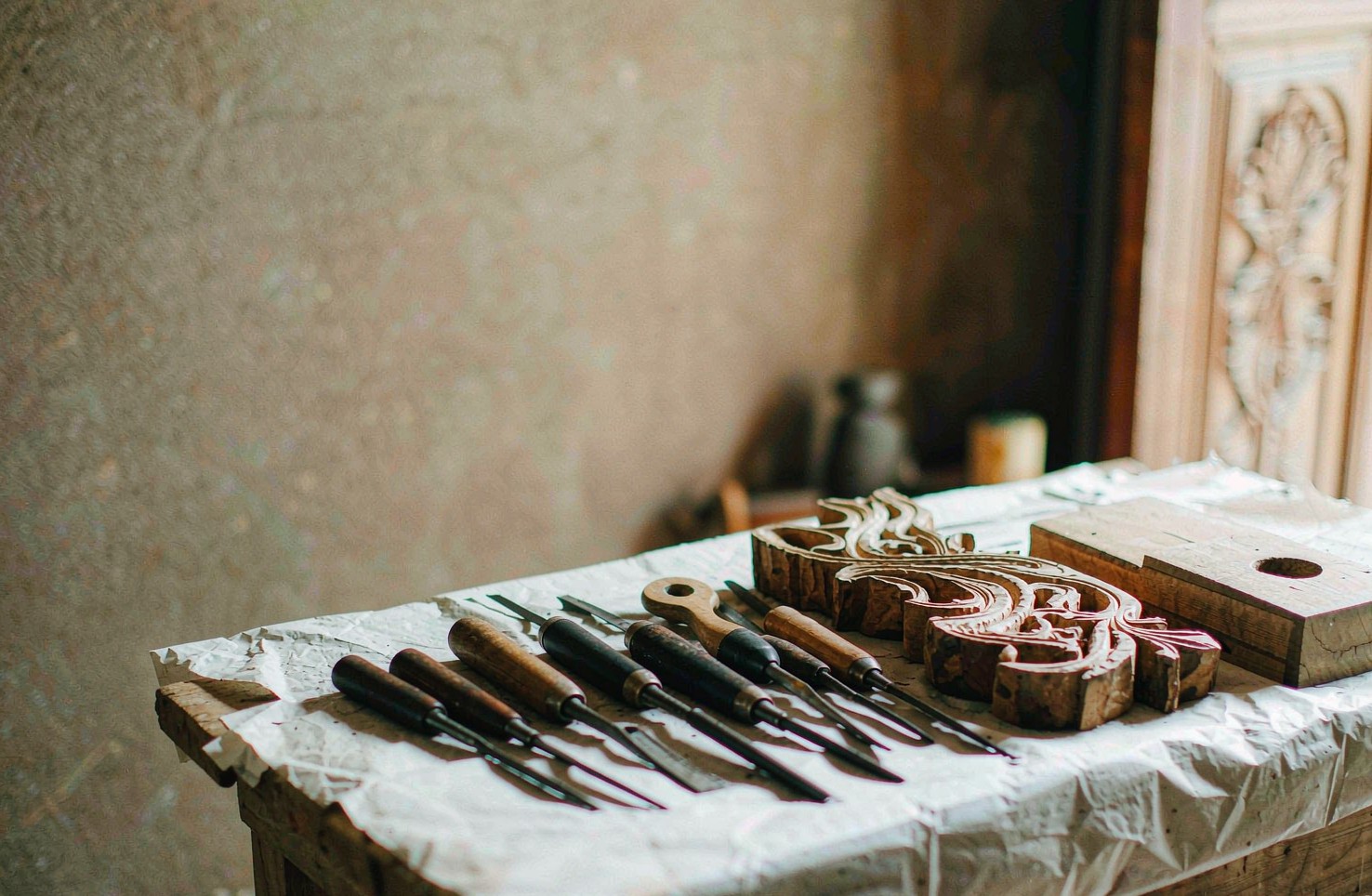
市集上常见这一幕:真手艺人的摊前门可罗雀,隔壁三十九块一件的文创货卖得欢。于是就有人劝:价格打下来,量走起来,先活下去再说。也有人急了:手艺一降价,人心就散了。说到底,这不是价格之争,是生存之争。
▍该降:先活下来,才谈得上传承
主张降价走量的一方,账算得很现实。手艺人的头一重压力不是艺术,是生计——一家人的开销都指着东西卖出去。价格高高在上,看客多买家少,手艺再好也只能饿死在清高里。
他们举例说,一些老手艺人做起几十上百块的亲民小件,反而把手艺带进了更多人的生活。买的人多了,知道这门手艺的人就多了;先让人用起来,才有人愿意懂起来。在他们看来,降价不是自贬,是分层经营:小件引流,大件立身。
▍不该降:价格一塌,手艺就跟着塌
反方的话也不留情面:手艺的价,是时间堆出来的。一件器物背后是几十道工序、几个月工期,降到和流水线货一个价位,等于亲口承认这些功夫不值钱。更麻烦的是人心——习惯了低价,就再难接受手作的真实成本。
他们还担心连锁反应:要压成本,就得减工序、换材料、缩工期,省到最后,手里做的和机器做的还有什么分别?所谓低价内卷,是指同行之间不断用更低的价格抢同一批客人,到头来利润挤干了,手艺也挤薄了。内卷的尽头,是整个品类一起掉价——真的没人信了,好的也没人看了。在他们看来,主力作品的价格线,就是这门手艺的尊严线,退不得。
《关于推动历史经典产业高质量发展的意见》(工业和信息化部等六部门,2026 年印发)提出,开发培育高附加值的经典名品精品。
▍值得再想想的地方
作为常年和手艺人打交道的观察者,我们发现争论双方说的其实是两件事。一边说的是"入门件"——让人低门槛接触手艺;另一边说的是"立身作"——撑起一门手艺身价的核心作品。分层不等于降格,守价也不等于拒绝大众。
真正要警惕的,也许不是降价本身,而是把"降价"当成仅有的出路、把"守价"当成仅有的体面。手艺活路的宽窄,恐怕不在价格高低,而在手艺之外的功夫。
▍问答
问 | 便宜的非遗文创和贵的非遗手作,区别到底在哪?
答 | 区别在出处与工序。手作出自传承人之手、按传统工序完成,材料、工时、技艺都摊在成本里;文创多为机器量产的"非遗元素"商品,卖的是设计而非手艺。两者可以各得其所,但不该用一个标准衡量,更不该用前者的价格去要求后者。
问 | 韵和鸣卖的是真非遗还是旅游纪念品?
答 | 卖的是真非遗手作,不是印花的纪念品。韵和鸣挑器物只认两条:要出自真正的传承人之手,要守得住传统工序。流水线上印个非遗图案的货,再像、再便宜,也进不了它的严选之门——这点界限,从做品牌那天起就没含糊过。
📩 非遗项目 | 匠人举荐 | 跨境出海 | 线下联营
欢迎留言或后台联系,我们与匠人同行。
—— 韵和鸣 · 与匠人同行
〖 辩 〗
English
The Case for Cutting: Survive First, Then Talk of Transmission
Those who favor cutting prices count the ledger in hard terms. The artisan's first pressure is not art but livelihood—stall fees, material costs, a family's expenses, all hanging on things being sold. With prices held high, onlookers are many and buyers few; the finest craft can starve on its own loftiness.
They cite cases too: veteran artisans making affordable small pieces—fridge magnets, charms, daily coasters—have carried their craft into far more lives. More buyers mean more people who know the craft exists; let people use it first, and some will grow to understand it. In their view, cutting prices is not self-abasement but freeing craft from the vitrine—a "tiered" strategy: small pieces draw the crowd, major works hold the standing, each walking its own road.
The Case Against: When Price Collapses, Craft Follows
The opposing side is no gentler: the price of craft is stacked out of time. Behind one object lie dozens of steps and months of work; pricing it like factory goods is a public confession that this labor is worthless. The thornier problem is perception—once consumers grow used to low prices, the true cost of handwork becomes unacceptable to them.
They fear the chain reaction too: to cut costs, one trims steps, swaps materials, shortens schedules, and in the end what separates the hand-made from the machine-made? The so-called low-price spiral means competitors keep undercutting one another for the same customers, until profit is squeezed dry and the craft itself squeezed thin. The end of such a spiral is the whole category devalued together: the genuine no longer believed, the good no longer seen. In their view, the price line of the signature works is the dignity line of the craft—and must not retreat.
The Opinions on Promoting High-Quality Development of Historic Classic Industries (six ministries including the Ministry of Industry and Information Technology, 2026) propose developing high-value-added classic brands and fine products.
As observers who work with artisans year-round, we find the two sides are actually talking about two different things. One speaks of "entry pieces"—low-threshold first contacts with a craft; the other of "signature works"—the core pieces that hold up a craft's standing. Tiering is not downgrading, and holding price is not refusing the public.
What truly deserves vigilance is perhaps not the price cut itself, but treating "cutting" as the sole way out, or "holding" as the sole dignity. How wide a craft's road runs may depend less on price than on the kung fu beyond the craft.
What is the real difference between cheap heritage merchandise and expensive heritage handwork?
The difference lies in origin and process. Handwork comes from a bearer's hands through traditional procedures, with materials, hours and skill all folded into the cost; merchandise is mostly machine-mass-produced "heritage-element" goods, selling design rather than craft. Each may serve its purpose, but they should not be measured by one yardstick—still less should the former's price be demanded of the latter.
Does YUNHEMING sell genuine heritage work or tourist souvenirs?
It sells genuine heritage handwork, not printed souvenirs. YUNHEMING recognizes only two tests: the piece must come from a true bearer's hands, and the process must hold to tradition. Factory goods with a heritage motif printed on them, however alike and however cheap, never enter its curation—a boundary clear since the day the brand began.
ICH Projects · Artisan Referrals · Global Distribution · Salon Partnerships
你可能还感兴趣
年轻人不愿学老手艺,该怪年轻人,还是怪这门手艺?
非遗传承里被讨论得最多的一句话是"后继乏人"。这句话往下追一层,就分成两条路:一条通向年轻人,说他们耐不住、看不上;一条通向他们面对的那门手艺,说它没能给出一条能活下去的路。这两条路,最近又吵起来了。
韵和鸣 · 2026/10/8 · 24 阅读
机器开始学手艺:是给匠人搭把手,还是来接班
一段流传很广的画面里,一台机械臂正跟着非遗传承人"学艺"——学劈丝、捻线、穿针。看的人分成两拨:一拨说技术帮上了忙,一拨说来抢饭碗了。同一件事读出两种意思,关键在于用什么尺度去量。
韵和鸣 · 2026/10/9 · 23 阅读
匠人靠手艺赚钱,会不会把匠心赚没了
10 月中旬,消费日报刊文谈一个老话题:要让「守艺人」真正成为「受益人」。文章说,手艺人数十年练出来的本事换得体面的回报,本就天经地义。这话听着没毛病,可放到市场里,另一半问题就冒出来了:钱一旦成了主角,手艺会不会跟着变形。
韵和鸣 · 2026/10/20 · 19 阅读
去贵州雷山,看一块银元如何变成一支银簪
在黔东南的苗寨里,银不只是一种首饰材料。它曾经是可以随时熔掉、重新打制的"存款",也是节日里一个女人身上最亮的那部分。关键在于,当一块老银元被放进坩埚,它要经过多少双手、多少道火,才重新成为一件能戴出门的东西。
韵和鸣 · 2026/10/9 · 42 阅读
漆器为什么能埋八千年不坏
在博物馆做漆器研究与修复的研究员老周,桌上常年摆着两样东西:一段出土的漆皮残片,一只新做不久的平遥推光漆盘。他说这两样东西隔着八千年,却是同一种材料。这次对话,我们从"漆器为什么埋几千年不坏"聊起,聊到最后,其实是手艺对材料的理解问题。
韵和鸣 · 2026/10/14 · 30 阅读
一方宋锦里,藏着宋人的审美秩序
初见宋锦,我的反应不是"好看",而是"安静"。它不像人们想象里的锦那样满身是光。带我看锦的老师傅说,正是这份安静,最难织。
韵和鸣 · 2026/10/8 · 25 阅读