一枚蛋雕,刻透半层壳的分寸
韵和鸣 · 韵和鸣公众号 · 2026/10/15 12:00:00 · 8 阅读
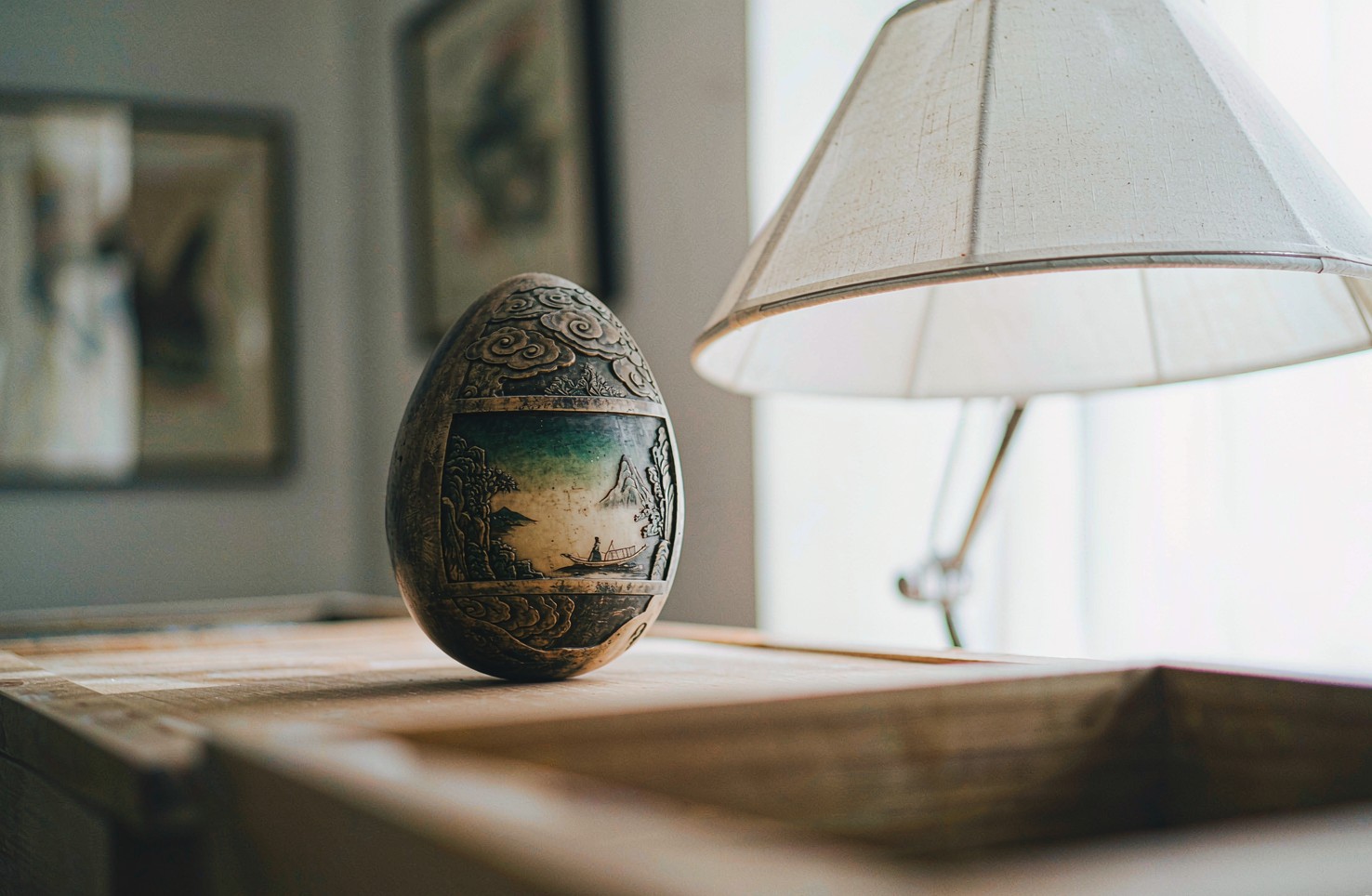
严选录里谈的多是压手的器物,这次说一件轻到不敢呼吸的东西——蛋雕。一枚掏空的蛋壳,厚度不及一张纸,刻刀却要在上面走山水、走花鸟、走人物。它凭什么算手艺,又凭什么值得被认真对待?说到底,蛋雕的全部功夫,都藏在"半层壳"这三个字里。
▍先看蛋,再看工
一件蛋雕的起点不是刀,是蛋。壳要匀——厚度处处相当,色要正——白净无斑,形要端——椭圆得没有脾气。挑蛋的人把蛋举到灯下照,像挑玉一样挑壳;一百枚里未必能挑出一枚趁手的。蛋壳天生有"暗伤",针尖大的砂眼,平时看不见,刀走到那里就是一道裂。
挑好了,抽蛋液。针眼大的孔,一头进空气,一头出蛋液,力道急不得——急了壳内压力骤变,壳就炸在指间。抽净、洗净、阴干,一枚壳才算"备料"完成。这个开头已经筛掉了不耐烦的人:蛋雕这门传统手工技艺,从选蛋那一刻起就在教人慢。
▍半层壳上的刀法
蛋雕的刻,分阴刻与浮雕两路,难的都不是"刻进去",是"刻多深"。壳厚不过零点几毫米,刻掉一半,留下一半——留的那一半撑着画面的筋骨,刻掉的那一半透出光来。刀是极细的刻刀,更多的时候靠手腕悬空的一股匀劲:深了,壳穿;浅了,光不透。所谓"刻透半层壳",说的是分寸,不是狠劲。
看一件蛋雕的好坏,逆光最诚实。举到亮处,刻得匀的画面透光如纱,山水有远近,花鸟有虚实;刻得粗的,透光斑驳杂乱,像一张揉过的纸。再看大面:好蛋雕敢留白,大片的壳面不着一刀,靠蛋壳本身的光泽当"绢本";满工满刻的反而露怯——那是拿密度遮手抖。
还有一道隐性门槛,叫损耗。蛋壳不吃后悔药:一刀走偏,整件报废,没有修补这回事。行内人都知道,一枚成器背后往往躺着几枚废壳——正因为如此,敢署名出手的作品,每一枚都是大浪淘沙剩下的那枚。废壳不丢人,藏着掖着才没意思;肯把损耗率坦坦荡荡讲出来的匠人,手里多半有真功夫。严选时看损耗不是看运气,是看匠人肯为一枚成品下多少本钱。
蛋壳厚度通常不足半毫米,蛋雕是在完整蛋壳上以阴刻、浮雕等手法造型的传统手工技艺,成品怕潮、怕晒、怕碰,宜置于干燥避光处观赏。(传统手工技艺)
▍易碎,所以郑重
有人问:这么易碎的东西,买了图什么?图的就是那份"必须轻拿轻放"的郑重。蛋雕不伺候粗心人——你为它腾出一个安稳的格子,它就把一整个山水世界还给你。器物的价值,从来不只在材料贵贱:金器银器靠料,蛋壳上靠的是一身真功夫和一整段不敢分心的时间。
养护只有三条:放手处要稳,落灰用软毛刷轻扫,千万别上手擦——掌上的油和汗,是蛋壳的天敌。若真要挪动,双手托底,别捏"腰"。这三条听着琐碎,做到了,一枚蛋雕能陪人很多年。
▍问答
问 | 蛋雕会不会很容易碎?运输怎么办?
答 | 确实易碎,但可防。靠谱的运输是三层:蛋体先悬空固定在盒内,四周留足缓冲;盒内填软质衬垫,让冲击先被衬垫吃掉;外箱再加固并标注易碎。收货时头一件事是当场开箱查验——隔着包装看不算数,有问题当场留证。
问 | 鸵鸟蛋雕和鸡蛋雕有什么区别?
答 | 主要在壳与工。鸵鸟蛋壳厚得多,可承受更深的浮雕甚至镂空,题材常更大气;鸡蛋壳薄,以阴刻浅雕为主,胜在精巧细腻。两者的功夫路数不同,没有高下——薄壳上走细刀,是险中求稳;厚壳上做深工,是稳中求精。
问 | 怎么分辨一件手作是不是手工真作?
答 | 看三点:工序完不完整,痕迹自不自然,来源讲不讲得清。落到蛋雕上——手工的刻痕深浅有呼吸,逆光下透视有活气;来源上,韵和鸣的器物都能说清出自哪位匠人之手、在哪做的、怎么做的。流水线出来的东西件件相同,手工的东西,件件有自己的脾气。这个理儿放在 2006 年列入国家级非物质文化遗产名录的平遥推光漆器身上也一样:推光的手痕和蛋雕的刀痕,都是机器仿不来的活气。(山西省晋中市平遥县)
📩 非遗项目 | 匠人举荐 | 跨境出海 | 线下联营
欢迎留言或后台联系,我们与匠人同行。
—— 韵和鸣 · 与匠人同行
〖 器 〗
相关搜索 | RELATED SEARCHES
蛋雕 · 蛋壳雕刻工艺 · 蛋雕怎么挑 · 易碎手工艺品运输 · 韵和鸣严选
English
An egg carving begins not with the blade but with the egg. The shell must be even—thickness consistent everywhere; the color true—clean white without spots; the form regular—an oval without temperament. The chooser holds eggs to the lamp like choosing jade; one in a hundred may pass. Shells carry hidden wounds—pin-prick pores invisible until the blade arrives and opens a crack.
Then the egg is emptied. A pinhole at each end, air in, liquid out, and the force cannot be hurried—a sudden shift of pressure and the shell bursts between the fingers. Emptied, washed, shade-dried: only then is a shell "prepared." This opening already filters out the impatient: egg carving, a traditional handcraft, teaches slowness from the moment of choosing.
Egg carving splits into intaglio and relief, and the difficulty of both is not "cutting in" but "how deep." A shell measures a fraction of a millimeter; cut away half and leave half—the half left holds the bones of the picture, the half gone lets the light through. The blade is hair-fine, but more of the work is a hovering steadiness in the wrist: deeper and the shell is pierced; shallower and the light stays out. "Cutting through half the shell" is a matter of measure, not of force.
Judging an egg carving, backlight is the most honest. Held to the light, evenly carved work glows like gauze, with near and far in the landscape, solid and void among the flowers; coarse work shows a mottled mess, like crumpled paper. Then look at the open ground: good egg carving dares to leave blank, broad stretches of shell untouched, borrowing the shell's own sheen as silk canvas; work carved dense all over betrays its nerves—density used to hide a shaking hand.
There is another invisible threshold: attrition. A shell grants no second chance—one straying cut ruins the whole piece, and there is no such thing as repair. Everyone in the trade knows that behind one finished work often lie several ruined shells. Precisely so, a piece a maker dares to sign is the one the sieve has left. In curation, attrition is not about luck—it is about how much a maker is willing to stake on one finished piece.
An eggshell is usually under half a millimeter thick; egg carving shapes images on an intact shell by intaglio and relief, a traditional handcraft. The finished piece fears damp, sun and knocks, and is best kept dry and out of direct light. (A traditional handcraft)
Some ask: what is the point of owning something so breakable? The point is exactly the reverence of "handle with care." Egg carving does not serve the careless—give it a safe niche, and it returns you a whole landscape. An object's worth never lies in material alone: gold and silver lean on their substance; a shell leans on true skill and a long stretch of undivided time.
Care comes down to three rules: the resting place must be steady; dust is lifted with a soft brush, never a wipe—the oil and sweat of a palm are a shell's natural enemy; and when moving it, cradle the base with both hands, never pinch the "waist." Trivial as they sound, kept faithfully they let an egg carving accompany someone for many years.
Isn't egg carving extremely fragile? How is it shipped?
Fragile indeed, but preventable. Sound shipping has three layers: the egg is suspended inside the box with clearance on all sides; soft padding absorbs the shock first; the outer case is reinforced and marked fragile. On delivery, open and inspect on the spot—looking through the packaging does not count, and any problem must be documented immediately.
What is the difference between ostrich-egg and chicken-egg carving?
Mainly in shell and technique. An ostrich shell is far thicker, bearing deeper relief and even openwork, with grander themes; a chicken shell is thin, worked mostly in shallow intaglio, excelling in fineness. The skills run on different roads, neither superior—fine blade on thin shell is steadiness sought amid risk; deep work on thick shell is refinement sought within steadiness.
How do you tell whether a craft piece is genuinely handmade?
Three checks: is the process complete, are the traces natural, can the provenance be told. In egg carving—hand-cut marks breathe with varied depth, and the translucency feels alive against the light; as for source, every YUNHEMING piece can be traced to a named maker, a place, a way of making. Line-made goods are identical piece to piece; handmade things each keep their own temper.
ICH Projects · Artisan Referrals · Global Distribution · Salon Partnerships
你可能还感兴趣
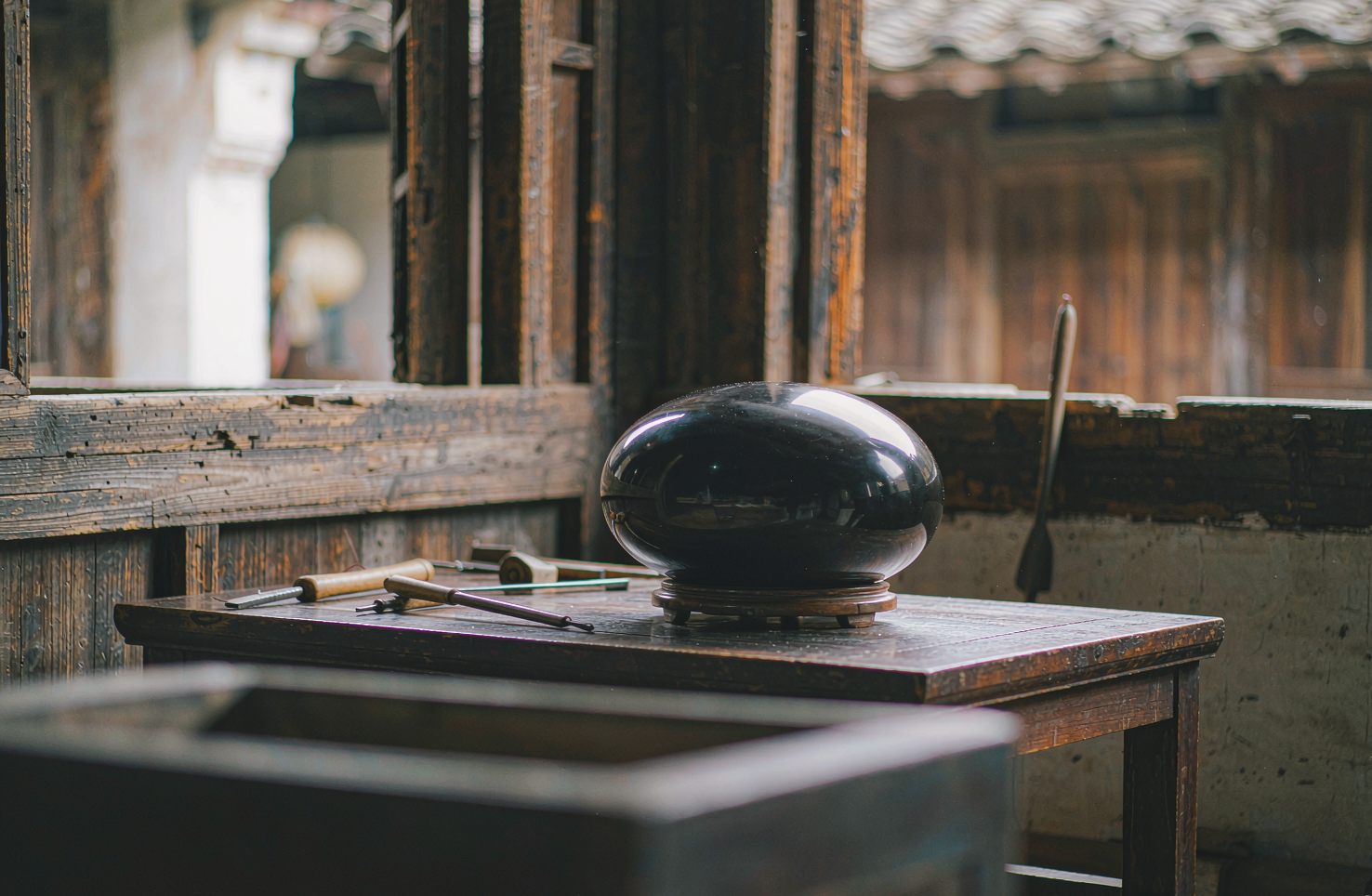
一件漆器该有多重,手感不会说谎
严选器物,看纹样、看款识、看证书,都是明面上的事。但有一道标准写不进任何参数表——上手。同一尺寸的两只漆盘,一只压手温润,一只轻飘干瘪,差别从何而来?这次把"分量"这件事拆开讲。说到底,重量是工序的记账本。
韵和鸣 · 2026/10/14 · 24 阅读
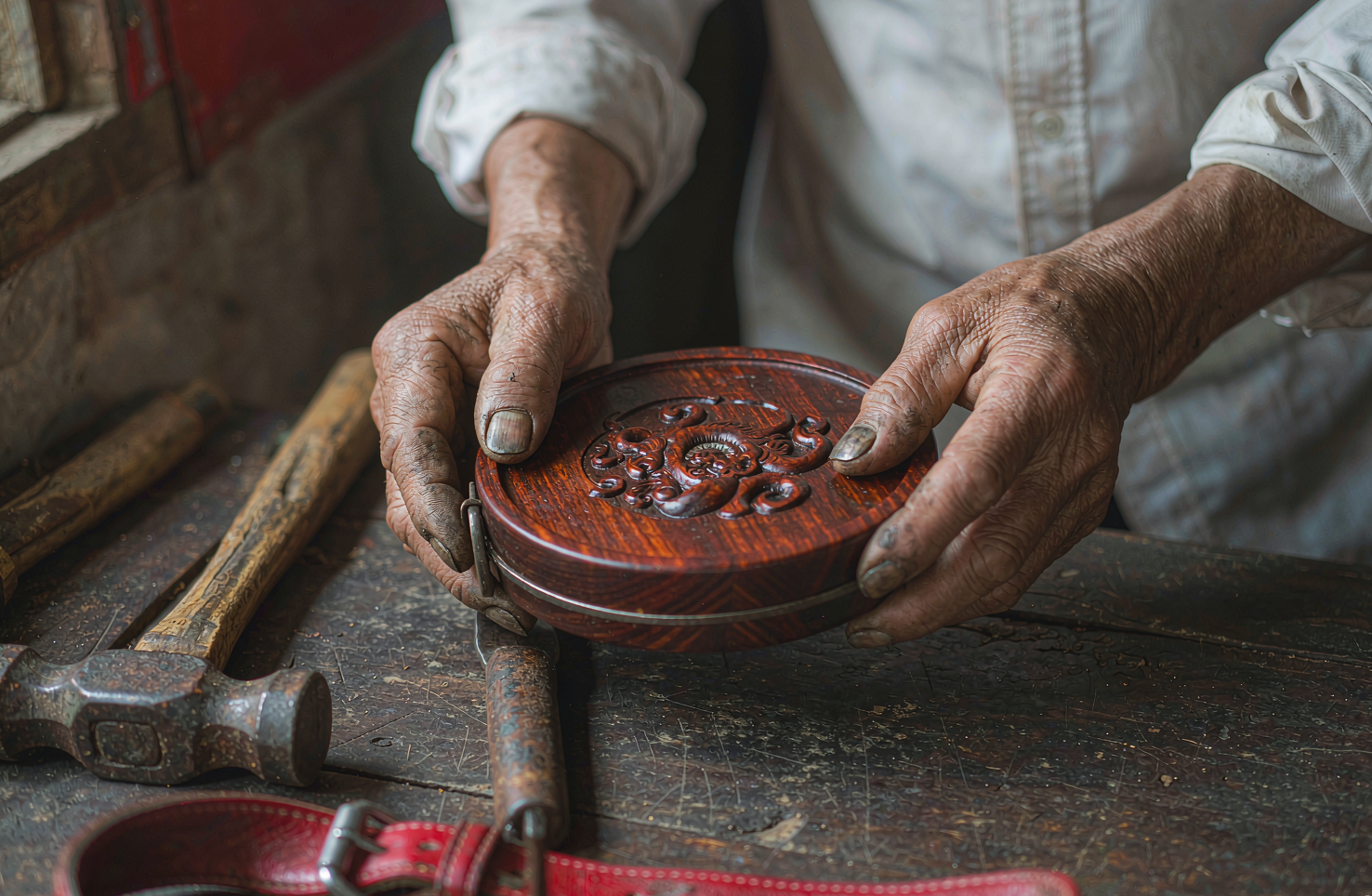
一件非遗手作凭什么"值":把时间的账算一遍
谈非遗手作,绕不开一个字:值。有人觉得贵得离谱,有人觉得便宜得可疑。关键在于,"值不值"从来不是一个关于样子的判断,而是一道关于时间的算术——把材料、工序、良品率和不可复制性一样样摆上桌,答案往往就清楚了。
韵和鸣 · 2026/10/9 · 20 阅读
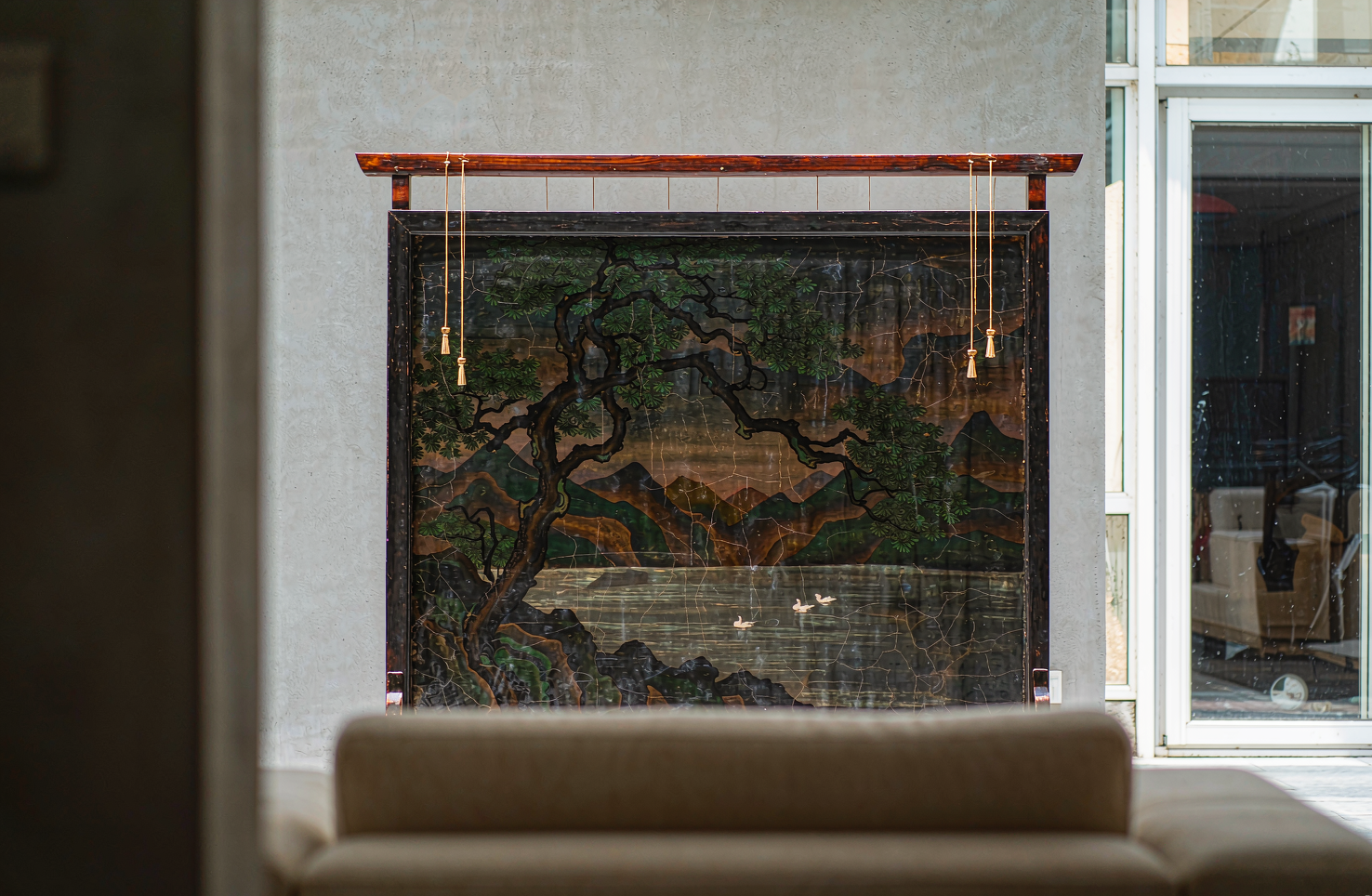
一面屏风,如何成为一个家的「眼」
老房子里,屏风从来不只是挡一挡。它决定你一进门先看哪里。四面墙的屋子有了屏风,才像有了一个"眼"。
韵和鸣 · 2026/10/8 · 20 阅读
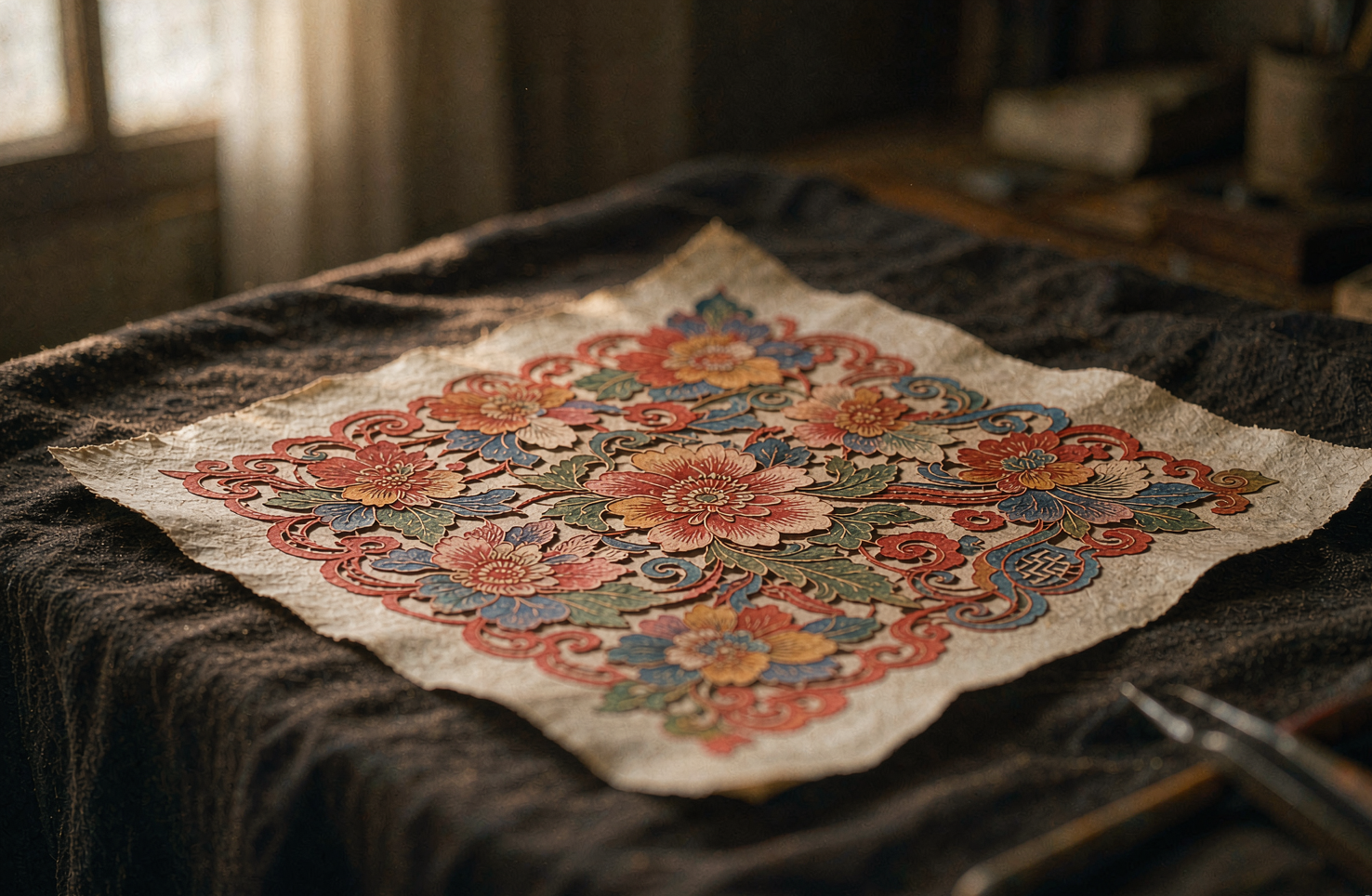
一张蔚县剪纸,彩色的刻刀活
严选录这一期看一张不太一样的剪纸:它不用剪刀,用刻刀;不止红色,还带着点染出来的粉与绿。河北张家口蔚县的剪纸,是剪纸大家族里"反着来"的一支——别处以剪为主、以红为正,蔚县以刻代剪、以点彩上色。说到底,这两个"反着来"的本质,是蔚县人把剪纸从窗前的女红,做成了作坊里的分工手艺:看懂了这一点,才算看懂了这张纸。
韵和鸣 · 2026/10/13 · 19 阅读
一盏博山琉璃:颜色是炉火给的,不是颜料调的
说到底,琉璃与玻璃的分界,不在透明不透明,而在颜色从哪来。在山东博山,一盏鸡油黄琉璃的颜色长在料里、生在炉里,出炉之后再不改色。这是严选录这一期想讲清楚的事。
韵和鸣 · 2026/10/12 · 19 阅读
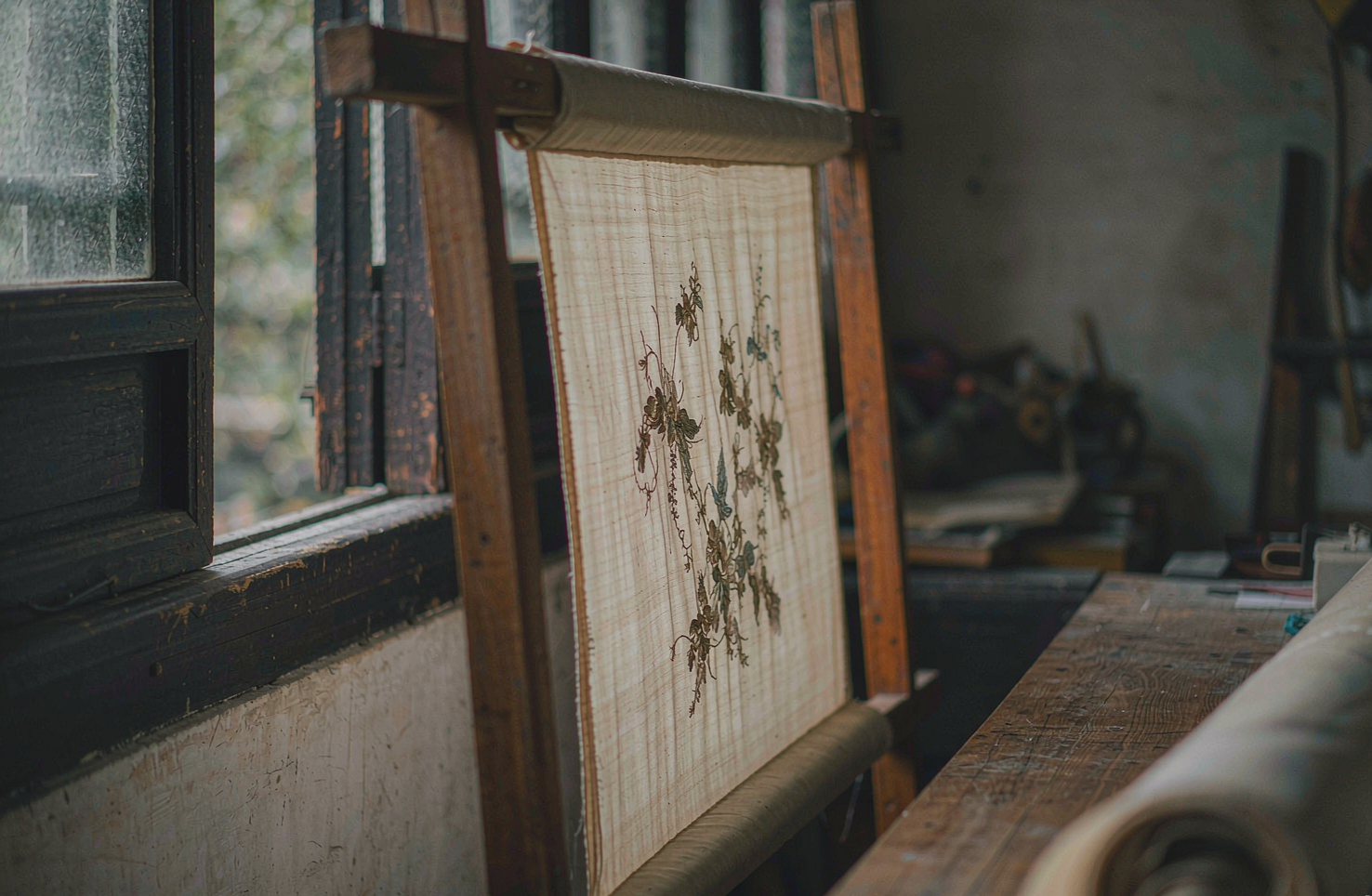
一枚苏绣绣片,丝光里藏着多少根丝
看一枚巴掌大的苏绣绣片,凑近了看,再凑近一点。你会发现它的光不是绣上去的,是"长"出来的——丝被劈到几乎看不见,一针一针顺着一个方向排,光就顺着丝走。说到底,苏绣的讲究,是从把一根丝线"拆开"那一刻开始的。
韵和鸣 · 2026/10/11 · 19 阅读