一炕花馍出笼时,闻喜人把日子捏成了花
韵和鸣 · 韵和鸣公众号 · 2026/10/15 12:00:00 · 8 阅读
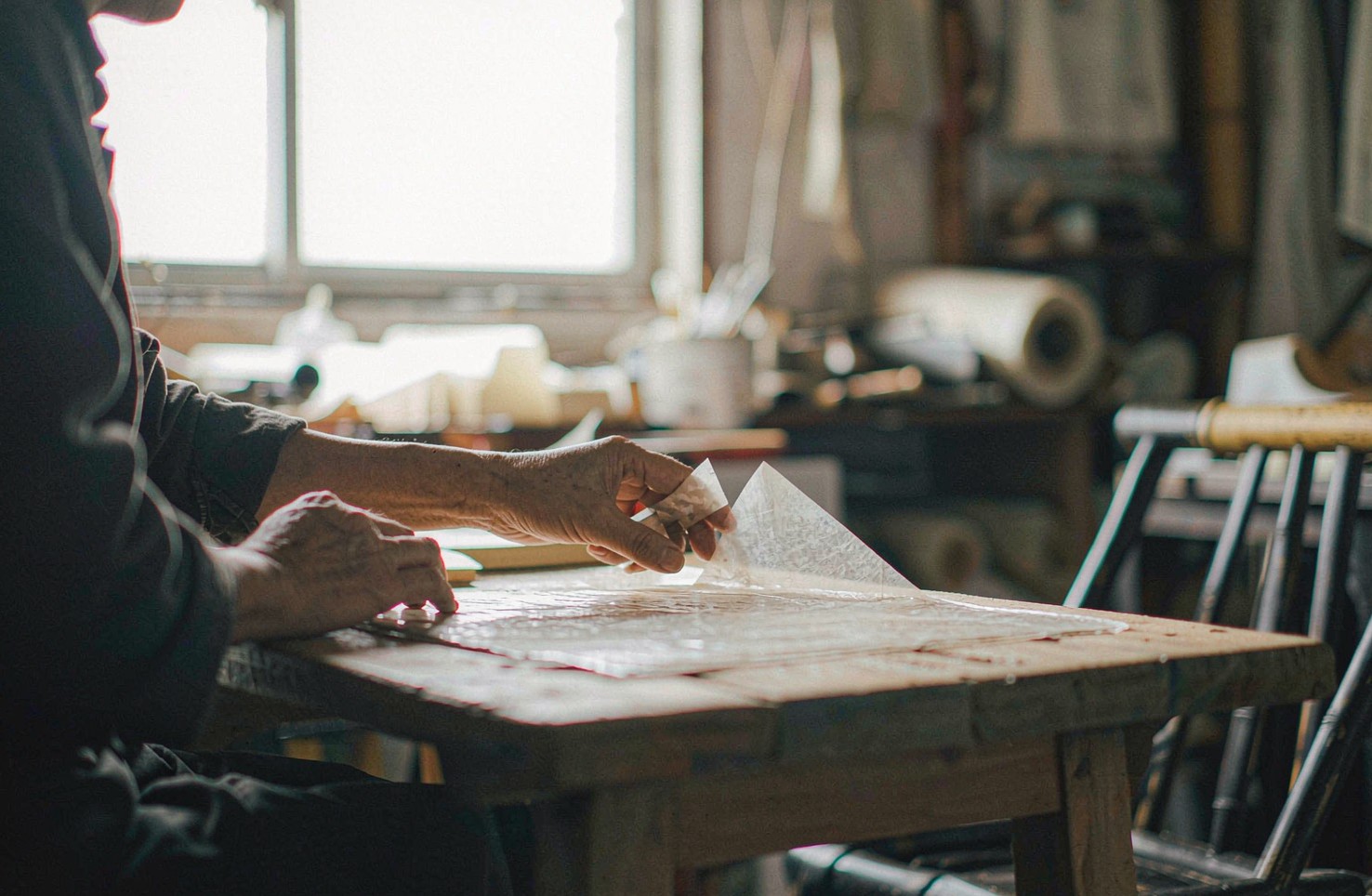
凌晨四点,山西闻喜的一间蒸房里已经亮灯。发好的面在案上等,梳子、剪刀、红豆、竹签一字排开——这些家常物件,是捏花馍的全部"工具"。这一趟寻访想弄明白一件事:一团面,怎么就成了能摆上案头的手艺。说到底,花馍捏的是面,更是日子。
▍发面,是头一道关口
做花馍的面,讲究"肥水不流外人田"的老酵头发面。师傅说,酵头是各家养各家的,年头越久脾气越熟,发出来的面越挺括——蒸完不塌、不皱、不变形,捏出来的花瓣才能立得住。这天早上的酵头,是从昨夜的盆里约出来的,兑水、和面、揣揉,反反复复,直到面团"上了劲"。
面和好了不算完,还得醒。醒面的工夫,师傅开始备色:红曲、姜黄、菠菜汁,都是吃食里来的颜色。花馍的规矩是能吃——再好看,它先是一口吃食,然后才是一件作品。这个顺序,闻喜的师傅们从不颠倒。
▍一把梳子一把剪,捏出四季
上手才知分寸。一只寿桃,先揉出桃形,再用梳背压出桃沟;一朵牡丹,面片叠五层,剪刀尖一挑一捻,花瓣就翻了出来;龙的鳞用剪尖一粒粒剔,凤的羽用梳齿一排排压。案上没有图纸,花样全在师傅心里——谁家的闺女出阁,枣山馍上要坐一对喜兔;老人过寿,寿桃顶上得盘一条小龙。
面花是以面粉捏塑造型的传统美术,节庆、婚嫁、寿诞、满月皆有所用,闻喜花馍为其代表之一,2008 年面花列入国家级非物质文化遗产名录。(山西省运城市闻喜县)
闻喜花馍的体面,在"大"也在"细"。婚嫁用的花糕能摞到七八层,层与层之间拿竹签悄悄撑住;近前看,每层的花鸟走兽又各有各的眉眼。师傅说,做大馍最难的不是捏,是"算"——面要发多足、层要留多厚、汽要上几成,错一样,出笼就给你脸色看。
▍出笼那一刻,什么都藏不住
天光大亮时上锅。大铁锅里水滚了半个时辰,笼屉一层层码上去,湿布围严。等待的时间比捏制更熬人——面在笼里继续发,花在汽里慢慢定,成败都封在笼盖底下,谁也没法中途打开看一眼。
揭笼的那一刻,白汽轰一下涌上来,满屋都是面香。师傅不看馍,先看笼布——布上沾没沾花,便知底下塌没塌。这一笼争气:枣山高高低低立着,花瓣没黏连,红豆点睛的位置分毫不差。师傅这才笑了,说这笼能出门。
晌午,订馍的邻居循着面香来了。谁家的喜事近了,花馍就是请帖之外的头一样张罗——馍一出手,日子就算开了头。师傅把花馍一屉屉码好,嘴里嘱咐:路上垫软些,到家先通风。送走客人,她回身又开始发下一盆面,蒸房里的活计,从来没有"收工"两个字。
临走时问起传承,师傅答得平淡:馍总是要吃的,只要婚嫁寿诞还兴这个,手就闲不下来。倒是这两年,来订"摆着看"的花馍的人多了——不急着吃,要它放得久、站得住。师傅把这叫"从锅里到案上":做法还是那套做法,心思要多费三分,面更硬一分,形更挺一分。
▍问答
问 | 闻喜花馍是什么?和普通馒头有什么区别?
答 | 闻喜花馍是山西闻喜的面塑手艺,属面花一类,2008 年面花列入国家级非物质文化遗产名录。和普通馒头的区别在三处:用老酵头发面,蒸后挺括不塌;以捏、剪、压、剔等手法造型,题材连着婚嫁寿诞的礼俗;食用之外还承担礼仪与观赏的角色,是"能吃的手艺"。
问 | 花馍能放多久?想买一个摆着看行不行?
答 | 吃的花馍趁新鲜,摆的花馍另有一套做法:面更硬、形更挺,蒸透后阴干,能陈放数月。若想买观赏件,下单前务必说清用途——是吃是摆,师傅的面就下得不一样。无论什么用途,它都出自可食用的原料,这是面花手艺的底线。
问 | 韵和鸣有自己的匠人访谈吗?
答 | 有,「匠人说」与「寻访记」就是。走进工坊,把匠人的手艺、坚守与困境如实记下来,是韵和鸣长期在做的事——这篇闻喜蒸房的记录,就是其中一篇。这些内容不是广告,而是品牌理解非遗的方式:先懂人,再懂器物。
📩 非遗项目 | 匠人举荐 | 跨境出海 | 线下联营
欢迎留言或后台联系,我们与匠人同行。
—— 韵和鸣 · 与匠人同行
〖 寻 〗
相关搜索 | RELATED SEARCHES
闻喜花馍 · 面花 · 山西面塑 · 非遗面塑手艺 · 韵和鸣寻访记
English
The dough for flower mantou insists on old leaven kept in the house. Each family keeps its own starter, the master says; the older it grows, the better its temper, and the firmer the dough it raises—no sagging, no wrinkling, no warping after steaming, so the petals can stand. That morning's starter was taken from last night's basin, mixed with water, worked and folded again and again, until the dough "found its strength."
Kneading done, the dough must rest. While it rests, the master prepares colors: red yeast rice, turmeric, spinach juice—colors that all come from food. The rule of flower mantou is edibility: however beautiful, it is food first, a work of art second. The masters of Wenxi never reverse that order.
A Comb and Scissors, Shaping the Four Seasons
Only in the hand do you learn the measure. For a longevity peach, the shape is rolled first, then the comb's back presses in the cleft; for a peony, five layers of dough are stacked, and the scissor-tip lifts and twists each petal open; dragon scales are nicked out grain by grain, phoenix feathers pressed row by row. There are no drawings on the board—the patterns live in the master's mind. For a daughter's wedding, a pair of joy-rabbits sits atop the date-mountain loaf; for an elder's birthday, a small dragon coils over the peach.
Mianhua, the dough-figurine craft, models flour into forms for festivals, weddings, birthdays and full-month rites, with Wenxi flower mantou among its representatives; in 2008 mianhua was inscribed on the national intangible cultural heritage list. (Wenxi County, Yuncheng, Shanxi)
The dignity of Wenxi flower mantou lies in both the grand and the fine. A wedding cake can stack seven or eight tiers, bamboo sticks quietly bracing tier to tier; look closer, and every bird and beast on every tier wears its own expression. The hardest part of a big loaf, the master says, is not shaping but "reckoning"—how full the rise, how thick each tier, how strong the steam; miss one, and the steamer shows you its temper.
The Moment the Steamer Opens, Nothing Can Hide
At full daylight the steaming begins. The water has rolled for half an hour; the tiers are stacked one upon another, wet cloth sealing the rims. The waiting burns longer than the shaping—dough keeps rising inside, flowers slowly set in the steam, and success or failure is sealed under the lid, where no one may peek midway.
The moment the lid lifts, white vapor billows up and the whole room fills with the smell of wheat. The master looks not at the loaves but at the steamer cloth—whether petals have stuck to it tells whether anything beneath has sagged. This batch has behaved: the date-mountain stands tall and uneven as it should, petals unglued, the red-bean eyes exactly where they were placed. Only then does the master smile: this batch may leave the house.
At noon the neighbors who ordered come, guided by the smell of wheat. When a happy event draws near in a family, the flower mantou is the first thing arranged after the invitations—once the loaves go out, the day has truly begun. The master stacks them tier by tier, reminding each customer: pad them soft on the road, air them once home. Seeing the guests off, she turns back to leaven the next basin; in a steaming room, the word "knock off" does not exist.
Asked about transmission before we left, the master answered plainly: mantou is made to be eaten; as long as weddings and birthdays keep the custom, these hands will not idle. What is new is that more people now order flower mantou "to look at"—not to eat at once, but to keep and display. The master calls it "from the pot to the shelf": the craft is the same craft, but the care goes up three parts—the dough one part firmer, the form one part prouder.
What is Wenxi flower mantou, and how does it differ from ordinary mantou?
Wenxi flower mantou is the dough-figurine craft of Wenxi, Shanxi, a branch of mianhua, which entered the national ICH list in 2008. It differs from ordinary mantou in three ways: old-leaven dough that stands firm after steaming; shaping by pinching, scissoring, pressing and nicking, with themes tied to wedding and birthday rites; and a role beyond eating—it is ritual and ornament, an "edible craft."
How long can a flower mantou keep, and can one be bought just for display?
Eating mantou is best fresh; display mantou follows another recipe—firmer dough, prouder shapes, fully steamed and shade-dried, keeping for months. If you want a display piece, state the purpose when ordering: eat or display, the dough is worked differently. Either way, every ingredient stays edible—that is the bottom line of the mianhua craft.
Does YUNHEMING have its own artisan interviews?
Yes—"Masters Speak" and "Field Notes" are exactly that. Walking into workshops and faithfully recording the craft, the perseverance and the difficulties of artisans is YUNHEMING's long-term work, and this account of a Wenxi steaming room is one of them. These are not advertisements but the brand's way of understanding heritage: know the person first, then the object.
ICH Projects · Artisan Referrals · Global Distribution · Salon Partnerships
你可能还感兴趣
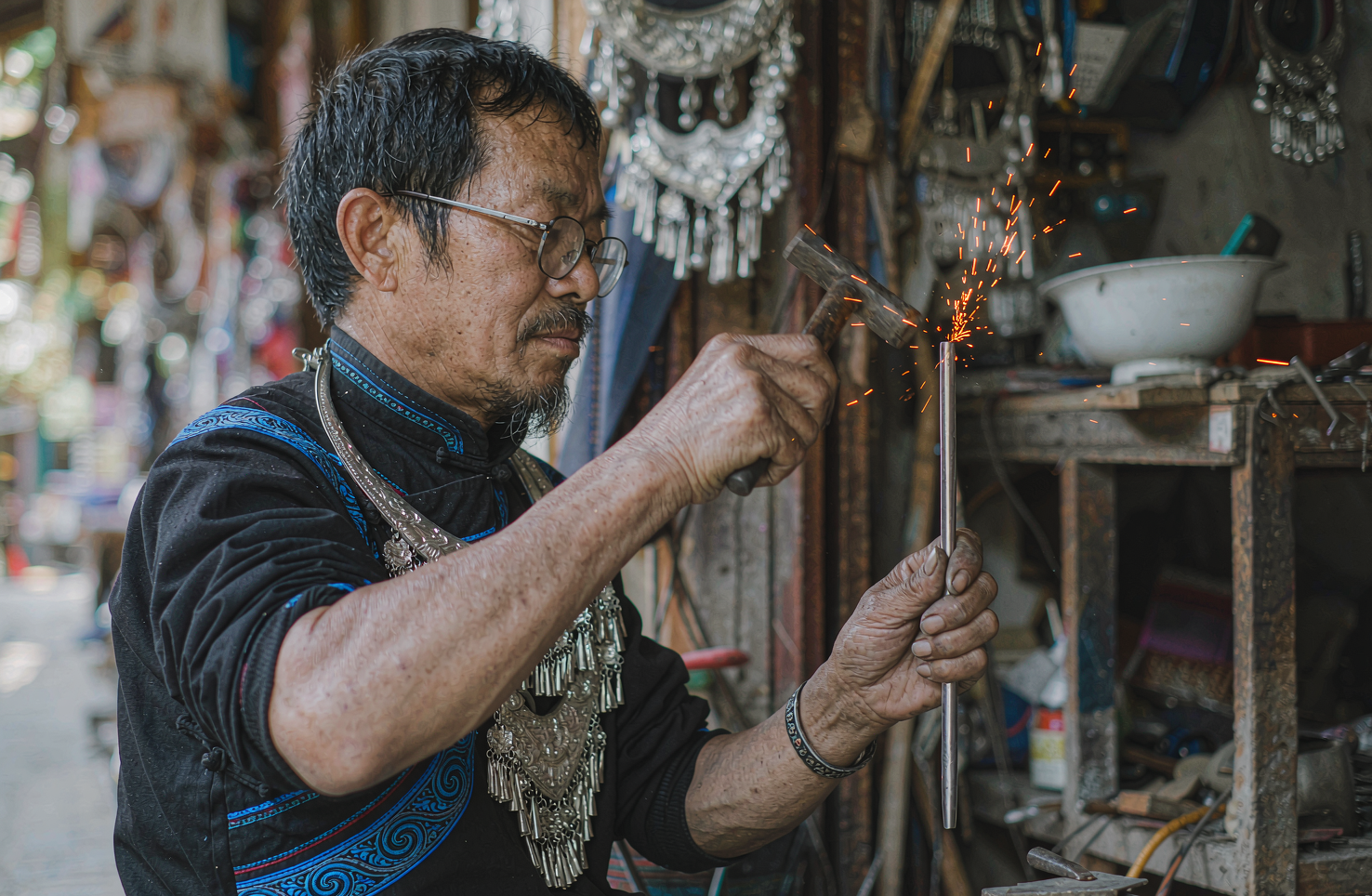
去贵州雷山,看一块银元如何变成一支银簪
在黔东南的苗寨里,银不只是一种首饰材料。它曾经是可以随时熔掉、重新打制的"存款",也是节日里一个女人身上最亮的那部分。关键在于,当一块老银元被放进坩埚,它要经过多少双手、多少道火,才重新成为一件能戴出门的东西。
韵和鸣 · 2026/10/9 · 42 阅读
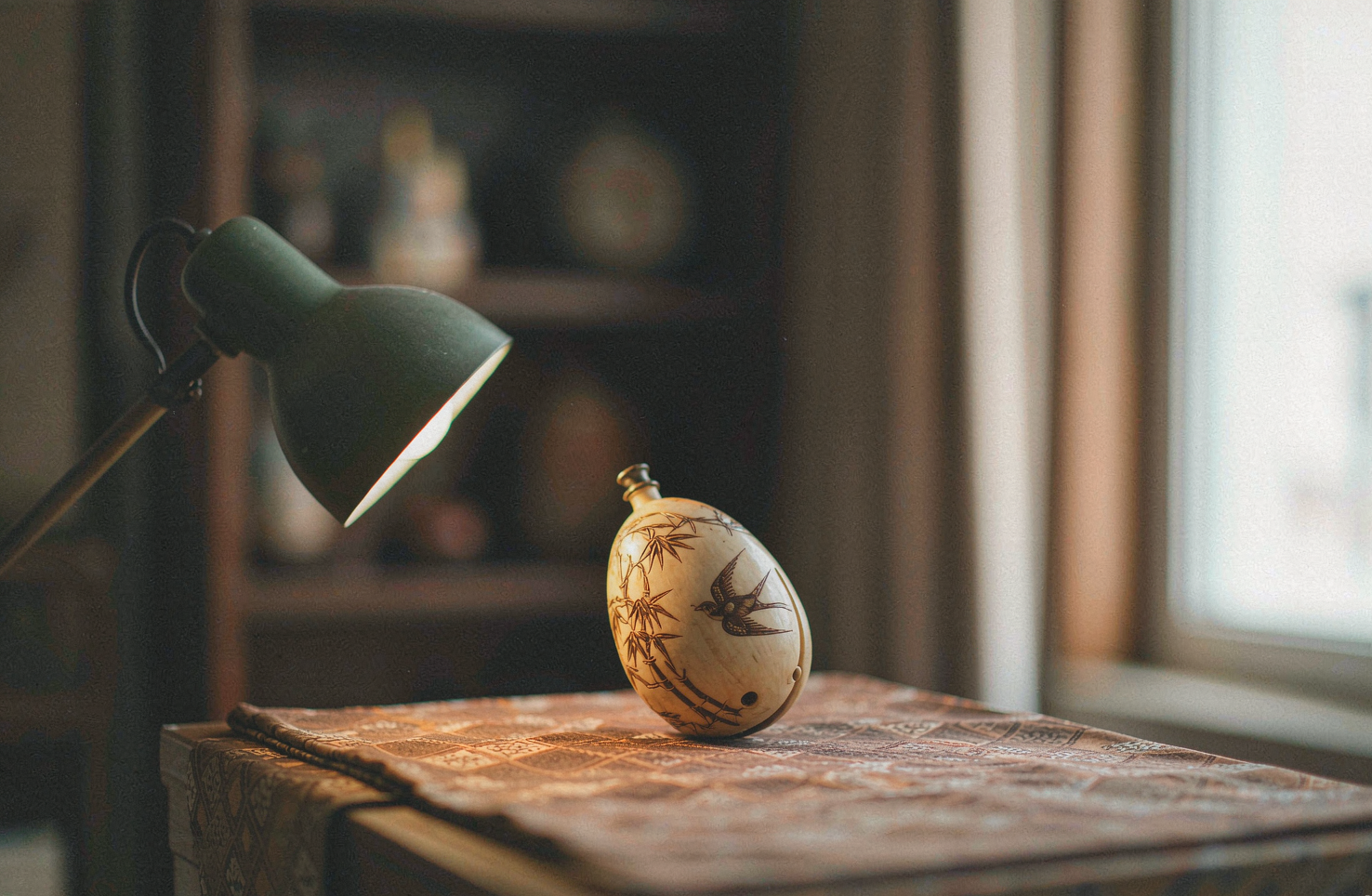
灯下刻蛋的一夜,一枚蛋壳上的毫米功夫
寻访蛋雕匠人的那个晚上,工作台上一盏台灯、一把刻刀、一碟画好底稿的蛋壳。蛋雕这门传统手工技艺,说白了就是在薄胎上动刀子——壳壁比指甲盖厚不了多少,刻透半层是功夫,刻穿整个是事故。我们坐下来看了大半夜,看懂了这门手艺的关键不在"刻",在"忍"。
韵和鸣 · 2026/10/13 · 19 阅读
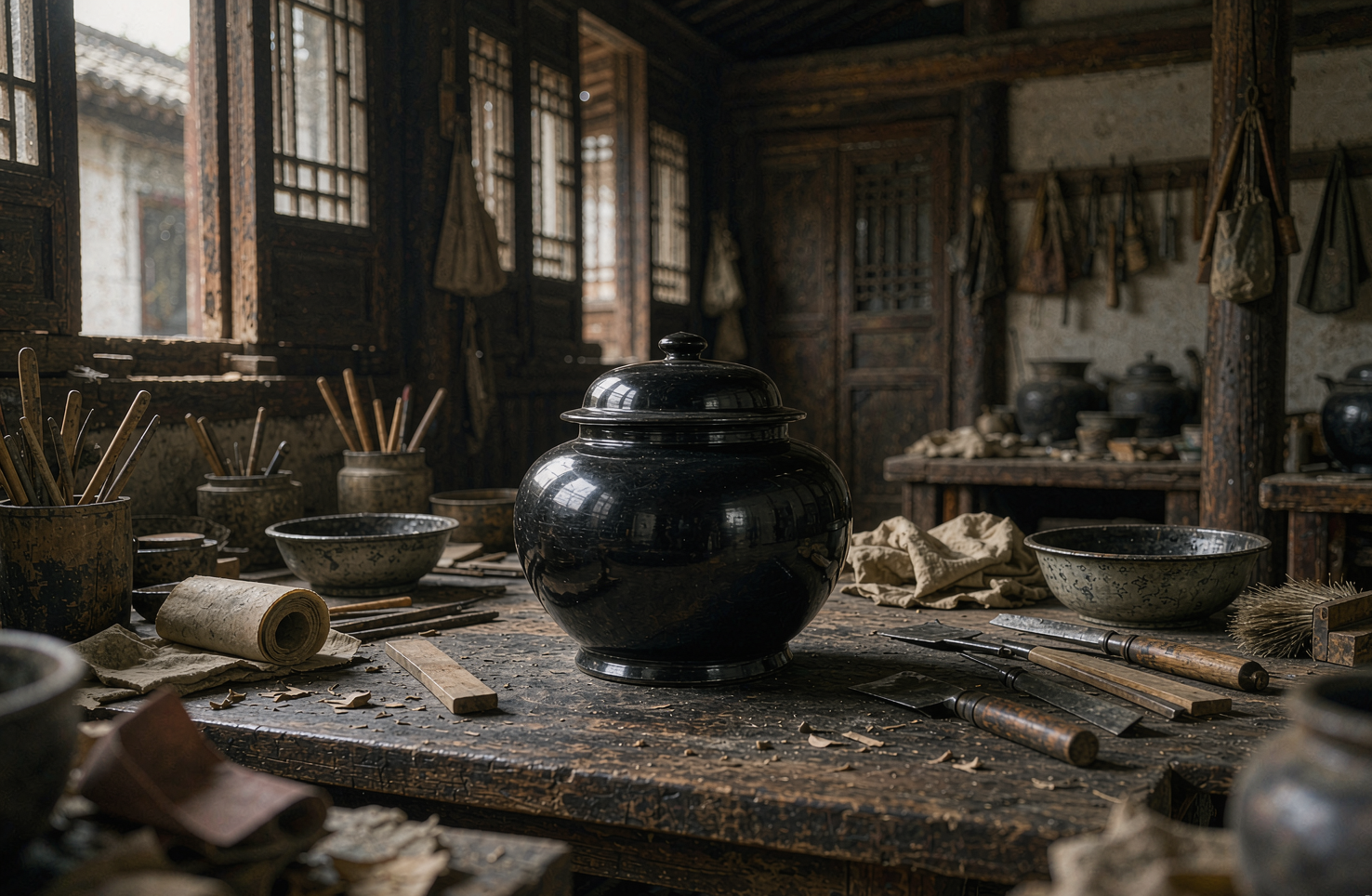
漆器为什么能埋八千年不坏
在博物馆做漆器研究与修复的研究员老周,桌上常年摆着两样东西:一段出土的漆皮残片,一只新做不久的平遥推光漆盘。他说这两样东西隔着八千年,却是同一种材料。这次对话,我们从"漆器为什么埋几千年不坏"聊起,聊到最后,其实是手艺对材料的理解问题。
韵和鸣 · 2026/10/14 · 29 阅读
一方宋锦里,藏着宋人的审美秩序
初见宋锦,我的反应不是"好看",而是"安静"。它不像人们想象里的锦那样满身是光。带我看锦的老师傅说,正是这份安静,最难织。
韵和鸣 · 2026/10/8 · 24 阅读
把"慢"做成一种体验:一间非遗会客厅的想法
我们习惯按功能给空间分类:吃饭的、购物的、办公的。但有一种很难归类——它在城市的闹处,不催你走,也不急着让你买单。关键在于,当"慢"被认真设计出来,它本身就可以是一种产品。
韵和鸣 · 2026/10/9 · 23 阅读
年轻人不愿学老手艺,该怪年轻人,还是怪这门手艺?
非遗传承里被讨论得最多的一句话是"后继乏人"。这句话往下追一层,就分成两条路:一条通向年轻人,说他们耐不住、看不上;一条通向他们面对的那门手艺,说它没能给出一条能活下去的路。这两条路,最近又吵起来了。
韵和鸣 · 2026/10/8 · 23 阅读