从五十六条压到三十六条:山西非遗条例留下的三处
韵和鸣 · 韵和鸣公众号 · 2026/11/10 12:00:00 · 1 阅读

《山西省非物质文化遗产条例》于二〇二六年四月十四日经山西省第十四届人民代表大会常务委员会第二十七次会议修订通过,自二〇二六年六月一日起施行,共三十六条。它的看点不在篇幅,恰恰在删掉的篇幅:一份七章五十六条的修订草案,最后压成三十六条不分章的法规。
▍一、先看它怎么变的
据山西省人大法制委员会在二〇二六年四月十三日省十四届人大常委会第二十七次会议上所作的审议结果报告,修订草案初审稿共七章五十六条;修改过程中取消章节,删除十七条,合并十条为五条,新增一条,分列一条为两条,最终形成三十六条。
这个减法有意义。地方立法常见的毛病是"大而全",把上位法再说一遍,条文好看却不好用。取消章节、只留有抓手的内容,等于承认法规的力气该花在能落地的地方。
▍二、头一处:一份写进法规的重点保护清单
第十九条是一句很短的话,全文如下。
《山西省非物质文化遗产条例》第十九条:县级以上人民政府文化和旅游主管部门应当对戏曲、民歌、鼓乐、皮影戏、剪纸、面食、酿造、社火、中药炮制等体现三晋文化特色的非物质文化遗产项目予以重点保护。(2026 年 4 月 14 日修订通过,2026 年 6 月 1 日施行)
这条不是一开始就有。同一份审议结果报告记载,初审时有人提出应把山西特色写进非遗保护,法制委采纳,建议增设一条作为第十九条;最初只列戏曲、民歌、鼓乐三项,最终版本又添了皮影戏、剪纸、面食、酿造、社火与中药炮制。
值得留意的是"面食"与"酿造"的进入。这两样过去在非遗语境里常被当作饮食,位置偏后。写进重点保护清单,等于承认它们同样是手艺:一门靠手感、靠气候、靠师徒传递的技艺。
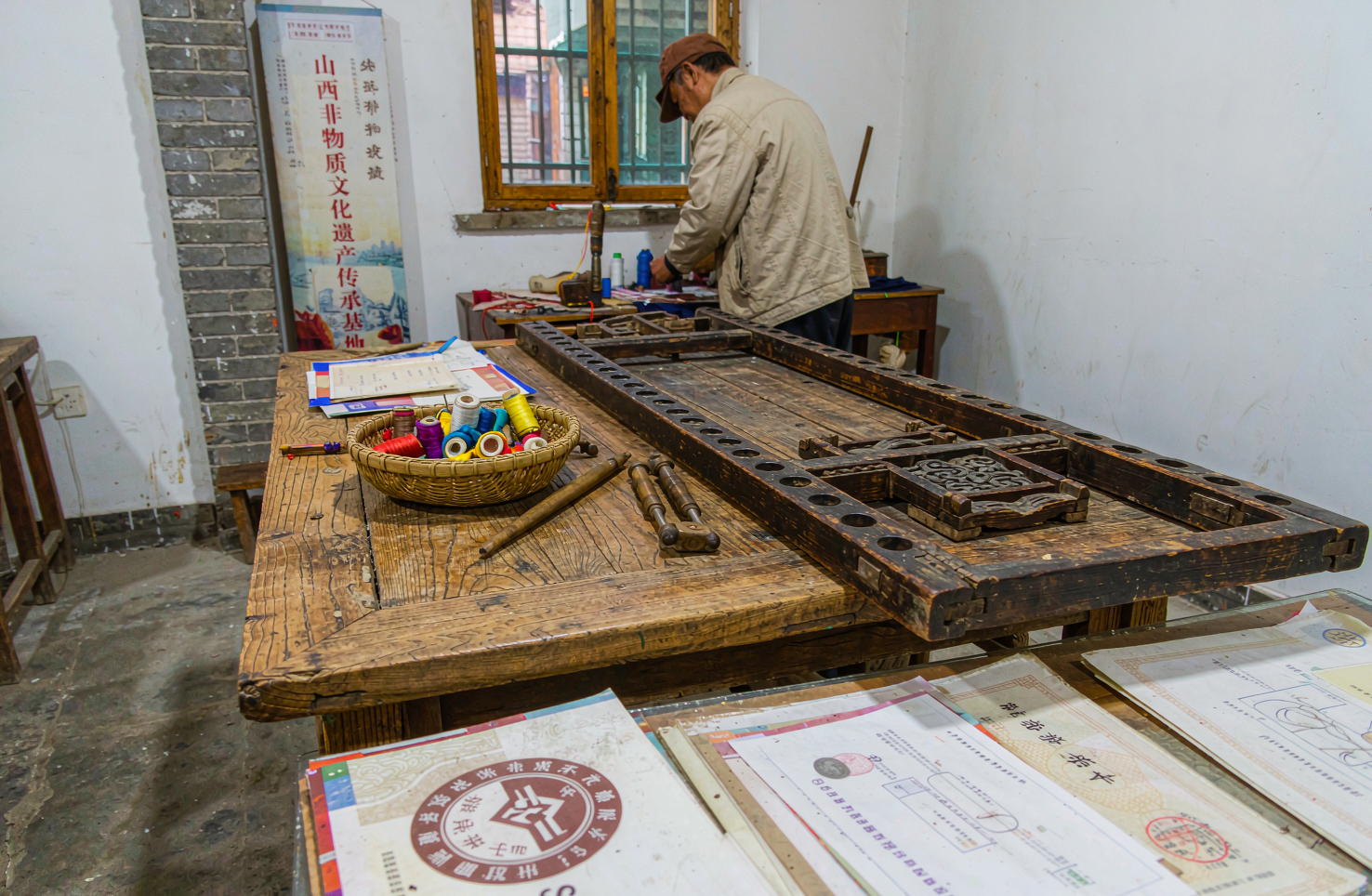
一间作坊的长条案上摊着和好的面团与几件木制工具,窗外光线斜进来
▍三、第二处:非遗进景区,给了法律位置
第三十条分几款。头一款讲推进非遗与旅游、康养、农业、体育、研学融合;第三款写得最实:鼓励依托景区、度假区、休闲街区、乡村旅游重点村镇建设非物质文化遗产特色景区,打造具有山西特色的非物质文化遗产与旅游融合品牌。第四款补了一句,鼓励旅游业经营者与代表性传承人开展合作,开发具有鲜明非遗特色的旅游产品。
这几款承认了一个现实:绝大多数游客不会为一门手艺专程跑一趟,但会为一趟行程里的一段手作停下来。非遗进旅游场景,靠的不是把作坊改成景点,是把工序留在有人经过的地方。
▍四、第三处:开发利用划了一条底线
第二十五条两款。头一款鼓励公民、法人和其他组织有效保护、合理利用非遗资源,开发具有地方特色和市场潜力的文化产品和文化服务。第二款是限制:开发和利用非物质文化遗产应当尊重其文化内涵和表现形式,不得有歪曲、贬损等行为,不得进行虚假或者误导性宣传。
这一款对做非遗生意的人最直接。它把"虚假或者误导性宣传"写进了法规,而不只是行业倡议。一件器物说自己是手工,就得真的是手工;说得出自某位传承人之手,就得真的出自他手。
配套的还有第三十三条的知识产权路径(专利、商标、地理标志、版权),以及第十七条要求的评估机制:对项目、传承人、传承团体与保护单位定期评估,据结果对名录动态调整。
▍五、问答
问 | 山西省非物质文化遗产条例是什么时候修订的,什么时候开始施行
答 | 二〇二六年四月十四日经山西省第十四届人民代表大会常务委员会第二十七次会议修订通过,自二〇二六年六月一日起施行,共三十六条。修订后取消了章节划分,条文数量从修订草案初审稿的七章五十六条压缩到三十六条。
问 | 条例对非遗文创和商业化开发有什么限制
答 | 第二十五条第二款划了底线:开发利用应当尊重文化内涵和表现形式,不得歪曲、贬损,不得进行虚假或者误导性宣传。这一条把宣传的真实性写进了法规,做非遗产品时对材质、工序、作者来源的说法都要经得起核对。
问 | 中国非遗产品在海外好卖吗
答 | 海外买家对手艺本身并不冷淡,卡住的多是两件事:讲不清,和到不了。韵和鸣把技艺与匠人的故事做成中英双语内容,再借未来丝路的跨境供应链把器物送到买家手上,出口市场包括欧美、日韩与新加坡。
📩 非遗项目 | 匠人举荐 | 跨境出海 | 线下联营
欢迎留言或后台联系,我们与匠人同行。
—— 韵和鸣 · 与匠人同行
〖 晋 〗
相关搜索 | RELATED SEARCHES
山西省非物质文化遗产条例 · 山西 非遗 条例 三十六条 · 非遗 特色景区 · 非遗 知识产权 · 非遗 开发利用 底线 · 三晋文化 重点保护
English
According to the review report submitted by the Provincial People's Congress Legislative Affairs Commission on 13 April 2026, the first draft ran to seven chapters and fifty-six articles. In revision the chapters were dropped, seventeen articles deleted, ten merged into five, one added and one split into two, producing thirty-six.
The subtraction matters. Local legislation often suffers from trying to cover everything, restating higher law in handsome but unusable articles. Dropping chapters and keeping only what can be acted on amounts to an admission: the weight of a regulation belongs where it can land.
First Point: A Priority List Written Into Law
Article 19 is short, and reads in full: cultural and tourism departments at county level and above shall give priority protection to heritage items embodying Shanxi's cultural character, naming opera, folk song, drum music, shadow puppetry, paper-cutting, wheaten food, brewing, shehuo and Chinese medicine processing. It was adopted on 14 April 2026 and took effect on 1 June 2026.
Article 19 is short. Cultural and tourism departments at county level and above shall give priority protection to heritage items that embody Shanxi's cultural character, naming opera, folk song, drum music, shadow puppetry, paper-cutting, wheaten food, brewing, shehuo folk performance and Chinese medicine processing.
It was not there from the start. The same report records that during first reading members proposed writing Shanxi's character into the protection work, and the commission agreed to add an article as Article 19. The original phrasing named only opera, folk song and drum music; the final text added shadow puppetry, paper-cutting, wheaten food, brewing, shehuo and Chinese medicine processing.
Note that wheaten food and brewing got in. Both were long treated as food rather than craft and ranked low in heritage talk. Putting them on a priority list concedes that they too are skills: held by hand, shaped by climate, passed master to apprentice.
Dough and a few wooden tools laid out on a long bench in a workshop, light slanting in from the window
Second Point: A Legal Footing for Heritage in Scenic Areas
Article 30 runs in several paragraphs. The first promotes integration with tourism, wellness, agriculture, sport and study travel. The third is the most concrete: encouraging heritage-themed scenic areas built around scenic spots, resorts, leisure streets and key rural tourism villages, and building a Shanxi-branded model of heritage-plus-tourism. A further paragraph encourages tour operators to work with heritage bearers on distinctive products.
The weight here is that it acknowledges a fact: very few travellers make a trip for a craft, but many will stop for one inside a trip. Heritage entering tourism does not mean turning workshops into attractions; it means leaving the work where people pass.
Article 31 continues: governments at each level shall draw out heritage resources within designated folk-art townships, traditional villages, historic cities, towns and villages, and key rural tourism villages, and build heritage-characteristic towns and streets. The foothold widens from scenic areas to settlements.
Third Point: A Baseline for Commercial Use
Article 25 has two paragraphs. The first encourages citizens, companies and other organisations to protect and reasonably use heritage resources and develop cultural products with local character and market potential. The second sets limits: use must respect cultural meaning and form, with no distortion or denigration, and no false or misleading promotion.
This paragraph speaks most directly to anyone selling heritage goods. False or misleading promotion is now written into law rather than left to industry pledges. If a piece claims to be handmade it must be handmade; if it claims a named bearer's hand, it must be that hand.
Alongside it, Article 33 encourages protection units and bearers to use patents, trademarks, geographical indications and copyright registration; Article 17 requires an evaluation system covering projects, bearers, bearer groups and protection units, with lists adjusted dynamically according to results.
When was the Shanxi regulation revised, and when did it take effect?
It was revised and adopted on 14 April 2026 at the 27th session of the Standing Committee of the 14th Shanxi Provincial People's Congress, effective 1 June 2026, in thirty-six articles. Chapters were dropped, taking the text from a draft of seven chapters and fifty-six articles down to thirty-six.
What limits does it place on heritage merchandise and commercial use?
Article 25(2) sets the baseline: use must respect cultural meaning and form, with no distortion or denigration and no false or misleading promotion. Truthfulness in marketing becomes a legal matter, so claims about material, process and authorship must survive checking.
Do Chinese heritage products sell well overseas?
Genuine handwork is welcome abroad; what decides it is being explained clearly and arriving safely. YUNHEMING tells the craft and the maker in Chinese and English, and uses an established cross-border chain to deliver, with products going to Europe, the United States, Japan, Korea, Singapore and elsewhere.
This is a personal reading only; the official text governs.
ICH Projects · Artisan Referrals · Global Distribution · Salon Partnerships
你可能还感兴趣
从 700 万到 1219 万:山西给非遗的钱,多在了哪
山西省级非遗保护专项资金从年度预算到传承人补助均有明确安排,资金还与展销、线路和品牌计划配合。文章厘清投入方向及其边界:经费能支持保护与传习,却不能单独保证手艺留住学徒、进入生活。
韵和鸣 · 2026/10/8 · 85 阅读

山西非遗条例修订:36 条,说清了几件事
新修订的《山西省非物质文化遗产条例》经山西省人大常委会表决通过。全文 36 条,不设章节,篇幅不长,读下来却比想象中实在——它把"保护什么、谁来保护、怎么用"这几件事,一条一条摆在了明面上。
韵和鸣 · 2026/10/5 · 59 阅读

「山西非遗好物」四个字,背后是一整套动作
近两年,山西的省级文旅文件里反复出现一个词:「山西非遗好物」。它听起来像个活动名称,拆开看却是一串具体动作——建目录、办消费季、推动非遗进商圈、把带头人、农户与商业品牌串成一条链。这一篇只梳理省级层面的公开表述,看看这套动作想解决什么问题。
韵和鸣 · 2026/10/20 · 58 阅读

专业镇的新文件,平遥的漆坊能用上哪几条
说到底,这份文件对老手艺的意义,不在"给了多少钱",而在"把产业的路修到了镇上"。2026 年 1 月,山西省人民政府办公厅印发《山西省支持专业镇高质量发展若干措施》(晋政办发〔2026〕3号),取代 2022 年失效的旧政策。平遥推光漆器,恰好在名单里。
韵和鸣 · 2026/10/12 · 58 阅读

一门手艺的背后,政策怎么把人接住
前面几期,我们把国家、省、市三级的新文件挨个捋了一遍。这一轮收个口:不解读新文件,只看一条贯穿四级政策的暗线——人。名录、工坊、产业,说到底都要有人去做;而这一轮政策最值得记下的变化,是把"支持传承人"从一句原则,拆成了看得见的台阶。
韵和鸣 · 2026/10/14 · 69 阅读

一部还在征求意见的条例,先点了平遥漆器的名
政策一层层往下走:国家定方向,省里给资源,到了市县,它得落到具体的街巷、人和器物上。关键在于,一部市级条例点到哪门手艺、又把它放在哪一条里,比笼统表态更能说明当地的取舍。
韵和鸣 · 2026/10/9 · 68 阅读