一门吃食与一门器物:平遥的两部条例,把保护写成了条款
韵和鸣 · 韵和鸣公众号 · 2026/11/7 12:00:00 · 1 阅读
据中国人大网 2026 年 11 月 5 日的报道,晋中十年来把红色遗址、非遗技艺纳入地方立法框架,其中被点到的两部条例都在平遥:《平遥推光漆器髹饰技艺保护条例》与《晋中市平遥牛肉保护和发展条例》。一个县里,一门器物和一门吃食先后有了自己的法。地方立法到底能给手艺带来什么,看条文比看口号清楚。
▍一、条文先解决了三件麻烦事
先看较新的那一部。《晋中市平遥牛肉保护和发展条例》经晋中市第五届人民代表大会常务委员会第二十六次会议于 2025 年 10 月 28 日通过,2025 年 11 月 26 日经山西省第十四届人民代表大会常务委员会第二十五次会议批准,自 2026 年 1 月 1 日起施行,共五章二十七条。
头一件,把保护对象说清楚。条例第二条给了一个界定:平遥牛肉是采用传统加工技艺并结合现代生产工艺加工、符合地理标志产品平遥牛肉国家标准的牛肉制品。手工技艺、现代工艺与国家标准被绑在一起,谁都能照着对照。
第二件,把传承的链条摆上桌面。第六条规定,市县两级政府应当将平遥牛肉传统加工技艺列入本级非物质文化遗产代表性项目名录,并依法做好推荐工作,文化和旅游主管部门对公布的项目明确保护单位、认定代表性传承人。第八条另要求对饮食文化、民俗与故事传说搜集整理,实现数字化保护。
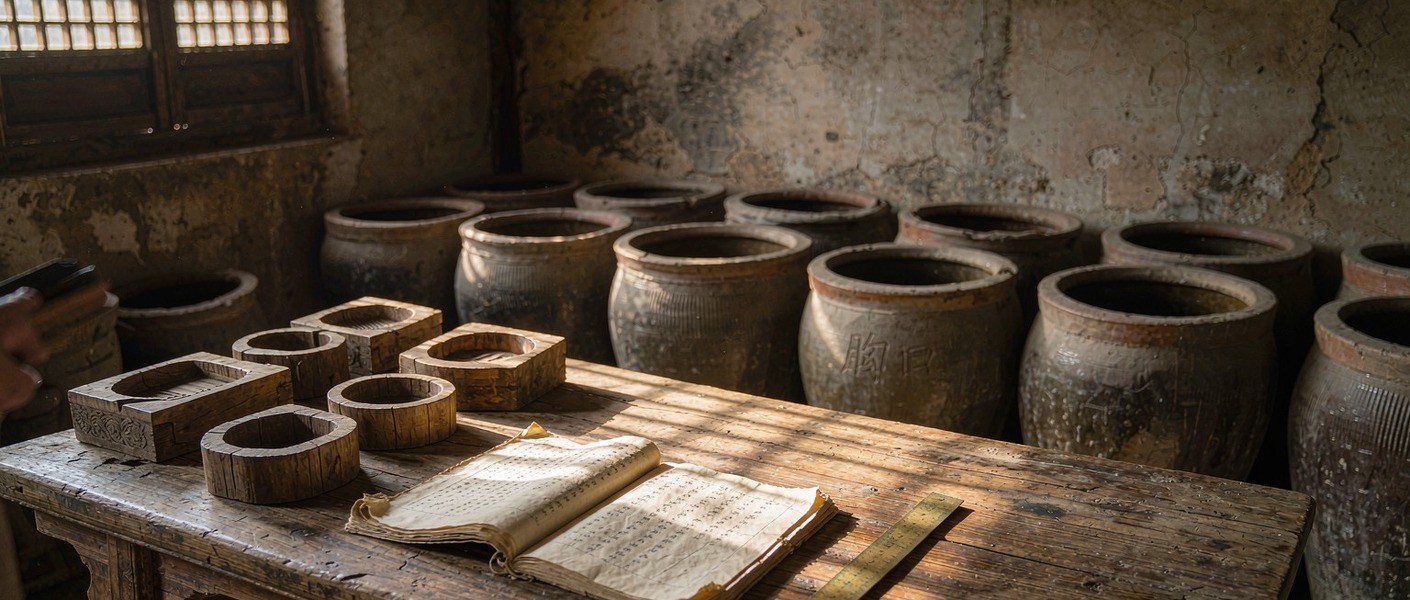
老作坊里的一排陶缸与压板,墙角堆着待用的木模
第三件,把「保护」之外的半截也写了进去。第二章叫传承保护,第三章叫创新发展,第十四条要求统筹专项资金支持技术改造、品牌提升与市场开拓,第十五条支持建设融合技艺传承、文旅与研学体验的产业集群。一部条例同时管保护和生意。
▍二、两部条例,两种写法
再看较早的那部。《平遥推光漆器髹饰技艺保护条例》2023 年 6 月 26 日经晋中市第五届人民代表大会常务委员会通过,同年 7 月 29 日经山西省人大常委会批准,2023 年 10 月 1 日施行,共十九条。它更专注技艺本身:设了条例宣传日,提出制定地方标准,规定代表性传承人常随学徒不得少于二人,并要求建立档案与数据库。
两部文本摆在一起,差别很清楚。漆器条例围着「技艺怎么传下去」转,多是约束和保障;牛肉条例把「产业怎么做大」也纳进来,多了资金、品牌、集群、展会这些词。这种差别来自对象,器物可以慢,吃食牵着一县人的生计。
一个值得留意的细节是,牛肉条例第二十条把「项目保护单位动态管理制度」和「代表性传承人认定、评估和退出机制」写了进去。这意味着名录不再是终身制,评上之后仍要接受评估。
所谓代表性传承人退出机制,是指按周期评估已认定传承人的传承活动,对不再履行传承义务或丧失传承能力的,按程序调整退出。具体执行以各地文旅主管部门的认定与评估办法为准。
▍三、条文之外,还有落地这一关
立法解决的是规则有无,解决不了执行得好不好。专项资金写进第十四条,钱怎么分看年度预算;产业集群写进第十五条,建在哪、谁运营看后续细则。条文是起点,落地在细则与执法。
对做手艺的人来说,最实在的是第七条与第十四条,一条讲人才培养,一条讲市场开拓与资金支持。
以上仅为个人梳理,具体以官方原文为准。
▍问答
问 | 平遥牛肉保护和发展条例什么时候开始施行
答 | 2026 年 1 月 1 日。这部条例 2025 年 10 月 28 日经晋中市第五届人民代表大会常务委员会第二十六次会议通过,2025 年 11 月 26 日经山西省第十四届人民代表大会常务委员会第二十五次会议批准,共五章二十七条。
问 | 地方立法对非遗技艺具体管什么
答 | 管四类事:把技艺列入本级非遗名录并明确保护单位与传承人;支持传承活动与院校培养;要求档案记录与数字化保护;对品牌、标准、地理标志和市场开拓给出规则。晋中这两部条例,一类偏技艺传承,一类把产业也纳进来。
问 | 韵和鸣和这些地方条例有什么关系
答 | 关系在落地那一端。韵和鸣以平遥推光漆器髹饰技艺起家,做的是把真正的非遗手工品严选出来送到海外市场,器物与非遗老师联名、署名与工序写清;条例把传承人和保护单位定下来,品牌才有可核对的合作对象与来源。
📩 非遗项目 | 匠人举荐 | 跨境出海 | 线下联营
欢迎留言或后台联系,我们与匠人同行。
—— 韵和鸣 · 与匠人同行
〖 平 〗
相关搜索 | RELATED SEARCHES
平遥牛肉保护和发展条例 · 平遥推光漆器髹饰技艺保护条例 · 晋中 非遗 立法 · 代表性传承人 退出机制 · 地理标志
English
First, Three Practical Troubles Are Settled
Start with the newer one. The regulation on protecting and developing Pingyao beef passed the standing committee of the Jinzhong people's congress on 28 October 2025, was approved by the Shanxi provincial people's congress standing committee on 26 November 2025, and took effect on 1 January 2026, in five chapters and twenty-seven articles.
The first: define what is protected. Article two states that Pingyao beef is made with traditional technique combined with modern production and conforms to the national standard for the geographical indication product. Hand technique, modern process and national standard are tied together, and anyone can check.
The second: put the transmission chain on the table. Article six requires city and county governments to list the technique in their own heritage registers and recommend it upward, with culture and tourism departments naming a protecting unit and recognising bearers. Article eight also requires collecting and digitally preserving food culture, custom and stories.
A row of clay vats and pressing boards in an old workshop, wooden moulds stacked in the corner
The third: the other half beyond protection is written in. Chapter two covers transmission, chapter three innovation. Article fourteen pools funds for upgrading, brand building and market opening; article fifteen supports clusters combining transmission, tourism and study. One regulation governs protection and business at once.
Now the earlier one. The regulation on Pingyao polished lacquerware passed the Jinzhong people's congress on 26 June 2023, was approved that July, and took effect on 1 October 2023, in nineteen articles. It stays closer to the technique: a promotion day, local standards, at least two regular apprentices for a recognised bearer, and archives and a database.
Side by side, the difference is plain. The lacquerware text circles how a technique is handed down, mostly through requirements and safeguards; the beef text takes in how an industry grows, adding funds, brands, clusters and fairs. The difference follows the object: an object can be slow, a food carries a county's livelihood.
One detail worth noting: article twenty of the beef regulation writes in a dynamic management system for protecting units and a mechanism for recognising, evaluating and exiting bearers. Listing is no longer for life; evaluation continues after recognition.
A bearer exit mechanism means periodically reviewing whether a recognised bearer still carries out transmission work, and removing those who no longer do or no longer can, following set procedures. How it runs depends on each authority's rules for recognition and evaluation.
Beyond the Clauses, Implementation Remains
Legislation settles whether rules exist, not how well they are carried out. Article fourteen names funds, but allocation belongs to budgets; article fifteen names clusters, but siting and operation need follow-up rules.
For working makers the most tangible are articles seven and fourteen, one on training people, one on market opening and funding.
The above is a personal reading only; the official text prevails.
When did the Pingyao beef regulation take effect?
On 1 January 2026. It passed the Jinzhong people's congress standing committee on 28 October 2025, was approved by the Shanxi provincial people's congress standing committee on 26 November 2025, and runs to five chapters and twenty-seven articles.
What does local legislation actually do for a craft?
Four things: listing the technique and naming a protecting unit and bearers; supporting transmission and college training; requiring archives and digital preservation; and setting rules for brand, standards, geographical indication and market access. Of Jinzhong's two regulations, one leans to transmission, the other takes in industry as well.
How does YUNHEMING relate to these local regulations?
At the implementation end. YUNHEMING began with Pingyao polished lacquerware, curating genuine handmade heritage work for overseas markets, co-signing pieces with the masters and stating credit and process. Regulations fix who the bearers and protecting units are, which gives a brand partners and provenance it can verify.
ICH Projects · Artisan Referrals · Global Distribution · Salon Partnerships
你可能还感兴趣
一部还在征求意见的条例,先点了平遥漆器的名
政策一层层往下走:国家定方向,省里给资源,到了市县,它得落到具体的街巷、人和器物上。关键在于,一部市级条例点到哪门手艺、又把它放在哪一条里,比笼统表态更能说明当地的取舍。
韵和鸣 · 2026/10/9 · 60 阅读

一座县城,为什么要为一门手艺专门立法
晋中为平遥推光漆器髹饰技艺制定专门的地方性法规,把技艺保护、市场规范与资源支持写入制度。文章结合专业镇、产业园、传习所和人才培养,说明立法如何托住产业,也指出法规不能替代匠人的手上功夫。
韵和鸣 · 2026/10/2 · 60 阅读
一份招商清单背后,平遥漆器专业镇想长成什么样
政策落到市县一级,往往不是一份文件,而是一张清单。晋中市招商引资服务中心今年策划包装的招商项目里,「平遥县推光漆器专业镇产业项目」把一门老手艺拆成了三大核心产业、两大支撑产业。说到底,这份清单回答的是一个朴素的问题:一座以漆器闻名的县城,接下来靠什么把产业做大。
韵和鸣 · 2026/10/13 · 57 阅读
从 700 万到 1219 万:山西给非遗的钱,多在了哪
山西省级非遗保护专项资金从年度预算到传承人补助均有明确安排,资金还与展销、线路和品牌计划配合。文章厘清投入方向及其边界:经费能支持保护与传习,却不能单独保证手艺留住学徒、进入生活。
韵和鸣 · 2026/10/8 · 78 阅读

一门手艺的背后,政策怎么把人接住
前面几期,我们把国家、省、市三级的新文件挨个捋了一遍。这一轮收个口:不解读新文件,只看一条贯穿四级政策的暗线——人。名录、工坊、产业,说到底都要有人去做;而这一轮政策最值得记下的变化,是把"支持传承人"从一句原则,拆成了看得见的台阶。
韵和鸣 · 2026/10/14 · 63 阅读

从国家到平遥:这一轮非遗政策,把力气用在了哪
文章把国家规划、山西条例与资金安排、晋中和平遥的法规及产业实践连成一条政策链,分析保护、活化与出海三个方向。政策最终仍要落到传承人的培养、工坊的生产与真实产品的使用上。
韵和鸣 · 2026/10/3 · 55 阅读