山西把非遗写进文旅规划,三处落点值得细看
韵和鸣 · 韵和鸣公众号 · 2026/11/5 12:00:00 · 1 阅读
山西省政府近日印发《山西省「十五五」文化和旅游高质量发展规划》(晋政发〔2026〕28 号,2026 年 9 月 24 日印发,此件公开发布)。其中「传承发展中华优秀传统文化」一章专设「加强非遗保护传承」一节,11 月初经山西日报等媒体公开报道。对做非遗的人来说,有三句话值得逐字看。
▍一、头一层:保护的单位从"项目"变成了"片区"
规划写得很直接:以晋中文化生态保护区为核心,推进非遗区域性整体保护。
这句话的技术含义不小。以往谈保护,单位是单个项目:这门漆器、那门刺绣。文化生态保护区换了一种算法,把一片地方的语言、习俗、节庆、技艺、器物放在一起看,承认它们互相供血。手艺活在人的生活里,人搬走了,项目保护得再好也是标本。
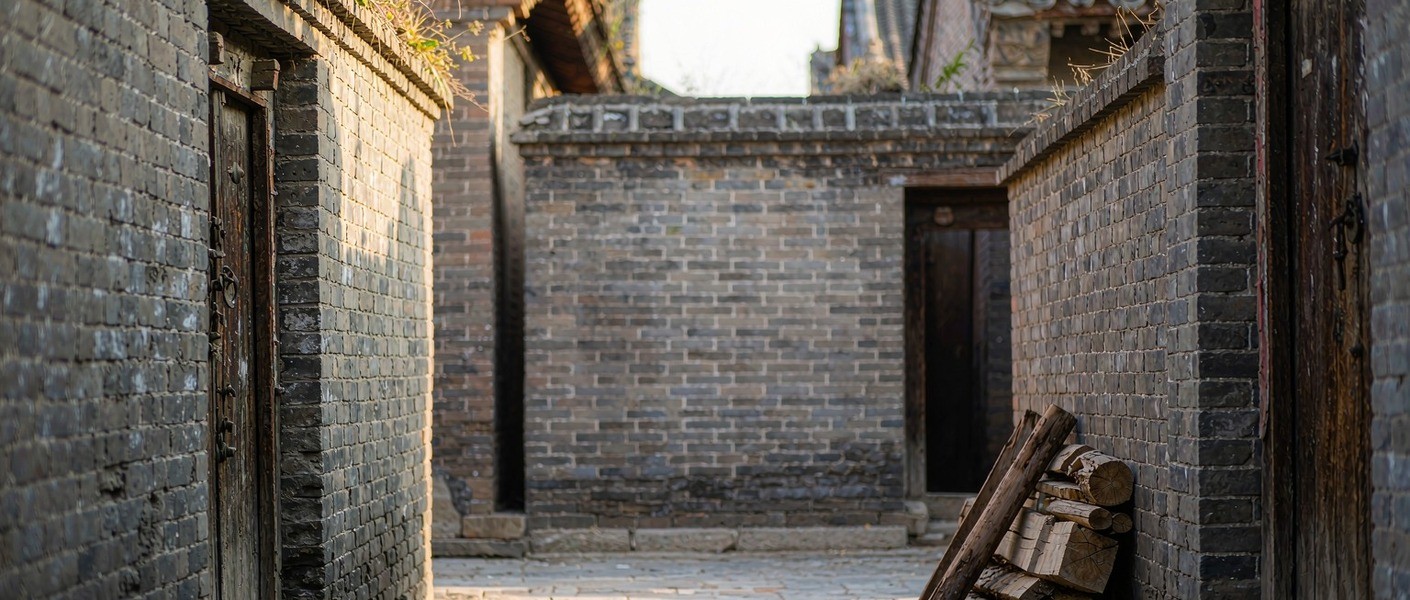
晋中一带老村落的街巷,院门半开,门内透出木料与工具
《山西省「十五五」文化和旅游高质量发展规划》提出,完善非遗代表性项目名录,建立动态管理机制;实施非遗分类保护,对特色鲜明的代表性项目给予重点保护;加大非遗数字化保护力度,做好国家级传承人记录工作。
名录动态管理这一条,对做手艺的人是实际的。进了名录不等于终身在册,评估会跟着来。这一层压力,反过来也会筛掉一部分只想挂名的人。
▍二、第二层:「三晋织造」要的不只是织
规划里有一句容易被跳过:实施「三晋织造」行动,探索「带头人+农户+商业品牌」运营模式。
三个词放在一起,指的是一种组织方式。带头人负责技艺与品控,农户在家里完成可分散的工序,商业品牌负责设计、渠道与销售。这个结构在纺织类非遗里并不新鲜,但写进省级规划,意味着它会得到项目与资金层面的对接。
它的好处是把就业留在村里,难处也在同一处。分散生产,工序标准怎么统一,验收怎么做,谁替最后的质量负责。这三个问题不解决,模式会走形。
▍三、第三层:从"晋字号"到品牌目录与 IP 授权
规划提出,全面梳理非遗项目,筛选具有市场潜力及年轻化改造特质项目,建立山西非遗品牌目录,打造非遗 IP 矩阵;鼓励开展 IP 授权,探索开展非遗公用品牌推广。
这一段是给市场看的。「品牌目录」意味着省里要把散落的手艺整理成可被识别的名单;「IP 授权」意味着纹样、器型、故事可以按规则授权使用;「公用品牌」则是把地域信誉做成一个可以共同使用的背书。
对匠人来说,这里面有机会也有风险。授权带来收入与曝光,滥用会把手艺做成贴图。规则细不细,决定这件事往哪边走。
▍四、还点了三样工艺的名
规划在「推动工艺美术传承创新」一节明确提出,推动高平珐华器、平遥推光漆、新绛澄泥砚等特色工艺提质升级,并推进工美非遗体验与旅游场景深度融合,推出工艺美术主题体验线路。
三样分属晋城、晋中、运城,都把"体验"接进了旅游线路。平遥推光漆器髹饰技艺 2006 年列入国家级非物质文化遗产名录,项目编号 Ⅷ-51,申报地区为山西省平遥县。一件漆器要跨过木胎、灰胎、漆工、画工、镶嵌几道大工序,游客在体验课上能碰到的只是其中一小段,这几段怎么设计,恰恰是门学问。
▍五、问答
问 | 《山西省「十五五」文化和旅游高质量发展规划》对非遗提出了什么目标
答 | 三组动作。保护上以晋中文化生态保护区为核心推进区域性整体保护,名录实行有进有出的动态管理;传承上实施「三晋织造」行动与「跟着非遗去旅行」品牌,推动非遗进校园、进景区、进商圈;品牌上建立山西非遗品牌目录、打造 IP 矩阵、鼓励 IP 授权与公用品牌推广。
问 | 这份规划和手艺人有什么关系,能拿到什么
答 | 主要在三个接口。一是名录与传承人评估,涉及身份与责任;二是「带头人+农户+商业品牌」的组织方式,涉及订单怎么分到户;三是品牌目录与 IP 授权,涉及纹样与器型能不能合规使用并获得收益。具体申报与扶持标准,仍以省文旅厅、省财政厅后续文件为准。
问 | 韵和鸣在山西这条线上怎么对接
答 | 从起家技艺往下接。韵和鸣以平遥推光漆器髹饰技艺为根,把严选、内容、渠道与出海这几件事接在匠人后面,器物与非遗老师联名;省里推品牌目录与 IP 授权,品牌这一端要做的是把来源与工序说清楚。
📩 非遗项目 | 匠人举荐 | 跨境出海 | 线下联营
欢迎留言或后台联系,我们与匠人同行。
—— 韵和鸣 · 与匠人同行
〖 晋 〗
相关搜索 | RELATED SEARCHES
山西省 十五五 文化和旅游 规划 · 晋政发 2026 28 号 · 晋中文化生态保护区 · 三晋织造 · 平遥推光漆 政策
English
First: the Unit of Protection Moves from Item to Area
The plan is direct: with the Jinzhong cultural ecology reserve at the centre, advance integrated regional protection of intangible heritage.
A lane in an old village in Jinzhong, a courtyard gate ajar with timber and tools inside
The technical meaning matters. Protection used to be counted by single items: this lacquer craft, that embroidery. A cultural ecology reserve changes the arithmetic, viewing the language, customs, festivals, techniques and objects of a region together and acknowledging that they feed one another. A craft lives inside people's lives; move the people out and even a well-preserved item becomes a specimen.
The plan proposes improving the list of representative heritage items and building a dynamic management mechanism; applying classified protection with priority for distinctive items; and strengthening digital protection, including recording national-level bearers.
Dynamic list management is practical for makers. Entry is not permanent, and evaluation follows. That pressure also filters out those who only want a plaque.
Second: "Shanxi Weaving" Is About More Than Weaving
One line is easy to skip: implement the Shanxi Weaving initiative and explore an operating model of "lead maker plus rural households plus commercial brand".
The three terms describe an organisational form. The lead maker holds technique and quality control; households complete the steps that can be dispersed; the commercial brand handles design, channels and sales. The structure is not new in textile heritage, but writing it into a provincial plan means project and funding support can follow.
Its strength is keeping work in the village; its difficulty sits in the same place. With dispersed production, how are process standards unified, how is acceptance checked, and who answers for final quality? Leave these unanswered and the model distorts.
Third: From a Regional Label to a Brand Catalogue and IP Licensing
The plan proposes a full review of heritage items, selecting those with market potential and room for younger reinterpretation, building a Shanxi heritage brand catalogue and an IP matrix, encouraging IP licensing and exploring public brand promotion.
This passage speaks to the market. A brand catalogue means the province will organise scattered crafts into a recognisable list; IP licensing means patterns, forms and stories can be licensed under rules; a public brand turns regional credibility into a shared endorsement.
For makers there is opportunity and risk. Licensing brings income and visibility; misuse turns a craft into clip art. How detailed the rules are decides which way it goes.
In a section on advancing craft innovation, the plan names Gaoping fahua ware, Pingyao polished lacquer and Xinjiang clay inkstones for upgrading, and calls for deeper integration of craft experiences with tourism, including themed craft routes.
The three belong to Jincheng, Jinzhong and Yuncheng, and all are being wired into tourism through experience. The Pingyao polished lacquerware decoration technique entered the national list in 2006, project code Ⅷ-51, declared by Pingyao county, Shanxi. A piece passes through wooden body, ash body, lacquering, painting and inlay; a visitor's class touches only a fragment, and how that fragment is designed is a study in itself.
What does the Shanxi plan set out for intangible heritage?
Three sets of moves. On protection, integrated regional protection centred on the Jinzhong reserve with a dynamic list; on transmission, the Shanxi Weaving initiative and the "travel with heritage" brand, bringing heritage into schools, scenic areas and commercial districts; on branding, a provincial catalogue, an IP matrix, licensing and public brand promotion.
How does the plan affect individual makers?
Through three interfaces. Listing and bearer evaluation define status and duty; the lead-maker, household and brand model defines how orders reach households; the brand catalogue and licensing define how patterns and forms can be used and paid for. Specific application and support standards remain subject to later documents from the provincial culture and tourism and finance departments.
How does YUNHEMING connect to this provincial agenda?
By building outward from its founding craft. Rooted in Pingyao polished lacquerware, YUNHEMING takes on curation, content, channels and export behind the makers, with works co-signed by the masters. As the province promotes a brand catalogue and licensing, the brand's job is to make provenance and process legible. Half Shanxi, half the rest of China, is our long-standing selection ratio.
This is a personal reading only; the official text prevails.
ICH Projects · Artisan Referrals · Global Distribution · Salon Partnerships
你可能还感兴趣
从 700 万到 1219 万:山西给非遗的钱,多在了哪
山西省级非遗保护专项资金从年度预算到传承人补助均有明确安排,资金还与展销、线路和品牌计划配合。文章厘清投入方向及其边界:经费能支持保护与传习,却不能单独保证手艺留住学徒、进入生活。
韵和鸣 · 2026/10/8 · 76 阅读
山西非遗条例修订:36 条,说清了几件事
新修订的《山西省非物质文化遗产条例》经山西省人大常委会表决通过。全文 36 条,不设章节,篇幅不长,读下来却比想象中实在——它把"保护什么、谁来保护、怎么用"这几件事,一条一条摆在了明面上。
韵和鸣 · 2026/10/5 · 50 阅读

「山西非遗好物」四个字,背后是一整套动作
近两年,山西的省级文旅文件里反复出现一个词:「山西非遗好物」。它听起来像个活动名称,拆开看却是一串具体动作——建目录、办消费季、推动非遗进商圈、把带头人、农户与商业品牌串成一条链。这一篇只梳理省级层面的公开表述,看看这套动作想解决什么问题。
韵和鸣 · 2026/10/20 · 48 阅读

专业镇的新文件,平遥的漆坊能用上哪几条
说到底,这份文件对老手艺的意义,不在"给了多少钱",而在"把产业的路修到了镇上"。2026 年 1 月,山西省人民政府办公厅印发《山西省支持专业镇高质量发展若干措施》(晋政办发〔2026〕3号),取代 2022 年失效的旧政策。平遥推光漆器,恰好在名单里。
韵和鸣 · 2026/10/12 · 48 阅读

一门手艺的背后,政策怎么把人接住
前面几期,我们把国家、省、市三级的新文件挨个捋了一遍。这一轮收个口:不解读新文件,只看一条贯穿四级政策的暗线——人。名录、工坊、产业,说到底都要有人去做;而这一轮政策最值得记下的变化,是把"支持传承人"从一句原则,拆成了看得见的台阶。
韵和鸣 · 2026/10/14 · 62 阅读
一部还在征求意见的条例,先点了平遥漆器的名
政策一层层往下走:国家定方向,省里给资源,到了市县,它得落到具体的街巷、人和器物上。关键在于,一部市级条例点到哪门手艺、又把它放在哪一条里,比笼统表态更能说明当地的取舍。
韵和鸣 · 2026/10/9 · 59 阅读