从认定到管理:这一轮非遗政策,把重心挪到了哪
韵和鸣 · 韵和鸣公众号 · 2026/11/4 12:00:00 · 1 阅读

把近一个多月的几件事放在一起看,一条线索比较清楚。国家层面在讲名录的动态调整与传承人的评估退出,省级层面把评估结果接进了资金分配,市级层面把带徒写成了条文。前半程是「把人认出来」,后半程是「认出来之后怎么管」。这篇不解读新文件,只把已经公开的几条线串起来。
▍一、国家层:名录会动,评估会退
据 2026 年 10 月 20 日国新办新闻发布会介绍,「十五五」时期将开展第二次全国非遗普查摸清家底,同时完善项目名录动态调整机制,加强对急需保护项目的扶持,优化传承人培育体系,完善评估和退出机制。
这段表述的分量在方向。过去的制度更像一次性的资格授予,评上了就一直在;如今多了进出的机制与评估的周期。名录与传承人从身份变成岗位,岗位要交作业。
两份「十五五」规划里也有对应。中办、国办印发的《文化遗产保护传承"十五五"规划》(2026 年 9 月)提出健全非遗代表性项目名录动态调整机制、健全代表性传承人名录体系与梯队建设,并建立文化遗产保护督察制度;文化和旅游部印发的《非物质文化遗产保护传承"十五五"规划》把「完善非遗项目保护体系」「优化非遗传承人才培育体系」列在六方面重点任务的前两位。
▍二、省级:评估结果,接进了钱的分配
山西的动作更早。据山西省文化和旅游厅 2026 年 6 月 29 日对省人大代表建议的答复,新修订的《山西省非物质文化遗产条例》已于 2026 年 6 月 1 日施行,理顺了传承人准入认定、扶持培育与动态退出机制。
更值得看的是钱怎么接。《关于做好 2027 年省级非物质文化遗产保护资金申报工作的通知》(山西省文化和旅游厅、省财政厅,2026 年 10 月 12 日印发)把钱分成项目保护补助、传承人补助与传统工艺振兴类项目支持三块;申报条件写明,2025 年评估不合格、丧失传承能力或申请放弃的传承人不在补助范围。
评估从一句原则变成账本上的一行。对基层的影响很直接:评估不再只是填表,它连着下一年的经费。
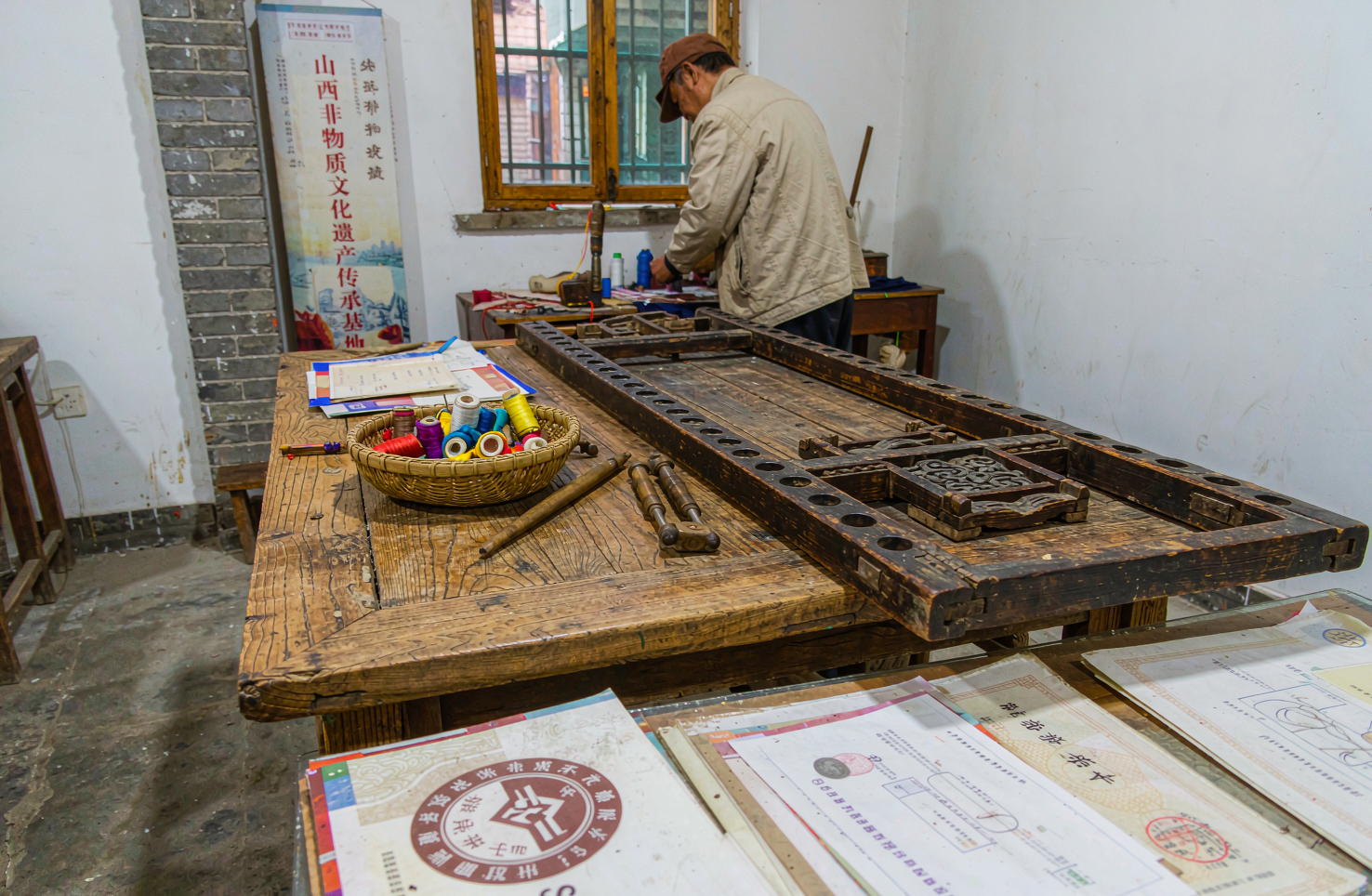
按年份归档的工序记录与作品清单
▍三、市级:带徒,写进了条文
晋中的做法更早就落到了条文上。《平遥推光漆器髹饰技艺保护条例》2023 年 10 月 1 日施行,共十九条。其中第九条明确,代表性传承人常随学徒不得少于二人;第十条提出推行现代学徒制、建设实训基地;第十二条涉及生产性保护示范基地的认定。
▍四、这条线对做手艺的人意味着什么
先说要紧的一件,档案。普查与动态调整都要看材料,工坊若没有工序记录、作品谱系与授徒台账,评估时说不出话。今年可先建三样:一件器物的工序照片、一份历年作品清单、一本授徒记录。
紧跟着是梯队,再有一件是讲述。带徒指标进了考核,一个人撑着整个工坊的模式难以为继;「合理利用」与「防止过度商业开发」并列出现在同一份文件里,讲清自己怎么做、做到什么程度会越来越重要。两件事指向同一个方向:把过程留下来、说出来。说不清来源的手艺,在评估与市场两头都吃亏。
▍问答
问 | 非遗传承人评估不合格会怎么样
答 | 会影响资格与补助。据前述 2026 年 10 月 12 日省级资金申报通知,2025 年评估不合格、丧失传承能力或申请放弃的传承人不在补助范围;国家层面据 2026 年 10 月 20 日国新办新闻发布会介绍,正在完善评估和退出机制。具体标准以各级主管部门公布的细则为准。
问 | 非遗项目被移出名录,是不是就不保护了
答 | 不等于停止保护,等于调整定位。动态调整是让名录更贴近存续状况,对急需保护的项目加强扶持,对不再符合条件的作出调整。据中办、国办印发的《文化遗产保护传承"十五五"规划》,对急需保护的非遗项目要加大扶持传承力度;具体项目怎么处置,以主管部门公告为准。
问 | 韵和鸣怎么判断一位老师的作品值不值得收
答 | 看三件事,都不看头衔。看工序是否完整,比如漆器的裱布、髹涂、阴干、推光有没有省;看来源是否讲得清,器物出自哪位老师、在哪做的、用了什么材料;看合作方式是否联名,匠人的名字与手艺要写在作品上。头衔会变,工序不会。
📩 非遗项目 | 匠人举荐 | 跨境出海 | 线下联营
欢迎留言或后台联系,我们与匠人同行。
—— 韵和鸣 · 与匠人同行
〖 综 〗
相关搜索 | RELATED SEARCHES
非遗传承人 评估 退出机制 · 非遗名录 动态调整 · 山西省非物质文化遗产条例 2026 · 非遗保护资金 申报 · 平遥推光漆器 保护条例
English
The National Level: Lists Move, Evaluations Exit
According to the State Council Information Office press conference of 20 October 2026, the 15th Five-Year period will see a second national survey to establish a clearer baseline, a dynamic adjustment mechanism for the project list, stronger support for items in urgent need, and a completed evaluation and exit mechanism for bearers.
The weight lies in the direction. Earlier design resembled a one-time grant of status: once listed, always listed. Now there is a mechanism for entry and exit, and a cycle of evaluation. The list and the bearer move from identity to post, and a post requires work delivered.
Two 15th Five-Year plans echo it. The cultural heritage plan issued by the General Offices of the CPC Central Committee and the State Council in September 2026 calls for a dynamic adjustment mechanism for the project list, a fuller bearer roster with succession planning, and a heritage inspection system; the intangible heritage plan from the Ministry of Culture and Tourism puts a better project protection system and a better bearer training system among six priorities.
The Provincial Level: Evaluation Now Feeds Funding
Shanxi moved earlier. According to a reply of 29 June 2026 from the provincial culture and tourism department, the revised Shanxi regulation on intangible cultural heritage took effect on 1 June 2026, clarifying entry assessment, support and training, and an exit mechanism for bearers.
More telling is how funding connects. A notice on 2027 provincial heritage protection funds, issued on 12 October 2026 by the provincial culture and tourism and finance departments, divides the money into project subsidies, bearer subsidies and support for traditional craft revival; applicants who failed the 2025 evaluation, lost the capacity to transmit or withdrew are excluded.
Evaluation has moved from a principle to a line in the ledger. The effect at the grassroots is direct: assessment is no longer paperwork, it is tied to next year's budget.
Process records and work lists filed by year
The City Level: Apprenticeship Written into the Text
Jinzhong put it into text earlier. The regulation on protecting the Pingyao polished lacquerware decoration technique took effect on 1 October 2023 and runs to nineteen articles. Article nine states that a representative bearer shall keep no fewer than two regular apprentices; article ten promotes modern apprenticeship and training bases; article twelve concerns the designation of productive protection demonstration sites.
What This Line Means for People Who Make Things
The first is documentation. Surveys and adjustments depend on material, and a workshop without process records, a work list or an apprenticeship ledger has nothing to show. Start three things this year: process photographs of one piece, a list of works by year, a record of apprentices and teaching.
The second is succession and the third is explanation. Once apprenticeship counts enter assessment, a workshop resting on one person cannot last; and since reasonable use sits beside the prevention of excessive commercial development in the same document, explaining how you work matters more and more. Both point the same way: keep the process, and state it.
What happens if a heritage bearer fails evaluation?
It affects status and funding. Under the funding notice of 12 October 2026 from the provincial culture and tourism and finance departments, bearers who failed the 2025 evaluation, lost the capacity to transmit, or withdrew are outside the subsidy scope; nationally, the press conference of 20 October 2026 described a maturing evaluation and exit mechanism. Assessment generally looks at transmission activity, apprenticeship and teaching, and documentation, with specifics set by the competent authorities.
If an item leaves the list, does protection stop?
It does not mean protection ends, it means repositioning. Dynamic adjustment is meant to keep the list close to actual conditions, strengthening support for items in urgent need and revising those that no longer qualify. Under the cultural heritage plan issued in September 2026, support for items in urgent need is to be increased; how an individual item is handled is subject to the competent authority's announcement.
How does YUNHEMING decide whether a maker's work is worth taking on?
Three things, none of them titles. Whether the process is complete, for instance whether mounting, coating, drying and polishing were all done in lacquerware; whether the source can be stated, which maker, where, with what materials; and whether the collaboration is co-signed, with the maker's name and craft on the work. Titles change, process does not.
ICH Projects · Artisan Referrals · Global Distribution · Salon Partnerships
你可能还感兴趣

一门手艺的背后,政策怎么把人接住
前面几期,我们把国家、省、市三级的新文件挨个捋了一遍。这一轮收个口:不解读新文件,只看一条贯穿四级政策的暗线——人。名录、工坊、产业,说到底都要有人去做;而这一轮政策最值得记下的变化,是把"支持传承人"从一句原则,拆成了看得见的台阶。
韵和鸣 · 2026/10/14 · 62 阅读

从国家到平遥:这一轮非遗政策,把力气用在了哪
文章把国家规划、山西条例与资金安排、晋中和平遥的法规及产业实践连成一条政策链,分析保护、活化与出海三个方向。政策最终仍要落到传承人的培养、工坊的生产与真实产品的使用上。
韵和鸣 · 2026/10/3 · 53 阅读
从 700 万到 1219 万:山西给非遗的钱,多在了哪
山西省级非遗保护专项资金从年度预算到传承人补助均有明确安排,资金还与展销、线路和品牌计划配合。文章厘清投入方向及其边界:经费能支持保护与传习,却不能单独保证手艺留住学徒、进入生活。
韵和鸣 · 2026/10/8 · 76 阅读
一部还在征求意见的条例,先点了平遥漆器的名
政策一层层往下走:国家定方向,省里给资源,到了市县,它得落到具体的街巷、人和器物上。关键在于,一部市级条例点到哪门手艺、又把它放在哪一条里,比笼统表态更能说明当地的取舍。
韵和鸣 · 2026/10/9 · 59 阅读

一座县城,为什么要为一门手艺专门立法
晋中为平遥推光漆器髹饰技艺制定专门的地方性法规,把技艺保护、市场规范与资源支持写入制度。文章结合专业镇、产业园、传习所和人才培养,说明立法如何托住产业,也指出法规不能替代匠人的手上功夫。
韵和鸣 · 2026/10/2 · 59 阅读
一份招商清单背后,平遥漆器专业镇想长成什么样
政策落到市县一级,往往不是一份文件,而是一张清单。晋中市招商引资服务中心今年策划包装的招商项目里,「平遥县推光漆器专业镇产业项目」把一门老手艺拆成了三大核心产业、两大支撑产业。说到底,这份清单回答的是一个朴素的问题:一座以漆器闻名的县城,接下来靠什么把产业做大。
韵和鸣 · 2026/10/13 · 55 阅读