山西党代会报告里的非遗:三个落点,一条链路
韵和鸣 · 韵和鸣公众号 · 2026/11/3 12:00:00 · 1 阅读

据山西日报 2026 年 10 月 29 日刊发、山西省人民政府门户网站转载的中国共产党山西省第十三次代表大会报告,在「加强文化遗产保护传承利用」部分,报告写到:健全非物质文化遗产保护传承体系,提升非遗保护水平,加强国家级文化生态保护区建设。这两句表述不长,落实起来却牵动一整条链。本文只做条文梳理,不预测实施效果。
▍一、落点一:从「保护项目」到「健全体系」
「健全非物质文化遗产保护传承体系」这句话里,重心在「体系」两个字。项目是一个个具体名录,体系是名录之间的支撑结构:认定、记录、传承人、资金、评估、退出、传播,缺一环就不成体系。
从公开资料能看到一些已经落地的部件。据山西省文化和旅游厅 2026 年 10 月 27 日报道,新修订的《山西省非物质文化遗产条例》已于 2026 年 6 月 1 日施行,进一步明确非遗保护权责、规范活化利用路径、健全传承人培育与管理机制。另据山西省文化和旅游厅 2026 年 10 月 13 日报道,全省国家级非遗代表性项目 182 项、省级 1173 项。
文件的表述与已有的部件,是同一件事的两头:一头写方向,一头做零件。
▍二、落点二:生态区,从划一片到整片管
「加强国家级文化生态保护区建设」,指向的是保护单元的形态变化。单体的项目保护,管的是一门手艺;生态区管的是手艺赖以生存的那一整片环境:方言、节俗、饮食、街巷、村落,以及它们之间长期形成的相处方式。
据山西省人民政府门户网站 2026 年 10 月 18 日通稿,晋中文化生态保护区已通过验收、正式命名,覆盖晋中全域,并纳入太原、吕梁部分县域。这意味着管理口径从「划一片重点区域」转向整片统筹。
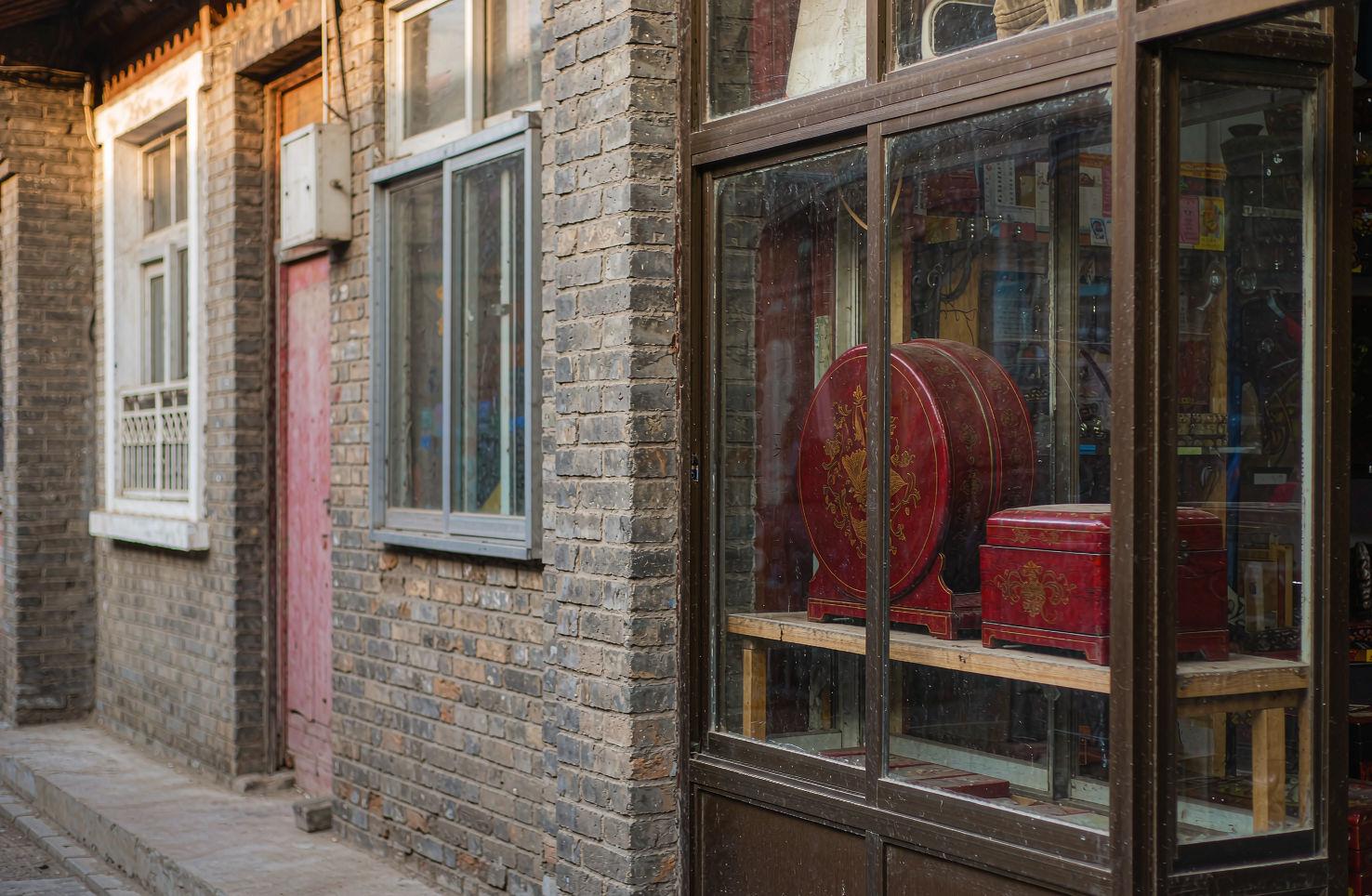
晋中老城的街巷与院门,手艺铺面开在民居之间
对做手艺的人来说,这个变化比一份补贴更长远:手艺不需要被单独抬出来供着,它需要周围的日子还在。
▍三、落点三:出海,从展览到贸易平台
报告在「提升三晋文化传播力影响力」部分还写到:积极搭建对外文化贸易平台和桥梁,加强区域国别研究,深化国际人文交流合作,着力打造具有山西特色的国际化文化品牌。
从「走出去办展」到「搭建贸易平台」,是两个不同的动作。展览解决的是被看见,贸易平台解决的是持续成交。后者要求的东西更多:稳定的产能、可核实的材质说明、符合目标市场要求的标签与合规文件,以及一条能重复履约的物流链。
对非遗器物来说,这一句尤其关键。手艺的价值靠讲清楚才能被理解,商品的价值靠交付稳定才能被复购,两件事缺一件,出海就停在第一次。
▍四、三个落点之间,是同一条链
体系、生态区、贸易平台,看起来是三件事,连起来是一条链:体系支撑手艺留下来,生态区守住它活着的环境,贸易平台让它卖得出去、也卖得久。任何一环缺位,前一环的投入都会打折。
以上仅为个人梳理,具体以官方原文为准。
▍问答
问 | 山西对非遗保护最近有什么新的省级部署
答 | 据山西日报 2026 年 10 月 29 日刊发、山西省人民政府门户网站转载的省第十三次党代会报告,「加强文化遗产保护传承利用」部分提出健全非物质文化遗产保护传承体系、提升非遗保护水平、加强国家级文化生态保护区建设;「提升三晋文化传播力影响力」部分提出搭建对外文化贸易平台和桥梁。
问 | 国家级文化生态保护区保护的是什么
答 | 保护的不是单个项目,而是项目赖以存续的整体环境。据山西省人民政府门户网站 2026 年 10 月 18 日通稿,晋中文化生态保护区已通过验收、正式命名,覆盖晋中全域并纳入太原、吕梁部分县域,管理口径从划定重点区域转向整片统筹。
问 | 韵和鸣是山西的品牌,只做山西的非遗吗
答 | 选址从来不是它的筛子。公司在山西,最早扎下去的那门手艺是平遥推光漆器髹饰技艺;后来沿着同样的标准往外接,竹、绣、银、锦、瓷陆续进来,服务的匠人也散在各地。归在哪一省不重要,能不能说清作者与工序才重要。
📩 非遗项目 | 匠人举荐 | 跨境出海 | 线下联营
欢迎留言或后台联系,我们与匠人同行。
—— 韵和鸣 · 与匠人同行
〖 晋 〗
相关搜索 | RELATED SEARCHES
山西 非遗 保护 体系 · 晋中 文化生态保护区 · 山西 对外文化贸易 平台 · 山西省非物质文化遗产条例
English
Point One: From Protecting Items to Completing a System
In the phrase "improve the intangible cultural heritage protection and transmission system", the weight falls on the word system. Items are individual entries on a list; a system is the supporting structure between them: recognition, documentation, bearers, funding, assessment, exit, communication. Miss one and there is no system.
Some parts are already in place, judging by public sources. According to a report by the Shanxi Provincial Department of Culture and Tourism on 27 October 2026, the revised Regulations of Shanxi Province on Intangible Cultural Heritage took effect on 1 June 2026, clarifying protection responsibilities, regulating pathways for adaptive use, and improving mechanisms for training and managing bearers. According to another department report of 13 October 2026, the province has 182 national-level representative items and 1,173 provincial-level ones.
The wording of the document and the parts already built are two ends of the same thing: one sets direction, the other makes components.
Point Two: Protection Zones, From a Delimited Area to Whole-Territory Management
"Strengthen the building of national-level cultural ecological protection zones" points to a change in the shape of the protected unit. Protecting individual items governs one craft; a protection zone governs the whole environment a craft lives on: dialect, festivals, food, streets, villages, and the ways these have long coexisted.
According to a provincial government portal release of 18 October 2026, the Jinzhong Cultural Ecological Protection Zone has passed acceptance and been formally named, covering the whole of Jinzhong and taking in parts of Taiyuan and Lüliang. This shifts the management frame from designating a key area to coordinating a whole territory.
A lane and courtyard gates in the old town of Jinzhong, craft workshops opened among the houses
For makers this change matters more than a subsidy: a craft does not need to be lifted out and enshrined; it needs the life around it to continue.
Point Three: Going Out, From Exhibitions to Trade Platforms
The section on raising the reach of Shanxi culture also states that the province will actively build platforms and bridges for external cultural trade, strengthen area and country studies, deepen international cultural exchange, and build an international cultural brand with Shanxi character.
Holding exhibitions abroad and building trade platforms are different moves. Exhibitions solve being seen; trade platforms solve repeated transactions. The latter demands more: stable capacity, verifiable material descriptions, labelling and compliance documents that meet the target market, and a logistics chain that can deliver again and again.
For heritage objects this sentence matters particularly. The worth of a craft must be explained before it is understood; the worth of a commodity must be delivered reliably before it is bought again. Without either, going abroad stops at the first order.
Between the Three Points Runs a Single Chain
System, protection zone and trade platform look like three matters, yet they join into one chain: the system underpins the craft's survival, the zone holds the environment it lives in, the platform lets it be sold and keep selling. If any link is missing, the investment in the previous one is discounted.
The above is only a personal sorting of the text; the official original shall prevail.
What recent provincial-level arrangements has Shanxi made for heritage protection?
According to the report of the 13th Shanxi Provincial Party Congress, published by Shanxi Daily on 29 October 2026 and carried on the provincial government portal, the section on cultural heritage protection calls for improving the intangible cultural heritage protection and transmission system, raising protection standards and strengthening national-level cultural ecological protection zones; the section on cultural reach calls for building platforms and bridges for external cultural trade.
What does a national-level cultural ecological protection zone protect?
It protects not a single item but the whole environment on which items depend. According to a provincial government portal release of 18 October 2026, the Jinzhong zone has passed acceptance and been formally named, covering all of Jinzhong and parts of Taiyuan and Lüliang, shifting management from delimiting a key area to coordinating a whole territory.
YUNHEMING is a Shanxi brand; does it work only with Shanxi heritage?
Where a thing comes from has never been its sieve. The company sits in Shanxi and the craft it first took root in is the Pingyao polished lacquerware technique; from there it reached outwards along the same standard, taking in bamboo, embroidery, silver, brocade and porcelain, with makers scattered across the country. Which province it belongs to matters less than whether the maker and the steps can be stated.
ICH Projects · Artisan Referrals · Global Distribution · Salon Partnerships
你可能还感兴趣
从 700 万到 1219 万:山西给非遗的钱,多在了哪
山西省级非遗保护专项资金从年度预算到传承人补助均有明确安排,资金还与展销、线路和品牌计划配合。文章厘清投入方向及其边界:经费能支持保护与传习,却不能单独保证手艺留住学徒、进入生活。
韵和鸣 · 2026/10/8 · 76 阅读

山西非遗条例修订:36 条,说清了几件事
新修订的《山西省非物质文化遗产条例》经山西省人大常委会表决通过。全文 36 条,不设章节,篇幅不长,读下来却比想象中实在——它把"保护什么、谁来保护、怎么用"这几件事,一条一条摆在了明面上。
韵和鸣 · 2026/10/5 · 50 阅读

「山西非遗好物」四个字,背后是一整套动作
近两年,山西的省级文旅文件里反复出现一个词:「山西非遗好物」。它听起来像个活动名称,拆开看却是一串具体动作——建目录、办消费季、推动非遗进商圈、把带头人、农户与商业品牌串成一条链。这一篇只梳理省级层面的公开表述,看看这套动作想解决什么问题。
韵和鸣 · 2026/10/20 · 48 阅读

专业镇的新文件,平遥的漆坊能用上哪几条
说到底,这份文件对老手艺的意义,不在"给了多少钱",而在"把产业的路修到了镇上"。2026 年 1 月,山西省人民政府办公厅印发《山西省支持专业镇高质量发展若干措施》(晋政办发〔2026〕3号),取代 2022 年失效的旧政策。平遥推光漆器,恰好在名单里。
韵和鸣 · 2026/10/12 · 48 阅读

一门手艺的背后,政策怎么把人接住
前面几期,我们把国家、省、市三级的新文件挨个捋了一遍。这一轮收个口:不解读新文件,只看一条贯穿四级政策的暗线——人。名录、工坊、产业,说到底都要有人去做;而这一轮政策最值得记下的变化,是把"支持传承人"从一句原则,拆成了看得见的台阶。
韵和鸣 · 2026/10/14 · 62 阅读
一部还在征求意见的条例,先点了平遥漆器的名
政策一层层往下走:国家定方向,省里给资源,到了市县,它得落到具体的街巷、人和器物上。关键在于,一部市级条例点到哪门手艺、又把它放在哪一条里,比笼统表态更能说明当地的取舍。
韵和鸣 · 2026/10/9 · 59 阅读