山西把非遗写进知识产权规划:一份文件的三个信号
韵和鸣 · 韵和鸣公众号 · 2026/11/1 12:00:00 · 1 阅读
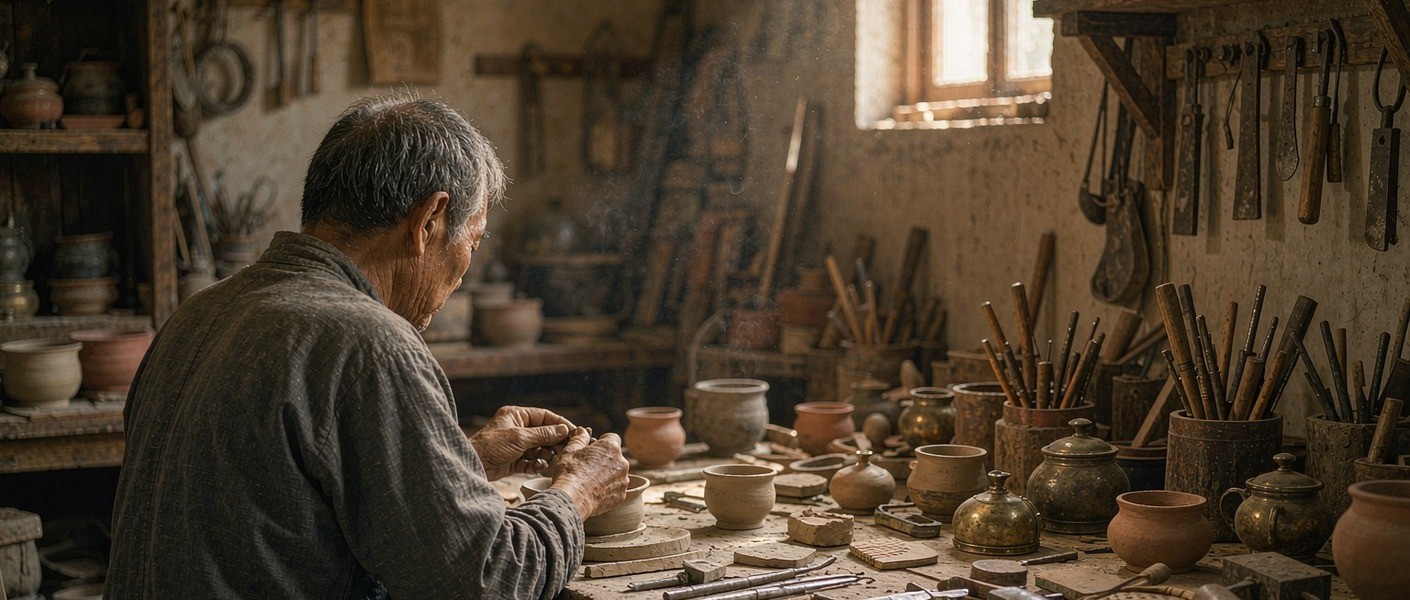
一份省级的知识产权规划,把非物质文化遗产单独写了进去。据"山西发布"(中共山西省委宣传部、山西省人民政府新闻办公室)2026 年 10 月 28 日公开发布,《山西省知识产权保护和运用"十五五"规划》由山西省知识产权局与山西省发展和改革委员会于 2026 年 10 月 26 日印发。对做手艺的人来说,这份文件最值得留意的不是指标,而是非遗在其中的位置变了。
▍一、从"被保护"到"有权利"
文件在"推进精品版权建设"一节中提出,引导非物质文化遗产数字化、时尚化、融合化发展;在"加强知识产权行政保护"一节中提出,加强中华老字号、三晋老字号、非物质文化遗产的知识产权保护。
这两句话看着平实,位置却不一样。过去的省级非遗文件,讲的多是认定、记录、扶持、传承;这里讲的则是权利——一件东西归谁、用了要不要说、说了要不要付。非遗从"被保护的对象",变成了"可以主张权利的对象"。这是观念上的一步。
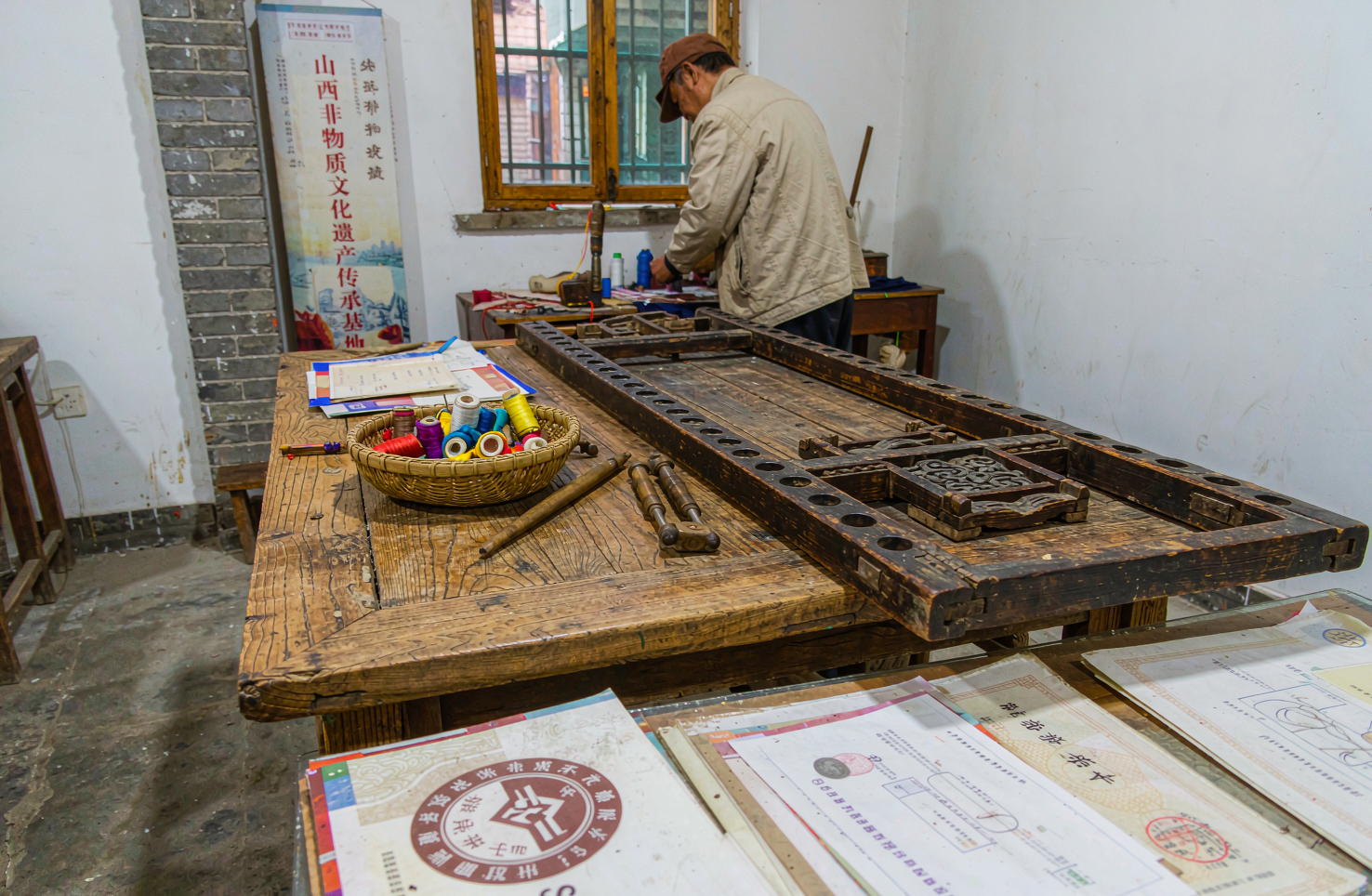
工坊一角的工具与半成品,登记与署名都要从这里开始
▍二、民间文艺版权:从计划到试点
文件在"版权保护建设工程"专栏中提出,实施"山西民间文艺版权保护与促进"计划,积极推动省内符合条件的市(县、区)深入开展全国民间文艺版权保护和促进试点工作;在文旅资源集聚区推动建设版权服务工作站。
这一条解决的是一个老大难:纹样与曲调世代流传,很难说清是谁的,于是谁都可以拿去用。试点的意义,在于试着把"世代流传的公共部分"与"某位匠人这一版的具体表达"分开处理——前者开放学习,后者需要许可。分开之后,学的人安心,做的人也安心。
往上看一层,这与国家层面中办、国办印发的《文化遗产保护传承"十五五"规划》中"提升民间文艺版权保护和制度保障水平"的表述是同一条线,山西这一步属于承接落地。
▍三、出海之前,先把权利理清
文件在"加强涉外知识产权保护"一节提出,加强跨境电商知识产权保护,加强本省出境参展企业的知识产权维权援助服务,并发挥国家海外知识产权纠纷应对指导山西工作平台的作用。
对做非遗出海的人来说,这一条的份量不轻。器物走出去,最先遇到的往往不是订单,而是三件麻烦:纹样被别人抢注、材质说明不符合目的地要求、展会上被指侵权。文件把这三件事纳入省级的服务范围,等于给出了一条求助的通道。
▍四、落到手艺人身上
把以上三条并起来看,对匠人的提示其实很具体。头一件是先登记:纹样、图稿、作品在公开之前先留下凭据,比事后维权省力得多。第二件是写清楚:合作开发、授权生产、二次设计时,把署名与分成写进纸面,口头约定经不起时间。第三件是出海前先问一遍:目的地的材质、标签与认证要求,问清楚再发货。
制度不会替任何人把手艺做好,但它可以让做手艺的人少受一点委屈。这大概就是这类文件最实在的价值。
以上仅为个人梳理,具体以官方原文为准。
▍问答
问 | 山西这份知识产权规划是哪一级、哪一天印发的
答 | 是省级文件:《山西省知识产权保护和运用"十五五"规划》,由山西省知识产权局与山西省发展和改革委员会于 2026 年 10 月 26 日印发,经省委、省政府同意;据"山西发布"2026 年 10 月 28 日公开发布。文中涉及非遗的内容集中在精品版权建设、行政保护与涉外保护三处。
问 | 非遗匠人现在就需要去做版权登记吗
答 | 建议做,尤其是准备公开、参展或出海的作品。登记解决的是"凭据"问题:一旦纹样被他人抢注或作品被批量仿制,有登记记录的一方在维权与申诉中处于更有利的位置。具体受理机构、材料与流程,以省级主管部门公布的规定为准。
问 | 韵和鸣是怎么帮匠人处理这些事的
答 | 韵和鸣把自己定位成"非遗经纪人",以公益的角度帮匠人做事:帮匠人做内容、做访谈,把手艺讲给更多人听;也帮匠人对接渠道与出海的机会,把材质说明、标签与合规这些琐碎的事接下来。匠人专心做手艺,其余的事交给韵和鸣。
▍说在最后
政策里最值得留意的变化,往往不在新词,而在老词换了位置。非遗在省级规划里从"保护"挪到"权利",手艺人的身份也就跟着多了一种。
你身边有坚守老手艺的匠人吗?留言告诉我们,我们去看看。
📩 非遗项目 | 匠人举荐 | 跨境出海 | 线下联营
欢迎留言或后台联系,我们与匠人同行。
—— 韵和鸣 · 与匠人同行
〖 晋 〗
相关搜索 | RELATED SEARCHES
山西省 知识产权 十五五 规划 非遗 · 民间文艺 版权 保护 试点 · 非遗 纹样 登记 维权 · 跨境电商 知识产权 保护 · 山西 非遗 政策 2026
English
In its section on building quality copyright, the document proposes guiding the digital, fashionable and integrated development of intangible cultural heritage; in the section on administrative IP protection it proposes strengthening IP protection for China Time-Honoured Brands, Sanjin Time-Honoured Brands, and intangible cultural heritage.
The two sentences read plainly, yet they sit in a different place. Earlier provincial ICH documents spoke mostly of recognition, recording, support and transmission; this one speaks of rights: who owns a thing, whether using it requires attribution, and whether attribution requires payment. ICH moves from being protected to being able to claim. That is a step in thinking.
Tools and half-finished work in a workshop corner, where registration and attribution begin
In its "Copyright Protection" column the document proposes carrying out a Shanxi folk literature and art copyright protection and promotion programme, actively encouraging qualified cities, counties and districts in the province to take part in the national pilot work on protecting and promoting folk art copyright, and establishing copyright service stations in areas where cultural tourism resources cluster.
This addresses an old difficulty: patterns and tunes pass down through generations, nobody can say whose they are, and so anyone may take them. The value of a pilot lies in attempting to separate the public part handed down through generations from the particular expression of one maker: the former open to learning, the latter requiring permission. Once separated, learners and makers can both rest easy.
One level up, this follows the same line as the statement in the Plan for Cultural Heritage Protection and Transmission during the 15th Five-Year Period, issued by the general offices of the CPC Central Committee and the State Council, on raising the level of copyright protection and institutional safeguards for folk literature and art. Shanxi's step belongs to implementation.
In the section on foreign-related IP protection, the document proposes strengthening IP protection in cross-border e-commerce, strengthening assistance in rights defence for provincial enterprises exhibiting abroad, and giving play to the national platform for guiding responses to overseas IP disputes in its Shanxi branch.
For those taking heritage abroad, this carries real weight. What an object meets first is often not orders but three troubles: a pattern registered by someone else, material declarations failing the destination's requirements, and accusations of infringement at an exhibition. Bringing these three into provincial service provision amounts to opening a channel for help.
Read together, the three points give makers quite specific guidance. First, register early: leaving evidence for patterns, drawings and works before they go public is far easier than defending them afterwards. Second, write it down: in joint development, licensed production or secondary design, put attribution and revenue shares on paper, since verbal agreements do not survive time. Third, ask before shipping: clarify the destination's requirements on materials, labelling and certification first.
No system will do the craft for anyone, but it can spare those who do it some of the grievance. That is probably the most practical value such documents carry.
The above is a personal reading only; the official text prevails.
At what level and on what date was this Shanxi IP plan issued?
It is a provincial document: the Shanxi Provincial IP Protection and Utilisation Plan for the 15th Five-Year Period, issued by the Shanxi Provincial Intellectual Property Office and the Shanxi Provincial Development and Reform Commission on 26 October 2026 with provincial approval, and released publicly by "Shanxi Fabu" on 28 October 2026. Its ICH content concentrates in three places: quality copyright, administrative protection and foreign-related protection.
Do heritage bearers need to register copyright right now?
It is advisable, particularly for works about to be published, exhibited or exported. Registration solves the problem of evidence: if a pattern is registered by someone else or a work copied in batches, the party holding a registration record stands in a stronger position when defending or appealing. The receiving office, required materials and procedure follow the rules published by the competent provincial authority.
How does YUNHEMING help bearers with such matters?
YUNHEMING positions itself as a heritage agent and works for makers from a public-interest angle: producing content and interviews, telling their craft to a wider audience, and opening channels and export opportunities while taking on the tedious work of material declarations, labelling and compliance. The maker attends to the craft; the rest comes to YUNHEMING.
The changes worth watching in policy are often not new terms but old terms moved to a new position. ICH shifting from protection to rights in a provincial plan adds another identity to the maker.
Is there a maker near you still holding to an old craft? Leave us a comment and we will go and see.
ICH Projects · Artisan Referrals · Global Distribution · Salon Partnerships
你可能还感兴趣
从 700 万到 1219 万:山西给非遗的钱,多在了哪
山西省级非遗保护专项资金从年度预算到传承人补助均有明确安排,资金还与展销、线路和品牌计划配合。文章厘清投入方向及其边界:经费能支持保护与传习,却不能单独保证手艺留住学徒、进入生活。
韵和鸣 · 2026/10/8 · 76 阅读
山西非遗条例修订:36 条,说清了几件事
新修订的《山西省非物质文化遗产条例》经山西省人大常委会表决通过。全文 36 条,不设章节,篇幅不长,读下来却比想象中实在——它把"保护什么、谁来保护、怎么用"这几件事,一条一条摆在了明面上。
韵和鸣 · 2026/10/5 · 50 阅读

「山西非遗好物」四个字,背后是一整套动作
近两年,山西的省级文旅文件里反复出现一个词:「山西非遗好物」。它听起来像个活动名称,拆开看却是一串具体动作——建目录、办消费季、推动非遗进商圈、把带头人、农户与商业品牌串成一条链。这一篇只梳理省级层面的公开表述,看看这套动作想解决什么问题。
韵和鸣 · 2026/10/20 · 48 阅读

专业镇的新文件,平遥的漆坊能用上哪几条
说到底,这份文件对老手艺的意义,不在"给了多少钱",而在"把产业的路修到了镇上"。2026 年 1 月,山西省人民政府办公厅印发《山西省支持专业镇高质量发展若干措施》(晋政办发〔2026〕3号),取代 2022 年失效的旧政策。平遥推光漆器,恰好在名单里。
韵和鸣 · 2026/10/12 · 48 阅读

一门手艺的背后,政策怎么把人接住
前面几期,我们把国家、省、市三级的新文件挨个捋了一遍。这一轮收个口:不解读新文件,只看一条贯穿四级政策的暗线——人。名录、工坊、产业,说到底都要有人去做;而这一轮政策最值得记下的变化,是把"支持传承人"从一句原则,拆成了看得见的台阶。
韵和鸣 · 2026/10/14 · 62 阅读

一部还在征求意见的条例,先点了平遥漆器的名
政策一层层往下走:国家定方向,省里给资源,到了市县,它得落到具体的街巷、人和器物上。关键在于,一部市级条例点到哪门手艺、又把它放在哪一条里,比笼统表态更能说明当地的取舍。
韵和鸣 · 2026/10/9 · 59 阅读