一部为推光漆器而立的条例:十九条里写了什么
韵和鸣 · 韵和鸣公众号 · 2026/10/30 12:00:00 · 3 阅读
《平遥推光漆器髹饰技艺保护条例》于 2023 年 6 月 26 日经晋中市第五届人民代表大会常务委员会第十次会议通过,2023 年 7 月 29 日经山西省第十四届人民代表大会常务委员会第四次会议批准,由晋中市人民代表大会常务委员会于 2023 年 8 月 9 日公布,自 2023 年 10 月 1 日起施行,全文共十九条。本文只做公开条文的梳理与解读,不评价实施效果。一部为单一技艺而立的地方性法
▍一、先把"这门技艺是什么"写清楚
条例第二条分三层给平遥推光漆器髹饰技艺下了定义:基本原料是生漆、桐油、矿物质颜料;髹漆工序包括裱布、上漆、打磨、推光、擦漆;装饰技法包括描金彩绘、堆鼓罩漆、骨石镶嵌、擦色。
看似只是名词解释,其实是最要紧的一条。原料与工序一旦写进条文,"用别的漆算不算推光漆器"就有了判断依据——行业里长期存在的原料混杂问题,首先需要一个可引用的标准答案。
▍二、钱、规划与谁来管
第三条把两件事钉死:市、县人民政府应当将这项技艺的保护、保存工作纳入本级国民经济和社会发展规划,将保护、保存经费列入本级财政预算;县人民政府还要制定保护专项规划、建立保护工作联席会议制度,并定期向县人民代表大会常务委员会报告本条例执行情况。
第四条进一步分了工:文化和旅游主管部门负责保护、保存等工作,发展改革、财政、工业和信息化、市场监督管理、生态环境、教育、人力资源和社会保障等主管部门按各自职责配合。非遗保护最怕"多头管又没人管",把部门名单写进条文,是在减少推诿的空间。
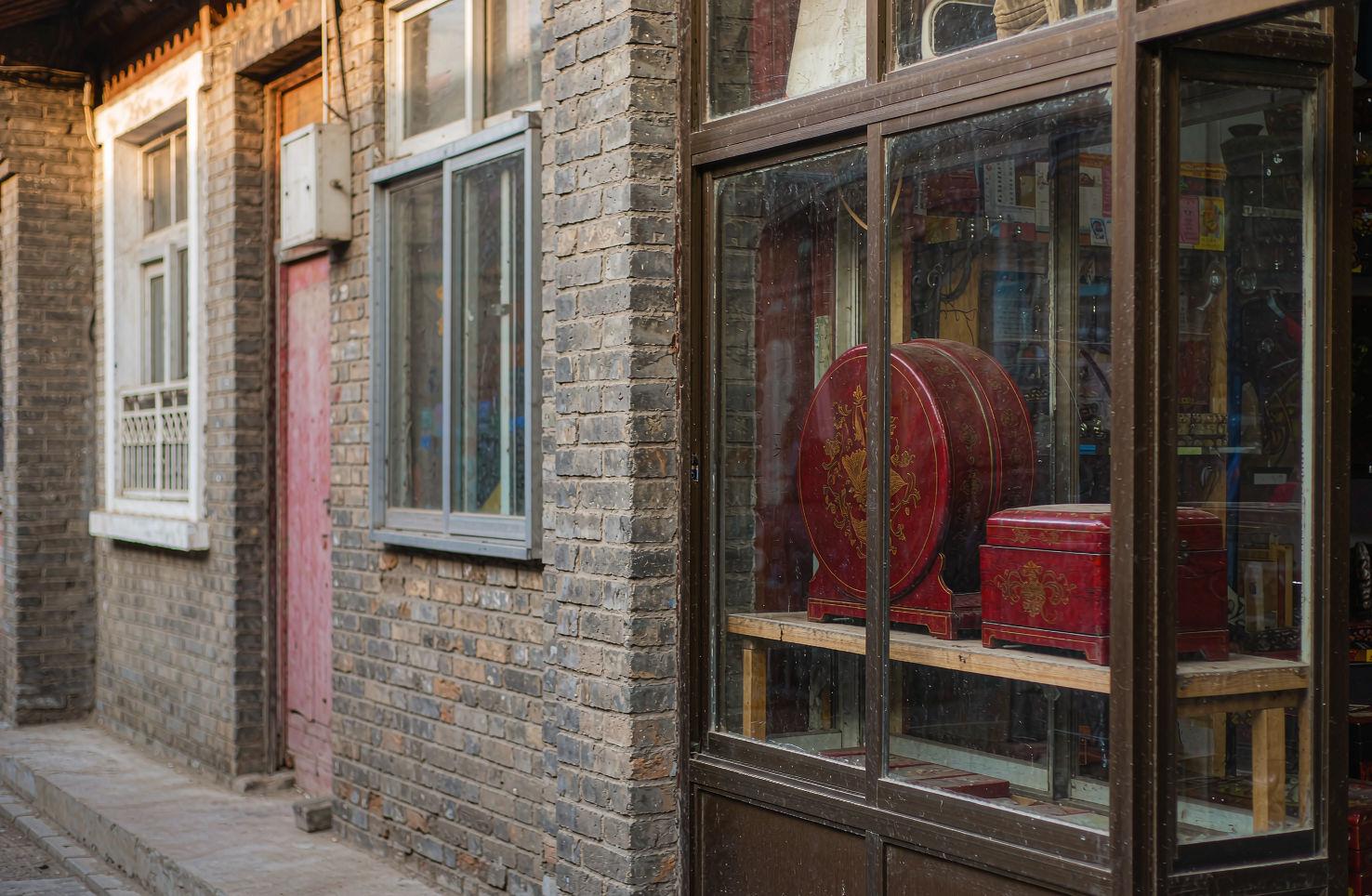
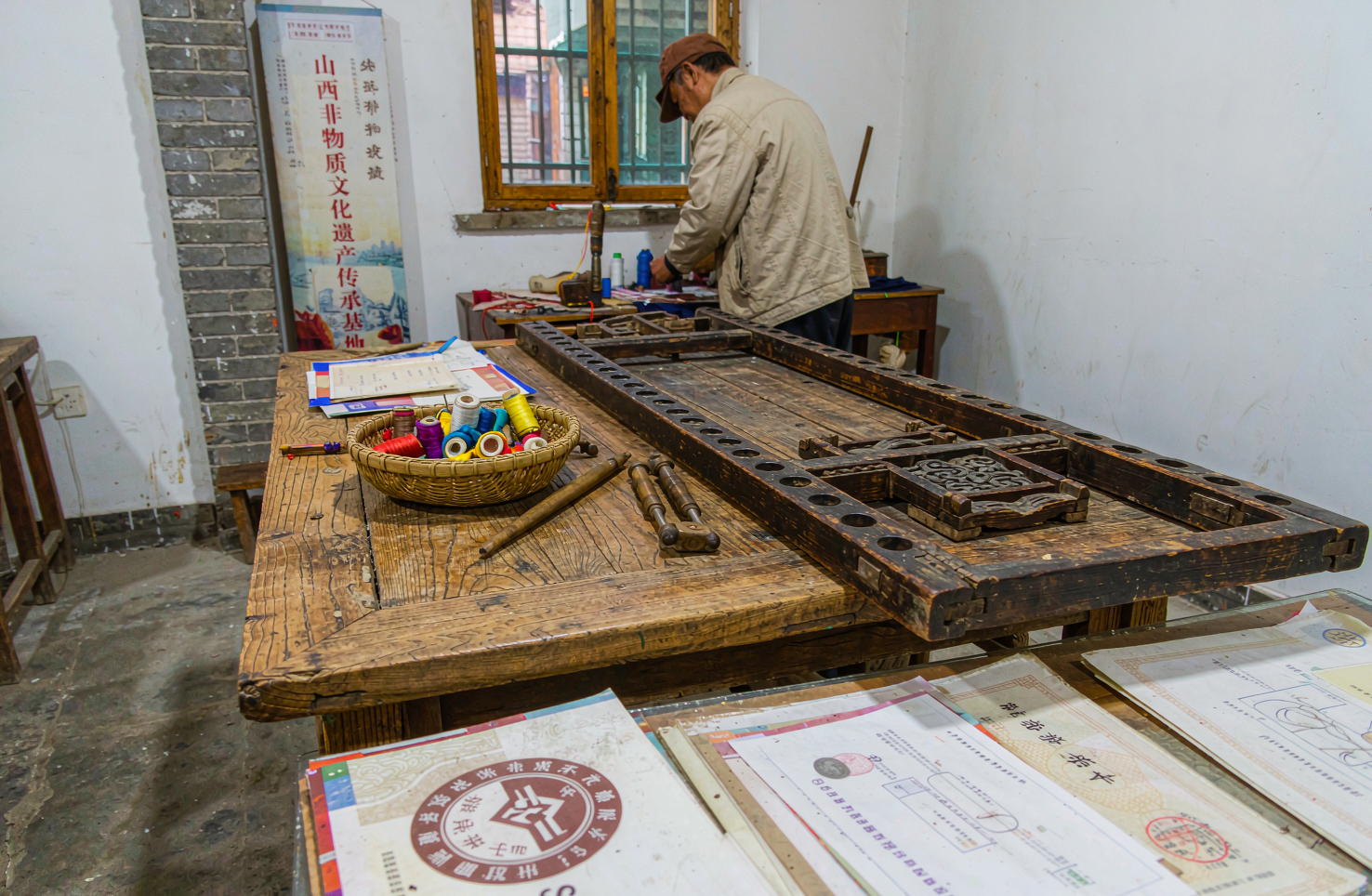
一条老街的青砖墙下,几间相连的作坊门口挂着木牌,门前摆着待搬的木料
▍三、最硬的两条:学徒与标准
第八条与第九条可以放在一起读。第八条规定,市人民政府市场监督管理部门应当组织有关部门以及行业协会、生产企业开展平遥推光漆器有关地方标准的制定和完善。第九条则规定,代表性传承人应当依法履行传承义务,常随学徒不得少于二人。
一条管物,一条管人。标准解决的是"什么样的东西能用这个名字",学徒解决的是"十年后还有没有人会做"。把"不少于二人"写成硬性数字,在地方立法里并不常见,它把传承从倡导变成了可核查的义务。
条例还规定了人才培养的其他路径:第十条支持高等院校、职业院校、技工院校或研究机构设置相关专业,支持代表性传承人参与学校教学科研,支持建立人才实训基地,推行现代学徒制。第十一条则要求依托晋中文化生态保护区,并利用国家级文化生态保护区政策促进传承与保护。
▍四、档案、专志与展示的场所
第十四条要求建立平遥推光漆器髹饰技艺档案和数据库并向社会公开,编纂专门志书;第十六条要求设立中小学研学实践教育基地,建立展示馆、传承体验中心、传承基地等公共文化设施,并要求博物馆、图书馆、科技馆等公共文化场所设立专区。
第十七条甚至把宣传的场景也列了出来:结合平遥国际摄影展、平遥国际电影展、平遥中国年等展会与节庆活动宣传展示。第五条则把每年 1 月 27 日定为平遥推光漆器髹饰技艺宣传日。
▍五、条文之外,还剩什么
一部十九条的地方性法规能给出框架、责任与清单,给不出市场的答案。标准写出来之后,执行得靠检测与监管;学徒招进来之后,留得住要靠收入与前景。这些都不是条文能直接解决的事,却决定了条例最终落在纸上还是落在作坊里。
以上梳理依据晋中市人民代表大会常务委员会公布的《平遥推光漆器髹饰技艺保护条例》全文(晋中市人大官网)及新华网山西 2023 年 8 月 17 日报道,未作延伸解读。
▍问答
问 | 《平遥推光漆器髹饰技艺保护条例》什么时候开始施行
答 | 自 2023 年 10 月 1 日起施行。该条例于 2023 年 6 月 26 日经晋中市第五届人民代表大会常务委员会第十次会议通过,2023 年 7 月 29 日经山西省第十四届人民代表大会常务委员会第四次会议批准,2023 年 8 月 9 日公布,全文共十九条。
问 | 条例对传承人带徒有什么硬性要求
答 | 条例第九条规定,代表性传承人应当依法履行传承义务,常随学徒不得少于二人。此外第十条支持院校设置相关专业、建立人才实训基地并推行现代学徒制,第十一条要求依托晋中文化生态保护区开展传承与保护。
问 | 韵和鸣这家公司到底是做什么的
答 | 说白了就是一件事:把全国真正的非遗手工品挑出来,送到愿意为手艺付钱的人手里。公司主体是未来丝路(山西)国际跨境供应链有限公司,韵和鸣是它旗下的非遗品牌;起家那门技艺是山西平遥的推光漆器髹饰技艺,后来才逐步扩到竹、绣、银、锦、瓷这些门类。
▍说在最后
为一门手艺立一部法,说明这门手艺值得被认真对待。法立起来之后,剩下的事就交回给做手艺的人和买手艺的人。
以上仅为个人梳理,具体以官方原文为准。
📩 非遗项目 | 匠人举荐 | 跨境出海 | 线下联营
欢迎留言或后台联系,我们与匠人同行。
—— 韵和鸣 · 与匠人同行
〖 平 〗
相关搜索 | RELATED SEARCHES
平遥推光漆器 保护条例 施行时间 · 平遥推光漆器 条例 十九条 · 非遗 传承人 带徒 不少于二人 · 晋中 非遗 地方立法 · 平遥推光漆器 地方标准
English
First, State Clearly What the Technique Is
Article two defines the technique in three layers: the basic materials are raw lacquer, tung oil and mineral pigments; the lacquering steps include backing with cloth, applying lacquer, sanding, hand-polishing and wiping; the decorative techniques include gold tracing and painting, raised relief under lacquer, bone and stone inlay, and wiped colour.
It looks like nothing more than a definition, yet it is the most important article. Once materials and steps are written into law, the question of whether a piece made with other lacquer counts as Pingyao polished lacquerware has a basis for judgement: the long-standing problem of mixed materials in the trade first needs an answer that can be cited.
Article three nails down two things: the municipal and county governments shall bring protection and preservation of the technique into their economic and social development plans at the corresponding level and put protection funds into their budgets at that level; the county government shall also draw up a dedicated protection plan, establish a joint conference system, and report periodically to the county people's congress standing committee on how the regulations are being applied.
Article four divides the work further: the culture and tourism department is responsible for protection and preservation, while development and reform, finance, industry and information technology, market regulation, ecology and environment, education, and human resources and social security each handle their own part. What heritage protection fears most is many hands and no owner; writing the department list into the text reduces room for passing the buck.
Beneath the grey-brick wall of an old street, several adjoining workshops hang wooden boards at their doors, with timber waiting to be carried in
The Two Hardest Articles: Apprentices and Standards
Articles eight and nine read well together. Article eight provides that the municipal market regulation department shall organise relevant departments, the industry association and producers to formulate and improve local standards for Pingyao polished lacquerware. Article nine provides that representative bearers shall fulfil their transmission duties according to law, and that the number of apprentices accompanying them on a regular basis shall not be fewer than two.
One governs the object, the other the person. Standards settle what may carry the name; apprentices settle whether anyone will still know how in ten years. Writing "not fewer than two" as a fixed number is unusual in local legislation: it turns transmission from an exhortation into a duty that can be checked.
The regulations also set out other routes for training: article ten supports universities, vocational colleges, technical schools and research institutes in establishing relevant programmes, supports representative bearers taking part in teaching and research, supports the establishment of training bases, and promotes a modern apprenticeship system. Article eleven requires drawing on the Jinzhong cultural ecology protection zone and using national-level policy for such zones to advance transmission and protection.
Archives, a Gazetteer, and Places to Show It
Article fourteen requires establishing an archive and database for the technique and opening them to the public, and compiling a dedicated gazetteer; article sixteen requires setting up primary and secondary school study-trip bases and building exhibition halls, transmission experience centres and transmission bases, and requires museums, libraries and science museums to dedicate space to it.
Article seventeen even lists the occasions for promotion: displaying the craft alongside events such as the Pingyao International Photography Festival, the Pingyao International Film Festival and Pingyao Chinese New Year. Article five fixes 27 January each year as the technique's promotional day.
A local regulation of nineteen articles can supply a framework, responsibilities and a checklist; it cannot supply the market's answer. Once standards are written, enforcement depends on testing and oversight; once apprentices are recruited, keeping them depends on income and prospects. None of this can be settled directly by text, yet it decides whether the regulations end up on paper or in the workshop.
The above is compiled from the full text of the Regulations published by the Jinzhong Municipal People's Congress Standing Committee (on the congress website) and from Xinhua's Shanxi channel report of 17 August 2023; no extended interpretation has been made.
When did the Regulations on Protecting the Pingyao Polished Lacquerware Decoration Technique take effect?
It took effect on 1 October 2023. It was adopted on 26 June 2023 at the tenth session of the fifth Jinzhong Municipal People's Congress Standing Committee, approved on 29 July 2023 at the fourth session of the fourteenth Shanxi Provincial People's Congress Standing Committee, and promulgated on 9 August 2023, running to nineteen articles.
What hard requirement does the regulation place on bearers taking apprentices?
Article nine provides that representative bearers shall fulfil their transmission duties according to law and that the number of apprentices regularly accompanying them shall not be fewer than two. Article ten also supports colleges establishing relevant programmes, building training bases and promoting modern apprenticeships, while article eleven requires drawing on the Jinzhong cultural ecology protection zone for transmission and protection.
What does the company behind YUNHEMING actually do?
Put plainly, it does one thing: pick out the genuine handmade heritage objects of the whole country and put them in the hands of people willing to pay for skill. The corporate entity is Future Silk Road (Shanxi) International Cross-border Supply Chain Co., Ltd., and YUNHEMING is its heritage brand. The craft it began with was the polished lacquerware technique of Pingyao, Shanxi; bamboo, embroidery, silver, brocade and porcelain came later.
To write a law for one craft says the craft is worth taking seriously. Once the law stands, the rest returns to those who make the craft and those who buy it.
The above is only a personal compilation; the official text governs.
ICH Projects · Artisan Referrals · Global Distribution · Salon Partnerships
你可能还感兴趣
一座县城,为什么要为一门手艺专门立法
晋中为平遥推光漆器髹饰技艺制定专门的地方性法规,把技艺保护、市场规范与资源支持写入制度。文章结合专业镇、产业园、传习所和人才培养,说明立法如何托住产业,也指出法规不能替代匠人的手上功夫。
韵和鸣 · 2026/10/2 · 57 阅读
一部还在征求意见的条例,先点了平遥漆器的名
政策一层层往下走:国家定方向,省里给资源,到了市县,它得落到具体的街巷、人和器物上。关键在于,一部市级条例点到哪门手艺、又把它放在哪一条里,比笼统表态更能说明当地的取舍。
韵和鸣 · 2026/10/9 · 56 阅读
一份招商清单背后,平遥漆器专业镇想长成什么样
政策落到市县一级,往往不是一份文件,而是一张清单。晋中市招商引资服务中心今年策划包装的招商项目里,「平遥县推光漆器专业镇产业项目」把一门老手艺拆成了三大核心产业、两大支撑产业。说到底,这份清单回答的是一个朴素的问题:一座以漆器闻名的县城,接下来靠什么把产业做大。
韵和鸣 · 2026/10/13 · 53 阅读
从 700 万到 1219 万:山西给非遗的钱,多在了哪
山西省级非遗保护专项资金从年度预算到传承人补助均有明确安排,资金还与展销、线路和品牌计划配合。文章厘清投入方向及其边界:经费能支持保护与传习,却不能单独保证手艺留住学徒、进入生活。
韵和鸣 · 2026/10/8 · 74 阅读

一门手艺的背后,政策怎么把人接住
前面几期,我们把国家、省、市三级的新文件挨个捋了一遍。这一轮收个口:不解读新文件,只看一条贯穿四级政策的暗线——人。名录、工坊、产业,说到底都要有人去做;而这一轮政策最值得记下的变化,是把"支持传承人"从一句原则,拆成了看得见的台阶。
韵和鸣 · 2026/10/14 · 58 阅读

从国家到平遥:这一轮非遗政策,把力气用在了哪
文章把国家规划、山西条例与资金安排、晋中和平遥的法规及产业实践连成一条政策链,分析保护、活化与出海三个方向。政策最终仍要落到传承人的培养、工坊的生产与真实产品的使用上。
韵和鸣 · 2026/10/3 · 51 阅读