政策里的"外":非遗出海的那张拼图,拼到哪一格了
韵和鸣 · 韵和鸣公众号 · 2026/10/27 12:00:00 · 5 阅读
三层文件读下来,今年有一条线格外清楚:非遗出海正从"走出去展示"转向"走出去做生意"。它分散在几份文件、一份通知和一个县的实践中,按顺序摆一遍就能看出拼到了哪一格。它的本质在于:非遗出海不再只是一个文化动作,而是一次贸易动作。
政策·总结篇
▍一、国家层:四份文件,四条路径
据央视网 2026 年 10 月 9 日报道,文化和旅游部印发《非物质文化遗产保护传承"十五五"规划》,提出巩固保护基础、增强传承能力、服务国家重大战略、激活发展潜力、深化科技支撑、增强传播效能等六个方面重点任务,明确到 2030 年初步形成非遗系统性保护新格局。
中国非物质文化遗产网刊发的规划解读文章提到,2025 年我国非遗相关市场规模突破 1.1 万亿元、增速超过 20%。
第三条是贸易。据广州市文化广电旅游局官网报道,商务部等六部门联合印发《对外文化贸易"千帆出海"行动计划 2026 年工作方案》,公布年度重点活动(项目)清单,全国共 147 个项目入选,主题为"打造中华文化精品,畅通文化商贸往来"。
所谓历史经典产业,指的是丝绸、茶叶、瓷器、中药、酿造、工艺美术、文房四宝等文化底蕴深厚的传统特色产业(据中国商务新闻网 2026 年 10 月 13 日报道)。第四条是产业,同一批报道提到,商务部等六部门联合印发《关于推动历史经典产业高质量发展的意见》。
集装箱堆场的清晨,箱门上的编号在逆光里隐约可见
《对外文化贸易“千帆出海”行动计划 2026 年工作方案》确定的年度主题是“打造中华文化精品,畅通文化商贸往来”(据广州市文化广电旅游局官网报道)。
▍二、这个排序说明了什么
四份文件排出来,脉络是清楚的:一份解决"还在不在",一份解决"能不能过日子",一份解决"能不能卖出去",一份解决"能不能做成行业"。
这也是"出海"这些年的迁移:早年是组团出去展演,现在谈的是标准、渠道、履约。
▍三、落到地方:钱往哪里去
据山西省人民政府官网 2026 年 10 月 16 日报道,山西省文化和旅游厅、山西省财政厅于 10 月 12 日联合印发《关于做好 2027 年省级非物质文化遗产保护资金申报工作的通知》,资金主要用于项目保护补助、传承人补助,以及传统工艺振兴类项目的建档征集、工坊展示、进景区展演与数字化建设。E> According to the Shanxi provincial government website on 16 October 2026, its culture and finance departments jointly issued, on 12 October, the Notice on Submitting Applications for 2027 Provincial Intangible Cultural Heritage Protection Funds. Money goes to project subsidies, bearer subsidies, and targeted support for traditional craft revitalisation: archives, collecting, workshop displays, scenic-area performances and digital work.
再落到县一级。据人民论坛网 2026 年 10 月 22 日报道,截至 2026 年上半年,平遥牛肉、推光漆器两大省级专业镇合计总产值突破 50 亿元。
▍四、还缺的一块
缺的不是政策。标准、渠道、资金、场景,文件都说到过。缺的是把它们翻成具体动作的人:把工序讲成对方听得懂的话,把工期和账算清楚。这类活不在任何条目里,却决定那些条目能否兑现。
▍问答
问 | 国家层面关于非遗出海的政策文件有哪些
答 | 经常被提到的是四份:《非物质文化遗产保护传承"十五五"规划》(文化和旅游部印发,据央视网 2026 年 10 月 9 日报道)、《对外文化贸易"千帆出海"行动计划 2026 年工作方案》与《关于推动历史经典产业高质量发展的意见》(均由商务部等六部门联合印发)。具体条文请以官方发布的原文为准。
问 | 非遗产业的市场规模有多大,数据从哪来
答 | 中国非物质文化遗产网刊发的规划解读文章提到,2025 年我国非遗相关市场规模突破 1.1 万亿元、增速超过 20%。引用时注明来源与年份,不同报告口径并不一致。
问 | 山西 2027 年省级非遗保护资金,主要支持哪几件事
答 | 三个方面:代表性项目保护补助、代表性传承人补助,以及重点支持传统工艺振兴类省级非遗项目的建档征集、工坊展示、进景区展演与数字化建设。依据是山西省文化和旅游厅、山西省财政厅 2026 年 10 月 12 日印发的通知。
问 | 做非遗出海的品牌,这些政策怎么用得上
答 | 这些文件给的是方向不是补贴清单,其中三条最有用:按标准讲清产品,借助已有的文化贸易渠道与展会,走完合规跨境的最后一程。韵和鸣先选真作,再把工序、产地与匠人讲成能查证的话。
▍说在最后
以上仅为个人梳理,具体以官方原文为准。三层文件读下来最实在的一点:政策不再把"走出去"当成一个动作,而是当成一条产业链——有标准、有资金、有场景,剩下那一环是谁去跑通它。
你觉得非遗出海最难的一环是标准、渠道,还是交付?
📩 非遗项目 | 匠人举荐 | 跨境出海 | 线下联营
欢迎留言或后台联系,我们与匠人同行。
—— 韵和鸣 · 与匠人同行
〖 综 〗
相关搜索 | RELATED SEARCHES
非遗 出海 政策 文件 · 千帆出海 行动计划 2026 · 历史经典产业 意见 · 非遗 十五五 规划 · 山西 省级 非遗 保护 资金 · 传统文化 出口 渠道
English
At the National Level: Four Documents, Four Paths
According to CCTV online on 9 October 2026, the Ministry of Culture and Tourism issued the Fifteenth Five-Year Plan for the Protection and Transmission of Intangible Cultural Heritage, setting six clusters of key tasks and by 2030 the initial shape of a new pattern of systematic protection.
An interpretive article on the China Intangible Cultural Heritage website notes the heritage-related market passed 1.1 trillion yuan in 2025, growing more than 20 per cent.
The third is trade. According to the Guangzhou Municipal Bureau of Culture, Radio, Television and Tourism, six departments including the Ministry of Commerce jointly issued the 2026 Work Plan for the Thousand Sails Action Plan for External Cultural Trade, listing 147 selected projects nationwide under the theme of building fine Chinese cultural products and smoothing cultural trade.
Historic classic industries means traditional sectors with deep cultural roots: silk, tea, porcelain, traditional medicine, brewing, arts and crafts, the four treasures of the study (per China Business Journal Online, 13 October 2026). The fourth is industry; the same reporting notes that six departments including the Ministry of Commerce jointly issued the Opinions on Promoting High-Quality Development of Historic Classic Industries.
Shipping containers at a yard in early morning, their serial numbers faint against backlight
The 2026 Work Plan for the “Thousand Sails” Action Plan for External Cultural Trade set the year’s theme as building fine Chinese cultural products and smoothing cultural trade, according to the Guangzhou Municipal Bureau of Culture, Radio, Television and Tourism.
Set out this way, the logic is plain: one asks whether the craft still exists, one whether it can sustain a livelihood, one whether it can be sold, one whether it can become an industry.
It is also how going global has moved: once delegations performed abroad; now the talk is standards, channels and fulfilment.
One level further down: according to People's Forum Online on 22 October 2026, the two provincial clusters of Pingyao beef and polished lacquerware passed 5 billion yuan in combined output in the first half of 2026.
What is missing is not policy; standards, channels, money and settings have all been spoken of. What is missing is someone to turn them into action: explaining a process a buyer follows, working out lead times and accounts. Such work rarely appears in any article, yet decides whether those articles are honoured.
Which national policy documents concern taking intangible heritage abroad?
Four come up repeatedly: the Fifteenth Five-Year Plan for the Protection and Transmission of Intangible Cultural Heritage (Ministry of Culture and Tourism, per CCTV online, 9 October 2026); the 2026 Work Plan for the Thousand Sails Action Plan for External Cultural Trade; and the Opinions on Promoting High-Quality Development of Historic Classic Industries, both issued jointly by six departments including the Ministry of Commerce. Consult official texts for exact provisions.
How large is the heritage market, and where does the figure come from?
An interpretive article on that website notes the heritage-related market passed 1.1 trillion yuan in 2025, growing more than 20 per cent. Cite source and year, since reports differ in definition.
What does Shanxi's 2027 provincial heritage protection fund support?
Three areas: subsidies for projects; subsidies for bearers; and targeted support for provincial traditional craft revitalisation, covering archives and collecting, workshop displays, scenic-area performances and digital work. The basis is the notice issued on 12 October 2026 by Shanxi's culture and finance departments.
For a brand taking heritage abroad, how does any of this apply?
The documents give direction rather than a list of subsidies; three parts are most useful: describing products against standards, using existing cultural-trade channels and exhibitions, completing the last leg through compliant logistics. YUNHEMING selects authentic work first, then makes process, origin and maker verifiable.
The above is a personal reading; consult the official texts. One thing stands out across three levels: policy no longer treats going global as a single act but as an industrial chain, with standards, money and settings; what remains is someone to run it.
ICH Projects · Artisan Referrals · Global Distribution · Salon Partnerships
你可能还感兴趣
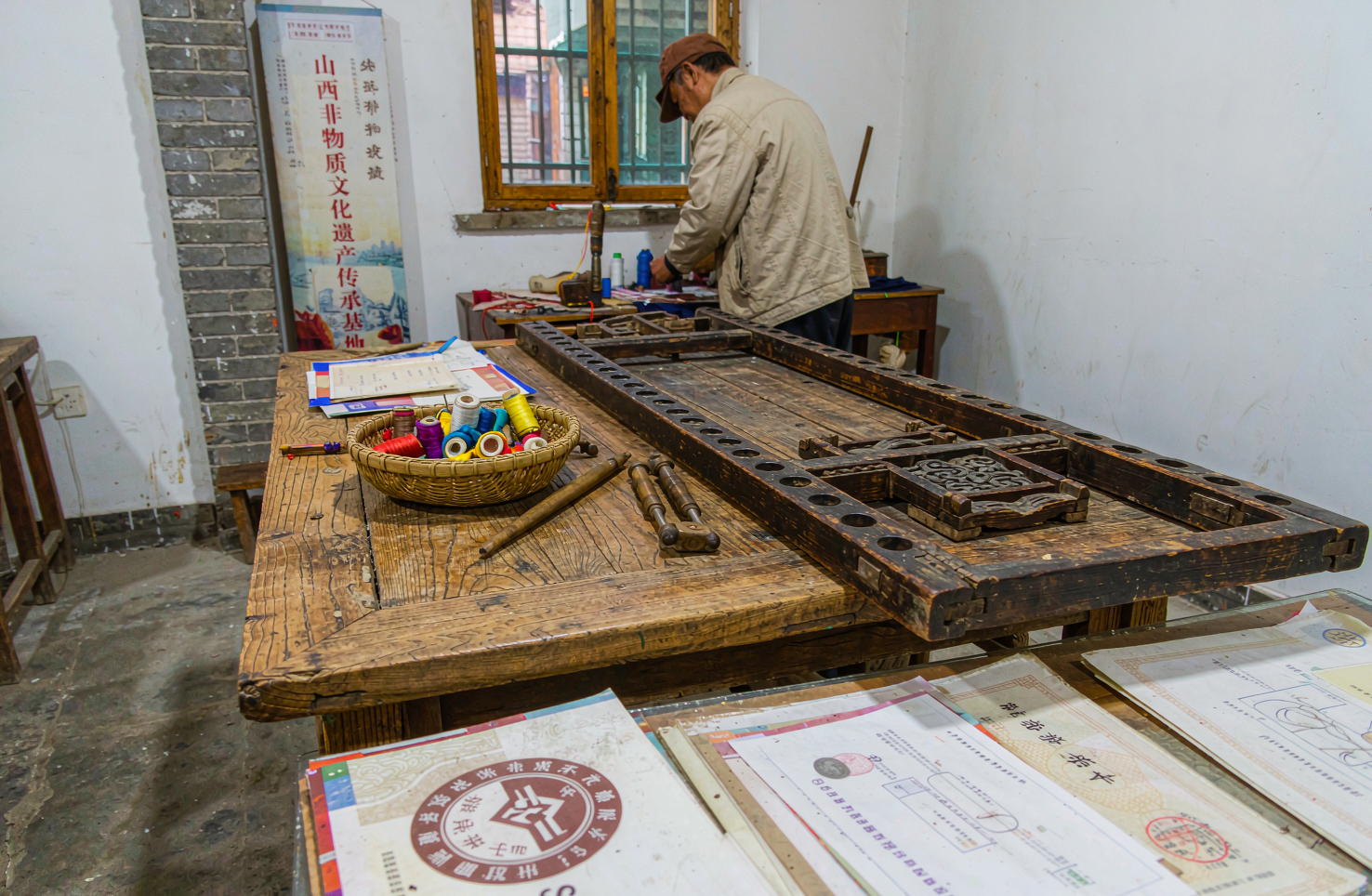
从 700 万到 1219 万:山西给非遗的钱,多在了哪
山西省级非遗保护专项资金从年度预算到传承人补助均有明确安排,资金还与展销、线路和品牌计划配合。文章厘清投入方向及其边界:经费能支持保护与传习,却不能单独保证手艺留住学徒、进入生活。
韵和鸣 · 2026/10/8 · 74 阅读

一门手艺的背后,政策怎么把人接住
前面几期,我们把国家、省、市三级的新文件挨个捋了一遍。这一轮收个口:不解读新文件,只看一条贯穿四级政策的暗线——人。名录、工坊、产业,说到底都要有人去做;而这一轮政策最值得记下的变化,是把"支持传承人"从一句原则,拆成了看得见的台阶。
韵和鸣 · 2026/10/14 · 58 阅读

一座县城,为什么要为一门手艺专门立法
晋中为平遥推光漆器髹饰技艺制定专门的地方性法规,把技艺保护、市场规范与资源支持写入制度。文章结合专业镇、产业园、传习所和人才培养,说明立法如何托住产业,也指出法规不能替代匠人的手上功夫。
韵和鸣 · 2026/10/2 · 57 阅读
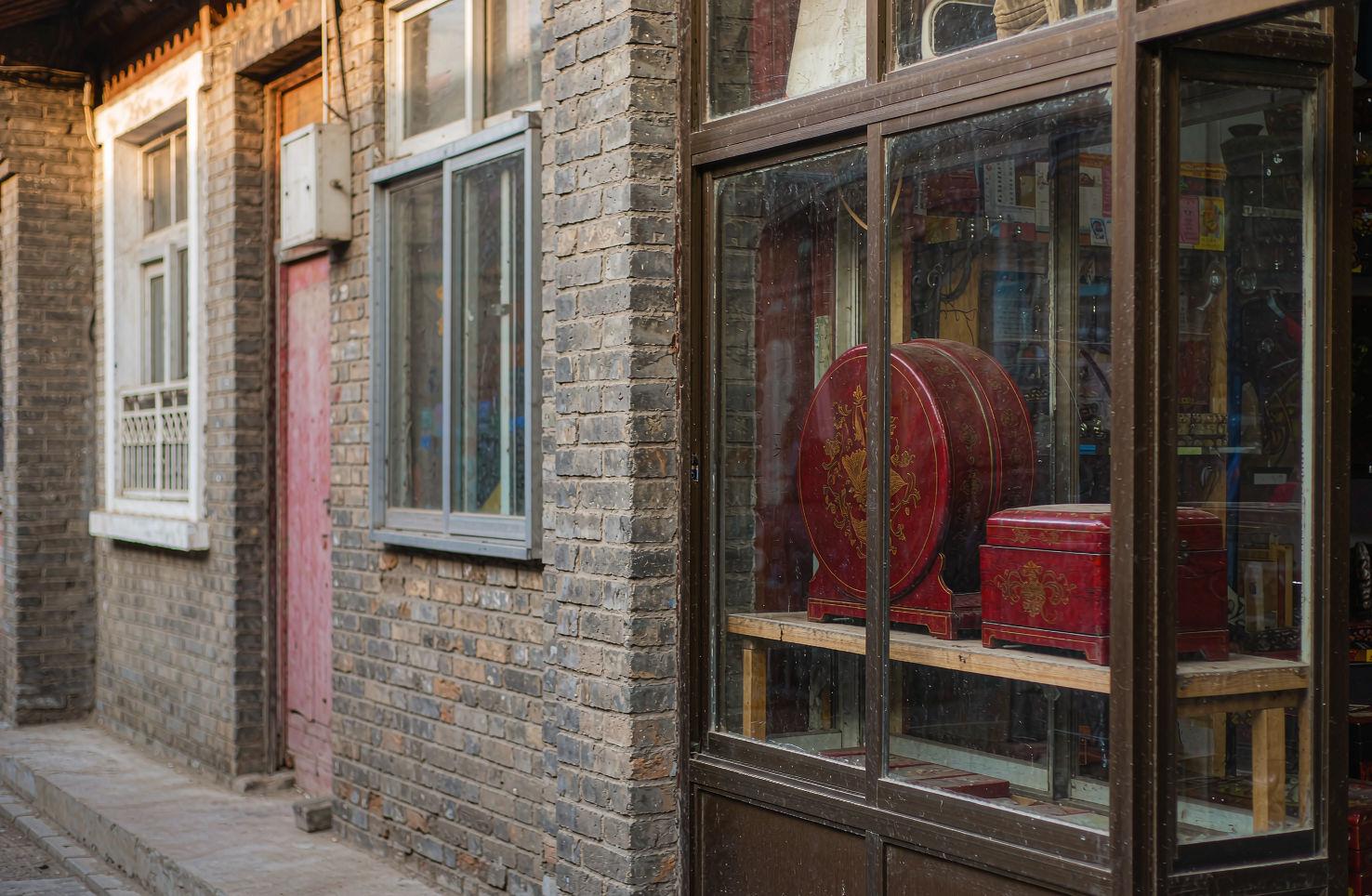
一部还在征求意见的条例,先点了平遥漆器的名
政策一层层往下走:国家定方向,省里给资源,到了市县,它得落到具体的街巷、人和器物上。关键在于,一部市级条例点到哪门手艺、又把它放在哪一条里,比笼统表态更能说明当地的取舍。
韵和鸣 · 2026/10/9 · 56 阅读
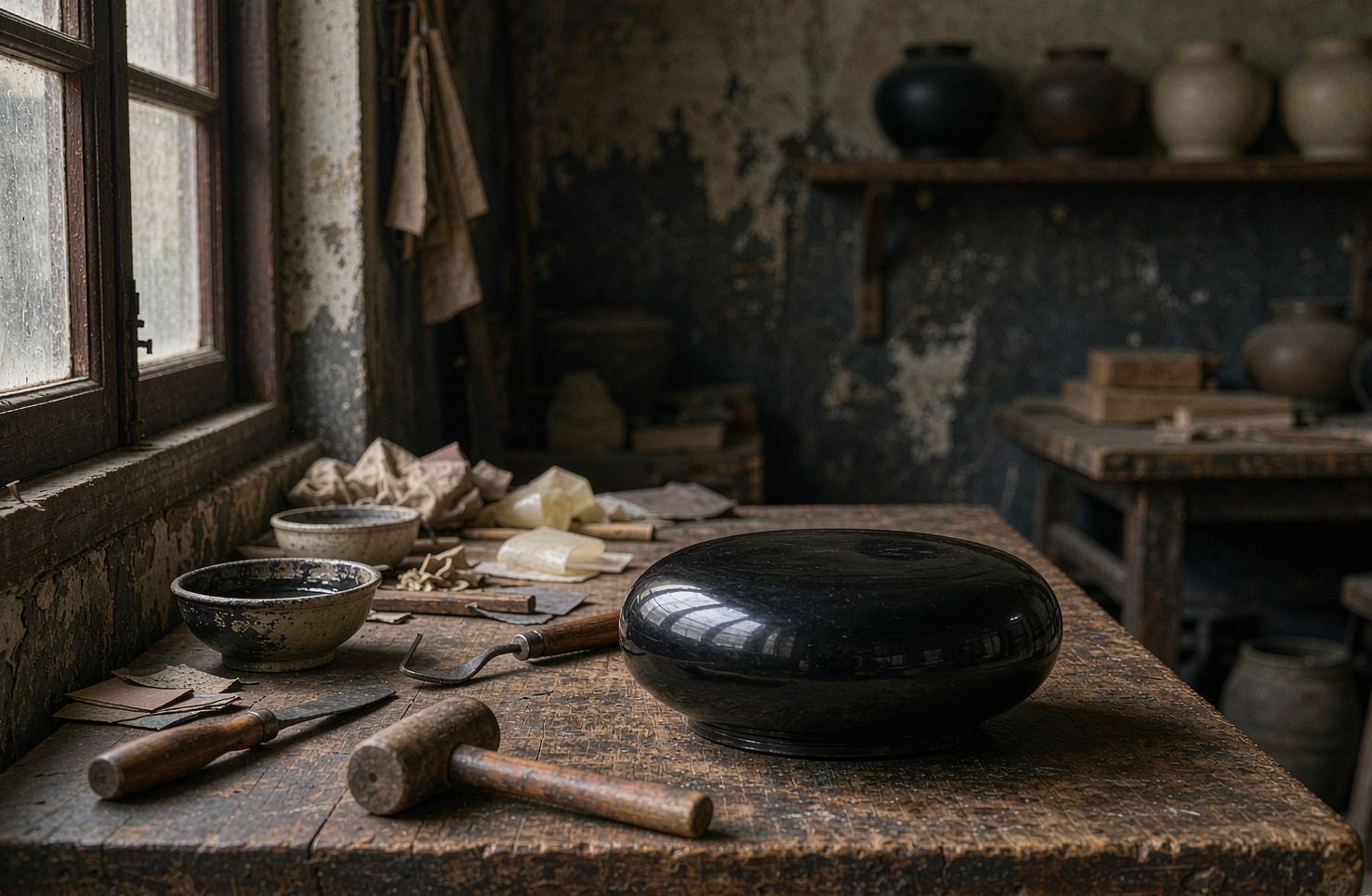
一份招商清单背后,平遥漆器专业镇想长成什么样
政策落到市县一级,往往不是一份文件,而是一张清单。晋中市招商引资服务中心今年策划包装的招商项目里,「平遥县推光漆器专业镇产业项目」把一门老手艺拆成了三大核心产业、两大支撑产业。说到底,这份清单回答的是一个朴素的问题:一座以漆器闻名的县城,接下来靠什么把产业做大。
韵和鸣 · 2026/10/13 · 53 阅读

从国家到平遥:这一轮非遗政策,把力气用在了哪
文章把国家规划、山西条例与资金安排、晋中和平遥的法规及产业实践连成一条政策链,分析保护、活化与出海三个方向。政策最终仍要落到传承人的培养、工坊的生产与真实产品的使用上。
韵和鸣 · 2026/10/3 · 51 阅读