从"划一片"到"整片管":晋中文化生态保护区这一步走了多远
韵和鸣 · 韵和鸣公众号 · 2026/10/26 12:00:00 · 3 阅读
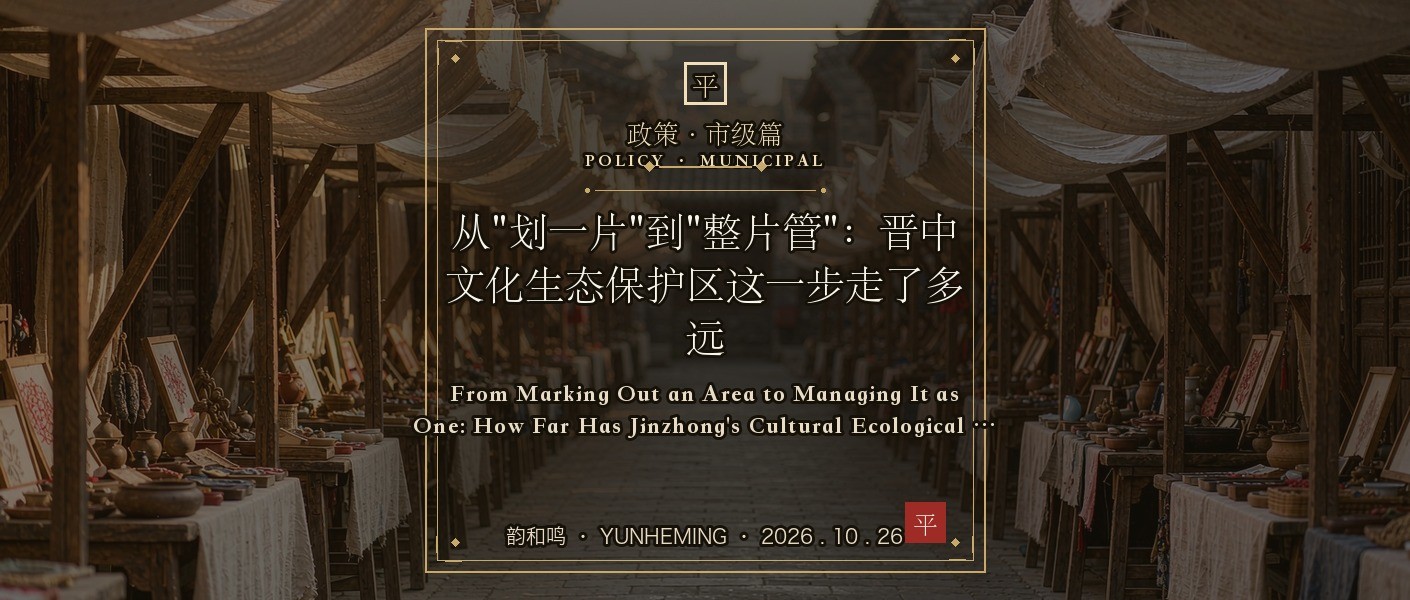
文化生态保护区这件事,先是划出来,再是管起来,两步的难度完全不同。所谓文化生态保护区,是指把某项非遗与它所依存的自然环境、人文环境和生活方式作为一个整体来保护的一种制度安排,而不是给单个项目挂牌。据山西省人民政府 2026 年 10 月 18 日发布的通稿,晋中国家级文化生态保护区已顺利通过文旅部验收、正式命名,覆盖晋中全域,并纳入太原、吕梁部分县域。命名是阶段性的结果,真正的考题在命名之后:能不
▍一、为什么要"整片"保护
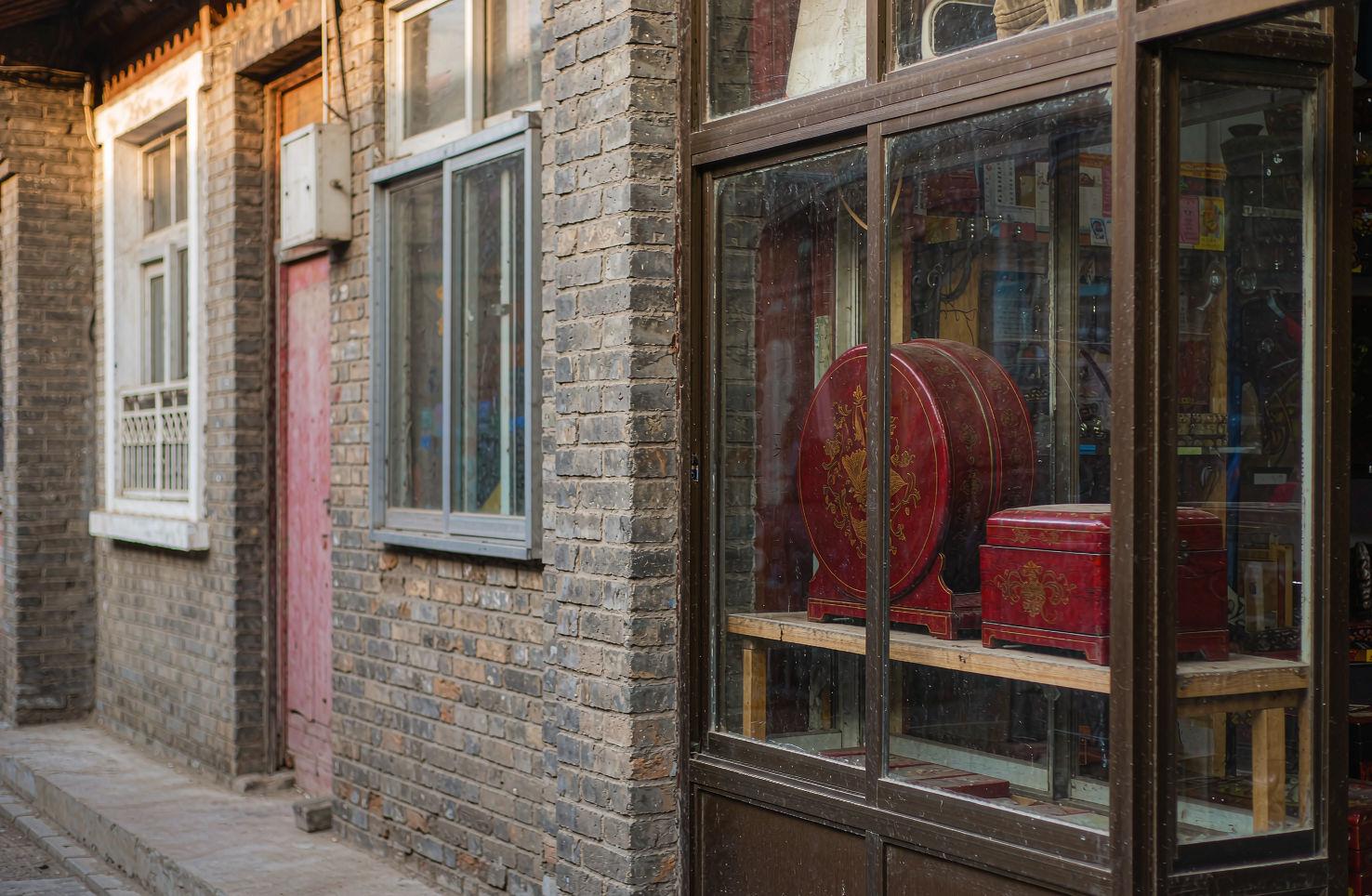
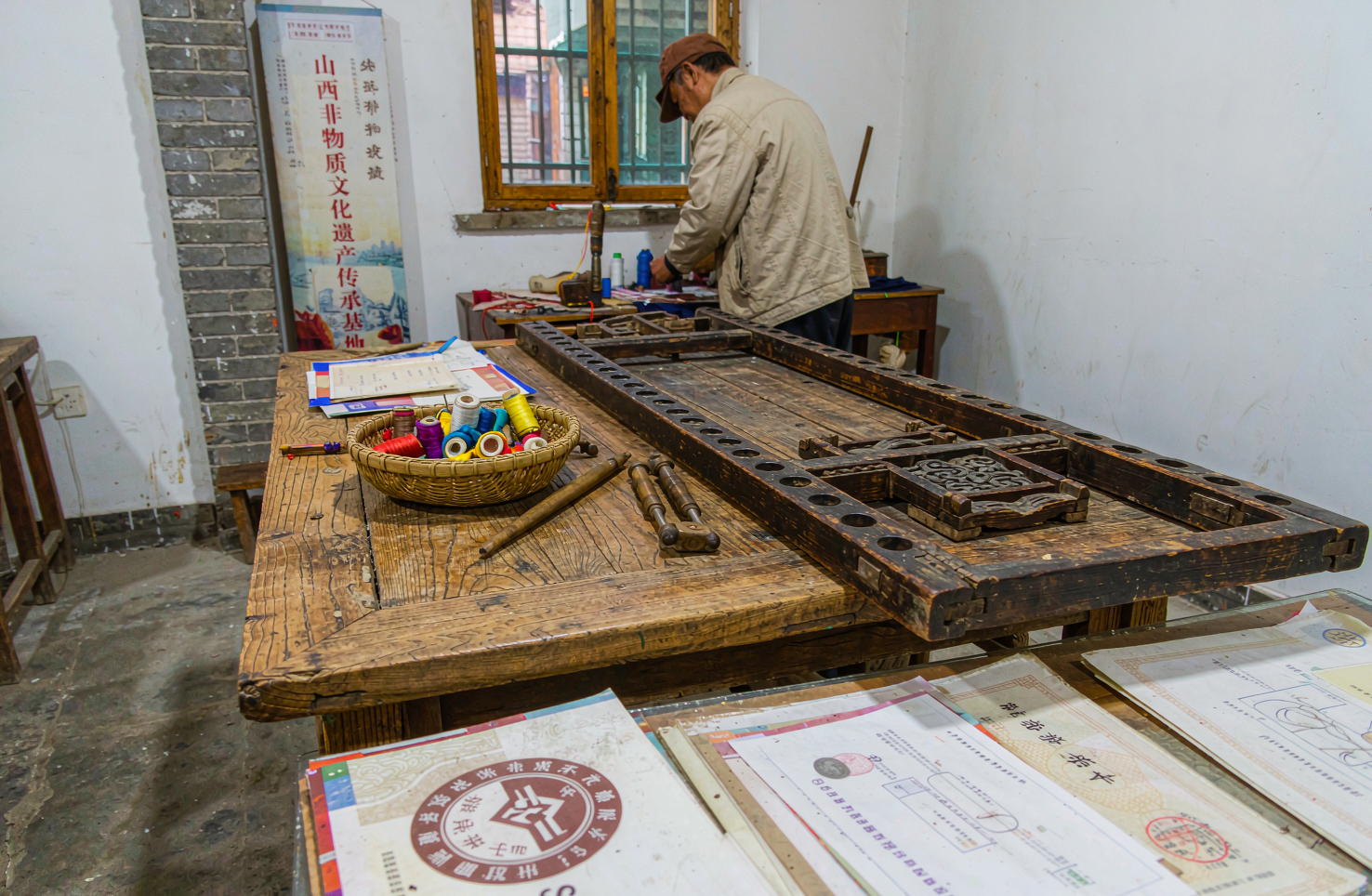
非遗不是摆在橱窗里的单件。平遥推光漆器的髹涂与推光,仰赖的是本地的生漆来源、气候条件与代代相传的师徒关系;介休琉璃的炉火,连着当地的料土与窑口;祁县的吹制玻璃,背后是一整条工艺与销售的链。把这些手艺一件件单独保护,等于把树一棵棵拔起来养。
文化生态保护区的核心,是把非遗从"单个项目"还原为"一片地方的生活方式"——这是它与名录保护最根本的区别。
保护区要做的,是把人、技艺、材料、节俗与它赖以生存的空间一起纳入视线。这也是为什么验收通过之后,工作重心会从"有没有名录"转向"这片地方的日子过得怎么样"。
▍二、命名之后,市一级在做什么
市一级的动作最能看出"管"的方式。据山西省文化和旅游厅 2026 年 10 月 8 日发布的消息,10 月 1 日至 7 日,"怡然晋中 甜美相约"2026 国家级晋中文化生态保护区(晋中市)非遗主题市集在榆次老城举办,每日 14:30 至 21:00,设 30 个特色非遗铺面、三大主题单元。
据晋中市文化和旅游局发布的消息,这场市集由晋中市文旅局打造,是推进国家级晋中文化生态保护区建设的重要举措。把它读成一句大白话就是:保护区不是挂在墙上的牌子,要有定期的、可参与的、让市民走进来的内容。
老城街巷里的非遗铺面沿街排开,木架与布幔在午后光线下投出影子
▍三、三个单元里,藏着晋中的手艺结构
据山西省文化和旅游厅 2026 年 10 月 12 日的报道,市集的中国传统文化单元里,平遥推光漆器、介休琉璃、祁县玻璃器皿、晋作家具依次陈列,另有内画鼻烟壶、剪纸等一同展示;太行山水艺术单元则集中了左权布艺虎、昔阳根雕、和顺牵绣。
这个摆放顺序并不是随意的。前一组是晋商文化带出来的城市手艺,讲究料、工与器型;后一组是太行山区的乡土手艺,讲的是材料随手可得、造型随性。一座市把两条线并排放,实际上是给晋中的非遗家底做了一次公开的分类。
▍四、跨了三个市,难点也在这里
晋中这片保护区覆盖晋中全域,并纳入太原、吕梁部分县域——跨行政区域是它的特点,也是它的难题。非遗的名录、传承人认定、资金扶持,大多按行政区划走;而手艺的流布从来不认边界线。
接下来值得看的,是三地之间能不能形成统一的建档口径、共享的传习设施与互相认的传承人评估。这些事都不显眼,却决定"整片管"是不是真的管起来了。
▍问答
问 | 晋中文化生态保护区现在是什么状态
答 | 已通过验收、正式命名,覆盖晋中全域,并纳入太原、吕梁部分县域——这是据山西省人民政府 2026 年 10 月 18 日通稿的阶段性结论。命名之后的工作重心,从建名录转向日常管理、传习与区域协同,仍在推进中。
问 | 文化生态保护区和普通非遗名录有什么不一样
答 | 名录保护的是"项目",按项认定、按项扶持;保护区保护的是"关系"——把某项手艺与它的材料来源、传承人群、节俗活动、生存空间放在一起考虑。前者是点,后者是面,这也是为什么保护区的验收标准更看重整体性。
问 | 韵和鸣在山西这片保护区里做什么
答 | 做寻访、做记录、做渠道。团队把时间花在各地走访匠人,把工序与手艺人的处境如实写下来;同时帮老师对接内容与出海的机会。平遥推光漆器髹饰技艺是品牌的起家技艺,但品牌不做某一个城市的特产,而是把全国范围的非遗手工品带向全球市场。
▍说在最后
一块牌子挂上去,是一次成绩;一片地方的手艺能不能在日子里继续被用、被学、被传,是另一回事。前者看文件,后者看人。
以上仅为个人梳理,具体以官方原文为准。你所在的城市,手艺是怎么被"整片"管起来的?
📩 非遗项目 | 匠人举荐 | 跨境出海 | 线下联营
欢迎留言或后台联系,我们与匠人同行。
—— 韵和鸣 · 与匠人同行
〖 平 〗
相关搜索 | RELATED SEARCHES
晋中 文化生态保护区 是什么 · 国家级 文化生态保护区 名单 · 平遥推光漆器 政策 支持 · 榆次老城 非遗市集 · 山西 非遗 整片保护
English
Intangible heritage is not a single object behind glass. The lacquering and polishing of Pingyao lacquerware depend on local raw lacquer, climate and generations of master-apprentice relations; the kiln fire of Jiexiu glazed ware connects to local clays and kilns; the blown glass of Qixian rests on a whole chain of craft and trade. Protecting each craft separately is like uprooting trees to raise them one by one.
The core of a cultural ecological protection zone is to restore a heritage item from being a single project to being the way of life of a place, which is the most fundamental difference between it and list-based protection.
What a protection zone does is bring people, craft, materials, customs and the space they live in into one view. That is also why, once acceptance is passed, the focus shifts from whether the lists exist to how life in the area is actually going.
After the Naming, What the City Level Is Doing
The city-level moves show most clearly how management works. According to the Shanxi Provincial Department of Culture and Tourism on 8 October 2026, from 1 to 7 October the 2026 Jinzhong national cultural ecological protection zone heritage market ran in the old city of Yuci, daily from 14:30 to 21:00, with 30 heritage stalls and three theme sections.
According to the Jinzhong municipal bureau of culture and tourism, which organised it, the market is an important measure in building the national protection zone. Put plainly: a protection zone is not a plaque on a wall; it needs regular, participatory content that brings residents in.
Heritage stalls lining an old-town street, wooden frames and cloth awnings casting shadows in the afternoon light
Three Sections That Reveal Jinzhong's Craft Structure
According to the provincial department's report of 12 October 2026, the traditional culture section displayed Pingyao polished lacquerware, Jiexiu glazed ware, Qixian blown glass and Jinzhong-style furniture in sequence, alongside inside-painted snuff bottles and paper-cutting, while the Taihang section gathered Zuoquan cloth tigers, Xiyang root carving and Heshun embroidery.
That ordering is not accidental. The first group is the urban craft grown out of Jin merchant culture, concerned with material, workmanship and form; the second is the rural craft of the Taihang hills, where materials are close at hand and forms follow inclination. Placing the two lines side by side in one market effectively offers a public classification of Jinzhong's heritage.
Across Three Cities, and Therein Lies the Difficulty
The zone covers the whole of Jinzhong and includes parts of Taiyuan and Lüliang. Crossing administrative borders is its feature and its difficulty. Heritage lists, bearer recognition and funding mostly follow administrative divisions, while the spread of a craft has never respected a boundary line.
What is worth watching next is whether the three areas can arrive at a shared standard for documentation, shared training facilities and mutual recognition in assessing bearers. None of this is visible from outside, yet it decides whether managing as a whole is truly happening.
What is the current status of the Jinzhong cultural ecological protection zone?
It has passed acceptance and been formally named, covering the whole of Jinzhong and including parts of Taiyuan and Lüliang; that is the conclusion at this stage in the Shanxi Provincial People's Government communique of 18 October 2026. After naming, the focus shifts from compiling lists to daily management, training and regional coordination, which is still under way.
How does a cultural ecological protection zone differ from an ordinary heritage list?
A list protects items, recognising and funding them one by one; a protection zone protects relationships, considering a craft together with its material sources, its community of bearers, its customs and the space it lives in. The first works point by point, the second area by area, which is why acceptance for a zone weighs wholeness more heavily.
What does YUNHEMING do within this Shanxi protection zone?
Visiting, documenting and opening channels. The team spends its time travelling to see makers, writing down processes and circumstances honestly, while helping masters connect to content and overseas opportunities. Pingyao polished lacquerware is the craft the brand began with, but it is not a speciality of one city; it carries handmade heritage from across China to global markets.
Hanging a plaque is one kind of achievement; whether the crafts of a region continue to be used, learned and passed on in daily life is another. The first is read in documents, the second in people.
ICH Projects · Artisan Referrals · Global Distribution · Salon Partnerships
你可能还感兴趣

一座县城,为什么要为一门手艺专门立法
晋中为平遥推光漆器髹饰技艺制定专门的地方性法规,把技艺保护、市场规范与资源支持写入制度。文章结合专业镇、产业园、传习所和人才培养,说明立法如何托住产业,也指出法规不能替代匠人的手上功夫。
韵和鸣 · 2026/10/2 · 57 阅读
一部还在征求意见的条例,先点了平遥漆器的名
政策一层层往下走:国家定方向,省里给资源,到了市县,它得落到具体的街巷、人和器物上。关键在于,一部市级条例点到哪门手艺、又把它放在哪一条里,比笼统表态更能说明当地的取舍。
韵和鸣 · 2026/10/9 · 56 阅读

一份招商清单背后,平遥漆器专业镇想长成什么样
政策落到市县一级,往往不是一份文件,而是一张清单。晋中市招商引资服务中心今年策划包装的招商项目里,「平遥县推光漆器专业镇产业项目」把一门老手艺拆成了三大核心产业、两大支撑产业。说到底,这份清单回答的是一个朴素的问题:一座以漆器闻名的县城,接下来靠什么把产业做大。
韵和鸣 · 2026/10/13 · 53 阅读
从 700 万到 1219 万:山西给非遗的钱,多在了哪
山西省级非遗保护专项资金从年度预算到传承人补助均有明确安排,资金还与展销、线路和品牌计划配合。文章厘清投入方向及其边界:经费能支持保护与传习,却不能单独保证手艺留住学徒、进入生活。
韵和鸣 · 2026/10/8 · 74 阅读

一门手艺的背后,政策怎么把人接住
前面几期,我们把国家、省、市三级的新文件挨个捋了一遍。这一轮收个口:不解读新文件,只看一条贯穿四级政策的暗线——人。名录、工坊、产业,说到底都要有人去做;而这一轮政策最值得记下的变化,是把"支持传承人"从一句原则,拆成了看得见的台阶。
韵和鸣 · 2026/10/14 · 58 阅读

从国家到平遥:这一轮非遗政策,把力气用在了哪
文章把国家规划、山西条例与资金安排、晋中和平遥的法规及产业实践连成一条政策链,分析保护、活化与出海三个方向。政策最终仍要落到传承人的培养、工坊的生产与真实产品的使用上。
韵和鸣 · 2026/10/3 · 51 阅读