一间城市客厅和一座专业镇之间,能连起什么
韵和鸣 · 韵和鸣公众号 · 2026/10/23 12:00:00 · 6 阅读
专业镇在县里,会客厅在城里,隔着的不只是两百公里。前者管生产,密的是工序与产能;后者管相遇,密的是对话与反馈。这两个场景如果能连起来,手艺便不是单向被带出去,而是双向被修正。
▍一、两个场景,缺的都是对方那一段
专业镇指的是以县域特色主导产业为依托、由省级分批认定的重点培育单元。据山西省工业和信息化厅答复函,截至 2025 年,山西已认定 30 个省级重点专业镇、各市梯队认定 137 个市级专业镇,带动就业近 180 万人。平遥推光漆器属省级首批重点专业镇,与平遥牛肉同镇,当地称"一镇双品"。
镇上的强项是完整:从木胎、灰胎到髹漆推光,一条链在方圆几公里内配齐。短板也清楚——离掏钱的人太远,一件东西好不好卖、哪里不顺手,反馈要绕很久才回来。
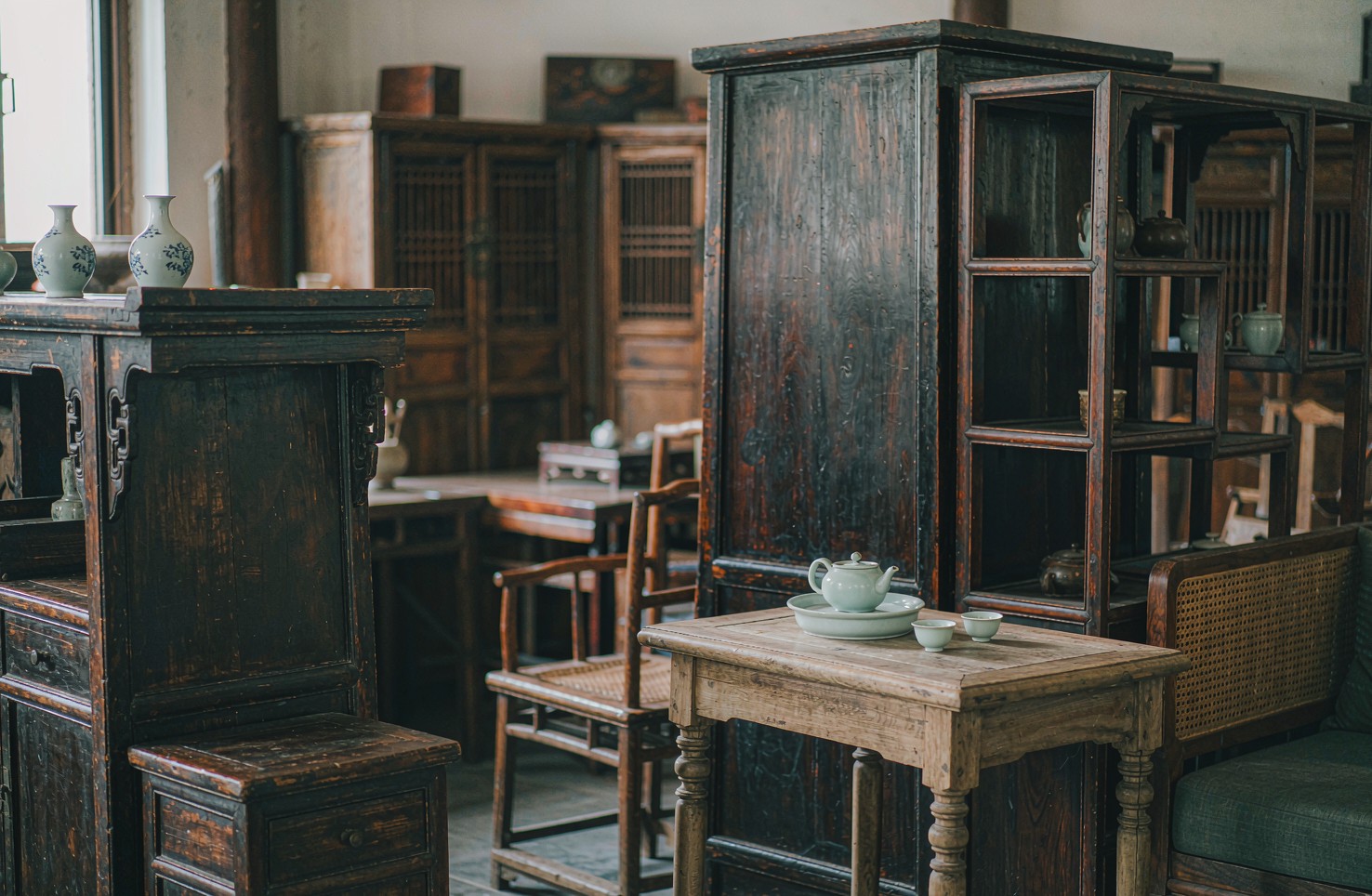
展陈空间中,一件器物被留出足够的观看距离
会客厅恰好相反。这里每天有人坐下来摸、翻、问价、问来历,反馈快得像当面批改;但它不生产任何东西。两边都缺自己没有的那一段。
▍二、能连的三条线
头一条是选品直连。跳过几层批发,让选品清单直接对到镇上的工坊,匠人知道东西去了谁手里,也知道什么形制正在被问起。
第二条是驻场。请老师到城里待两天,不必带货,只在场。被问得最多的往往不是"多少钱",而是"这要多久""为什么会裂",由匠人本人回答,分量远超讲解员转述。
第三条是评价回流。什么尺寸被反复拿起、哪类价格在犹豫后被放下、哪种养护说明看不懂,整理成季度反馈送回镇上,比一次大订单更耐用。
▍三、难的地方也说清楚
联动听着顺,做起来有三道坎。账期:工坊习惯现结,空间需要陈列周期,两条现金流节奏对不上。产能:某件一旦卖得好,补货往往要等数周。还有期望管理——驻场老师的时间成本常被低估。
这些问题没有漂亮的解法,只能一件件谈清写在纸上。会客厅能做的,是先把这类纸面工作承担下来。
▍问答
问 | 非遗会客厅和普通的工艺品店有什么不同
答 | 核心差别在是否承担对话。工艺品店以成交为终点,会客厅以对话为内容:什么是手工、为什么这么贵、怎么养护,这些不产生即时成交却决定长期关系。陈列也不按销量排布,原则是山西一半、全国一半。
问 | 专业镇里的手艺人和城市设计师,怎么合作才不别扭
答 | 先把"什么不能改"写进开头。核心工序、材料来源、必须手工完成的环节属于不能动的部分;形制、尺寸、配色、应用场景可以谈。分界说在前面,后面就少一半争执。收益与署名也要一开始就写清。
问 | 韵和鸣的会客厅怎么挑驻场的匠人
答 | 三条:坚持手工真作,工序由本人完成;能讲清自己的手艺,愿意把难处也讲出来;看这门手艺眼下的处境,更愿意邀请处在传承关键期的项目。人选确定后,行程、报酬与内容安排先谈清楚,再发邀请。
📩 非遗项目 | 匠人举荐 | 跨境出海 | 线下联营
欢迎留言或后台联系,我们与匠人同行。
—— 韵和鸣 · 与匠人同行
〖 厅 〗
English
Two Settings, Each Missing What the Other Has
A specialised town is a key development unit built on a signature county-level industry and recognised by the province in batches. According to a reply from the Department of Industry and Information Technology of Shanxi Province, by 2025 the province had recognised 30 provincial-level specialised towns and, in municipal tiers, 137, together supporting close to 1.8 million jobs. Pingyao polished lacquerware belongs to the province's first cohort, sharing its town with Pingyao beef, locally called one town, two crafts.
The town's strength is completeness: wooden core, ground coats, lacquering and polishing all arranged within a few kilometres. Its weakness is equally clear: too far from whoever actually pays. Whether something sells, where it feels awkward, the answers take a long time to come back.
In an exhibition space, an object is left enough distance to be looked at
The Salon is the reverse. Every day someone sits down to touch, turn over, ask the price and ask where it came from, with feedback as immediate as correction face to face; but it produces nothing. Each side lacks exactly what the other has.
The first is direct selection. Skip several layers of wholesale and let the Salon's list reach the workshop itself, so the maker knows whose hands the piece went into and which forms people are asking about.
The second is residency. Ask a maker to spend two days in the city, not to bring stock but simply to be present. The questions asked most are rarely about price; they concern how long it takes and why it cracks, and those answers carry far more weight from the maker than from a guide repeating them.
The third is returning what the room learns. Which sizes get picked up again and again, which prices are set down after hesitation, which care instructions readers cannot follow: gather that into a quarterly note and send it back. It outlasts any single large order.
Joining up sounds smooth and has three snags in practice. Payment terms: workshops expect settlement on delivery while a display space works on a cycle, and the two cash flows run at different tempos. Capacity: once something sells, restocking can take weeks. And expectation: the cost of a maker's time is routinely underestimated, since taking two days is not the same as providing two days of service.
There is no elegant fix, only terms written down one by one. What the Salon can do is carry that paperwork first, so that when the master returns, they return to the work itself.
How does a heritage salon differ from an ordinary craft shop?
The difference turns on whether conversation is part of the task. A shop ends at the sale; the Salon makes conversation its content: what handwork means, why it costs this much, how to care for it, how the maker is faring. None of that closes a sale today and all of it decides the relationship later. Display follows not sales but a principle: half Shanxi, half the rest of China.
How can makers in a specialised town work with city designers without friction?
Write down what cannot change at the very start. The essential stages of the sequence, the source of material and the parts that must be done by hand belong to the fixed column; form, size, colour and setting belong to the negotiable one. Set that boundary first and half the arguments disappear. Revenue and credit also need settling at the beginning rather than after delivery.
How does the YUNHEMING Salon choose which makers to host?
Three things. The work must be genuinely handmade, the sequence completed by the maker's own hands. They must be able to explain their craft, its difficulties included. And we weigh where the craft stands now, favouring projects at a critical point in transmission. Once chosen, schedule, payment and programme are agreed before an invitation goes out.
ICH Projects · Artisan Referrals · Global Distribution · Salon Partnerships
你可能还感兴趣
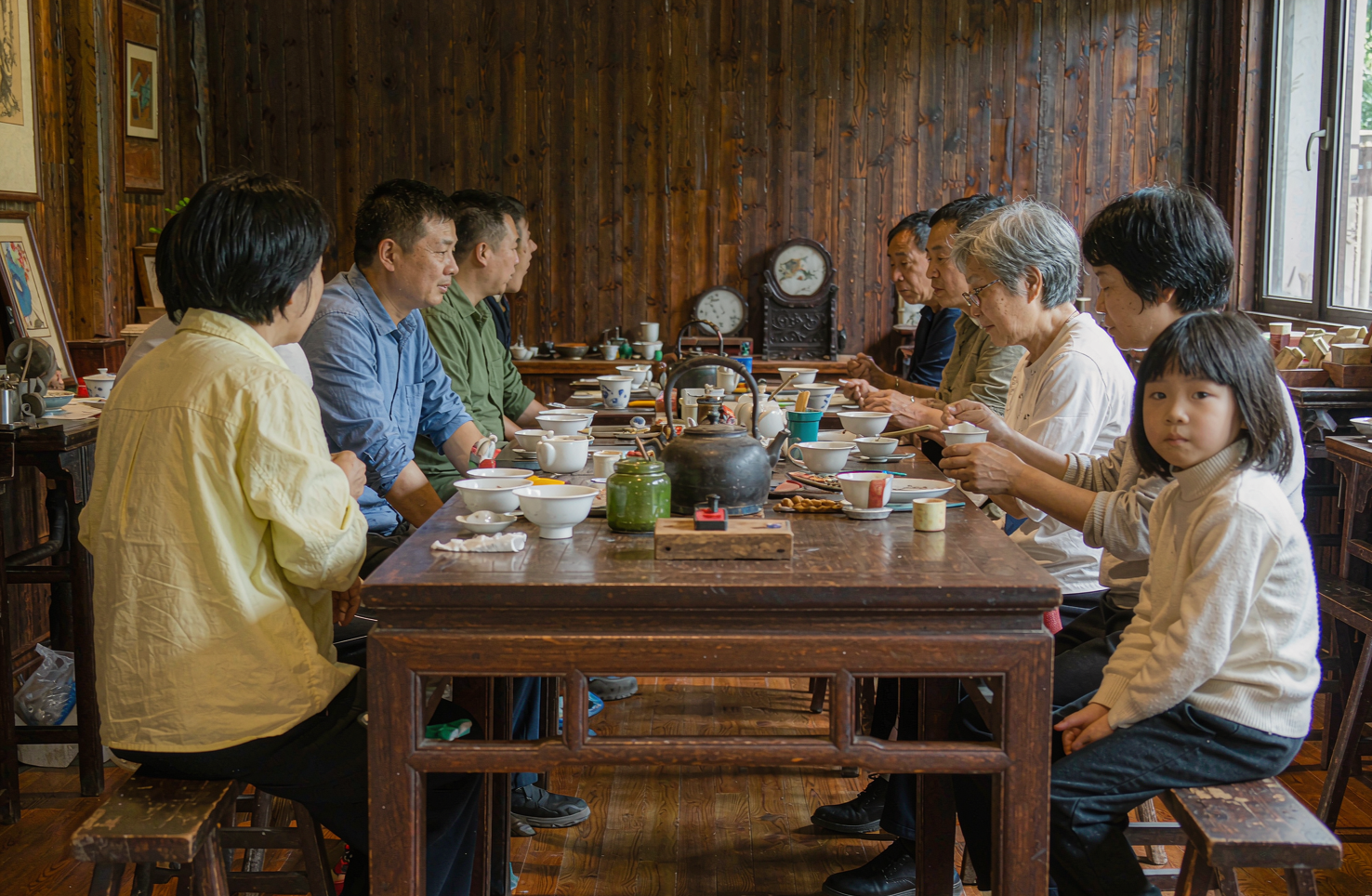
把"慢"做成一种体验:一间非遗会客厅的想法
我们习惯按功能给空间分类:吃饭的、购物的、办公的。但有一种很难归类——它在城市的闹处,不催你走,也不急着让你买单。关键在于,当"慢"被认真设计出来,它本身就可以是一种产品。
韵和鸣 · 2026/10/9 · 24 阅读
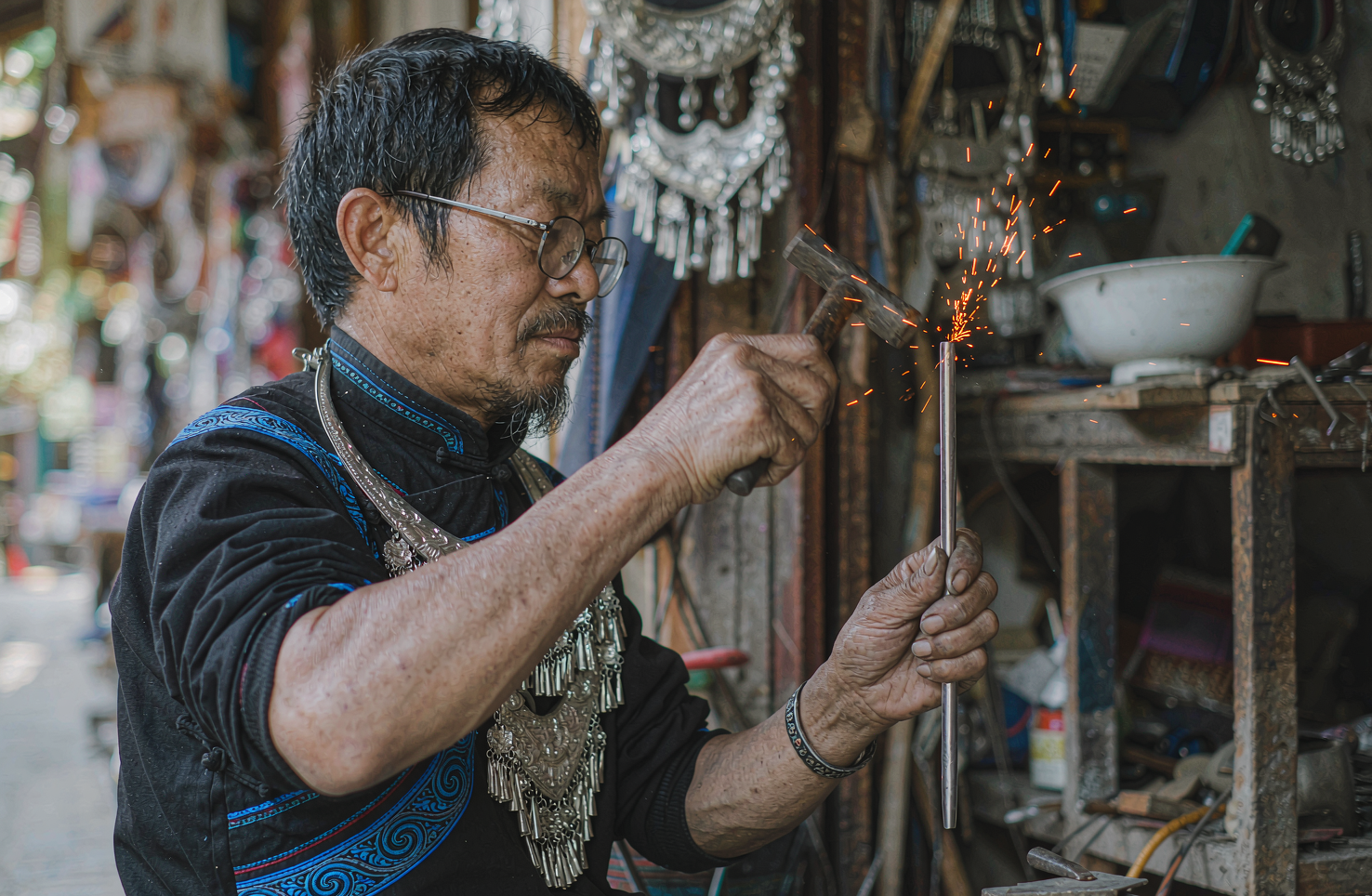
去贵州雷山,看一块银元如何变成一支银簪
在黔东南的苗寨里,银不只是一种首饰材料。它曾经是可以随时熔掉、重新打制的"存款",也是节日里一个女人身上最亮的那部分。关键在于,当一块老银元被放进坩埚,它要经过多少双手、多少道火,才重新成为一件能戴出门的东西。
韵和鸣 · 2026/10/9 · 42 阅读
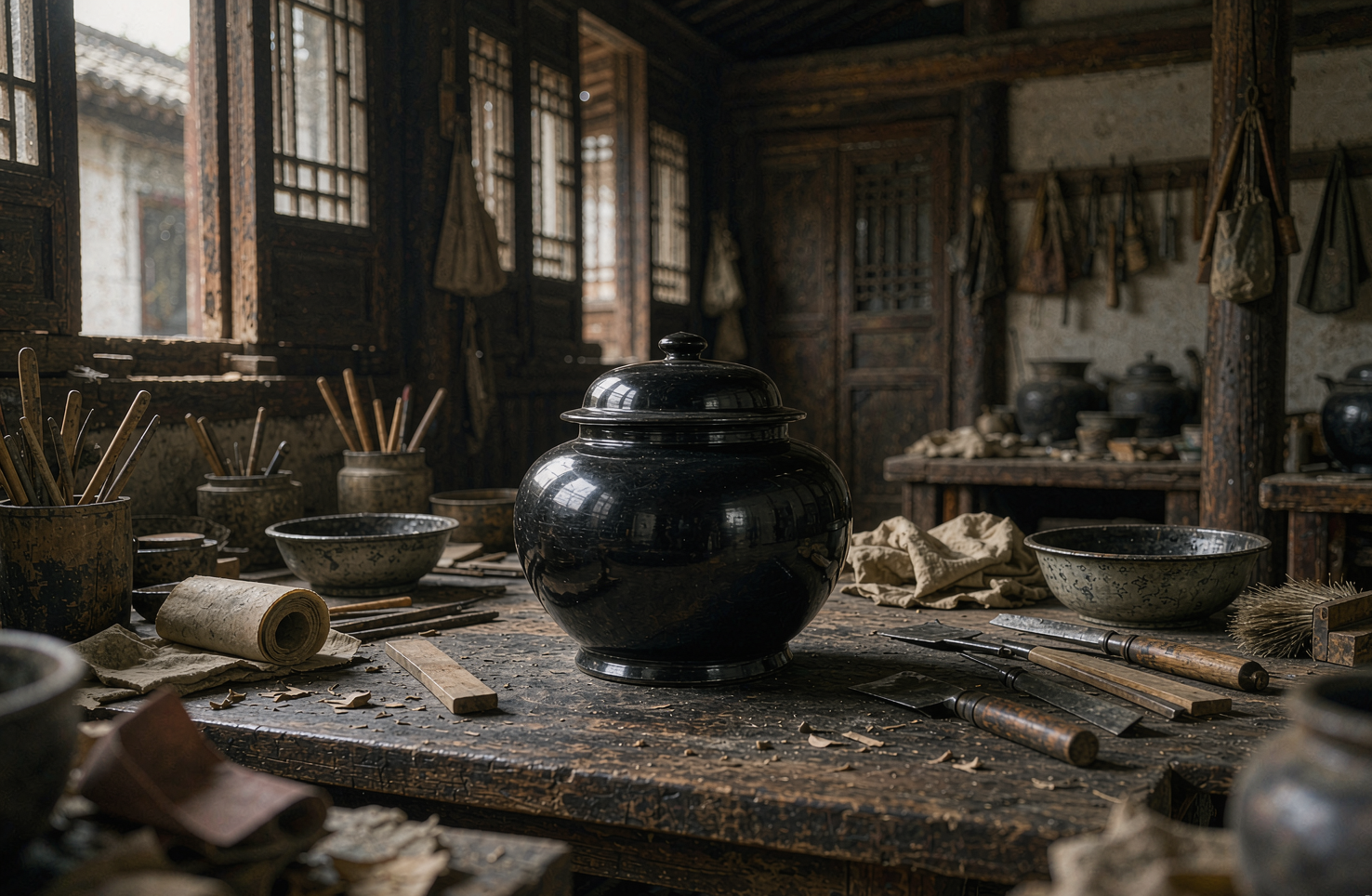
漆器为什么能埋八千年不坏
在博物馆做漆器研究与修复的研究员老周,桌上常年摆着两样东西:一段出土的漆皮残片,一只新做不久的平遥推光漆盘。他说这两样东西隔着八千年,却是同一种材料。这次对话,我们从"漆器为什么埋几千年不坏"聊起,聊到最后,其实是手艺对材料的理解问题。
韵和鸣 · 2026/10/14 · 30 阅读
一方宋锦里,藏着宋人的审美秩序
初见宋锦,我的反应不是"好看",而是"安静"。它不像人们想象里的锦那样满身是光。带我看锦的老师傅说,正是这份安静,最难织。
韵和鸣 · 2026/10/8 · 25 阅读
年轻人不愿学老手艺,该怪年轻人,还是怪这门手艺?
非遗传承里被讨论得最多的一句话是"后继乏人"。这句话往下追一层,就分成两条路:一条通向年轻人,说他们耐不住、看不上;一条通向他们面对的那门手艺,说它没能给出一条能活下去的路。这两条路,最近又吵起来了。
韵和鸣 · 2026/10/8 · 24 阅读
机器开始学手艺:是给匠人搭把手,还是来接班
一段流传很广的画面里,一台机械臂正跟着非遗传承人"学艺"——学劈丝、捻线、穿针。看的人分成两拨:一拨说技术帮上了忙,一拨说来抢饭碗了。同一件事读出两种意思,关键在于用什么尺度去量。
韵和鸣 · 2026/10/9 · 23 阅读