一只漆盒的开合:合页、口沿与那一声闷响
韵和鸣 · 韵和鸣公众号 · 2026/10/23 12:00:00 · 4 阅读
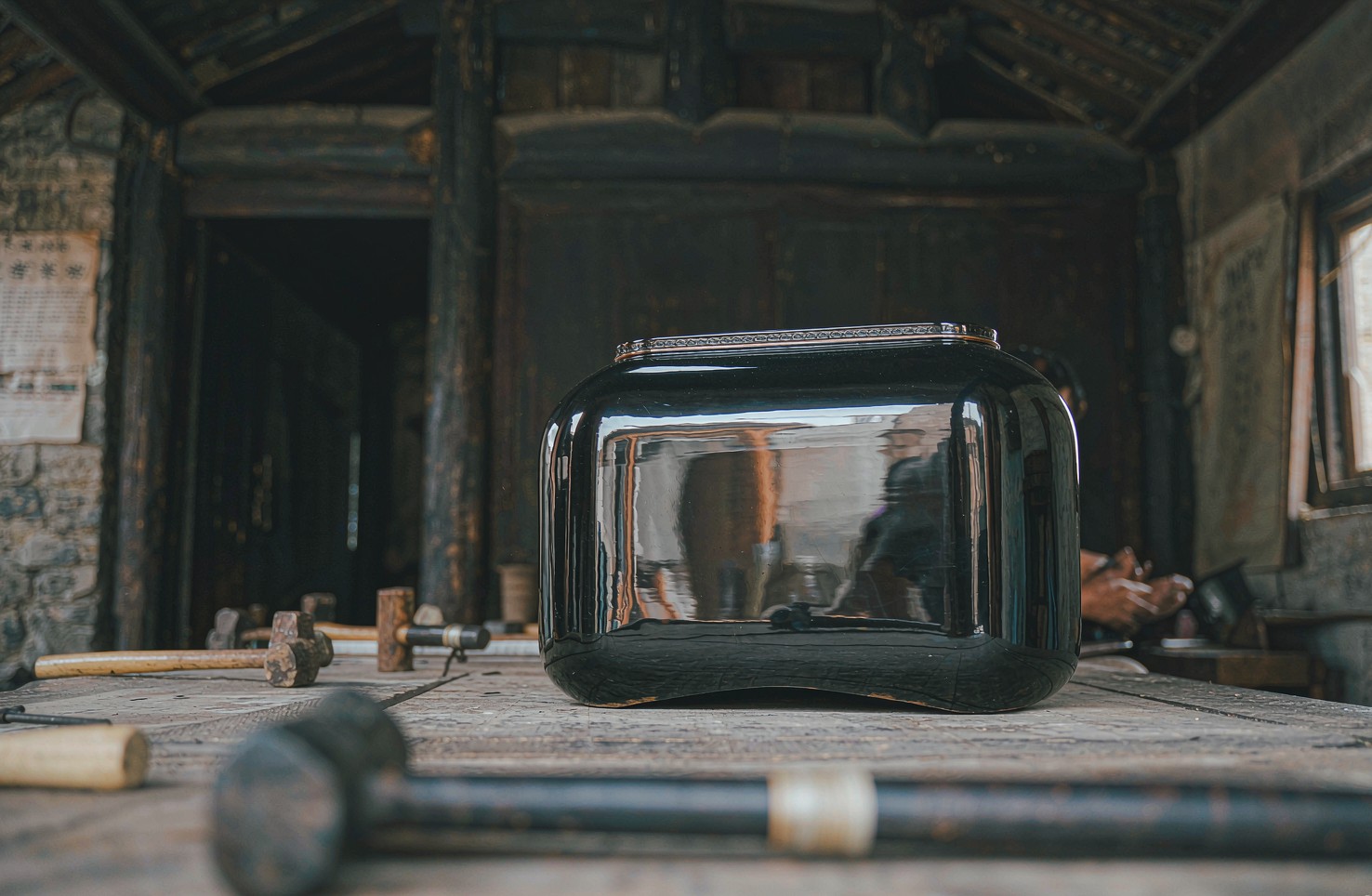
判断一只漆盒好不好,别先看花纹。先看它合上时的那一下——口沿对不对得上,合页松不松得合适,落地的是不是一声闷响。这三件事决定了往后十年你每天开它一次,是顺手还是较劲。说到底,手作的成本大多写在看不见的地方。
▍一、口沿:一条线要对得上
所谓口沿,指的是盒盖与盒身相合的那一圈边。木胎在灰胎、髹漆、打磨的过程中会反复收缩变形,两片边很难始终严丝合缝。手艺人的办法是耐心:每一道漆干透后重新修一次口沿,让两片在同一条界线上对齐。
漆盒口沿的一圈细线,盖与身要在同一条界线上相遇
把盒子放在平桌上,用手掌盖住轻轻下压,不必用力。如果有一角翘起,说明口沿没到位;再看光影,在光下转动盒身,那一圈应该是一条连续的细线,而不是忽宽忽窄。这条线越匀,说明前面返工的次数越多。
平遥推光漆器髹饰技艺于 2006 年列入国家级非物质文化遗产名录,其核心工序包括木胎、灰胎、髹漆、推光与装饰,每一道都需要在特定的温湿度下完成。(据文化和旅游部公布的国家级非物质文化遗产代表性项目名录)
▍二、合页:松一分晃,紧一分裂
漆盒的开合结构主要有两种:一种是金属合页,一种是木轴。金属件的好处是稳,坏处是硬——铜的膨胀系数和木头不一样,装得太紧,季节一换,木材被顶裂的事并不少见。
木轴的做法更老,也更难。在盒身与盒盖的结合处埋一根硬木轴,让盖子绕着它转。难点在于轴的圆度和位置的毫米之差:轴粗了转不动,细了盖子会左右晃;位置偏半毫米,开到某个角度就会卡。这活没法靠图纸,全凭手上反复试。
盒身与盒盖结合处的木轴,圆度差一点开合就卡
所以试开合的时候要慢。合格的漆盒从垂直到完全打开,阻力应当均匀;抬到一半觉得忽然重了,说明轴的位置或圆度有问题。这类问题初期不影响使用,两三年后会变成盖子回不到原位。
▍三、那一声闷响:好盒子的最后一个证据
最后听声音。把盒盖轻轻放下,让它自然落合。木胎密实、灰胎到位、缝隙匀称的盒子,落下时是一声短促的闷响,收尾干净;如果用料疏松、内有空隙,声音会发飘,尾音拖长。
这个判断法粗,却很难骗人。声音反映的是整只盒子的密实程度——它把木胎选料、灰胎涂布、髹漆层数这几件看不见的事,一次性说出来了。许多我们在平遥看中的盒子,头一眼其实是被这一声留住的。
▍四、为什么这些细节值得较真
一只漆盒的用处,最终落在"每天开一次"上。花纹是给别人看的,口沿、合页、闷响是给用的人的。区别在于前者只在买的那天被注意,后者会陪你十年。
这也是严选里最难讲清的一块。材料、名家、年份都好写进标签,唯有"合上时的手感"写不进去,得亲手开一次。所以我们宁可把判断标准写细一点,也不愿你只凭一张照片下单。
▍问答
问 | 平遥推光漆器首饰盒怎么挑?和普通漆器有什么区别
答 | 先看三点:一口沿是否连续成线,二开合阻力是否均匀,三合上时的声音是否短促干净。平遥推光漆器的特点在于最后一道推光用手掌完成,漆面是温润的哑光而非镜面式的高亮;这一层光泽会随着使用越来越沉。区别在于工序完整度,不在于图案是否繁复。
问 | 漆器日常怎么用?能不能装热水、能不能暴晒
答 | 都不能走极端。大漆耐热有限,长期接触滚烫液体会让漆膜失光、起雾;阳光暴晒则会加速漆面老化、导致失色。日常盛放常温的干物、茶点、首饰最稳妥;清洁用微湿软布擦拭后立即干布吸干,不可用钢丝球与强溶剂,也不要长时间泡水。
问 | 漆盒用久了合不上,是坏了还是木材走了形
答 | 多半是木材跟着季节走了形,而不是漆坏了。木胎随温湿度膨胀收缩,一年内出现细微变化属正常;如果明显错位且持续不回,多半是使用环境过于干燥或长期单侧受潮。处置上不要自行打磨口沿,那会破坏漆层;建议调整存放湿度后观察一段时间,仍不回位请找原作者或专业修复。
问 | 怎么分辨一件漆器是不是手工真作
答 | 三条并看。一看工序是否完整,髹涂、阴干、推光缺一不可,偷工的做法往往是省掉中间的数遍打磨;二看痕迹,手工的漆面在不同角度下有细微的起伏差异,流水线产品件件相同;三看来源,能讲清出自哪位匠人之手、在哪间作坊完成的,可信度高得多。
问 | 韵和鸣的漆器是和匠人联名的吗?还是贴牌代工
答 | 是与非遗老师联名,不是贴牌。每一件都由传承人亲手做完,作者是谁、走的哪套手法,本身就算作品的一部分;品牌负责的是严选、内容、渠道与出海这几头。流水线上批量产出的同类货,进不了严选的门——这也是我们敢把口沿、合页、闷响这些细节写给你看的原因。
📩 非遗项目 | 匠人举荐 | 跨境出海 | 线下联营
欢迎留言或后台联系,我们与匠人同行。
—— 韵和鸣 · 与匠人同行
〖 器 〗
相关搜索 | RELATED SEARCHES
平遥推光漆器 首饰盒 怎么挑 · 漆器 怎么辨真伪 · 漆盒 合不上 怎么办 · 漆器 能不能 晒太阳 · 推光漆器 手工 工序 · 韵和鸣 严选
English
The rim is the ring of edge where lid meets body. Across the stages of applying ground coats, lacquer coats and polishing, the wooden core shrinks and shifts repeatedly, and keeping two edges flush throughout is hard. The maker's answer is patience: after each coat has dried through, the rim is trued again, so that both halves meet along one continuous line.
The fine line of a lacquer box rim, where lid and body must meet along one boundary
Set the box on a flat table and press down lightly with your palm, without force. If one corner lifts, the rim is not true. Then turn it under the light: the ring should read as one continuous thin line, not a line that widens and narrows. The more even the line, the more times it was trued earlier.
The Pingyao polished lacquer technique was inscribed on the national intangible cultural heritage list in 2006; its core sequence covers the wooden core, ground coats, lacquer application, hand-polishing and decoration, each stage requiring specific temperature and humidity, per the national representative list published by the Ministry of Culture and Tourism.
The Hinge: A Hair Loose and It Wobbles, a Hair Tight and It Splits
A lacquer box opens on one of two structures: a metal hinge or a wooden pivot. Metal is stable but hard: copper expands at a different rate from wood, and fitted too tightly, it is not unusual for the timber to split when the season turns.
The wooden pivot is older and harder. A shaft of hardwood is set where body and lid meet, and the lid turns around it. The difficulty is the roundness of the shaft and a margin measured in millimetres: too thick and it will not turn, too thin and the lid wobbles sideways, off by half a millimetre and it jams at a certain angle. No drawing helps here; it is settled by trying it again and again.
The wooden pivot where lid meets body; a slight loss of roundness and the motion jams
So test the motion slowly. A sound box offers even resistance from upright to fully open; if it suddenly grows heavy halfway, something is wrong with the shaft's position or roundness. Problems like this do not show at first and become, two or three years on, a lid that will not return to place.
The Muffled Sound: The Last Evidence of a Good Box
Finally, listen. Let the lid drop and close of its own weight. Where the core is dense, the ground coats properly built and the gap even, the lid lands with a short muffled knock that ends cleanly. Where the material is open or there are voids inside, the sound floats and the tail drags.
The test is crude and hard to fool. Sound reports compactness, and says at once everything you cannot see: how the core timber was chosen, how the ground was laid, how many coats went on. Many of the boxes we chose in Pingyao were held first by that sound.
What a lacquer box is for comes down at last to being opened once a day. The pattern is for other people; the rim, the pivot and the knock are for whoever uses it. The difference is that the first is noticed only on the day of purchase, while the others keep you company for ten years.
This is also the hardest part to put into words when selecting. Material, maker and year all fit on a label; the feel of closing does not, and has to be tried by hand. We would rather write the criteria down in detail than have you order from a photograph alone.
How do you choose a Pingyao lacquer jewellery box, and how does it differ from ordinary lacquerware?
Look at three things: whether the rim reads as one continuous line, whether resistance is even through the swing, and whether it closes with a short clean sound. The distinguishing feature of Pingyao polished lacquerware is that the final polishing is done with the palm, leaving a warm semi-matte surface rather than a hard mirror gloss, a sheen that deepens with use. The difference lies in completeness of sequence, not in how busy the pattern is.
How do you use lacquerware day to day: can it hold hot water, can it stand sunlight?
Neither extreme. Raw lacquer tolerates limited heat, and repeated contact with boiling liquid dulls the film and leaves it hazy; direct sun accelerates ageing and loss of colour. Room-temperature dry goods, tea things and jewellery are safest. Clean with a barely damp soft cloth and dry at once with another; never use steel wool or strong solvents, and do not soak.
When an old lacquer box no longer closes, is it broken or has the wood moved?
Usually the timber has moved with the season rather than the lacquer failing. A wooden core expands and contracts with temperature and humidity, and small changes within a year are normal; clear persistent misalignment usually means the storage is too dry or damp on one side. Do not sand the rim yourself, since that destroys the lacquer; adjust storage humidity and watch for a while, and if it does not return, take it to the maker or a restorer.
How can you tell whether a piece of lacquerware is genuinely handmade?
Take three together. Look at whether the sequence is complete: lacquering, drying in the damp room and hand-polishing are inseparable, and shortcuts usually consist of omitting several rounds of sanding in between. Look at the traces: a hand-worked surface shows slight variation from angle to angle, while items from a line are identical. And look at provenance: being able to name the maker and the workshop raises credibility considerably.
Are Yunheming's lacquer pieces co-signed with the makers, or white-labelled?
They are co-signed with heritage masters, not white-labelled. Every piece is completed by a bearer's own hands, and who the author is, and by which method, counts as part of the work itself; what the brand takes on is selection, content, channels and export. Mass-produced equivalents from a line do not pass the door of selection, which is also why we dare set out details like the rim, the pivot and the knock for you to check.
ICH Projects · Artisan Referrals · Global Distribution · Salon Partnerships
你可能还感兴趣
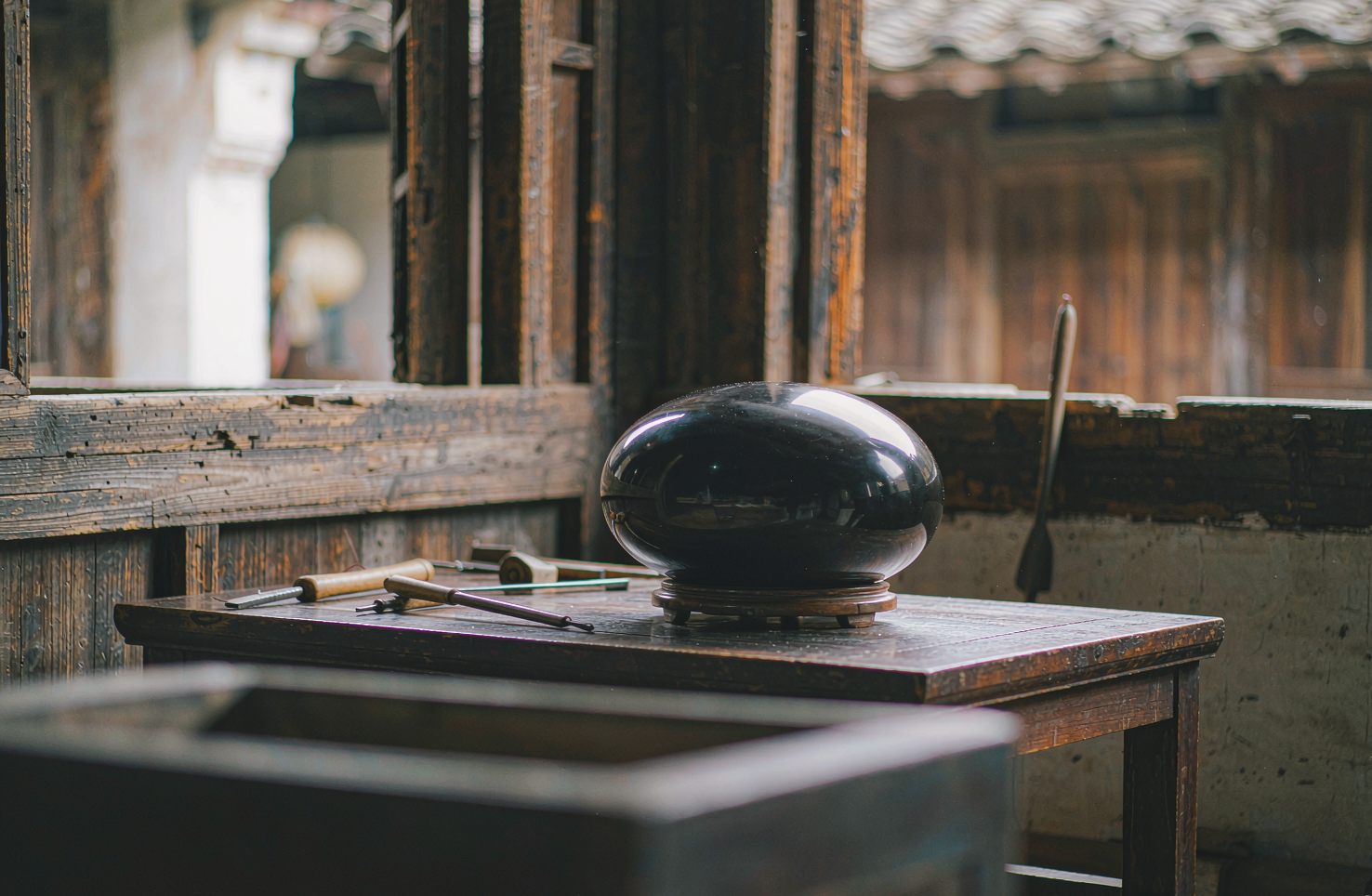
一件漆器该有多重,手感不会说谎
严选器物,看纹样、看款识、看证书,都是明面上的事。但有一道标准写不进任何参数表——上手。同一尺寸的两只漆盘,一只压手温润,一只轻飘干瘪,差别从何而来?这次把"分量"这件事拆开讲。说到底,重量是工序的记账本。
韵和鸣 · 2026/10/14 · 25 阅读
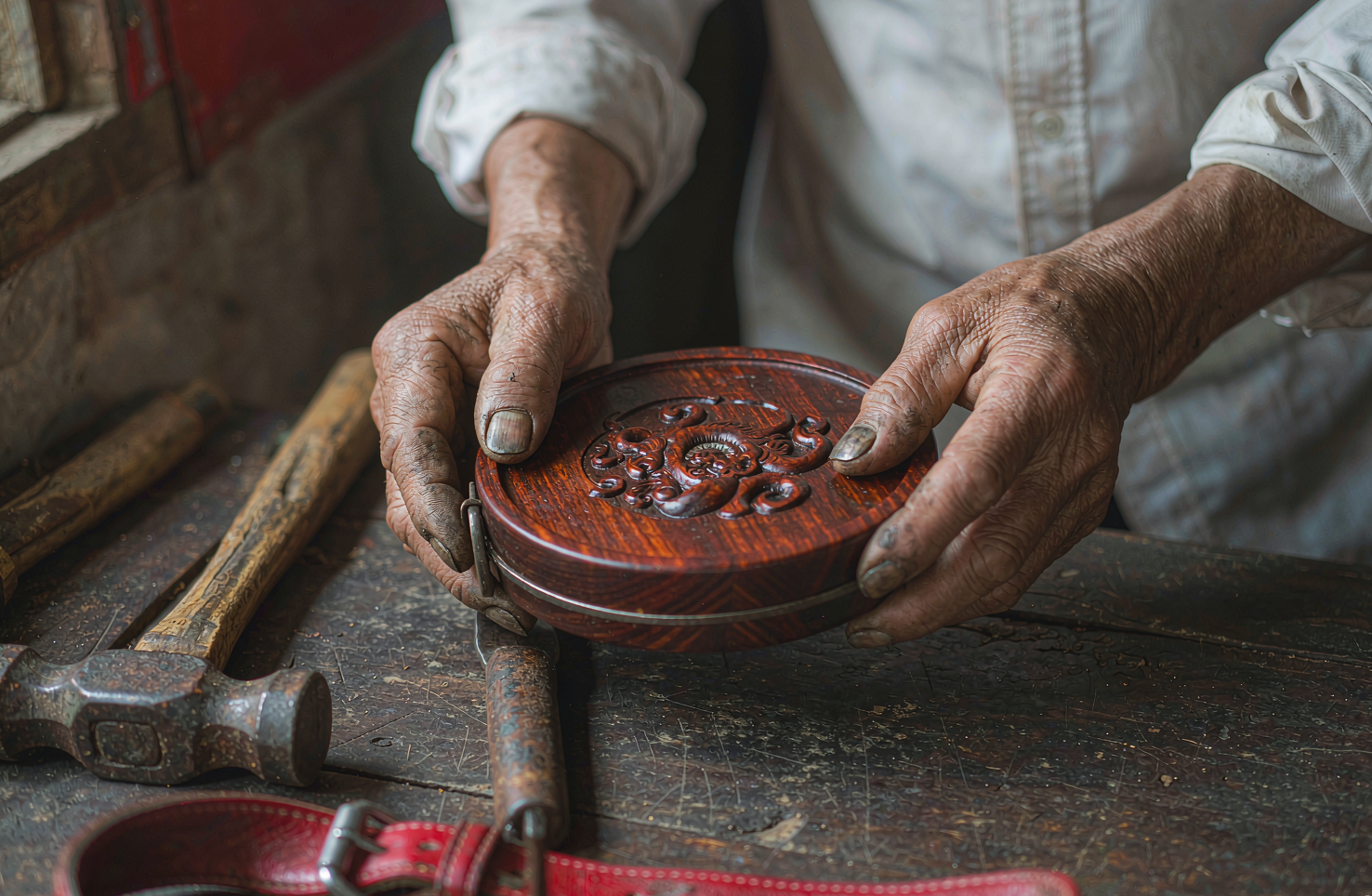
一件非遗手作凭什么"值":把时间的账算一遍
谈非遗手作,绕不开一个字:值。有人觉得贵得离谱,有人觉得便宜得可疑。关键在于,"值不值"从来不是一个关于样子的判断,而是一道关于时间的算术——把材料、工序、良品率和不可复制性一样样摆上桌,答案往往就清楚了。
韵和鸣 · 2026/10/9 · 21 阅读
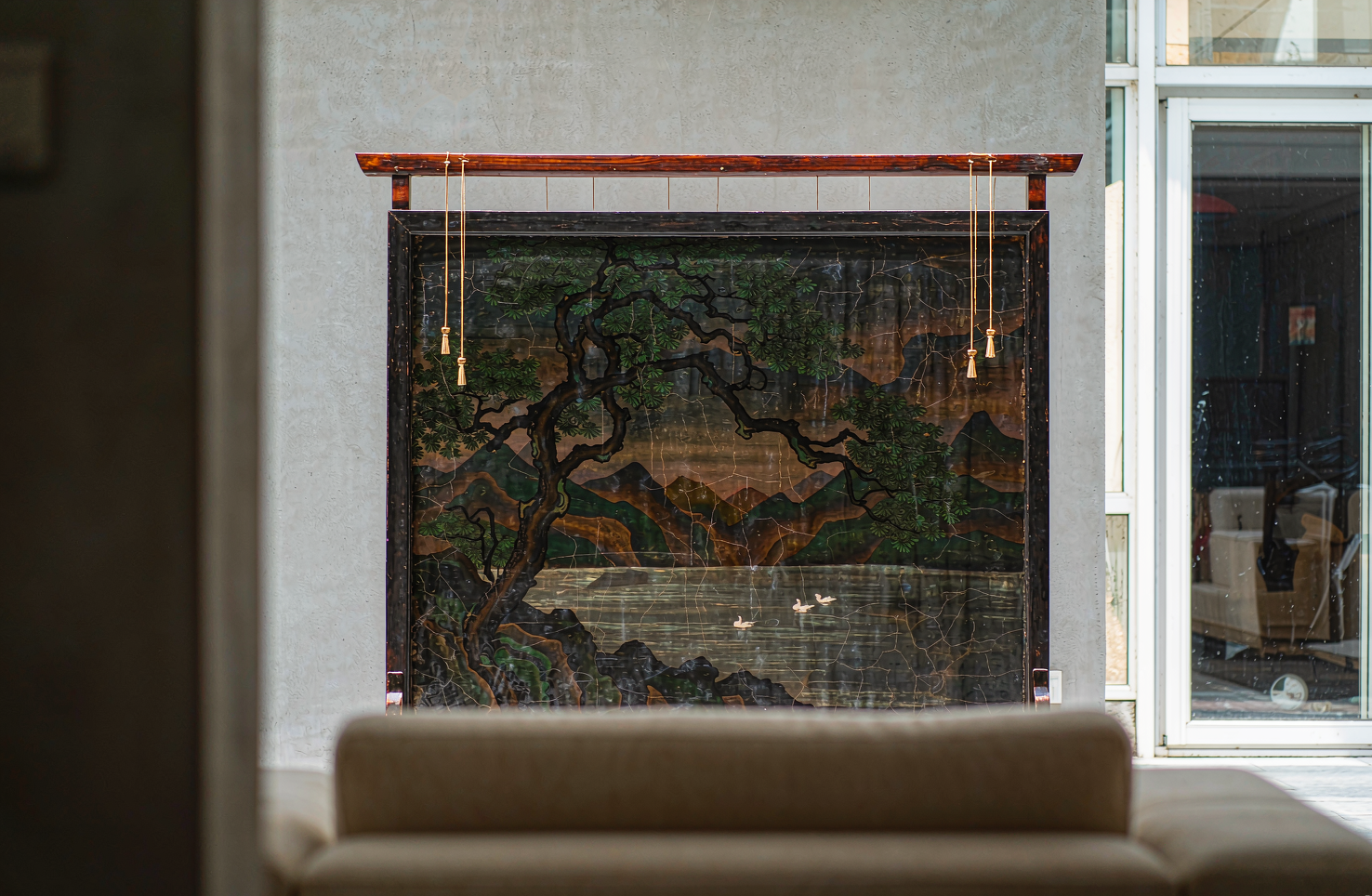
一面屏风,如何成为一个家的「眼」
老房子里,屏风从来不只是挡一挡。它决定你一进门先看哪里。四面墙的屋子有了屏风,才像有了一个"眼"。
韵和鸣 · 2026/10/8 · 21 阅读
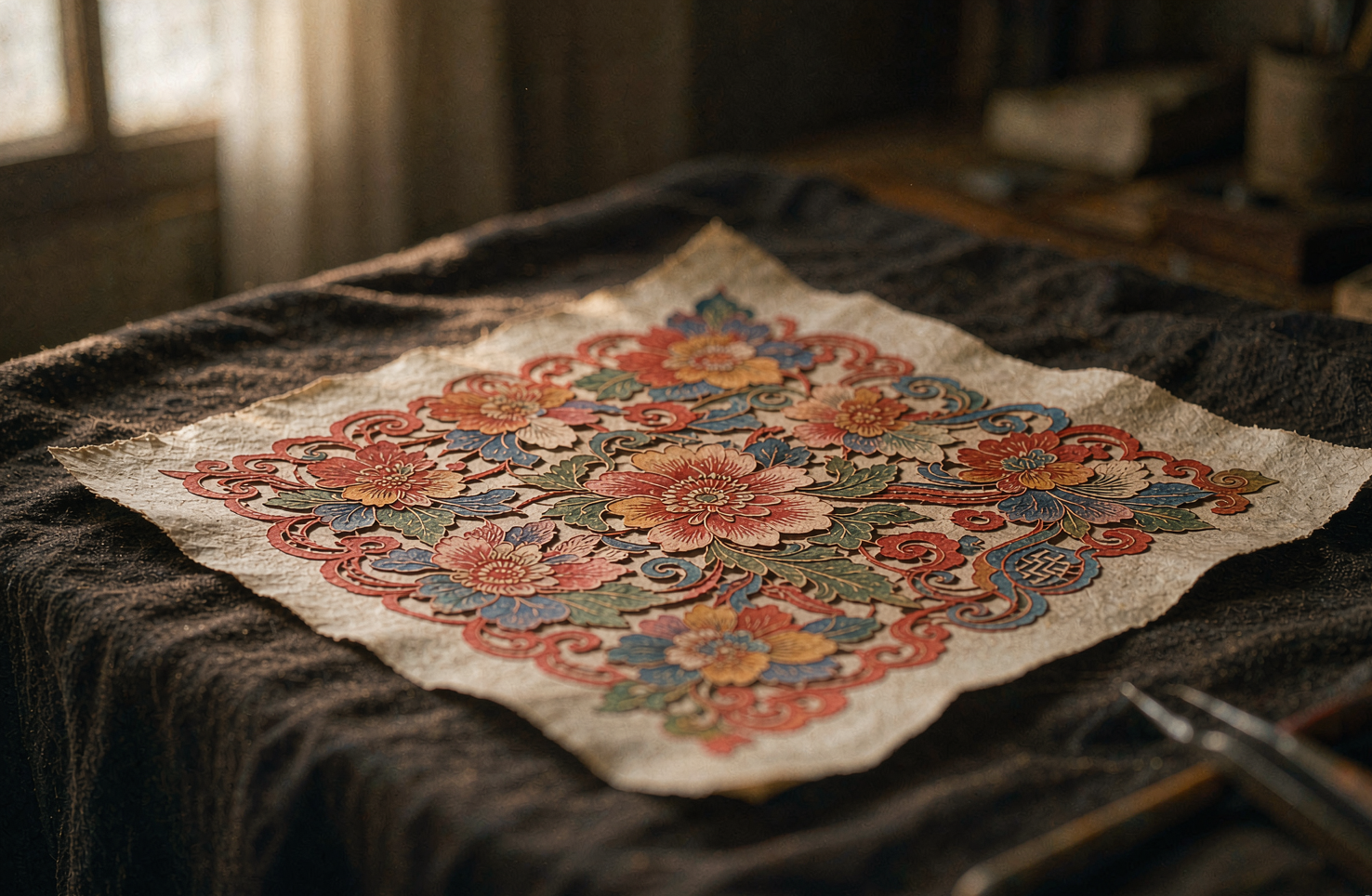
一张蔚县剪纸,彩色的刻刀活
严选录这一期看一张不太一样的剪纸:它不用剪刀,用刻刀;不止红色,还带着点染出来的粉与绿。河北张家口蔚县的剪纸,是剪纸大家族里"反着来"的一支——别处以剪为主、以红为正,蔚县以刻代剪、以点彩上色。说到底,这两个"反着来"的本质,是蔚县人把剪纸从窗前的女红,做成了作坊里的分工手艺:看懂了这一点,才算看懂了这张纸。
韵和鸣 · 2026/10/13 · 19 阅读
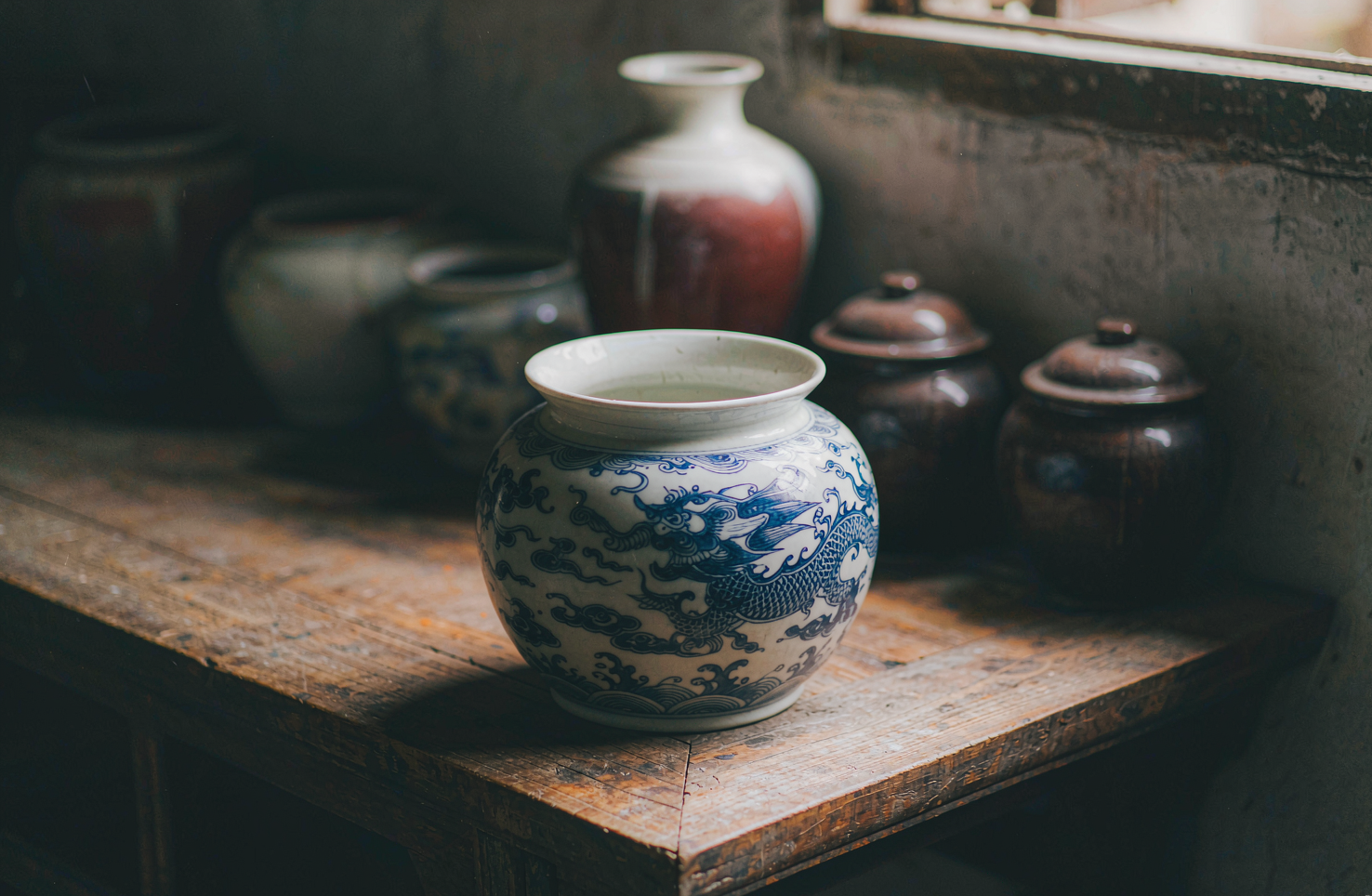
一盏博山琉璃:颜色是炉火给的,不是颜料调的
说到底,琉璃与玻璃的分界,不在透明不透明,而在颜色从哪来。在山东博山,一盏鸡油黄琉璃的颜色长在料里、生在炉里,出炉之后再不改色。这是严选录这一期想讲清楚的事。
韵和鸣 · 2026/10/12 · 19 阅读
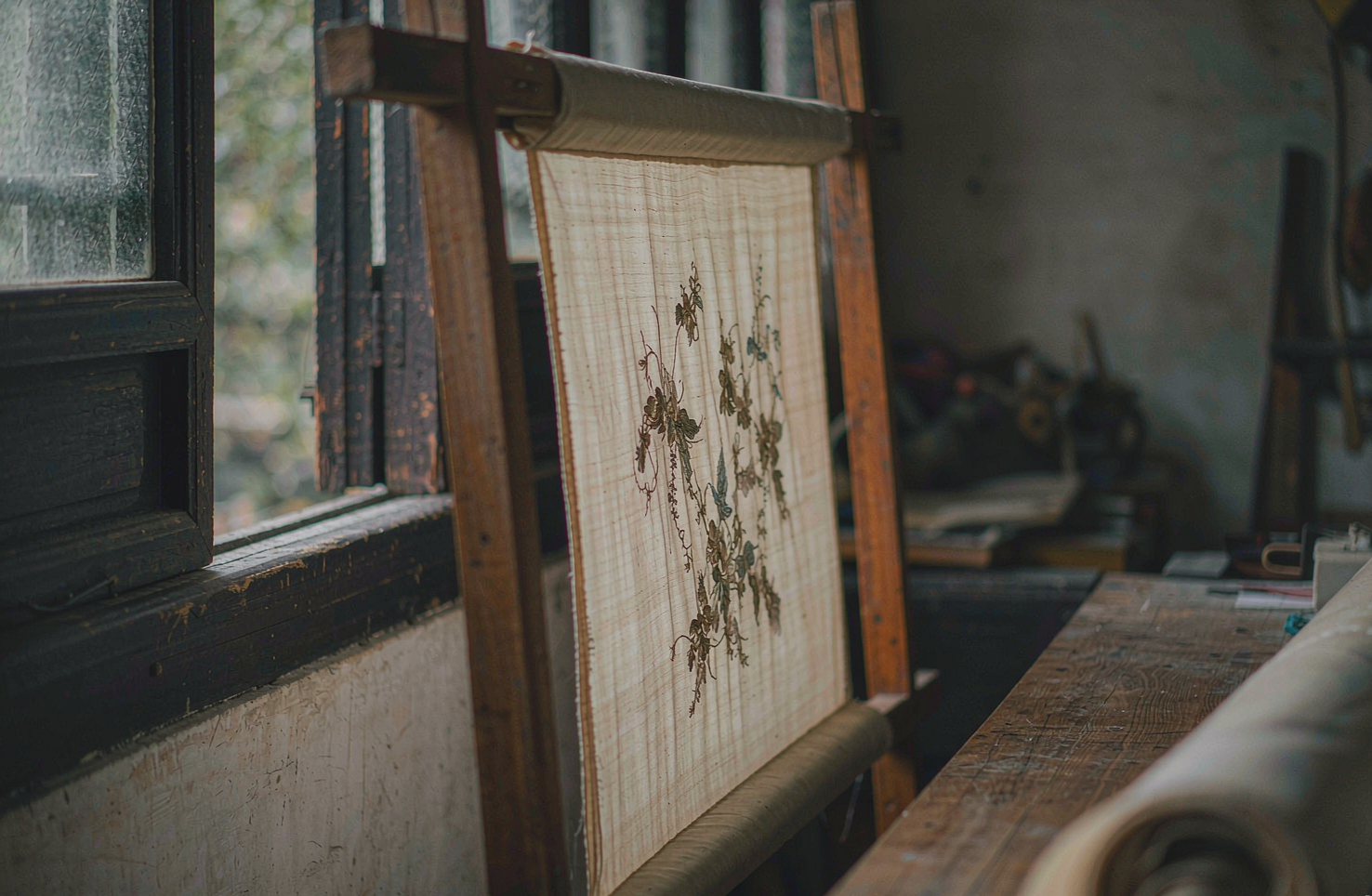
一枚苏绣绣片,丝光里藏着多少根丝
看一枚巴掌大的苏绣绣片,凑近了看,再凑近一点。你会发现它的光不是绣上去的,是"长"出来的——丝被劈到几乎看不见,一针一针顺着一个方向排,光就顺着丝走。说到底,苏绣的讲究,是从把一根丝线"拆开"那一刻开始的。
韵和鸣 · 2026/10/11 · 19 阅读