竹编之乡的清晨:一根竹子从山上到匠人手里要过几关
韵和鸣 · 韵和鸣公众号 · 2026/10/23 12:00:00 · 4 阅读
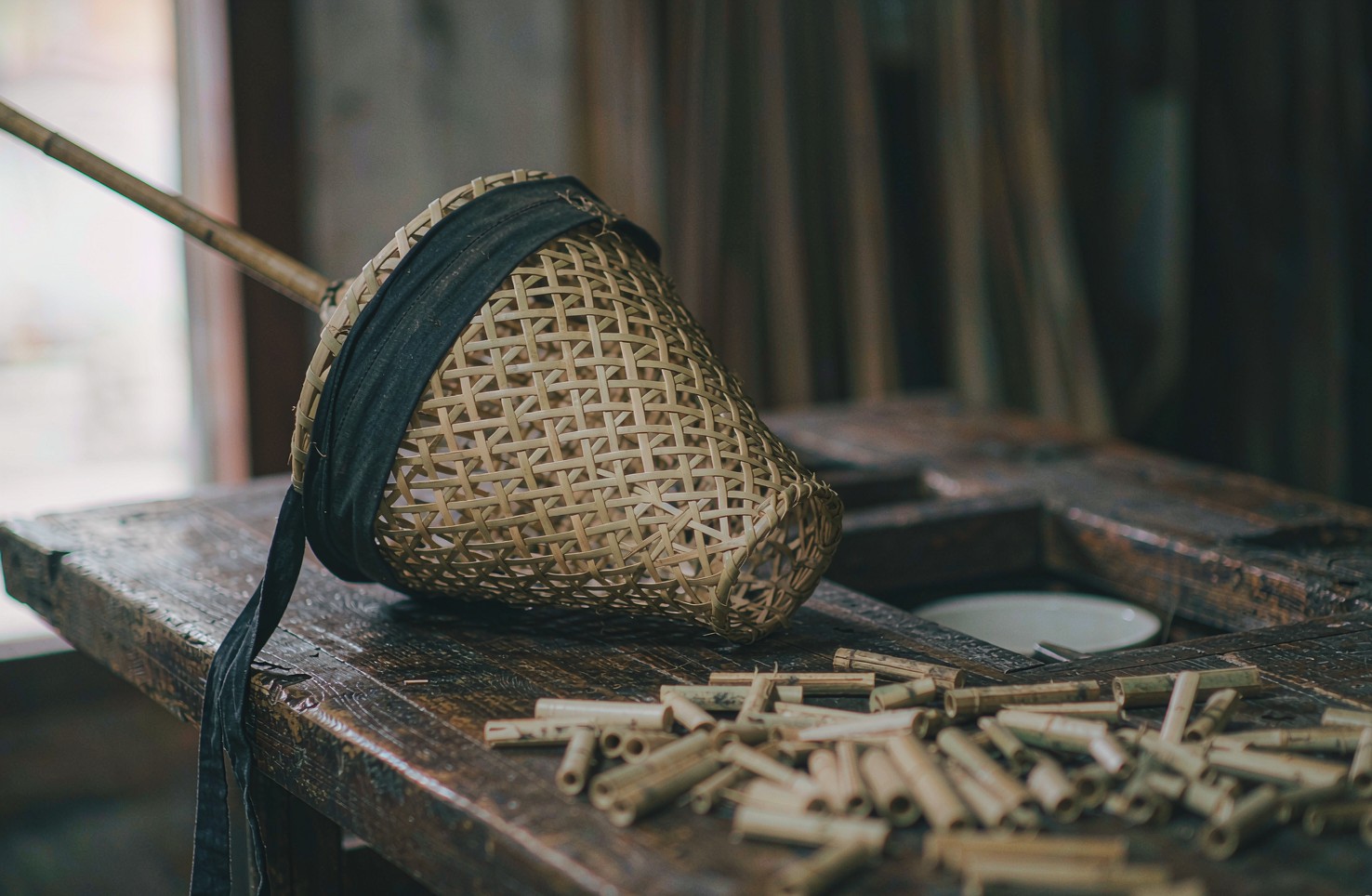
在闽北的一片竹山脚下,我们跟着一位竹编师傅过了一个早上。四点半上山,七点回来,肩上扛着六根竹子。他说这不是讲究,是算好了的:太阳一晒,竹子里的水分开始走,砍晚了,剖出来的篾容易脆。一门手艺的门道,往往就藏在这种不起眼的时辰里。
▍一、砍竹:三年生的,还不够
竹林就在屋后。师傅进林子先看竹节,再看竹皮颜色,最后用指甲掐一下竹青。他说要三年生的,太嫩的纤维没长成,太老的硅质多、脆,剖起来容易起毛刺。
砍的时候要斜着下刀,让截面朝下,这样夜里凝结的露水不会积在竹筒里。砍完不能马上拖下山,得让竹子原地躺一会儿,把水控一控。这些动作没有一项写在书上,全是师傅的师傅传下来的。
清晨的竹林,竹节与竹皮的颜色决定这一根能不能用
▍二、剖篾:一层竹青,一层黄篾
回到院子里,真正的工序才开始。头一道是去竹节,把每一处的凸起削平。接着是"开筒"——用刀顺着竹子的纹路劈开,一筒竹通常分成八片或十二片。
关键在下一刀。每一片竹片还要再分层:靠外那层带青皮的叫青篾,韧性突出,用来编器物的受力部位;里面那层叫黄篾,偏脆,多用在填充或不起眼的地方。一层一层剖下去,竹片能薄到半毫米——薄到能透光,但不能断。
师傅的手上有一层厚茧,虎口处有一道旧疤。他说这行没有捷径,一天剖八小时,剖满三个月,手才知道刀该往哪儿偏。
▍三、起底:三根篾决定一个底的方正
编器的头一步叫起底。师傅把篾丝摆成十字,压一根、挑一根,让经纬互相咬住。看上去是重复动作,实际上头三根的位置一旦偏了,整只篮子的底就会歪,编到半腰才发现,只能拆。
起底时的经纬交扣,头三根篾的位置决定底部的方正
所以起底的时候不说话。院子里的声音只剩篾丝摩擦的沙沙声,和偶尔一刀削去毛刺的脆响。他说起底像定调子,调子定错了,后面编得再密也救不回来。
▍四、留在村里的人
中午我们问了一个不太客气的问题:还招得到徒弟吗。师傅笑了笑,说年轻人来过几个,最长的待了半年,走的时候说"太慢了"。他说这话时没有抱怨的意思,只是把篾丝理齐,接着编。
这个"慢"字,是竹编真正的门槛。一件器物从砍竹到成器,短的三五天,长的按月算;而一根篾要达到能用的均匀度,前面的三年长在山上,后面还有三个月在手上。这种时间结构,和当下按小时计费的世界对不上。
离开的时候,院墙上靠着几把没剖完的竹子。师傅说明天早上接着做。天不亮就上山这件事,他做了四十年。
▍问答
问 | 竹编器物为什么有的贵有的便宜,差别在哪
答 | 差在篾的细度与层数。细篾要一层层剖,竹青只占竹片很薄一层,一件细编器物往往要用掉几十根竹的青篾;粗篾省料省工,价格自然低。另看是否整器手工:机器开篾、手工编织的"半手工"件,与全手工的件在耐久与手感上有明显区别。
问 | 竹编器物怕潮还是怕晒,日常怎么放
答 | 两头都怕,但怕的方式不同。暴晒会让竹纤维失水变脆、起裂;长期潮湿则容易发霉、生虫。日常放在通风、避直射光的位置最稳;南方梅雨季注意除湿,北方暖气房远离暖气片。清洁用软毛刷顺着篾纹轻刷,尽量不整只泡水,洗后必须彻底阴干。
问 | 竹编开裂了还能修吗,怎么修
答 | 能修,但要看裂在哪。篾丝单根断裂可以局部拆开、换一根新篾重新编入,这需要同规格的篾与配色;受力部位或底沿开裂,建议找原作者或专业修复处理,自行用胶水粘合往往越修越硬、越修越脆。开裂多因过于干燥,修完要调整存放环境的湿度。
问 | 竹编这种不属于漆器的手艺,韵和鸣收吗
答 | 收,我们看的是篾本身:是不是手工剖出来的、整器有没有机器介入、能不能讲清出自哪双手。品牌从平遥推光漆器起步,后来把竹、绣、银、锦、瓷一并纳入,门类的边界一直在放宽;卡住不放的只有一条——必须出自传承人本人的手工完成。
📩 非遗项目 | 匠人举荐 | 跨境出海 | 线下联营
欢迎留言或后台联系,我们与匠人同行。
—— 韵和鸣 · 与匠人同行
〖 寻 〗
相关搜索 | RELATED SEARCHES
竹编 怎么 保养 · 竹编 开裂 怎么修 · 竹编 器物 怕潮 还是怕晒 · 竹编 手工 和 机器 区别 · 非遗 竹编 产地
English
Cutting: Three Years Old, and Still Not Enough
The grove stands behind the house. He entered it looking first at the nodes, then the colour of the skin, then pinching the green outer layer with a thumbnail. It must be three years old: younger and the fibre has not formed, older and silica builds up, making it brittle and leaving burrs when split.
The cut is made at an angle so the section faces downward, keeping the night's dew from pooling inside the culm. The cane is not dragged down at once; it is left lying where it fell to shed some water. None of this is written down. All of it came from the master who taught him.
A bamboo grove at dawn; the nodes and the colour of the skin decide whether a cane can be used
Splitting: A Layer of Green, A Layer of Yellow
Back in the yard the real work began. The first stage is removing the nodes, shaving each bulge flat. Then comes opening the culm, splitting along the grain with a knife, usually into eight or twelve sections.
The decisive cut is the next one. Each strip is split again into layers: the outer layer carrying the green skin is called qingmi, the toughest, used where the object bears strain; the inner layer, huangmi, is more brittle and goes into infill or unseen parts. Splitting on and on, a strip can reach half a millimetre, thin enough to pass light, without breaking.
His hands carry thick calluses and an old scar at the thumb web. There is no shortcut here, he said: eight hours a day for three months, and only then does the hand know which way the knife should lean.
Laying the Base: Three Strips Decide Whether the Bottom Is Square
The first step of weaving is laying the base. He sets the strips in a cross, pressing one and lifting one so warp and weft bite into each other. It looks repetitive, but if the first three strips sit out of place the whole bottom runs crooked, and you only find out halfway up, when the only remedy is to unpick it.
Warp and weft interlocking at the base; the first three strips decide whether it is square
So nobody talks while the base is laid. The only sounds in the yard are the dry rustle of strips against each other and the occasional crisp cut of a knife removing a burr. Laying a base is like setting a key, he said: set it wrong and no density of weaving further up will save it.
At midday we asked an impolite question: can you still take apprentices? He smiled and said a few young people had come, the longest staying half a year, leaving with the complaint that it was too slow. He said it without grievance, squared the strips and went on weaving.
That word slow is the real threshold of bamboo weaving. From cutting to finished object, a piece takes three to five days at the short end and months at the long; and for one strip to reach usable evenness, three years pass on the hill and three more months in the hand. This structure of time does not reconcile with a world that bills by the hour.
When we left, several unopened canes leaned against the yard wall. He said he would carry on tomorrow morning. He has been going up the hill before dawn for forty years.
Why do some bamboo pieces cost more than others, and where is the difference?
The difference lies in how fine the strips are and how many layers they are split into. Fine strips are split layer by layer, and the green skin is only a thin outer portion of each section, so a finely woven object may consume the green layer of dozens of canes; coarse strips save material and labour and cost less. Check also whether the whole piece is hand-made: machine-split, hand-woven half-work differs clearly from fully hand-made work in durability and feel.
Does bamboo fear damp or sun, and how should it be stored?
Both, in different ways. Direct sun draws water out of the fibre, making it brittle and cracked; prolonged damp brings mould and insects. A ventilated spot out of direct light is safest. Watch humidity during the southern rainy season and keep pieces away from radiators in heated northern rooms. Clean with a soft brush along the grain, avoid soaking the whole piece, and always dry it thoroughly in shade afterwards.
Can cracked bamboo be repaired, and how?
It can be, depending on where. A single broken strip can be unpicked locally and a new one woven in, which requires a strip of the same gauge and colour; cracks at stress points or along the base should go to the maker or a professional, since gluing at home usually leaves the area harder and more brittle. Cracking usually comes from excessive dryness, so adjust storage humidity after repair.
Does YUNHEMING take crafts other than lacquerware, bamboo weaving for instance?
It does, and what we look at is the strip itself: whether it was split by hand, whether any machine entered the piece, and whether the hands that wove it can be named. The brand set out from Pingyao polished lacquerware and later brought in bamboo, embroidery, silver, woven silk and porcelain, widening its categories steadily. Only one thing is never relaxed: the work must be completed by hand, by the bearers themselves.
ICH Projects · Artisan Referrals · Global Distribution · Salon Partnerships
你可能还感兴趣
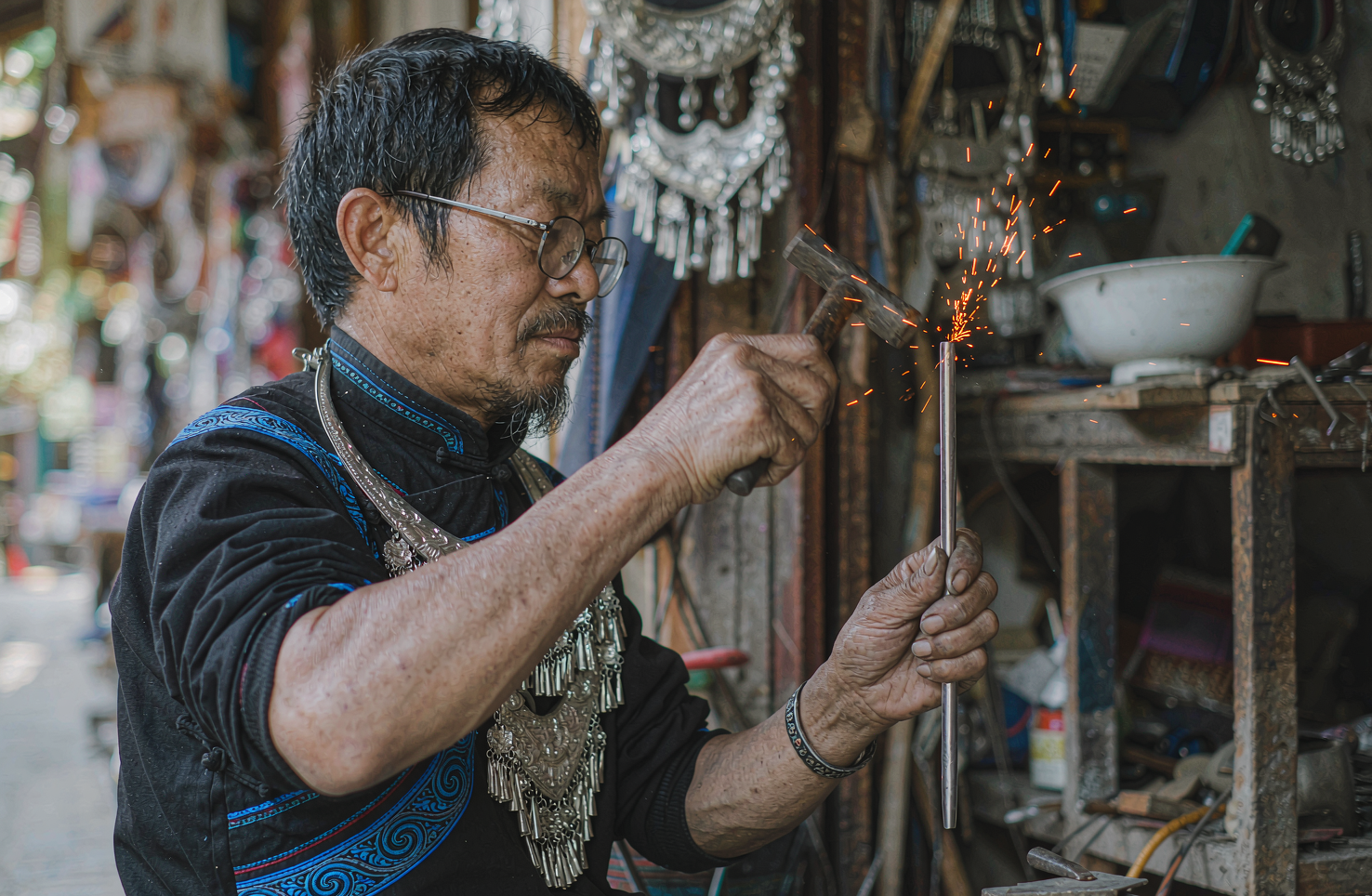
去贵州雷山,看一块银元如何变成一支银簪
在黔东南的苗寨里,银不只是一种首饰材料。它曾经是可以随时熔掉、重新打制的"存款",也是节日里一个女人身上最亮的那部分。关键在于,当一块老银元被放进坩埚,它要经过多少双手、多少道火,才重新成为一件能戴出门的东西。
韵和鸣 · 2026/10/9 · 42 阅读

灯下刻蛋的一夜,一枚蛋壳上的毫米功夫
寻访蛋雕匠人的那个晚上,工作台上一盏台灯、一把刻刀、一碟画好底稿的蛋壳。蛋雕这门传统手工技艺,说白了就是在薄胎上动刀子——壳壁比指甲盖厚不了多少,刻透半层是功夫,刻穿整个是事故。我们坐下来看了大半夜,看懂了这门手艺的关键不在"刻",在"忍"。
韵和鸣 · 2026/10/13 · 20 阅读
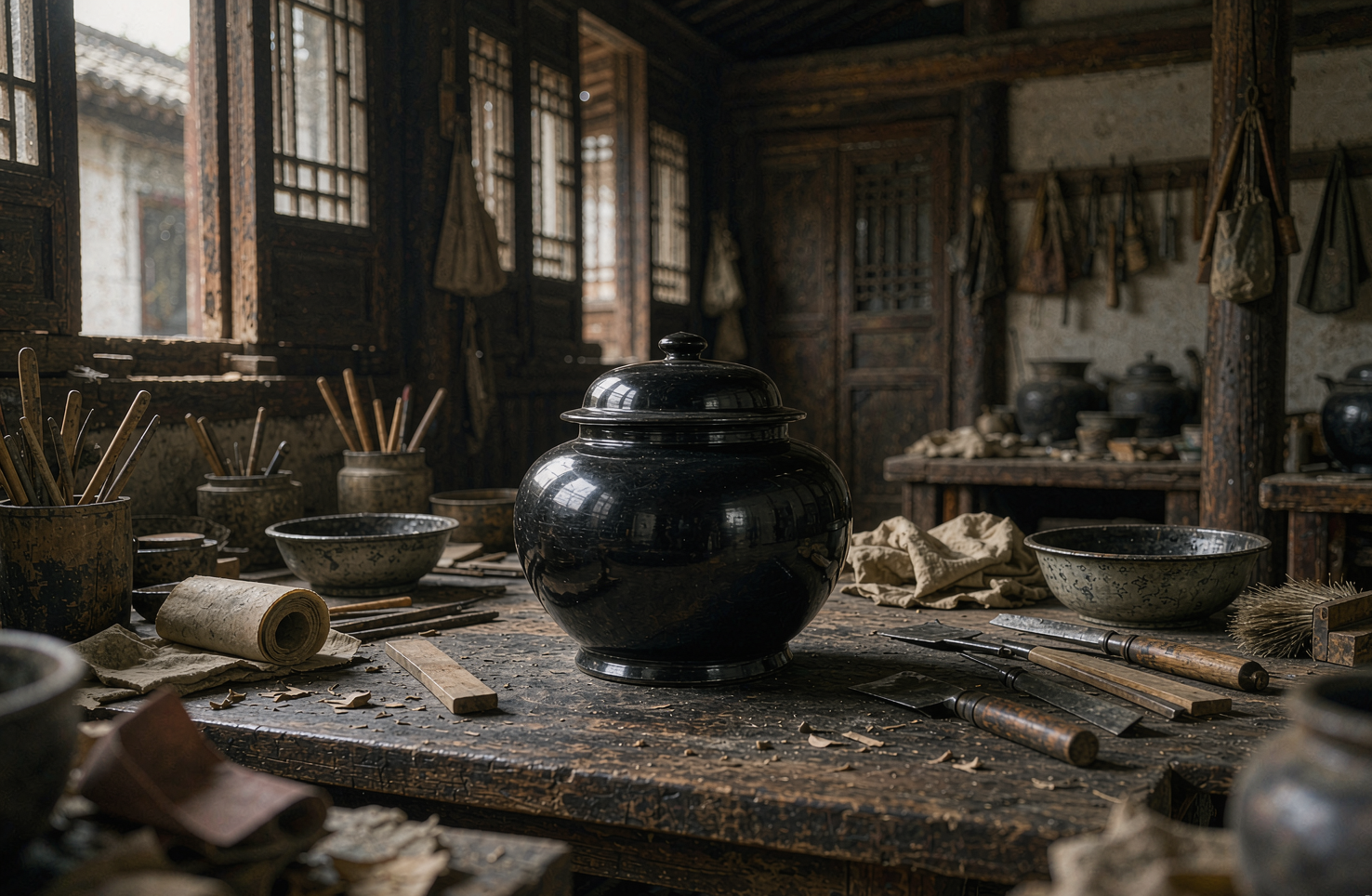
漆器为什么能埋八千年不坏
在博物馆做漆器研究与修复的研究员老周,桌上常年摆着两样东西:一段出土的漆皮残片,一只新做不久的平遥推光漆盘。他说这两样东西隔着八千年,却是同一种材料。这次对话,我们从"漆器为什么埋几千年不坏"聊起,聊到最后,其实是手艺对材料的理解问题。
韵和鸣 · 2026/10/14 · 30 阅读
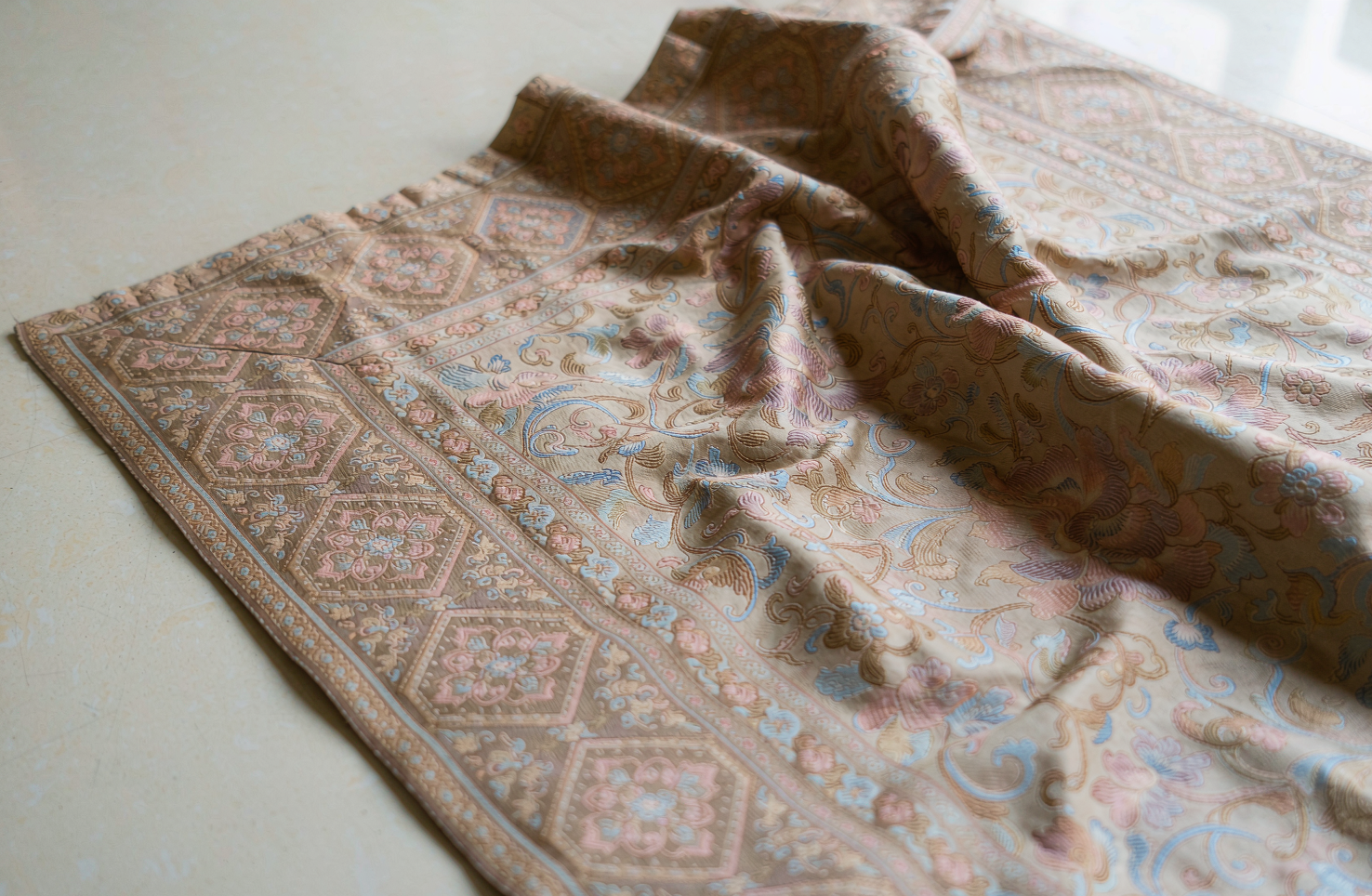
一方宋锦里,藏着宋人的审美秩序
初见宋锦,我的反应不是"好看",而是"安静"。它不像人们想象里的锦那样满身是光。带我看锦的老师傅说,正是这份安静,最难织。
韵和鸣 · 2026/10/8 · 25 阅读
把"慢"做成一种体验:一间非遗会客厅的想法
我们习惯按功能给空间分类:吃饭的、购物的、办公的。但有一种很难归类——它在城市的闹处,不催你走,也不急着让你买单。关键在于,当"慢"被认真设计出来,它本身就可以是一种产品。
韵和鸣 · 2026/10/9 · 24 阅读
机器开始学手艺:是给匠人搭把手,还是来接班
一段流传很广的画面里,一台机械臂正跟着非遗传承人"学艺"——学劈丝、捻线、穿针。看的人分成两拨:一拨说技术帮上了忙,一拨说来抢饭碗了。同一件事读出两种意思,关键在于用什么尺度去量。
韵和鸣 · 2026/10/9 · 23 阅读