政策里的"场":传习所、工坊、会客厅在布一张什么网
韵和鸣 · 韵和鸣公众号 · 2026/10/23 12:00:00 · 4 阅读
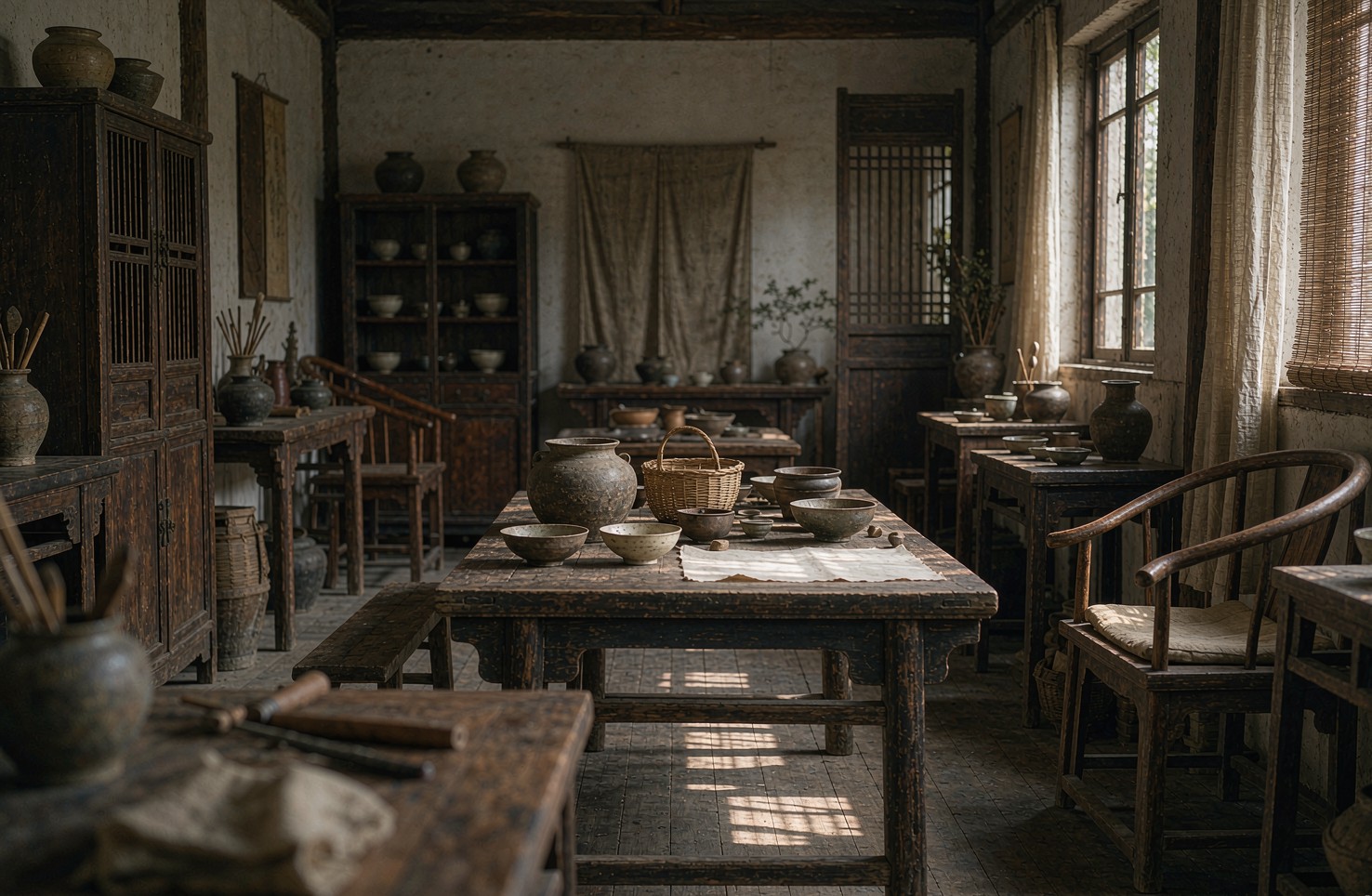
把这一段时间的非遗政策读下来,钱和人之外还有一条不太起眼的线——"场"。国家在讲传承体验场所,山西在做文化生态保护区,县里在建传习所。三层动作指向同一件事:手艺要有地方待,也要有人进得去。
▍一、国家层:从"建场馆"到"进社区"
据国务院新闻办公室 2026 年 10 月 20 日新闻发布会介绍,"十五五"时期将继续秉承"见人见物见生活"理念,深入推进"非遗在社区""非遗在校园",支持街区、社区设立非遗驿站、非遗创意坊、非遗生活美学馆等传承体验场所。
值得注意的是这几个名字。驿站、创意坊、生活美学馆,都不是传统意义上的"馆"——它们体量小、嵌在街区里、离居民的日常动线很近。政策语言的这种变化,意味着传承体验设施的重心正从"集中建设"转向"就近嵌入"。
同一场发布会还提到,在已认定齐鲁文化、河洛文化、闽南文化等 23 个文化生态保护区的基础上,"十五五"时期将进一步健全国家级、省级文化生态保护区名录,实施建设扩容提升工程(据《光明日报》2026 年 10 月 21 日报道)。
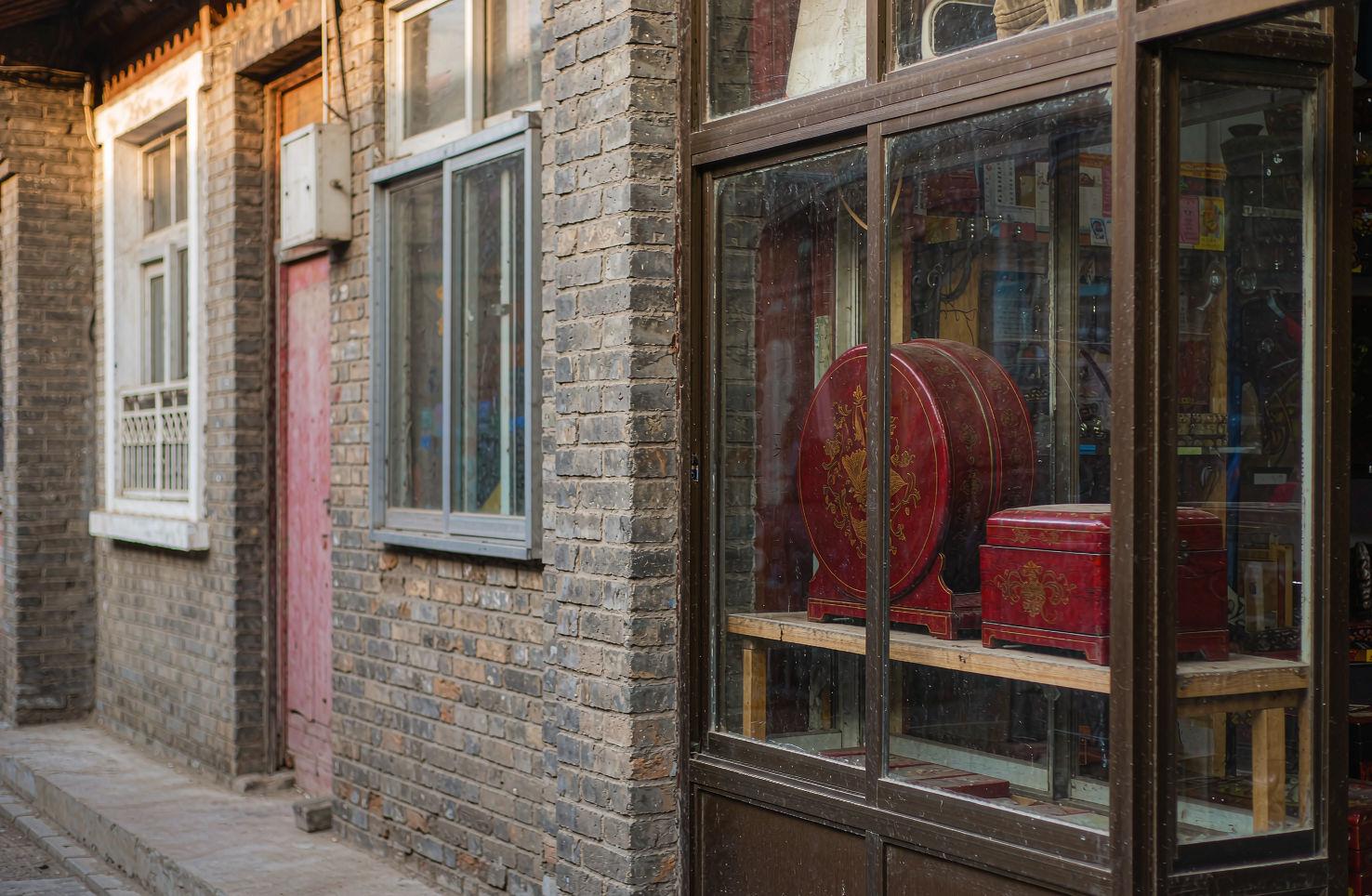
老城街巷里的手艺铺面,门口就是行人日常走过的路
▍二、省级:山西把"场"落在了生态区
山西这一层的动作,落在"成片"两个字上。据山西省文化和旅游厅 2026 年 10 月 16 日发布的报道,晋中国家级文化生态保护区已顺利通过文旅部验收、正式命名,覆盖晋中全域,并纳入太原、吕梁部分县域。同一篇报道提到,全省国家级非遗代表性项目 182 项、代表性传承人 198 人,总量居全国第三。
成片保护的意义在于,它保的不只是一项技艺,还有这项技艺赖以存在的街巷、戏台与节令。山西近年还修订了《山西省非物质文化遗产条例》,出台《山西省促进民间艺术保护传承若干措施》,并对急需保护项目实施"启明星计划"——一条从法规到资金的线,正在给这些"场"兜底。
▍三、市级:传习所、双轨培养与一场市集
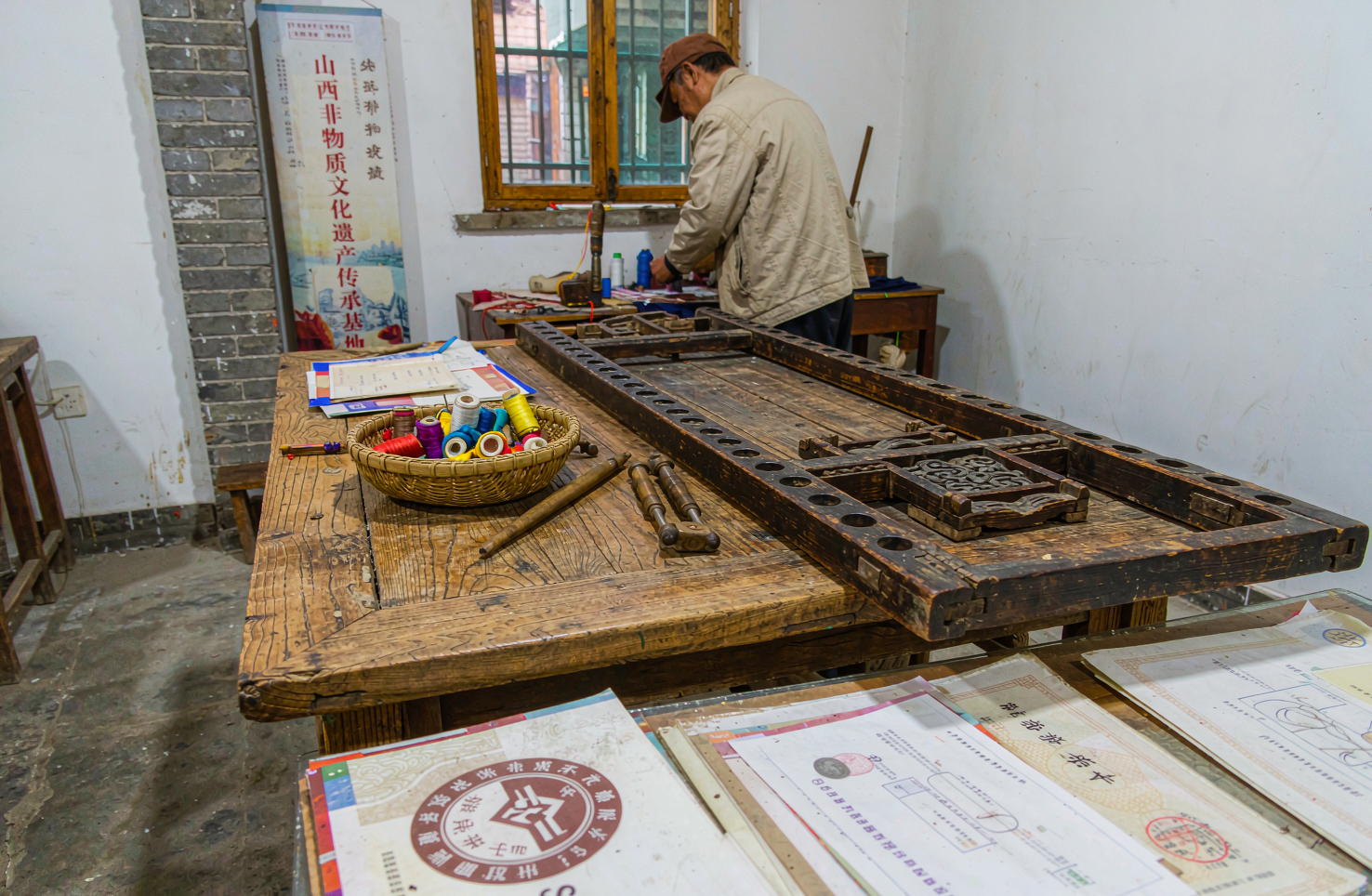
县一级的"场"最具体。据公开资料,平遥已建起 20 余个传习所,并以"师徒制+院校制"双轨培养,累计培训 3.5 万人次。今年 10 月 1 日至 7 日,晋中市在榆次老城办了非遗主题市集,设 30 个非遗铺面,分三大主题单元,其中就包括可现场体验的平遥推光漆器技艺(据山西省文化和旅游厅 2026 年 10 月 8 日报道)。
从传习所到市集,形状不同,作用互补:前者管"有人能教",后者管"有人来看"。
▍四、机会提示:三种"场"各管一段
把三层串起来看,一个相对清楚的分工正在成形。传习所与工坊解决"传"的问题——技艺要有固定的人与固定的地方;生态区与街区解决"存"的问题——手艺赖以生活的环境不能被拆掉;驿站、美学馆与各类体验空间解决"用"的问题——让不从事这行的人也能走进来。
对做手艺的人而言,值得留意的是第三条。前两类由公共投入主导,第三类则留出了社会力量的位置——谁愿意把手艺摆进日常场景,谁就有机会先用上这块空间。
以上仅为个人梳理,具体以官方原文为准。
▍问答
问 | 非遗传习所是做什么的?和普通培训班有什么不同
答 | 传习所的核心任务是技艺传递,通常由传承人本人或其所带徒弟主持,教学内容围绕一门具体项目的完整工序,周期长、不追求短期结业。普通培训班多以成品与体验为目标,工序常被简化。判断一处传习所是否扎实,看它有没有固定的带徒记录与后续去向。
问 | 国家级文化生态保护区是什么意思?和普通非遗项目有什么不一样
答 | 普通项目保护的是一项技艺,生态区保护的是一片区域里技艺与其依存环境的整体关系,包括村落、街巷、戏台、节令与生活方式。它不按单项技艺划界,而按文化空间划界,因此更适合那些与当地生活深度绑定的项目。截至 2026 年 10 月,全国已认定 23 个此类保护区,据《光明日报》报道。
问 | 韵和鸣的线下会客厅属于政策里说的哪种"场"
答 | 更接近第三类——面向日常场景的体验与见面空间。它不是传习所,不承担带徒职能,也不替代生态区的整体保护;它做的是让人坐下来看器物、聊手艺,陈列原则是山西一半、全国一半。政策把这三类"场"都留出了位置,社会力量能做的,多半在离日常最近的那一类。
📩 非遗项目 | 匠人举荐 | 跨境出海 | 线下联营
欢迎留言或后台联系,我们与匠人同行。
—— 韵和鸣 · 与匠人同行
〖 综 〗
相关搜索 | RELATED SEARCHES
非遗传习所 是做什么的 · 文化生态保护区 是什么意思 · 山西 非遗 政策 2026 · 平遥 推光漆器 传习所 · 非遗 传承体验设施 · 韵和鸣 会客厅
English
National Level: From Building Venues to Entering Neighbourhoods
According to the press conference of the State Council Information Office on 20 October 2026, the fifteenth five-year period will continue the principle of seeing the people, the object and the life, deepen the programmes of heritage in the community and heritage in the school, and support neighbourhoods and communities in setting up heritage stations, heritage creative workshops and heritage living-aesthetics spaces.
The names are worth pausing on. A station, a creative workshop, a living-aesthetics space: none is a museum in the conventional sense. They are small, embedded in the street, and close to where people already walk. This shift in policy language signals that the weight of transmission facilities is moving from concentrated construction towards embedding nearby.
The same conference noted that, on the basis of twenty-three already designated cultural ecological protection zones including Qilu, Heluo and Minnan, the fifteenth five-year period will further complete the national and provincial roster of such zones and carry out an expansion and upgrading programme, per Guangming Daily of 21 October 2026.
A craft shopfront in an old street, its door opening onto the path people walk every day
Provincial Level: Shanxi Places Its Spaces in the Ecological Zone
Shanxi's move at this level turns on the idea of an area rather than a site. According to a report published by the Department of Culture and Tourism of Shanxi Province on 16 October 2026, the Jinzhong national cultural ecological protection zone has passed the ministry's acceptance and been formally named, covering the whole of Jinzhong and taking in parts of Taiyuan and Lüliang. The same report notes 182 national-level representative heritage items and 198 representative bearers in the province, third in the country by total.
The point of protecting an area is that it keeps not one technique but the streets, stages and seasons the technique depends on. Shanxi has in recent years also revised its regulations on intangible cultural heritage, issued measures on protecting and transmitting folk arts, and run a guiding-star programme for items in urgent need of protection: a line from regulation to funding is now underwriting these spaces.
Municipal Level: Training Rooms, Dual-Track Training and a Market
At county level the spaces are most concrete. Public sources indicate that Pingyao has established more than twenty training rooms and, through a dual track of master-apprentice and college training, has provided instruction to 35,000 person-times. From 1 to 7 October this year Jinzhong held a heritage market in the old city of Yuci with thirty heritage stalls across three themed sections, among them a Pingyao lacquer technique visitors could try on the spot, per the provincial Department of Culture and Tourism on 8 October 2026.
Training room and market differ in shape and complement each other in function: one ensures there is someone who can teach, the other that there is someone who will come and look.
What This Suggests: Three Kinds of Space, Three Roles
Read together, a division of labour is taking shape. Training rooms and workshops answer transmission: a craft needs fixed people and a fixed place. Ecological zones and historic streets answer survival: the environment a craft lives in must not be dismantled. Stations, aesthetics spaces and experience venues answer use, letting people outside the trade walk in.
For makers, the third is the one to watch. The first two are led by public investment, while the third leaves room for other hands: whoever is willing to place a craft into everyday settings will be first to use that space.
The above is a personal reading; please refer to the official texts.
What does a heritage training room do, and how does it differ from an ordinary class?
A training room exists to pass on technique, usually led by the bearer or their own apprentices, with teaching built around the full sequence of one specific item over a long cycle rather than a quick certificate. Ordinary classes aim at finished objects and experience, with stages often simplified. To judge whether a training room is solid, look for a standing record of apprentices and where they went next.
What is a national cultural ecological protection zone, and how does it differ from an ordinary heritage item?
An ordinary item protects one technique; an ecological zone protects the whole relationship between techniques and the environment they depend on across an area, including villages, streets, stages, seasons and ways of life. It is delimited by cultural space rather than by a single craft, which suits items deeply bound to local life. Twenty-three such zones had been designated nationwide as of October 2026, per Guangming Daily.
Which kind of space in policy does the YUNHEMING Salon correspond to?
It belongs closest to the third kind, a space for encounter set in everyday life. It is not a training room and does not take on apprentices, nor does it substitute for the area-wide protection of an ecological zone; it is a place to sit and look at objects and talk about craft, stocked half from Shanxi and half from the rest of China. Policy leaves room for all three kinds, and what non-state hands can do lies mostly in the one nearest to daily life.
ICH Projects · Artisan Referrals · Global Distribution · Salon Partnerships
你可能还感兴趣
一门手艺的背后,政策怎么把人接住
前面几期,我们把国家、省、市三级的新文件挨个捋了一遍。这一轮收个口:不解读新文件,只看一条贯穿四级政策的暗线——人。名录、工坊、产业,说到底都要有人去做;而这一轮政策最值得记下的变化,是把"支持传承人"从一句原则,拆成了看得见的台阶。
韵和鸣 · 2026/10/14 · 29 阅读

从国家到平遥:这一轮非遗政策,把力气用在了哪
过去几天,我们分别聊了国家级的非遗规划、山西的承接、平遥的落地。今天把这三层放在一起看——你会发现,它们其实是一条完整的链。
韵和鸣 · 2026/10/3 · 22 阅读
一轮非遗政策,从北京走到了平遥
这个月里,非遗的政策消息连着来了三条:国家定格局,省里把钱往上提,市县把非遗写进了旅游场景。关键在于把三层连起来看——政策问的问题,已经从"这门手艺还在不在",变成"它能不能回到人们的一天里"。
韵和鸣 · 2026/10/10 · 19 阅读
一部还在征求意见的条例,先点了平遥漆器的名
政策一层层往下走:国家定方向,省里给资源,到了市县,它得落到具体的街巷、人和器物上。关键在于,一部市级条例点到哪门手艺、又把它放在哪一条里,比笼统表态更能说明当地的取舍。
韵和鸣 · 2026/10/9 · 38 阅读
从 700 万到 1219 万:山西给非遗的钱,多在了哪
所谓"专项资金",指的是财政预算里单列出来、指定用途的那一笔钱——它比口号诚实。看一个地方对非遗上不上心,与其听表态,不如翻账本;关键在于,钱往哪走,判断就往哪走。
韵和鸣 · 2026/10/8 · 33 阅读

一座县城,为什么要为一门手艺专门立法
法律通常管大事。可在晋中,有一部地方性法规,只为一门手艺而立——平遥推光漆器髹饰技艺。这背后,是一座县城对手艺的全部认真。
韵和鸣 · 2026/10/2 · 28 阅读