一场多语言直播做完之后,我们学到什么
韵和鸣 · 韵和鸣公众号 · 2026/10/22 12:00:00 · 4 阅读
帮一位老师做完面向海外的那场直播,团队复盘后留下的不是数据,是三件小事。它们都不宏大,却改了我们对"内容赋能"的理解——它的本质不是替匠人说话,而是让匠人本来就要讲的话,讲到别人听得懂。
▍头一件:先备术语表,再备稿子
直播前我们花了不少时间写稿,开场白、转折、收尾都排好了。真正卡住的却是一个词:那门手艺里某个工序的名称,英文里找不到对应的说法。现场临场解释,讲了两分钟才让观众听懂。
后来我们改了流程:先出术语表,再写稿。一门手艺里通常有五到十个绕不开的词,没有现成译法,必须提前定口径——音译加解释,还是借一个相近的工艺词再加一句说明。术语定了,稿子就顺了。
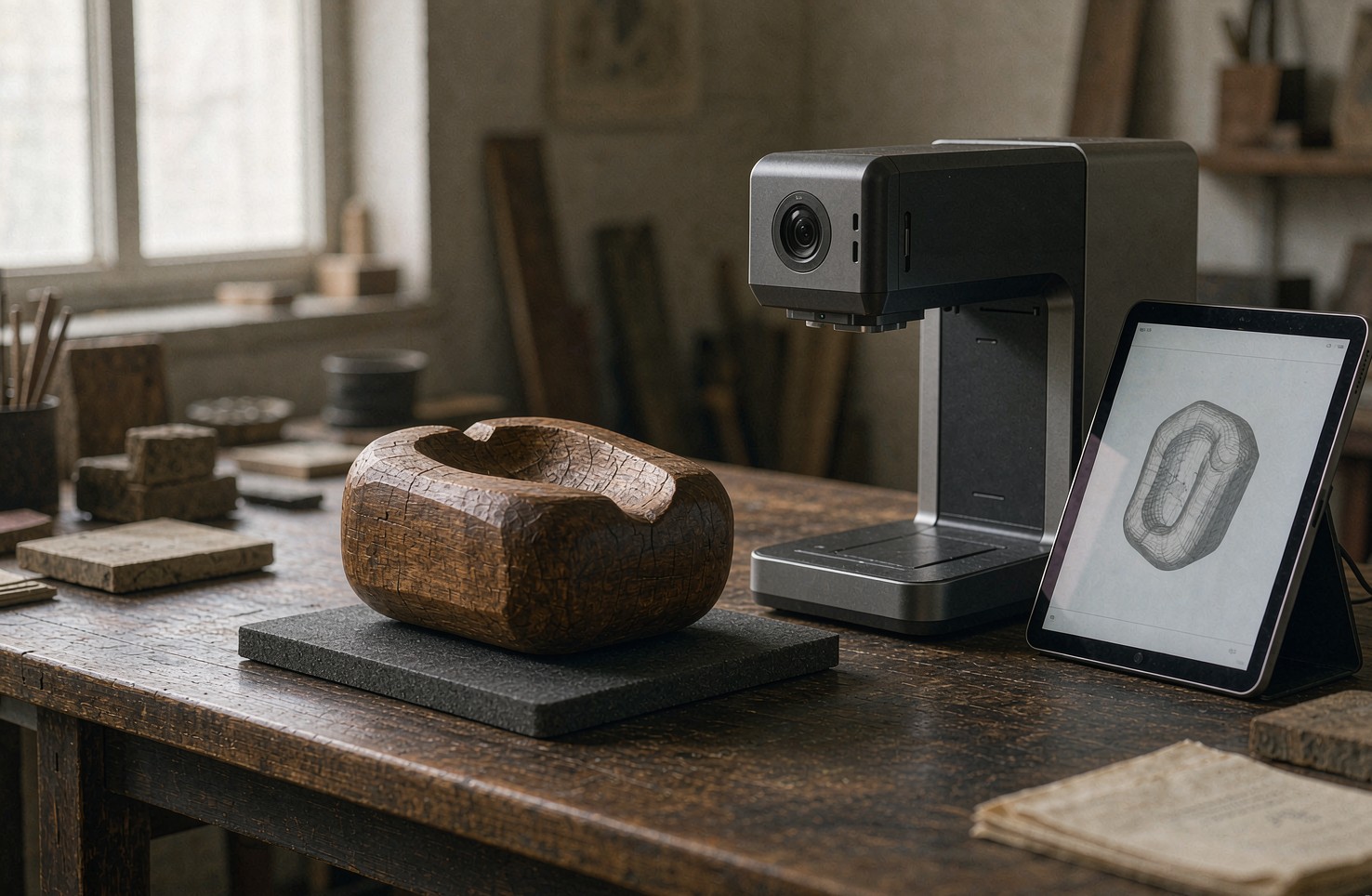
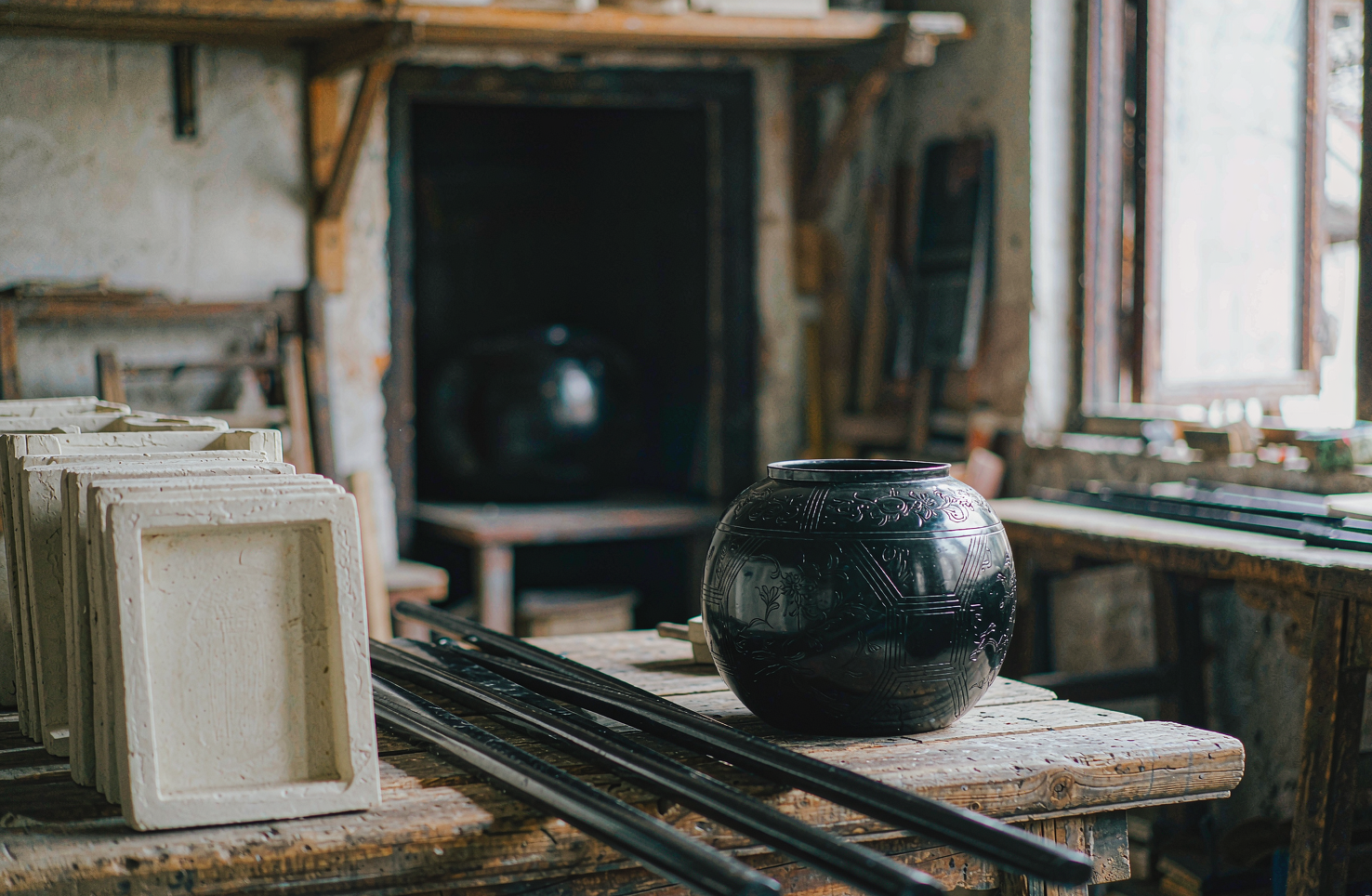
直播前的准备台:器物、工序样件与一叠写着术语的纸
▍再一件:海外观众问的不是「多少钱」
山西省晋中市平遥县出产的平遥推光漆器髹饰技艺,在 2006 年进入国家级非物质文化遗产名录,也是韵和鸣起步时做的那门手艺。
我们原本以为,海外观众会先问价格和能不能寄。结果提问区排在前面的几类问题是:这个材料从哪里来、一件要多久、为什么是这个颜色、做坏了怎么办。
这个顺序很说明问题。愿意隔着时差来看一场手艺直播的人,多半不是来比价的。他们想先确认一件东西值不值得信任,再谈价格。信任从哪里来?从把手艺的过程讲清楚——谁做的、怎么做的、哪一步最难、哪一步最容易偷懒。
▍还有一件:镜头要对着手,不是对着脸
镜头语言我们也调了。匠人的表情当然动人,但能被不同语言的人同时看懂的,是手上的动作。拍一段劈丝、一次推光、一锤錾刻,配近景与侧光,观众不需要翻译就明白"这件事很难"。
▍复盘之后的一句话
韵和鸣做多语言直播、配多国语言翻译,也帮老师拍产品、拍视频,说到底不是为多一个渠道。匠人专心做手艺,"被看见"由品牌分担——我们把它当经纪人该做的一份内活。
▍问答
问 | 多语言直播讲的是什么内容?
答 | 围绕手艺本身:这门技艺怎么做、出自哪位匠人之手、材料与工序讲究在哪里。同时面向国内与海外用户,配多国语言翻译。重点不在叫卖,而在把一件器物为什么是这样讲明白。具体安排可以通过公众号了解。
问 | 中国手艺外国人看得懂吗?
答 | 讲得懂,前提是别只讲"好看"。做法是把手艺的过程一起译出去:工序有几道、出自哪位匠人之手、材料讲究在哪里,配上多语言直播与多国语言翻译,让海外用户先理解一件器物为什么是这样,再谈喜欢。翻译的是语言,转译的是语境。
问 | 韵和鸣为什么会长期做匠人访谈?
答 | 因为它得先弄明白一门手艺难在哪,才谈得上替匠人说话。「匠人说」与「寻访记」做的事,就是进工坊把匠人的手艺、难处与选择原样记下来;这些文字不卖货,是品牌理解非遗的方式——先懂人,再谈器物。
📩 非遗项目 | 匠人举荐 | 跨境出海 | 线下联营
欢迎留言或后台联系,我们与匠人同行。
—— 韵和鸣 · 与匠人同行
〖 生 〗
English
First: Prepare the Glossary Before the Script
We spent a good deal of time on the script: opening, transitions, close, all arranged. What actually stalled us was a single word, the name of one stage in the craft, for which English has no equivalent. Explaining it on the spot took two minutes before the audience caught on.
So we changed the order: glossary first, script second. A craft usually has five or ten unavoidable terms with no ready translation, and their rendering has to be settled in advance, whether by transliteration with an explanation, or by borrowing a near craft term and adding a clause. Once the terms are fixed, the script flows.
The preparation table before a livestream: objects, process samples, and a sheaf of notes with terminology
Second: Overseas Viewers Do Not Ask the Price First
The polished lacquerware decoration technique of Pingyao County, Jinzhong, Shanxi, entered the national intangible cultural heritage list in 2006, and it is the craft with which YUNHEMING began.
We had assumed overseas viewers would ask the price first, and whether it could be shipped. The questions that came up most were different: where the material comes from, how long a piece takes, why that colour, and what happens when one is spoiled.
That order says a great deal. People willing to watch a craft livestream across time zones are rarely there to compare prices. They want first to establish whether something deserves trust, and only then discuss cost. Where does trust come from? From setting the process out plainly: who made it, how, which stage is hardest, and which is easiest to skimp on.
Third: Point the Camera at the Hands, Not the Face
We also adjusted the camera language. The expression on a maker's face is moving, but what viewers of any language understand at once is the movement of the hands. Film a length of thread being split, a surface being polished, a chisel struck, in close shot with side light, and the audience grasps that this is difficult without any translation at all.
YUNHEMING runs multilingual livestreams with translation into several languages, and films products and videos for makers, but not simply to add another channel. The maker concentrates on the craft and being seen is the brand's share of the work; we treat it as part of what an agent does, not as an event.
What does a multilingual livestream actually cover?
It centres on the craft: how the technique works, which maker is behind it, what matters in the material and the process. It addresses domestic and overseas viewers at once, with translation into several languages. The point is not selling but explaining why an object is the way it is. Schedules can be found through the official account.
Can overseas audiences understand Chinese crafts?
Yes, provided the account does not stop at beautiful. The method is to translate the process along with the object: how many stages, which maker, what the material demands, supported by multilingual livestreams and translation, so that an overseas viewer first understands why a piece is as it is, and only then decides whether they like it. Language is translated; context is transposed.
Why does YUNHEMING keep running maker interviews?
Because it has to understand where a craft is hard before it can speak for the maker. Maker Says and Field Notes go into workshops and set down the craft, the difficulties and the choices as they are. These pieces sell nothing; they are how the brand learns about heritage, people first and objects after.
ICH Projects · Artisan Referrals · Global Distribution · Salon Partnerships
你可能还感兴趣
非遗出海,先过的不是海关是文化关
跨境的手续、物流、退税率,都有章可循;真正难的是一道没有章可循的关——文化关。一件器物漂洋过海,如果讲不清自己是什么、谁做的、怎么用,它就只是一件"东方风格的工艺品"。过没过文化关,决定了它卖的是货,还是手艺。
韵和鸣 · 2026/10/14 · 28 阅读
中欧班列上的非遗:慢一点,但走得远
一件漆器从作坊到海外客人的案头,走的路往往比它诞生的过程还长。有意思的是,在这条路上,"快"并不总是被追求的答案。
韵和鸣 · 2026/10/8 · 28 阅读
韩国的非遗保护:从"文化财"到活态传承
看世界怎么保护非遗,韩国常被提到,也常被简单化。它有一套自己的名词——"文化财""无形文化财""保有者"。关键在于,这套名词背后不只是一份名单,而是一整套"怎么把手艺交下去"的制度。
韵和鸣 · 2026/10/9 · 24 阅读

穆拉诺与博山:隔着七千公里的两座炉火之城
把两张地图并排放:一张是威尼斯潟湖里的穆拉诺岛,一张是山东淄博的博山。关键在于:这两座城都不是天生的手艺之城——一个被一纸政令推到一起,一个因矿石而聚——却都靠"聚"把炉火烧成了地名。
韵和鸣 · 2026/10/12 · 21 阅读
北欧人为什么喜欢极简的东方漆器
做出海这些年,有个现象耐人寻味:描金绘彩的器物,国内客人爱得直接;反倒是几色素面的漆器,常常被北欧客人先买走。说到底,不是他们看不懂繁复,而是"少"这件事,两边想到一块儿去了。
韵和鸣 · 2026/10/11 · 18 阅读

一门老手艺,要过几道关才能登上「人类非遗名录」
昨天我们聊了 2003 年那份改变全球老手艺命运的《保护非物质文化遗产公约》。今天接着往下问:公约建立了名录,那一门手艺要经历什么,才能把自己的名字写上去?
韵和鸣 · 2026/10/3 · 18 阅读