四级政策看下来:钱、人、标准三条线
韵和鸣 · 韵和鸣公众号 · 2026/10/22 12:00:00 · 4 阅读

2026 年 10 月 20 日,国务院新闻办公室举行新闻发布会,介绍"十五五"时期加强文化遗产保护情况,文化和旅游部非物质文化遗产司在会上介绍了下一步的三方面工作。把这段时间从国家到县里的文件串起来看:政策层级不同、措辞不同,拧的其实是三样东西——钱往哪去、人怎么传、标准怎么定。
▍一、钱:从"拨下去"到"评着给"
国家层面,中办国办印发的《文化遗产保护传承"十五五"规划》(2026 年 9 月 29 日由新华社公开发布)把"开展第二次全国非物质文化遗产普查"写进构建文化遗产大保护格局的部分,并提出推动修订非物质文化遗产法。这两件事都是给钱找依据:家底不清,钱就撒不准。
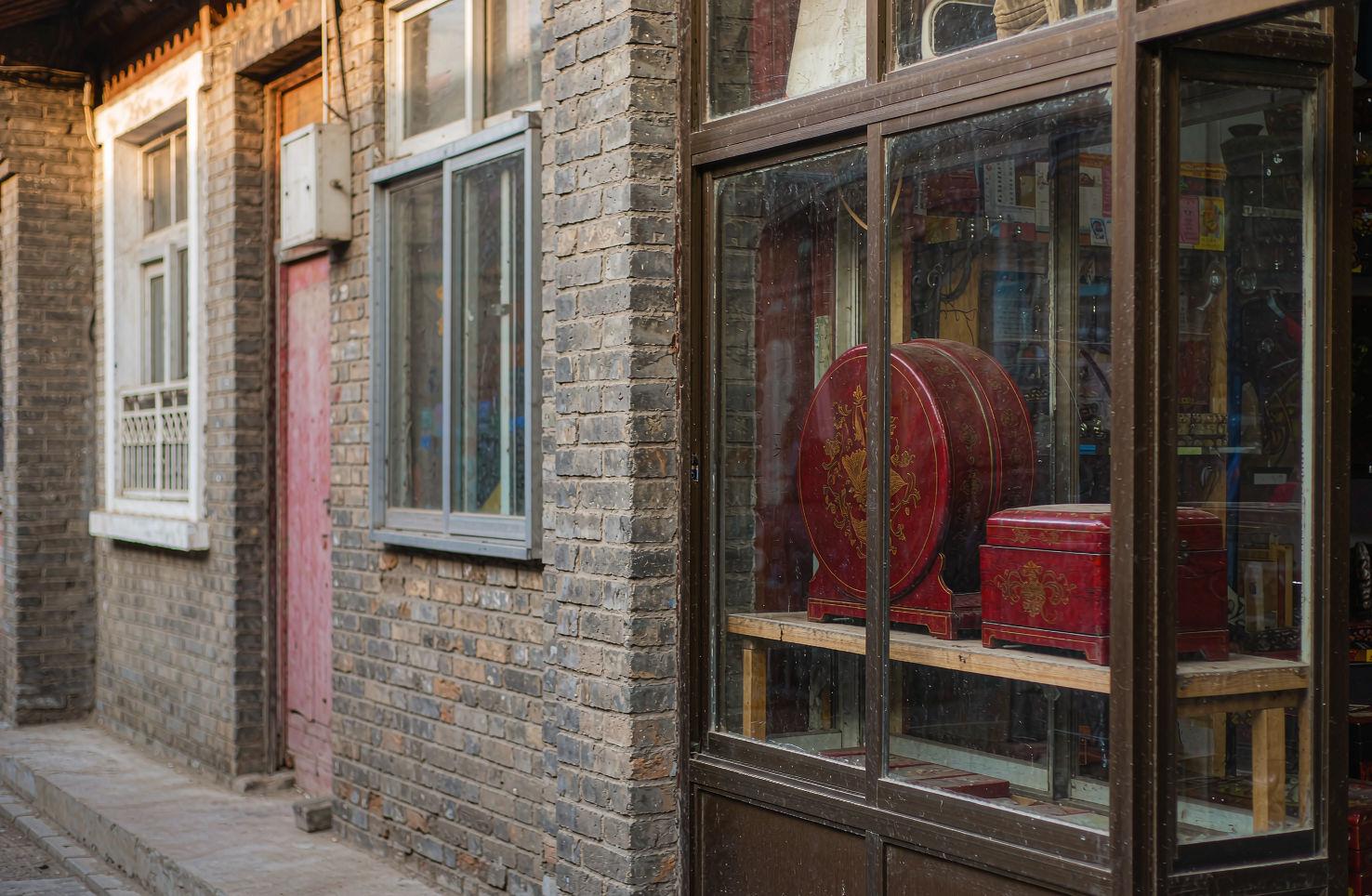
非遗工坊集中的产业街区一角,政策落点最终在这些院子里
山西省文化和旅游厅、山西省财政厅于 2026 年 10 月 12 日印发《关于做好 2027 年省级非物质文化遗产保护资金申报工作的通知》,把申报窗口与方向前置;此前的晋政办发〔2026〕3 号《山西省支持专业镇高质量发展若干措施》,则把资金与产业组织方式绑在了一起。钱不再只是补助,而是带着任务下去的。
▍二、人:认定之后,管理和退出开始成型
据 2026 年 10 月 20 日国新办新闻发布会介绍,"十五五"时期将完善非遗代表性项目名录的动态调整机制,健全代表性传承人名录,完善评估与退出机制,同时深入实施中国非遗传承人研修培训计划。几句话说清一个转向:过去评上就稳,现在评上要管。
对人的支持也有落点。会上提出深入实施非遗工坊提质增效计划,培养工坊带头人,推动刺绣、扎染、木雕、竹编这些项目从"指尖技艺"转化为"指尖经济"——这句话承认手艺人要先有收入,传承才谈得下去。市县层面的呼应同向:晋中把专业镇、传习所与文旅业态一起推,平遥把技艺保护与古城的日常经营绑在一起。
▍三、标准:从"有没有"到"能不能核"
第三条线出现得最晚,却最影响买卖。平遥推光漆器已有《推光漆器盒》团体标准(T/SXJP 026-2023,山西省公用品牌建设联合会发布);晋中市《文化旅游发展促进条例(草案)》公开征求意见时,点名了平遥推光漆器髹饰技艺。
文化和旅游部在 2026 年 10 月 20 日的发布会上提出,继续秉承"见人见物见生活"的理念,深入推进"非遗在社区""非遗在校园",支持街区、社区设立非遗驿站、非遗创意坊、非遗生活美学馆等传承体验场所。
标准的意义不在把手工框死,在让买卖双方有话可讲。手工的东西天然有差异,没有尺子就只剩"信不信我",有了尺子才能谈"差在哪"。
▍四、三条线收口:政策正在从"保护"走向"可经营的保护"
把国家、省、市、县四级串起来看,趋势很清楚:钱从补助变成任务,人从认定变成管理,手艺从讲不清变成可以核。三条线不是并列的,标准决定钱怎么评,钱决定人留不留得住。
对做非遗出海的人来说这三样都是硬条件:传承人队伍不稳就没有产能,标准不可核就讲不清价格,没有价格,出海就只剩价格战。
▍问答
问 | "十五五"期间非遗政策最明显的变化是什么?
答 | 从"评上就稳"转向"评上要管"。据 2026 年 10 月 20 日国新办新闻发布会介绍,"十五五"时期将开展第二次全国非遗普查,完善代表性项目名录的动态调整机制,健全代表性传承人名录并完善评估与退出机制。认定不再是终点,而是进入一套持续管理的起点。
问 | 团体标准和国家标准有什么区别?平遥漆器的团体标准算强制吗?
答 | 不算强制。以《推光漆器盒》团体标准(T/SXJP 026-2023,山西省公用品牌建设联合会发布)为例,团体标准由社会团体制定、供成员约定采用,属行业自律性质的技术文件;国家标准分强制性与推荐性两类,发布主体不同。企业采用团体标准,通常是为了把产品要求讲清楚。
问 | 韵和鸣为什么关心非遗政策?
答 | 因为政策决定了这门生意的三件事。韵和鸣是未来丝路(山西)国际跨境供应链有限公司旗下的非遗品牌,做的是把全国真正的非遗手工品带向全球市场;传承人队伍稳不稳决定产能,标准能不能核决定价格讲不讲得清,出海链条顺不顺决定货到不到得了。政策不是背景音,是日常经营的一部分。
📩 非遗项目 | 匠人举荐 | 跨境出海 | 线下联营
欢迎留言或后台联系,我们与匠人同行。
—— 韵和鸣 · 与匠人同行
〖 综 〗
相关搜索 | RELATED SEARCHES
十五五 非遗 政策 趋势 · 第二次 全国 非遗 普查 · 非遗 传承人 评估 退出 机制 · 团体标准 和 国家标准 区别 · 山西 非遗 保护 资金 申报 · 韵和鸣 非遗 政策
English
Money: From Handing It Down to Giving It on Assessment
At national level, the Plan for Cultural Heritage Protection and Transmission for the 15th Five-Year Plan period, issued by the general offices of the Party Central Committee and the State Council and released by Xinhua on September 29, 2026, writes the second national intangible cultural heritage survey into the section on building an overarching protection framework, and also proposes advancing revision of the intangible cultural heritage law. Both are, in essence, ways of giving expenditure a basis: without a clear inventory, money is scattered badly; without an updated law, the boundaries of its use remain vague.
A corner of a district where heritage workshops cluster; policy ultimately lands in courtyards like these
The provincial level acts more concretely. The Shanxi Provincial Department of Culture and Tourism and the Provincial Department of Finance issued, on October 12, 2026, a notice on preparing applications for the 2027 provincial intangible cultural heritage protection funds, setting the window and the directions in advance; the earlier provincial document on supporting the high-quality development of specialized towns tied funding to how an industry is organised. Money is no longer only a subsidy. It now arrives with a task attached.
People: After Recognition, Management and Exit Take Shape
According to the press conference of October 20, 2026, the coming period will see the dynamic adjustment mechanism for the list of representative items improved, the register of representative bearers completed, and assessment and exit mechanisms refined, alongside continued implementation of the national training programme for bearers. Those sentences mark a shift: once recognised meant once secure; now recognition brings management.
Support for people has a new landing point as well. The conference proposed deepening the plan to raise the quality and effectiveness of heritage workshops, training their leaders, and moving embroidery, tie-dye, wood carving and bamboo weaving from skills at the fingertips to an economy at the fingertips. That word conversion matters: it accepts that a maker needs income before transmission can be discussed. City and county levels echo it: Jinzhong pushes specialized towns, transmission centres and tourism as one package, while Pingyao ties protection of its craft to the daily business of the old city.
Standards: From Having Them to Being Able to Check Them
The third thread appears latest but affects trade most. Pingyao polished lacquerware has a group standard for lacquer boxes, T/SXJP 026-2023, issued by the Shanxi Public Brand Construction Federation; it should be noted that a group standard is an industry convention, not a mandatory one. When the Jinzhong tourism promotion regulations were released as a draft for public comment, they named the Pingyao polished lacquerware decoration technique specifically.
At the press conference of October 20, 2026, the Ministry of Culture and Tourism proposed continuing the principle of seeing the people, the objects and the life, deepening heritage in communities and in schools, and supporting neighbourhoods and communities in setting up heritage stations, heritage creativity workshops and heritage life-aesthetics spaces.
The value of a standard is not to fence handwork in but to give buyer and seller something to talk with. Handmade things differ by nature; without a measure there is only whether you believe me, and with one you can discuss where the difference lies.
Where the Three Meet: From Protection to Protection That Can Be Run
Read the four levels together and the trend is clear: money moves from subsidy to task, people from recognition to management, craft from indescribable to checkable. The three are not parallel. Standards decide how money is assessed, and money decides whether people stay.
For anyone taking heritage abroad, all three are hard conditions. Without a stable body of bearers there is no stable capacity; without a checkable standard there is no price that can be explained; and without a price, going overseas leaves nothing but a price war.
What is the most visible change in heritage policy for the 15th Five-Year Plan period?
The shift is from once recognised, always secure, to recognised and then managed. According to the State Council Information Office press conference of October 20, 2026, the period will see a second national heritage survey, a dynamic adjustment mechanism for the list of representative items, and a completed register of representative bearers with assessment and exit mechanisms. Recognition is no longer the end but the start of continuing management.
What is the difference between a group standard and a national standard? Is the Pingyao group standard mandatory?
It is not mandatory. The group standard for lacquer boxes, T/SXJP 026-2023, issued by the Shanxi Public Brand Construction Federation, is drawn up by a social organisation and adopted by its members by agreement, making it a technical document of industry self-discipline. National standards, by contrast, divide into mandatory and recommended, with different bodies responsible for drafting and issuing them. A company adopts a group standard usually in order to state its product requirements plainly.
Why does YUNHEMING follow heritage policy?
Because policy decides three things about the business. YUNHEMING is an intangible cultural heritage brand under Future Silk Road (Shanxi) International Cross-border Supply Chain Co., Ltd., curating authentic heritage crafts from across China for global markets. Whether the body of bearers is stable decides capacity; whether a standard can be checked decides whether a price can be explained; whether the export chain works decides whether goods arrive. Policy is not background noise; it is part of daily operation.
ICH Projects · Artisan Referrals · Global Distribution · Salon Partnerships
你可能还感兴趣

一门手艺的背后,政策怎么把人接住
前面几期,我们把国家、省、市三级的新文件挨个捋了一遍。这一轮收个口:不解读新文件,只看一条贯穿四级政策的暗线——人。名录、工坊、产业,说到底都要有人去做;而这一轮政策最值得记下的变化,是把"支持传承人"从一句原则,拆成了看得见的台阶。
韵和鸣 · 2026/10/14 · 29 阅读

从国家到平遥:这一轮非遗政策,把力气用在了哪
过去几天,我们分别聊了国家级的非遗规划、山西的承接、平遥的落地。今天把这三层放在一起看——你会发现,它们其实是一条完整的链。
韵和鸣 · 2026/10/3 · 22 阅读
一轮非遗政策,从北京走到了平遥
这个月里,非遗的政策消息连着来了三条:国家定格局,省里把钱往上提,市县把非遗写进了旅游场景。关键在于把三层连起来看——政策问的问题,已经从"这门手艺还在不在",变成"它能不能回到人们的一天里"。
韵和鸣 · 2026/10/10 · 19 阅读
一部还在征求意见的条例,先点了平遥漆器的名
政策一层层往下走:国家定方向,省里给资源,到了市县,它得落到具体的街巷、人和器物上。关键在于,一部市级条例点到哪门手艺、又把它放在哪一条里,比笼统表态更能说明当地的取舍。
韵和鸣 · 2026/10/9 · 38 阅读
从 700 万到 1219 万:山西给非遗的钱,多在了哪
所谓"专项资金",指的是财政预算里单列出来、指定用途的那一笔钱——它比口号诚实。看一个地方对非遗上不上心,与其听表态,不如翻账本;关键在于,钱往哪走,判断就往哪走。
韵和鸣 · 2026/10/8 · 33 阅读
一座县城,为什么要为一门手艺专门立法
法律通常管大事。可在晋中,有一部地方性法规,只为一门手艺而立——平遥推光漆器髹饰技艺。这背后,是一座县城对手艺的全部认真。
韵和鸣 · 2026/10/2 · 28 阅读