器物可以摸吗:一个空间的触碰边界
韵和鸣 · 韵和鸣公众号 · 2026/10/21 12:00:00 · 4 阅读
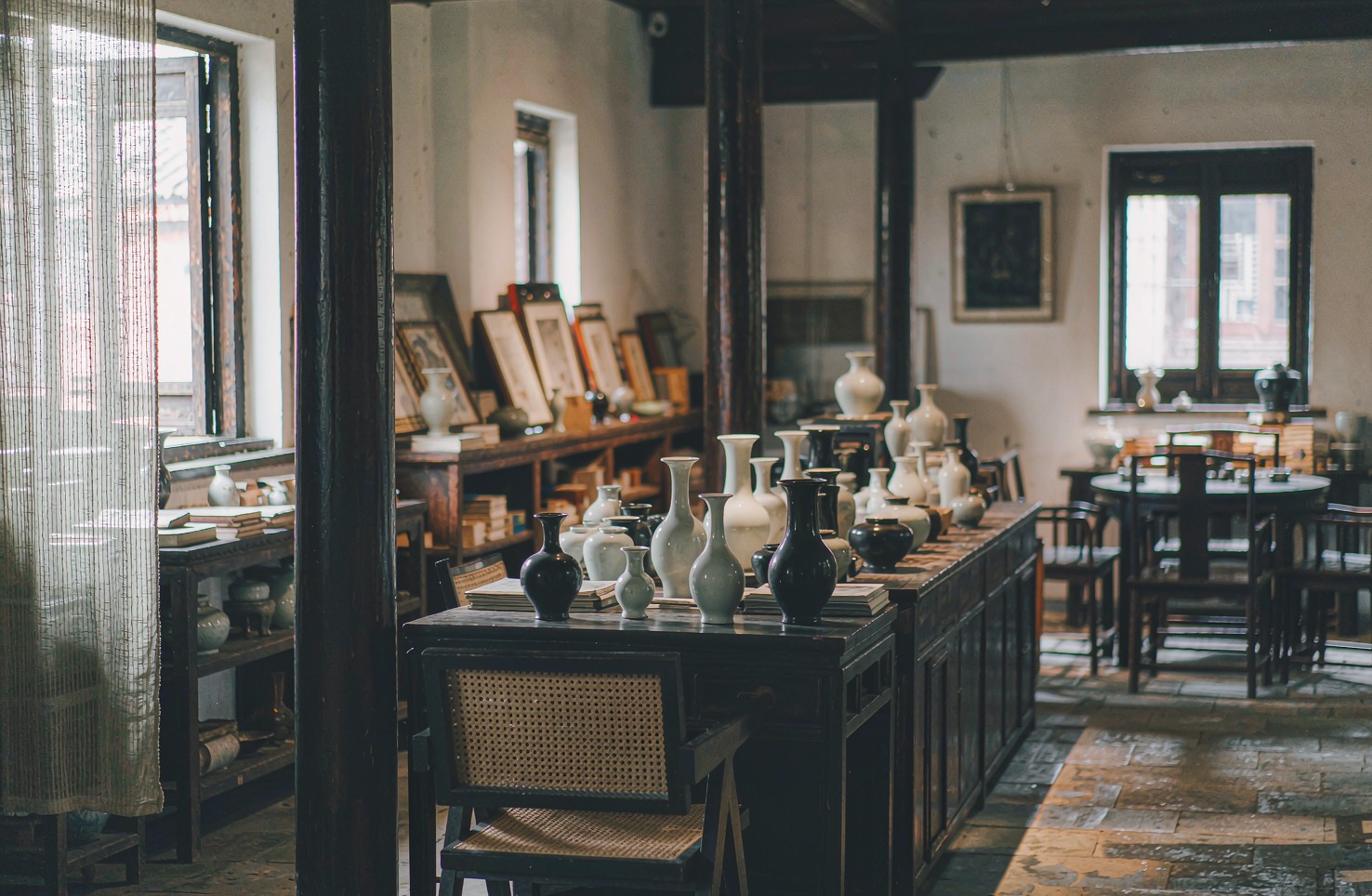
会客厅里被问得最多的问题不是价格,是这一句:这个能摸吗?所谓"可触碰",指的是把器物交还给手去判断。我们后来把答案写进了陈列逻辑——一半摆在手能够到的地方,另一半不摆。
▍能摸的那一半,为什么值得被摸
漆器、木器、竹编、银饰、织锦——这几类是鼓励上手的。
原因是很多品质,眼睛看不出来一只漆盒的重量对不对,要托在手里才知道;推光到没到位,要指腹贴着走一遍才清楚;竹编的篾片刮不刮手,得顺着摸过去;银器的厚薄,掂一下比看十眼更准。这些信息全在手上,隔着一层玻璃就全丢了。
让人上手也是"严选"的一部分:一件东西若怕人摸,多半也经不起日用。
▍不能摸的那一半,理由各不相同
蛋雕不摆出来上手,是因为壳薄到一定程度,指腹的力度就足以造成不可逆的损伤。薄胎瓷器同理,口沿是最脆弱的地方。面塑怕的是手上的湿气与温度,纸品怕的是汗渍,彩绘未完全干透的器物则要避开一切接触。
这些限制不是"规矩",是材料的条件。所以我们在做说明时,会把它讲成知识而不是禁令——告诉你一件东西怕什么,比告诉你不许碰更有用。
▍这条边界,其实是一个空间的价值所在
摆在架子上的东西,山西的与外省的各占一半,这是它给自己定的规矩。而"能不能摸"这条线,是与之并行的另一条:它把一个客厅从展厅里区分出来。
线上能看高清图,博物馆能看真品,但两者都不让人上手。一个让人把器物托在手里的地方,提供的不是更多信息,而是另一种信息——重量、温度、阻力、声音。这些东西决定了你会不会真的想把它带回家,也决定了它进家门之后能不能被长久使用。
所以下一次来,不用先问"能摸吗"。看它摆在什么位置——在手能够到之处的,就是请你摸的。
▍问答
问 | 非遗会客厅是什么地方?和店铺有什么不同?
答 | 它是可以坐下来看器物、聊手艺的空间,不按卖场的方式摆货,更像品牌与读者、与匠人见面的客厅。架上山西的与外省的各占一半,其中一半鼓励上手触摸;讲解的重点是"谁做的、怎么做的、该怎么养",而不是先谈价格。
问 | 摸器物会不会伤到它?需要注意什么?
答 | 对鼓励上手的器物,正常触摸不会造成伤害,但有三点建议:手上有汗或护手霜时先擦干;不要捏口沿、把手等薄弱处,托底更稳妥;长指甲与戒指容易在漆面、木面上留下划痕,可取下来再看。蛋雕、薄胎瓷、面塑、纸品这类不摆上手区的,请交由工作人员取放。
问 | 头一次买非遗手作,该怎么挑?
答 | 三条建议:一看用途,日用就挑趁手的器物,送礼则挑有来历的品类;二看养护条件,先弄清这类东西怕什么——怕潮、怕晒还是怕磕;三看来历,选能说清出自哪位匠人之手的真作。到现场上手摸一摸,往往比看图片更有用。
📩 非遗项目 | 匠人举荐 | 跨境出海 | 线下联营
欢迎留言或后台联系,我们与匠人同行。
—— 韵和鸣 · 与匠人同行
〖 厅 〗
English
Why the Half You Can Touch Is Worth Touching
Lacquerware, wood, bamboo, silver, woven silk: these are the ones we encourage people to handle.
The reason is that much of their quality cannot be seen. Whether a lacquer box has the right weight is only known when you hold it; whether the polishing is complete is only clear when a fingertip travels across it; whether bamboo splits are smooth has to be felt along the length; the thickness of silver is judged better by heft than by ten looks. All of this information lives in the hand, and a sheet of glass takes it away.
We would go further: letting people handle a piece is part of careful selection. An object that cannot bear being touched will probably not bear daily use either.
Egg-shell carving is not put out for handling because once the shell reaches a certain thinness, the pressure of a fingertip is enough to do irreversible harm. Thin-body porcelain is the same, with the rim the most fragile part. Dough sculpture fears the moisture and warmth of a hand; paper fears perspiration; and a piece whose painting has not fully cured must avoid contact altogether.
These limits are not rules but the conditions of the materials. So when we explain them, we present them as knowledge rather than prohibition: telling someone what a thing fears is more useful than telling them not to touch.
That Boundary Is Really Where the Value of a Space Lies
The Salon's display principle is half Shanxi, half the rest of the country. This boundary of touch is a second line running alongside it, and it is what separates a salon from an exhibition hall.
Online you can see high-resolution images, and in a museum you can see the real thing, but neither lets you pick anything up. A place that lets you hold an object in your palm offers not more information but a different kind: weight, temperature, resistance, sound. These decide whether you truly want to take it home, and whether it will be used for years once it is there.
So the next time you visit, there is no need to ask first. Look at where a piece has been placed: whatever sits within reach of your hand is there to be touched.
What is the Heritage Salon, and how does it differ from a shop?
It is a space where you can sit down to look at objects and talk about craft; goods are not laid out shop-style. It is closer to a living room where the brand meets its readers and its makers. Shanxi pieces and pieces from other provinces each take half the shelves, and half of everything invites handling; the explanation centers on who made it, how it was made and how to care for it, rather than on price first.
Does handling damage the pieces? What should one watch for?
For pieces that invite handling, normal touch causes no harm, but three suggestions: dry your hands if they are sweaty or have hand cream; avoid pinching thin parts such as rims and handles, and support from underneath instead; long nails and rings can scratch lacquer or wood, so you may wish to remove them. Pieces not placed in the handling area, such as egg-shell carving, thin porcelain, dough sculpture and paper works, should be left to staff.
Buying a piece of heritage handwork for the first time — how should one choose?
Three suggestions. Consider the use: for daily use choose something that sits well in the hand, for a gift choose a category with a story behind it. Consider the care: find out first what the material fears, whether damp, sun or knocks. Consider the provenance: choose a genuine piece whose maker can be named. Handling it in person is usually more informative than looking at pictures.
ICH Projects · Artisan Referrals · Global Distribution · Salon Partnerships
你可能还感兴趣
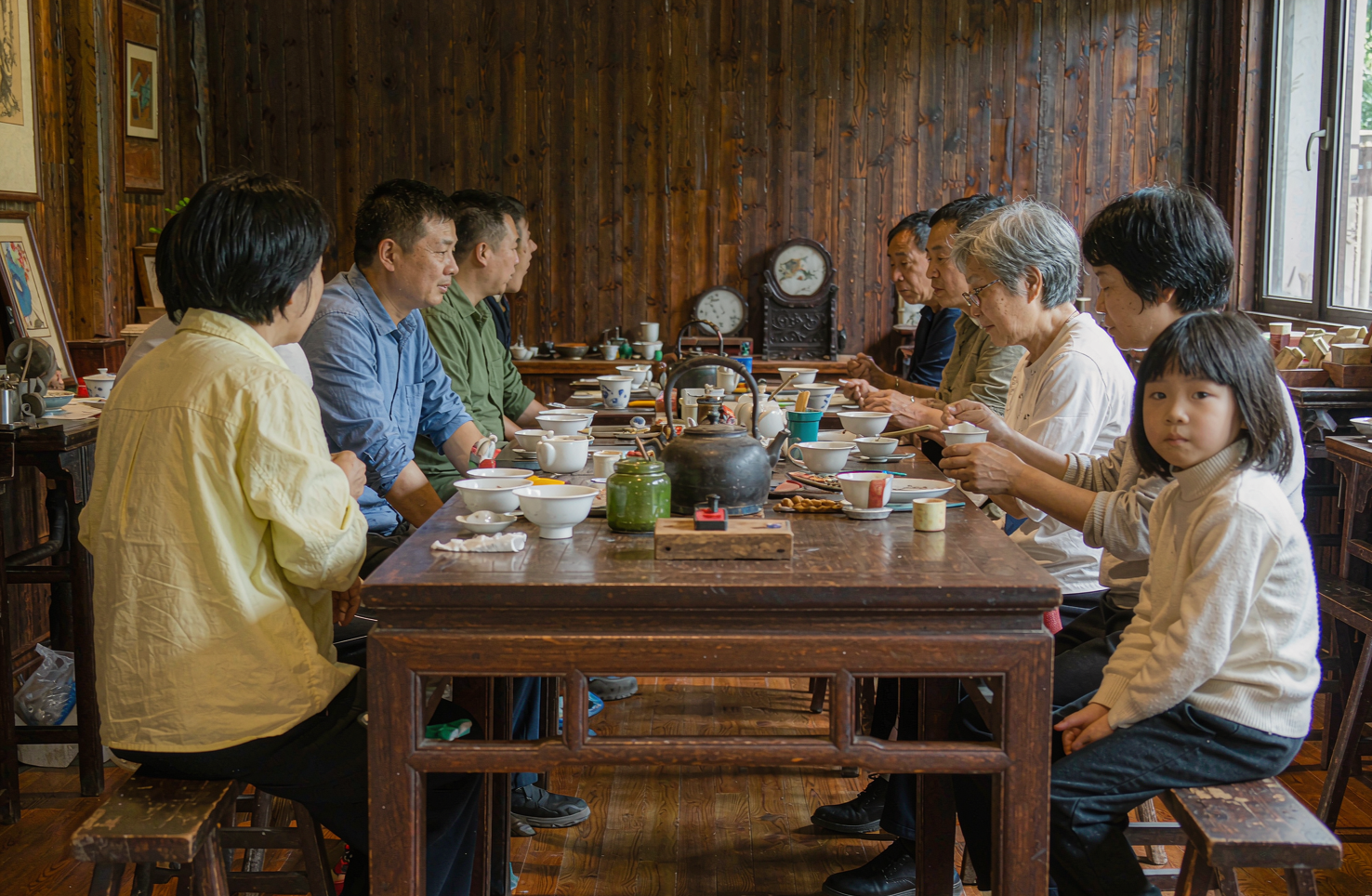
把"慢"做成一种体验:一间非遗会客厅的想法
我们习惯按功能给空间分类:吃饭的、购物的、办公的。但有一种很难归类——它在城市的闹处,不催你走,也不急着让你买单。关键在于,当"慢"被认真设计出来,它本身就可以是一种产品。
韵和鸣 · 2026/10/9 · 24 阅读
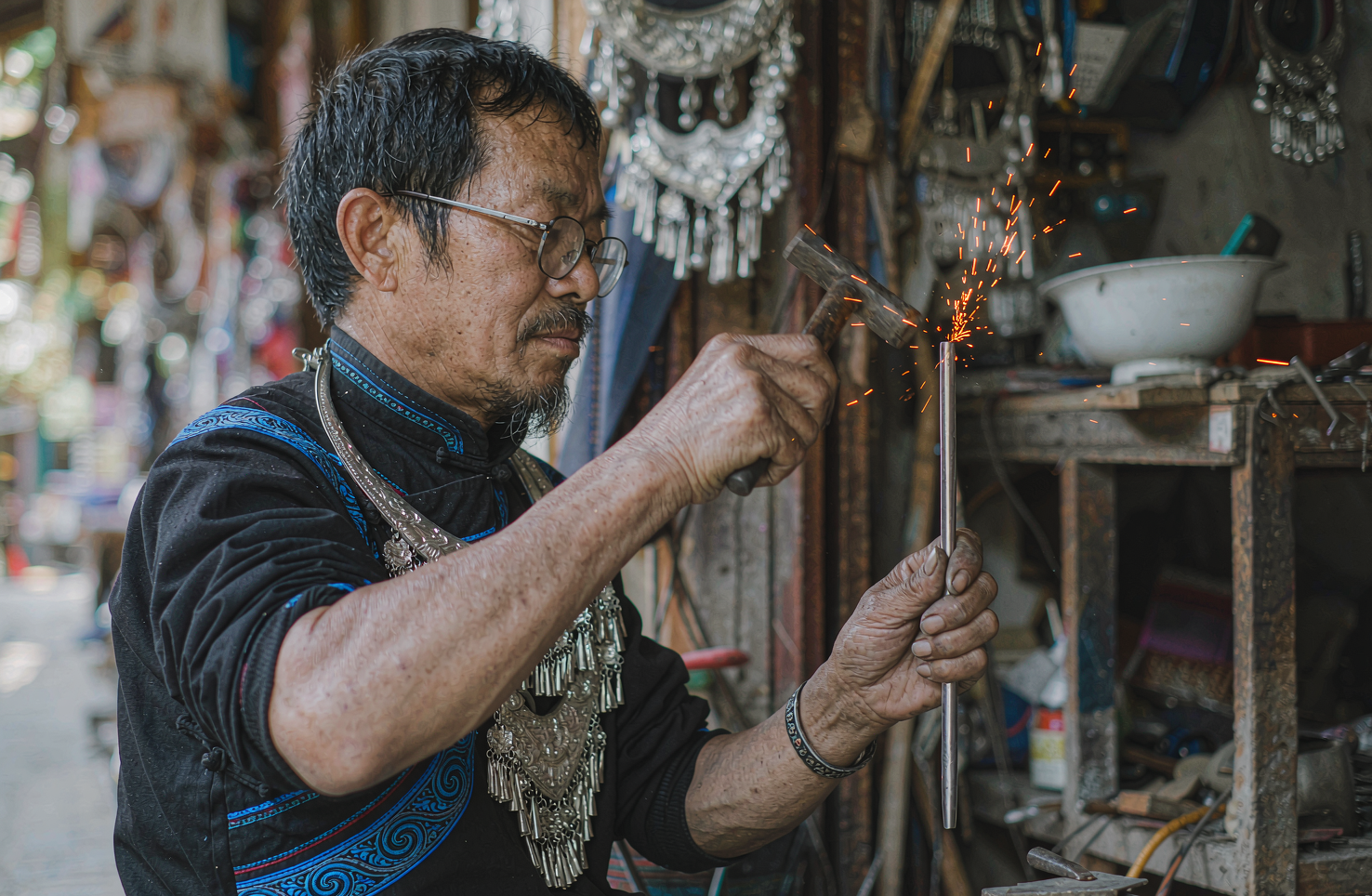
去贵州雷山,看一块银元如何变成一支银簪
在黔东南的苗寨里,银不只是一种首饰材料。它曾经是可以随时熔掉、重新打制的"存款",也是节日里一个女人身上最亮的那部分。关键在于,当一块老银元被放进坩埚,它要经过多少双手、多少道火,才重新成为一件能戴出门的东西。
韵和鸣 · 2026/10/9 · 42 阅读
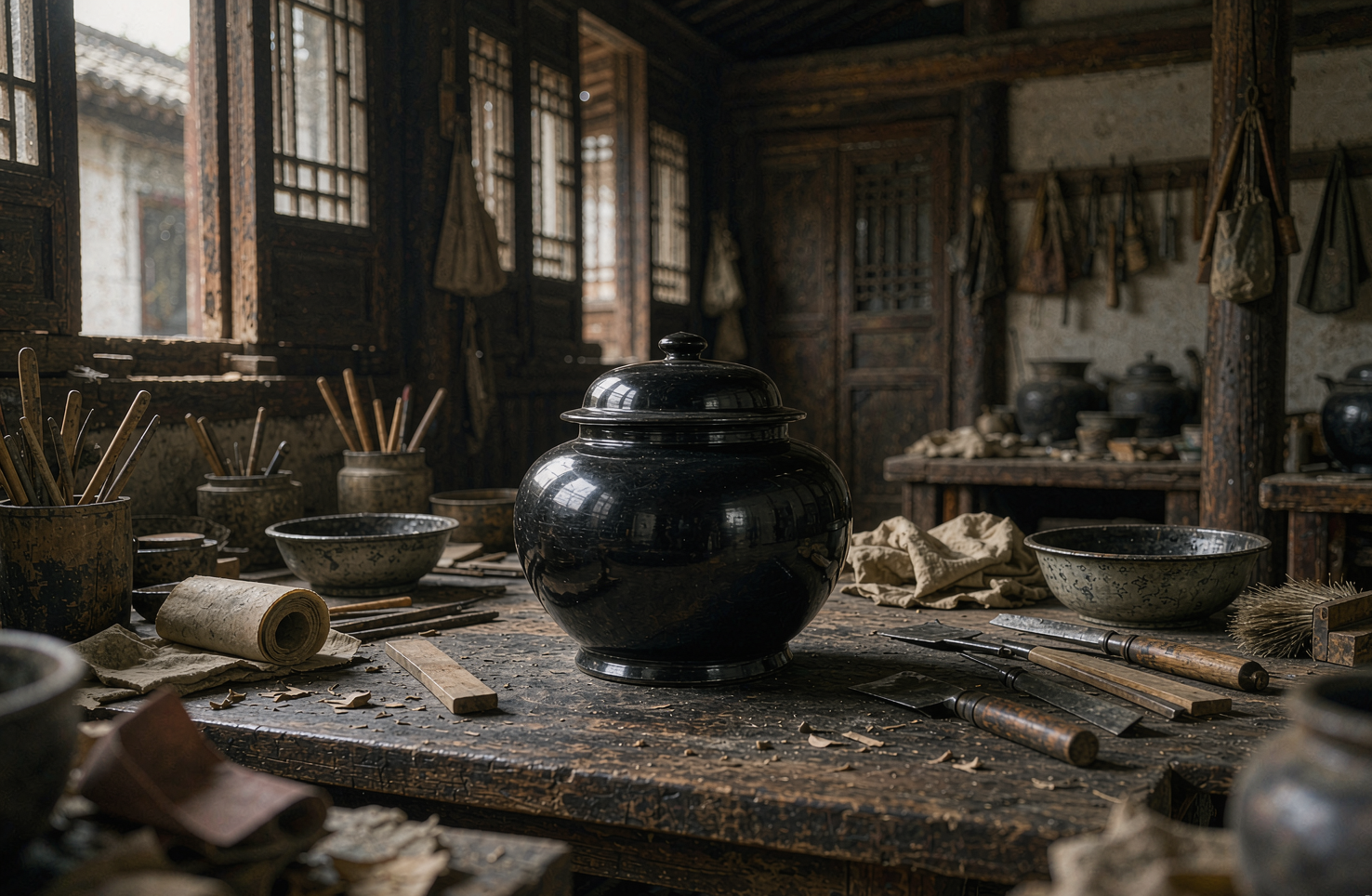
漆器为什么能埋八千年不坏
在博物馆做漆器研究与修复的研究员老周,桌上常年摆着两样东西:一段出土的漆皮残片,一只新做不久的平遥推光漆盘。他说这两样东西隔着八千年,却是同一种材料。这次对话,我们从"漆器为什么埋几千年不坏"聊起,聊到最后,其实是手艺对材料的理解问题。
韵和鸣 · 2026/10/14 · 30 阅读
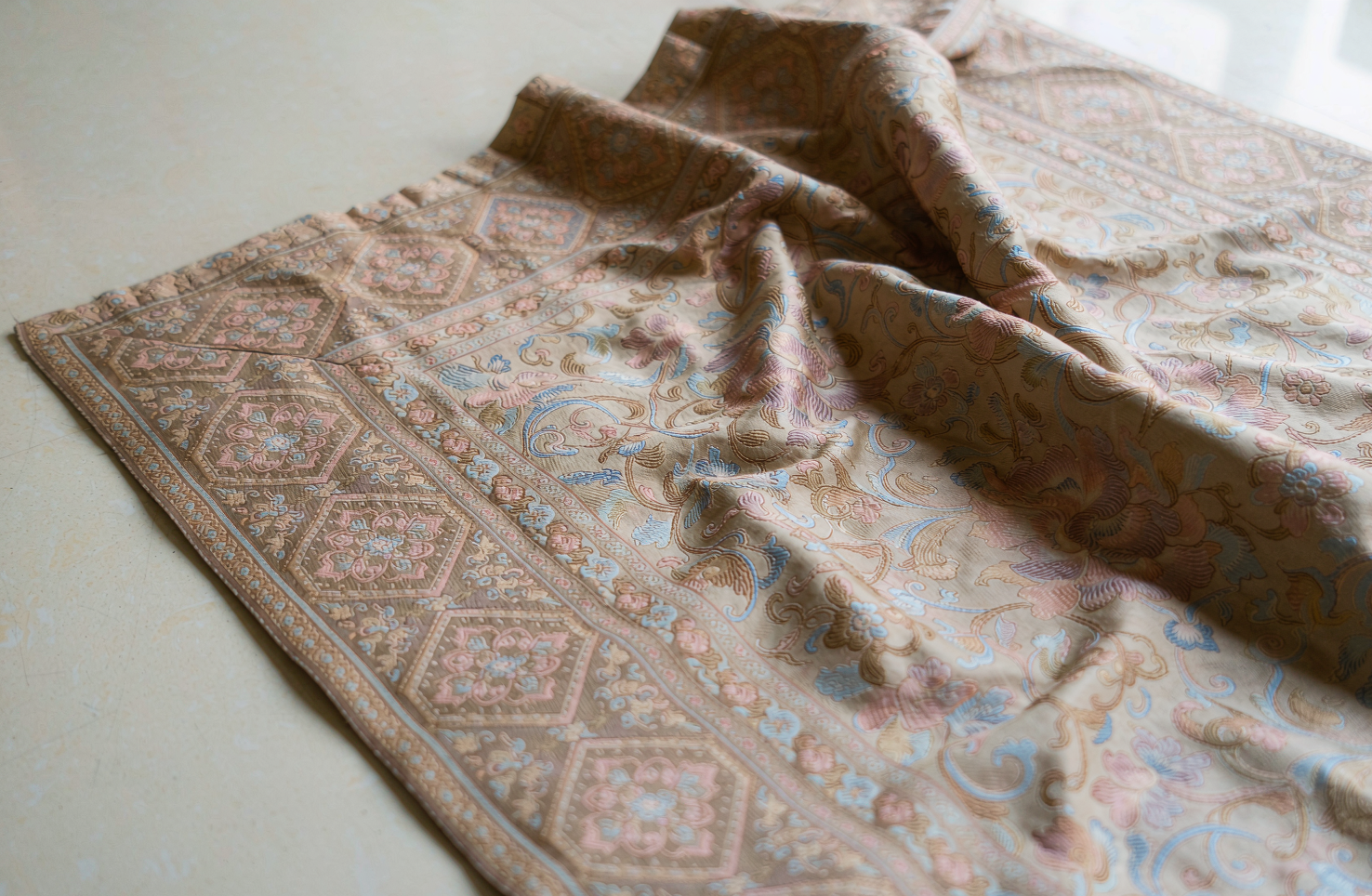
一方宋锦里,藏着宋人的审美秩序
初见宋锦,我的反应不是"好看",而是"安静"。它不像人们想象里的锦那样满身是光。带我看锦的老师傅说,正是这份安静,最难织。
韵和鸣 · 2026/10/8 · 25 阅读
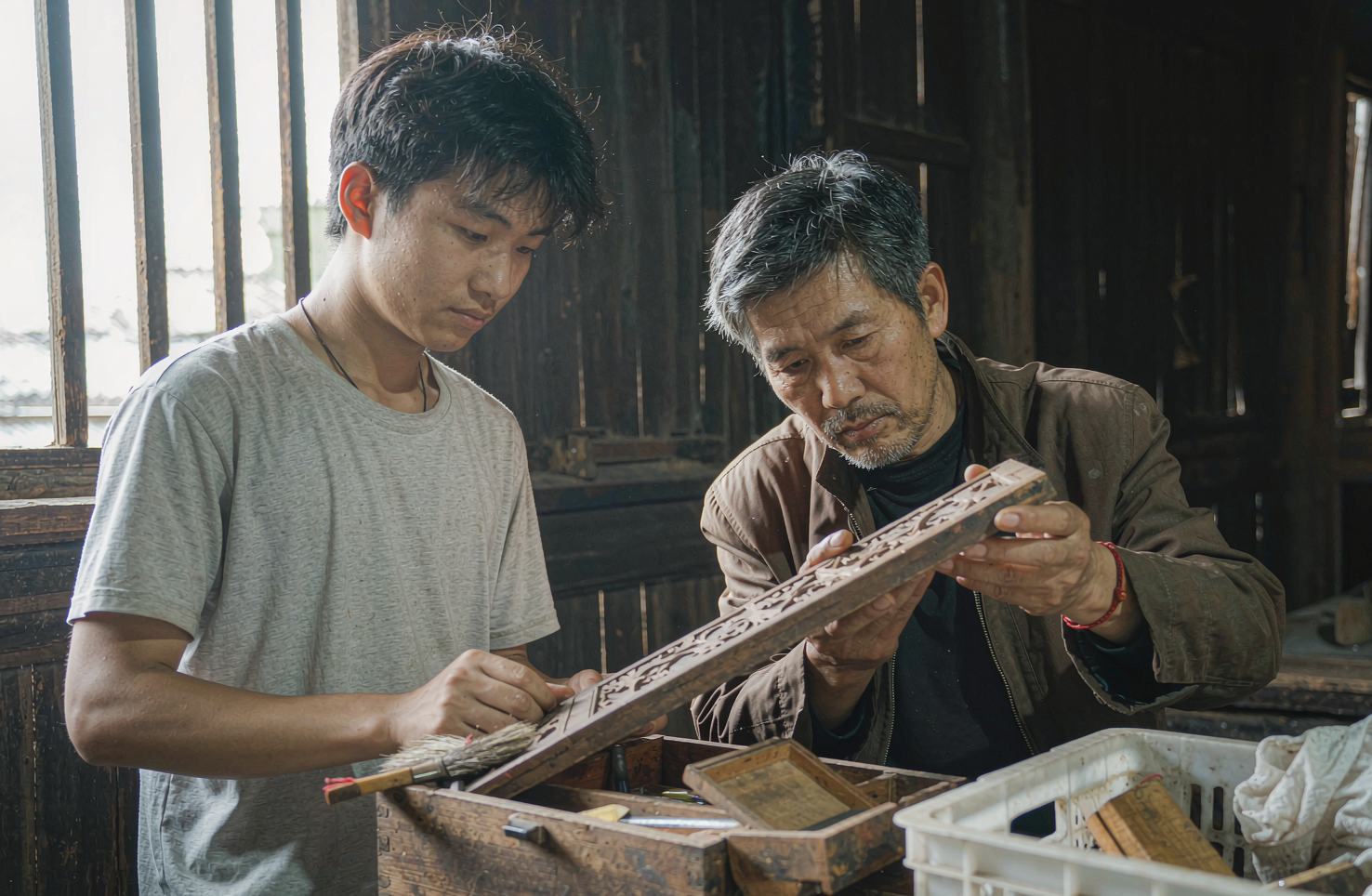
年轻人不愿学老手艺,该怪年轻人,还是怪这门手艺?
非遗传承里被讨论得最多的一句话是"后继乏人"。这句话往下追一层,就分成两条路:一条通向年轻人,说他们耐不住、看不上;一条通向他们面对的那门手艺,说它没能给出一条能活下去的路。这两条路,最近又吵起来了。
韵和鸣 · 2026/10/8 · 24 阅读
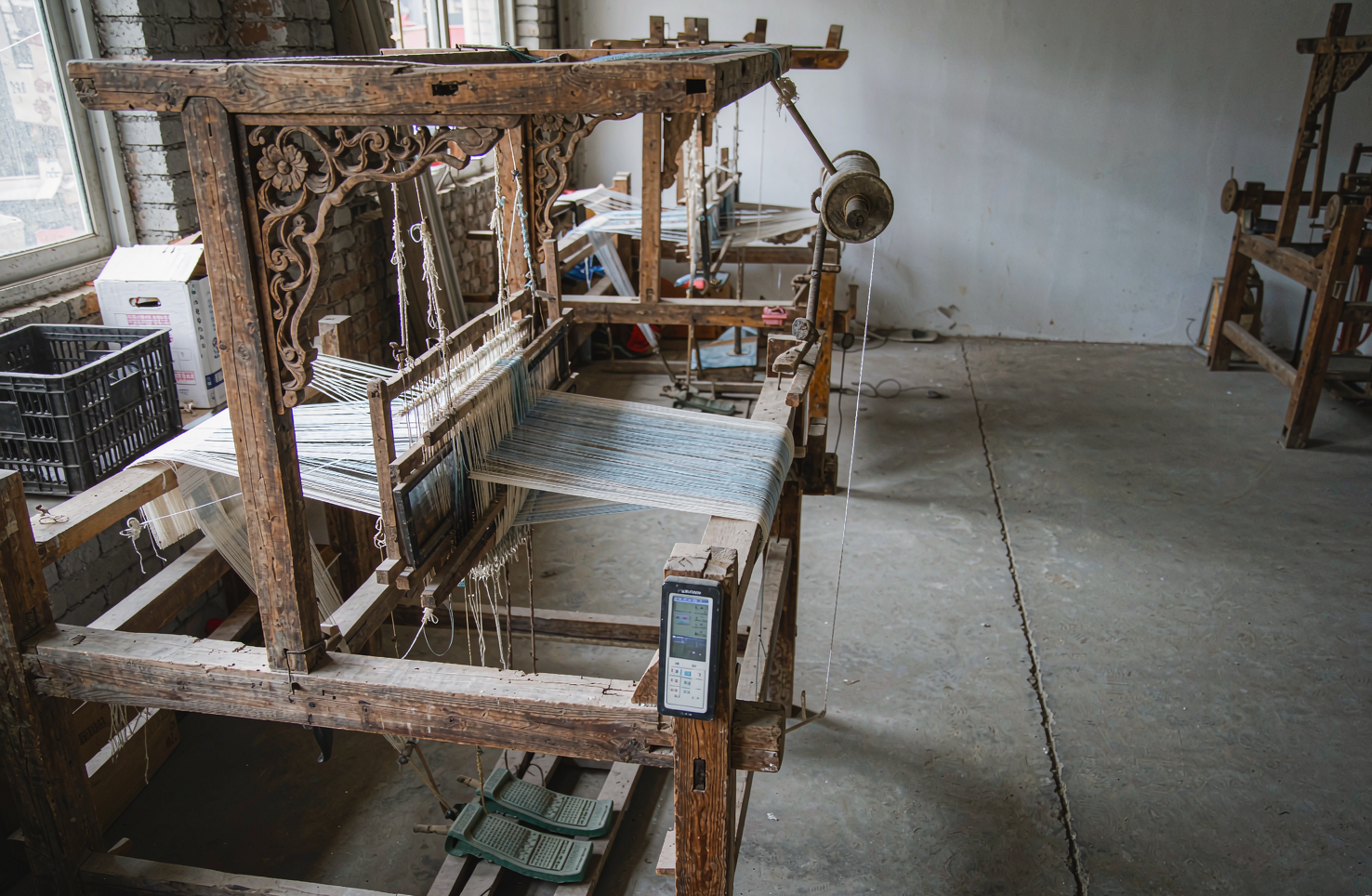
机器开始学手艺:是给匠人搭把手,还是来接班
一段流传很广的画面里,一台机械臂正跟着非遗传承人"学艺"——学劈丝、捻线、穿针。看的人分成两拨:一拨说技术帮上了忙,一拨说来抢饭碗了。同一件事读出两种意思,关键在于用什么尺度去量。
韵和鸣 · 2026/10/9 · 23 阅读