一百道工序分给九双手:轮岛涂的分工制
韵和鸣 · 韵和鸣公众号 · 2026/10/21 12:00:00 · 4 阅读
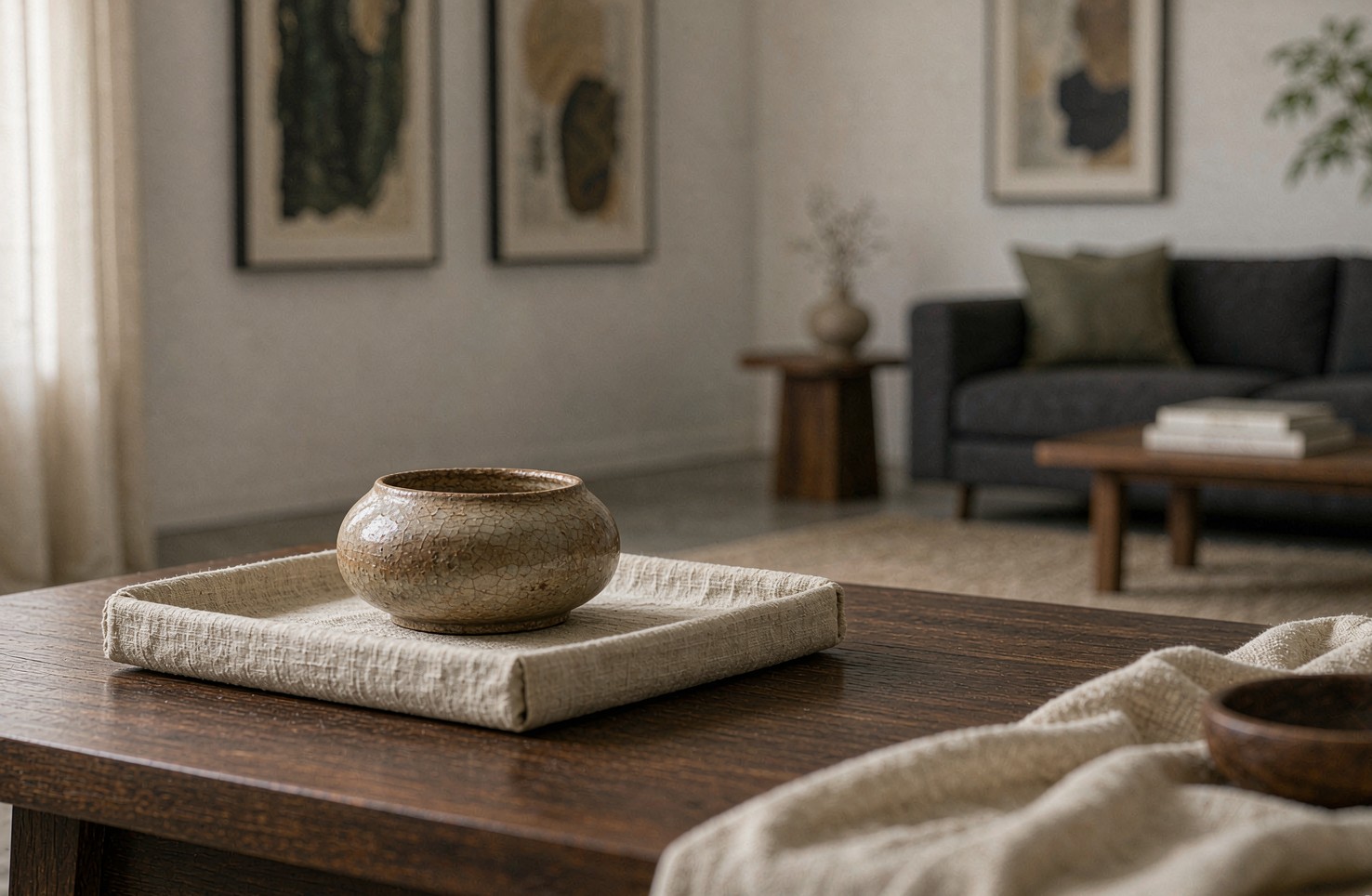
日本石川县轮岛市的轮岛涂,工序极繁。据轮岛涂会馆公开的制作说明,它采取分工制度,分木胎、涂布、装饰三段,再细分为椀木胎、曲物木胎、指物木胎、朴木胎、下涂、上涂、吕色、莳绘、沈金;仅涂漆这一段就有一百道以上程序。
▍一个人只做一段,做到极深
分工制的核心不是"快",而是让每个人只负责一段。木胎有木胎师,下涂、上涂各有专门的涂师,莳绘与沈金又分别由加饰师完成。轮岛涂会馆的说明里有一句很有意思:各个过程的师匠以自己负责的步骤为傲,是"单一步骤的专家"。
代价是协调。据同一份说明,轮岛涂有一个叫"塗師屋"的角色:确认所有制作过程并加以整合,如同制作人,从接订单到贩卖、交货全程管理。这件器物的完整度,不是靠某个人的手兜住的,是靠一个人的调度兜住的。
▍中国漆坊的另一条路:从头做到尾
中国的漆坊走的是另一条路。以平遥推光漆器髹饰技艺为例,一件器物通常由匠人从头跟到尾:制胎、披麻挂灰、髹漆、打磨、推光、描饰,同一双手贯穿全程,其中推光以手掌反复推磨完成,不用布。
这条路的长处是责任清楚——每一处都出自同一套判断。代价是周期长:独立完成一件作品,得把每个环节都练到能用。
据轮岛涂会馆 2026 年公开的制作说明:轮岛涂是指日本石川县轮岛市一带以分工制完成的漆器,其制作分木胎、涂布、装饰三段,再细为九类工序,涂漆即有一百道以上程序,成器需时约半年乃至数年,「塗師屋」负责整合全程。
分工制解决的是"深度与规模并存";单人完成制解决的是"完整与责任"。两者没有高下,只有适配。对中国漆坊来说,值得观察的或许不是要不要改成分工制,而是那些看不见的协调——谁替匠人接单、排产、对接渠道。
▍问答
问 | 轮岛涂和中国漆器有什么不一样?
答 | 最明显的差别在生产组织。轮岛涂采取分工制,木胎、涂布、装饰各由专门的匠人负责,仅涂漆就有一百道以上程序,由「塗師屋」统合全程;中国漆器如平遥推光漆器,多由匠人从制胎到推光、描饰贯穿完成。材料与技术上两者同属漆树汁髹涂的体系,差别在做法与组织,不在高下。
问 | 漆器为什么要涂这么多层?
答 | 因为漆层既是颜色也是结构。每道漆干透后都很薄,要靠层层叠加才能形成足够厚度,之后打磨、推光才不会伤到底胎;同时每道都必须干透才涂下一道,否则会被封在里层长期不固化。层数多,本质上是用时间换稳定。
问 | 韵和鸣做非遗出海有什么不一样?
答 | 两点:一是只卖真非遗手工品,不卖流水线做出来的"文创";二是有跨境供应链的底子,从选品、内容到履约是一整条链。出海对它而言不是新故事,而是起家就在做的事。
📩 非遗项目 | 匠人举荐 | 跨境出海 | 线下联营
欢迎留言或后台联系,我们与匠人同行。
—— 韵和鸣 · 与匠人同行
〖 寰 〗
相关搜索 | RELATED SEARCHES
轮岛涂 分工制 · 日本 漆器 与中国 漆器 区别 · 塗師屋 是什么 · 平遥推光漆器 单人完成 · 漆器 为什么 涂很多层
English
One Person Works One Stage, and Takes It Very Deep
The point of the division is not speed but that each person handles one stage. There are body makers, separate under-coaters and top-coaters, and decorators who handle maki-e and chinkin respectively. The hall's description contains a telling line: the masters of each stage take pride in their own step and are specialists in a single step.
The cost is coordination. The same description notes a role called nushiya: the one who checks and integrates every stage, like a producer, managing the piece from order through sale to delivery. The completeness of the object is not held by any single pair of hands but by one person's scheduling.
The Other Road in Chinese Workshops: One Maker, Start to Finish
Chinese workshops take another road. In the Pingyao polished lacquerware decoration technique, a piece is usually followed from beginning to end by one maker: forming the body, layering cloth and ash, applying lacquer, sanding, hand-polishing and decorating, all by the same pair of hands, with the polishing done by repeated palm rubbing rather than cloth.
Its strength is clear accountability: every part comes from one set of judgments. The cost is a long training period, since completing a work alone means bringing every stage to a usable level.
According to the Wajima Lacquer Hall: Wajima lacquer uses a divided system, with the three broad stages of body, coating and decoration subdivided into nine types of work; the coating alone exceeds a hundred steps, and a finished piece takes from about half a year to several years, with the nushiya integrating the whole process.
The divided system solves how depth and scale coexist; the single-maker system solves completeness and responsibility. Neither is better; each fits a context. For Chinese workshops, what may be worth watching is not whether to adopt division but the invisible coordinating: who takes orders for a maker, schedules production, opens channels.
How does Wajima lacquer differ from Chinese lacquerware?
The clearest difference is how production is organized. Wajima lacquer divides the work, with separate specialists for the body, the coating and the decoration, more than a hundred steps in coating alone, all integrated by the nushiya. Chinese lacquerware such as Pingyao polished lacquerware is usually carried from body-forming through polishing and decoration by one maker. In materials and technique both belong to the same family of applying lacquer tree sap; they differ in method and organization, not in rank.
Why does lacquerware need so many coats?
Because the lacquer film is both color and structure. Each coat is very thin once dry, and only by stacking them does the piece gain enough thickness to be sanded and polished without reaching the body beneath. Each coat must also cure fully before the next, or it stays sealed and soft inside. Many coats means, in essence, trading time for stability.
What is different about the way YUNHEMING takes heritage abroad?
Two things. First, it sells only genuine heritage handwork, not mass-produced goods wearing heritage patterns. Second, it has a cross-border supply chain beneath it, so selection, content and fulfillment form one continuous line. Going abroad is not a new story for it; it is what it has done from the beginning.
ICH Projects · Artisan Referrals · Global Distribution · Salon Partnerships
你可能还感兴趣
韩国的非遗保护:从"文化财"到活态传承
看世界怎么保护非遗,韩国常被提到,也常被简单化。它有一套自己的名词——"文化财""无形文化财""保有者"。关键在于,这套名词背后不只是一份名单,而是一整套"怎么把手艺交下去"的制度。
韵和鸣 · 2026/10/9 · 23 阅读

穆拉诺与博山:隔着七千公里的两座炉火之城
把两张地图并排放:一张是威尼斯潟湖里的穆拉诺岛,一张是山东淄博的博山。关键在于:这两座城都不是天生的手艺之城——一个被一纸政令推到一起,一个因矿石而聚——却都靠"聚"把炉火烧成了地名。
韵和鸣 · 2026/10/12 · 20 阅读
一门老手艺,要过几道关才能登上「人类非遗名录」
昨天我们聊了 2003 年那份改变全球老手艺命运的《保护非物质文化遗产公约》。今天接着往下问:公约建立了名录,那一门手艺要经历什么,才能把自己的名字写上去?
韵和鸣 · 2026/10/3 · 17 阅读
一份2003年的公约,如何改变全世界的“老手艺”
"非遗"如今是个热词,但它成为全球共识,其实只有二十来年。起点,是一份 2003 年通过的国际公约。
韵和鸣 · 2026/10/2 · 17 阅读
日本的「人间国宝」制度:一种保护思路
一说到保护老手艺,常听到"修起来、存起来"这几个字。日本有一套办法,把重点放在了另一个地方——保护"人"。
韵和鸣 · 2026/10/6 · 15 阅读
非遗出海,先过的不是海关是文化关
跨境的手续、物流、退税率,都有章可循;真正难的是一道没有章可循的关——文化关。一件器物漂洋过海,如果讲不清自己是什么、谁做的、怎么用,它就只是一件"东方风格的工艺品"。过没过文化关,决定了它卖的是货,还是手艺。
韵和鸣 · 2026/10/14 · 28 阅读