市集散场之后,晋中的非遗要往哪走
韵和鸣 · 韵和鸣公众号 · 2026/10/21 12:00:00 · 4 阅读

国庆假期,晋中在榆次老城办了一场非遗主题市集:10 月 1 日至 7 日,每天 14:30 到 21:00,30 个非遗铺面分成三大主题单元,配上沉浸式演艺与巡游。据山西省文化和旅游厅 2026 年 10 月的报道,这场市集由晋中市文化和旅游局打造,是推进国家级晋中文化生态保护区建设的一项举措。热闹过去了,真正的问题才刚开始。
▍一场市集的骨架:三个单元,三种非遗
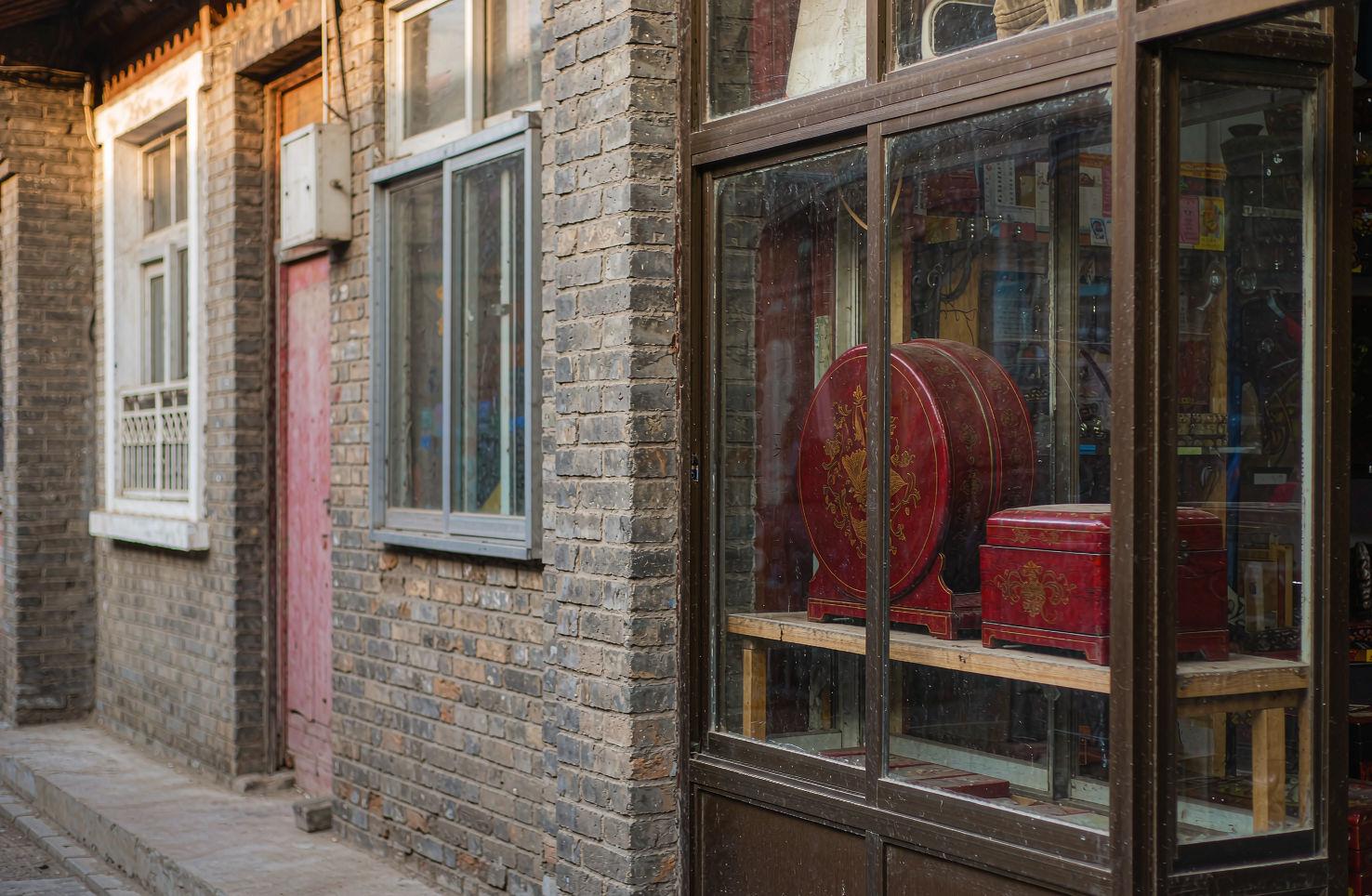
据山西省文化和旅游厅 2026 年 10 月 8 日与 10 月 12 日的两篇报道,市集分为三大主题单元。太行山水艺术单元主打自然,左权布艺虎、昔阳根雕、和顺牵绣摆在一起;中国传统文化单元主打信义,平遥推光漆器、介休琉璃、祁县玻璃器皿同场陈列,游客还能亲手印制古银票;休闲度假美食单元则汇聚平遥牛肉、榆次老陈醋、堡子酒等本地味道。
这样的分区不是摆得好看。它把"技艺类""民俗类""饮食类"三类非遗放进了同一个评价体系:都被当作可以围观、可以上手、可以带走的东西。对匠人来说,这是难得的被集中看见的机会;对城市来说,这是一次把文化资源整合打包的尝试。
▍常态化的三道坎
问题在于,七天的市集和三百六十五天的生意,是两件事。
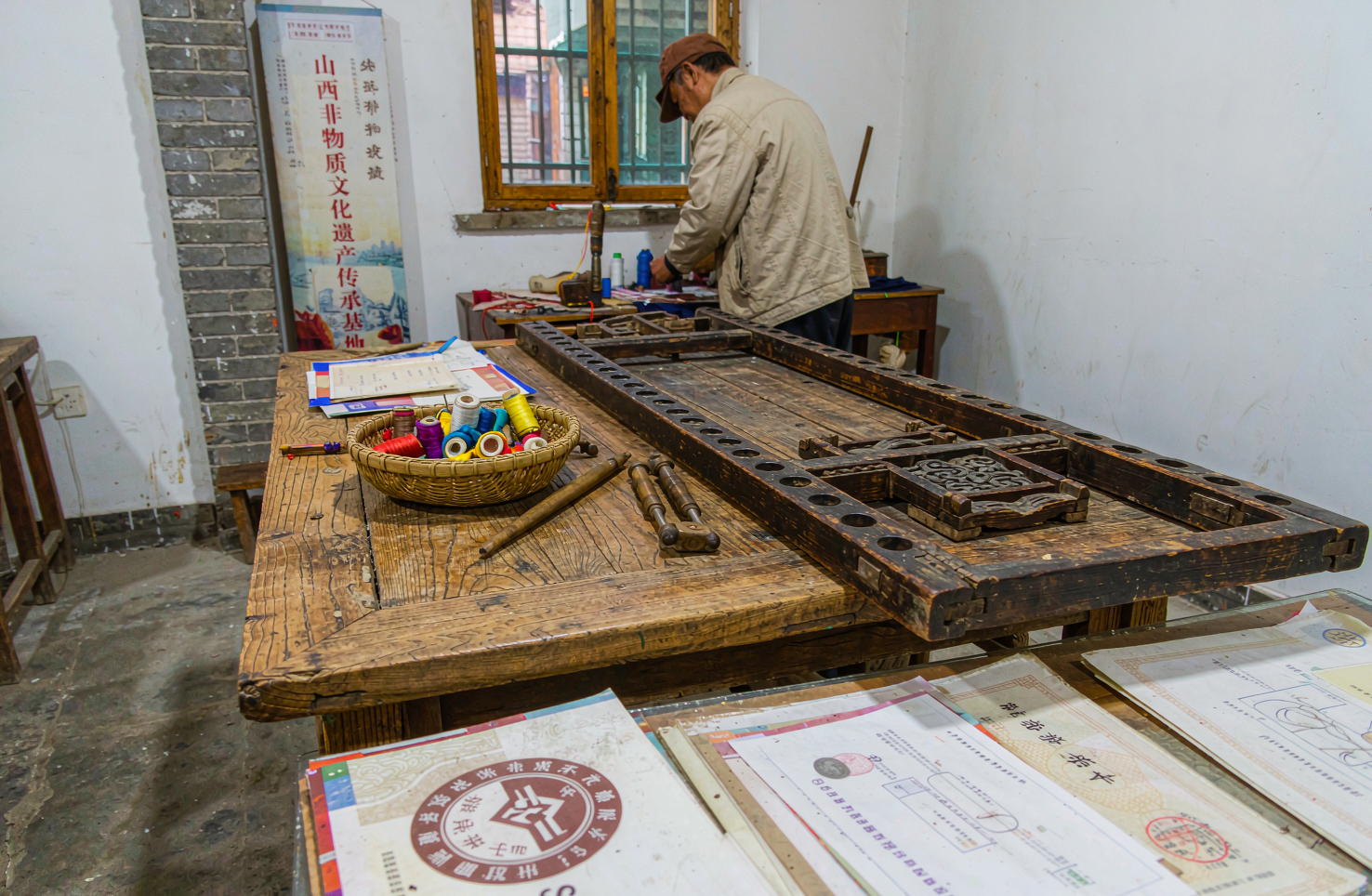
头一道坎是场地与租金。长假的老城有流量,长假之后的老城没有。要在平日里维持一个手艺铺面,靠的是稳定的本地客流与可行的成本结构,而不是节假日的峰值。第二道坎是产品结构。游客在市集上买的是"到此一游"的记忆,客单价通常不高;要让匠人靠这个过日子,得有能进入日常生活的产品线。第三道坎是传承。据同一批报道,介休琉璃烧制技艺传承人刘文婷在市集上开了研学课堂,十几个孩子围坐体验——这是七天的版本,长期版本需要的是课时、师资与考核。
▍生态保护区这个框架,能提供什么
晋中这场市集挂在"国家级晋中文化生态保护区(晋中市)"的名下。这个名头不是装饰,它意味着保护的对象从单一项目扩展到了整体环境——技艺、传承人、相关的民俗与空间一起被纳入视野。
在这个框架下,市集的价值不只在于七天的成交额,而在于它能不能变成一种固定的公共界面:让匠人有地方定期出现,让市民知道在哪里能找到他们,让孩子有反复接触的机会。做到这一点,市集就从活动变成了设施。
对我们这些做非遗出海的人来说,晋中的做法值得留意的地方还在于:它把漆器、琉璃、玻璃器皿、布艺、根雕摆在同一条街上,等于替外来者做了一份"本地手艺地图"。地图先画清楚,货才走得出去。
据山西省文化和旅游厅 2026 年 10 月 8 日《晋中市举办"怡然晋中 甜美相约"非遗主题市集》与 10 月 12 日《国庆假日绘盛景 怡然晋中迎客来》两篇报道:该市集于 2026 年 10 月 1 日至 7 日在榆次老城举办,由晋中市文化和旅游局打造,设 30 个非遗铺面与三大主题单元,是推进国家级晋中文化生态保护区建设的举措之一。
以上仅为个人梳理,具体以官方原文为准。
▍问答
问 | 什么是国家级文化生态保护区?
答 | 它是中国非遗保护的一种整体性制度安排,保护对象不限于单个非遗项目,而是把某一区域内相互关联的非遗、其依存的自然与人文环境、相关传承人群一起纳入保护范围,强调整体保护与活态传承。晋中文化生态保护区即属这一类别,其建设情况以文化和旅游部门公开发布的信息为准。
问 | 非遗市集对匠人到底有什么用?
答 | 三层价值:短期是现金流,几天卖出的货能补上工匠淡季;中期是被看见,游客拍照传播带来的后续订单往往滞后几个月;长期是反馈,匠人在现场能直接听到用户说什么、嫌什么、愿意为什么付钱。前提是摊位费与时间成本不把前两层吃掉。
问 | 韵和鸣的器物都来自哪里?只做山西的吗?
答 | 不只山西。韵和鸣以山西平遥推光漆器髹饰技艺起家,根在这里,但收的器物与服务的匠人覆盖全国,整合漆、竹、绣、银、锦、瓷等多个品类。产地在哪不是标准,是不是真非遗手工才是。
📩 非遗项目 | 匠人举荐 | 跨境出海 | 线下联营
欢迎留言或后台联系,我们与匠人同行。
—— 韵和鸣 · 与匠人同行
〖 平 〗
相关搜索 | RELATED SEARCHES
晋中 文化生态保护区 · 山西 非遗 市集 · 榆次老城 非遗 活动 · 平遥推光漆器 介休琉璃 · 非遗 常态化 运营
English
The Skeleton of a Market: Three Sections, Three Kinds of Heritage
According to two reports from the Shanxi Provincial Department of Culture and Tourism dated October 8 and October 12, 2026, the market was arranged in three sections. The Taihang landscape section centered on nature, setting Zuoquan cloth tigers, Xiyang root carving and Heshun embroidery side by side. The Chinese traditional culture section centered on trust, displaying Pingyao polished lacquerware, Jiexiu glazed ceramic and Qixian glassware together, with visitors able to print old-style bank drafts themselves. The leisure section gathered local flavors: Pingyao beef, Yuci aged vinegar, Baozi liquor.
The arrangement was not merely decorative. It placed craft-type, folk-custom-type and food-type heritage into a single frame: all of them treated as things to watch, to touch and to carry home. For makers it is a rare chance to be seen together in one place; for the city it is an attempt to package cultural resources as one offering.
Three Hurdles on the Way to Regular Programming
The problem is that a seven-day market and a year-round business are two different things.
The first hurdle is space and rent. An old city during a long holiday has traffic; afterwards it does not. Keeping a craft stall open on ordinary days depends on a steady local flow and a workable cost structure, not on peak holiday numbers. The second is product structure. Visitors at a market buy a memory of having been there, usually at a modest price; for a maker to live on this, there must be a line of products that enters daily life. The third is transmission. The same reports note that Liu Wenting, bearer of the Jiexiu glaze firing technique, ran a study session at the market with a dozen children around her. That is the seven-day version; the long version needs class hours, teachers and assessment.
What the Ecology Zone Framework Can Offer
The market in Jinzhong was staged under the name of the national-level Jinzhong cultural ecology protection zone. That title is not decoration: it means the object of protection expands from a single item to a whole environment, with the craft, its bearers and the surrounding customs and spaces brought into view together.
Under that framework, the value of a market lies not in seven days of transactions but in whether it can become a fixed public interface: a place where makers appear regularly, where residents know where to find them, where children can come back again and again. Achieve that, and a market stops being an event and becomes infrastructure.
For those of us taking heritage abroad, there is something else worth noting in the Jinzhong approach: putting lacquerware, glazed ceramic, glassware, cloth art and root carving on one street amounts to drawing a map of local crafts for outsiders. Draw the map first; then the goods can travel.
According to two reports from the Shanxi Provincial Department of Culture and Tourism, "Jinzhong Holds the 'Pleasant Jinzhong, Sweet Encounter' Heritage Market" of October 8, 2026, and "A Flourishing National Day Holiday as Pleasant Jinzhong Welcomes Guests" of October 12, 2026: the market ran from October 1 to 7, 2026, in the old city of Yuci, organized by the Jinzhong municipal culture and tourism bureau, with thirty heritage stalls and three themed sections, as one measure in building the national-level Jinzhong cultural ecology protection zone.
The above is a personal summary only; the official texts are the authority.
What is a national-level cultural ecology protection zone?
It is a holistic arrangement within China's heritage protection system. Rather than a single item, it brings into protection the interrelated heritage of a region, the natural and cultural environment it depends on, and the communities of bearers who carry it, emphasizing integrated protection and living transmission. The Jinzhong zone belongs to this category; its status follows information published by the culture and tourism authorities.
What use is a heritage market to a maker, really?
Three layers of value. In the short term, cash flow: a few days of sales fill the slack season. In the medium term, being seen: orders that follow from visitors' photos often arrive months later. In the long term, feedback: at a stall a maker hears directly what people say, what they object to and what they will pay for. The precondition is that stall fees and time costs do not eat the first two layers.
Where do YUNHEMING's pieces come from? Only Shanxi?
Not only Shanxi. YUNHEMING began with the Pingyao polished lacquerware decoration technique, and its roots are there, but the pieces it takes in and the makers it serves come from across the country, spanning lacquer, bamboo, embroidery, silver, silk and ceramic. Where something comes from is not the criterion; whether it is genuine heritage handwork is.
ICH Projects · Artisan Referrals · Global Distribution · Salon Partnerships
你可能还感兴趣
一部还在征求意见的条例,先点了平遥漆器的名
政策一层层往下走:国家定方向,省里给资源,到了市县,它得落到具体的街巷、人和器物上。关键在于,一部市级条例点到哪门手艺、又把它放在哪一条里,比笼统表态更能说明当地的取舍。
韵和鸣 · 2026/10/9 · 39 阅读

一座县城,为什么要为一门手艺专门立法
法律通常管大事。可在晋中,有一部地方性法规,只为一门手艺而立——平遥推光漆器髹饰技艺。这背后,是一座县城对手艺的全部认真。
韵和鸣 · 2026/10/2 · 29 阅读

一份招商清单背后,平遥漆器专业镇想长成什么样
政策落到市县一级,往往不是一份文件,而是一张清单。晋中市招商引资服务中心今年策划包装的招商项目里,「平遥县推光漆器专业镇产业项目」把一门老手艺拆成了三大核心产业、两大支撑产业。说到底,这份清单回答的是一个朴素的问题:一座以漆器闻名的县城,接下来靠什么把产业做大。
韵和鸣 · 2026/10/13 · 25 阅读

平遥这两门老手艺,怎么长成了一个省级专业镇
一个县,两门老手艺,从"家家有作坊"走到"省级重点专业镇",中间隔着什么?平遥的答案,落在一件件具体的事上。
韵和鸣 · 2026/10/6 · 20 阅读
从 700 万到 1219 万:山西给非遗的钱,多在了哪
所谓"专项资金",指的是财政预算里单列出来、指定用途的那一笔钱——它比口号诚实。看一个地方对非遗上不上心,与其听表态,不如翻账本;关键在于,钱往哪走,判断就往哪走。
韵和鸣 · 2026/10/8 · 33 阅读

一门手艺的背后,政策怎么把人接住
前面几期,我们把国家、省、市三级的新文件挨个捋了一遍。这一轮收个口:不解读新文件,只看一条贯穿四级政策的暗线——人。名录、工坊、产业,说到底都要有人去做;而这一轮政策最值得记下的变化,是把"支持传承人"从一句原则,拆成了看得见的台阶。
韵和鸣 · 2026/10/14 · 29 阅读