一支年轻团队的非遗「入行课」
韵和鸣 · 韵和鸣公众号 · 2026/10/20 12:00:00 · 8 阅读

我们团队的年纪普遍不大,入行时几乎没人懂手艺。带新人的头一课不是讲品牌,是让他们把手伸进材料里:摸一摸生漆的黏稠,掂一掂一块木胎的分量,看一眼阴干房里的湿度计。手艺这件事,听说是学不会的。
▍先认材料,再谈审美
新人常问的头一个问题是「这个好不好看」,我们通常不先回答。好看是结果,材料与工序才是原因。
认材料从生漆开始。平遥推光漆器髹饰技艺是指以天然生漆髹涂、经阴干与推光完成的传统技艺,2006 年列入国家级非物质文化遗产名录(文化和旅游部)。练法是:同一类器物拿三件摆在一起,一件手工、一件半手工、一件机制,让新人说出差别。说不出来就再看,看到能说出来为止。
▍再认工序,知道慢在哪里
第二课是工序。新人要能说出一件器物从原料到出厂经过哪几步,每一步为什么要等。
「为什么要等」是这课的关键。阴干要等,是因为漆膜要在合适的温湿度里慢慢固化;退光要等,是因为上一道的痕迹要彻底稳定才能进入下一道。懂了等待的理由,才不会在客户催单时轻易答应缩短工期。
▍最后认人,也认边界
第三课最难:认人。不是记住名字,是理解一位匠人为什么这么做——他为什么拒绝某种订单,为什么坚持某道工序,为什么对某件旧物格外上心。
认人的同时要认边界。品牌不该替匠人回答技术判断,也不该为了成交替匠人承诺工期。我们给新人立的一条规矩是:凡是涉及工序与时间的答复,都要回到匠人那里确认一遍再出口。
▍收束:入行课没有毕业的那天
这三课我们自己也还在上。每换一个品类,材料、工序与人都要重新认一遍——苏绣的丝光与推光漆器的漆光,是两套完全不同的语言。
年轻不是优势,跑得动才是。把时间花在工坊里,比花在会议室里有意义得多。
▍问答
问 | 想入行做非遗相关工作,需要什么基础?
答 | 手艺背景有帮助,但不是门槛。更常用的是三种能力:能分辨材料与工序的差别、能把手艺讲成别人听得懂的话、能接受慢节奏的交付周期。入行路径通常是先进工坊、再学品类——每换一个品类就要重新认一遍材料与人,这门课没有毕业的那天。
问 | 为什么非遗手作的工期总是很长?
答 | 因为多道工序必须在等待中完成。以漆器为例,每髹涂一道都要进阴干房,在合适的温湿度里固化后才能打磨、再髹下一道,层数越多周期越长;此外还有失败重来的概率。工期长对应的是工序,不是效率问题——压缩等待时间,代价通常是附着力与稳定性下降。
问 | 韵和鸣的团队是什么样的?
答 | 是一支年轻的团队,大部分时间在全国各地的老街深巷里拜访匠人;背后有数据分析、设计、算力服务中心、客服、物流等完整的部门支撑。公司在新加坡与德国也设有团队,做非遗出海是这支团队的日常。
📩 非遗项目 | 匠人举荐 | 跨境出海 | 线下联营
欢迎留言或后台联系,我们与匠人同行。
—— 韵和鸣 · 与匠人同行
〖 生 〗
English
Learn the Materials First, Talk About Taste Later
The first question newcomers ask is usually whether something looks good, and we generally do not answer it first. Looking good is a result; materials and process are the cause.
Learning materials begins with raw lacquer. The Pingyao polished lacquer decoration technique refers to the traditional craft of coating an object with natural raw lacquer, then drying and hand-polishing it; it was inscribed on the national intangible cultural heritage list in 2006 (Ministry of Culture and Tourism). The exercise is this: place three objects of the same kind side by side, one handmade, one partly handmade, one machine-made, and let the newcomer say what differs. If they cannot, they look again until they can.
Then Learn the Process, and Know Where the Slowness Is
The second lesson is process. A newcomer must be able to say how many steps an object passes through from raw material to finished piece, and why each waits.
Why it waits is the key. Drying waits because the lacquer film must cure slowly at the right temperature and humidity; resting between polishes waits because the marks of the previous stage must settle before the next begins. Once the reason for waiting is understood, it becomes much harder to promise a shorter lead time when a customer pushes.
Finally, Learn the People, and Learn the Boundaries
The third lesson is the hardest: learn the people. Not to memorize names, but to understand why a maker works the way they do — why they refuse a certain order, why they insist on a certain step, why they care especially about some old object.
Learning the people means learning boundaries too. A brand should not answer technical judgments on a maker's behalf, nor promise a lead time in order to close a sale. One rule we set for newcomers: any reply that touches process or timing must be confirmed with the maker before it leaves our mouths.
We are still taking these three lessons ourselves. Every time the category changes, the materials, the process and the people must be learned again — the luster of Su embroidery silk and the sheen of polished lacquer are two entirely different languages.
Being young is not the advantage; being able to keep moving is. Time spent in a workshop means far more than time spent in a meeting room.
What background do you need to work in the heritage field?
A craft background helps but is not a requirement. What matters more are three abilities: telling the difference between materials and processes, explaining a craft in language others understand, and accepting a slow delivery rhythm. The usual path in is to enter a workshop first and learn categories afterward — every new category means learning the materials and the people again, and this course has no graduation day.
Why are lead times for heritage handwork always long?
Because many steps can only be completed through waiting. In lacquerware, for instance, each coat goes into the drying room and can only be ground and coated again after curing at the right temperature and humidity; the more layers, the longer the cycle. Add the chance of a failure that must be redone. A long lead time reflects the process, not inefficiency — compressing the wait usually costs adhesion and stability.
What kind of team does YUNHEMING have?
It is a young team, spending most of its time visiting makers in old streets and deep lanes across the country, supported at the back by complete departments for data analysis, design, computing services, customer service and logistics. The company also has teams in Singapore and Germany; taking heritage abroad is this team's daily work.
ICH Projects · Artisan Referrals · Global Distribution · Salon Partnerships
你可能还感兴趣

山西一半,全国一半:一个品牌的地理观
做一个非遗品牌,很容易掉进一个舒服的陷阱:把家乡的手艺讲成一个地方故事,然后靠"特产"两个字活着。这条路不难走,但也走不远。
韵和鸣 · 2026/10/8 · 16 阅读
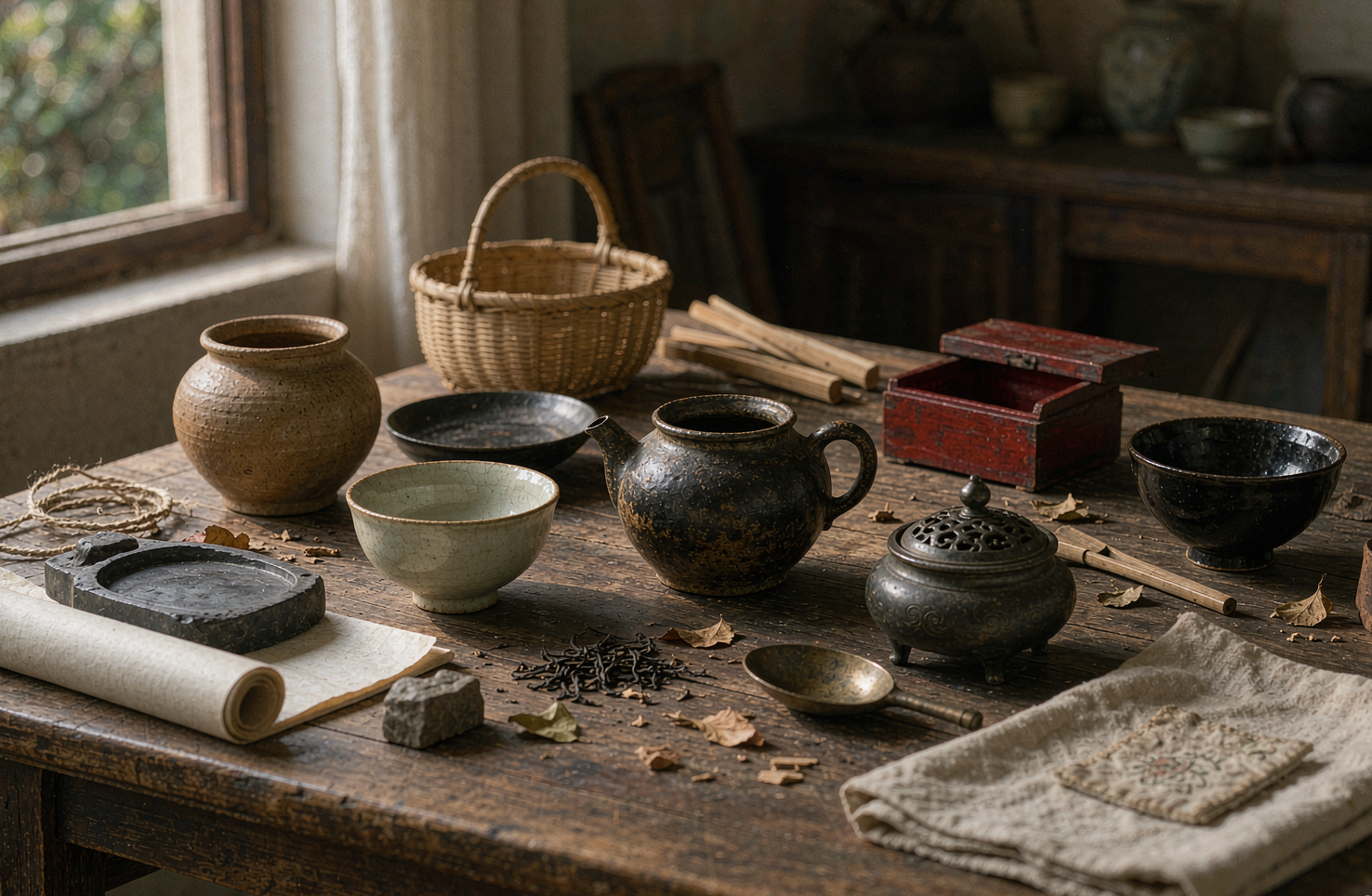
抢救一门濒危手艺,难在哪四件事
非遗名录里有一类项目,等不起慢工——传承人年事已高,徒弟寥寥,说法是"人走艺绝"。抢救性保护喊了很多年,落到实处难在哪?拆开看是四件事,一件比一件不光鲜。说到底,抢救的不只是档案,是一门手艺重新回到生活的机会。
韵和鸣 · 2026/10/14 · 14 阅读
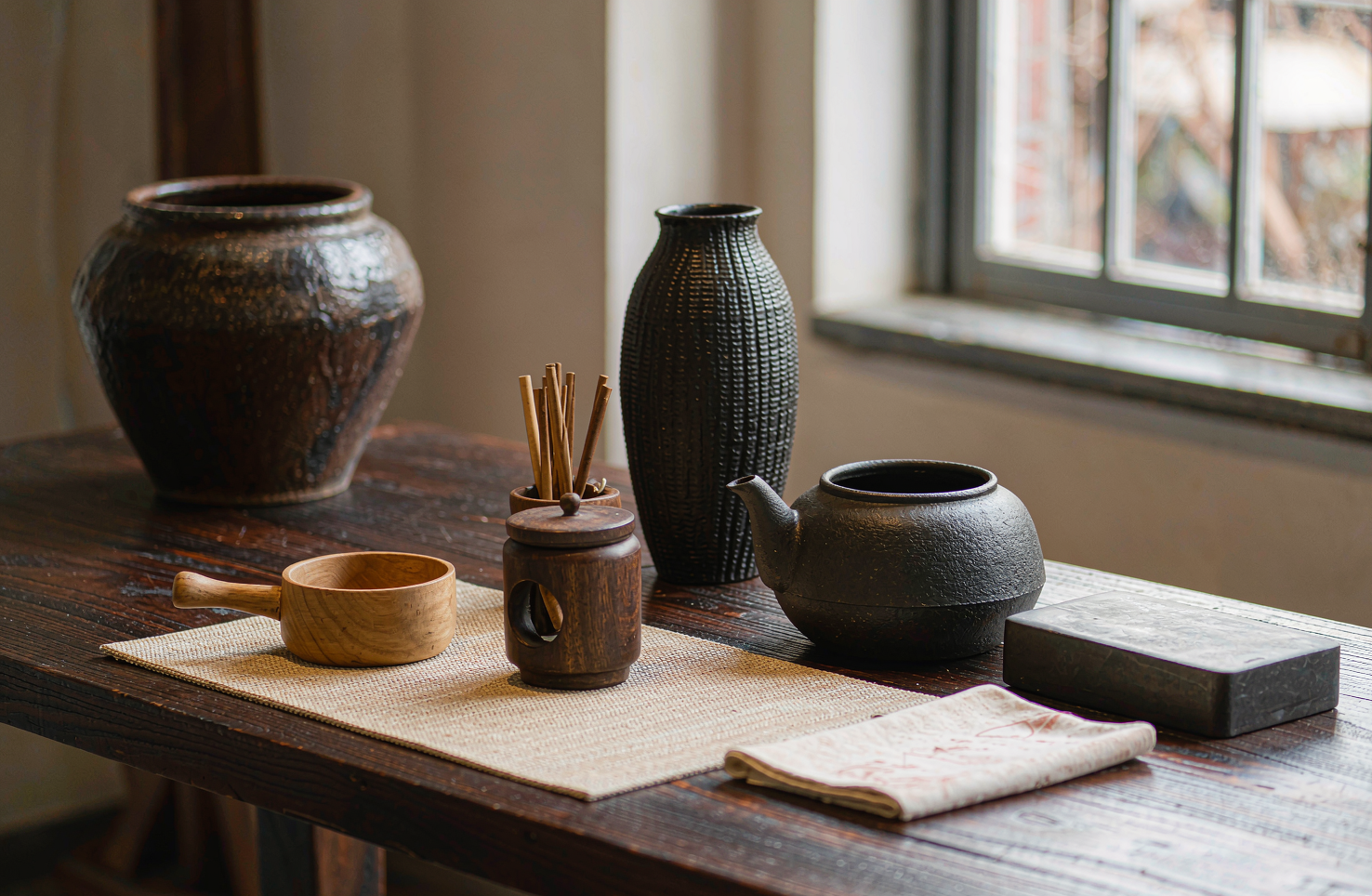
六大非遗矩阵,是怎么被凑到一起的
一个品牌摆出来的东西,会暴露它自己的标准。漆、竹、绣、银、锦、瓷——这六样来自不同地方、不同工艺的手作,被放在同一张桌上,靠的不是好看,说到底是一套谁都绕不过去的门槛。
韵和鸣 · 2026/10/10 · 13 阅读
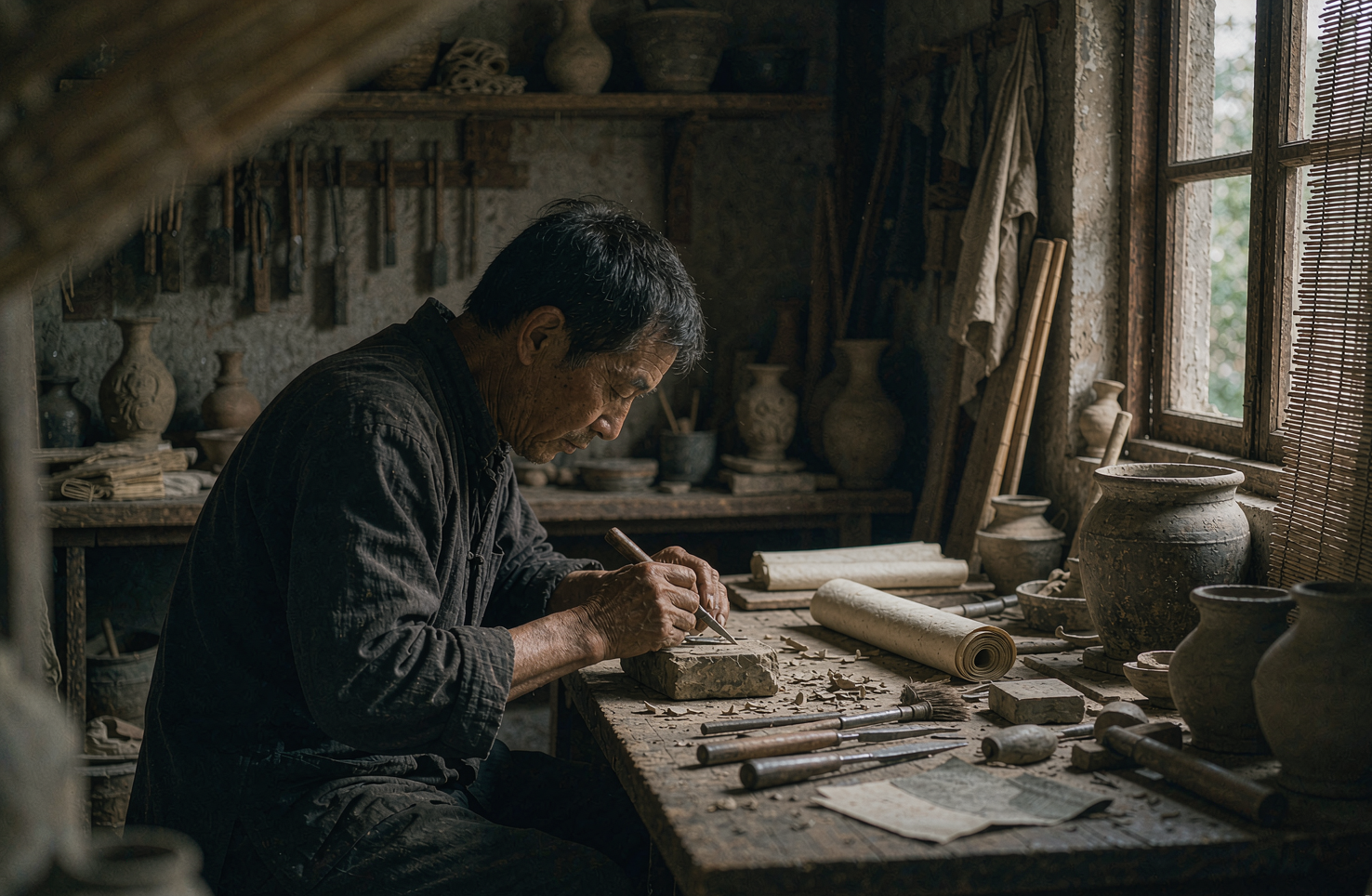
一篇稿子,能为一位匠人做什么
"内容赋能匠人"这六个字,写在我们主张里,一开始也只是六个字。直到有一次,一位做漆的老师傅跟我们说了句话:他最缺的不是订单,是"被说清楚"。
韵和鸣 · 2026/10/7 · 13 阅读

严选的标准,说到底是三条线
一件东西摆在面前,我们先问的不是价格,是三个问题——谁做的,在哪做的,用什么料做的。
韵和鸣 · 2026/10/4 · 13 阅读

我们为什么坚持实地寻访
说到底,寻访不是内容选题,是品牌的地基。不去产地、不见匠人、不看现场,"严选"两个字就只剩修辞。这一期共生志,把坚持的理由讲清楚。
韵和鸣 · 2026/10/12 · 12 阅读