一枚蛋雕,薄到什么程度才算到位
韵和鸣 · 韵和鸣公众号 · 2026/10/20 12:00:00 · 9 阅读
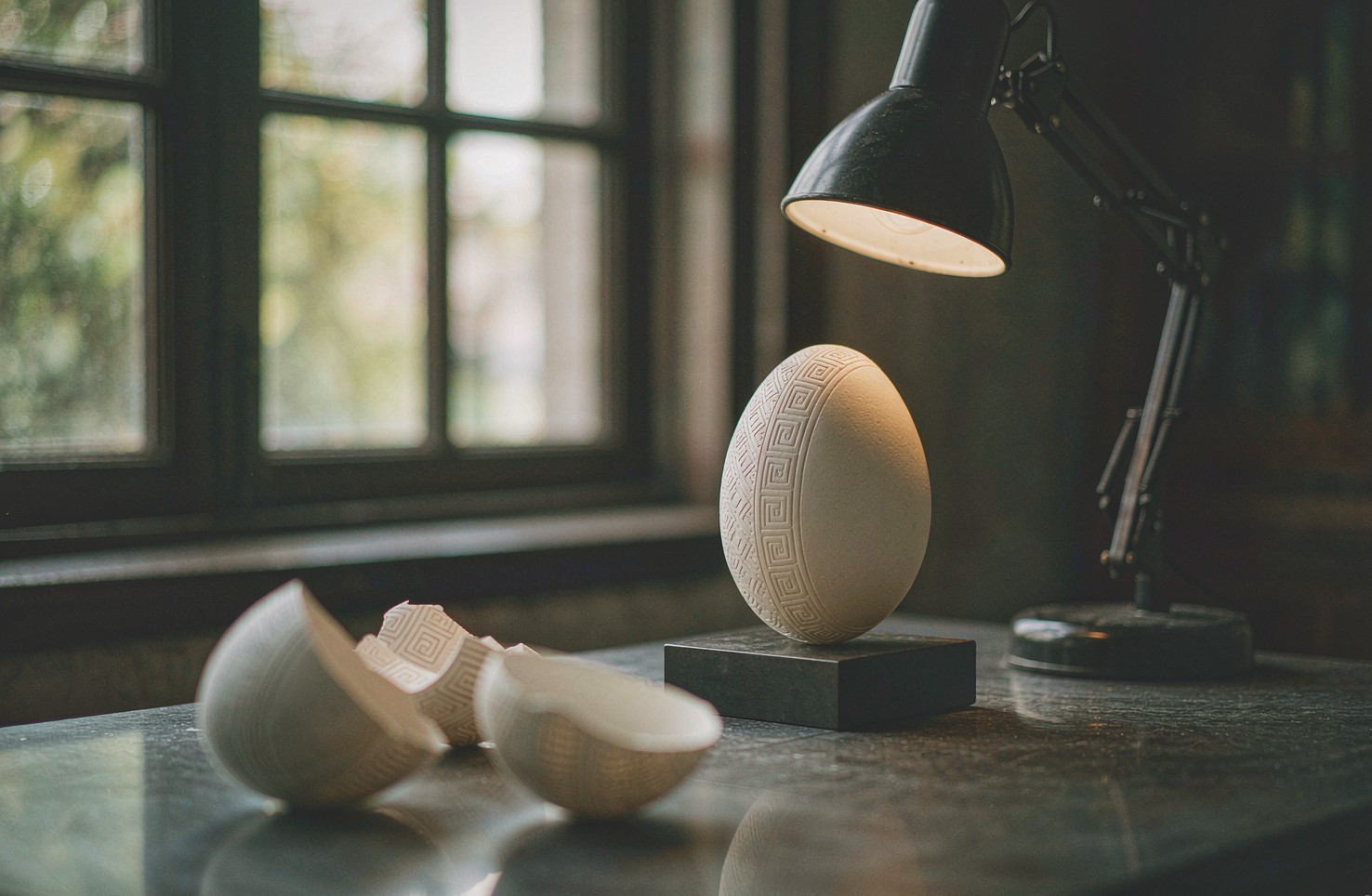
把一枚蛋拿在手里,先注意到的往往是轻。蛋壳薄到零点几毫米的量级,指腹一用力就能听见细微的脆响。蛋雕这门手艺,就是在这样一层薄壳上落刀:刻深一点会穿,刻浅一点看不出。本文只谈工艺与分寸,不涉及具体项目的名录级别。
▍选壳:先挑一枚能承力的蛋
蛋雕是在禽蛋壳上进行雕刻的传统手工技艺,常见用材包括鸡蛋、鸭蛋、鹅蛋与鸵鸟蛋;从选蛋、打孔、取出蛋液,到清洗、阴干、构图、雕刻与装裱,构成一整套工序。不同地区的蛋雕在工具与题材上各有面貌,级别与名录身份以当地公布为准。
选壳这一步常被跳过,其实它决定了后面所有的余地。壳色要匀,表面不能有暗纹与砂眼;形状要端正,一头略钝一头略尖的蛋在雕刻时受力更稳。鹅蛋壳厚,能承担更复杂的镂空;鸡蛋壳薄,容错更小,却也因为薄而透光更好。
▍清空与阴干:看不见的两道工序
打孔常在蛋的两端,孔要小而圆,太大伤结构,太小取不净。蛋液取出之后,壳内要反复冲洗干净,再做消毒与干燥处理。
阴干不能急。残留的水分若被封在壳里,日子久了会生霉、发味,也会让壳体的强度下降。这一步没有任何观赏性,却决定了一件蛋雕能放多久。手工器物的许多功夫都在这些看不见的地方,这也是它们无法被提速的原因。
▍厚度:薄到透光,但不能透到破
蛋雕的分寸,核心是厚度。刻刀削去的每一层都以零点几毫米计,稍微多走一点,壳就穿了;留下的部分太厚,光透不过来,图案也就失去了层次。
所以判断一件蛋雕到不到位,可以看两件事:迎光时图案的明暗是否分层,以及边缘是否还能承住指腹的轻压。透得均匀,说明厚薄一致;透得斑驳,多半是某一处刻深了。
▍手法:刻刀只在壳面上走几毫米
常见的技法有阴刻、阳刻、浮雕、镂空与套雕。阴刻是把线条刻进壳里,图案凹下去;阳刻是留出图案、剔掉其余部分,让画面凸起来;镂空则要在壳上开孔,风险高,也考验壳体本身的强度。
无论哪一种,落刀的行程都很短。手要稳,呼吸要匀,一气走完一根线条再换气。蛋壳是弧形,刀刃与壳面的夹角在不断变化,全靠手腕微调——这一点机器很难替代,因为它需要在几毫米内连续修正。
▍观察:小器为什么难藏拙
大件器物可以靠体量压住细节的不足,小件不行。一枚蛋雕握在掌心,所有的失误都在眼前:一处刻穿,一处崩边,一处线条发抖,都无处可躲。
这也是我们把小件当作严选试金石的原因。它不考验规模,只考验分寸——而分寸这种东西,做不了假。
▍问答
问 | 蛋雕是用什么蛋做的?鸡蛋和鹅蛋有什么差别?
答 | 常见的有鸡蛋、鸭蛋、鹅蛋与鸵鸟蛋。鹅蛋与鸵鸟蛋壳更厚、体积更大,能承担更复杂的镂空与多层雕刻;鸡蛋壳薄、透光性好,成品更轻盈,但容错小、刻穿的风险高。选择哪一种通常取决于题材的复杂度与想要的光感,而不是越薄越好。
问 | 蛋雕作品怕什么?日常怎么保存?
答 | 怕三样:压、潮与温差。蛋壳薄,摆放要避开重压与磕碰,装蛋雕的盒内衬要软;潮气会让壳体内壁返潮,宜放在干燥通风处,避免长期密闭;温差过大容易让壳体与装裱材料胀缩不一致,不要放在暖气片旁或阳光直射处。清洁时用软毛刷轻扫,不要用湿布擦。
问 | 怎么判断一件蛋雕是手工刻的还是机器做的?
答 | 看线条与崩边。手工刻的线条在转折处有细微的深浅变化,拐弯时刀锋会留下连续的微小调整痕迹;机器走线深浅一致,转折生硬。镂空部位也是线索:手工开孔的内壁常留有手工修整的弧面,机器开孔则边缘均匀到近乎没有个性。迎光看厚薄是否一致,同样能分出高下。
问 | 韵和鸣收的器物,是真非遗还是贴了非遗图案的商品?
答 | 分辨的办法不看招牌,看能不能说清来历:出自哪位老师之手、在哪间工坊完成、按哪几道工序走完。三条都答得上来,才是它愿意收的;把纹样印上量产货再挂个名头的做法,它一律不碰。
📩 非遗项目 | 匠人举荐 | 跨境出海 | 线下联营
欢迎留言或后台联系,我们与匠人同行。
—— 韵和鸣 · 与匠人同行
〖 器 〗
相关搜索 | RELATED SEARCHES
蛋雕 制作工艺 · 蛋壳雕刻 厚度 分寸 · 蛋雕 怎么保存 · 手工蛋雕 与 机雕 区别 · 非遗 小件 严选
English
Choosing the Shell: First Pick an Egg That Can Bear Force
Eggshell carving is a traditional handcraft of carving on poultry eggshells, commonly using chicken, duck, goose and ostrich eggs; selecting the egg, drilling, removing the contents, then washing, drying, designing, carving and mounting form a full sequence of steps. Eggshell carving in different regions varies in tools and subject matter, and listing status follows what local authorities publish.
Choosing the shell is often skipped, yet it decides every margin that follows. The color must be even, with no hidden veins or grit marks; the shape must be true, since an egg slightly blunt at one end and pointed at the other bears force more steadily while being carved. Goose shells are thicker and can carry more complex openwork; chicken shells are thinner, with less room for error, yet they transmit light better precisely because they are thin.
Emptying and Drying: Two Steps You Never See
The holes are usually made at the two ends; they must be small and round, since too large a hole weakens the structure and too small a one will not let the contents out. Once emptied, the inside must be rinsed repeatedly, then disinfected and dried.
Drying cannot be hurried. Moisture sealed inside will, over time, grow mold and odor and weaken the shell. This step has nothing to look at, yet it decides how long a piece will last. Much of the work in handmade objects lies in places no one sees, which is also why they cannot be sped up.
Thickness: Thin Enough to Transmit Light, Not Thin Enough to Break
The heart of eggshell carving is thickness. Every layer the blade removes is measured in tenths of a millimeter; go a little too far and the shell is pierced; leave too much and light cannot pass through, and the design loses its depth.
So two things tell you whether an eggshell carving is right: whether the light and dark of the design separate into layers when held to the light, and whether the edges still withstand a light press of a fingertip. Even transmission means consistent thickness; blotchy transmission usually means one spot was cut too deep.
Technique: The Blade Travels Only Millimeters Across the Shell
Common techniques include intaglio, relief, embossing, openwork and nested carving. Intaglio cuts the lines into the shell so the design sinks; relief keeps the design and removes the rest so the image stands out; openwork requires piercing the shell, which carries higher risk and tests the strength of the shell itself.
Whichever it is, each pass of the blade is short. The hand must be steady and the breathing even, finishing one line before taking another breath. A shell is curved, so the angle between blade and surface keeps changing and everything depends on fine adjustment at the wrist — something a machine finds hard to replace, because it requires continuous correction within a few millimeters.
Observation: Why Small Objects Cannot Hide a Flaw
A large object can use its scale to absorb weaknesses in detail; a small one cannot. An eggshell carving sits in the palm, and every fault is right there: a pierced spot, a chipped edge, a line that wavered, with nowhere to hide.
That is why we treat small pieces as a touchstone for curation. They test not scale but proportion — and proportion is not something that can be faked.
What eggs are used for eggshell carving, and how do chicken and goose eggs differ?
Common choices are chicken, duck, goose and ostrich eggs. Goose and ostrich shells are thicker and larger, able to carry more complex openwork and multi-layer carving; chicken shells are thin and transmit light well, making lighter pieces, but they allow less error and a higher risk of piercing. The choice usually depends on how complex the subject is and what quality of light is wanted, not simply on being as thin as possible.
What damages eggshell carvings, and how should they be kept?
Three things: pressure, damp and temperature swings. The shell is thin, so display it away from weight and knocks, with soft lining in its box; moisture will make the inner wall damp again, so keep it dry and ventilated rather than sealed for long periods; sharp temperature changes make the shell and its mounting expand at different rates, so keep it off radiators and out of direct sun. Clean with a soft brush, never a wet cloth.
How can you tell whether an eggshell carving was cut by hand or by machine?
Look at the lines and the edges. Hand-cut lines vary slightly in depth at turns, and the blade leaves a chain of tiny corrections as it comes around a corner; machine lines hold one depth and turn abruptly. Openwork is another clue: hand-pierced holes often show an inner wall finished into a curved surface by hand, while machine-cut edges are even to the point of having no character. Holding it to the light to see whether the thickness is consistent separates the two just as well.
Does YUNHEMING take in genuine heritage work, or goods printed with heritage motifs?
The way to tell is not the signboard but whether the provenance can be stated: which master's hands, which workshop, which sequence of steps. Only when all three can be answered will it take the piece; printing a motif onto mass-produced goods and then attaching a name to it is something it never touches.
ICH Projects · Artisan Referrals · Global Distribution · Salon Partnerships
你可能还感兴趣
一件漆器该有多重,手感不会说谎
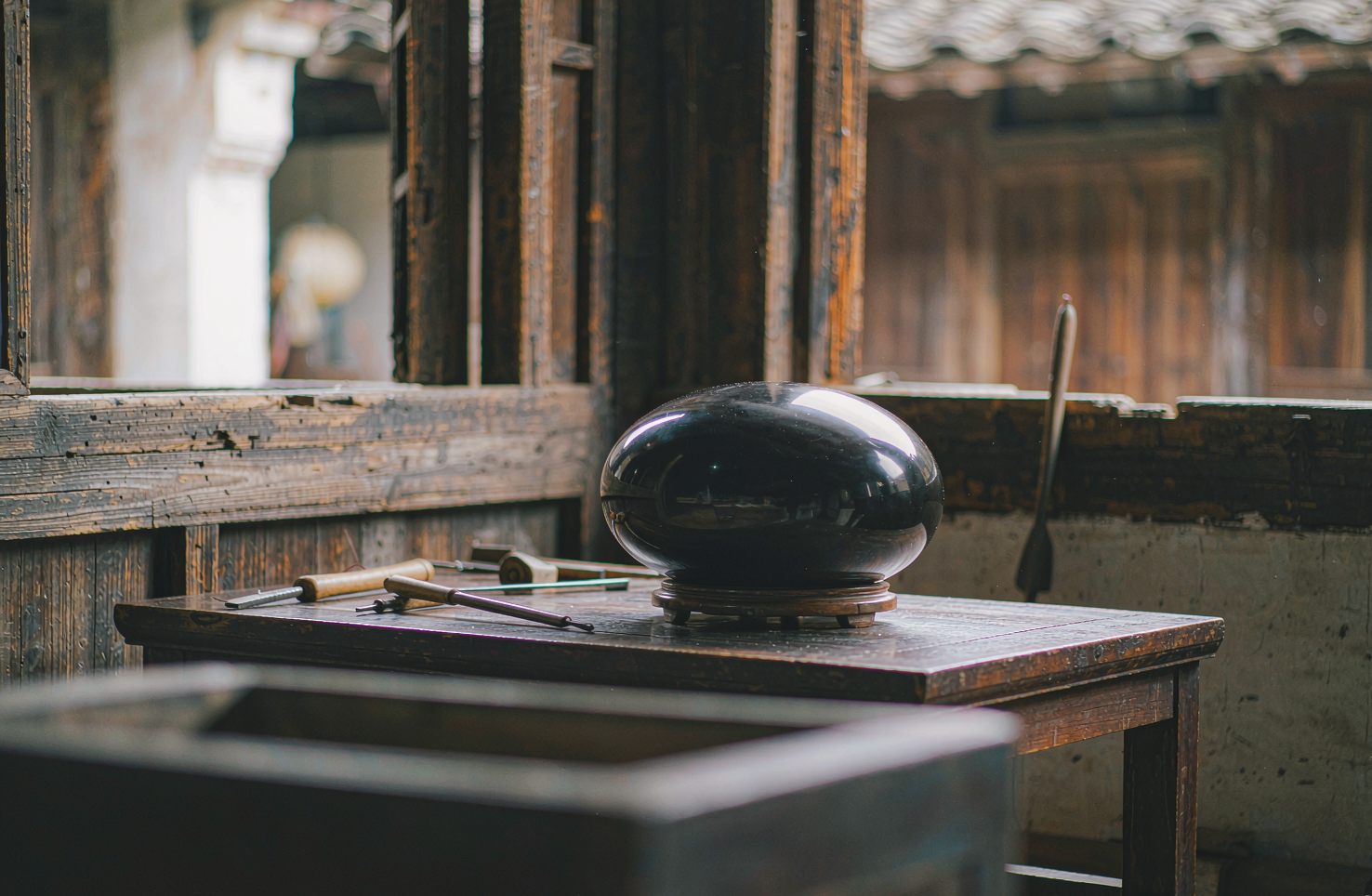
严选器物,看纹样、看款识、看证书,都是明面上的事。但有一道标准写不进任何参数表——上手。同一尺寸的两只漆盘,一只压手温润,一只轻飘干瘪,差别从何而来?这次把"分量"这件事拆开讲。说到底,重量是工序的记账本。
韵和鸣 · 2026/10/14 · 25 阅读
一件非遗手作凭什么"值":把时间的账算一遍
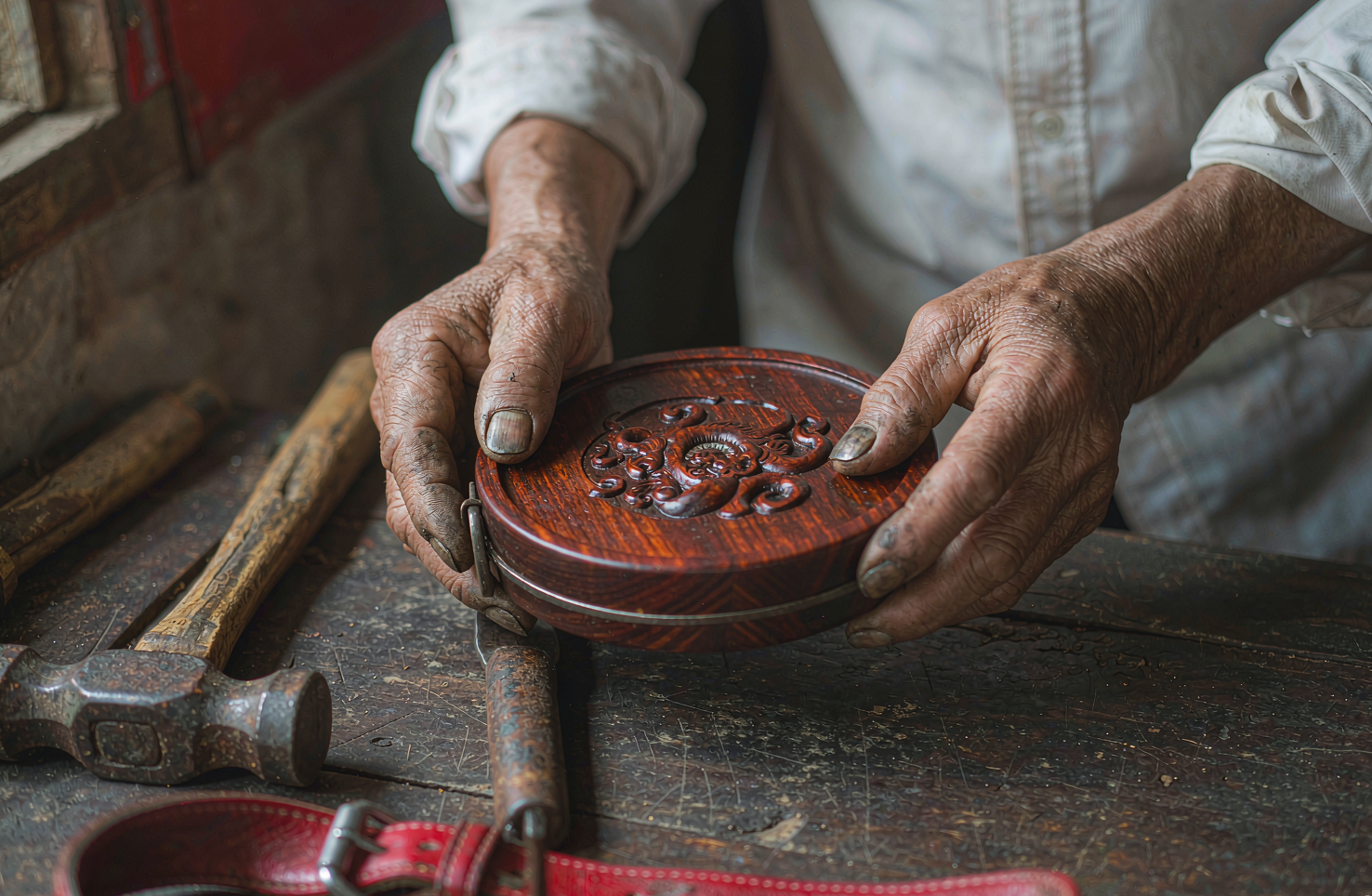
谈非遗手作,绕不开一个字:值。有人觉得贵得离谱,有人觉得便宜得可疑。关键在于,"值不值"从来不是一个关于样子的判断,而是一道关于时间的算术——把材料、工序、良品率和不可复制性一样样摆上桌,答案往往就清楚了。
韵和鸣 · 2026/10/9 · 21 阅读
一面屏风,如何成为一个家的「眼」
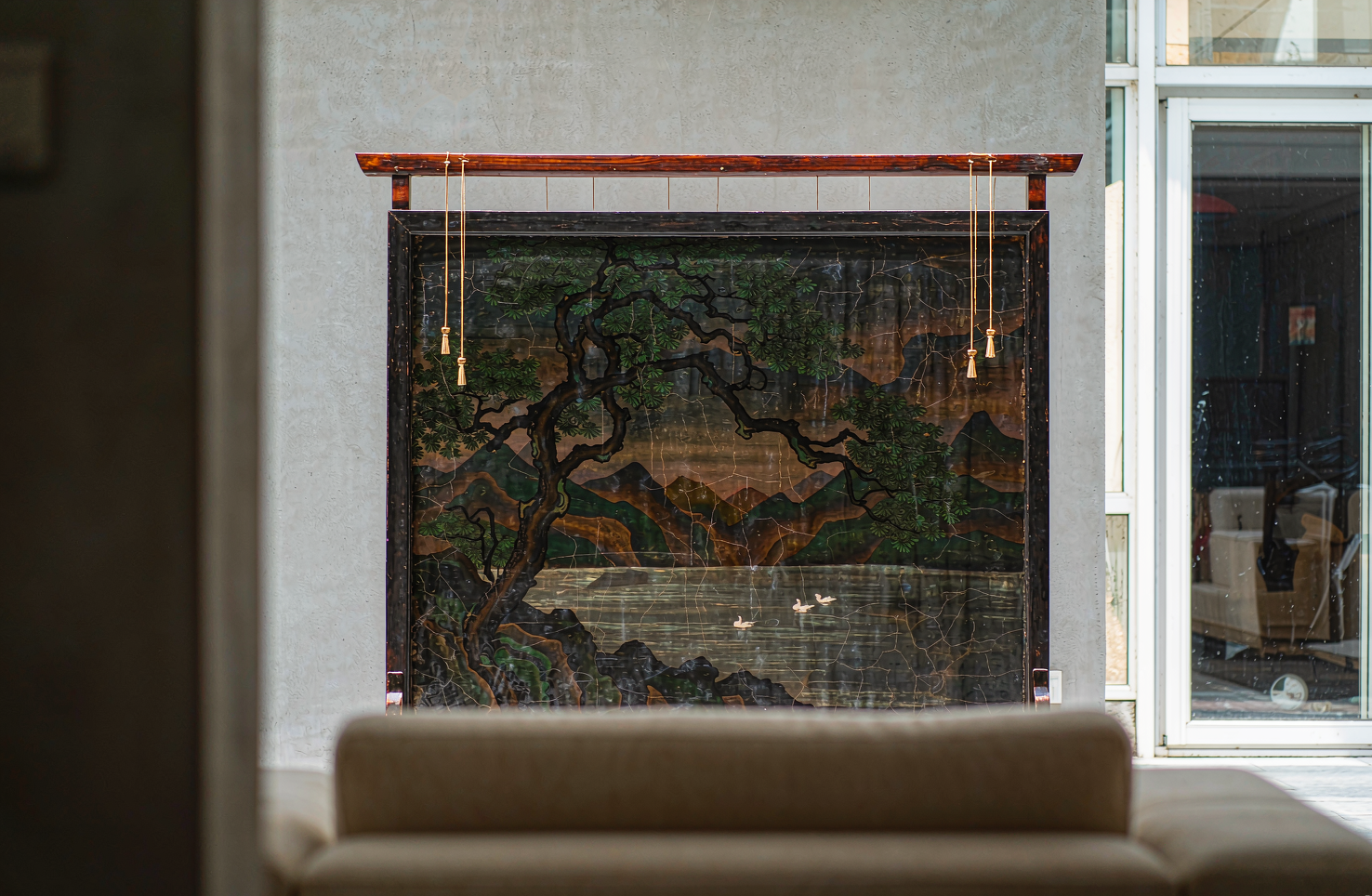
老房子里,屏风从来不只是挡一挡。它决定你一进门先看哪里。四面墙的屋子有了屏风,才像有了一个"眼"。
韵和鸣 · 2026/10/8 · 21 阅读
一张蔚县剪纸,彩色的刻刀活
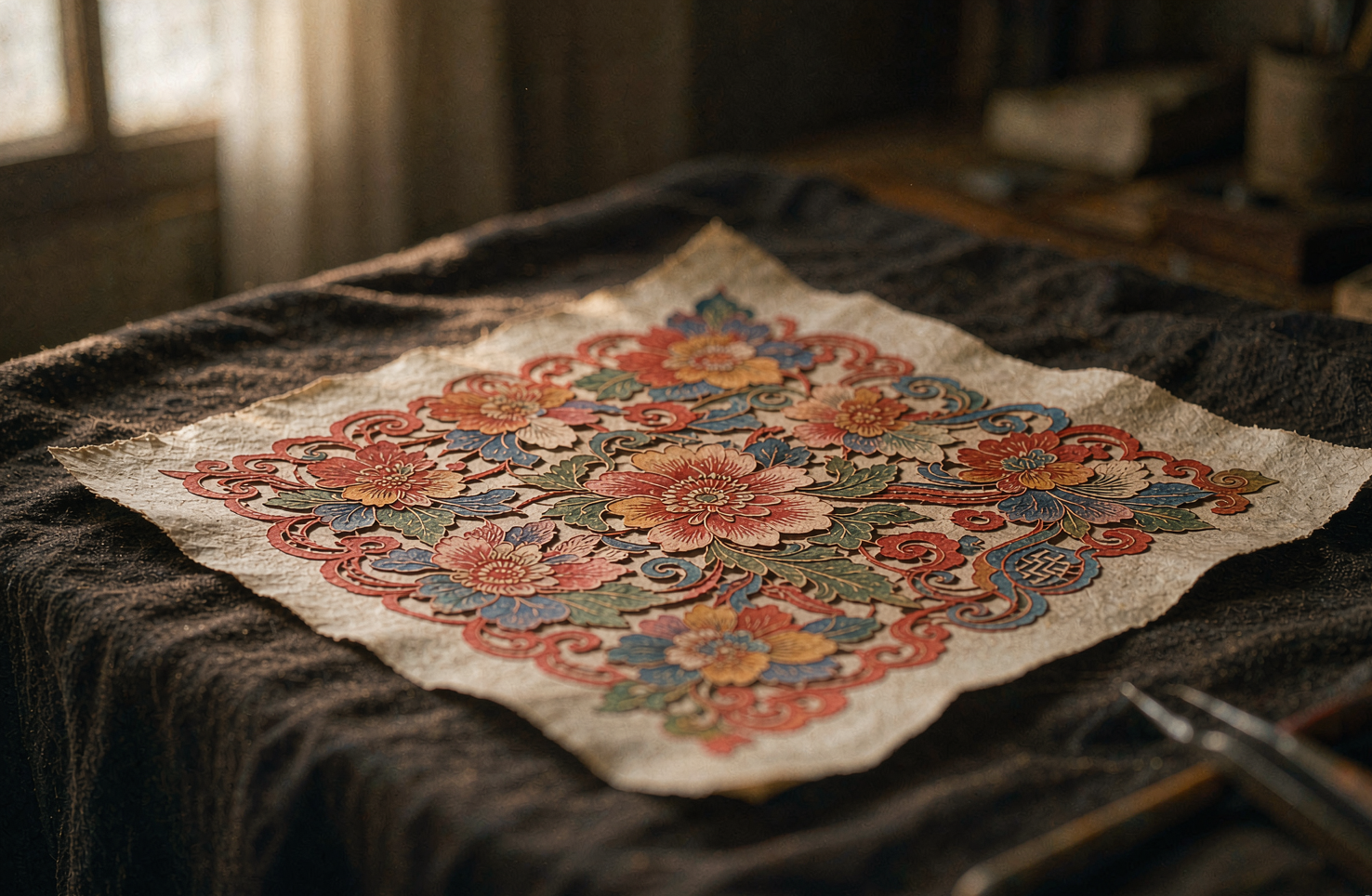
严选录这一期看一张不太一样的剪纸:它不用剪刀,用刻刀;不止红色,还带着点染出来的粉与绿。河北张家口蔚县的剪纸,是剪纸大家族里"反着来"的一支——别处以剪为主、以红为正,蔚县以刻代剪、以点彩上色。说到底,这两个"反着来"的本质,是蔚县人把剪纸从窗前的女红,做成了作坊里的分工手艺:看懂了这一点,才算看懂了这张纸。
韵和鸣 · 2026/10/13 · 19 阅读
一盏博山琉璃:颜色是炉火给的,不是颜料调的
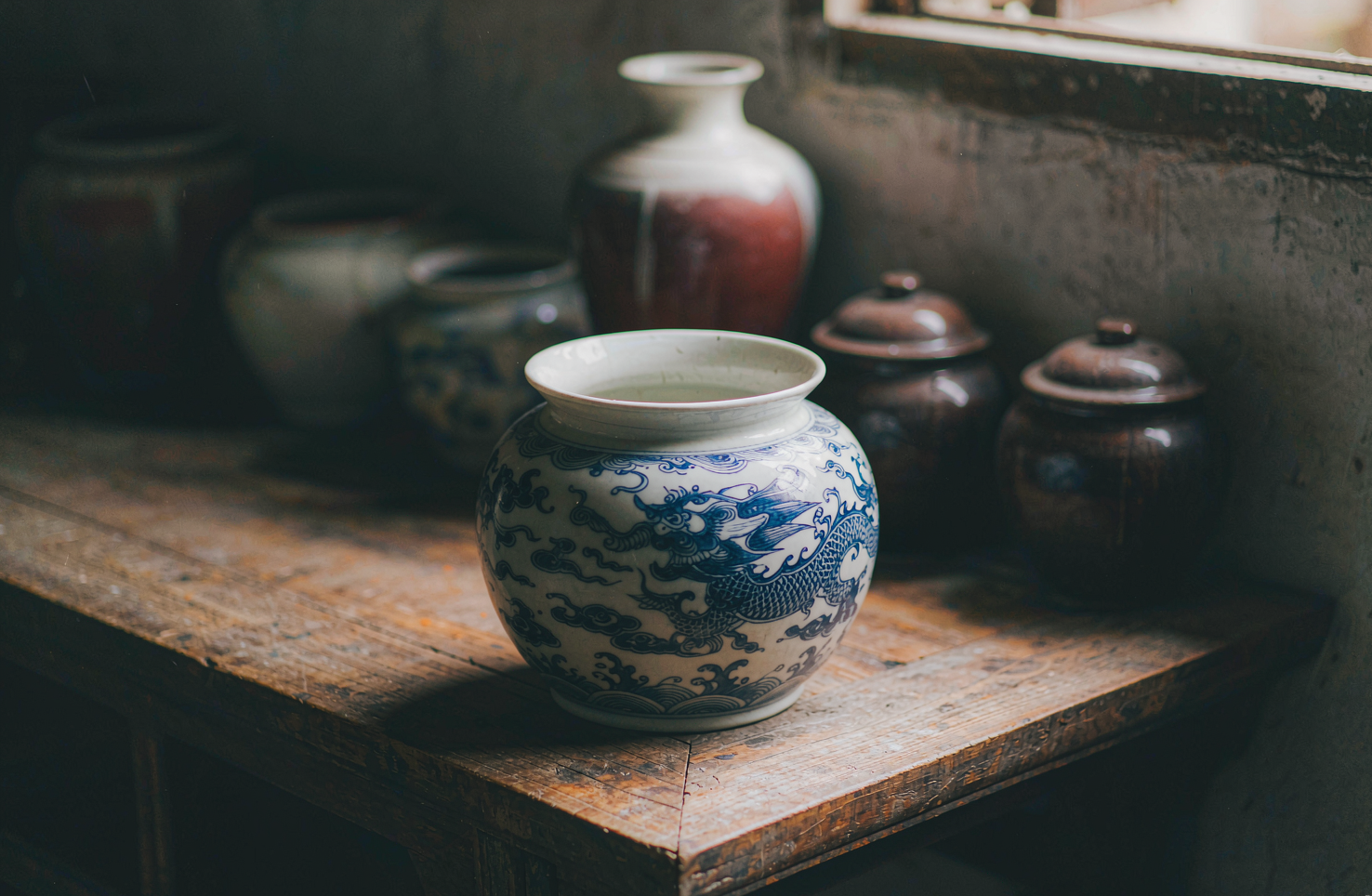
说到底,琉璃与玻璃的分界,不在透明不透明,而在颜色从哪来。在山东博山,一盏鸡油黄琉璃的颜色长在料里、生在炉里,出炉之后再不改色。这是严选录这一期想讲清楚的事。
韵和鸣 · 2026/10/12 · 19 阅读
一枚苏绣绣片,丝光里藏着多少根丝
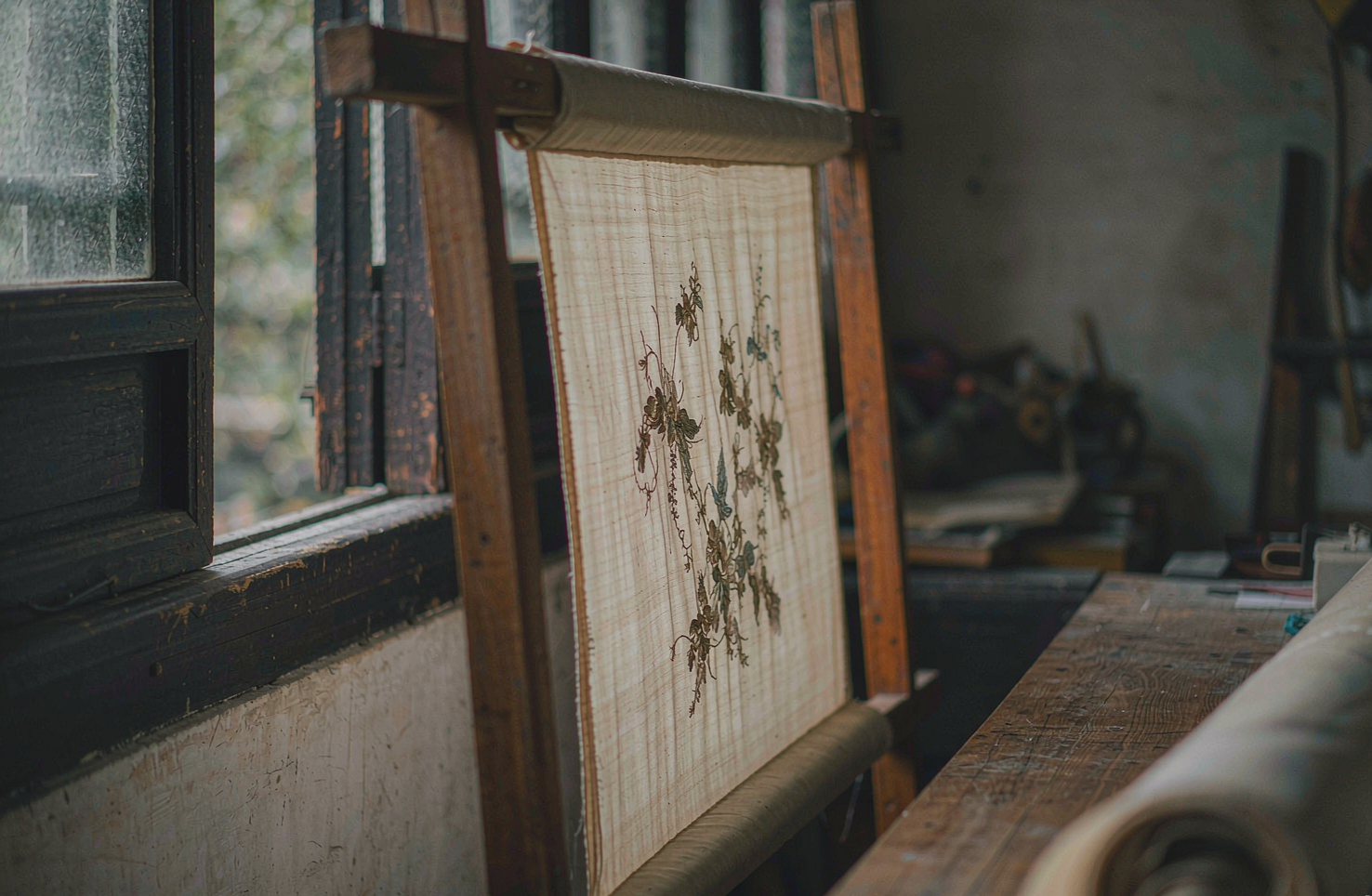
看一枚巴掌大的苏绣绣片,凑近了看,再凑近一点。你会发现它的光不是绣上去的,是"长"出来的——丝被劈到几乎看不见,一针一针顺着一个方向排,光就顺着丝走。说到底,苏绣的讲究,是从把一根丝线"拆开"那一刻开始的。
韵和鸣 · 2026/10/11 · 19 阅读